Is this Tropical North Queensland’s most exciting new island stay?
The wait is over. Dunk Island has officially started welcoming overnight guests for the first time since Cyclone Yasi tore through it in 2011, with the launch of the new Beachfront Eco Tents in April marking a huge milestone in one of Queensland’s most anticipated island revivals.
Sitting just four kilometres off the coast of Mission Beach – the picturesque Cassowary Coast town roughly halfway between Cairns and Townsville – Dunk Island (known to the Djiru people as Coonanglebah, meaning “island of peace and plenty") has long held a special place in Australian travel lore. For over a decade, it has sat largely dormant, its former resort still a ruin. Now, the Dunk Island Group is carefully and intentionally bringing it back.
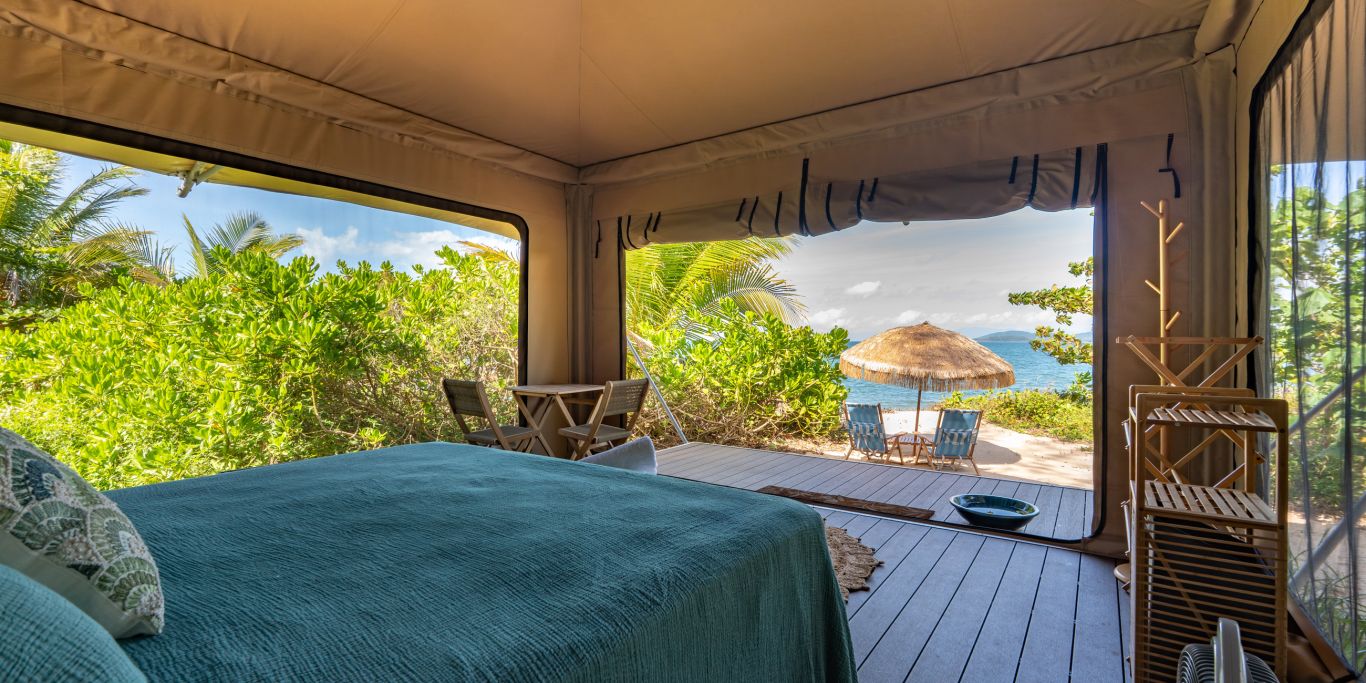
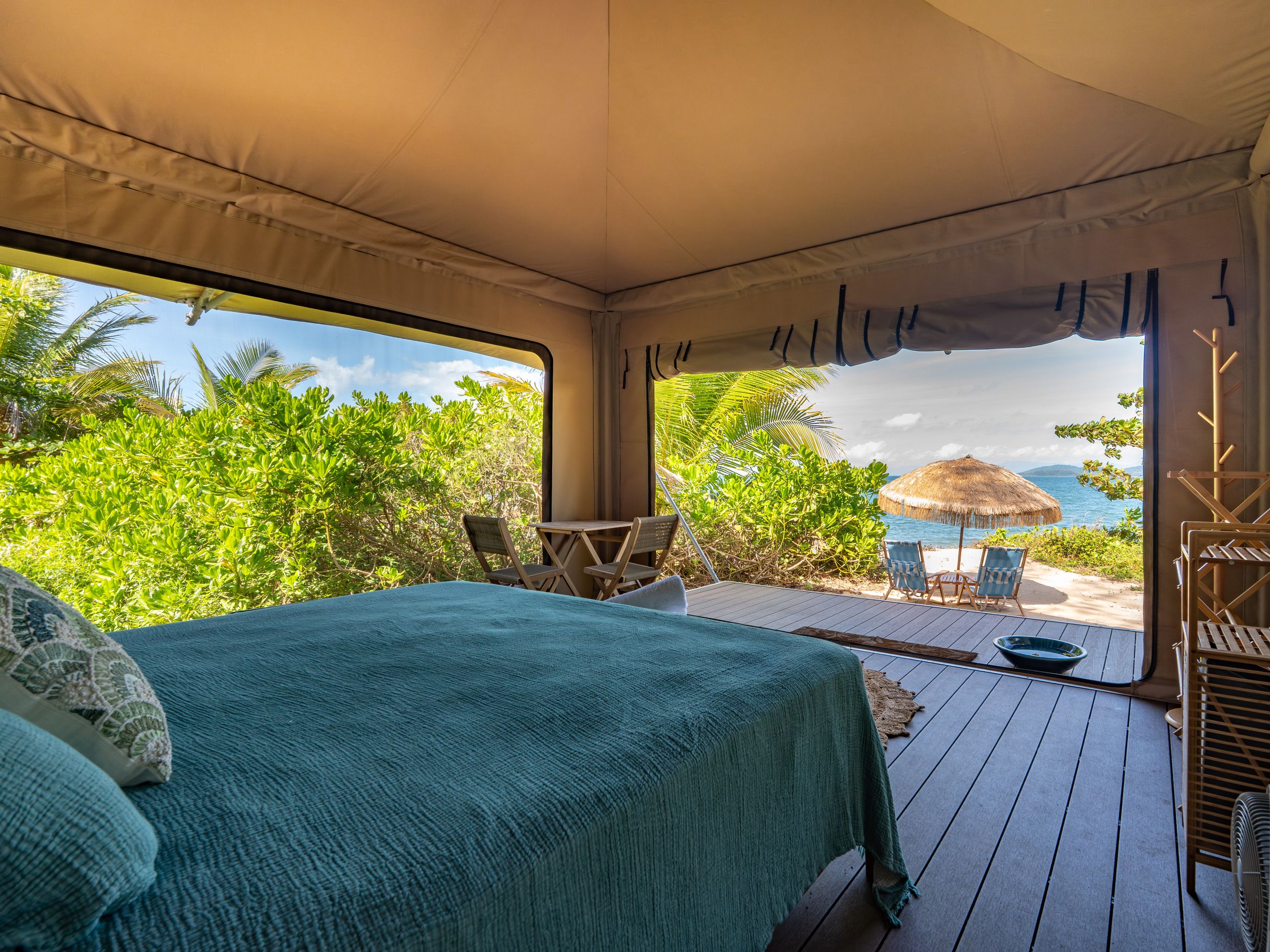
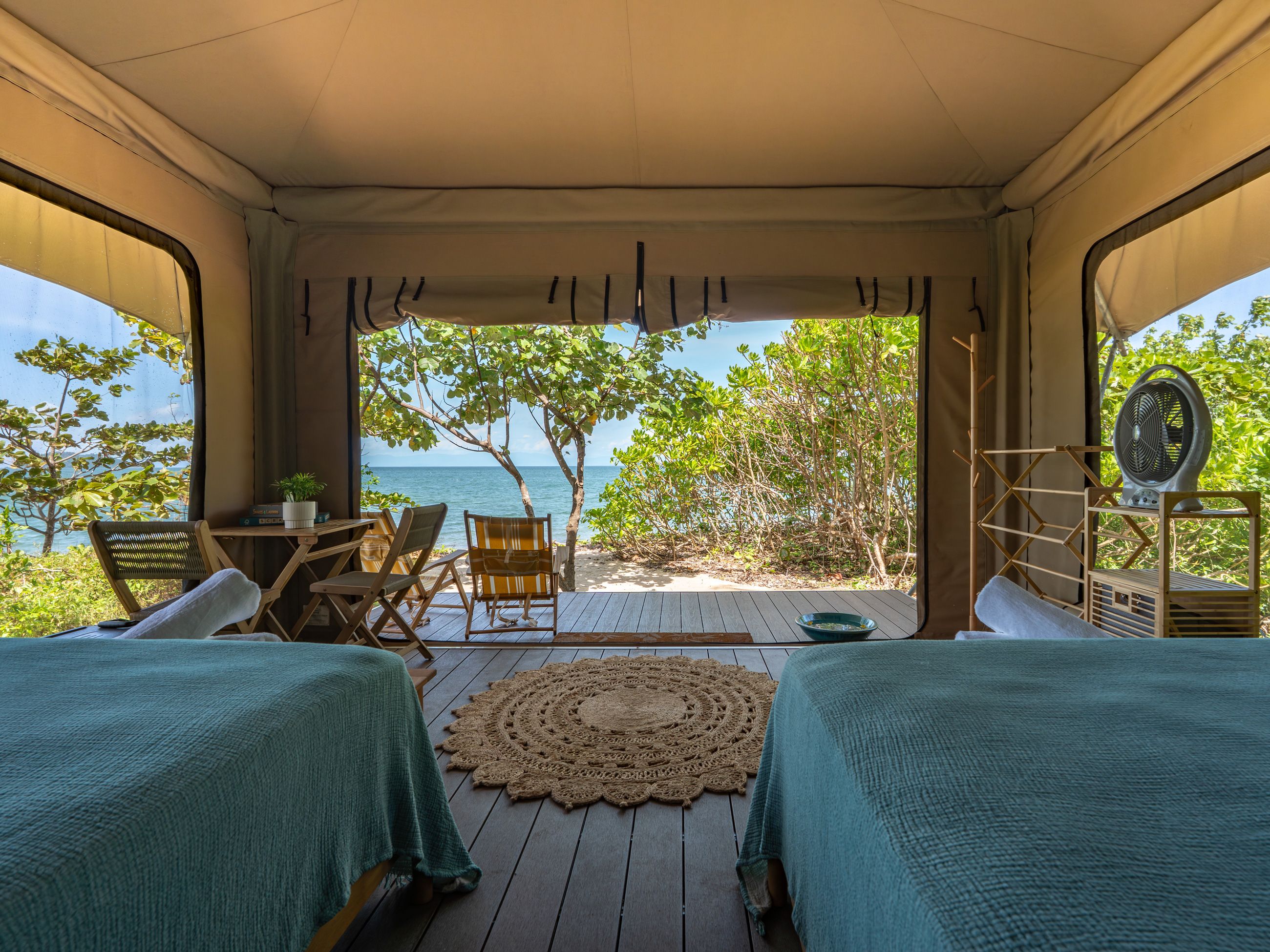
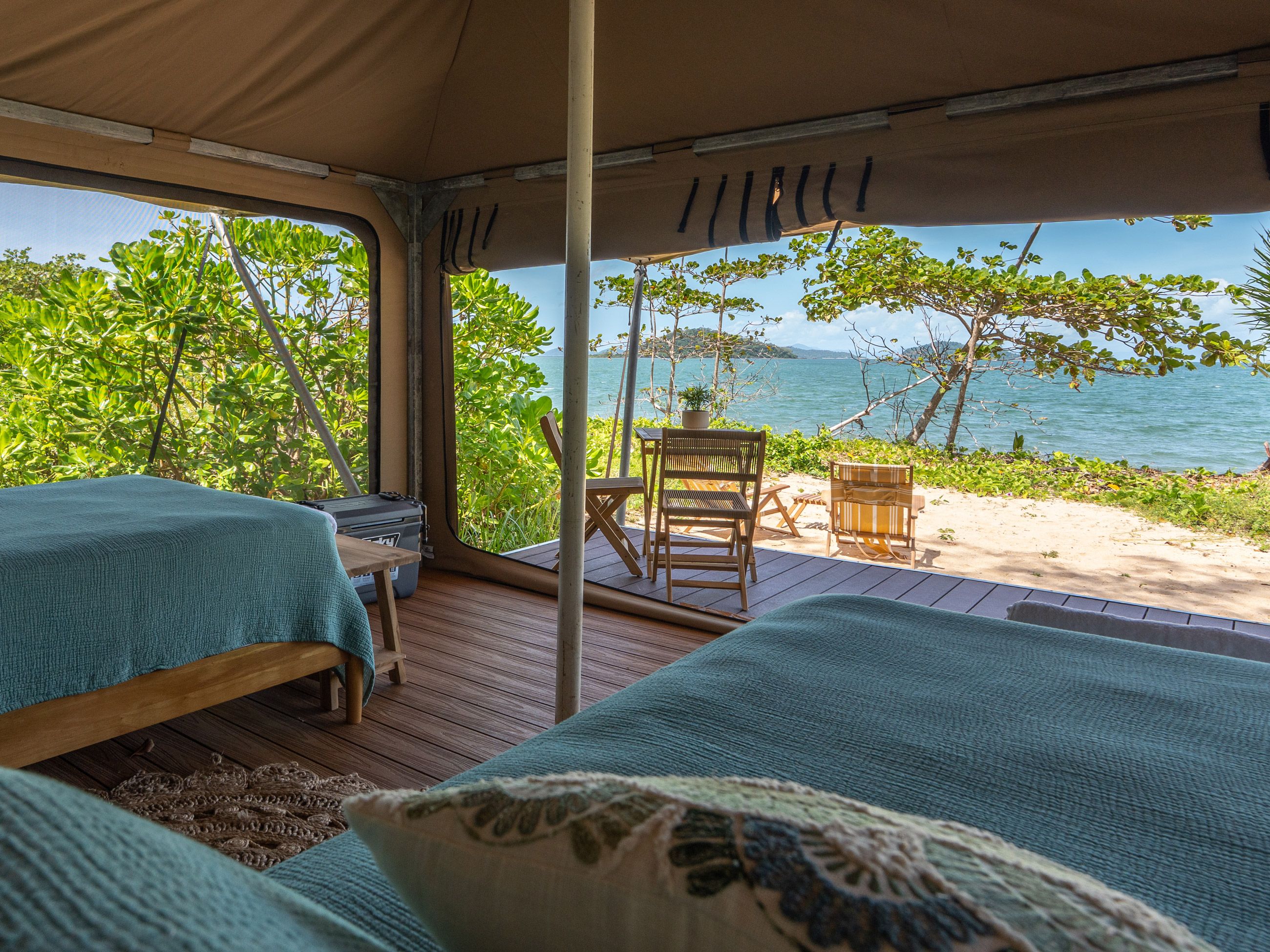
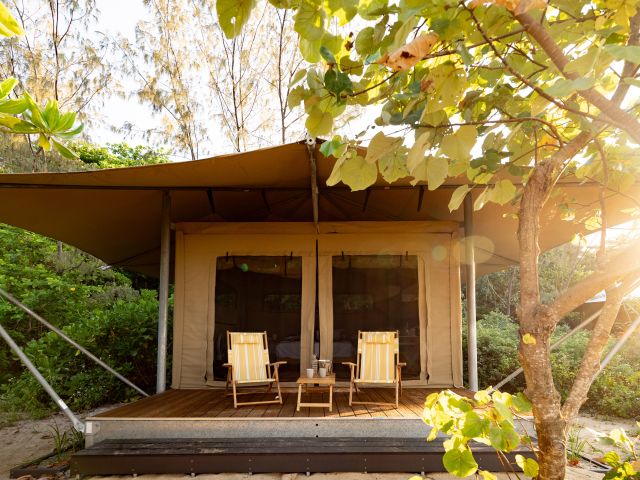
The Beachfront Eco Tents
The King Eco Tents are perfect for couples.
Families are accommodated for in the Queen Twin Eco Tents.
Single Twin Eco Tents are great for you and a friend.
Available from Wednesday to Sunday, the Beachfront Eco Tents are designed for guests who want the experience of sleeping on the island without fully roughing it. The tents come in three configurations: Single Twin, Queen Twin (two queen beds), and King. Each tent includes linen and towels, a lantern, a fan, a charging dock with a power outlet, and an esky stocked with ice.
It’s honest, well-considered comfort rather than ostentatious luxury. The tents are unpowered (the portable charging dock handles devices, fan and lights), there is no ensuite or air conditioning, and the shared amenities block handles bathroom needs, so guests who come expecting a five-star resort will need to recalibrate. Those who arrive in the spirit of the place will find it near-perfect.
The rest of the island experience
Need tips, more detail or itinerary ideas tailored to you? Ask AT.
AI Prompt
The Dunk Island Restaurant is open 8am to 8pm.
Book a Bayside Campsite from $60 per night.
The ferry doesn't operate on Mondays and Tuesdays.
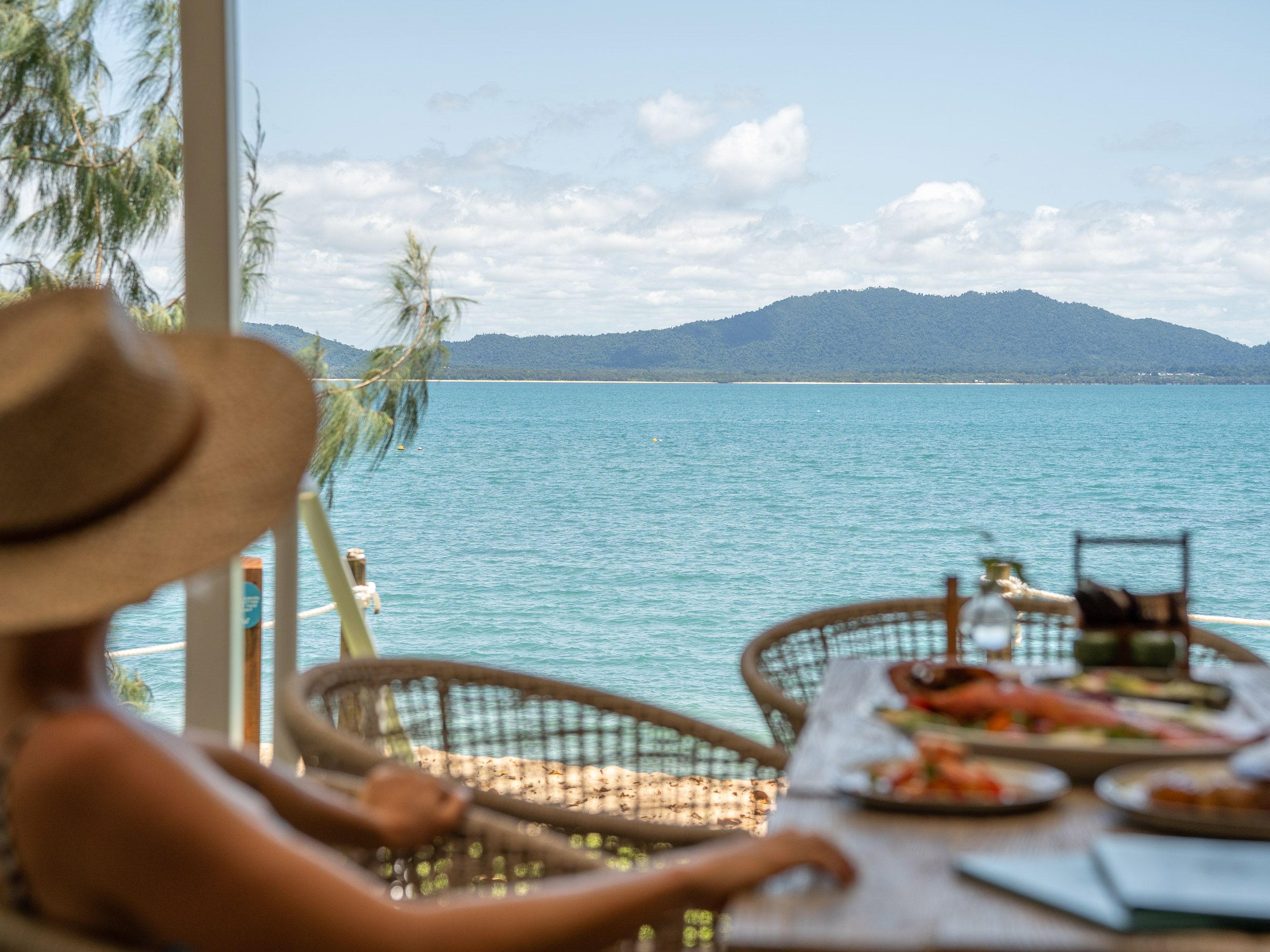
The Dunk Island Restaurant is open Wednesday to Sunday from 8am to 8pm, with a full cocktail bar and à la carte menus built around locally sourced ingredients. You can also hire beach umbrellas, sun lounges, kayaks and stand-up paddleboards.
Roughly 970 hectares of the island is national park. Four walking trails of varying difficulty wind through it, including the climb to the Mt Kootaloo lookout. Snorkelling is excellent at Muggy Muggy Beach and Coconut Beach, and for a full Great Barrier Reef experience, local tour operators can get you out to the Family Islands or Beaver Reef.
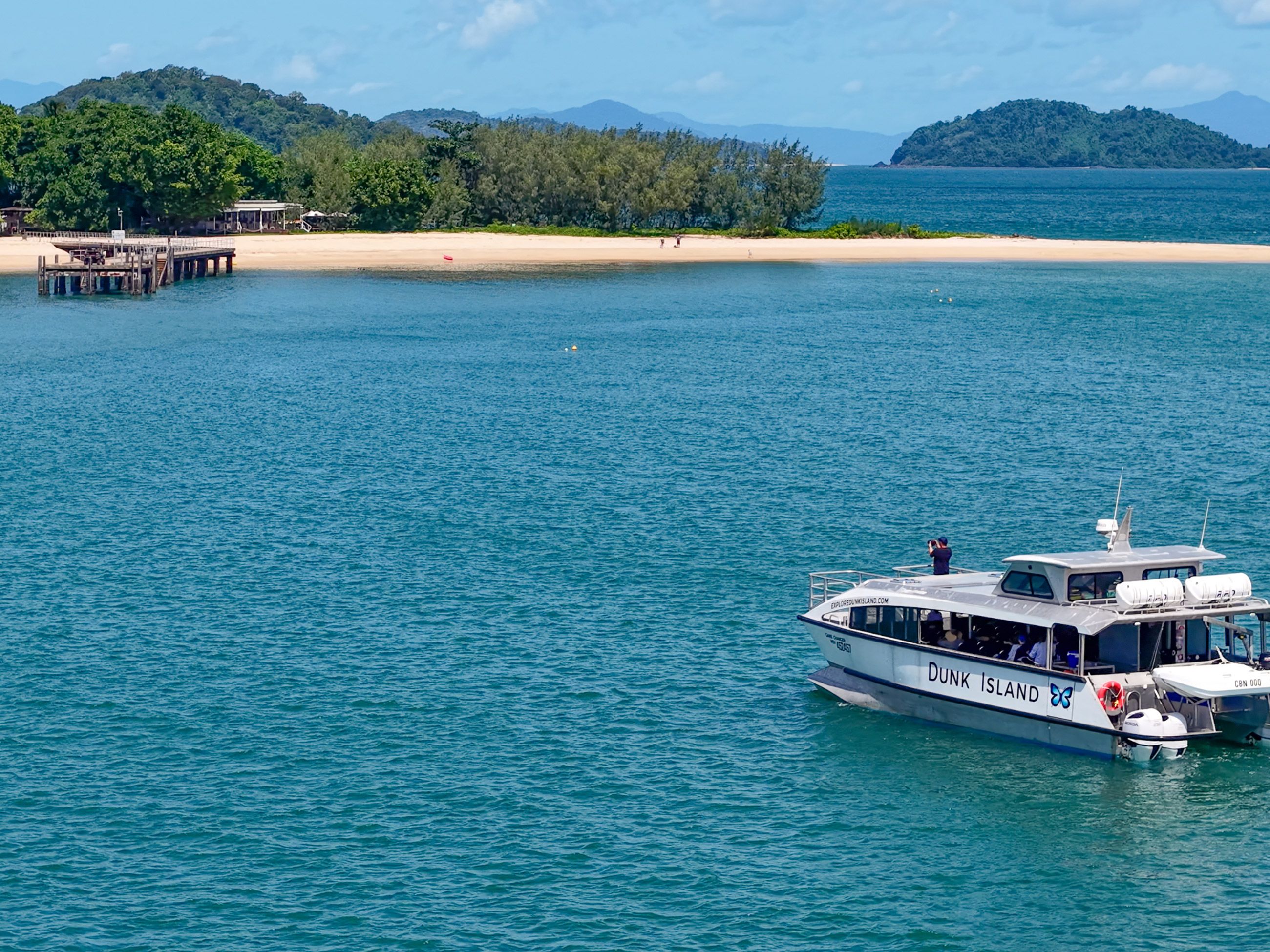
Getting there is newly straightforward. A twice-daily ferry service runs from Mission Beach from Wednesday to Sunday, with departure times of 8.45am and 12.30pm from the mainland. The return ferry service departs at 10.30am and 3.30pm.
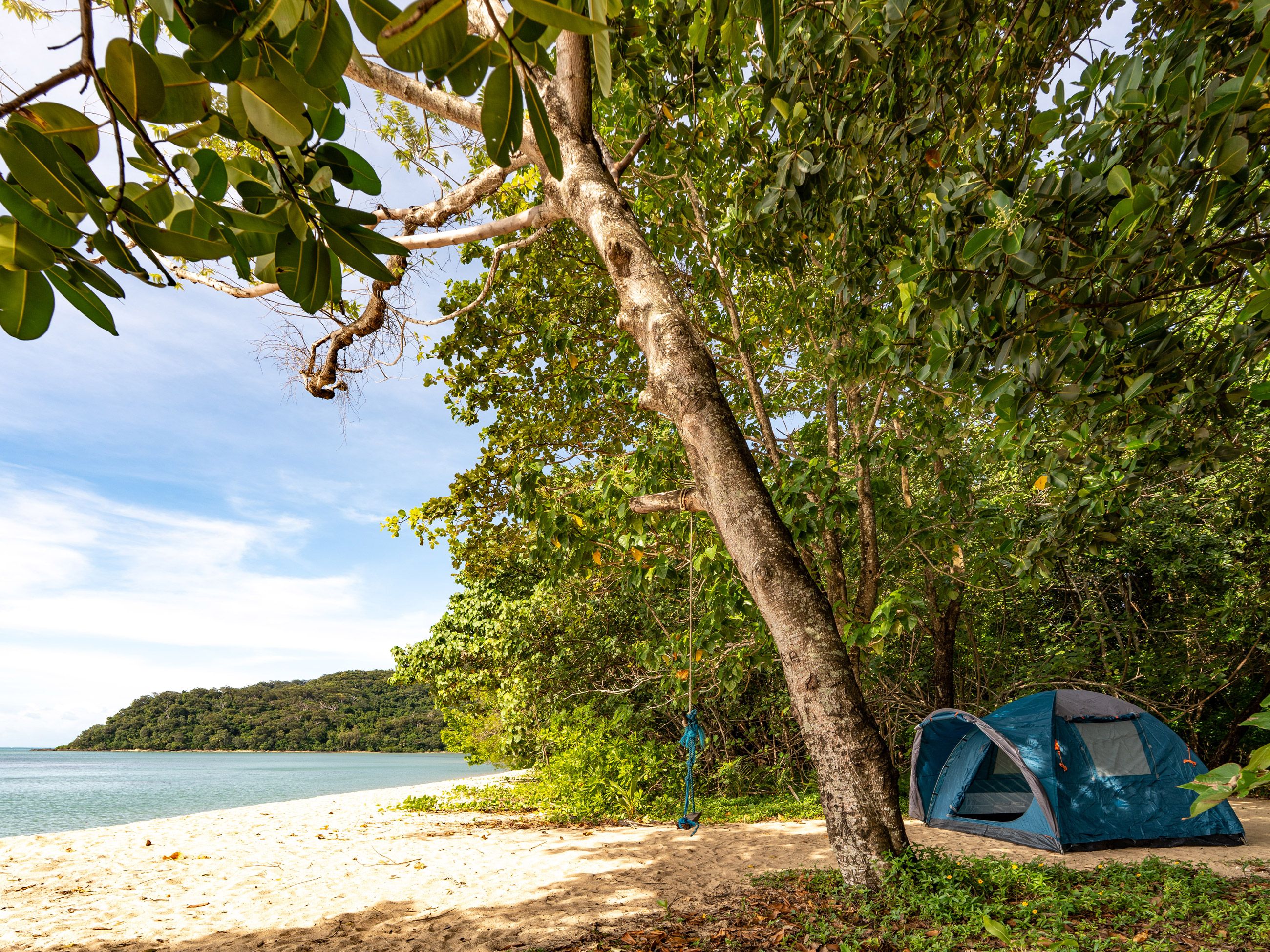
Alongside the Eco Tents, six Bayside Campsites remain open year-round for those who prefer a more traditional bring-your-own-tent experience, accommodating groups of up to six people. Just note that the ferry doesn’t run on Mondays or Tuesdays, so plan your arrival and departure days accordingly.
One important seasonal note: swimming at the beach without a full-body stinger suit isn’t recommended from November to May, so the peak season window of June through October is the sweet spot for those who want to get in the water freely.
The bigger picture
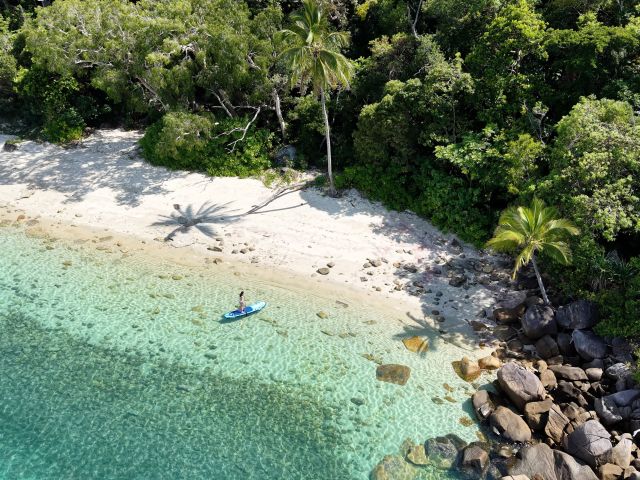
Stand up paddleboard at Coconut Beach.
What’s happening on Dunk isn’t a flashy resort relaunch, and that’s exactly what makes it compelling. The Dunk Island Group has been deliberate about keeping accommodation numbers small to protect the island’s environment and ensure the atmosphere stays calm rather than crowded.
The development operates under a lease with the Cassowary Coast Regional Council and an Indigenous Land Use Agreement with the Djiru Traditional Owners, ensuring cultural and environmental stewardship sits at the centre of the island’s future.
“We are proud to be stepping into this new phase at Dunk Island, to further showcase the beauty of the region and invite guests to experience one of Queensland’s most extraordinary island environments in a low-impact way," Dunk Island Group owner, Annie Cannon-Brookes, said.
For Australians who grew up reading about Dunk Island or who visited in its resort heyday, like I did on a family holiday circa 2005-06, it’s a triumphant return. For a new generation of travellers discovering it fresh, it offers a Great Barrier Reef island stay that feels wild and relaxing.
Weekly travel news, experiences insider tips, offers, and more.
Details
TNQ’s only beachfront island glamping is now open.
Price: From $260 per night for the Single Twin Eco Tent, and from $311 per night for the Queen Twin and King Eco Tents.
When: Beachfront Eco Tents are available Wednesday to Sunday, with a two-night minimum stay.
Getting there: The ferry departs Mission Beach twice daily from Wednesday to Sunday. Return tickets cost $66.30 for adults or $41 for children. Families with two adults and two children can receive a 10 per cent discount.
Want to see more stories from Australian Traveller in your Google search results?
Tick the box next to "Australian Traveller". That's it.
Emily Murphy is Australian Traveller's Email & Social Editor, and in her 4+ years at the company she has been instrumental in shaping its social media and email presence, and crafting compelling narratives that inspire others to explore Australia's vast landscapes. Her previous role was a journalist at Prime Creative Media and before that she was freelancing in publishing, content creation and digital marketing. When she's not creating scroll-stopping travel content, Em is a devoted 'bun mum' and enjoys spending her spare time by the sea, reading, binge-watching a good TV show and exploring Sydney's vibrant dining scene. Next on her Aussie travel wish list? South Australia and The Kimberley.
From barefoot beach walks to moonlit dinners, this three-day Hamilton Island itinerary will have lovebirds swooning.
Few Aussie destinations do romance quite like Hamilton Island. Set in the dreamy Whitsunday Islands, this popular honeymoon destination combines luxury retreats, palm-fringed reefs and spectacular dining with the easy rhythm of tropical living. Whether you’re planning a honeymoon, anniversary or spontaneous couples’ weekend, here’s how to spend a loved-up three days on Hamilton Island.
Day 1
Morning
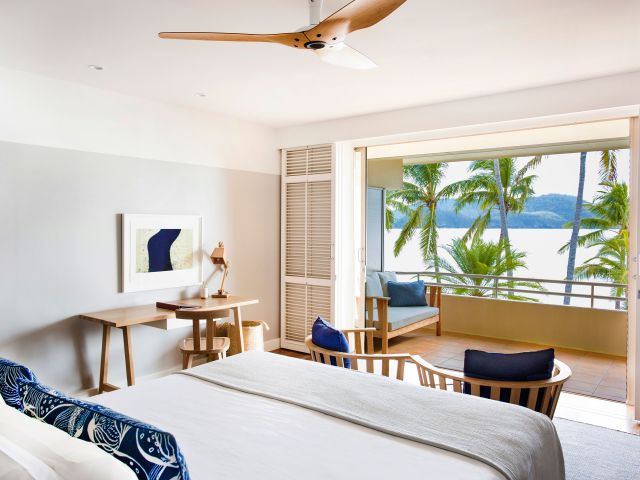
Let picturesque ocean views welcome you the moment you check in. (Image: Kara Rosenlund)
Nothing kills the holiday buzz faster than waiting at the baggage carousel. Luckily, our arrival couldn’t have been smoother. Staying at the boutique, adults-only Beach Club Hotel means VIP transfers are included, so the moment we land, a staff member greets us and whisks our bags straight from the baggage claim to our room. We don’t have to lift a finger.
Occupying a prime piece of real estate on Catseye Beach, Beach Club is a peaceful retreat just steps from sugar-white sand and a turquoise lagoon. Within 10 minutes of stepping off the plane, we’ve arrived and are switched into holiday mode.
We check into our room, immediately delighted by the sight of several wallabies grazing in the garden just in front of our private terrace. Beyond, picturesque ocean vistas stretch across the horizon. The room’s mini bar is stocked with bespoke sweet treats; the bathroom with premium Aesop amenities that add to the luxury.
After we’ve checked out the resort’s beachside infinity pool – plotting the lounge chairs we’ll no doubt return to later – we head out to explore the island. Families glide by on hire bikes and chirping rainbow lorikeets dot the foliage. We decide to hike up to Passage Peak – one of the most scenic walks on Hamilton Island – which takes about 40 minutes one way and boasts panoramic Whitsundays views that will stick with you for long after you leave.
Afternoon
Recharge with a laid-back lunch at Beach Club Restaurant. (Image: Nikki To)
After working up an appetite, Beach Club Restaurant is the perfect place to snap up a light lunch. Think barramundi, nourish bowls, Wagyu beef burgers, brown butter toasties and Queensland chilli prawns. For those who don’t want to move from their prime perch on the beach or by the pool, there’s also the option to order bites via QR code from the resort’s lounge chairs.
After our fill, we plunge into the hotel’s incredible infinity pool, its surface blending near seamlessly into the blues of Catseye Beach. Quiet and tucked away from the island’s hum, it feels illegal to do anything but relax here.
Evening
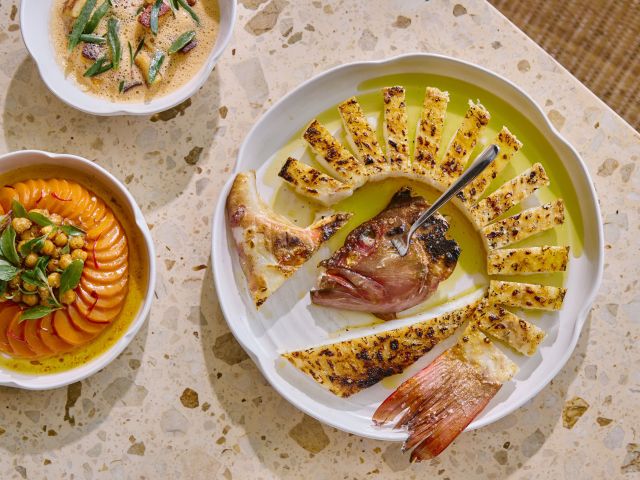
Celebrate your first evening over beautifully plated coral trout. (Image: Nikki To)
There’s truly nothing more satisfying than a little R&R (rest & robe) time in your hotel room after spending the day in the sun. Fresh from a shower, we watch the ripe tangerine sun slowly dip below the palm-framed horizon from our plush terrace daybed. Two wallabies are still grazing on the grass. It’s a magical setting; I find it hard to believe I am only a few hours away from home.
Come dinnertime, we zip over to nearby Catseye Pool Club, which is a short buggy ride from the hotel or a five-minute walk. A chic new haunt from Sydney-based pair Josh and Julie Niland, the restaurant is all about reconnecting over flavour-rich share plates using high-quality Aussie ingredients.
We sit in a corner overlooking Catseye Beach – arguably the best seat in the house – with mini table lamps casting a soft glow about the contemporary indoor-outdoor setting. What comes next is pure delight; grilled prawns served with tumeric and lemongrass marinade, macadamia satay sauce and a Thai-leaning sour green mango salad. Then, elegantly plated coral trout served with kasundi and zucchini. We savour it all slowly, the conversation flowing easily between bites and sips while the moonlight transforms the ocean into molten silver.
Day 2
Morning
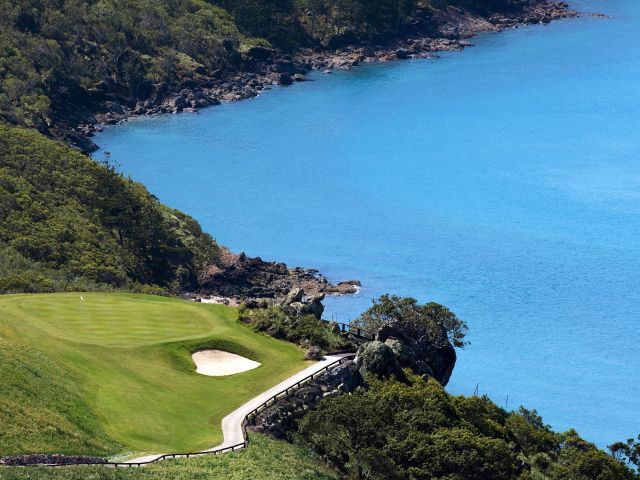
Tee off side by side against a backdrop of sweeping ocean views. (Image: Andrea Francolini)
A la carte breakfast is complimentary for guests of Beach Club, and we take full advantage of the fact. Barista-quality coffee and pressed juice – today it’s carrot, melon, orange and pineapple – arrive alongside pastries baked fresh this morning. For the larger meal, I treat myself to the buttermilk pancakes with praline butter.
If you prefer an active start to the morning rather than lying in, you’ll find plenty of options. Perhaps tee off at the 18-hole golf course, where the views are as much of a drawcard as the sport itself. Designed by five-time British Open winner Peter Thomson, the course is integrated into the ridged landscape of Dent Island.
Afternoon
Uncover new favourite wines together. (Image: Sharyn Cairns)
For wine-curious couples, Beach Club’s new Talk & Taste experience is a must. Held several times a week for up to eight guests, it’s an intimate tasting of Aussie drops paired with curated bites – all guided by Bommie Assistant Manager and wine enthusiast Courtenay Morgan-Fletcher.
We opt for the white wine and seafood option, enjoying pours from Eden Valley to Launceston while Courtenay shares her knowledge and passion for the intricacies of wine making.
Later, we drive our golf buggy up to One Tree Hill. This is one of the most popular spots on the island for sunset, but we chose to come a little earlier so we have more space to ourselves. We enjoy afternoon wine and cheese, admiring the 360-degree views of the island and its impossibly blue waters.
Evening
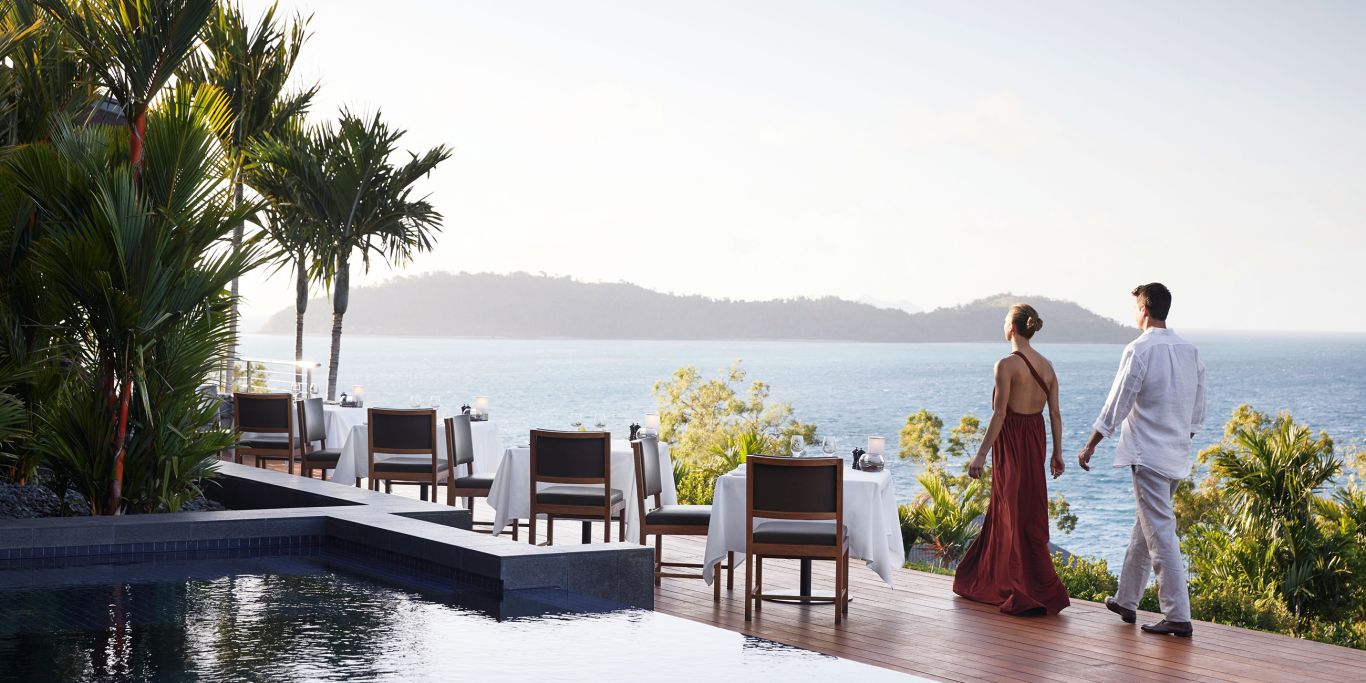
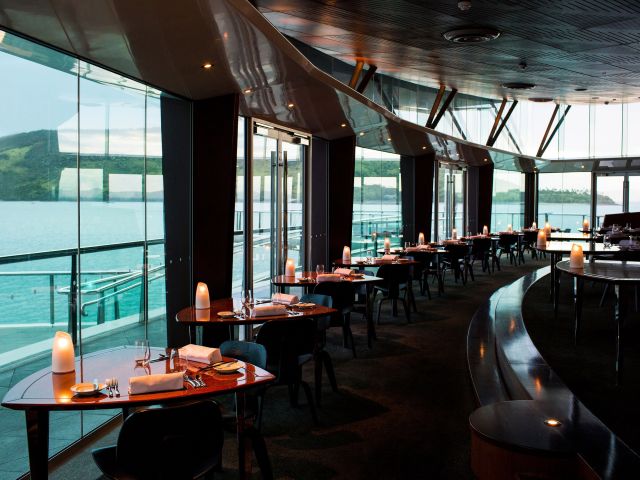
Dress up for a romantic evening at Bommie Restaurant. (Image: Kara Rosenlund)
Since we are, after all, on holiday, we continue the tipples at Bommie Deck. Suspended above Hamilton Island’s marina, this architectural monument is a fabulous place for a sunset spritz.
Just a few steps inside is Bommie Restaurant, the contemporary Australian fine dining establishment headed by chef Ryan Locke. Of anywhere on the island, this is the place to frock up and celebrate a special occasion – especially if theatrical culinary experiences take your fancy. The tasting set menu is a whirlwind of native Australian flavours and creative plating – with highlights including the cured venison wrapped in wattle seed seasoning. For dessert, a clever take on white chocolate and lemonade ends the night on a high.
Day 3
Morning
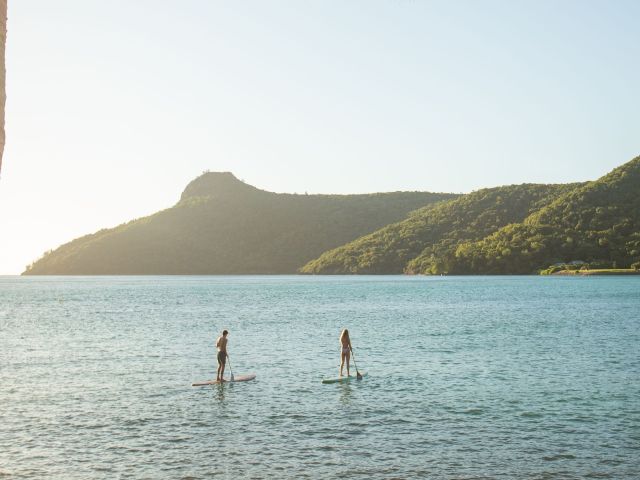
Ease into the morning with a paddleboarding adventure. (Image: Kara Rosenlund)
Another low-key morning means another blissful breakfast at Beach Club. This time, it’s smashed avo toast topped with Persian fetta, dukkah and poached eggs – a deliciously fueling start to the day.
The weather today is perfect for a paddle, so we walk straight from our room onto the sand of Catseye Beach to pick up some SUP boards. Guests of Beach Club receive complimentary non-motorised water sports equipment, spanning everything from mini catamarans to snorkel gear and kayaks. Finding our balance on the boards is a fun challenge at first, but before long, we’re gliding across the glassy water like naturals.
Afternoon
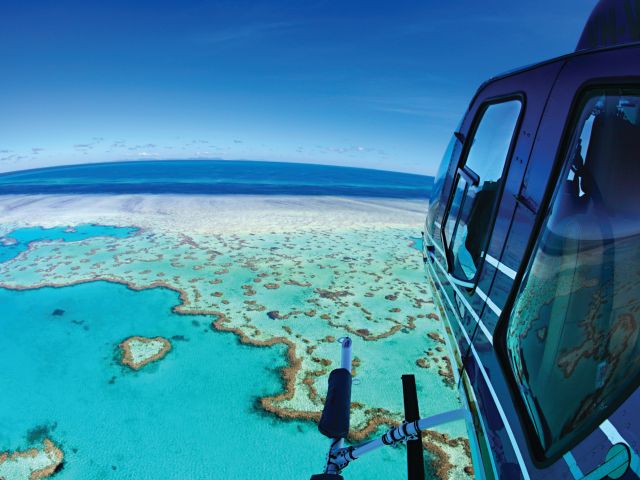
Add the ultimate highlight with a Heart Reef flight together. (Image: Hamilton Island)
No couples’ retreat is complete without a touch of pampering. Located in the resort area, Spa Wumurdaylin offers everything from body wraps and facials to de-stress massages using natural Australian products. The Soul Temple treatment begins with a heavenly feeling sugar scrub, followed by a Vichy vertical shower and underwater massage. I leave in a daze.
If you prefer adventure to relaxation, there is an abundance of day trips from Hamilton Island, from snorkelling on the Great Barrier Reef to Whitsundays helicopter tours – all of which make for unforgettable experiences that will bring you and your partner closer.
Evening
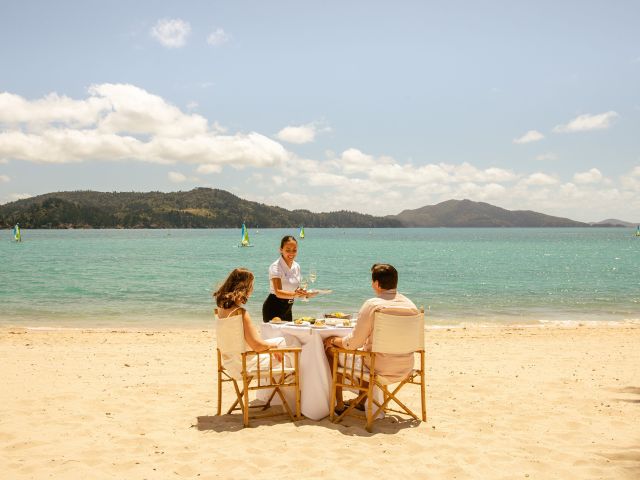
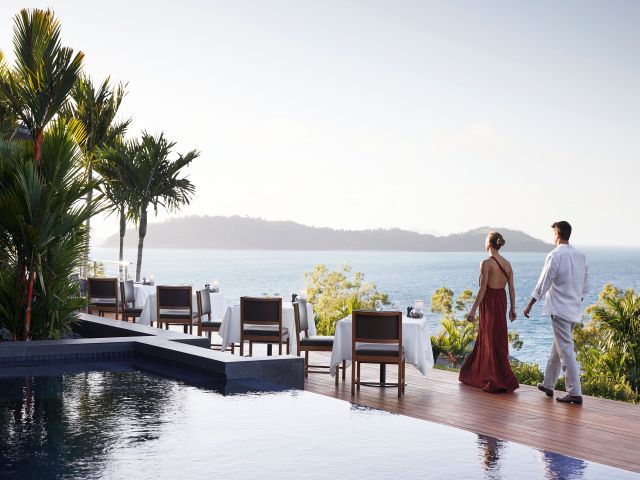
Close your journey over a beautiful dinner by the sea. (Image: Sharyn Cains)
Enjoy an elevated evening at qualia’s tranquil Pebble Beach restaurant, where a private beach setting complements the thoughtful, seasonal menu. Or perhaps continue relaxing at Beach Club, feasting on roast lamb and seafood at the poolside restaurant or soaking in ocean views from your room with in-house room delivery. And don’t forget the champagne – a weekend of love, fun and restoration is worth toasting.
Getting there
Hamilton Island has its own airport called the Great Barrier Reef Airport, which makes it fuss-free to get to. Qantas, Virgin and Jetstar offer short, direct flights from most major Australian cities, including Sydney, Brisbane, Melbourne and Cairns. This means you’ll spend less time travelling and more time enjoying each other’s company.