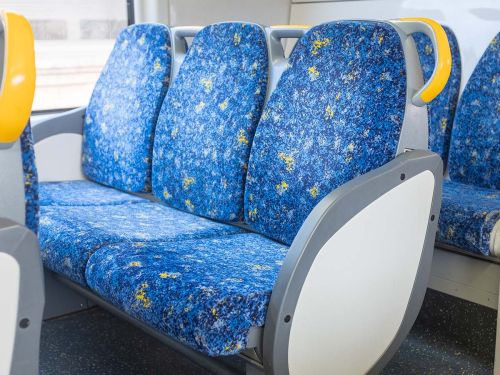
Ever wondered about the distinctive patterns on the seats of trains and buses? These are called moquettes, a type of upholstery that’s normally brightly coloured and intricately designed (to conveniently disguise signs of wear and discourage graffiti on public transport). We may take them for granted, but the designs vary from city to city and have changed over the decades, making each pattern a time capsule of a time and place.
But what if you could transform these distinctive patterns into wearable designs? Meet Sydney-based designer Kate Shanahan, whose brand, Designed by Kate, creates quirky bags and accessories from recycled and deadstock train moquettes.
“People love the idea of being able to keep a piece of transit history," says Kate. “The colour and pattern can take people back to a journey on holiday, or school years. A customer once said to me that seeing [the patterns] out of context, you get to value the design in the fabric, which you don’t really do when it’s on a seat".
Kate started working with public transport moquettes when she “stumbled across some London Underground moquettes at Reverse Garbage". Kate loved the pattern and texture, and the fabric was durable and perfect for making bags. Pretty soon, Kate started exploring moquettes, finding designs from all over the globe.
“I have a background in theatre design and I have a passion for transforming something found into something unique and beautiful," Kate says.
The Mind the Gap collection features patterns that will be familiar to most Aussies, made from moquettes that have appeared on buses and trains across Sydney, Brisbane, Perth and regional Victoria through a variety of eras. The collection, which ranges from tote bags to pencil cases and coin purses, lets you carry a piece of transit history wherever you go.
The Mind the Gap collection also invokes Art Deco London with moquette patterns used on trains from the 30s and 50s, as well as funky retro prints used on Los Angeles Transit. For those who love nostalgia, these bags are the perfect souvenir, capturing something uniquely tied to a place and time.
Want to see more stories from Australian Traveller in your Google search results?
Tick the box next to "Australian Traveller". That's it.
Elizabeth Whitehead is a writer obsessed with all things culture; doesn't matter if it's pop culture or cultures of the world. She graduated with a degree in History from the University of Sydney (after dropping out from Maths). Her bylines span AFAR, Lonely Planet, ELLE, Harper's BAZAAR and Refinery 29. Her work for Australian Traveller was shortlisted for single article of the year at the Mumbrella Publishing Awards 2024. She is very lucky in thrifting, very unlucky in UNO.
Townsville is buzzing as the events capital of North Queensland, with a host of festivals, international sporting and arts events on offer.
Perched between the Coral Sea, the towering pink monolith of Castle Hill, and fringed by ancient rainforest ranges, Townsville North Queensland is a genuine tropical playground.
Here, find postcard-worthy landscapes all the way from nearby Magnetic Island to inland swimming holes and waterfalls – all dotted with an array of endemic wildlife. Get the heart racing with adrenaline water sports. Soak in a world-class arts scene. And take advantage of a culinary offering that punches well above its weight.
And, then there’s the fact that Townsville has fast become the destination to an outstanding line-up of events – from live music to top-level sporting contests.
Whether you have a weekend or weeks, there’s plenty here to fill your tropical getaway.
Day 1: An eventful day
Morning
Explore The Strand.
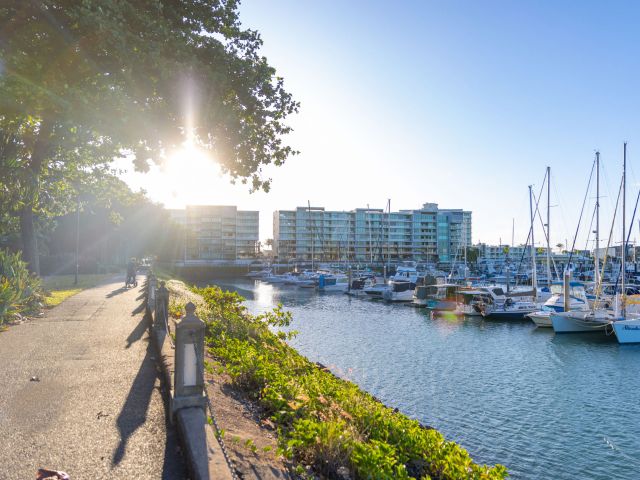
Daily flights offer easy connectivity from all capital cities to Townsville Airport, and within 10 minutes’ drive, you’re in the city centre. Start your stay by recharging with breakfast or coffee at the city’s newest spot, Botaniq Cafe, on the ground floor of the award-winning Bridgewater restaurant on the banks of Ross Creek.
Start exploring on a breezy walk along the 2.5-kilometre foreshore of The Strand. Here, a waterfront path stretches all the way to the headland of Jezzine Barracks parklands. Admire more than 35 sculptures and artworks, as well as stunning views from the top of the park. Further along, Queens Gardens, established in 1870, offers a cool retreat and is Townsville’s oldest botanic garden.
Stroll Gregory Street, off The Strand, for boutiques, homeware stores, cafes and restaurants, or follow a self-guided street art walking trail through the city centre, stopping to admire colourful works by big-name artists including Queenslander Fintan Magee.
Afternoon
Time your trip for one of many Townsville events.
For a casual lunch, stop in at Balabite for Mediterranean and Middle Eastern-inspired street food. Build your own pita with a choice of fillings, before enjoying a relaxing afternoon in preparation for one of Townsville’s big events.
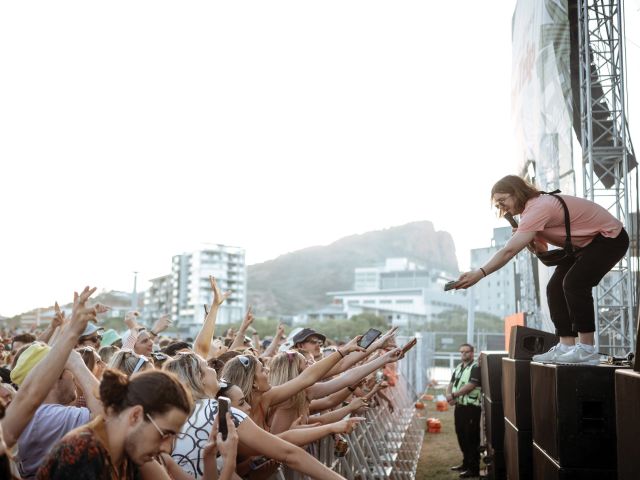
Whether it’s a concert from a big-name international band – think Foo Fighters or Guns ‘n’ Roses – or a night cheering on the Wallabies in the Rugby World Cup, there’s plenty to entertain you.
Take a lunchtime sailing trip with Pilgrim Sailing.
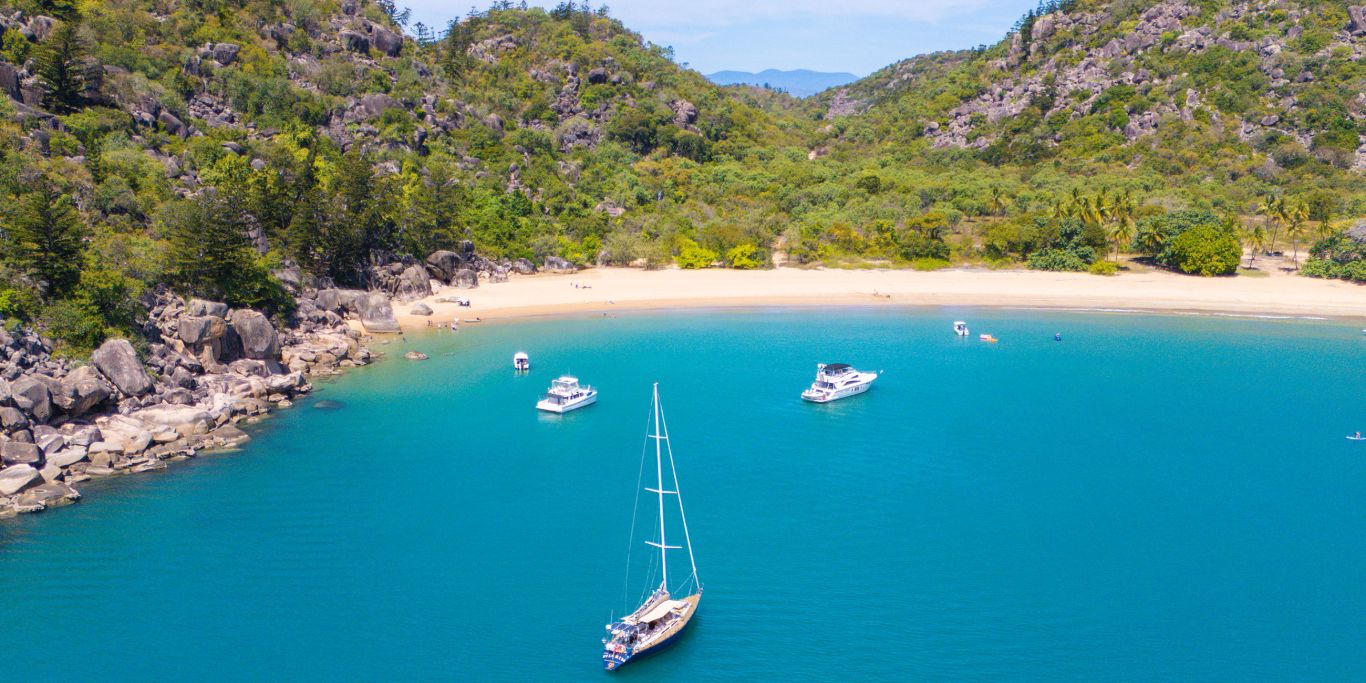
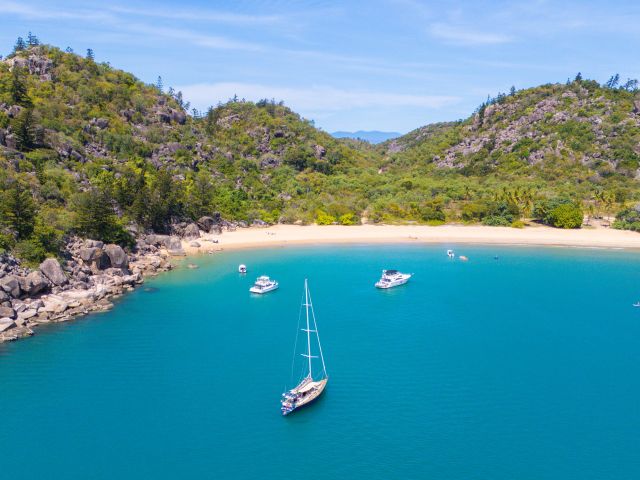
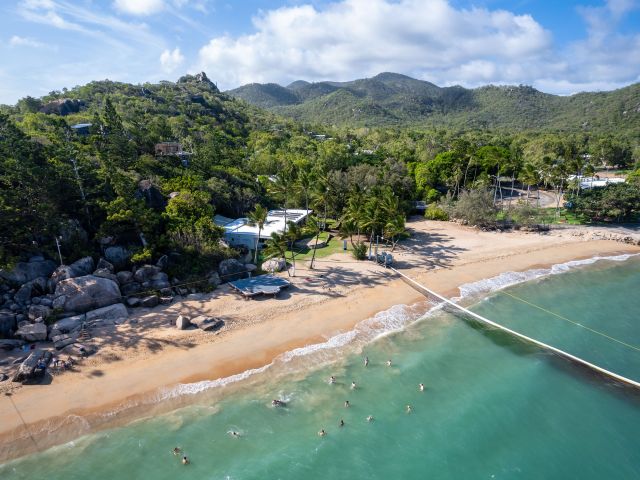
Fuel up with breakfast at Cbar on The Strand, looking out to your destination for the day: Magnetic Island (or ‘Maggie’ to the locals). Catch a quick ferry to spend the day exploring walking trails through national park, choosing from 23 beaches and trying a hand at the island’s water sports.
The Forts Walk is the best place to see wild koalas in Australia, and you’re likely to find friendly wallabies at the Nelly or Geoffrey Bay headlands. Try guided snorkelling with Aquascene Magnetic Island or Pleasure Divers, or take a land-based tour with MI Ride Discovery Tours to the secluded west coast of the island.
Pilgrim Magnetic Island offers four-hour lunchtime sailing trips aboard a 58-foot luxury yacht, dropping in to some of Magnetic Island’s remote bays for snorkelling or swimming and including gourmet grazing platters, drinks and ocean views.
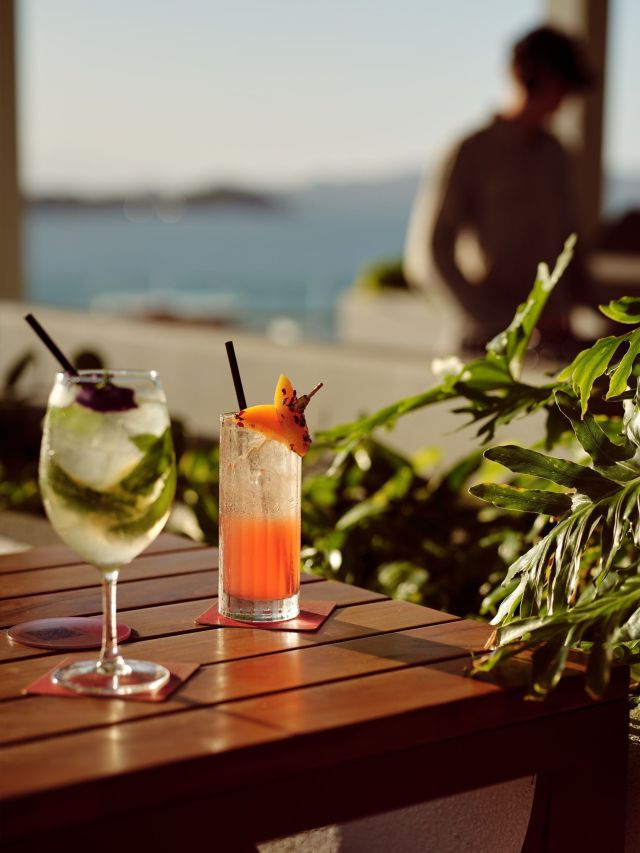
End your day watching the sunset from Ardo’s Rooftop.
However your day looked, end it with cocktails and canapes at Townsville’s Ardo Rooftop. Find something more substantial at the hotel’s elegant but casual Chef-hatted Japanese restaurant Terasu, where each dish is a work of art.
Day 3: Natural delights
Morning
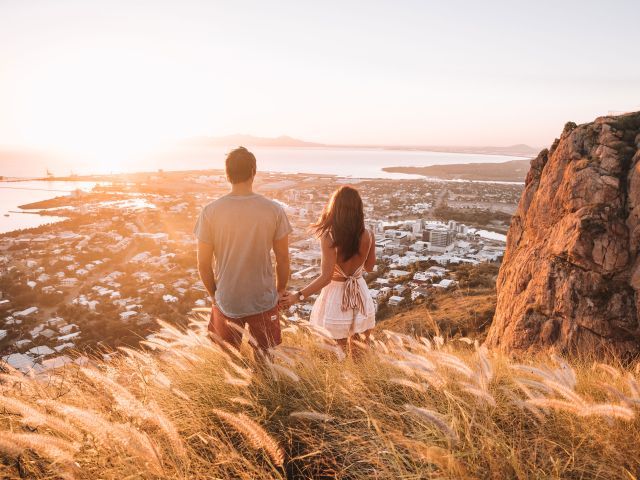
Join the locals for an early walk to the peak of Castle Hill. (Credit: My Colourful World)
Join the local early morning pilgrimage to hike up Castle Hill for the best 360-degree views in town, before heading to breakfast at Spirited Goat for gourmet treats and locally brewed coffee.
A trip to Townsville wouldn’t be complete without a visit to the outer Great Barrier Reef. For those with time, Adrenalin Snorkel and Dive runs full-day trips to the Museum of Underwater Art for snorkellers and divers to admire the reef’s stunning collection of submerged sculptures on John Brewer Reef, about two hours by boat from Townsville.
Afternoon
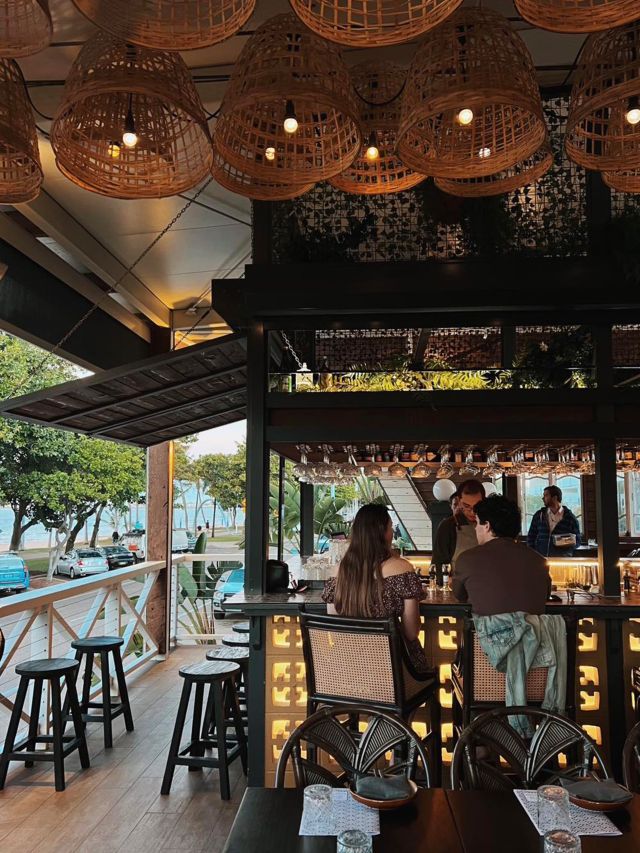
Stop into the award-winning Shorehouse.
Round off your Townsville getaway with lunch at Shorehouse, awarded Best Restaurant in the North Queensland People’s Choice Awards every year since 2023. Dine on the deck to catch the breeze and sample modern Asian cuisine as you watch the world go.
Keen for something more to extend your stay? There are always more adventures –new, familiar and with a twist – in the events capital of the North.