Travel insurance: 9 things you MUST know

hero media
Quentin Long lists nine tricks of the travel insurance trade that may see you up claim creek without a paddle.

1. No, you are not covered when you take unnecessary risks like running with bulls. And it could be argued being a spectator is taking unnecessary risks.


2. Drinking and taking drugs – yep, you are not covered.


3. Breaking the law – guess what? You are not covered.


4. Many domestic travellers think they do not need travel insurance – au contraire. There are so many instances where domestic travel cover helps. You are air-lifted from a remote location to hospital, leaving behind vehicles – travel insurance can assist with the cost of recovering the vehicles. You know the car insurance coverage that is exorbitant – well, travel insurance covers the excess and over time I have learned that if you have a hire car for three or more days, the travel insurance is worth it for car rental excess coverage alone.


5. Cancellation of flights due to bad weather is not covered by the airline so you will need to claim in on travel insurance. But make sure you get the cancellation in writing (saying it was due to bad weather). And, yes, you will need to book a room and pay for it and then claim it from the insurer.


6. A claim is not a ticket to a life of luxury. If you do need to book a room as in the example above don’t seek out the most expensive room in the city when you have actually been staying at flashpackers. The travel insurer will want evidence that this is the standard of travel you have been travelling at. Same for all dining and other related expenses you think you want to claim. It is not a ticket to excess on the insurer’s credit card.


7. Call the travel insurer as soon as humanely possible. The companies have great call centres that will be able to assist you and may have access to better information or contacts on any given situation than you do. A quick case study, my 18 year-old nephew almost wipes himself on a gap year in Cambodia. Wakes up in hospital 12 hours later, calls the travel insurer who has a western trained doctor who speaks English at his bedside in one hour. So have the travel insurance international calling number – very, very handy.


8. Travel insurers may be more effective than consular assistance. During natural disasters or political upheavals, travel insurance companies will have a team (okay, maybe one person dependent on the circumstances), dedicated to monitoring the situation and getting travellers out or giving assistance. They will also be great assistance in contacting your family members if necessary.


9. When the cruise and tour operators advise you to take out travel insurance they are not doing it for a bit of a laugh, they really want you to. Cancellations at the last minute for a personal issue which forfeits your deposit or entire payment is a real downer and the tour and cruise operators hate taking it from you…  but they can’t afford not to. Everyone, and you more than the rest, would feel a lot better if you could claim it or a portion at least on travel insurance.


 

Also see Quentin’s Bullish lessons in travel insurance.   

Quentin Long
Quentin Long is the Co-Founder and Managing Director of Australian Traveller Media. Quentin is a sought-after travel media commentator. He is Australia’s most trusted source for travel news and insights, having held weekly radio segments across the country since 2006, and regularly appearing on Channel 9’s Today and A Current Affair programs from 2010. Don't ask him his favourite travel experience as that's like asking him to choose a favourite child. However he does say that Garma Festival is the one travel experience that changed him the most.
See all articles
hero media

The iconic Victorian beach where true Aussie surf culture was born

    Craig TansleyBy Craig Tansley
    Torquay’s Bells Beach is considered one of the best surf beaches in the world.

    It’d be easy to think Australian surf culture was born around the right-hand point breaks of the Gold Coast and Byron Bay. These regions seem the epitome of how the world views Aussie surfers – bronzed (or burnt), languishing in warm water and sunshine. The reality is a lot different.

    The rise of surf culture along Victoria’s coastline

    surfers at Bells Beach in Australia
    Surfers stand on the shore at Bells Beach, where the country’s biggest surfing competition is held each year. (Image: Getty/Filed Image)

    True Aussie surf culture was born on the chilly waves of Victoria’s winters, when huge swells from the Great Southern Ocean hit cliff-lined beaches along the Great Ocean Road . These beaches were the ultimate proving ground – surfers from all over Australia arrived in panel vans and VWs to do battle with the biggest waves they could find.

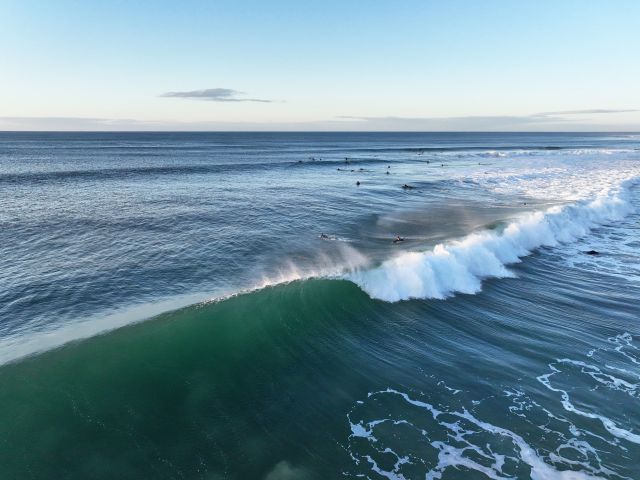
    huge swells from the Great Southern Ocean at Bells Beach
    Surfers take advantage of the huge swells from the Great Southern Ocean at Bells Beach. (Image: Tourism Australia/Cameron Murray)

    There are surf breaks all along this very picturesque coast – but those around Torquay were most revered. The ultimate test of a surfer’s ability – and durability – however, was Bells Beach: Australia’s answer to Hawai‘i’s Pipeline. Just beyond, the breaks at Jan Juc and Winkipop beckoned.

    an aerial view of surfers at Bells Beach
    Hit the waves along the picturesque coast. (Image: Tourism Australia)

    Torquay became surfing’s Silicon Valley: HQ for the entire Australian surf culture revolution. Four young locals worked out of their backyards in Torquay to create two of the world’s biggest surf labels – Rip Curl and Quiksilver , which soon became the region’s biggest employers.

    surfers out at Bells Beach
    Surfers out at Bells Beach, Victoria’s most famous beach. (Image: Tourism Australia/Cameron Murray)

    Rip Curl started sponsoring the Bells Beach Pro in 1973 – and have done ever since. It’s been going since 1962 – making it the world’s longest continually run surfing contest. Held every Easter, it’s part of the world surfing tour. Spectators line its 30-metre-high cliffs to watch the world’s best take on enormous waves – it’s the ultimate coliseum for the sport and has inspired generations of Aussie surfers to join the list of heroes whose names are on its iconic bell.

    Follow the waves through Victoria’s surfing heartland

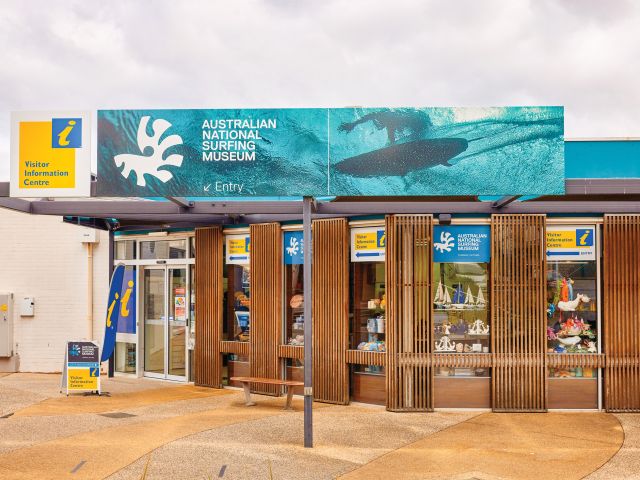
    Australian National Surfing Museum, Torquay
    The Australian National Surfing Museum in Torquay. (Image: Tourism Australia)

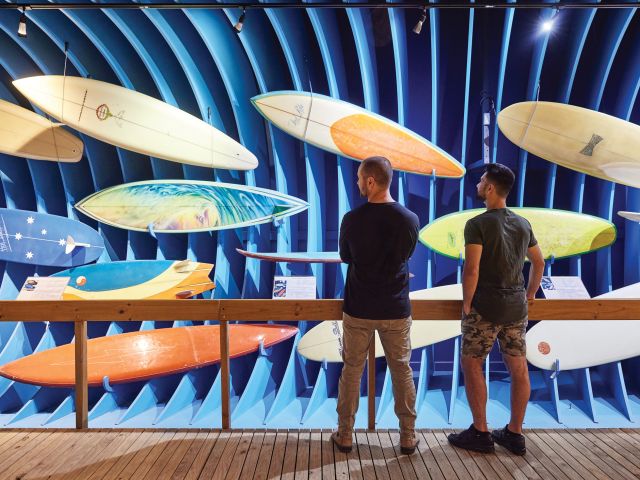
    Just behind Torquay’s main drag, you can see all that history on display at the world’s best surf museum – the Australian National Surfing Museum . Here you can take your time absorbing the 100-year-or-so history of Australian surfing and check out the 150-strong surfboard collection.

    surfboards on display at Australian National Surfing Museum
    The museum holds surfing memorabilia, including a room dedicated to the history of boards. (Image: Tourism Australia)

    But classic Aussie surf culture can be observed in everyday life all over the Great Ocean Road and Torquay. Surfing dictates life here; no work is done until the big swells have come and gone. Just being here provides a window into 60-odd years of rebellion against convention; for no-one likes nine-to-five living on the Great Ocean Road.

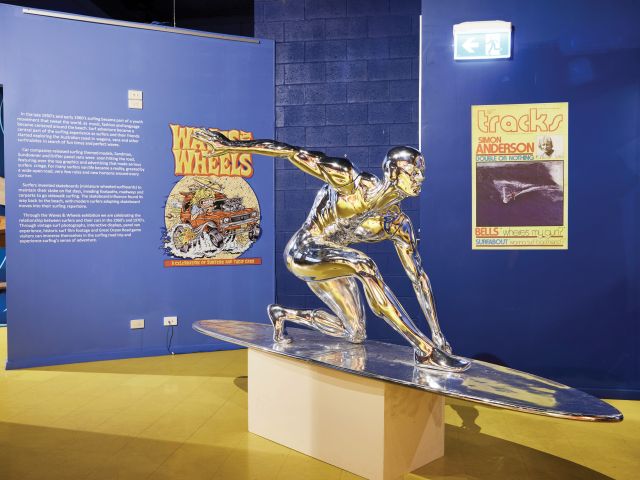
    surfing memorabilia at Australian National Surfing Museum
    The varied displays celebrate the Bells Beach competition, surfing legends and Aussie surf culture. (Image: Tourism Australia)

    There’s less panel vans and VW Beetles these days, but surf culture still rules life. Surfers run this coast; you’re better off keeping out of their way when they’re running down past you to face the biggest swells – then hear them swap stories at cafes, restaurants and bars all around you.

    surfing at Bells Beach
    The beach near Torquay is Australia’s answer to Hawai‘i’s Pipeline. (Image: Visit Victoria/William Watt)