The outback made easy for city families

hero media
Indigenous culture, enriching wildlife experiences, challenging hikes and awe-inspiring landscapes make for an epic outback holiday every city family should enjoy at least once. Here’s how to make it a seamless – and fun – trip.

The Red Centre for families

When you think of the outback, the Northern Territory often springs to mind; it’s the quintessential red-soil, scorching-sun, desert-adventure destination. 

How to get to the Red Centre

There are two options for easily reaching the Red Centre from a city – flying into Uluru or Alice Springs. If you only have a few days, hop on a plane to Ayers Rock Airport and tour around Uluru and Kata Tjuta (The Olgas).


If you have a week or more, fly into Alice (from most capitals) and hire a car to see the highlights, before driving five hours’ south-west to Uluru, from where you can depart.

Where to stay in the Red Centre

The standout properties for families visiting the Red Centre are Desert Gardens Hotel and the slightly more budget-friendly Outback Pioneer Hotel & Lodge , both within the multi-layered complex that is Ayres Rock Resort. In Alice, you’ll want to take the tribe to Crowne Plaza Alice Springs Lasseters, where there are a handful of eateries and a pool.


If you pick the former, you’ll be privy to plenty of free activities, such as bush-tucker talks, and have easy access to all there is to do around Uluru. If you’re road-tripping around, there’s also a campground at Ayres Rock Resort, and you won’t want to miss Kings Canyon Resort , in Watarrka National Park, if you have time to delve deeper.
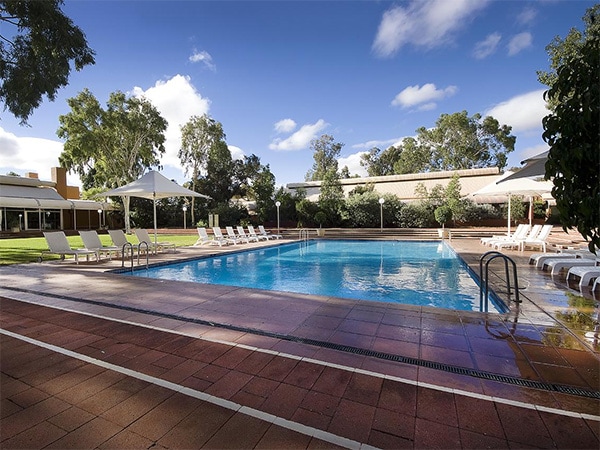
The Desert Gardens hotel Ayers Rock Resort
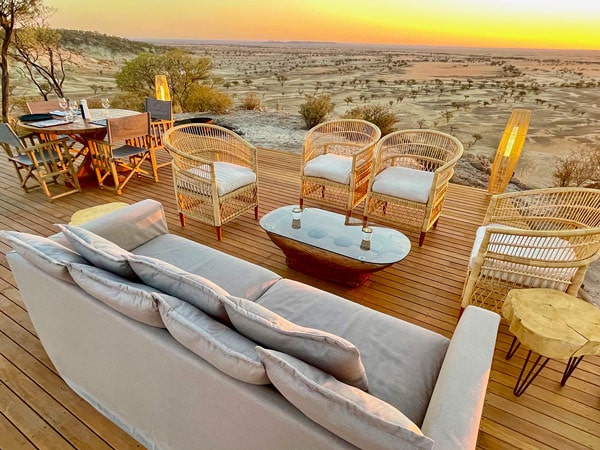
The Desert Gardens hotel makes a case for outback luxury.

What to see in the Red Centre

From hiking around Uluru to getting up close to desert reptiles and soaring above the scorched earth in a hot-air balloon, the highlights reel of the Red Centre is long. The top must-dos for families, however, are joining a ranger-guided walk around Uluru (and into the Olgas, if time allows), going for a sunset plod atop a camel, and being mesmerised by the Field of Light art installation that illuminates the landscape when night falls.


Okay, it’s too hard to stick to three, so we’re adding in catching a birds-of-prey show at Alice Springs Desert Park. 
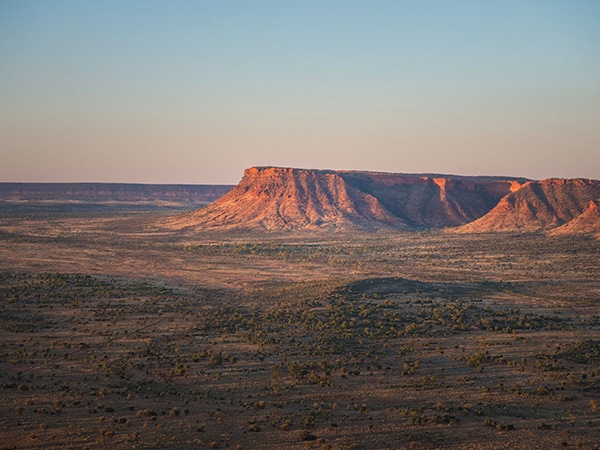
Kings Canyon, Watarrka National Park
Kings Canyon, Watarrka National Park.

Outback Queensland for families

Large swathes of Queensland make up the outback, from the starry skies of Charleville to the mines of Mt Isa and the giant rust-red dunes around Birdsville. 

How to get to Outback Queensland

The main outback hubs you can fly to are Mt Isa, Longreach, Charleville, Richmond and Birdsville, and all have plenty of attractions for families. If flying isn’t an option, consider a stress-free Queensland Rail Travel journey from a seaside city.

Where to stay in Outback Queensland

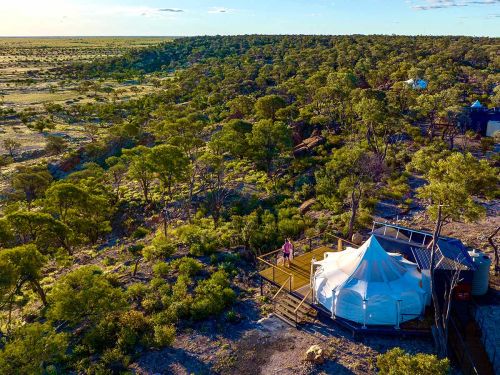
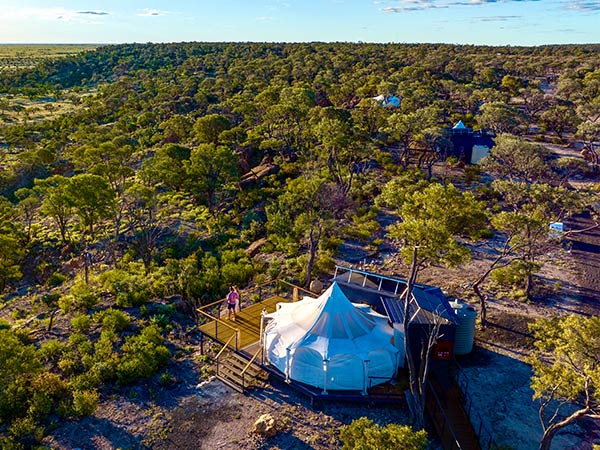
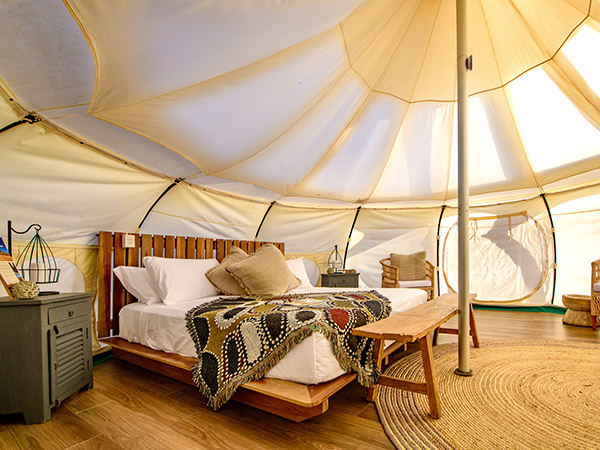
There are a tonne of accommodation choices in Outback Queensland purely based on the size of the region. If you’re a camper, you’re spoilt, but for those who prefer bricks and mortar, the Birdsville Hotel (part of the iconic Birdsville Pub) has comfortable, basic motel-style rooms; The Rocks Motel is a simple but modern option in Charleville; while Mitchell Grass Retreat in Longreach has stylish glamping tents with plenty of space for families. 
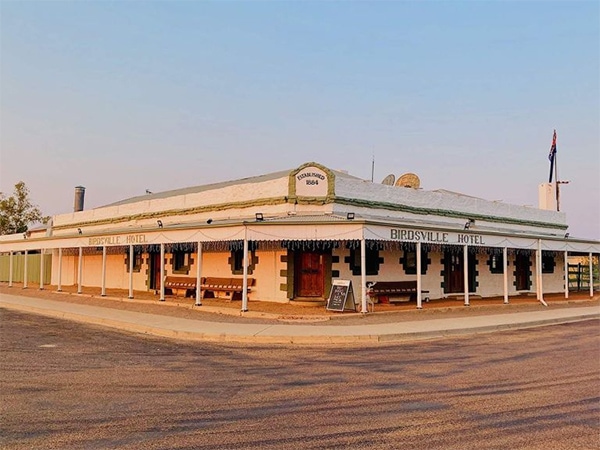
Birdsville Hotel
You haven’t truly “done" QLD until you’ve visited the iconic Birdsville Hotel.

What to do in Outback Queensland

At the very top of our list is Queensland’s dinosaur trail, a 735 kilometre loop that takes in Richmond, Winton and Hughenden, and features fascinating dinosaur fossils and exhibits.


Other fun experiences include dressing up in miner’s overalls and a head lamp and venturing deep underground for a Mount Isa Hard Times Mine Tour, walking onto the wing of a 747 plane (12 years +) at QANTAS Founders Museum in Longreach, and climbing to the top of Big Red, the tallest sand dune in the Simpson Desert.  
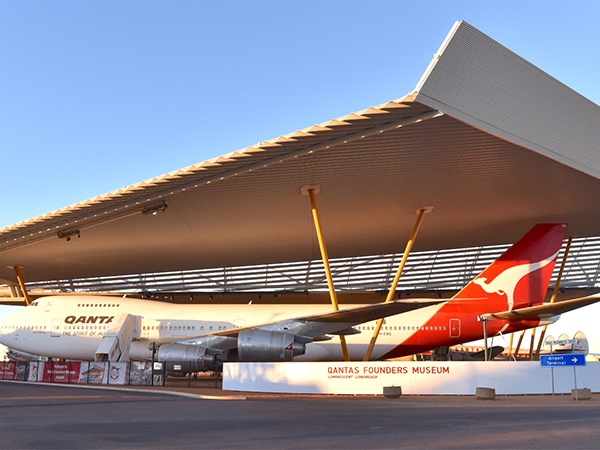
QANTAS founders museum longreach queensland
From Outback Queensland to the world.

The NSW Outback for families

From Lightning Ridge to Broken Hill and the farming heartland of Hay, the NSW Outback offers families authentic, quirky, old-fashioned holiday fun.

How to get to the NSW Outback

It’s a little harder to reach the NSW Outback quickly from the city, with many destinations making for great road trips, instead of being on airline networks. However, REX flies to Broken Hill, and there are numerous other regional hubs (via REX or otherwise) that are within easy reach (with the help of a hire car or tour) of outback centres such as Bourke.

Where to stay in the NSW Outback

Broken Hill is the obvious choice to head to if you’re after a quick escape from the city – and it’s a great destination for all ages. Broken Hill’s The Palace Hotel , made famous by Priscilla Queen of the Desert, is oozing outback character with colourful murals and a wide range of rooms. If you’re road-tripping, call past Bourke and stay at Trilby Station , with cottages and campsites on the Darling River.
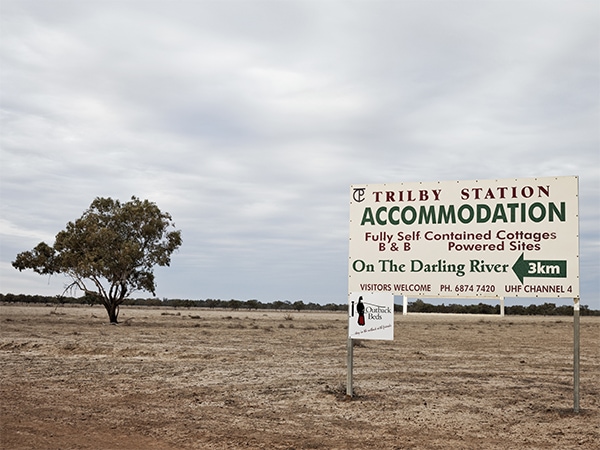
Stay on an outback station (Credit Destination NSW)
Trilby Station is a roughly 130,000-hectare property near the village of Louth in Outback NSW.

What to see in the NSW Outback

The list is never-ending but here are our picks: Bells Milk Bar and Museum for a spider (fizzy drink and ice-cream) in Broken Hill; Silverton Outback Camels for a camel ride; and the Australian Opal Centre in Lightning Ridge to learn about the rainbow gems as well as dinosaur fossils.
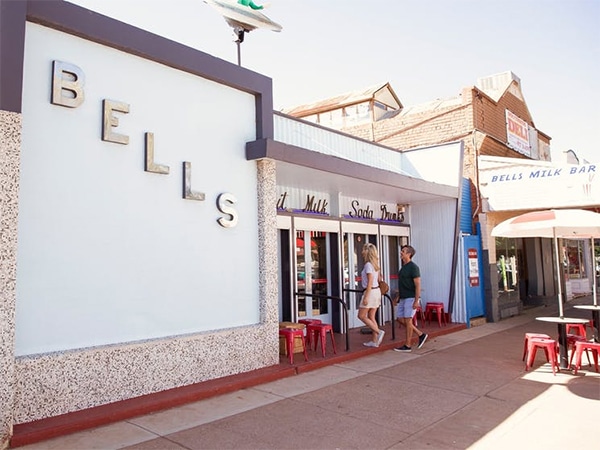
Bells Milk Bar
Bells is a highlight of Outback NSW.

What to see in the WA and SA Outback

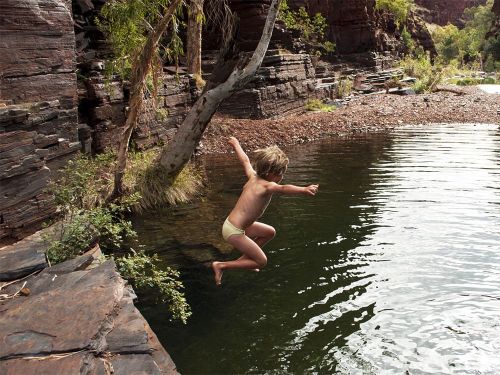
The outback spreads into Western Australia and South Australia, too, and although the towns and hubs are a little harder to reach, they shouldn’t be discounted. Easy jaunts for city families include Karijini National Park via Tom Price for a few days’ hiking into canyons and gorges, and 15-metre-high Wave Rock in WA. In South Australia, road-trip to Rawnsley Park Station for a taste of farm life.
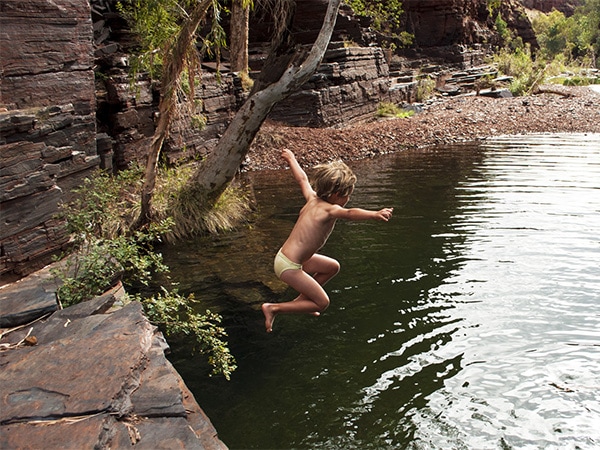
Karijini wilderness
Dive into the Karijini wilderness.
Jennifer Ennion
Jennifer Ennion is a freelance travel and ski journalist who loves encouraging people to spend more time outdoors. From snorkelling with belugas in sub-Arctic Canada to hiking the Himalayas, Jennifer is constantly searching for stories that inspire readers to push their boundaries.
See all articles
hero media

8 experiences to get the most out of Victoria’s Great Ocean Road

Beyond the winding bitumen and coastal views lies another side to Victoria’s most famous route.

There’s something hypnotic about this stretch of Victoria’s coast. Maybe it’s the way the road hugs the ocean so tightly, or how the cliffs catch the sun in colours you can’t name. Or, for local Victorians who drove this route as kids, maybe it’s the memories of winding through the impossibly tall trees as they seemingly guide you on your journey like wooden guardian angels. Most travellers know it for the 12 Apostles, but there are plenty of alternate experiences on the Great Ocean Road equally as worthy of your time.

So, next time you’re in that neck of the woods, park that car, stretch those legs and try these experiences.

1. Discover living culture at Budj Bim

Budj Bim Cultural Landscape Tourism
Walk across the world’s oldest known aquaculture system. (Image: Visit Victoria)

Breakaway Creek’s Budj Bim Cultural Landscape is a masterclass in educational storytelling. Join a guided tour with Budj Bim Cultural Landscape Tourism to walk across the world’s oldest known aquaculture system, where the Gunditjmara people built sophisticated eel traps and stone channels more than 6,000 years ago.

Budj Bim’s aquaculture system predates Egypt’s pyramids by roughly 2,000 years, making it one of the oldest examples of human engineering on Earth. If that’s not enough to get your history-loving family members involved in this road trip, we’re out of ideas.

2. Unwind in the hot springs at Warnambool

woman relaxing at Deep Blue Hot Springs
Let mineral-rich water heal you.

If your legs need a break after a long drive, Deep Blue Hot Springs is your remedy. The geothermal pools sit just metres from the coastline, filled with mineral-rich water that bubbles up from deep underground. Move between open-air baths, waterfall pools and quiet zones made for meditation.

The water in Deep Blue’s geothermal pools comes from an ancient aquifer nearly 850 metres below the Earth’s surface, which, in non-scientific terms, means it’s far more likely to have healing properties than the mineral water you’d find at the supermarket.

3. Take to the air at Princetown

12 Apostles Helicopters flight alternate experiences on the Great Ocean Road
See an icon from a different view.

You may have seen the Twelve Apostles from the trusty viewing platform, but a helicopter flight with 12 Apostles Helicopters shows you just how sprawling and rugged this coastline really is.

The trip covers everything from Port Campbell to London Bridge (not to be confused with the UK’s own), giving you a rare chance to watch waves carving the limestone cliffs from above. It’s worth noting that the limestone stacks of the Twelve Apostles are said to erode by roughly two centimetres each year, so the longer you leave it, the less of the Apostles you’ll see.

4. Step into the past at Flagstaff Hill

Flagstaff Hill Maritime Village and Museum
Visit a time of yore.

Continue the tour through Warnambool at Flagstaff Hill Maritime Village and Museum , a recreated 19th-century port town. Hear stories from the days when shipwrecks were as common as seagulls, with an astounding 180 ships believed to have sunk along the Shipwreck Coast in less than five years.

The night show, complete with lights, sound, and sea spray, brings the coastline’s most dramatic stories to life.

If you’re staying the night, Simon’s Waterfront offers relaxed dining with fresh local seafood and oceanfront views. Order the catch of the day and toast to the sailors who never made it ashore.

5. Learn to surf in Torquay, Lorne, or Anglesea

kid having a lesson with Go Ride A Wave
Learn how to hang 10. (Image: Visit Victoria)

Whether you’ve surfed before or can barely stand on a board, Go Ride A Wave will have you upright in no time. Torquay’s calm beaches are ideal for first-timers, while Lorne and Anglesea bring a bit more energy for those unafraid to get dunked.

Bells Beach, just down the road from Torquay, has even hosted the world’s longest-running professional surfing competition since 1962. So, for those eager to have a gander at pros using surfboards like they’re an additional appendage, the competition usually runs sometime in autumn.

6. Tackle the trails in Forrest

Barwon Flow Trails Otways Flow MTB
Hire a bike and explore MTB trails through the Otways.

Forrest is a haven for mountain bikers thanks to an expansive network of trails through stunning natural scenery. The Forrest trail network has almost 100 kilometres of singletrack across 36 trails, so there’s something for every level of rider. That’s including more than 60 kilometres of purpose-built mountain bike trails winding through the Otways’ dense forest. Cycle through ancient myrtle beech trees and towering tree ferns, with smaller ferns and soft mosses forming a carpet at your feet.

Hire a bike from Forrest MTB Hire and take your pick from easy, scenic rides to more challenging singletracks, such as Red Carpet or Rollercoaster.

7. See wildlife up close in Apollo Bay

bush rat on Wildlife Wonders tour
Get help spotting the locals. (Image: Doug Gimsey)

If spotting koalas and kangaroos in the wild feels like winning the lottery, Wildlife Wonders gives you guaranteed sightings without cages or crowds. Every visit to the sanctuary helps fund the Conservation Ecology Centre which supports endangered species across the Otways, so your business is appreciated by humans and animals alike.

The guided walk takes you through protected Otways habitat where you might spot potoroos (or joey lookalikes for those unfamiliar with a potoroo), wallabies, and sleepy koalas lounging in the trees.

8. Visit the Cape Otway Lightstation

Cape Otway Lightstation
Delve into the tales of Cape Otway Lightstation.

Towering over the sea on a cliff above the Southern Ocean, Cape Otway Lightstation has been guiding ships since 1848. Before the lighthouse was built, Cape Otway was one of the most treacherous points on the Victorian coast, with dozens of shipwrecks occurring in its surrounding waters. Pick the right day, and you may bump into a local willing to tell you about the wreck of Eric the Red .

While at the Cape Otway Lightstation, explore the keeper’s quarters, walk the coastal trails, and take in views that only stop short at the horizon.

And no, contrary to popular belief, the Round the Twist lighthouse is actually located in Split Point, just shy of two hours in the direction of Melbourne. Nothing’s stopping you from embarking on a lighthouse crawl, though.

Plan your next no-stone-unturned journey along this iconic Aussie road at visitgreatoceanroad.org.au.