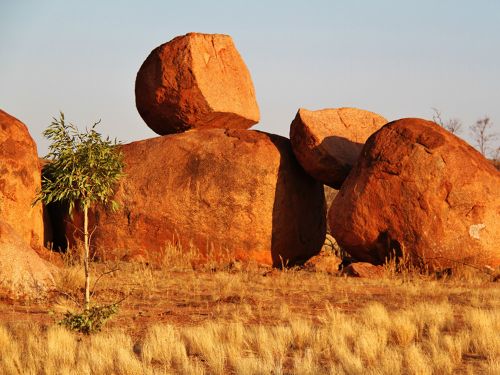
From exploring the base of Uluru to marvelling at the Devils Marbles, here’s a Red Centre itinerary the whole family can get excited about.
The Northern Territory is not a place to turn up and see what takes your fancy. It requires planning, which can be daunting for travelling families. To make it stress-free, here’s our awesome self-drive itinerary for a seven- or 14-day Red Centre adventure.
Alice Springs – Days 1 & 2
The best place to kick off your outback holiday is Alice Springs, the epicentre of the NT. Stroll through Todd Mall Markets, popping into the Aboriginal art galleries, souvenir shops and cafes. Parents and teenagers will enjoy learning about the town’s history at Alice Springs Telegraph Station, only four kilometres north of the CBD. Younger children, however, will get more of a kick out of catching a birds of prey show at Alice Springs Desert Park. The park also runs a great bush tucker program that’s bound to fascinate the whole family.
Don’t miss: Heading up high in a hot-air balloon for spectacular outback views.
Alice to Glen Helen – Day 3
132 kilometres
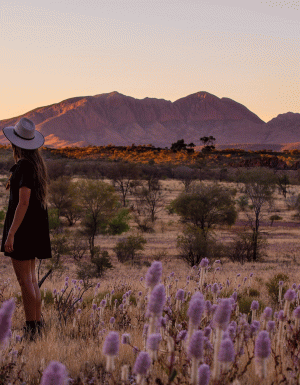
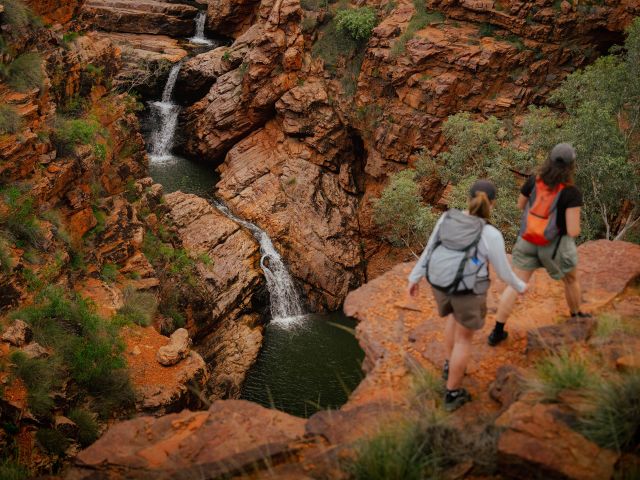
Start your journey along the Red Centre Way, a 1135-kilometre loop, by pointing your vehicle toward the majestic West MacDonnell National Park and the town of Glen Helen. The national park is riddled with walks, and young families will appreciate the easy Waterhole Walk, just five minutes and wheelchair-friendly, as well as the 20-minute (one way) Ghost Gum Lookout Walk. If you have a tiny tot, don’t forget to take a hiking backpack and high-energy treats to motivate little legs mid-scramble.
Don’t miss: Swimming in the near-permanent waterhole only 500 metres from the Walks Information Shelter.
Glen Helen to Kings Canyon – Day 4
234 kilometres
Also known as Watarrka National Park, Kings Canyon is a Red Centre must-visit. Spend the morning getting there and the afternoon chilling out in the pool at Kings Canyon Resort.
Don’t miss: Popping into the resort’s Thirsty Dingo Bar, where you’ll meet other travelling families and sing along to the live music.
Kings Canyon – Day 5
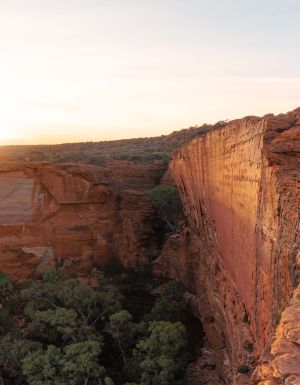
The Kings Canyon Rim Walk is the highlight of any stay here as it offers hikers stunning 360-degree views of the sandstone walls. It’s a six-kilometre trail, with 500 steep steps at the start, so most suited to active older families. If you’re keen to do a walk but want something easier, the 2.6-kilometre Kings Creek Hike is a better option.
Don’t miss: Sunrise from the rim, when the light paints the landscape with red and orange brush strokes.
Kings Canyon to Uluru – Day 6
300 kilometres
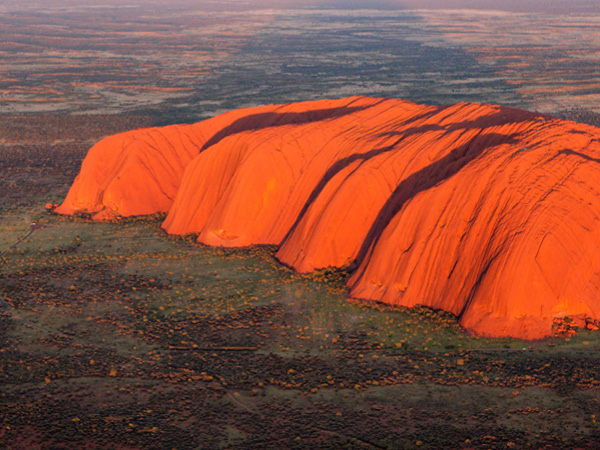
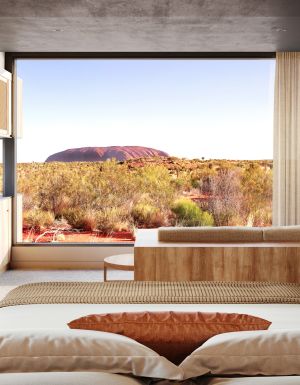
Nothing can prepare you for the first time you set eyes on the Northern Territory’s most impressive landmark – Uluru. This 348-metre-high monolith, with a 9.4km circumference, isn’t any old rock, but a sacred site to the Anangu Aboriginal people. After your long drive there, stretch your legs and view Uluru from a distance at Talinguru Nyakunytjaku lookout.
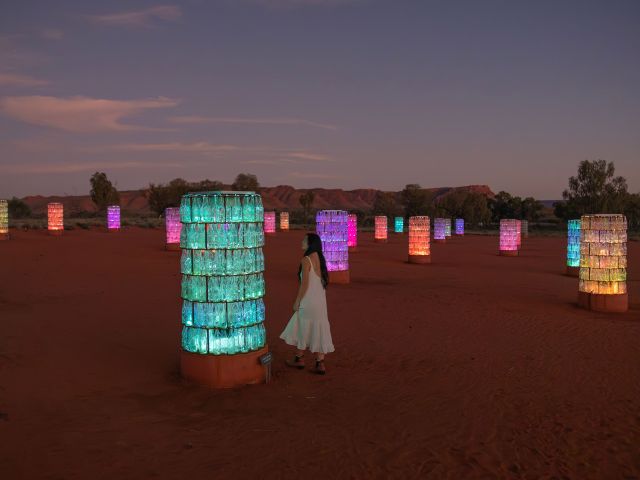
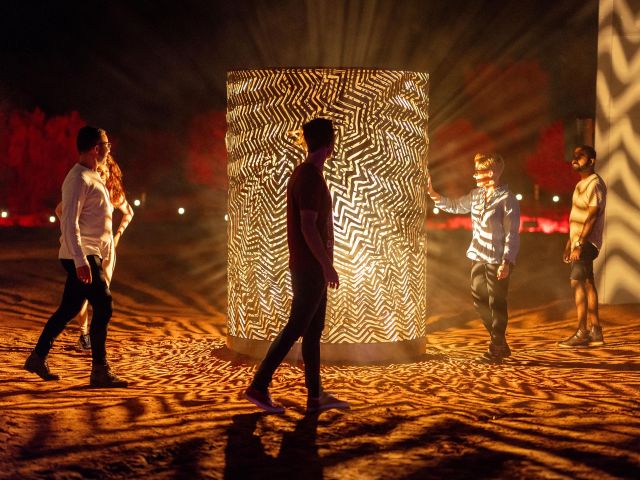
Don’t miss: At night-time, wow the entire family at the Field of Light Uluru art installation. Seeing 50,000 coloured solar lights illuminate the desert is a holiday experience you’ll remember for years.
Need tips, more detail or itinerary ideas tailored to you? Ask AT.
AI Prompt
Uluru – Day 7
Wake early and hop atop a dromedary for an iconic camel ride to Uluru. Plod across the ochre sand as the sun casts shadows down Uluru’s face and turns the sky shades of pomegranate, mandarin and lemon. Uluru Camel Tours’ sunrise excursion is suitable for children aged five and over. Afterwards, join a free ranger-guided Mala Walk (8am or 10am), during which you’ll learn about Aboriginal culture and rock art. It’s an easy two-kilometre (return) route and is wheelchair accessible. You can also take a Segway around the rock, a fun alternative for children 12 and over.
Don’t miss: A Maruku Arts dot-painting workshop held at Ayers Rock Resort or the Cultural Centre. It’s an experience that will enrichen your time while visiting Uluru and a fun activity for all ages.
*Note: You can no longer climb Uluru. The Anangu community has long since urged people to circumnavigate the rock on foot, rather than climb it due to its spiritual significance and for their own safety. To understand why and to help you plan your trip, check out 5 reasons the Uluru climbing ban makes total sense and 11 things to do in Uluru that aren’t climbing.
If you have 14 days…
Uluru to Kata Tjuta (return) – Day 8
59 kilometres
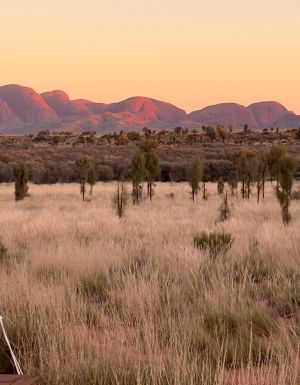
It’d be a shame to visit Uluru and not make the extra effort to see Kata Tjuta, 36 rock domes that rise out of the desert. Also called the Olgas, it’s a fascinating formation big and little hikers will love. Older families may be keen to tackle the 7.4-kilometre Valley of the Winds walk, while those with young kids can amble to Karu Lookout (2.2-kilometre return).
Don’t miss: The Cultural Centre while exploring Uluru-Kata Tjuta National Park to learn more about the cultural history of the area.
Uluru to Rainbow Valley – Day 9
405 kilometres
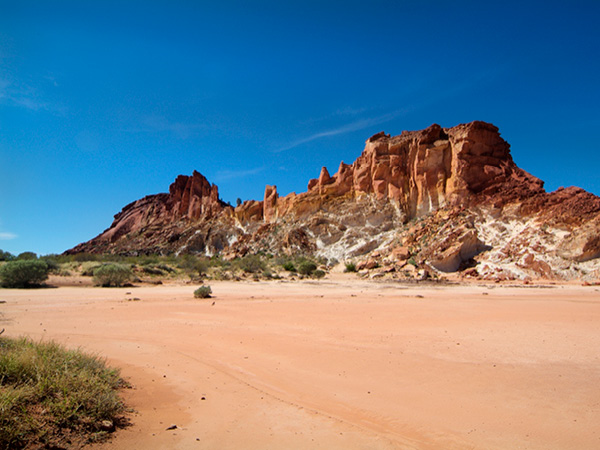
Marvel at the colourful sandstone cliffs that give this little-known valley its name. Arrive in the afternoon when the softening sunlight brings out the purple, red and orange shades in the bands of stone. Rainbow Valley Conservation Reserve has two campgrounds. If you need a hotel, you’ll have to push on to Alice Springs, about three hours’ drive to the north.
Don’t miss: Mushroom Rock, which has been sculpted by the weather over millennia.
Rainbow Valley to Alice – Day 10
100 kilometres
It may not seem far on the map, but a mix of unsealed and sealed roads means you still have some ground to cover before returning to Alice. Once you arrive, give yourself some downtime by wandering the quirky National Road Transport Hall of Fame. Expect to be gobsmacked by the rows of number plates climbing to the ceiling, the truck museum and other motoring relics.
Don’t miss: Bertha, the restored road train.
Weekly travel news, experiences
insider tips, offers, and more.
Alice to the Devils Marbles – Days 11 & 12
400 kilometres
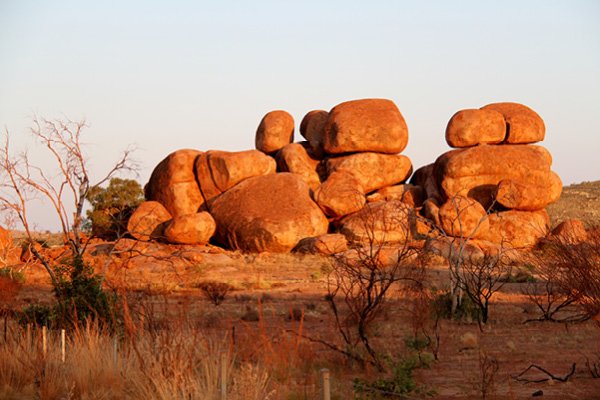
Slicing north from Alice Springs (where the Red Centre Way ends), head along the Stuart Highway to another of the NT’s impressive geological features, Karlu Karlu, or the Devils Marbles. These giant rocks appear to be balancing precariously atop one another and will be a highlight for any snap-happy photographers in the family. As Georgia Rickard writes: “To wander through here is to wander through the happenstance of an Alice in Wonderland narrative, where half-broken boulders lie, scattered, as if dropped from a careless child’s pocket as she skipped across the sky."
Don’t miss: Seeing the Marbles at night; they’re magical. To do so, stay at Devils Marbles Hotel (formerly Wauchope Hotel), eight kilometres south.
Karlu Karlu to Tennant Creek – Day 13
100 kilometres
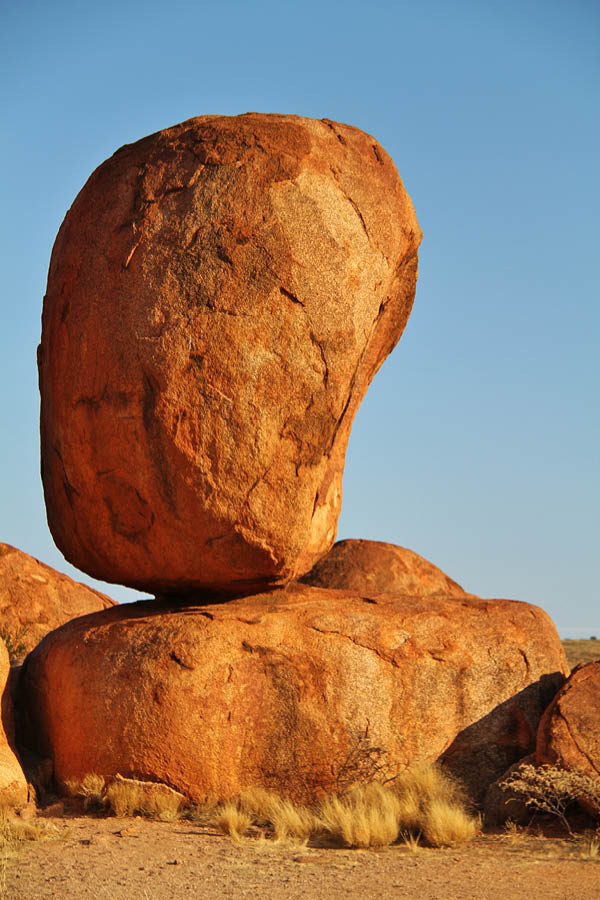
Return to Karlu Karlu for sunrise before heading to Tennant Creek, the location of Australia’s last gold rush in the 1930s. Give the kids a fun history lesson by signing up for an underground tour at Battery Hill Mining Centre, a quirky little museum.
Don’t miss: The Nyinkka Nyunyu Art and Culture Centre located on the main street of Tennant Creek.
Tennant Creek to Alice – Day 14
500 kilometres
It’s time to say farewell to the Red Centre and return your hire vehicle to Alice Springs. Along the way, call into the strange outpost of Wycliffe Well, not far from Karlu Karlu. Considered the UFO capital of Australia, parents and kids will get a thrill out of the alien-themed roadhouse.
*If you don’t want to drive, there are a large number of companies that offer Red Centre tours, including G Adventures and AAT Kings.
For more information on the Red Centre with kids & things to do in the NT, visit the official Northern Territory website at northernterritory.com
Want to see more stories from Australian Traveller in your Google search results?
- Click here to set Australian Traveller as a preferred source.
- Tick the box next to "Australian Traveller". That's it.