Fill the tank and switch off with peace of mind – these are the 10 safest road trips in Australia for solo travellers.
Road trips offer freedom and the chance to disconnect – but going it alone can come with question marks. What if something goes wrong? Is the region safe to travel through alone? Will I be able to access help if I need it?
To cut through the guesswork, car insurance company iSelect analysed more than 20 popular road trips to determine the best road trips in Australia for solo travellers. The findings are based on safety metrics that take into account factors including mobile service coverage, solo accommodation options, rest stops, hospitals and the overall social sentiment of the area covered. All that’s left to do is fill the tank and hit the open road.
The 10 best road trips in Australia for solo travellers
1. Legendary Pacific Coast
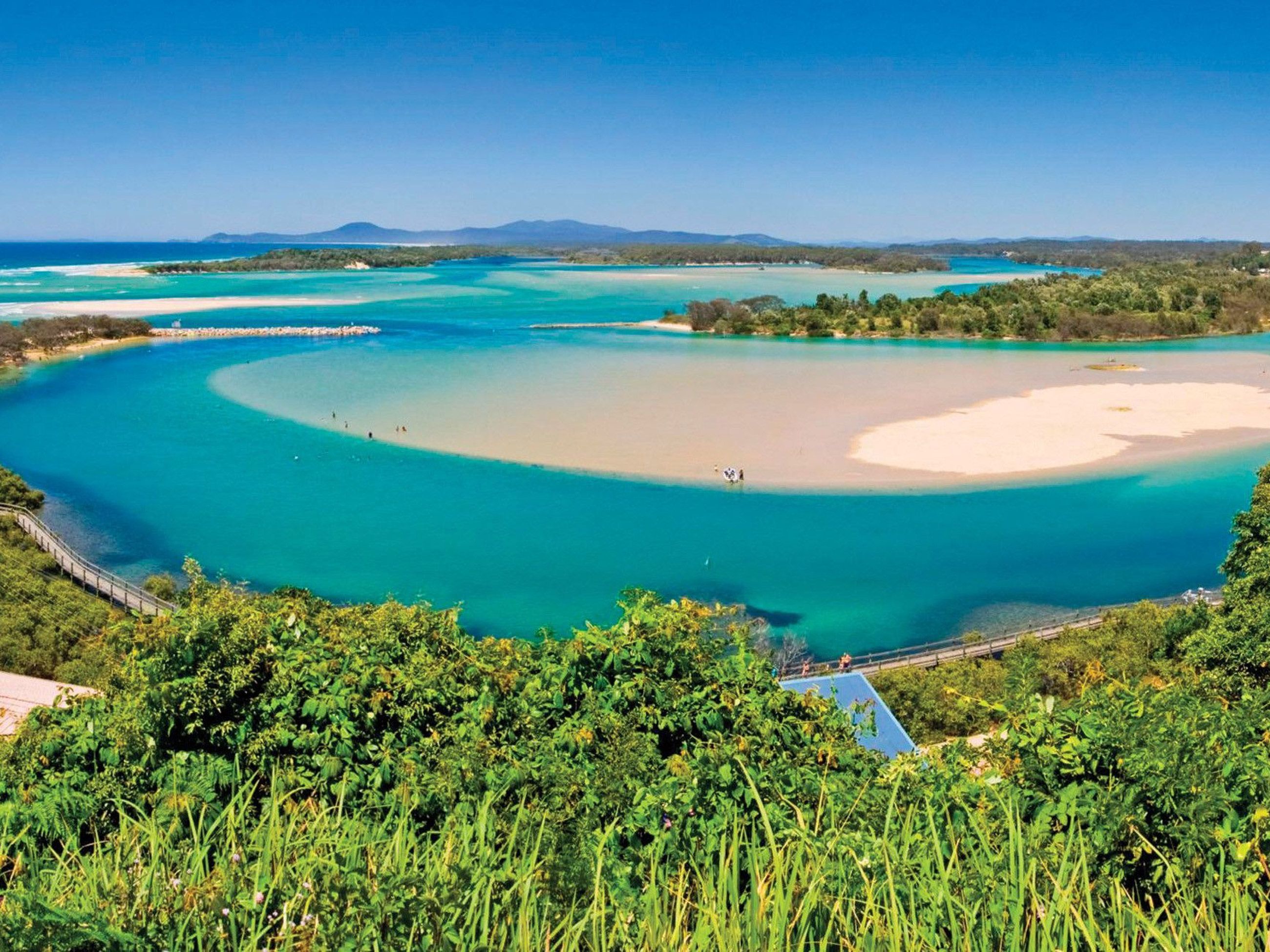
Scenic views of Nambucca Heads along the Legendary Pacific Coast. (Credit: Destination NSW)
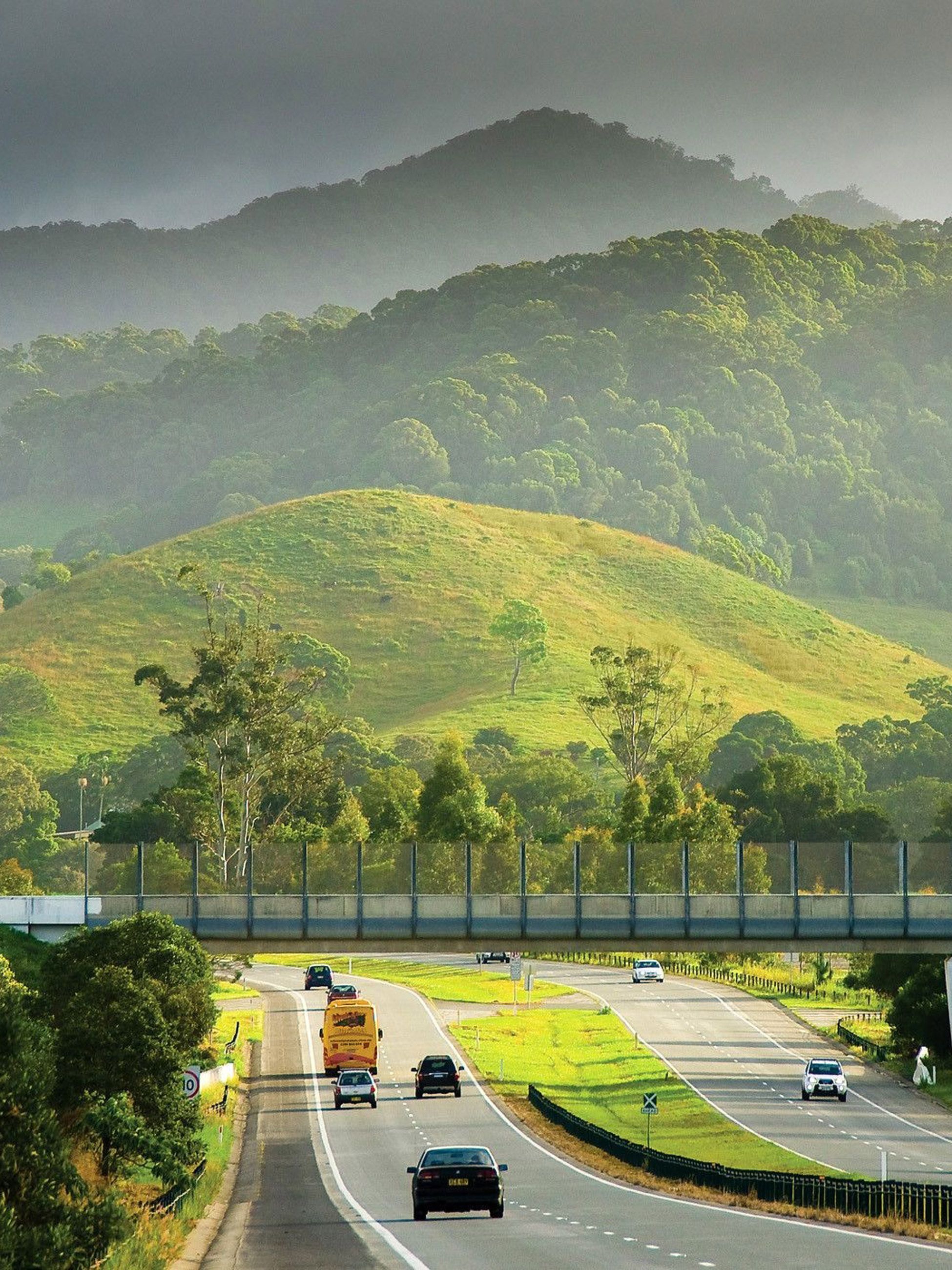
See Mount Warning along the scenic drive. (Credit: Destination NSW)
Explore Lennox Head along the Legendary Pacific Coast. (Credit: Destination NSW)
This 1000-kilometre coastal touring route between Sydney and Brisbane has been crowned the safest and best road trip for solo travellers in Australia. Why? It has 100 per cent phone coverage, plentiful solo attractions and superior logistical ease. Plus, it’s a visual feast. Expect sparkling beaches, charming hinterland-backdropped towns and world-class wineries in the Hunter Valley, promising endless delight.
2. Great Ocean Road
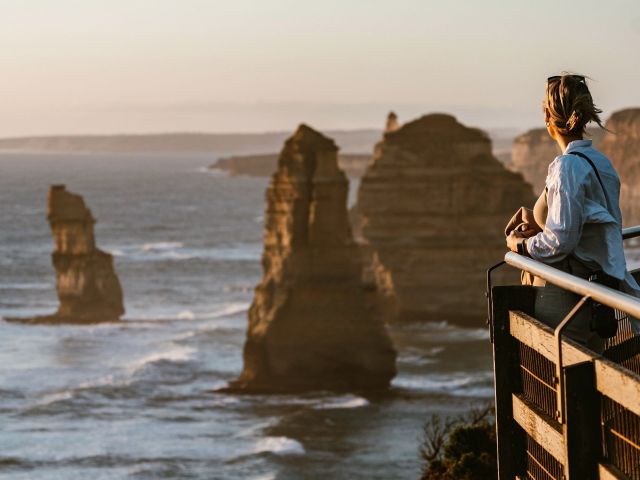
Explore the Twelve Apostles along the Great Ocean Road. (Credit: Visit Victoria / Kirk Richards)
From quiet nights under star-studded skies to winding coastlines and iconic sites like the Twelve Apostles, there’s a lot to love aboutVictoria’s legendary stretch of coast. The Great Ocean Road has already been dubbed the best of our readers’ favourite Aussie road trips, but now it is being recognised as one of the safest, too – its popularity making the area a place solo drivers can confidently explore. Full phone coverage, friendly locals and reliable accommodation options seal the deal.
3. Cape to Cape
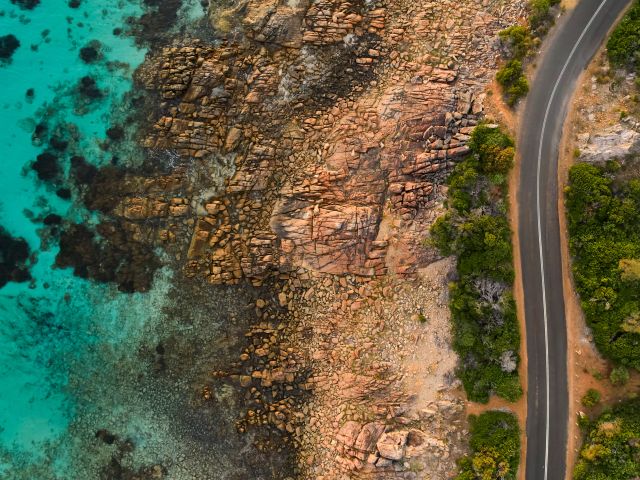
Point Picquet, near Dunsborough in WA’s Margaret River. (Credit: Frances Andrijich)
While lesser-explored and more remote, Cape to Cape within the Margaret River region of Western Australia is still one of the top road trips for solo travellers thanks to its great phone coverage, stunning yet quiet coastline and convenient rest stops. Prepare to be awed by Boranup Karri Forest, the lighthouses at Cape Naturaliste and award-winning wineries.
Need tips, more detail or itinerary ideas tailored to you? Ask AT.
AI Prompt
4. Coral Coast Highway
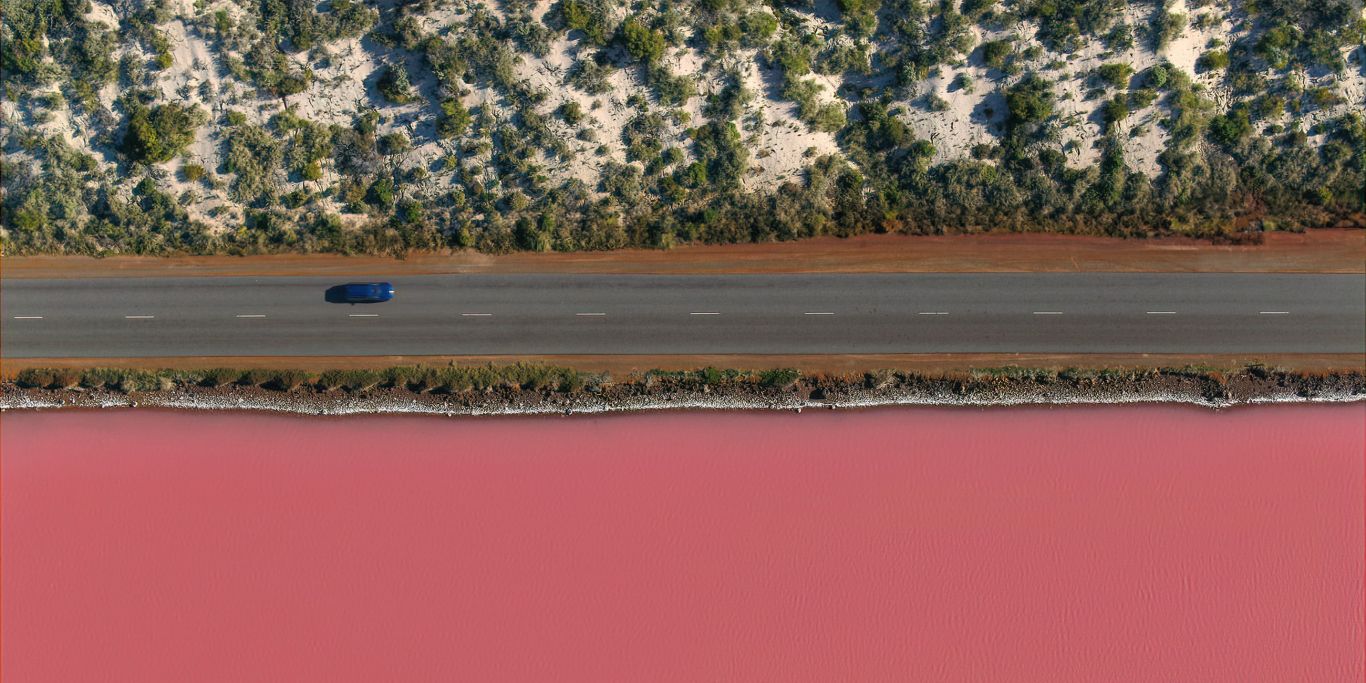
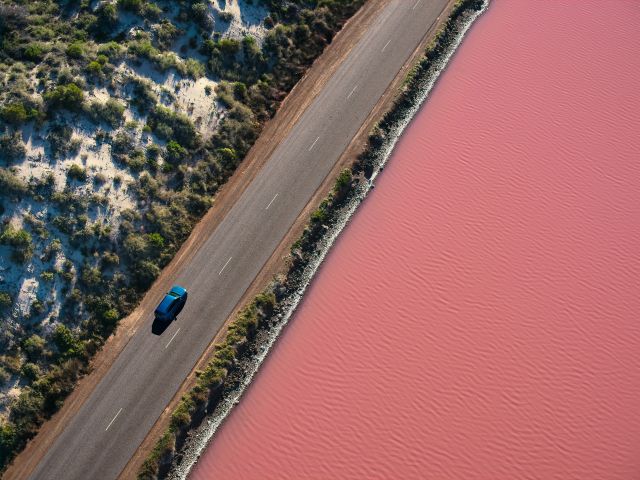
Hutt Lagoon is a highlight of the Coral Coast highway. (Credit: Tourism Western Australia)
The pink waters of Hutt Lagoon, mars-like formations of the Pinnacles Desert and resident dolphins at Monkey Mia are enough to draw any nature-loving traveller to Western Australia’s Coral Coast Highway. The route, which snakes from Perth to Exmouth along the Indian Ocean, scores high in rest stops, solo stays and attractions – though there aren’t as many hospitals as you’d find along many of the East Coast road trips.
5. Coastal Sydney to Melbourne
Murray’s Beach delivers more than just sunset views. (Credit: Filippo Rivetti)
Speaking of hospitals, the Coastal Sydney to Melbourne road trip has abundant facilities along the way – providing peace of mind for travellers concerned about medical access. Phone coverage is also excellent along this well-loved coastal route, which offers plentiful wildlife (think koalas, dolphins and kangaroos) as well as oyster towns and sprawling national parks.
6. South West Edge
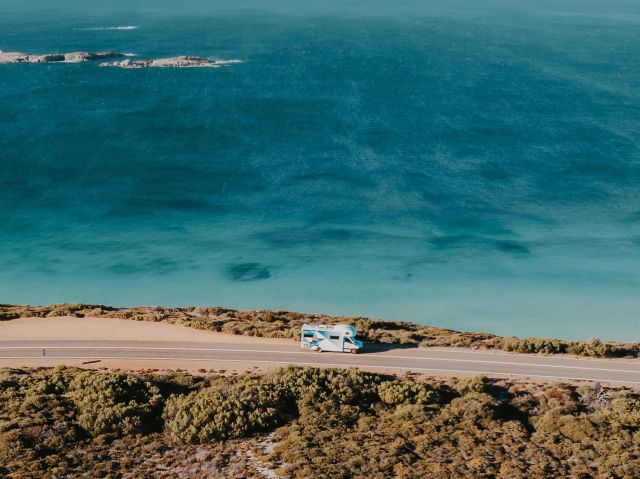
Discover the beauty of Esperance by road. (Credit: Matt Finch)
The South West Edge tracks all the way from Perth to Esperance, passing some of the most astonishingly pristine (and quiet) beaches you may ever lay eyes on. It’s one of the best Australian road trips for solo travellers with its moderate temperatures and copious scenic stops.
7. Grand Pacific Drive
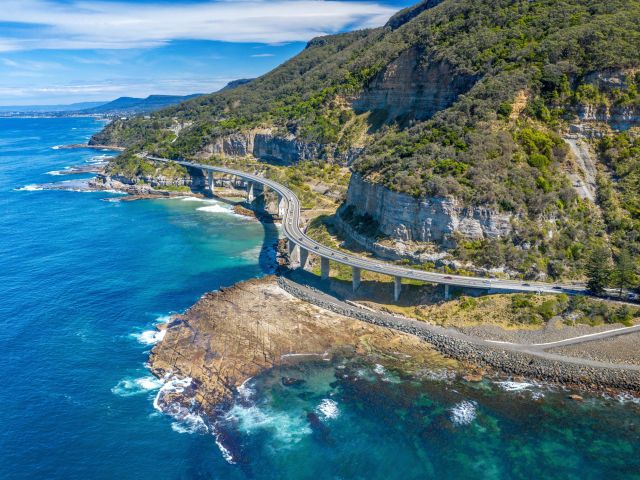
The iconic Sea Cliff Bridge. (Credit: Destination NSW)
You’ve surely seen NSW’s magnificent Sea Cliff Bridge on your social media feed at some point, and it’s one of the highlights of the Grand Pacific Drive. Drivers going the road trip alone will feel at ease knowing there are plenty of locals and travellers populating the region, making it easy to find help if anything goes wrong.
Weekly travel news, experiences insider tips, offers, and more.
8. Epicurean Way
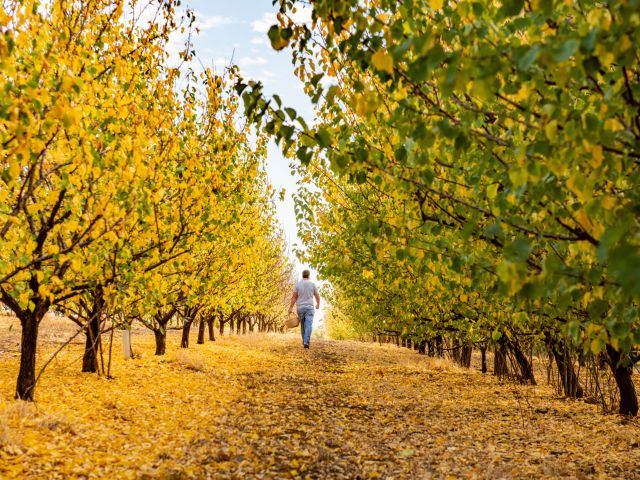
Pick some grapes in the Barossa this autumn. (Credit: Barossa Grape & Wine Association)
Let’s not forget about South Australia and the gorgeous road trips it has to offer. Take the Epicurean Way and tick off McLaren Vale, Adelaide Hills, Barossa and Clare Valley while indulging the senses in fine wine and spectacular produce. Full phone service and ample accommodation ensure you’ll stay safe and connected the entire journey.
9. Adelaide to Eyre Peninsula
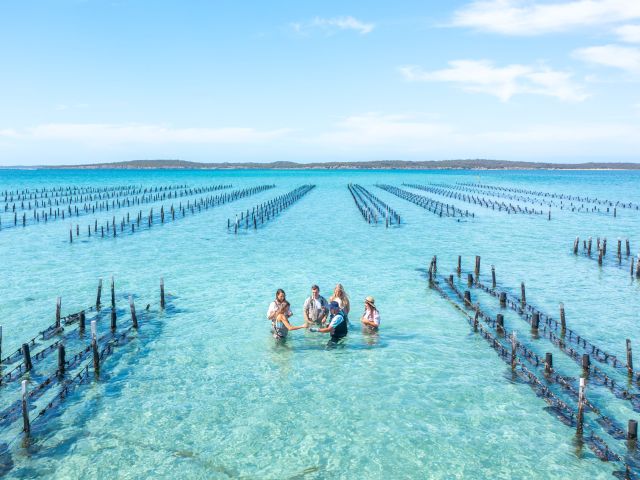
The Eyre Peninsula’s production of oysters is an industry of abundance. (Credit: Tourism Australia)
When it comes to the best road trips for solo travellers in Australia, the Adelaide to Eyre Peninsula route punches above its weight. Think breathtaking cliff lookouts, fresh seafood, and cheeky sea lions and bottlenose dolphins at Baird Bay.
10. Heritage Highway
You may have heard in-the-know history buffs raving about Tasmania’s Heritage Highway, the original, convict-built inland road between Hobart and Launceston that was developed by the state’s early European settlers. Rich in colonial-era villages and quaint bridges, this road trip isn’t too far off the beaten path but still offers myriad surprises.
Want to see more stories from Australian Traveller in your Google search results?
Tick the box next to "Australian Traveller". That's it.
Eleanor Edström is Australian Traveller’s Associate Editor. Previously a staff writer at Signature Luxury Travel & Style and Vacations & Travel magazines, she's a curious wordsmith with a penchant for conservation, adventure, the arts and design. She discovered her knack for storytelling much earlier, however – penning mermaid sagas in glitter ink at age seven. Proof that her spelling has since improved, she holds an honours degree in English and philosophy, and a French diploma from the University of Sydney. Off duty, you’ll find her pirouetting between Pilates and ballet classes, or hunting down Sydney's cosiest cafes.
The Mornington Peninsula is a coastline of contrasts, where convict and military history meets shipwrecks, wild seas and adventures above and below the surface.
The Mornington Peninsula can be the kind of place where salt-tangled hair feels like a badge of honour – proof you’ve been somewhere wild, raw and real. Peel back the layers and you’ll discover stories that anchor this region to something other than its famed food and wine.
This land is the traditional Sea Country of the Bunurong/Boon Wurrung people. Long before grapevines were planted and artisanal goods were crafted, the Bunurong Traditional Owners lived in deep connection with the land and sea. Today, places such as Mushroom Reef Marine Sanctuary echo that tradition, with families exploring its rockpools in search of colourful sea stars and crabs at low tide and learning how these fragile ecosystems have been cared for across countless generations.
Take in the rugged coastal landscape at Port Nepean National Park. (Image: Tourism Australia)
A visit to Point Nepean National Park feels like stepping back through time. The fort, built in 1882, protected the narrow entrance to Port Phillip Bay until the end of the Second World War. It was here that the first Allied shot of the First World War was fired – at a German cargo ship trying to escape just hours after war was declared. Nearby, the old Quarantine Station, one of Australia’s first permanent quarantine facilities, established in 1852, still stands. Walking through the hospital and disinfecting complex evokes stories of those who arrived from faraway shores.
Not far from here is a story of survival that inspired the Aussie phrase ‘you’ve got Buckley’s chance’. In 1803, escaped convict William Buckley vanished into the bush near what’s now Sorrento. Everyone thought he had no hope of surviving, but he reappeared 32 years later, having lived with local Aboriginal people.
Even the waters here hold history. The infamous stretch known as The Rip, just three kilometres wide at the entrance of Port Phillip Bay, is among the most treacherous waterways. Countless ships were lost here in the 19th and early 20th centuries, and in 1967, Australia’s own Prime Minister Harold Holt disappeared while swimming off the coast, never to be found.
A seal swimming in Port Phillip Bay. (Image: Tourism Australia/Two Palms/Harry Pope)
But for all its danger, the sea here also holds extraordinary beauty. Dolphins are often seen near Sorrento’s cliffs, while below the surface, seagrass meadows and rocky reefs teem with life. Marine tours offer a viewing to this underwater wonderland, while back on terra firma, walking trails lead along beaches, through coastal scrub, and over rock pools.
And if you think you’ll forget about the Mornington Peninsula once you’ve left? You’ve got Buckley’s chance.
A traveller’s checklist
Staying there
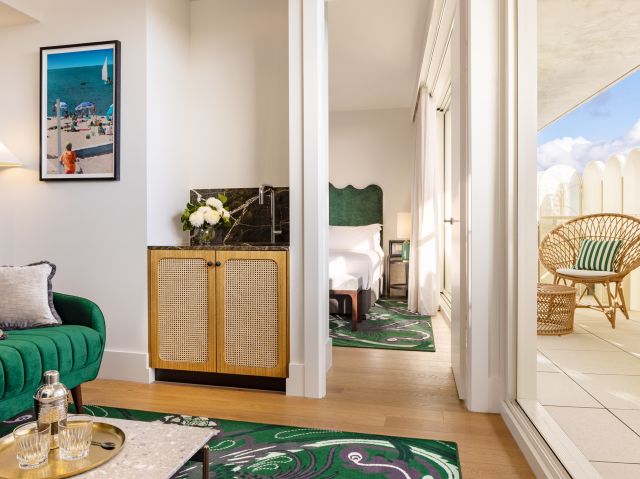
Luxury interiors at the historic InterContinental Sorrento. (Image: Greg Elms)
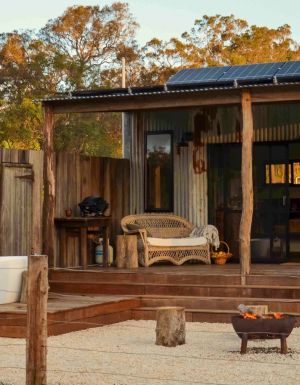
Point Nepean Discovery Tents is immersive glamping beside the historic Quarantine Station. Or upgrade to luxury at the 1875-built InterContinental Sorrento.
Playing there
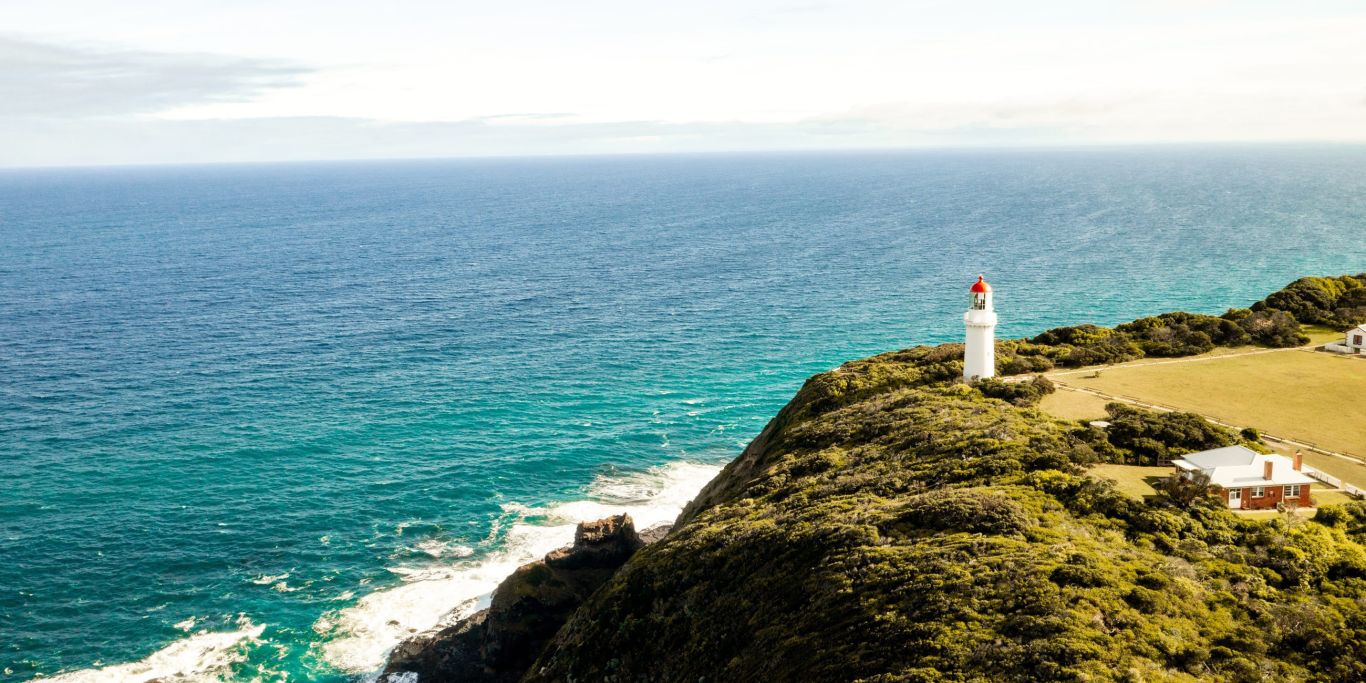
Make your way to the Cape Schanck Lighthouse. (Image: Tourism Australia/Two Palms/Harry Pope)
Bayplay Adventure Tours offer eco-adventures from snorkelling with sea dragons to kayaking with dolphins and cycling Point Nepean. Cape Schanck Lighthouse is fascinating to explore on a guided tour, which takes you into the lighthouse and keeper’s cottage.
Eating there
Portsea Hotel is a beautifully restored 1876 Tudor-style pub right on the beach, serving seasonal local fare.