Four ways to experience an incredible Blue Mountains winter

hero media
With crisp air and vast landscapes, winter is the perfect time for a Blue Mountains adventure. Here’s four reasons why you need to visit.

1. Come out of your winter hibernation

Things only get better here during winter – the days may be cold and crisp but the sky is usually blue and clear, with visibility out to the Great Dividing Range. In the upper villages, ice and frost cover the ground with the occasional snowfall, creating a winter wonderland (and the perfect excuse to cosy up in front of a fire!). But when you get out and about, the best winter day is spent exploring Scenic World.

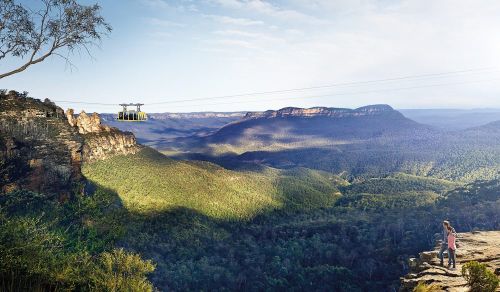
Start with an early ride on the Scenic Skyway to see the amazing views over Katoomba Falls and the Jamison Valley. Hop off at the Skyway’s eastern anchorage to get some photos from the lookout and stroll along the Prince Henry Cliff Walk to Echo Point to see the famous Three Sisters. Return to the main building by Skyway and from here take the steep iconic Scenic Railway down to the valley.

At the bottom walk along the Scenic Walkway over the Jamison Valley floor – during the colder months, and even in the rain, the colours of the rainforest surrounding the walkway are magnificent: mist shrouds the towering cliffs above, raindrops cling to the lush green leaves and birdlife is more active. From here, take the 545-metre ride up the Scenic Cableway to the top of the escarpment, enjoying views of the Three Sisters, Orphan Rock, Mt Solitary and Katoomba Falls as you go.
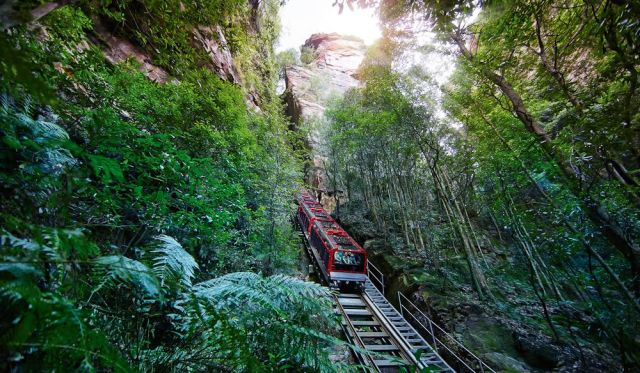
Steep: the Scenic Railway, Blue Mountains.

2. Get your walking shoes on

Take advantage of the free all-day parking at Scenic World, a great base to have an all-day walking adventure! Take the Scenic Skyway from the main building across the valley (suspended 270 metres in the air) to the east anchorage and enjoy the leisurely Prince Henry Cliff Walk.

Take in the spectacular views of the Jamison Valley as you meander along the escarpment which leads to the iconic Three Sisters. From here, take the Giant Staircase which winds down alongside the Three Sisters to the Jamison Valley floor. The Federal Pass in the Blue Mountains National Park will take you from here through the rainforest, via Katoomba Falls, and ends at the base of Scenic World.

From here, you can either get your heart pumping and climb the 1000 Furber Steps or take the Scenic Railway to the top. It will take around two hours from start to finish, though you may take longer when you see the views.

Need tips, more detail or itinerary ideas tailored to you? Ask AT.

AI Prompt

3. Celebrate a milestone

September marks the 70th anniversary of the Blue Mountains’ iconic Scenic World, which first opened in 1945 when Harry Hammon acquired the lease of the former historic Katoomba Coal Mine. Driven by visitors’ fascination of the steep railway that led into the rainforest, Hammon saw a wonderful opportunity to convert the old coal skips and tracks into a passenger train, which was to be the steepest in the world.

It still holds that esteemed title today, giving visitors unparalleled access to the World Heritage-listed Blue Mountains. Run by the same family, now in their third generation, Scenic World is the country’s most visited privately owned tourist attraction. To celebrate over 25 million visitors creating memories here, there are a number of special events planned to acknowledge this wonderful occasion.
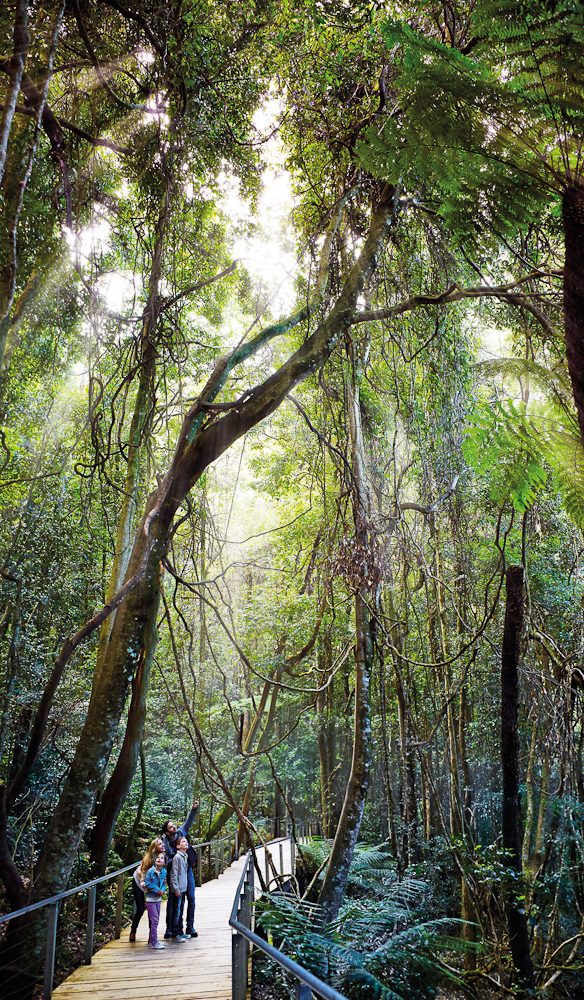
Enveloped by rain forest canopy, Blue Mountains.

4. Capture the perfect shot

If you’re a keen amateur photographer, the Blue Mountains is the perfect backdrop to test out your skills. Blue Mountains local and professional photographer Gary P. Hayes suggests the best spots to get snap happy on Scenic World’s blog. But we’ve listed our favourites here:


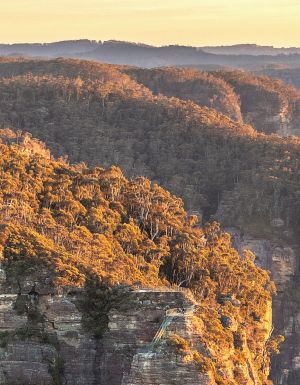
Middle Platform, Katoomba Falls: A great spot for sunset photos as the cliffs glow red – you get the close-up of the falls on your left and views into Jamison Valley and Mount Solitary.

Sublime Point, Leura: An easily accessible lookout which is great at sunrise, which lights up Mt Solitary and the back of the Three Sisters on the right.

Govett’s Leap, Blackheath: Hayes suggests this is the easiest but best vista lookouts with spectacular views, again best photographed at sunrise when the rays highlight the frequent valley mist.

Valley of the Waters, near Wentworth Falls: Take the descent into a deep gorge along the ridge from Conservation Hut for stunning waterfalls and great vistas. It’s an all-day walk but worth it!

Want to see more stories from Australian Traveller in your Google search results?

  1. Click here to set Australian Traveller as a preferred source.
  2. Tick the box next to "Australian Traveller". That's it.
hero media

Slowing down in Moree: a guide to the Artesian Spa Capital of Australia

(Credit: Destination NSW)

    Kassia Byrnes Kassia Byrnes
    The Artesian Spa Capital of Australia offers the perfect destination to escape the grind and reset.

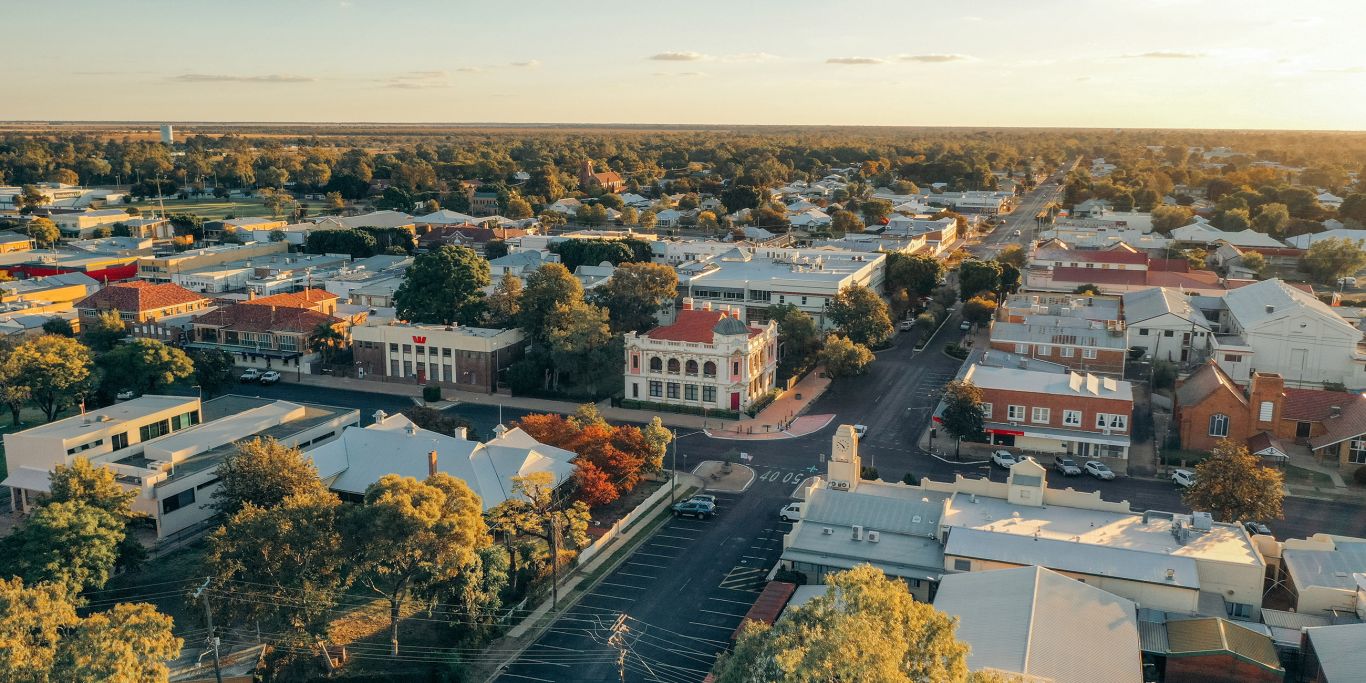
    The world moves more slowly in Moree, and that’s how it should be. Here, country charm and heritage buildings fill the town’s wide streets. While the surrounding farmland mixes with lush riverways to create a fascinating landscape.

    But the biggest pull? Moree is known as the Artesian Spa Capital of Australia. It’s truly a place to slow down and disconnect, all an easy train ride from Sydney.

    Soak in Moree’s artesian water

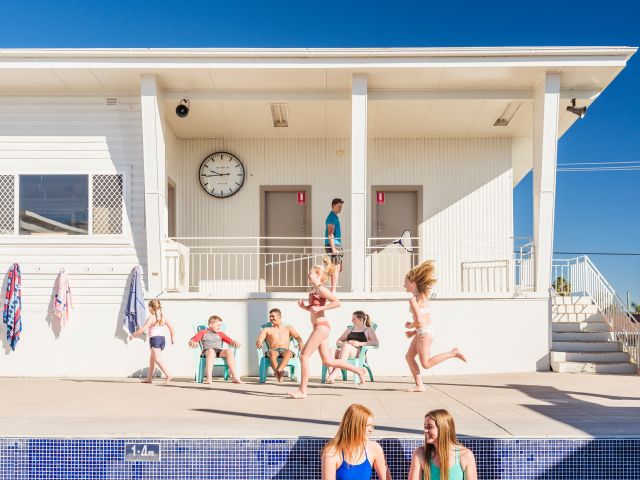
    kids at Moree Artesian Aquatic Centre
    Dive in to Moree’s artesian waters.

    Moree is not your typical wellness retreat, replacing pretence with casual and easy. Blessed to be sitting above the Great Artesian Basin, it feeds the town (and surrounding villages) with hot, mineral-rich water. Loaded with minerals like calcium, magnesium, potassium and sulphur, this water is believed to help with skin health, joint function and tissue repair.

    And the town’s crown jewel, Moree Artesian Aquatic Centre, has reopened after extensive upgrades. This state-of-the-art aquatic centre offers accessible facilities with multiple artesian baths of varying temperatures between 38 and 41°C.

    Feel like exploring a little further? About an hour’s drive from Moree, the village of Boomi also offers public access to this same artesian water. Pop into Boomi Artesian Pool to make the most of a 25-metre cold pool, a wading pool and a hot artesian spa pool.

    Just an hour west of Boomi, you’ll also find Mungindi Hot Artesian Pool, another relaxing place to rejuvenate for the afternoon in the mineral-rich water.

    Moree’s best stays

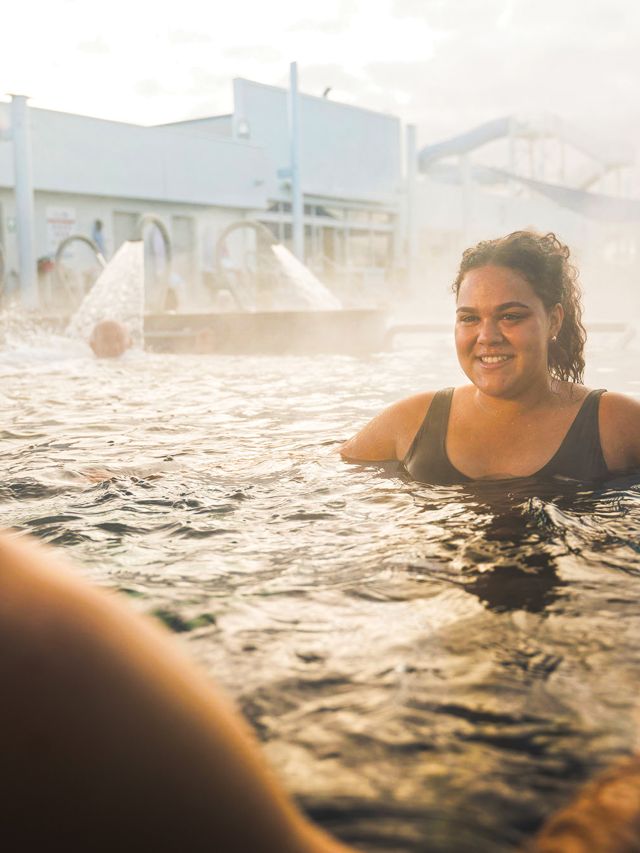
    woman swimming ta Moree Artesian Aquatic Centre
    Stay right by Moree Artesian Aquatic Centre.

    There are several motels within walking distance of the aquatic centre, so you linger longer in its therapeutic waters. A day pass not enough? Really soak in the benefits of Moree at three local stays with their own artesian baths.

    Gwydir Thermal Pools Resort boasts five artesian pools for motel and caravan park guests, ranging in soothing temperatures from 34 to 39 degrees. And that includes a 25-metre lap pool.

    The Phoenix, Artesian Spa Resort & Accommodation features outdoor artesian thermal pools and six indoor artesian spas, all 34 to 42°C, plus regular pools for guests staying in their accommodations.

    While the Artesian Spa Motel matches 46 comfortable budget rooms set across five acres of landscaped grounds, with direct access (for guests) to its own natural artesian hot thermal pool.

    Moree’s location at the crossroads of the Newell and Gwydir Highways makes it the ideal resting place for those road tripping through country NSW. With plenty of accommodation options, including farm stays, quaint bed and breakfasts and affordable motels.

    Delving into nature around Moree

    aerial of moree
    Find plenty of natural beauty in and around Moree. (Credit: Destination NSW)

    Beyond the baths, find calm in Moree’s nature. Soak up the impressive Gwydir River from the peaceful Tareelaroi Weir Recreation Area. Popular with locals, this scenic spot is perfect for fishing, kayaking and picnics. Delve into local history at the Terry Hie Hie Picnic Area – a significant Gamilaroi cultural site. The picnic area is still used today as a ceremonial gathering ground, with educational signage sharing the history of the Gamilaroi People and the mission which used to reside here in the early 20th Century. Follow the Yana-y Warruwi Walking Track to explore the area’s box pine forest.

    Combine nature and culture at the Jellicoe Park Open Spaces Aboriginal Art Trail along the scenic Mehi River Walk. Find artworks from local Indigenous artists across a range of different mediums, like carved logs, engraved and painted sandstone and scar tree paintings.

    A taste of Moree

    meal at Moree Country Club
    Sit down for a tasty meal after a game of golf. (Credit: Destination NSW)

    Taste the best of local cafes as you wander past the Art Deco architecture of Moree’s tree-lined main streets. Join the locals each morning at Brooker Trading Co as they line up for their morning java. Stay for classic breakfast dishes like eggs benedict and Dutch pancakes, or arrive later in the day for a hearty lunch menu. Inside a gorgeous Art Deco building, 61 Balo is another tasty breakfast option, with pet-friendly service. The recently renovated Cafe Omega is another popular stop for fresh, hearty meals – the chicken burger is a particular crowd pleaser – all served with a smile.

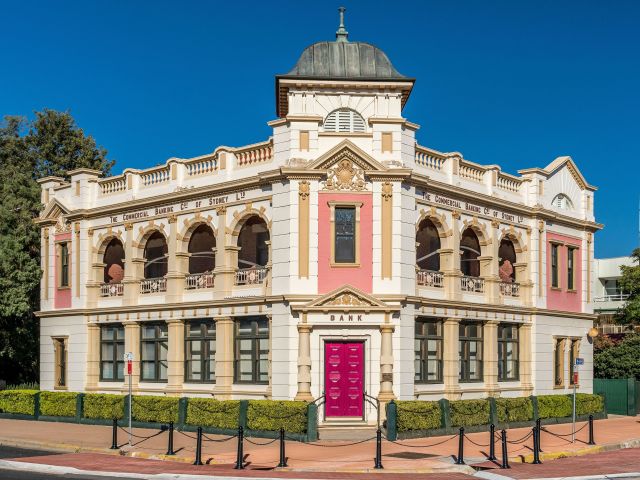
    Get inspired as you wander the CBD’s Mural Trail, stopping at some of Moree’s six art galleries along the way. Bank Art Museum is a must-see, housed in the town’s heritage bank building and home to a collection of First Nations art, plus a changing calendar of touring exhibitions.

    Bank Art Museum Moree
    Step inside the gorgeous Bank Art Museum Moree. (Credit: Destination NSW)

    Get active with a round on the beautiful riverside course at Moree Golf Club (and refuel afterwards at the delicious onsite restaurant) or a game of bowls at Moree Services Club’s state-of-the-art facility. Visit on the last weekend of September to join (or watch) Run the Plains, Moree’s annual two-day running festival.

    Known as ‘white gold’ country, Moree is Australia’s most productive agricultural region. Visit from April to September to join a cotton farm tour and get to know one of Moree’s major exports.

    However long you choose to stay, there’s plenty to soak in around Moree.

    Start planning the ultimate escape at visitmoreeplains.com.au.