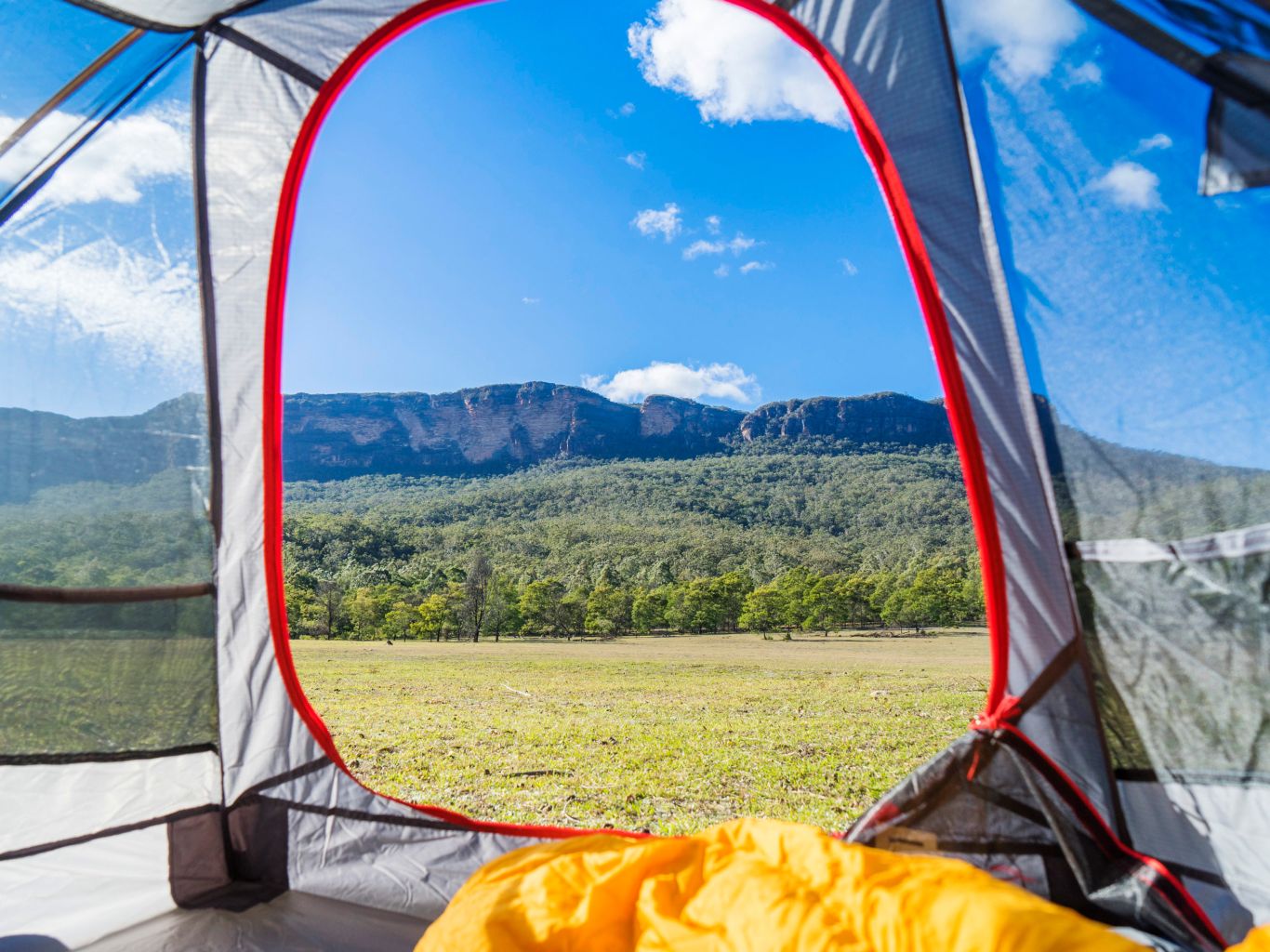

With vast national parks pocketed with idyllic spots to pitch a tent, camping is one of the best ways to experience the Blue Mountains.
Whether you relish the rustic experience of rolling your swag out under the stars or prefer to participate in a more luxe iteration of camping, there’s a Blue Mountains campground to meet your expectations.
No matter how far along the camping scale you wish to venture, a bush-fringed stay in the mountains provides a wonderfully restorative escape.
From Katoomba to Kedumba, these are the top spots to pitch your tent.
In short
If there’s only time for one campground in the Blue Mountains on your trip, you can’t beat Katoomba Falls Tourist Park for location and amenity.
1. Euroka Campground
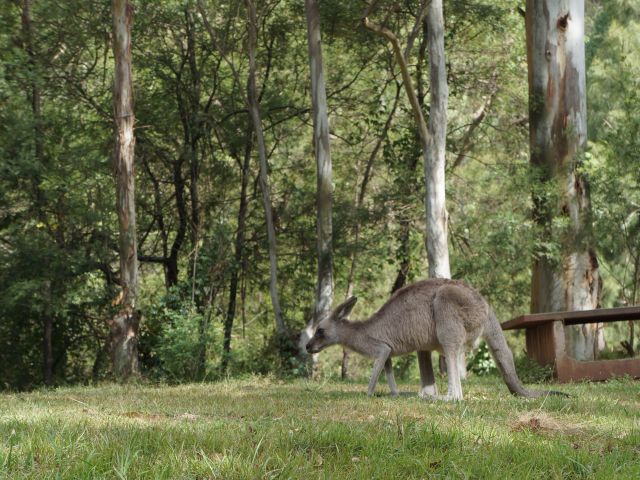
Closest town: Glenbrook
Price: $$
Perks: If you’re after a nature-packed Blue Mountains camping experience, you’ve found it. Just south of Glenbrook, Euroka Campground is not only popular with campers but also kangaroos – expect numerous sightings during your stay. It’s also close to the banks of the Nepean River, tempting fishing fanatics to throw a line out, as well as nearby nature trails.
Amenities: This well-equipped campground boasts picnic tables, barbeque facilities and toilets, but you’ll need to bring your own drinking water and firewood.
2. Old Ford Reserve
Closest town: Katoomba
Price: Free
Perks: Considered one of the most popular spots for lovers of the great outdoors, Old Ford Reserve is a free campground on the bank of Megalong Creek. It’s close to Katoomba, which makes it a perfect base for first-timers and camping novices. Just south of the campground is the Six Foot Walking Track, one of the best Blue Mountains hikes. Old Ford is pet-friendly, too, just enquire first.
Amenities: Old Ford is accessible by 2WD. There are toilets at the reserve and space for campervans and trailers, but the ground does not cater to those with limited accessibility. You’ll need to bring your own water to drink and cook with, too.
3. Murphy’s Glen Campground
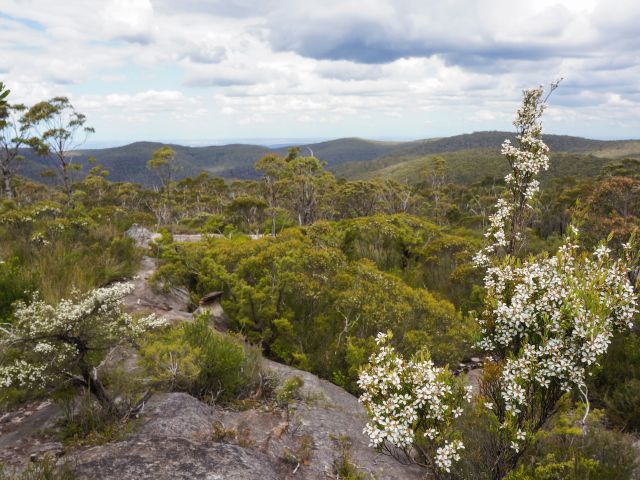
Closest town: Woodford
Price: Booking fee of $6
Perks: You’ll set up camp under the rustle of tall blue gums and turpentines. Watch native wildlife emerge come dusk and listen out for possums, sugar gliders and bats as you gather around the campfire. The remote campground is all about peace and quiet, with plenty of opportunities for bushwalking, wild swimming and birdwatching nearby.
Amenities: With just five campsites,this secluded spot is a pocket of bush-fringed serenity. There are pit toilets and barbeque facilities, but no water, so bring enough for drinking, cooking and cleaning. The road to the campsite is unsealed and while the grounds can be accessed by 2WD when it’s dry, a 4WD is recommended. If there’s been a bit of rain, call ahead to check conditions.
4. Lake Lyell Recreation Area
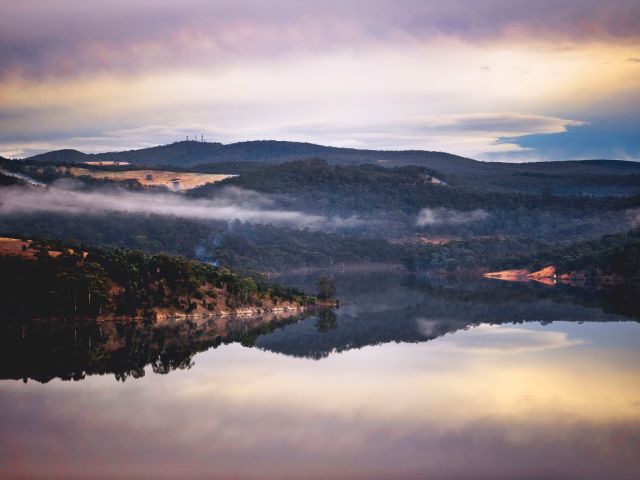
Closest town: Lithgow
Price: $$
Perks: Everything you need for a well-rounded stay is catered for. There’s a kiosk, hot showers, accessible toilets, a covered barbeque area, kayak hire, picnic areas, a boat ramp, playground and designated area to swim. The man-made lake was built in 1982 for nearby power plants, with the recreation park added later. Spend your days fishing, swimming, jet-skiing, kayaking or enjoying a picnic on the banks.
Amenities: At Lake Lyell Recreation Area, choose from powered and unpowered camping sites suitable for vans, tents, camping trailers, caravans and motorhomes. There’s even a ski lodge cabin that sleeps up to eight people for $180 per night with a minimum of two nights – but do note, the luxuries don’t extend to running water, such as a shower or toilet.
5. Turon Gates
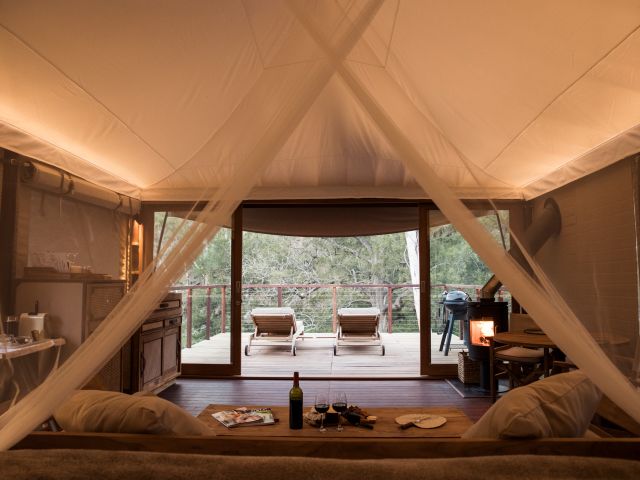
Closest town: Lithgow
Price: $$–$$$
Perks: Set amid 2400 hectares of bushland, Turon Gates is positioned beside a tranquil, trout-filled stream with spectacular mountain vistas. Camping sites are unallocated, so travellers can choose their own. Glampers can unwind in a deep bathtub to the sounds of the bush beyond. Whether you camp or glamp, there’s loads to do, from bushwalks and swimming to fishing and kayaking.
Amenities: Turon Gates provides the best of both worlds for those who love a rustic adventure. Book a campsite and you’ll have access to hot showers, running water and toilets. Glampers, on the other hand, can enjoy luxe safari tents or log cabins, with everything from stylish living areas to cosy fireplaces, self-contained kitchens and outdoor barbeques.
Need tips, more detail or itinerary ideas tailored to you? Ask AT.
AI Prompt
6. Acacia Flat Campground
Closest town: Blackheath
Price: Booking fee of $6
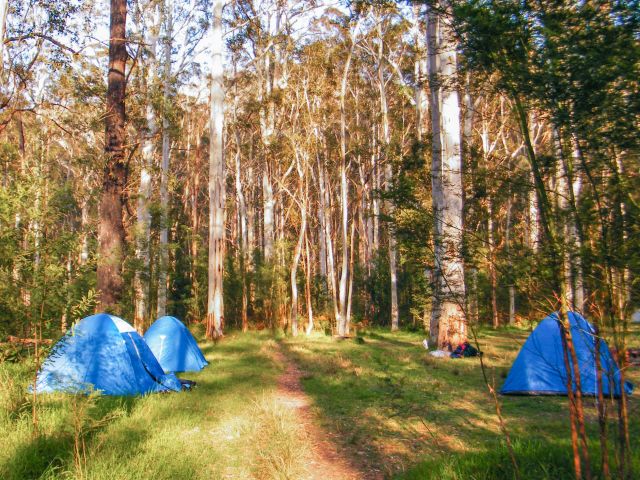
Perks: Acacia Flat Campground is not for first-timers. It’s one of the most secluded camping spots in the Blue Mountains and can only be reached via a challenging hike carrying all your gear. You’ll be rewarded for your efforts with unparalleled serenity, panoramic views, wildlife encounters and plenty of space to pitch a tent.
Amenities: There are 30 unmarked camping spots on offer at this campsite tucked into the Grose Valley. It’s a barebones stay with allocation only for tents and swag-sleeping. While there are toilets, you’ll need to bring everything else, including drinking water, food and necessary supplies. No campfires or solid fuel burners are permitted, so it’s recommended you bring a gas or liquid fuel stove.
7. Yerranderie Private Town
Closest town: Oberon
Price: $
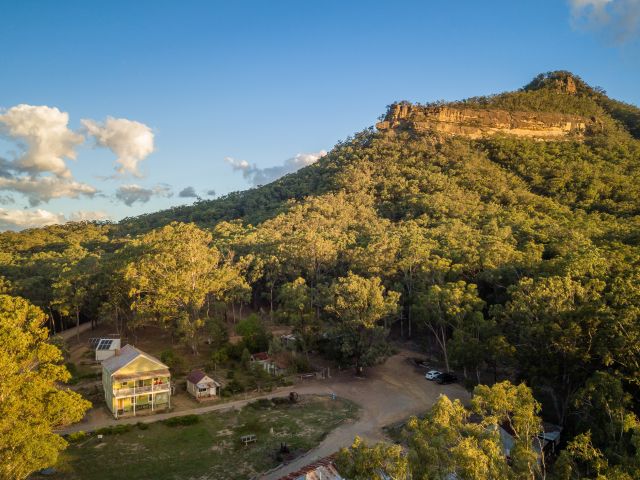
Perks: This ghost town has long been abandoned, imbuing its historic sandstone buildings with a bygone charm and maybe just a hint of spookiness come nightfall. For lovers of history, it’s considered one of the best things to do when visiting the Blue Mountains.
Amenities: You’ll find a bit more than just the basics in this former silver mining town, with an amenities block for showers and toilets, barbecue facilities and drinking water. But you will need to bring your own firewood and there’s no power to the sites. The 10-site campground is only accessible by 4WD on unsealed roads and is relatively remote.
8. Katoomba Falls Tourist Park
Closest town: Katoomba
Price: $$
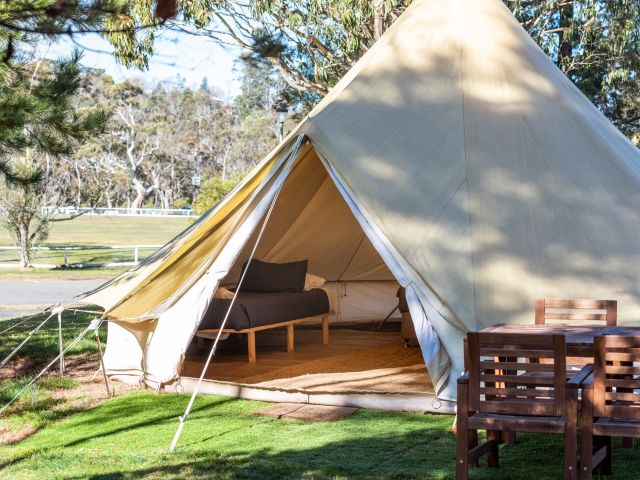
Perks: You’re set amid the centre of action here with the area’s big attractions easily accessed by foot. Katoomba Falls is just a two-minute walk away, the town centre is an easy 15 minutes, and the Scenic Railway and Echo Point are both a stroll from the park, where, at the latter, you can take in a shimmering Blue Mountains sunset.
Amenities: Settle into a campsite or cabin at Katoomba Falls Tourist Park and enjoy a checklist of amenities, such as a renovated shower and toilet block with accessible bathroom, coin-operated laundry, barbecues, camp kitchen, playground and free wi-fi. Unfortunately, four-legged friends will have to stay home.
9. Kedumba River Crossing Campground
Closest town: Wentworth Falls
Price: Booking fee of $6
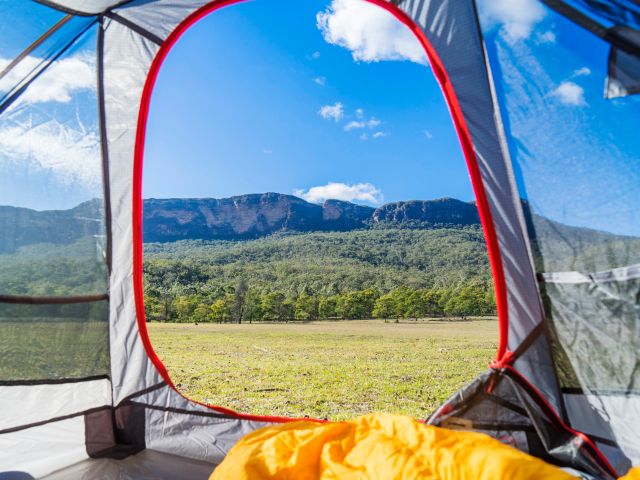
Perks: The challenging nine-kilometre walk down Kedumba Pass ensures that you’ll likely find yourself alone here with just the wildlife, which will no doubt lead to a supremely peaceful night’s sleep. Pitch your tent or roll out your swag wherever you like and absorb the stunning views of Mount Solitary, the Katoomba Escarpment and Kings Tableland.
Amenities: This remote campground in the Kedumba Valley can only be accessed by foot. There are toilets, barbecue facilities and picnic tables, as well as fire rings, but you’ll need to collect wood from the surrounding bush. You can use the water from the Kedumba River, but it will need to be treated before drinking; otherwise, you’ll need to carry your own fresh water in. There are no bins provided, which means you need to take your rubbish out with you.
10. Coorongooba Campground
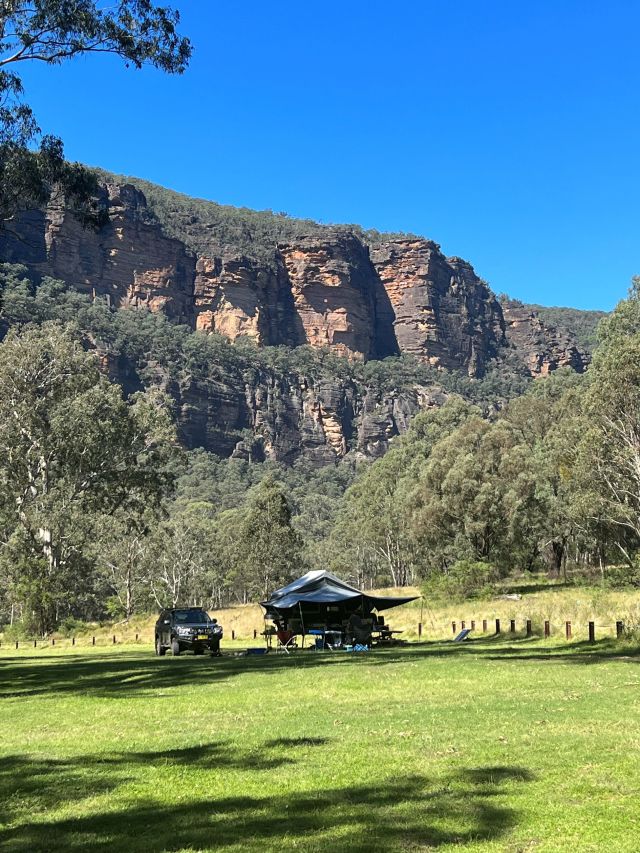
Closest town: Lithgow
Price: Booking fee of $6
Perks: Set on the Capertee River in Wollemi National Park, this picturesque spot is accessible by 2WD in good weather, but you’ll need a 4WD if it’s wet. Spend the day hiking along the river or splashing in shallow pools and keeping an eye out for the endangered regent honeyeater. Springtime is the best time to visit when the weather is warm and the bush is fragrant with blooms.
Amenities: You’ll find non-flushing toilets, barbecue facilities and picnic tables at Coorongooba Campground, but what it lacks in amenities, it makes up for in breathtaking beauty. You’ll need to bring your own drinking water and firewood with you and take your rubbish out when you leave.
Weekly travel news, experiences
insider tips, offers, and more.
11. Bubbletent Australia
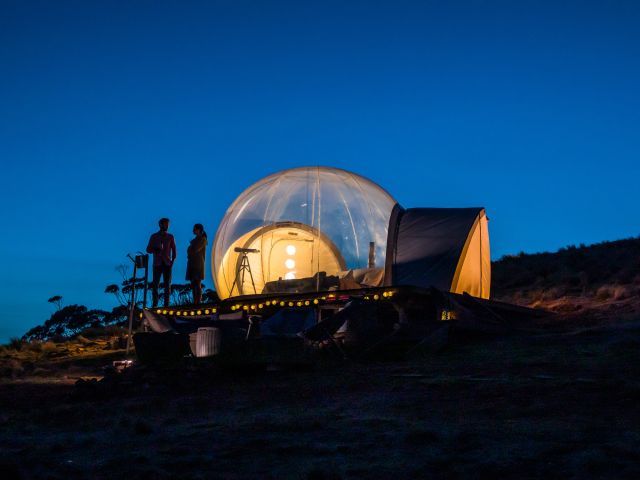
Closest town: Lithgow
Price: $$$
Perks: This Capertee Valley property with its panoramic views of the landscape is perfectly positioned for a sense of vast space and communion with the cosmos. While there are five tents, you won’t know it, as each is entirely secluded from the others.
Amenities: This glamping experience is all about sleeping in style under the constellations. Your see-through, bubble-shaped dome allows you to gaze starwards in a comfortable bed as the evening closes in, with everything you need at your fingertips. Not to mention the slippers, wireless speaker, iPad and telescope. But you will need to bring in your own food and drink (including water).
12. Blackheath Tourist Park
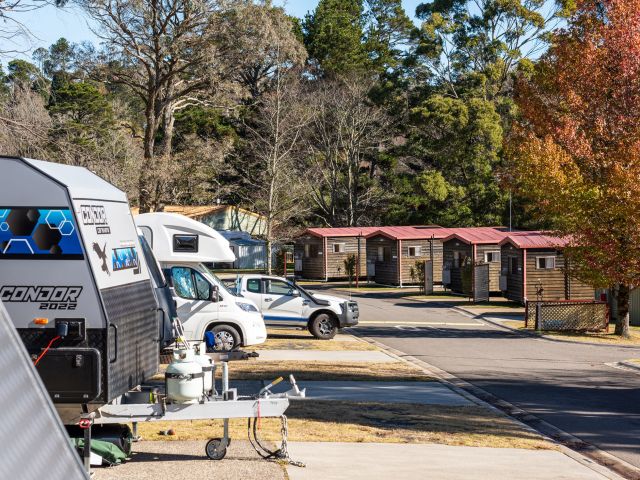
Closest town: Blackheath
Price: $$
Perks: Blackheath Tourist Park is just a short walk from the charming town, where you can dine at one of the lovely local restaurants. Pop into one of its many eateries and attractions, or take a wander by the melodic waters of Popes Glen. During your stay, be sure to explore Govetts Leap Lookout for insane mountain views.
Amenities: With sites for caravans, campers and tents, as well as cabins and glamping for those seeking creature comforts, this full-amenity campground makes for a smooth holiday. Expect an amenities block with showers, toilets and an accessible bathroom, a children’s bathroom, playground, camp kitchen and laundry. There’s also wi-fi available, should you need to connect.
13. Dunphy’s Campground
Closest town: Blackheath
Price: $6 booking fee
Perks: Blackheath Tourist Park is just a short walk from the charming town, where you can dine at one of the lovely local restaurants. Pop into one of its many eateries and attractions, or take a wander by the melodic waters of Popes Glen. During your stay, be sure to explore Govetts Leap Lookout for insane mountain views. Camping here gives you easy access to walking and fishing along the Cox’s River, hikes in Kanangra Falls and climbing the Narrow Neck cliffs. There’s also a family-friendly walk to Bellbird Point and some historic ruins of a settler’s cottage to poke around.
Amenities: You’ll enjoy vistas of Mount Cloudmaker and the Wild Dog Mountains during your stay at Dunphy’s in the Megalong Valley. There are 15 sites suitable for tents and camper trailers just a short walk from the carpark, and you’ll have access to toilets, barbecue facilities and picnic tables. Access is through a private property, so be sure to drive respectfully and look out for livestock and children as you make your way to the carpark.
14. Megalong Valley Farm
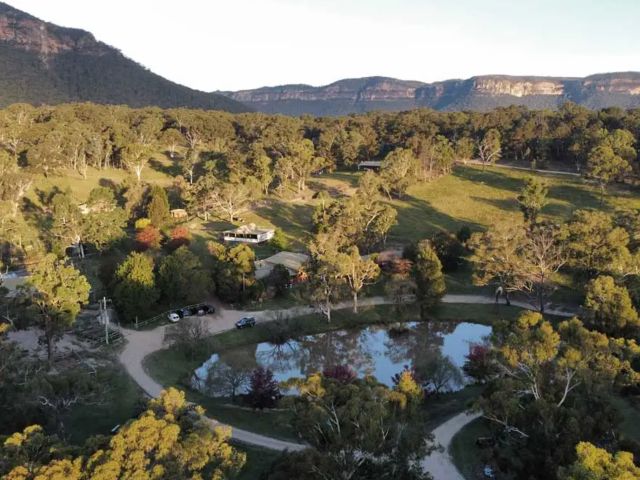
Closest town: Blackheath
Price: $30 per night
Amenities: This private campground is set on more than 800 rambling hectares and, apart from valley and mountain vistas, has an ancient rainforest glen and caves to explore. You’ll be spoilt with jaw-dropping sunrises and sunsets on this picturesque no-frills escape. You’ll need to bring your own ice, but you can buy firewood at reception and there’s ample spots to set up. There are hot showers and toilets and your pets are welcome to join you.
Perks: This stunning wilderness setting allows you to fully immerse in nature (although, apparently phone coverage is good). There are plenty of bike and walking tracks nearby at Porters Pass and Blackheath and the Scenic Railway is 40 minutes away by car.
15. Newness Campground
Closest town: Lithgow
Price: $6 booking fee
Perks: If you like to feel completely untethered from the world, chances are, you’ll be the only one here. You’re right on the water here, so if you can manage to carry a kayak for 10-Ks, you’ll be able to slip it straight in the water or float downstream on an inflatable lilo. Relish the solitude, stunning scenery and hikes. There’s also tracks, tunnels and ovens of the historic shale oil ruins nearby to explore.
Amenities: Since the Wolgan Gap has suffered a landslip, the only access to this Wolgan River adjacent campground is by a 10-kilometre hike from Glen Davis via the Pipeline Track. But if you’re a self-assured and well-prepared camper, you’ll be rewarded with this gorgeous spot away from the maddening crowds. You’ll need to bring enough water for drinking and cooking and food and firewood supplies for the fire rings.
Want to see more stories from Australian Traveller in your Google search results?
- Click here to set Australian Traveller as a preferred source.
- Tick the box next to "Australian Traveller". That's it.