A must-read guide to exploring Jenolan Caves

hero media
A vast and ancient network of limestone chambers, Jenolan Caves is an unmissable Blue Mountains highlight.

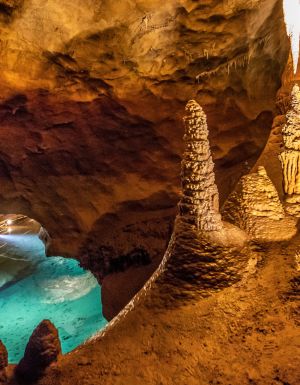
Whether you’re a fan of geology, mythology or simply want to go underground, Jenolan Caves will ignite both your scientific fascination and wild imagination. The solidified beauty of stalactites, stalagmites and limestone structures is nothing short of astonishing as you wind deeper into the Earth.

Exploring this karst landform, where underground rivers pool into basins of pale-blue water and dark tunnels open out into vast theatres, is truly one of the most unforgettable things you can do in the Blue Mountains. From guided tours to adrenaline-spiked adventures, be sure to fasten your head torch before diving into this ancient wonder.

What to expect at Jenolan Caves

Descending into the cool underworld of these limestone caves near the Blue Mountains is akin to entering another dimension. Ancient, expansive and labyrinthine, this natural spectacle draws you deeper below with its enigmatic and otherworldly beauty.

From cavernous chambers and crystal basins to underground rivers and cathedral-like caves that bring to mind the dominion of Hades, this enigmatic underworld is, astonishingly, the oldest open cave system in the world.
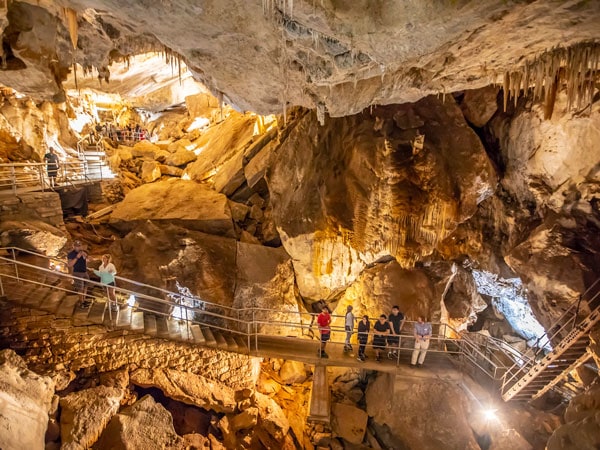
guests navigating Jenolan Caves in the Blue Mountains
Step into the world’s oldest open cave system. (Image: Destination NSW)

However, don’t expect to turn up and simply wander into the caves, you’ll need to book ahead (a minimum of two weeks’ notice) for a guided tour. Or, better yet, stay onsite to make the most of this fantastical wonder. For those who prefer to admire rock formations from above ground, there are also walking tracks in and around the valley, such as the Carlotta Arch Walk, McKeown’s Valley Track, Six Foot Track and the Devil’s Coach House Lookdown.
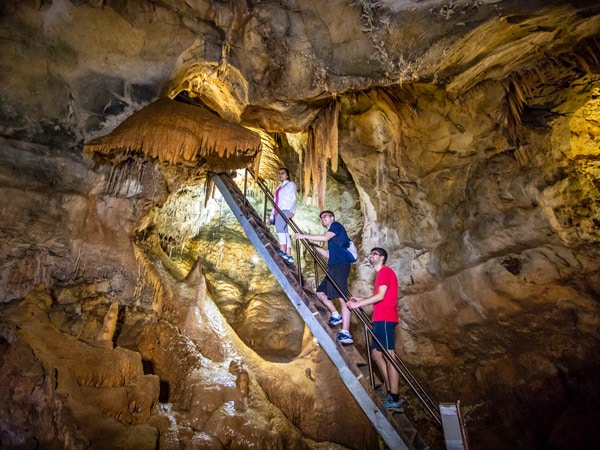
guests climbing up the River Cave system atJenolan Caves in the Blue Mountains
Explore impressive stalactites inside the cave. (Image: Destination NSW)

The history of Jenolan Caves

Predating dinosaurs, the formation of the caves and their continual evolution is almost unfathomable. In 2006, scientists from the CSIRO dated their existence at 340 million years old, far older than originally thought. This long history begins with a coral reef, which eventually compressed into limestone, rose from the ocean and formed part of a mountain range. Add some volcanic action, minerals, radioactivity and many millions of years, and the Jenolan cave system is formed.
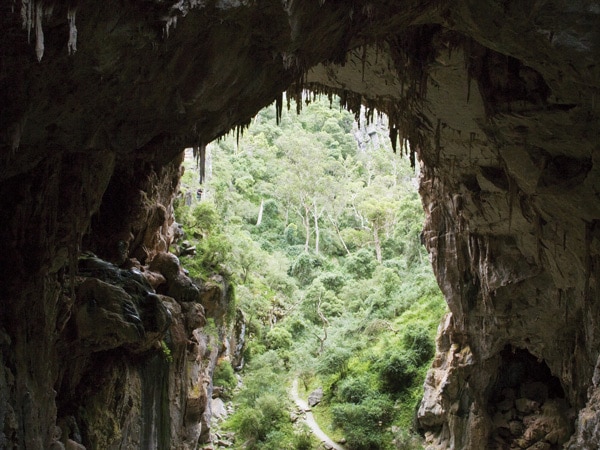
a huge hole in Jenolan Caves in the Blue Mountains
The formation of Jenolan Caves is a fascinating history lesson in geology. (Image: Jenolan Caves)

Considering the Blue Mountains themselves only came into being 100 million years ago, what lies beneath them is very ancient, indeed. Of course, the history of the caves is not dormant, as water-soluble limestone continues to transform what lies beneath in an ever-evolving subterranean landscape, slowly excavating more spaces that will exist for millennia more. 
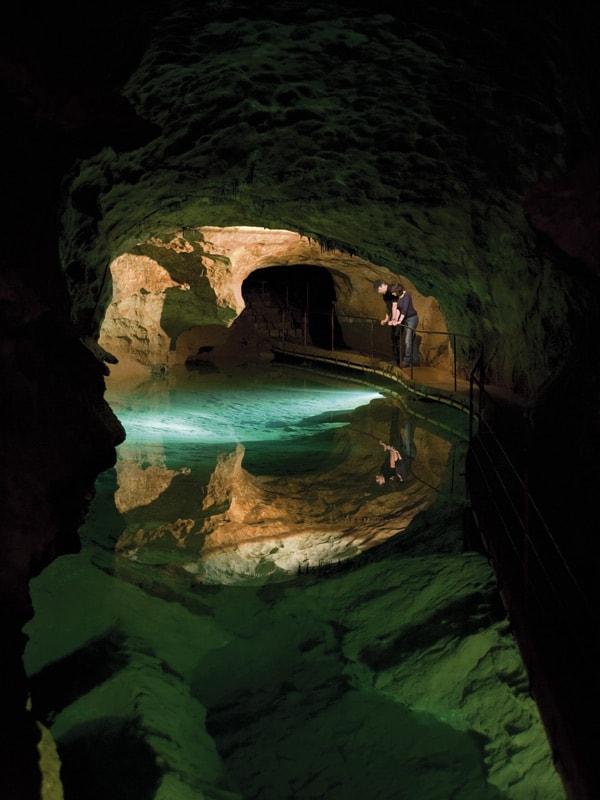
the river cave system inside Jenolan Caves, Blue Mountains
The underground waters inside the caves are truly magnificent. (Image: Jenolan Caves)

The local Gundungurra people have long been connected to the caves, which feature in their dreamtime stories and where the underground waters were deemed to have special healing powers. The Gundungurra would travel long distances carrying their sick and infirm to bathe them in the waters of what they call Binoomea, or ‘dark spaces’.
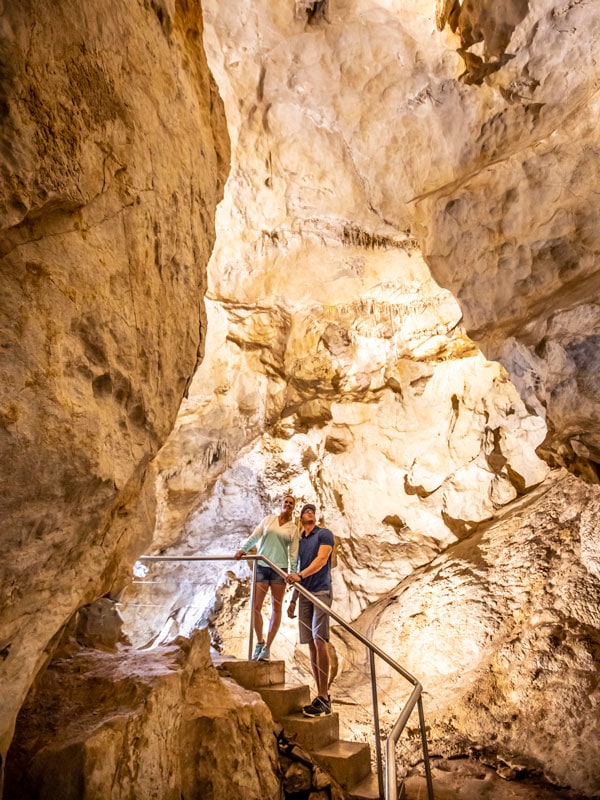
exploring Jenolan Caves in the Blue Mountains
Don’t forget to look up and around while exploring inside the cave system. (Image: Destination NSW)

While the caves remain a sacred place for the Gundungurra, things changed with white settlement when the caves were found and recorded by pastoralist James Whelan in 1838. Eventually the area came under government control and in the 1880s the underground network became a tourist destination, which today, still draws hundreds of thousands of visitors each year.
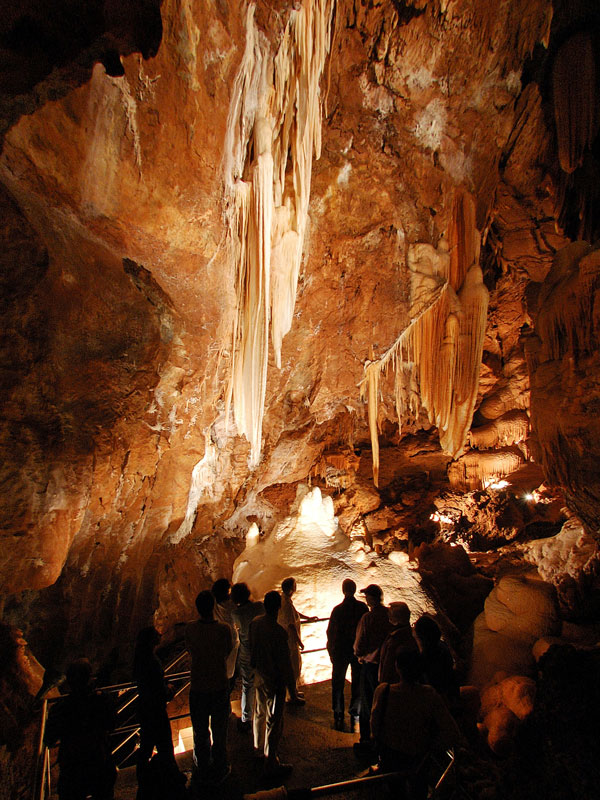
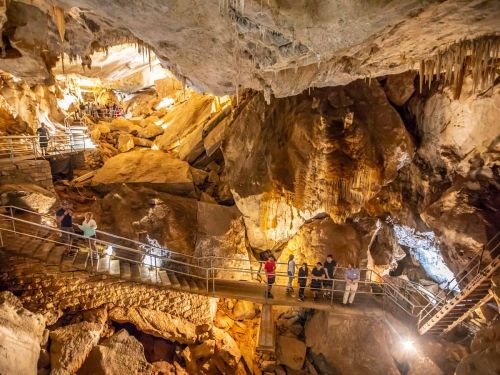
people inside Jenolan Caves in the Blue Mountains
Explore the majestic subterranean landscape. (Image: Jenolan Caves)

Top Jenolan Caves attractions

How deep you’re willing to go will determine the attractions you unearth at the caves, but even for those hesitant to burrow down into squeezy tubes and abseil into the depths, there are plenty of easily accessible spaces to marvel.
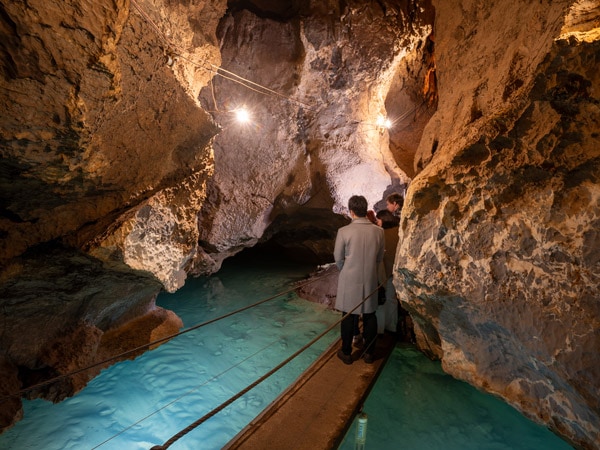
the Imperial Cave in Jenolan Caves, Blue Mountains
Follow your guide through the impressive Imperial Cave. (Image: Jenolan Caves)

Of the 22 known caves in the Jenolan network, 11 are open to the public as show caves, including Imperial, Chiefly, Lucas, Orient, Temple of Baal, Diamond, and the Pool of Cerebus.
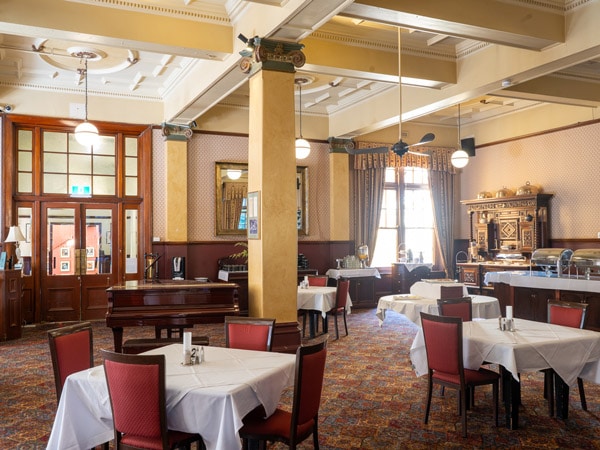
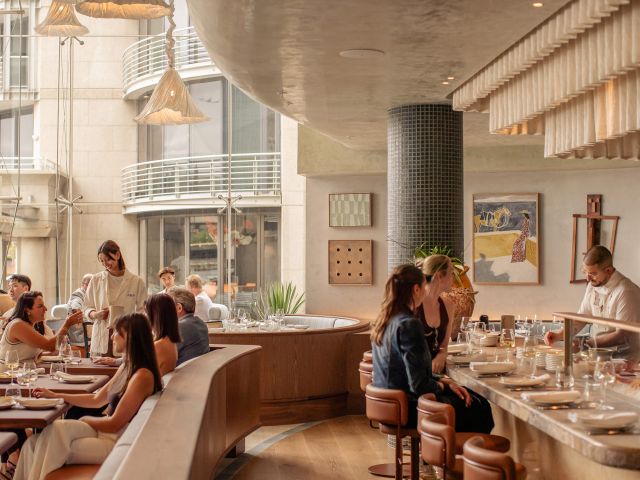
dining at Chisolm’s Restaurant in Jenolan Caves, Blue Mountains
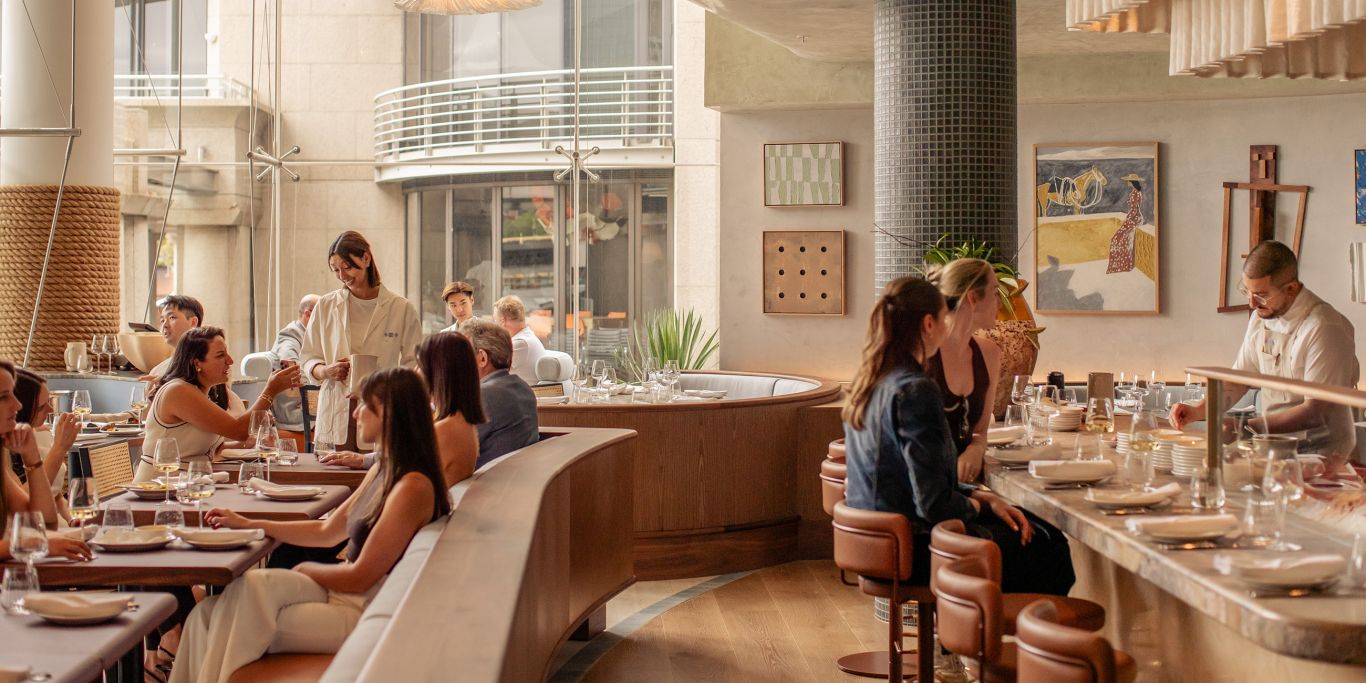
Step into the elegant dining space at Chisholm’s Restaurant. (Image: Jenolan Caves)

But while you’re here, be sure to check out some aboveground attractions and local wildlife, such as platypus, rock wallabies, echidnas and bats. There’s also incredible dining at Chisholm’s Restaurant and the Caves Café, not to mention heritage accommodation at the historic Caves House.
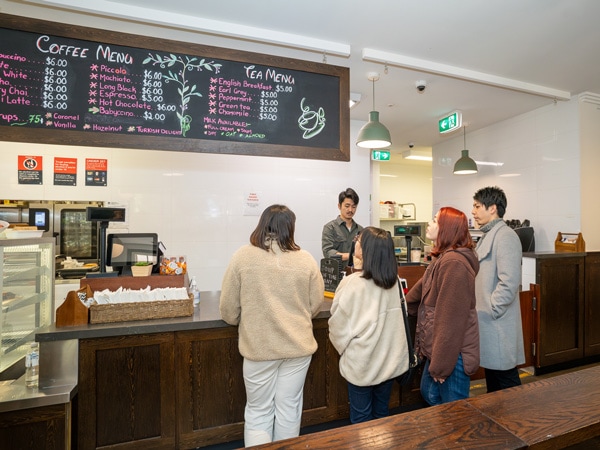
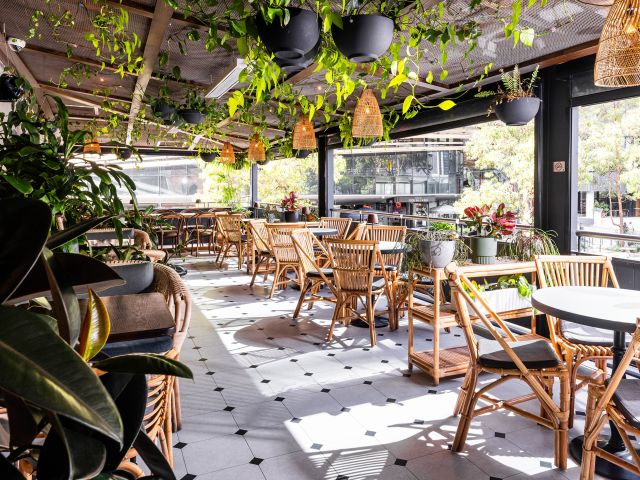
people inside Caves Cafe in Jenolan Caves, Blue Mountains
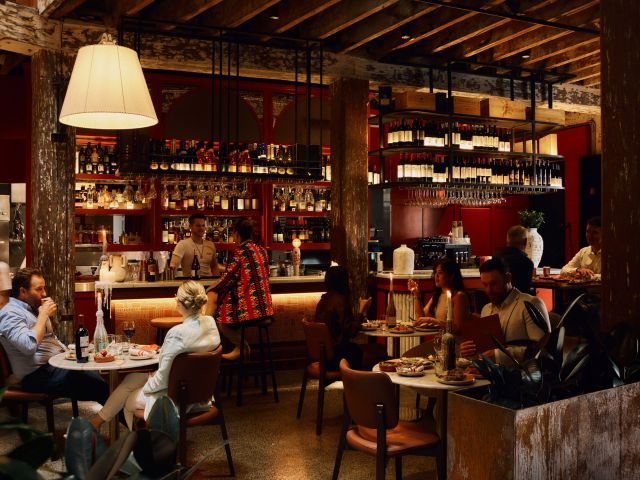
Stop for a coffee and lunch at Caves Cafe. (Image: Jenolan Caves)

Jenolan Caves Tours

With nine different tours to choose from, you’ll find one to suit your appetite for subterrestrial adventure. If you’re ready for deep-down thrills, opt for the 2.5-hour Plughole Tour, which calls for abseiling, squeezing and climbing. You’ll need to be 10 years or older with average fitness, but there’s no experience necessary.
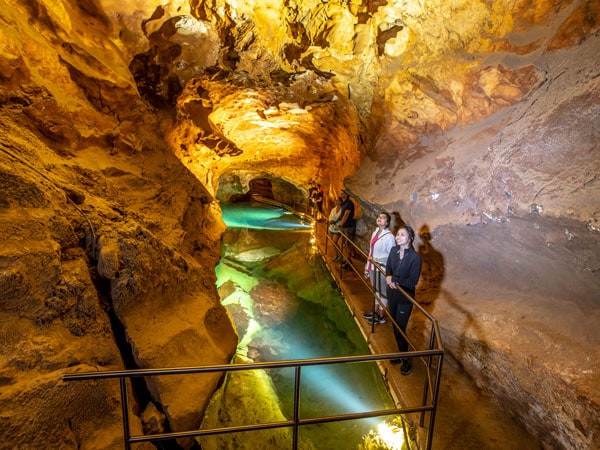
a group passing through the River Cave system atJenolan Caves in the Blue Mountains
Take your pick from nine different tours. (Image: Destination NSW)

For a lighter approach, go for the Imperial, the easiest of the tours, which is open to kids aged four and up and follows a riverbed to ‘Crystal Cities’ and the magnetic blue waters of the underground river. For budding fossil fans, send them to the deep on the Fossil Hunters Tour that runs during the school holidays for kids aged 5–12.
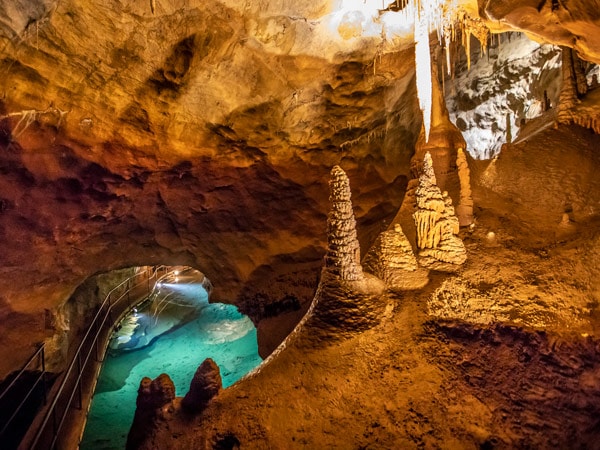
the blue waters of Jenolan Caves, Blue Mountains
Find an underground labyrinth of caves to explore. (Image: Destination NSW)

The Grand Tour takes guests through two spectacular caves, from Orient, then along the Crystal Basin and down Mud Tunnels to ascend to Temple of Baal and out into the bright light of day. Check the Jenolan Caves website  for all the tours, including prices and minimum ages. Remember, you’ll need to arrive at the Jenolan Caves car park one hour ahead of your tour.
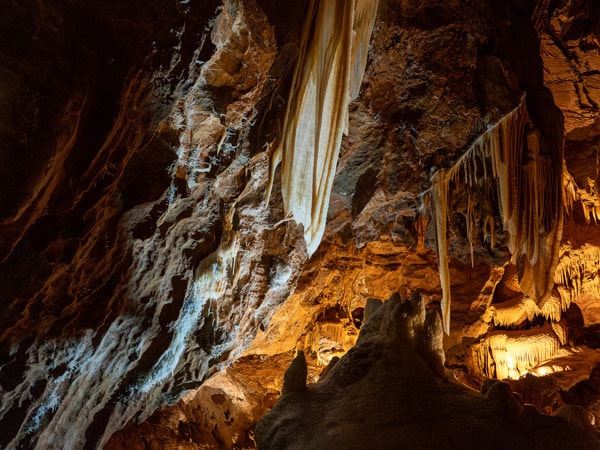
the Temple of Baal in Jenolan Caves, Blue Mountains
Enter the breathtaking cavern at the Temple of Baal. (Image: Jenolan Caves)

Jenolan Caves accommodation

Caves House Hotel

Built in 1897 as a wilderness retreat, this historic hotel has long attracted visitors looking to revive in the fresh mountain air and spend time dwelling below ground.
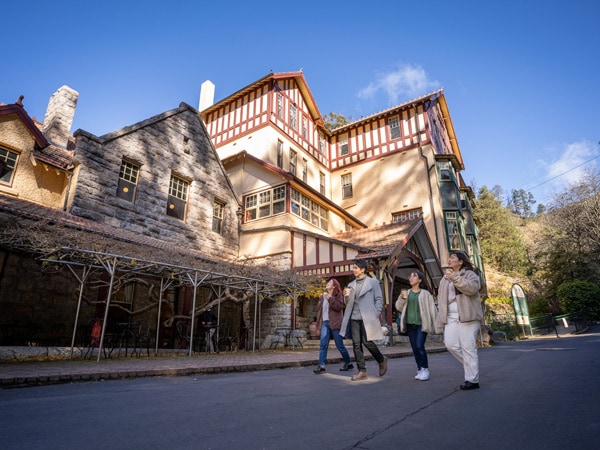
friends walking outside Caves House, Jenolan Caves
Check into the iconic Caves House. (Image: Jenolan Caves)

Elegant in its Federation, Arts and Crafts architectural style, iconic Caves House  is a grand yet cosy escape that’s beautifully furnished with sensitivity to its original aesthetic.
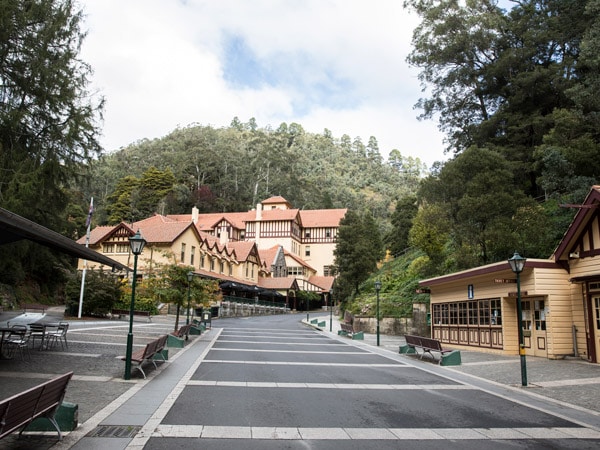
the Caves House, Jenolan Caves, Blue Mountains
Caves House is a wilderness retreat nestled in the mountains. (Image: Destination NSW)

Dine at the onsite Chisholm’s Restaurant and enjoy a post-exploratory drink in Jeremiah’s Bar. If you’re a guest of the hotel on a Saturday evening, your stay unlocks the opportunity to visit the caves at night – just be sure to book ahead.

dining and drinking at Jeremiah's Bar, Jenolan Caves, Blue Mountains
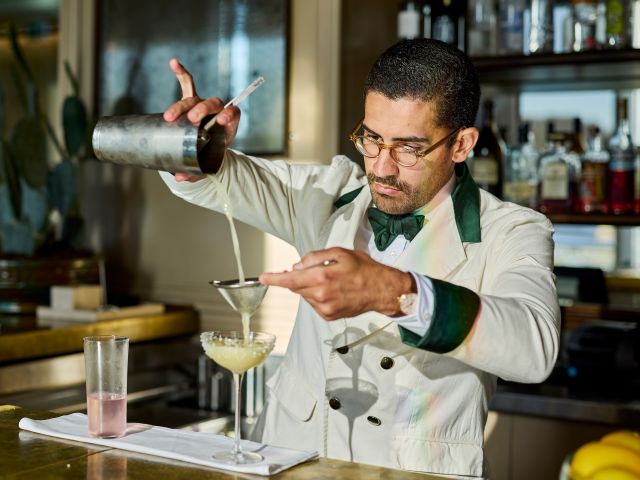
Have a tipple at Jeremiah’s Bar. (Image: Jenolan Caves)

Binda Bush Cabins

These refurbished, two-bedroom abodes are perfect for families visiting Jenolan Caves. Self-contained and set in a eucalypt forest, Bind Bush Cabins  allow guests to immerse in their bushland surroundings and make friends with local fauna. While the road between the cabins and caves is currently closed, you can reach the Jenolan Caves car park for your tour via a 50-minute drive through stunning high-country scenery.
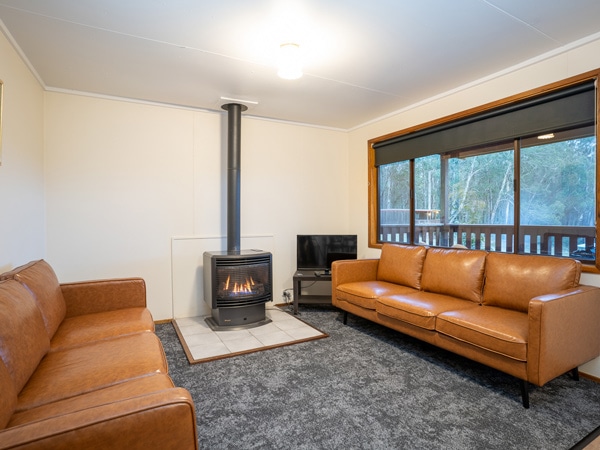
a lounge with a fireplace at Binda Bush Cabins, Jenolan Caves, Blue Mountains
Cosy up to the fireplace at Binda Bush Cabins. (Image: Jenolan Caves)

Mountain Lodge

Recently renovated in a contemporary but classic style, Mountain Lodge looks as though it could be set in an Austrian village, but here it sits in the Blue Mountains. Located just a five-minute walk to Caves House, Caves Cafe and the caves themselves, its easy access makes it a good choice for exploring Jenolan. With king and family rooms available, the motel-style hotel has all the necessary comforts for a relaxed stay.
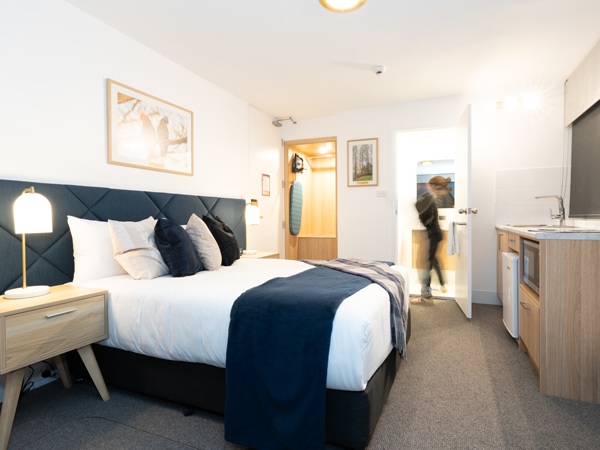
the bedroom interior at Mountain Lodge, Jenolan Caves, Blue Mountains
Settle into the Mountain Lodge for a cosy stay. (Image: Jenolan Caves)

Camping around the caves

If you’re keen to pitch your tent or pop the top of your camper trailer, book a site or a cabin at Jenolan Holiday Park  in Oberon. A 30-minute drive to the caves, it’s a good option for low-key accommodation and is also close by to Mayfield Gardens, Bathurst and other Blue Mountains attractions.
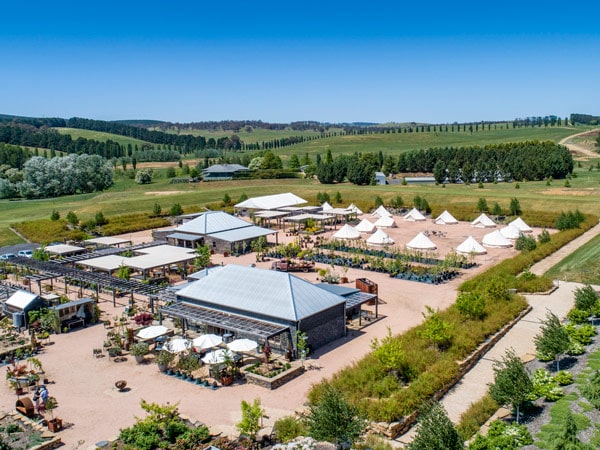
an aerial view overlooking the scenic grounds of Mayfield Garden,Oberon
Stay near Mayfield Gardens for an easy drive to the caves. (Image: Destination NSW)

Jenolan Caves tickets

Given its enduring popularity, be sure to book at least two weeks ahead for your Jenolan Caves tour, and preferably earlier for holiday periods. Prices for the nine different tours vary but start from $46 for adults and $33 for children, infants are free. Book online in advance .

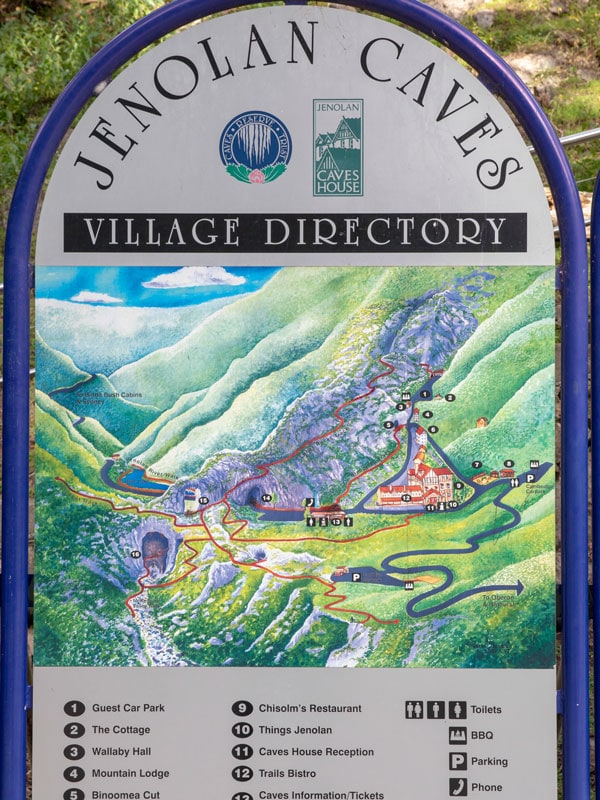
the Jenolan Caves Directory
It’s easy to find your way around the village when visiting Jenolan Caves. (Image: Jenolan Caves)

Getting to Jenolan Caves

Jenolan Caves is a three-hour drive from Sydney or you can hop a train to Katoomba, and then catch a bus to the Jenolan Caves Carpark. If you prefer, you can join a guided tour that takes you to the caves. If driving, once you arrive at the gate at the top of the steep valley, you’ll need to follow the escort vehicle, which runs every 20 minutes, down to the car park. From there, you can catch a free shuttle or walk 500 metres downhill to the caves and hotel.
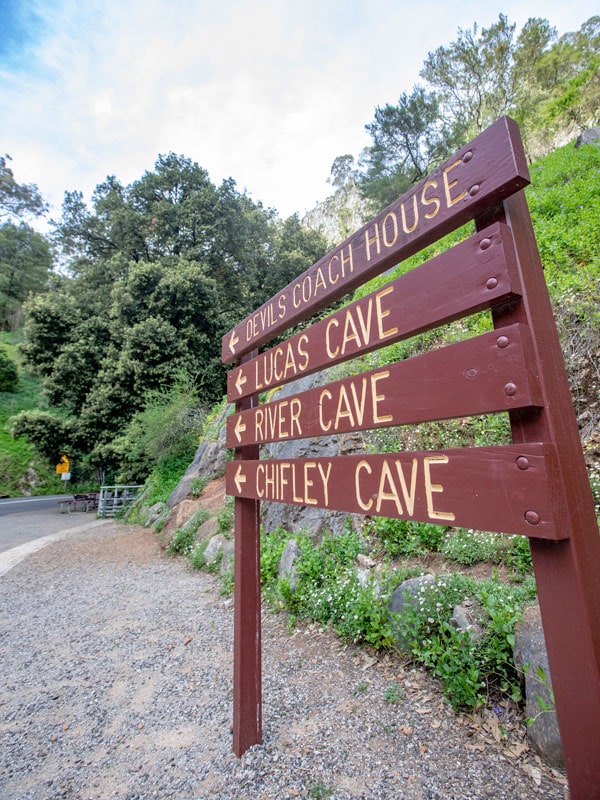
the signages to Jenolan Caves in the Blue Mountains
Follow the signs leading to Jenolan Caves. (Image: Destination NSW)
Lara Picone
Working for many of Australia’s top publications, Lara Picone has had the distinct pleasure of writing, editing and curating content about the finer things in life for more than 15 years. Graduating from Macquarie University with a Bachelor of Arts in Communication, her editorial foundation began at Qantas: The Australian Way magazine, before moving on to learn the fast-paced ropes of a weekly magazine at Sunday Magazine and picking up the art of brand curation at donna hay magazine. Pivoting a near-problematic travel lust into a career move by combining it with storytelling and a curious appetite, her next role was as Deputy Editor of SBS Feast magazine and later Online Editor of SBS Food online. She then stepped into her dream job as Editor of Australian Traveller before becoming Online Editor for both International Traveller and Australian Traveller. Now as a freelancer, Lara always has her passport at-the-ready to take flight on assignment for the Australian Traveller team, as well as for publications such as Qantas Magazine, Escape and The Weekend Australian. As ever, her appetite is the first thing she packs.
See all articles
hero media

8 ways to discover a new side of Port Stephens

    Kate BettesBy Kate Bettes
    Aussies might think they know what Port Stephens is all about – but it’s time to take another look.

    You might’ve driven through this NSW coast town. Maybe even stopped for fish and chips or a quick dip. But spend a long weekend in the new Port Stephens , and you’ll seriously regret not doing it sooner. We’re talking treks across beaches, reef dives and up-close time with rescued koalas.

    All in all? It only takes a day before you see Port Stephens in a whole new light, and not much longer until it’s locked in as your favourite family destination.

    1. Stockton Sand Dunes

    Port Stephens incredible Stockton Sand Dunes are the largest moving sand mass in the Southern Hemisphere. They shift like an endless magic trick across the Worimi Conservation Lands , a 4200-hectare coastal co-managed by the Traditional Owners.

    Tear over them in a 4WD. Rev through valleys soft as melting ice cream on a quad. Carve down 30-metre slopes on a sandboard. However you choose to cross them, you’re guaranteed a seriously wild ride.

    Four rugged 4WDs kick up trails of golden dust as they charge across the sweeping desert landscape.
    Chase thrills across shifting sands. (Image: Destination NSW)

    2. Scale Tomaree Head Summit Walk

    A short climb through bushland opens up to the coastal drama of Tomaree Head . Spot Zenith, Wreck and Box Beaches. See the Fingal Island lighthouse and offshore rookeries where Australia’s rarest seabird, the Gould’s petrel, nests.

    History buffs can’t miss the WWII gun emplacements. And if you’re hiking between May and November, bring binoculars. Travelling whales might just be breaching below.

    Friends enjoying a scenic walk along the Tomaree Head Summit Walk in Tomaree National Park, Port Stephens.
    Climb Tomaree Head for jaw-dropping coastal views. (Image: Destination NSW)

    3. Watch out for whales

    You’ve seen the spouts of migrating humpbacks and southern right whales from shore. Set sail from Nelson Bay to see them up close. Cruise straight into the action, with tail-slaps, barrel rolls and all.

    And they’ve got competition from the local show-offs. Port Stephens bottlenose dolphins leap and play. Some tours even spot pudgy fur seals, spending lazy days soaking up the sun on Cabbage Tree Island.

    A whale’s tail on the sea’s surface.
    Watch for ocean tails. (Image: Destination NSW)

    4. Port Stephens Koala Sanctuary

    Pop into the Port Stephens Koala Sanctuary  to learn about the rescued koalas who climb, nap, snack and heal in this natural patch of bushland. Wander the immersive Sanctuary Story Walk to discover more about their habits, then head to the SKYwalk – a treetop platform constructed for spotting these eucalyptus-loving locals. Peek into the hospital’s viewing window, where sick or injured koalas may be resting in their recovery enclosures.

    Not enough time around these adorable marsupials? Stay overnight in silk-lined glamping tents.

    Koala sleeping in a tree at Port Stephens Koala Sanctuary, One Mile
    See koalas in their natural habitat. (Image: Destination NSW)

    5. Diving Port Stephens

    Port Stephens has some of NSW’s best dive spots. At Fly Point, float through sponge gardens and coral castles thick with nudibranchs (AKA sea slugs). Halifax Park has blue gropers and crimson-banded wrasse, while Shoal Bay’s seagrass meadows hide pipefish, cuttlefish and octopus.

    Accessible only by boat, Broughton Island is home to a vast array of marine (and bird) life. Snorkel with blue devilfish and stingrays at sites like The Looking Glass and North Rock. More experienced divers can head out with one of the many PADI-certified operators.

    At nearby Cabbage Tree Island, expect to see shaggy-faced wobbegongs cruising along.

    A couple suited up and ready to dive into adventure.
    Suit up and dive into Port Stephens’ vibrant marine life. (Image: Destination NSW)

    6. Irukandji Shark and Ray Encounters

    Not quite ready to dive in? Irukandji Shark and Ray Encounters is the perfect way to spot local marine life without getting too deep. But there’s no obnoxious glass tank tapping here. Instead, this interactive aquarium allows guests to wade into natural-style lagoons that mimic the real thing.

    Gently pat Port Jackson and bamboo sharks, hand-feed rays, and feel their sandpapery skin with your fingertips. It is all under expert guidance. If you want to go deeper, pop on a wetsuit and swim alongside tawny nurse sharks, white-tipped reef sharks and zebra sharks in the lagoon.

    Family enjoying an animal feeding experience at Irukandji Shark and Ray Encounters, Anna Bay.
    Meet the ocean’s friendliest faces at Irukandji. (Image: Destination NSW)

    7. Fish the estuaries

    Fishing fanatics will fall for Port Stephens hook, line and sinker. Here, one of the largest estuary systems in the whole state sees tidal rivers and mangrove ecosystems. Waterfronts are thick with oysters, and residential fish that might include anything from bream, whiting and flathead, to blue swimmer crabs, kingfish and longtail tuna.

    If you prefer to choose your own adventure and fish offshore, you can hire a boat from one of the marinas and set your own course.

    three men fishing on a boat in port stephens
    Join a tour or chart your own fishing trip. (Image: Destination NSW)

    8. Taste new Port Stephens flavours

    With plenty of activity to fill your days, refuelling on delectable cuisine becomes equally important. And Port Stephens answers the call.

    Pop into Holbert’s Oyster Farm for fresh-farmed Port Stephens rock oysters and Pacific oysters, Australian king and tiger prawns, as well as a variety of tasty sauces to try them with.

    Take a group to Atmos for an authentic Greek experience over large shared dishes and Greek-inspired cocktails. Or feast on sea-to-plate, modern Australian dishes at the pet-friendly Restaurant 2317.

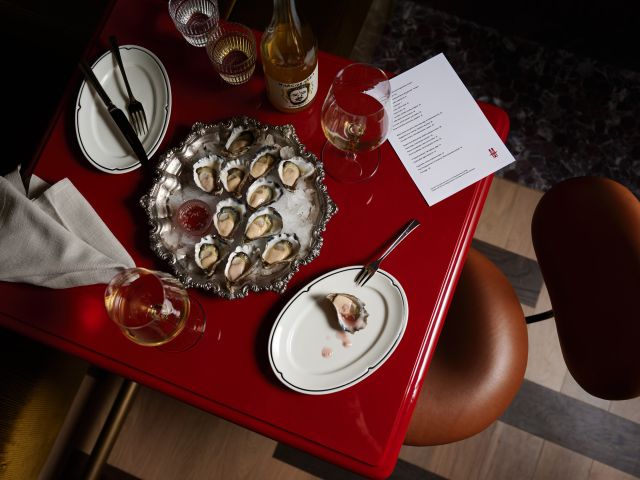
    A plate of fresh oysters.
    Slurp your way through the region’s best oysters. (Image: Destination NSW)

    Start planning your Port Stephens getaway at portstephens.org.au .