First look: We found Australia’s first bubbletent in a tree

hero media
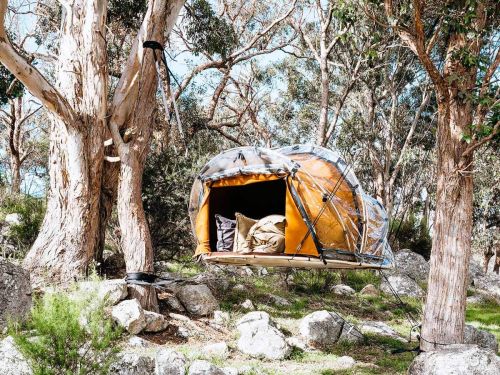
Suspended between gum trees in New England high country, this tiny bubbletent is one of three new ways to sleep under the stars.

The GlamSwag

As I hop up into the baby bubbletent I feel like a kid who’s discovered a strange new treehouse. At first the tent wiggles with me but when I stop moving about and laughing it quickly stabilises and I’m floating in the air between the trees.
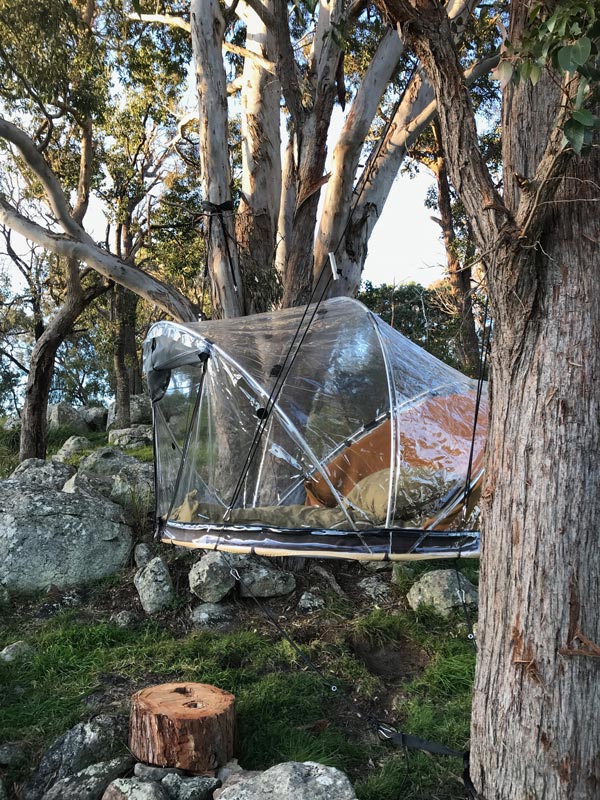
The tiny Mary Ann Bugg bubbletent
The tiny Mary Ann Bugg bubbletent at Mirumiru is suspended between two trees. (Image: Amanda Woods)

My feather-filled, linen-covered GlamSwag adds to the floating on a tiny cloud feeling and while I could go for privacy and extra warmth by keeping the inner frame raised I quickly disconnect it and push it to the back of the tent so I can see everything around and above me.
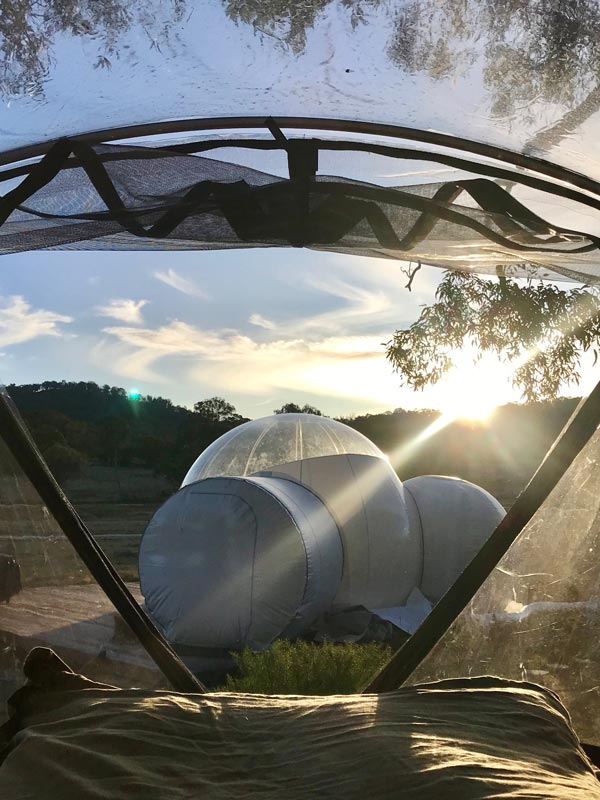
Mirumiru Mary Ann Bugg suspended bubbletent
The view looking out from the Mary Ann Bugg suspended bubbletent at Mirumiru. (Image: Amanda Woods)

I could stay here all night, but as we’re just outside of Tenterfield in New England NSW and heading for sub zero temperatures I decide to save that for the warmer months. Instead, I soak up the afternoon sun and watch the sun set before climbing back down to solid ground and moving into the bigger bubble where cashmere sheets over an electric blanket await.

The Mirumiru story

When Cathryn van der Walt and her husband Brad Middleton travelled the world together they would always make time to look up at the stars. Creating a luxury star gazing experience on their family farm became a passion project and after pushing through COVID-19 and other challenges Mirumiru Bubbletent opened in April 2022.
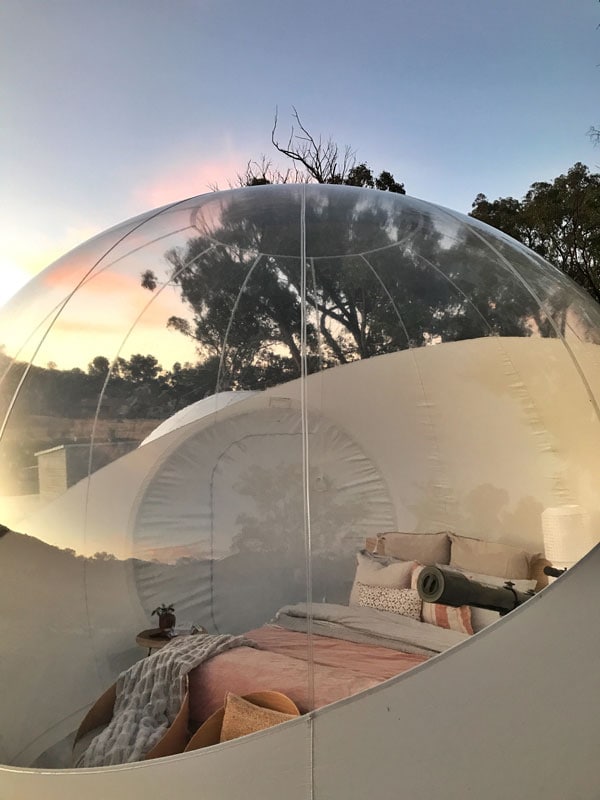
Closeup of Mirumiru bubbletents
Means bubble in Aotearoa (Maori). (Image: Amanda Woods)

In a nod to Brad’s home country of New Zealand Mirumiru (pron: me-roo me-roo) means bubble in Aotearoa (Maori), and the tents are named after bushrangers who used the granite countryside as cover in years gone by: Captain Moonlite, Captain Thunderbolt, and one of Australia’s first female bushrangers and Thunderbolt’s partner, Mary Ann Bugg.

As well as providing a special way to stay, Cathryn is committed to working with local artisans, artists and service providers to help give back to this part of regional Australia.
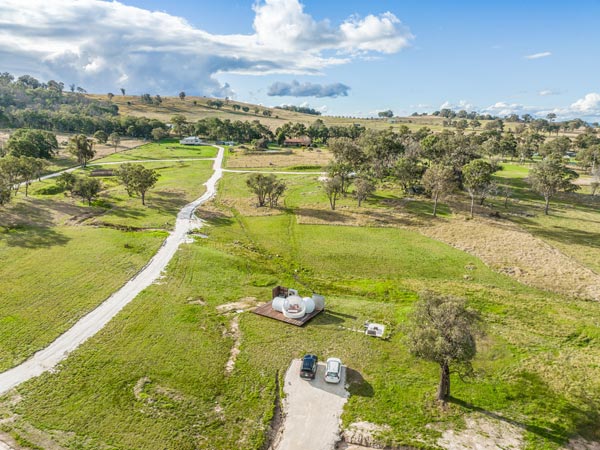
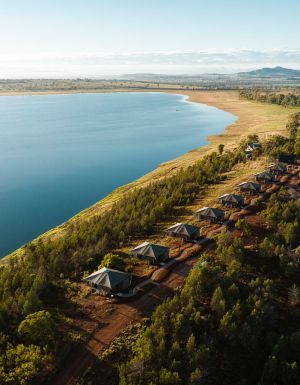
Aerial view of Mirumiru bubbletents
The owners of Mirumiru brought their dream of creating a luxury star gazing experience on their family farm to life. (Image: Sera Wright)

The Bubbletents

“It’s like a submarine," Cathryn explains as she unzips the first door. “You need to step inside and close one door before you can open the next one."

In the inflated hallway a small wardrobe holds fresh towels, slip on shoes, games and a first aid kit, and provides both hanging and shelf space for clothes. There’s a cooler style fridge for food and drink, and a cocktail making kit for guests to whip up their favourite tipple.
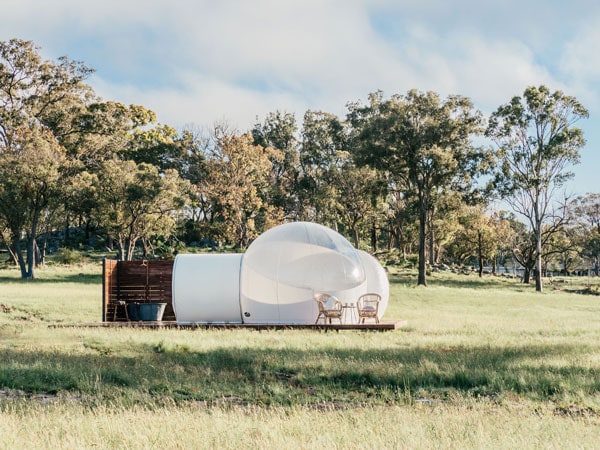
Captain Moonlite Mirumiru Bubbletent
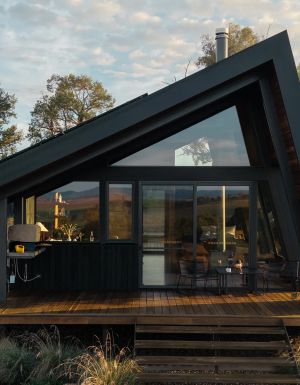
The writer opts to stay in one of the larger bubbletents for her winter stay. (Image: Sera Wright)

The room

Through the next zipped doorway in the main bedroom I find a queen bed made up with luxury linens, a bedside table, lamp and reading lights, and a telescope for a closer look at the moon and planets above. On the other side of the bedroom a third bubble within the bubble holds the bathroom with a composting toilet and hand basin with a pump tap.
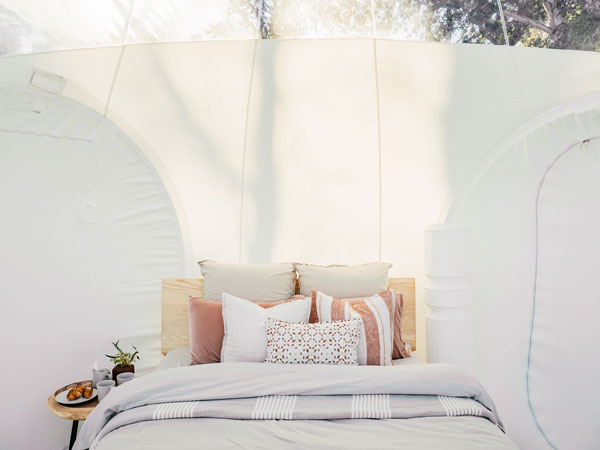
Inside Captain Thuderbolt Mirumiru Bubbletent
Luxe bedding features in the main bedroom.(Image: Sera Wright)

The amenities

The two big bubbletents, Captain Thunderbolt and Captain Moonlite are the same size and have an outdoor bathtub with hot and cold running water, a kitchenette with a gas stove and kettle, cooking pots and a fry pan and crockery and cutlery.
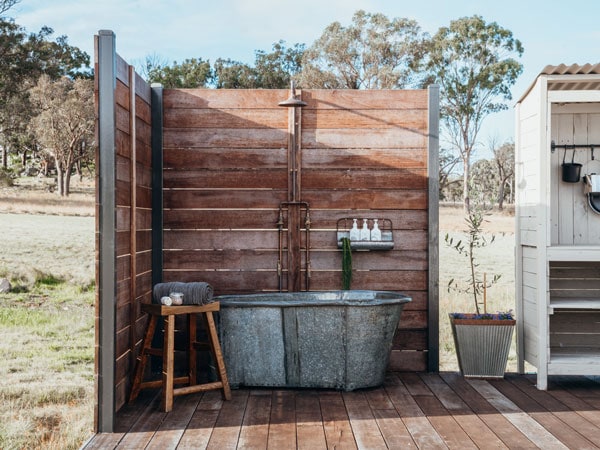
Outdoor tub at Mirumiru
Soak up the views from the private outdoor tub. (Image: Sera Wright)

Number of guests

The big bubbletents sleep two adults each but thanks to the mini bubbletent the Thunderbolt and Mary Ann Bugg combo can sleep two adults and three children. Or possibly two adults in the big bubble and another adult or two in the mini Mirumiru, which has a 200kg limit.

Highlights

I may be accustomed to sleeping in new beds around the world but when I sleepily wonder where I am at 3am and then look up and see stars I know there’s no chance I’ll be falling straight back to sleep.

Stargazing

With the rise in astrotourism an increasing number of travellers are chasing star filled skies. Lying back in my warm bed I can see the Southern Cross and countless other stars in the Milky Way and just as I’m thinking how appropriate the word stargazing is, a shooting star streaks across the sky.
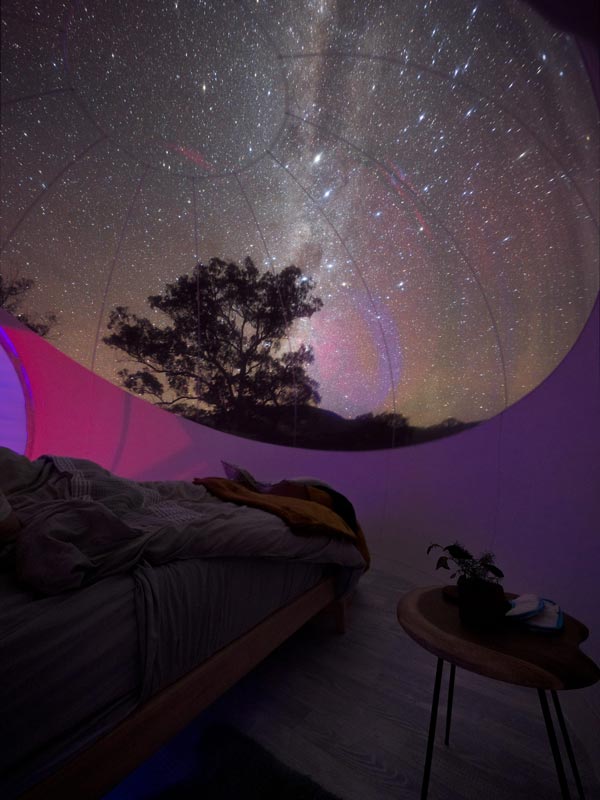
Stargazing at Mirumiru from inside the bubbletent
Wake to see a star-filled sky from the comfort of your own bubbletent. (Image: Peitao Tan)

Disconnecting from the world

Even before those stars come out at night, escaping into a private bubble away from the rest of the world is a special kind of bliss. While wi-fi is provided and phone signal is strong, it’s easy to put all devices down and disconnect.

Luxe local products

The attention to detail and sense of place provided by local products also raises the bar at Mirumiru. Guests drink tea from Tenterfield’s Little Echidna Home, and as well as using gumleaf cheeseboards by Manual Arts DEpt they can have personally monogrammed ones made as a souvenir.

Cathyrn works with a range of local businesses to offer add ons including White Cottage floral bouquets and eye masks infused with hyaluronic acid and argan oil by Lunalux, while also offering French wine and champagne truffle chocolates.

And while all of the linens are high quality you can also upgrade your bed with cashmere sheets for an even more luxurious lie-back-and-look-at-the-stars night.
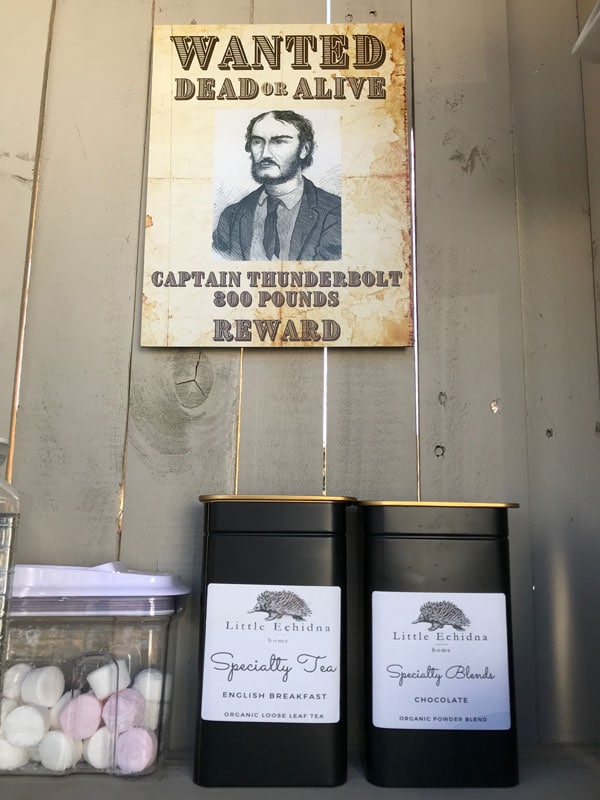
Tea and coffee at Mirumiru
Luxe local products are used wherever possible. (Image: Amanda Woods)

Sustainable notes

Sustainability was front of mind from the start at Mirumiru where the bubbletents are entirely off grid.

All electricity comes from solar power, while filtered rainwater is used in the outdoor showers and vintage baths, and the internal composting toilet saves thousands of litres of water per year.

To help regenerate the land over 500 natives have already planted including a bush tucker garden, and there will be no cattle or sheep on the property until the land has had a chance to fully recover.

Best time to stay

Tenterfield has four very distinct seasons which means the best time to come depends on the sort of holiday you’d like to have.

Winter

Winter is the best time for stargazing anywhere in the world. The earth’s atmosphere doesn’t have as much moisture in the colder months making it clearer and easier to spot fainter stars and nebulae in that crisp cold air.

But winters in New England are also cold and when the sun goes down the bubbles can get cold too. There are electric blankets and small fan heaters in the big bubbles to take the edge off, and sleeping bags rated to -5 degrees for the mini bubbletent.

During my winter stay while I’m not cold when I’m in bed I do sleep with a beanie on when the temperatures dip below zero overnight. But longer nights mean more star time and when I wake up to glittering frost in the morning I soon forget about the cold.
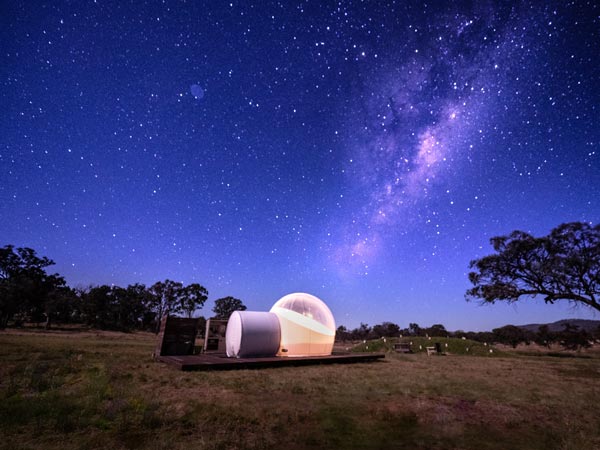
Stargazing at Mirumiru Bubbletents
Winter is the best time of year for stargazing. (Image: Sera Wright)

Spring

Spring is blossom season and Tenterfield has streets lined with flowering plum and cherry trees. Enjoy a blossom walk around town and through Millbrook Park before coming back to your bubble.

Summer

In summer December is the most spectacular month to stay with green grass, a mix of blue skies and misty rainfall and spectacular sunsets. Native lilies, waratahs and flannel flowers can be found in the surrounding National Parks.
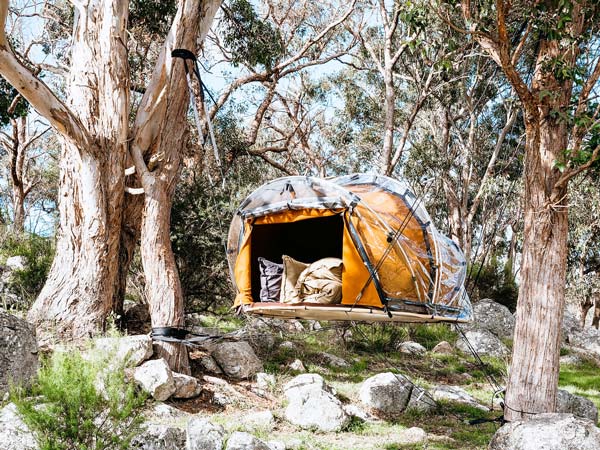
Mini bubbletent Mirumiru
Save the mini bubbletent for the warmer weather when heating isn’t required. (Image: Sera Wright)

Autumn

Meanwhile, March and April are the best months in autumn when the trees change colour and bright orange and red leaves can be found on New England country drives.
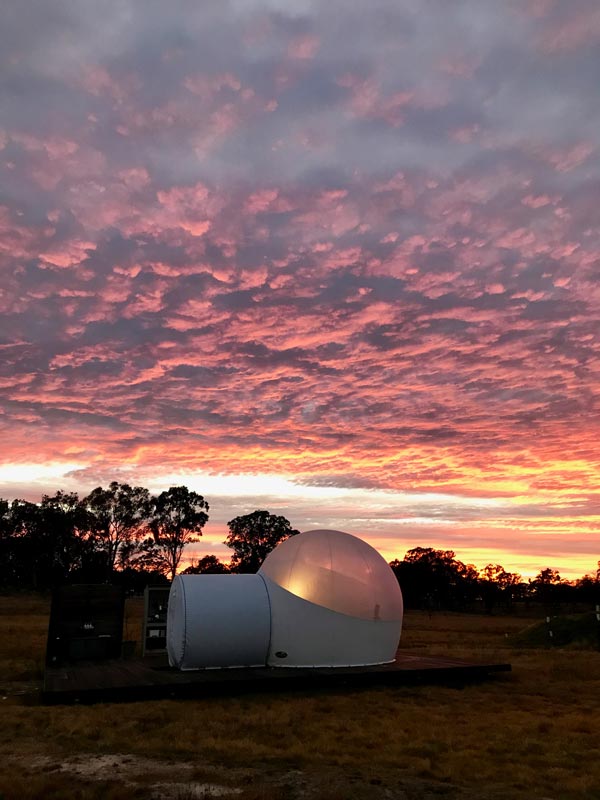
Sunrise at Captain Moonlite Mirumiru Bubbletents
The gorgeous sunrises can be enjoyed all year round. (Image: Amanda Woods)

What to bring

As the bubbletents are self-catering you’ll need to bring anything you’d like to eat or drink during your stay. Or if you plan and ask ahead, Cathyrn can also provide some groceries.

Enclosed shoes are best all year round and throw in some hiking boots too if you’d like to get out onto the National Park trails, and while bath towels are provided it’s BYO beach towels if you’re planning to swim in waterholes.

Sunscreen and lip balm are a must any time of year as you’ll feel the sun and wind in the New England high country. And if you’re coming in winter bring all of your winter layers including thermals, puffer jackets, warm winter socks and a beanie.

Organic hand soap, hair and body wash, and conditioner are all provided. If you prefer to use your own keep in mind that at Mirumiru they filter the water to use on plants so only use products that are kind to the environment.

The Mirumiru Bubbletent guidebook can be saved on your device as an app and includes a list of what they provide in the tents, along with handy guides for everything from how to use the compostable toilet to the furry and feathered friends you might meet on the farm.

Getting there

Mirumiru is just a few minutes outside of Tenterfield, which is around three and a half hours drive from Brisbane and the Gold Coast and just under eight hours from Sydney.

The nearest airports are Armidale and Lismore (both two hours away).

Amanda Woods
Amanda Woods is a travel writer based in New England high country in NSW. She’s travelled from Antarctica to the Arctic and loves to inspire people to get out and explore this big beautiful world of ours. She has a passion for regenerative, sustainable and mindful travel and has some big Australian travel dreams for the future.
See all articles
hero media

Why the Central Coast is a foodie mecca

Underpinned by grassroots hospitality and award-winning organic produce, the Central Coast’s gastronomy scene is thriving, with the region quickly becoming one of the best destinations in NSW for epicures.

Revered for its rugged natural splendour and laid-back seaside charm, NSW’s Central Coast has soared in popularity in recent years, becoming a top choice for an affordable slice of weekend escapism for Sydneysiders. Just a short 45-minute drive north of Sydney, it’s the kind of place that, no matter how many times you visit, leaves you with the sense that there’s always more to uncover. But while the ocean pools, bushwalks and beaches have (rightly) taken the spotlight, it’s the Central Coast food offerings which have been quietly simmering in the background.

From fresh-as-it-gets seafood and juicy organic citrus you can pluck yourself, through to regenerative farming and reputable farm-to-fork dining, this coastal gem has become an idyllic foodie mecca. Here are some of the best ways to immerse yourself in grassroots hospitality and gastronomic glory on the NSW Central Coast.

vegetables in a basket at Bells Garden at Bells At Killcare
From picking your own, to farm-to-table, discover the best Central Coast food experiences. (Image: Remy Brand)

Central Coast oyster experiences

From humble grub to opulent delicacy, oysters have ascended into a league of their own. Epicureans are fascinated by them – willing to pay upwards of $35 per dozen (double at some of Sydney’s reputable fine dining restaurants) – and ‘shuck bars’ seem to be popping up at every milestone celebration.

But it’s rare to find places that really draw back the curtain on how they’re farmed and why everyone is mad for these molluscs. The Central Coast , however, is home to several of these venues. With its pristine waters, mild climate and nutrient-rich estuaries, it’s the perfect breeding ground for oysters.

Learn about oyster farming and, importantly, how to shuck them at Sydney Oyster Farm Tours . Nestled on the Hawkesbury River at Mooney Mooney, Sheridan Beaumont and her team offer a hands-on foodie experience where you can feast on dozens of oysters (white tablecloth and all) while wading through the calm waters. You can even bring your own bottle of bubbles to wash them down.

guests in the water for an experience at Sydney Oyster Farm - Central Coast food
Learn tricks of the trade at Sydney Oyster Farm Tours. (Image: Remy Brand)

Elevate your oyster knowledge even further by heading north over the Hawkesbury River Bridge to the Hawkesbury River Oyster Shed . Tour their scenic oyster leases and saltwater paddocks by boat to uncover the distinct characteristics of the Sydney rock oyster and creamy Pacific oyster. They’ve also partnered with Broken Bay Pearl Farm to offer a one-of-a-kind oyster and pearl farming guided tour, showcasing the Central Coast’s very own pearl oyster, the Broken Bay ‘Akoya’. But if you’re simply in the mood to devour a dozen delectable oysters while soaking in the tranquil river views, pull up a chair at the shed. It’s friendly in every sense of the word: pets, families and BYO welcome.

shucking oysters at Broken Bay Pearl Farm
Taste freshly shucked oysters at Broken Bay Pearl Farm. (Image: James Horan)

Central Coast farms to pick your own fruit

While the Central Coast is known for its breathtaking 40 beaches and 80-kilometre coastline, its lush hinterland is equally impressive – abundant with orchards and agriculturally rich farmland. And when it comes to the simple joy of picking your own fruit, the Central Coast is a ripe playground.

Family-owned Meliora Farm at Peats Ridge is an orchard that blends conventional, biodynamic and organic philosophies. Third-generation farmer Tim Kemp and his wife Elise are dedicated to honouring the family legacy by growing a rich variety of oranges, lemons, limes, mandarins and avocados. In late May, roam the sustainable and nutrient-dense property during ‘Pick Your Own’ weekends.

Eastcoast Beverages is another bountiful citrus orchard boasting over 60 hectares of fruit. From June you can learn about the cultivation of high-quality ingredients – like lemons, limes, grapefruit and oranges – by touring both the farm and factory before setting out and picking your own straight from the source. You can also sample an array of citrus-inspired sweet and savoury treats at their on-site cafe, Bambino’s .

If it’s just juicy oranges you’re after, Cedar Farm in Dooralong is a must-visit. Located about 30 minutes north of Peats Ridge, it features 15 flourishing orchards and over 3000 orange trees – with take-home bags during the season (from July) at low prices. Not bad for a fruity weekend haul.

woman picking oranges at Oranges at Dooralong
Pick your own citrus fruits on the Central Coast. (Image: James Vodicka)

Organic dining

What makes the Central Coast hinterland so special is the unwavering respect the communities have for their cherished backyard. Locally owned and operated farms are all striving for more sustainable practices and methods to both enhance biodiversity and reduce environmental impact, each with a heartwarming food philosophy.

The Food Farm in Wyong Creek believes good food is worth both the work and the wait. Devoted to regenerative farming, first-generation ‘farmily’ Tim Eyes and Hannah Greenshields are recognised for their grass-fed, grass-finished beef and pasture-raised, gold medal-winning chickens. With an open gate policy, The Food Farm encourages visitors to swing by and try some of their slow-grown produce at their small ‘honesty’ farm shop. With no staff, you can pick up a few quality cuts of meat and pasteurised eggs, leaving the owing amount in cash or via eftpos.

Keeping the spirit of generational organic farming alive is Fanelli Organics . Nestled in the Central Coast’s scenic and sleepy Mangrove Mountain, founders Eden and Louise Fanelli own over 45 hectares of plentiful farmland and orchards that produce a huge range of organic fruit and vegetables, like purple Dutch carrots, blood oranges, broccoli and Tuscan kale. A true home-grown operation, Fanelli Organics shares its fresh produce with local restaurants and community markets, including the beloved markets at Like Minds Cafe at Avoca Beach every Wednesday afternoon.

farmers holding fresh produce picked at Fanelli Organics
See where your food comes from at Fanelli Organics.

Paddock-to-plate dining

High-quality ingredients go hand in hand with premium dining, and the Central Coast is home to several paddock-to-plate restaurants that showcase its diverse and rich agriculture. Paired with warm, grassroots hospitality, there are culinary triumphs, new menus and revered chefs constantly popping up, putting the local dining scene firmly on the map.

Award-winning Mount White restaurant Saddles is a quintessential Australian dining destination, dedicated to country-style cooking and seasonal produce. Nestled in thick bushland with wraparound verandahs, floral gardens and an idyllic dam, the gourmet homestead and bakehouse is unlike any restaurant on the Central Coast. Here, head chef Reece Collins and his team serve up an impressive breakfast and lunch menu that oozes rustic charm. Pull up a comfy armchair on the expansive deck, listen to birdsong, and tuck into flavoursome dishes like the farmhouse Benedict with honey-cured ham, lemon myrtle hollandaise and Warrigal gremolata, or the hearty beef brisket pie with confit garlic potato purée and rainbow chard.

woman writing in notebook next to a table of food at Saddles, Central Coast food
Taste country-style cooking at Saddles. (Image: Destination NSW)

Delivering a slice of sophistication and luxury to the shores and bushland of Bouddi Peninsula is Bells at Killcare . One of the few boutique resorts on the Central Coast, it’s known for its premium service and five-star suites, as well as its bountiful kitchen gardens that boast an orchard, olive trees, avocado trees, free-range hens and a honey bee hive.

Cameron Cansdell has returned to Bells at Killcare as head chef, bringing his expertise to the casual yet refined menus that feature a raw bar with Oscietra caviar, freshly shucked Sydney rock oysters and Moreton Bay bugs, all served alongside optional matched wines. Sample some of Australia’s best regional wines and standout dishes, like roasted Wollemi duck with grilled leeks, rocket, grilled grapes and 10-year-aged balsamic, or the shareworthy salt-crusted snapper with herb salad and salsa, before roaming the picturesque gardens, wine in hand.

cocktail at Bells At Killcare
Sample incredible wine, cocktails and dishes at Bells At Killcare. (Image: Nikki To)

Plan your next visit to the delicious Central Coast.