A guide to Port Stephens beaches and bays

hero media
Map out your sun-filled holiday in Port Stephens with this guide to its beaches and bays

Flanked by the Pacific Ocean on one side, Karuah River on the other and with 26 beaches lining its coast, Port Stephens is an aquatic playground for swimmers, surfers, watersports, boating enthusiasts and anyone who loves to soak up the sun, sand and sea. If this sounds like you, this guide to Port Stephens beaches and bays will help you plan your next seaside holiday.

Nelson Bay

Little Beach

Little Beach in Nelson Bay.
Little Beach is a family-friendly beach in Port Stephens. (Image: Destination Port Stephens)

Best for: families, boating, fishing

Nestled between Nelson Bay and Shoal Bay, Little Beach is a family-friendly beach with calm and clear waters. Kids will enjoy splashing about in the shallows and making sandcastles with the clean sand.

Turtles can sometimes be spotted here, so pack some snorkels and keep an eye out. It also has a grassy area with barbecues and a playground, for relaxed beachside picnics. There is also a boat ramp and jetty for fishing and cruising about.

Nelson Bay Beach

High shot of Fly Point and the Nelson Bay foreshore.
Fly Point is a haven for diving and snorkelling. (Image: Destination Port Stephens)

Best for: families, diving and snorkelling

Nelson Bay is home to a small swimming bay, which is a great spot for families thanks to the calm conditions and convenient location in town.

It’s also a haven for diving and snorkelling at Fly Point Aquatic Reserve, a protected aquatic sanctuary located between Nelson Bay and Little Beach, where you can swim among sponge gardens and may spot blue groupers, wobbegong sharks and seahorses, among other marine species. The foreshore behind the bay has a picnic area and playground, an ideal post-dip lunch locale.

Dutchmans Beach

Best for: families, walking track, paddleboarding

Sometimes referred to as ‘Dutchies’ by locals, this beach has clear water and white sand and is ideal for stand-up paddle boarding. At high tide, the beach is narrow, so it’s best to visit at low tide if you want to relax on the sand. There is a grassy area with barbecues and a playground for kids. There is also a coastal walking path that runs from Nelson Bay to Dutchies and onto Bagnalls Beach.

Port Stephens

Sunset Beach

Sunset over Sunset Beach in Port Stephens.
This aptly named beach is most spectacular at the end of the day when the sun melts into the horizon. (Image: Destination Port Stephens)

Best for: scenery, sunsets

On the western side of Soldiers Point, a location renowned for its sunsets, this aptly named beach is most spectacular at the end of the day when the sun melts into the horizon. Of course, it’s worth a visit during daylight hours too; swimming is best at high tide.

Bagnalls Beach

Shot of Corlette beach.
Corlette is just north of Bagnalls. (Image: Destination Port Stephens)

Best for: families, walking track, dogs

This white sand beach, just south of Corlette, can be reached by the coastal pathway that runs from Nelson Bay. Dogs are also allowed off-leash here, so if you’re travelling with your four-legged friend this is the beach for you. Black swans also frequent here, who come to feed on the seagrass in this shallow bay. There are three reserves along this stretch, with picnic areas, barbecues, toilets and a playground.

Need tips, more detail or itinerary ideas tailored to you? Ask AT.

AI Prompt

Wanda Beach

Best for: families, fishing, boating

Located at the northern end of Salamander Bay, which is an estuarine environment, Wanda Beach is a calm spot that’s perfect for relaxed dips and for kids to splash about.

The white-sand beach faces the mouth of Port Stephens and has a lot of seaweed in some areas; swimming is best out the front of George Reserve or take a paddleboard or kayak. The reserve has barbecues, undercover picnic tables and a playground.

There is also a boat ramp and jetty, which you can fish right off, and Bannisters Port Stephens is located at the western end of the beach if you want a relaxed drink afterwards at its gastropub Cheeky Dog.

Shoal Bay

Shoal Bay Beach

Aerial shot of two paddleboarders next to wooden row boat.
This long, curved beach is bookended by Nelson Bay Lighthouse and Mount Tomaree. (Image: Destination Port Stephens)

Best for: families, fishing, snorkelling

Boasting soft white sand and aquamarine waters, this long, curved beach is bookended by Nelson Bay Lighthouse and Mount Tomaree. Mostly gentle conditions make it a favourite with families and great for paddle boarding, and its location adjoining Shoal Bay village is convenient for fish and chip breaks on long beach days.

At the eastern end of the beach, there’s a jetty and picnic area; keen fishermen frequent this area for beach and rock fishing. Snorkelling is also possible, as the beach has extensive seagrass meadows where cuttlefish and seahorses sometimes hide out.

Zenith Beach

Zennith Beach in Port Stephens
Swimming at Zennith Beach isn’t recommended due to dangerous water conditions. (Image: Destination NSW)

Best for: fishing, watching the sunrise

Wedged between two headlands in Tomaree National Park, Zenith Beach is known for its sugar-white sand and turquoise water. Accessed via two walking tracks, it’s a scenic spot to watch the sunrise and snap the perfect Instagram shot. You shouldn’t swim here though, as it is too dangerous. It’s part of the Great Lakes Marine Park so you may even spot dolphins here and whales during their annual migration.

Wreck Beach

Wreck Beach in the forefront and Zenith Beach in the back.
This peaceful cove at the front is somewhat of a little secret. (Image: Destination Port Stephens)

Best for: seclusion, surfing, fishing

Located in Tomaree National Park, this peaceful cove is somewhat of a little secret, tucked away in Shoal Bay. To access this secluded beach, start at Verona Road, and follow the track to a fire trail; you’ll weave through angophora forest that opens to the beach. It can be steep in some sections and is two kilometres return. Swimming is possible but strong rips can occur.

Box Beach

Best for: seclusion, surfing, fishing

Between Fingal Bay and Shoal Bay, Box Beach is accessed by a 200-metre walkway from the car park and is frequented year-round by surfers. Like the other beaches along this stretch of coast, it has white sand and pristine water. Swimming here can be a little hazardous at times, but the edges of the beach can sometimes comprise shallow rock pools for splashing around in. Rock fishing is also popular here.

Weekly travel news, experiences
insider tips, offers, and more.

Anna Bay

One Mile Beach

High shot of Box Beach near Shoal Bay.
Box Beach is frequented year-round by surfers. (Image: Destination Port Stephens)

Best for: families, swimming, surfing

Despite its name, this Anna Bay beach stretches for 1.3 kilometres and is backed by dunes that reach up to 400 metres. It’s popular with families because it has calm conditions at its southern end and shallows that are perfect for small kids. It’s a great place to learn to surf as it’s also patrolled in summer. There’s a picnic area and a kiosk that operates from the surf club.

Samurai Beach

Looking over Samurai Beach.
Samurai Beach is a nudist beach in Tomaree National Park. (Image: Destination NSW)

Best for: nudists, surfing, four-wheel-driving

Beware: if you prefer your beachgoers clothed, this one isn’t for you. This nudist beach in Tomaree National Park is reached via a walking track or four-wheel drive and is great for surfing and beach driving. It experiences consistent rips, so swimming is best for strong swimmers. There’s also a camping ground here, if you want to stay overnight.

Birubi Beach

Surfers walking into the ocean at Birubi Beach
Birubi Beach is the gateway to the famous Worimi Conservation Lands and Stockton Bight Sand Dunes. (Image: Destination Port Stephens)

Best for: four-wheel-driving, sand dunes, camel riding

This wide, open beach is the gateway to the famous Worimi Conservation Lands and Stockton Bight Sand Dunes, which are accessible by four-wheel drive.

The dunes are a natural adventure playground, on which you can enjoy quad biking and sandboarding. Birubi Beach is great for surfing, and beginners can book lessons here, but conditions can be a bit tricky during moderate to big swells.

There is a kiosk and café at the surf club (it’s patrolled during beach season), a picnic area, and it’s also home to aboriginal middens at Birubi Point. Camel rides are also available along the beach with Oakfield Ranch Camel Rides, which operates during the day and at sunset.

Fingal Bay

Fingal Beach

High shot of Fingal Bay.
Fingal Bay is an all-around winner. (Image: Destination Port Stephens)

Best for: Families, whale watching, surfing and paddle boarding

Surrounded by Tomaree National Park, Fingal Bay is a favourite with families, for its sugar-white sand and calm, patrolled beach (during beach season). Surfers also regularly grace its waves and it’s a great spot to take a surf lesson or go paddleboarding.

What makes this beach so unique is the sand bridge known as ‘The Spit’ that leads across to Fingal (Shark) Island, which is also home to the 1862-built Port Stephens Lighthouse and the ruins of its caretakers’ cottage. (It is important that you do not cross over the spit if there is any water over it, due to strong currents).

There is also a whale-watching platform here, to try and spot these majestic mammals pass by the coast between May and November. Coffee and food are easily available at the surf club’s restaurant and café, and little ones can play at Fingal Bay Foreshore Reserve, which has a children’s playground.

Want to see more stories from Australian Traveller in your Google search results?

  1. Click here to set Australian Traveller as a preferred source.
  2. Tick the box next to "Australian Traveller". That's it.
Megan Arkinstall
Megan Arkinstall is a freelance travel writer who you’ll often find at the beach, bushwalking or boating with her young family. She loves reliving travel memories through writing, whether that be sipping limoncello in a sun-drenched courtyard of Monterosso or swimming with green turtles in the aquamarine waters of Tropical North Queensland.
View profile and articles
hero media

8 reasons Moree should be on your next road trip itinerary

    Lucy Cousins Lucy Cousins
    Discover what makes this country town the perfect place to slow down, switch off and recharge.

    At first glance, the country town of Moree may look like just another charming highway town, with heritage buildings, a leafy town centre and classic pubs the locals love. However, this regional New South Wales town is Australia’s Artesian Spa Capital, a wellness hub with a rich Indigenous cultural history and a growing reputation as a destination for slow travel.

    Moree is ideally located at the crossroads of the Gwydir and Newell highways (and is also easily reached by train and air), making it a refreshing destination, or stop, on any road trip. And these eight experiences show why.

    1. Taste Moree on a Plate

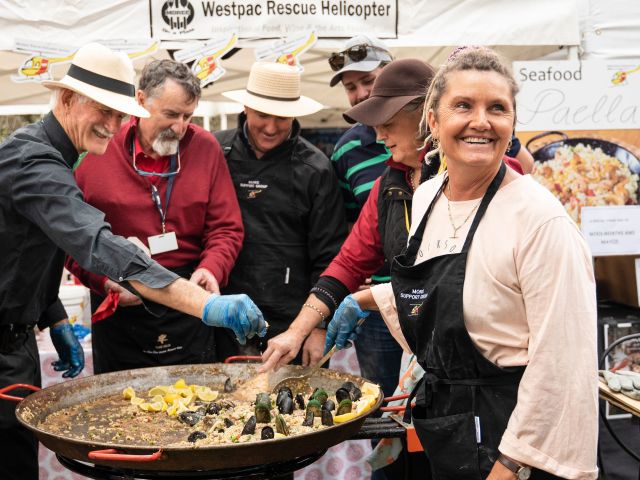
    Westpac Helicopter Rescue Service team with their Seafood Paella at the 2019 Moree on a Plate Festival
    Taste the best of regional produce and culinary talent. (Credit: Destination NSW)

    Time your trip for Mother’s Day weekend in May, and you’ll find yourself in the middle of the popular annual food and wine festival, Moree on a Plate, celebrating regional produce and culinary talent from the region’s fertile plains.

    Browse the stalls and sample olives, pecans, citrus fruits, honey, boutique wines and handmade condiments. You can also enjoy live cooking demonstrations by celebrity chefs, a local barbecue competition, plein-air art, live music and a dedicated children’s activity area.

    2. Experience artesian waters

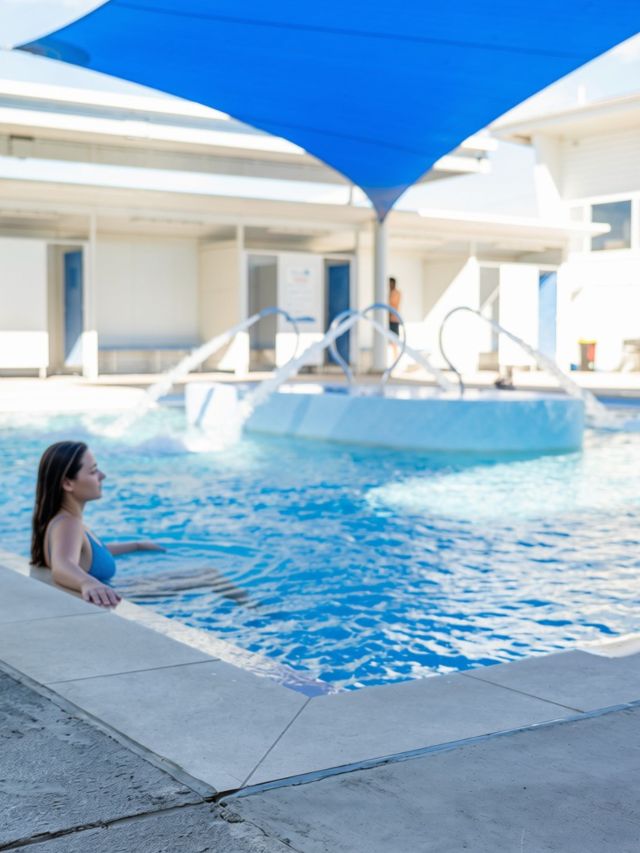
    woman at the Moree Artesian Aquatic Centre
    Chill out in Moree’s famous artesian waters.

    Moree’s famous artesian waters have attracted visitors for over 130 years. First discovered by accident in 1895, this mineral-rich, naturally heated water is drawn from deep within the Great Artesian Basin. Soak and slow down in the recently renovated pools at the Moree Artesian Aquatic Centre, where you can choose between the active pool with massaging water jets or the passive pool for a more relaxing experience.

    For a longer soak, stay at one of the many motels within walking distance of the aquatic centre. Or book a stay with its own artesian pools.

    Gwydir Thermal Pools Motel & Caravan Park has five on-site thermal pools and a broad range of accommodation, while the Phoenix Resort offers both indoor spas and outdoor thermal pools as well as recently upgraded self-contained apartments and motel rooms. Meanwhile, the Artesian Spa Motel is set on five acres of landscaped gardens and features swimming and thermal pools, including an indoor artesian spa and an on-site restaurant.

    3. Enjoy an arty experience

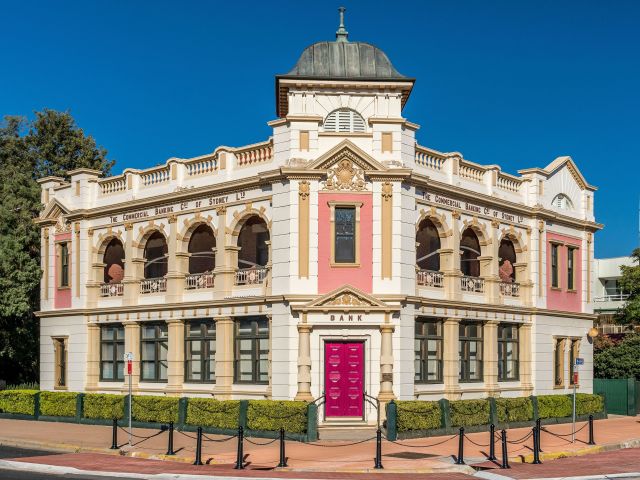
    Bank Art Museum Moree
    Step inside the gorgeous Bank Art Museum Moree. (Credit: Destination NSW)

    To connect with Moree’s artistic side, head to Bank Art Museum Moree (BAMM), an independent contemporary art gallery housed in a beautifully preserved, Federation-era bank dating back to 1910. Inside, a nationally significant collection celebrates the art and culture of the Gamilaroi/Kamilaroi people and other First Nations artists alongside regional Australian art, while changing exhibitions offer something new.

    Follow the Moree Art Mural Trail through the CBD, and you’ll pass large-scale murals and small galleries reflecting stories of the town’s people, history and culture. While you’re exploring this open-air gallery, look out for the eclectic mix of Art Deco and early 20th-century architecture, including the Moree Courthouse and the striking Capitol Theatre facade.

    4. Discover cotton country

    Aerial overlooking cotton farming in progress on the Newport Cotton Farm, Moree
    Learn more about Moree’s cotton industry. (Credit: Destination NSW)

    Surrounded by the black-soil plains of the Gwydir Valley, Moree is at the centre of one of Australia’s major cotton-growing areas. Visit between March and May, and you’ll see fields covered in the distinctive fluffy white cotton bolls being harvested by huge machinery.

    Trace the cotton from paddock to fabric on the Cotton Farm and Gin tour, running from April to September. You’ll visit a cotton farm and a working cotton gin up close, where you’ll see the cotton fibres separated from the seeds. Tours run weekly and include transfers.

    5. Explore the Moree Plains

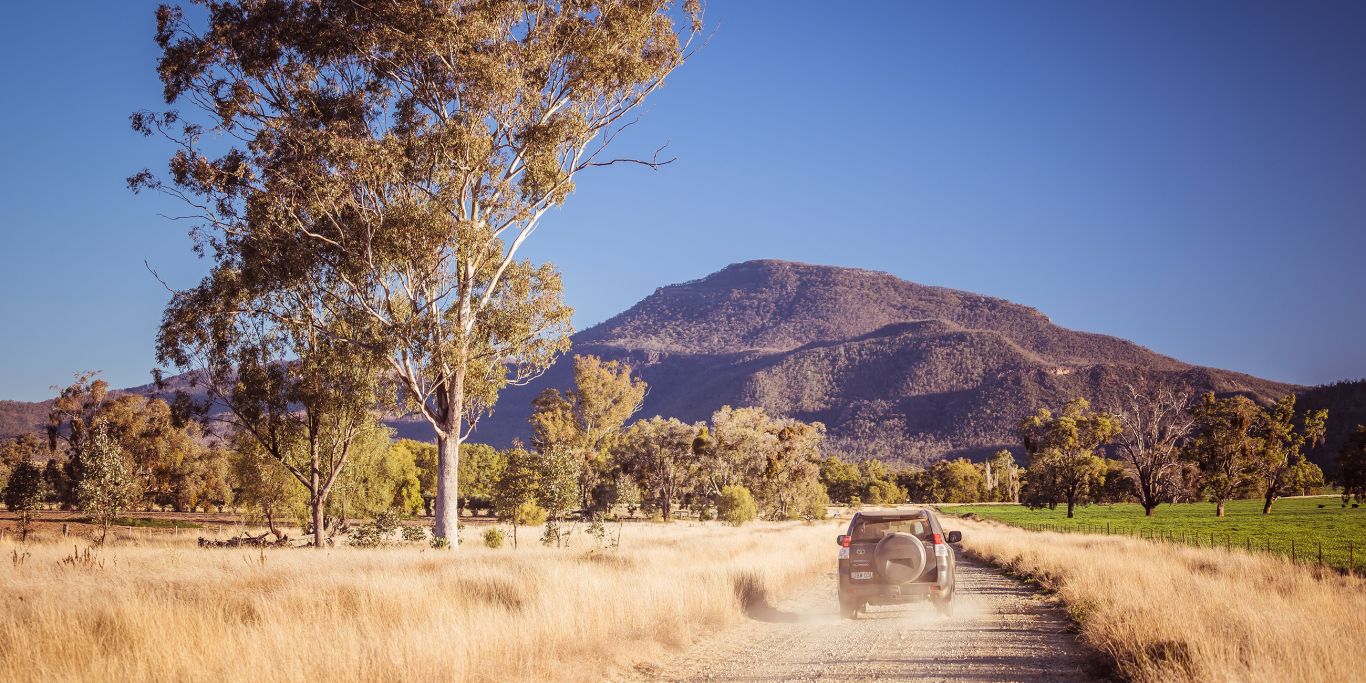
    care driving around moree
    Head out of town to explore the plains.

    Outside of the city centre, Moree is surrounded by charming rural villages dotted around the plains. The quiet village of Boomi, around 90 kilometres north-west of Moree, offers historic early 20th-century architecture, its own artesian thermal waters at the Boomi Artesian Baths and vast outback skies.

    Further west, the pioneer border town of Mungindi straddles the Barwon River between New South Wales and Queensland. Follow the 2.5-kilometre sculpture trail to take in the outdoor public art, and you’ll cross the state border twice.

    6. Relax by the water

    bird at Gwydir Wetlands in moree
    Spot the locals at Gwydir Wetlands.

    Just a short drive away, the peaceful Tareelaroi Weir Recreation Area makes the most of the meandering Gwydir River. Set up camp along the riverside and enjoy picnicking, fishing and swimming.

    A little further afield, the Gwydir Wetlands are home to 75 recorded waterbird species, including brolgas, magpie geese, egrets, spoonbills, ibis and black-necked storks, also known as jabirus. Watchers can settle into the hide at Waterbird Lagoon, or follow a short walking trail through the wetlands, keeping an eye out for rare species.

    7. Immerse in local Indigenous culture

    Terry Hie Hie Aboriginal Area
    Learn about the history of the Gamilaroi People.

    Moree lies on the traditional lands of the Gamilaroi People, whose connection to the land stretches back thousands of years. Today, visitors can learn about this history at Terry Hie Hie Aboriginal Area, which includes the 3.5 kilometre Yana-y Warruwi Walking Track.

    Back in town, the Open Space Aboriginal Art Trail allows you to enjoy the Mehi River with a free, self-guided public art trail of work from local Indigenous artists and their personal connection to Country. Finish with a visit to the remarkable Dhiiyaan Aboriginal Centre, where more than 110,000 family genealogies are recorded. Browse artefacts, art and over 15,000 photographs. There are also changing exhibitions of historical photographs and local art.

    8. Local cafe culture

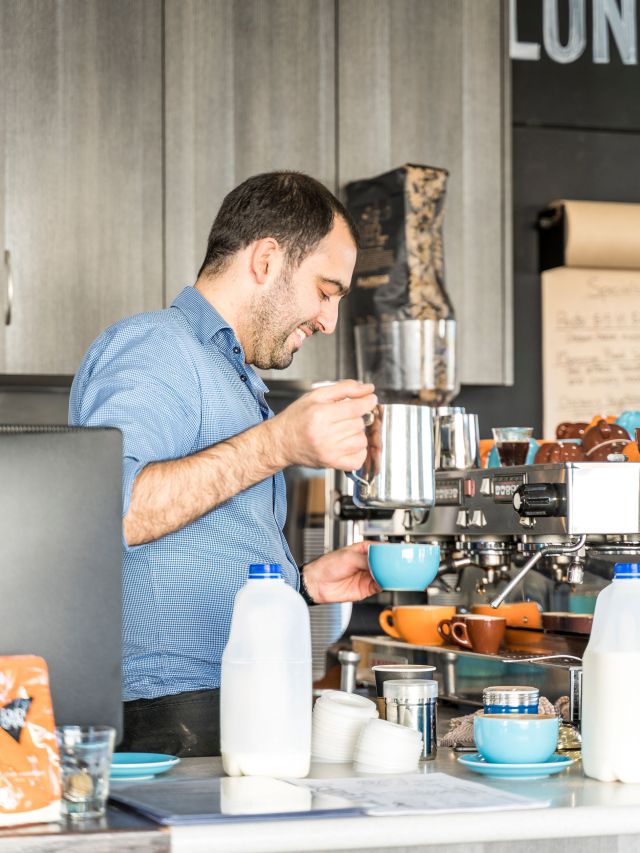
    Barista making a coffee order at 61 Balo Cafe, Moree
    Get amongst’s Moree’s vibrant cafe scene. (Credit: Destination NSW)

    From relaxed country cafes to stylish modern eateries, Moree’s CBD has a surprisingly vibrant foodie scene. There are plenty of spots to choose from for a freshly brewed coffee, long lunch or tasty dinner, featuring menus showcasing local produce and loads of country charm.

    If you’d rather dine in the great outdoors, grab a takeaway coffee or a picnic and head to leafy Jellicoe Park, a riverside oasis just a short walk from the centre of town. Pick a spot under the trees, enjoy the park’s art installations and keep watch for waterbirds along the river.

    Start planning your Moree retreat at visitmoreeplains.com.au.