This nature reserve near Sydney is open for just 6 weeks a year

hero media
The season is just about to start.

Sydney might be a concrete jungle, but it’s definitely not short on natural beauty. From coastal hikes to UNESCO-listed national parks, nature is never far away. But hidden on the city’s northernmost fringes is a reserve most locals have never heard of – a protected patch of bushland that opens to the public for just six weeks a year.

Where is it?

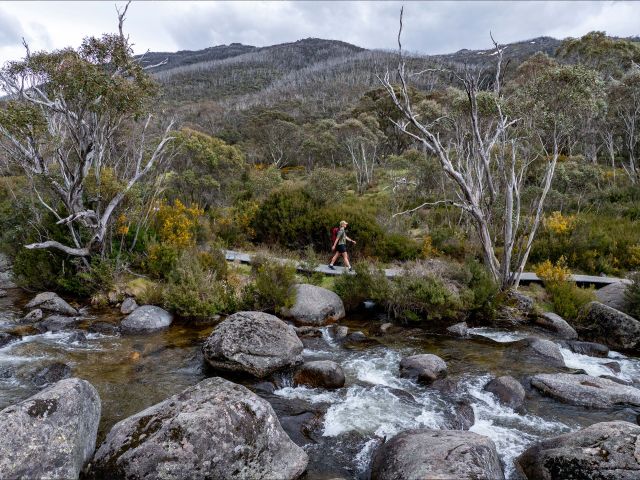
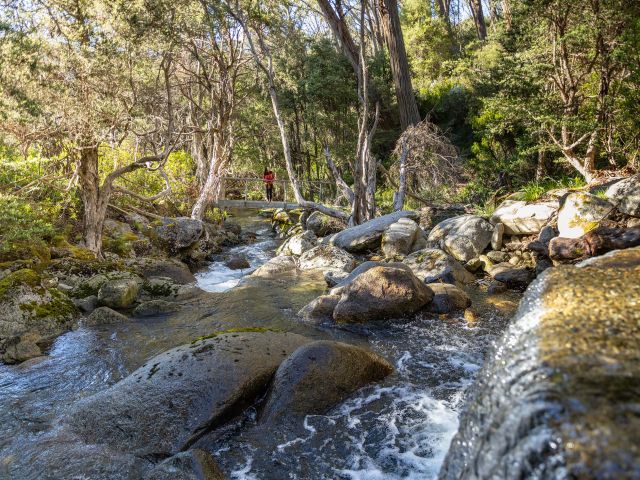
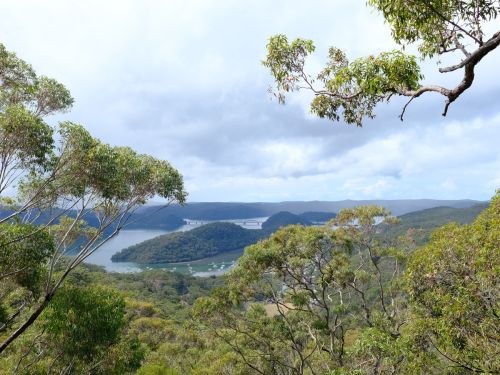
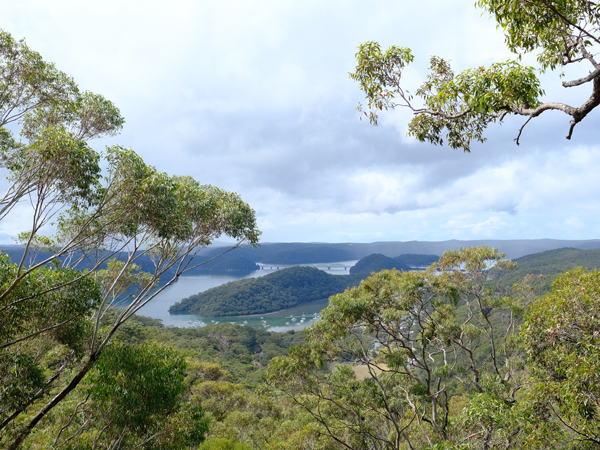
Muogamarra Nature Reserve is only a 45-minute drive from Sydney’s CBD, situated between the small suburb of Cowan and the iconic Hawkesbury River, which just got a brand-new walk. Its sheltered location, paired with a varied landscape and temperate climate, creates the perfect conditions for a flourishing environment.
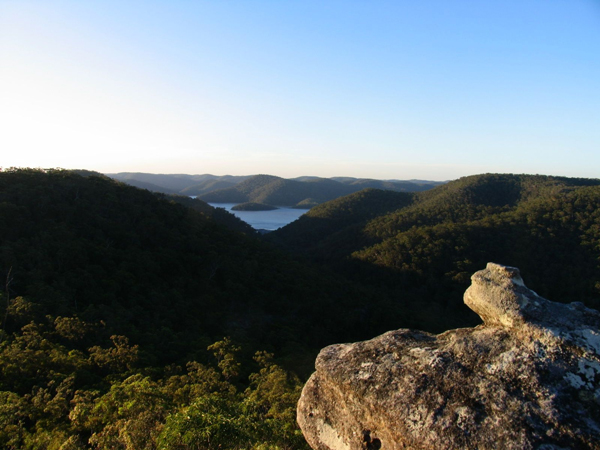
Muogamarra Nature Reserve in Sydney, NSW
Muogamarra Nature Reserve sits near the Hawkesbury River. (Image: Tegan Burton/DCCEEW)

The natural sanctuary is a haven for Australian wildlife, with 14 native mammals, 16 reptile species and around 140 native birds recorded across its 2,274 hectares. Visitors are encouraged to keep their eyes peeled for echidnas, brushtail possums, swamp wallabies, kookaburras and lyrebirds, among others.

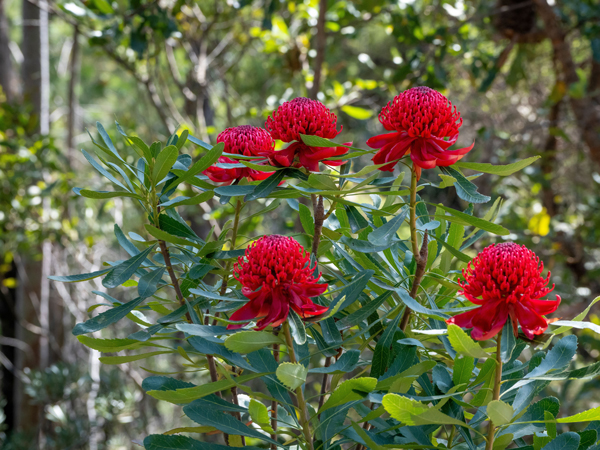
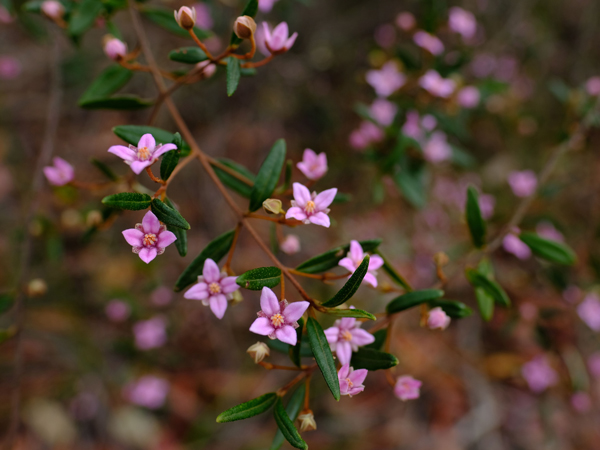
Muogamarra Nature Reserve is also home to a thriving wildflower population, making spring the ideal time to visit. Native flowers are especially abundant, including dazzling waratahs, delicate eriostemons, angophoras, boronias, Gymea lilies and even native wild orchids.
Muogamarra Nature Reserve in Sydney, NSW
Stunning waratahs bloom throughout spring. (Image: John Spencer/DCCEEW)

Why the six-week limit?

The National Parks and Wildlife Act 1974 was designed to conserve NSW’s diverse natural ecosystems, officially listed as ‘protected areas of NSW’. The network of nature reserves, including Muogamarra, is protected by the state government and managed by the NSW National Parks and Wildlife Service.

While many protected areas of NSW can be accessed year-round, Muogamarra Nature Reserve is only open to the public for six weeks of the year. This is due to ongoing conservation efforts, as well as a range of scientific and educational purposes. The fragile environment has remained relatively undisturbed for centuries, creating a remarkable landscape of cultural, botanical and geological significance.
Muogamarra Nature Reserve in Sydney, NSW
The nature reserve holds major botanical significance. (Image: Elinor Sheargold/DCCEEW)

Located on Muogamarra Country, it is also home to a number of important cultural sites for the Traditional Owners of the land, the Dharug and Guringai Peoples. Rock art, engravings, shell middens and earthenware offer insight into thousands of years of First Nations culture, a heritage that must be protected and preserved.

Add in the diverse array of flora and fauna that depend on this place, and it’s easy to see why it stays closed for most of the year. But for six weeks each spring, the gates open – offering visitors a rare chance to discover its natural beauty.

Need tips, more detail or itinerary ideas tailored to you? Ask AT.

AI Prompt

Planning your visit

There are multiple ways to experience Muogamarra Nature Reserve. Guided hikes are run during the six-week open window, all offering a different perspective. Beginners are encouraged to join the three-kilometre Muogamarra Highlights Walk or the 3.5-kilometre Muogamarra: Bird Gully Guided Walk.
Muogamarra Nature Reserve in Sydney, NSW
Take in views over the iconic Hawkesbury River. (Image: Elinor Sheargold/DCCEEW)

There’s also the Muogamarra: Lloyd Trig and Deerubbin Guided Walk, a 6.6-kilometre loop that provides uninterrupted views of the Hawkesbury River. If you’re up for a challenge, the 10-kilometre, full-day Muogamarra: Peats Bight Guided Walk is for you. Or tackle one of many gorgeous self-guided trails at your own pace. Hungry for more? Head to nearby Ku-ring-gai Chase National Park, where you can explore bushwalks that lead to secret swimming spots.

Unfortunately, visitation in 2025 (from 9 August to 15 September) is completely booked out. But don’t despair – there’s always next year! Get in early to secure your spot now by emailing the NSW National Parks and Wildlife Service directly or calling 13000 PARKS.

Want to see more stories from Australian Traveller in your Google search results?

  1. Click here to set Australian Traveller as a preferred source.
  2. Tick the box next to "Australian Traveller". That's it.
Taylah Darnell
Taylah Darnell is Australian Traveller's Writer & Producer. She has been passionate about writing since she learnt to read, spending many hours either lost in the pages of books or attempting to write her own. This life-long love of words inspired her to study a Bachelor of Communication majoring in Creative Writing at the University of Technology Sydney, where she completed two editorial internships. She began her full-time career in publishing at Ocean Media before scoring her dream job with Australian Traveller. Now as Writer & Producer, Taylah passionately works across both digital platforms and print titles. When she's not wielding a red pen over magazine proofs, you can find Taylah among the aisles of a second-hand bookshop, following a good nature trail or cheering on her EPL team at 3am. While she's keen to check out places like Scotland and North America, her favourite place to explore will always be her homeland.
View profile and articles
hero media

7 Lake Macquarie secrets the locals don’t want you to know

Credit: Beau Pilgrim

An untapped side to this popular holiday spot is hiding in plain sight.

Laid-back Lake Macquarie draws in holidaygoers and day trippers with its casual coastal allure and raw beauty. But even though it’s just 90 minutes from Sydney, most visitors have only scratched the surface of what this region has to offer.

Foodie hotspots, quaint towns, tranquil waterways and compelling art are all waiting to be discovered. You just need to know where to find them.

1. Most visitors don’t make it to the western side

Explore beyond the western side. (Credit: Beau Pilgrim)

While there’s no harm in walking the well-worn path in this idyllic pocket of the world, the area west of Lake Macquarie is defined by stretches of ancient rainforests and quaint towns with a more local feel. Toronto is the largest town on this side and features a golf course and sailing clubs, while peninsula-based Wangi Wangi is fantastic for bushwalking and swimming.

2. There’s a booming arts scene

Museum of Art and Culture, YAPANG
Discover the Museum of Art and Culture, YAPANG.

Lake Macquarie is a must-visit destination for creatives. Discover the Museum of Art and Culture, YAPANG; this modern gallery is set on a five-hectare sculpture park and showcases a free rotating program of exhibitions and events, with a strong focus on contemporary Aboriginal art. In Wangi Wangi, explore the Wangi Owl Trail, which includes Dobell House, the preserved home of prolific artist Sir William Dobell. And enjoy live music every Saturday evening at the recently renovated Toronto Hotel.

3. It’s a nature lover’s paradise

three people swimming in lake macquarie
In and out of the water, find a natural paradise. (Credit: Beau Pilgrim)

Lake Macquarie is a playground for nature lovers. It’s home to Australia’s largest saltwater lake, a 110-square-kilometre haven for swimming, fishing, boating and sunset views. Another oasis is the Lake Macquarie State Conservation Area, a 761-hectare protected reserve with wildflowers, Second World War heritage sites and spectacular views to Pulbah Island. The upgraded Toronto baths, complete with jetty decking and netting, make for a sheltered spot for a refreshing dip, while the Awaba Mountain Bike Park gives adrenaline junkies their fix.

4. The dining scene is unbeatable

8 at Trinity lake macquarie
Treat yourself to 8 at Trinity.

Gourmands are well looked after in Lake Macquarie. At Emerson’s on the Lake in Toronto, the modern Australian fine dining menu spoils seafood lovers with the freshest ocean produce and stunning lake views. Sitting on Trinity Point’s waterfront, 8 at Trinity is another standout offering, serving Mediterranean fare in an open-air setting. For a more relaxed affair, the microbrewery trail lets craft beer enthusiasts sip on inventive brews from The Yard, Lake Mac Brewing and Bread & Brewery.

5. There are hidden coves and waterways

kayakers on lake macquarie local secrets
Get out onto the lake. (Credit: Beau Pilgrim)

There’s no better way to experience Lake Macquarie than directly on its waters, and in doing so you’ll discover a world of hidden coves and secluded waterways. Jump in a kayak for a tour with the friendly team at School of Yak and paddle to Cockle Creek, Awaba Bay, Green Point and Fennel Bay, discovering underwater life along the way. Or go all in and stay the night on one of Lake Macquarie Houseboats’ spacious vessels or hire a BBQ pontoon boat for the day from Lake Macquarie Boat Hire to enjoy a feast in the sunshine while admiring the marine life and picturesque waterscape.

6. It’s a birdwatcher’s paradise

ll blue wren sitting on a tree branch
Keep an eye out for local birdlife. (Credit: Walter Coppola)

Twitchers are in for a real treat as hundreds of fascinating bird species such as Australian pelicans, black swans, white-bellied sea-eagles and superb fairy-wrens call this area home. Take a self-guided tour around top spots including Bird Cage Point and Lake Macquarie State Conservation Area (near Morisset) or be guided in a clear-bottom kayak through the waterways with Lake Macquarie Kayak Adventures, observing feathered friends as you go.

7. The lake has islands

sail lake macquarie
Charter a boat to see Lake Macquarie’s islands.

Hop on a private boat, kayak or charter around the lake to discover the plethora of small islands peppered around Lake Macquarie. The largest is Pulbah Island, a 69-hectare nature reserve home to goannas and sugar gliders with secluded beaches. Sandy islands such as Spectacle Island and Pelican Island have a tropical lagoon-like look to them as they sit in the tidal path of Swansea Channel, which filters the sand and creates a pristine environment. Stop by for a dip and a picnic.

Start living like the locals at visitlakemac.com.au.