hero media

A must-read guide to camping in Kakadu

Credit: Tourism & Events NT/Johan Lolos

Camping in Kakadu National Park is guaranteed to be a thousand-star experience.

Visiting Kakadu National Park is a nature lover’s dream. To truly immerse yourself among the World-Heritage surroundings, make tracks with a tent in tow to discover campsites that provide a gateway to the great outdoors.

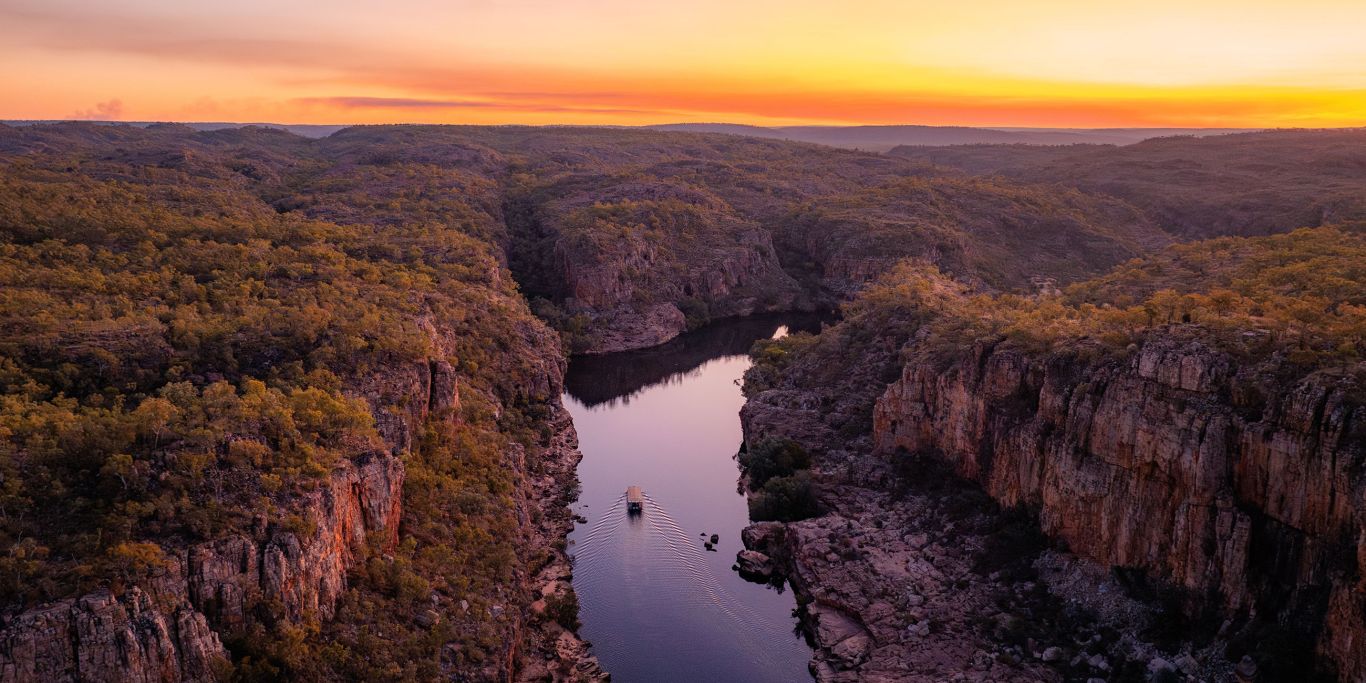
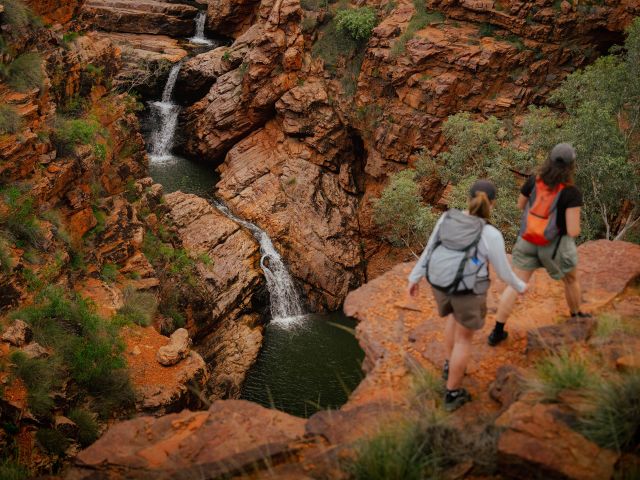
Kakadu National Park, which spans nearly twenty thousand square kilometres of Bininj/Mungguy Country, is home to some of the most beautiful landscapes in Australia. We’ve rounded up the best places to camp in Kakadu, whether you’re looking for hiking trails, swimming spots or just a great base to pitch up and hang out.

Before setting out to camp in Kakadu, it’s important to be adequately prepared with information and supplies and check the Parks Australia Kakadu National Park website in advance for closures. Keep in mind what facilities are available, road conditions and 4WD access. But without further ado, here’s our list of the best places to camp in Kakadu.

Mardukal campground
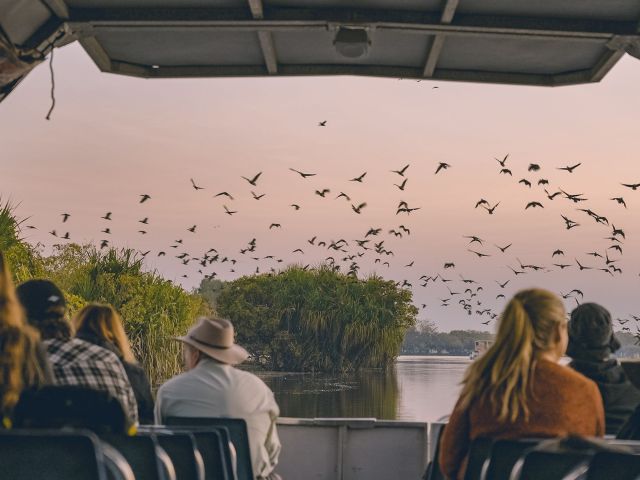
birdwatching on the Yellow Water (Ngurrungurrudjba) billabong
Witness birdlife on the Yellow Water (Ngurrungurrudjba) billabong. (Credit: Tourism & Events NT/@cruising.cat)

This managed campground is an ideal base for holidaymakers looking to explore Kakadu National Park. The campground is located near Cooinda Lodge, just a stone’s throw from Cooinda’s Barra Bar and Mimi’s Restaurant.

It’s also convenient if you’re interested in taking one of Kakadu’s most popular tours, the Yellow Water Billabong cruise, which also runs out of Cooinda Lodge. With creature comforts in close reach and a short drive to some of the park’s main attractions, this campsite is perfect for a leisurely camping stay.

Cost: $15 per adult per night
Facilities: Flushing toilets, hot showers, bins, picnic area
4WD required: No

Merl campground
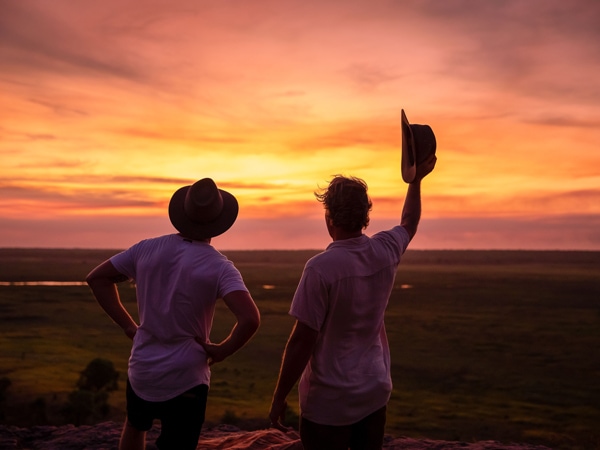
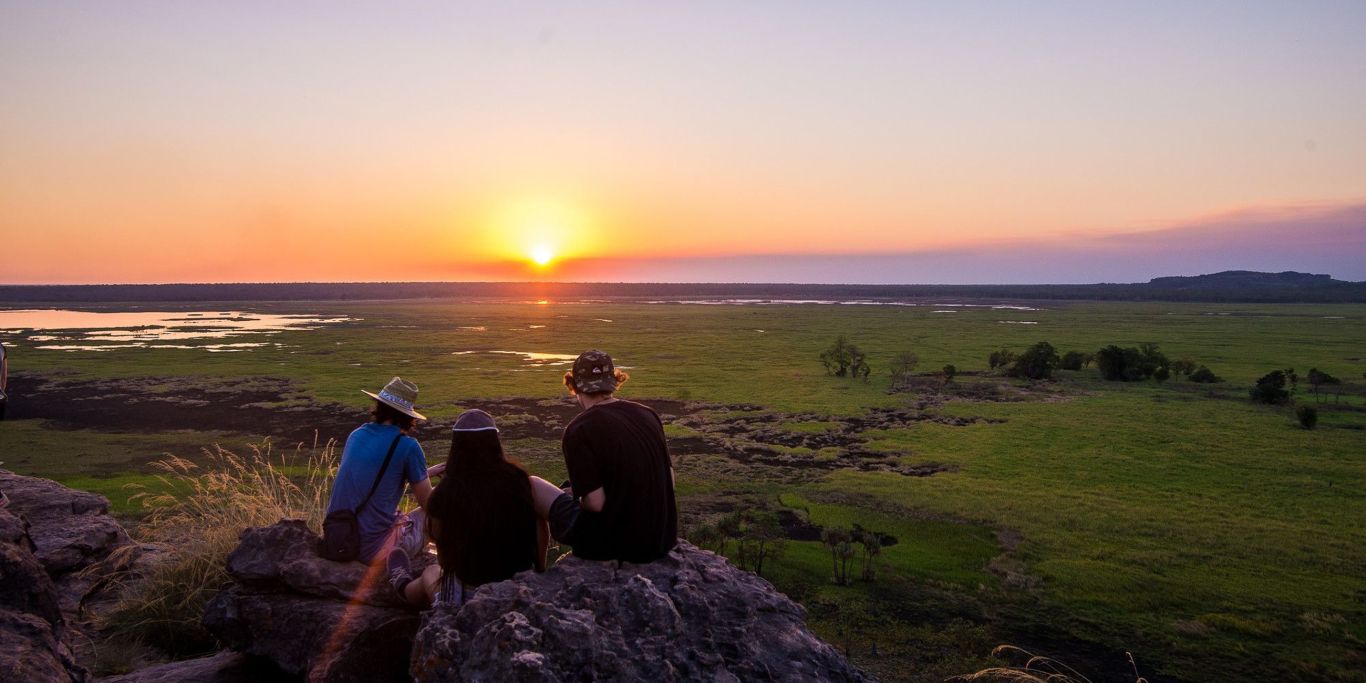
two people admiring the sunset from Ubirr, Kakadu
Take in incredible sunset views at Ubirr. (Credit: Tourism NT)

Merl campground is the best place to camp in Kakadu if you’re drawn to the park’s exquisite rock art. The campground is situated in the north of Kakadu, just three kilometres from the rock art site of Ubirr. Not only is Ubirr one of the best things to do in Kakadu, but it’s also an incredible spot to watch the sunset.

Catch a glimpse of one of Kakadu’s most photogenic views, before heading back to camp to gather around a fire pit. If you’re a keen hiker, you’ll enjoy tramping along the trails threaded throughout the East Alligator Region, too.

Cost: $15 per adult per night
Facilities: Flushing toilets, hot showers, bins, picnic area
4WD required: No

Karnamarr campground
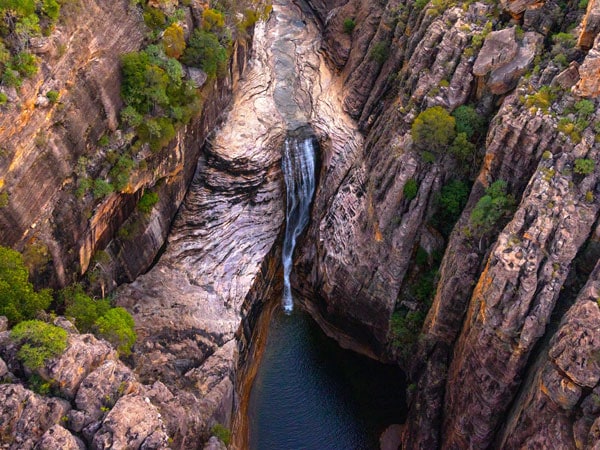
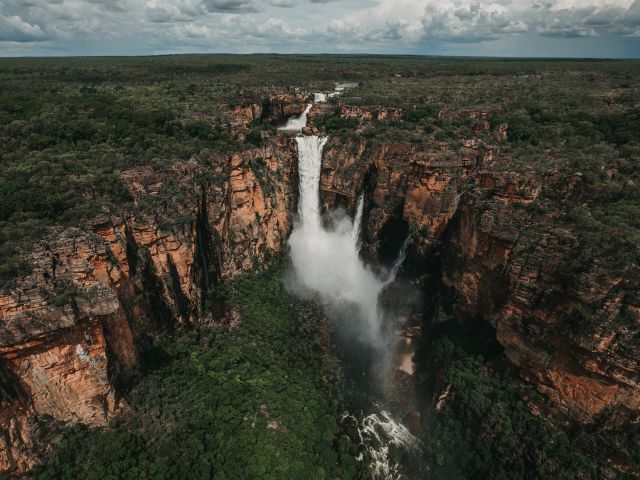
an aerial view of Kakadu falls
Admire Kakadu’s rugged beauty from above. (Credit: Tourism NT; Sean Scott)

If you’re keen to pay a visit to Kakadu’s famous waterfalls, then you’ll be in prime position at Karnamarr campground. The campsite is located a short drive between Twin Falls and Jim Jim Falls – two waterfalls that are not only miraculously beautiful, but sites of deep spiritual significance for the Bininj/Mungguy Traditional Owners. The campground is named for the red-tailed black cockatoo, a common sight to behold around the area.

Cost: $15 per adult per night
Facilities: Flushing toilets, hot showers, bins, picnic area
4WD required: Yes

Need tips, more detail or itinerary ideas tailored to you? Ask AT.

AI Prompt

Maguk campground
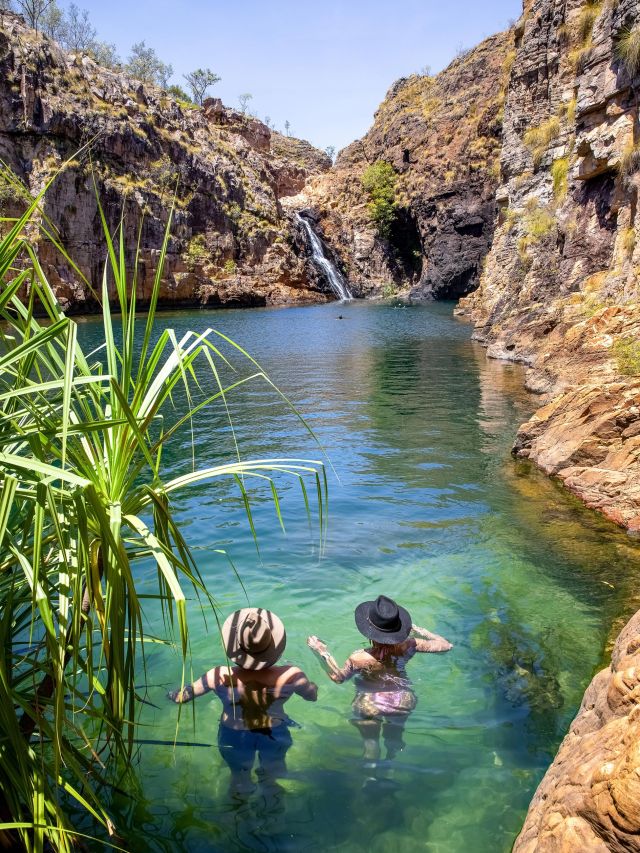
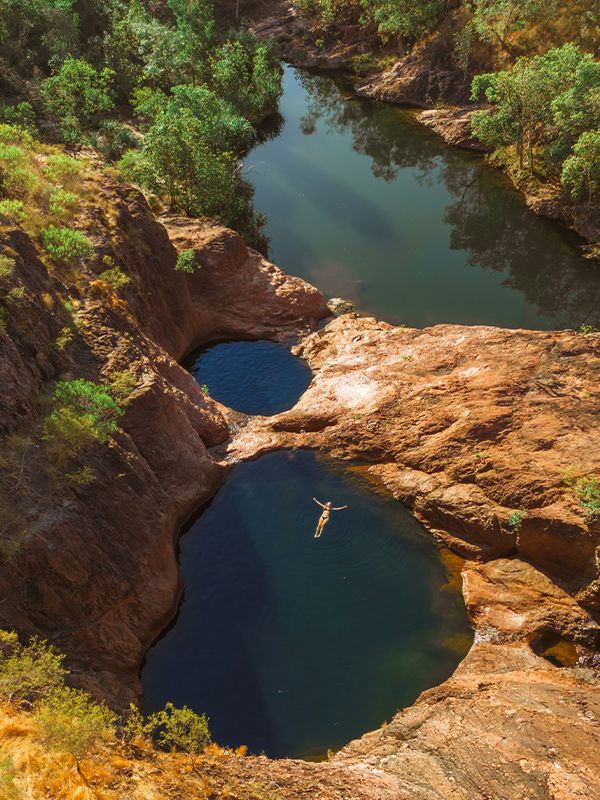
maguk falls
Cool off at Maguk, Kakadu. (Credit: Tourism & Events NT/Riana Crehan)

If a refreshing soak in emerald waters beneath cascading waterfalls sounds pleasant to you, then make a beeline for Maguk campground.

This campground is a little more on the wild side than the mainstream sites, but the rewards are certainly well worth it. Campers will be a stone’s throw from Maguk’s beautiful plunge pools, located just a short walk away through a lush rainforest canopy.
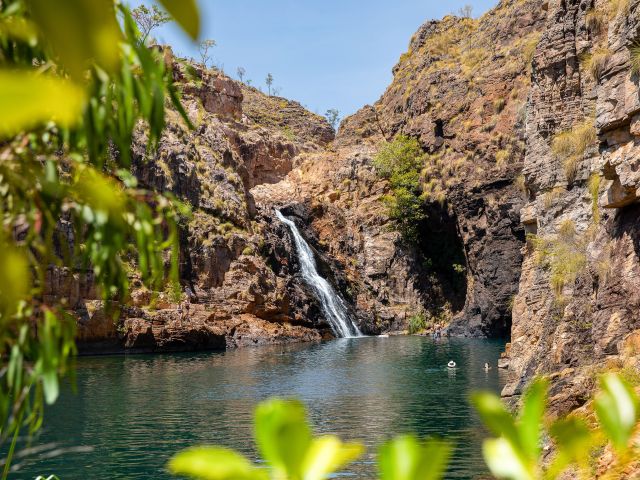
Maguk Falls kakadu
Maguk Falls features a plunge pool at the foot of a steep gorge. (Credit: Tourism NT)

Take a dip before moseying back to camp in the evening for a feed and some stargazing. When swimming or travelling near bodies of water, it’s important to be CrocWise. National Parks remove crocodiles each year, but it’s vital to exercise caution and follow local advice.

Cost: $6 per adult per night
Facilities: Pit toilet, no drinking water (bring your own)
4WD required: Yes

Kambolgie campground
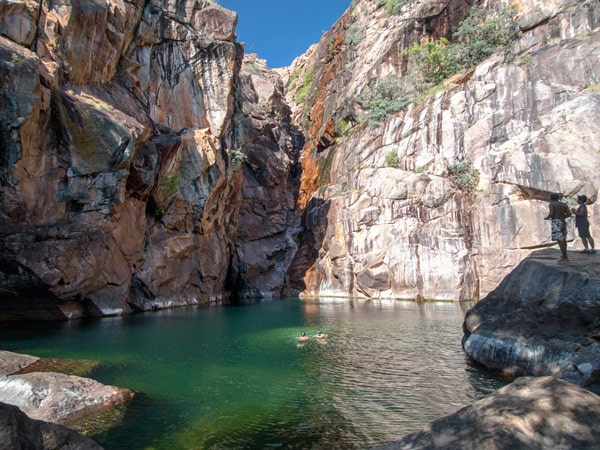
two people standing on the side of a rock formation at Motor Car Falls, Kakadu
Plunge into the cold waterfalls. (Credit: Flickr/adeshfr)

Ditch the crowds and carve out a pocket of peace at Kambolgie campground. If you’re looking for a quiet place to camp in Kakadu, Kambolgie might just fit the bill. This charming spot is close to a lot of Stone Country highlights, such as the Yurmikmik walks which wind around creeks and waterfalls. The campground is also just a little more than 10 minutes from the Kakadu Highway, making it a convenient base to explore the rest of the park.

Cost: $6 per adult per night
Facilities: Pit toilet, no drinking water (bring your own)
4WD required: Recommended

Jarrangbarnmi (Koolpin) campground
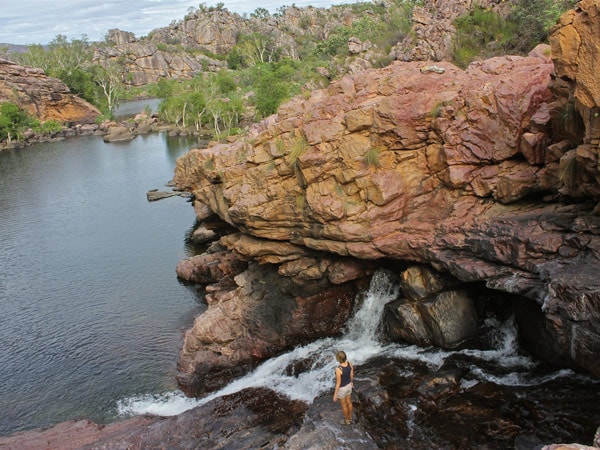
a woman surrounded by waterfalls and rocky ridges at Koolpin Gorge
Be surrounded by waterfalls and rocky ridges at Koolpin Gorge. (Credit: Flickr/Mattfrancey)

For those looking to get off the beaten track, Jarrangbarnmi (Koolpin) is a gorgeous place to base yourself in the south of Kakadu. It’s a bit of an effort to drive in, but it will be well worth the sweat. You’ll be surrounded by waterfalls and rocky ridges and close to the start of the stunning Jarrangbarnm (Koolpin Gorge) walk. It’s important to note that you need a permit to camp and bushwalk here. There are also sacred Indigenous sites that are off-limits to visitors, so keep informed and stay aware of local signage.

Cost: $6 per adult per night
Facilities: Pit toilet, no drinking water (bring your own)
4WD required: Yes

Weekly travel news, experiences
insider tips, offers, and more.

Glamping in Kakadu National Park
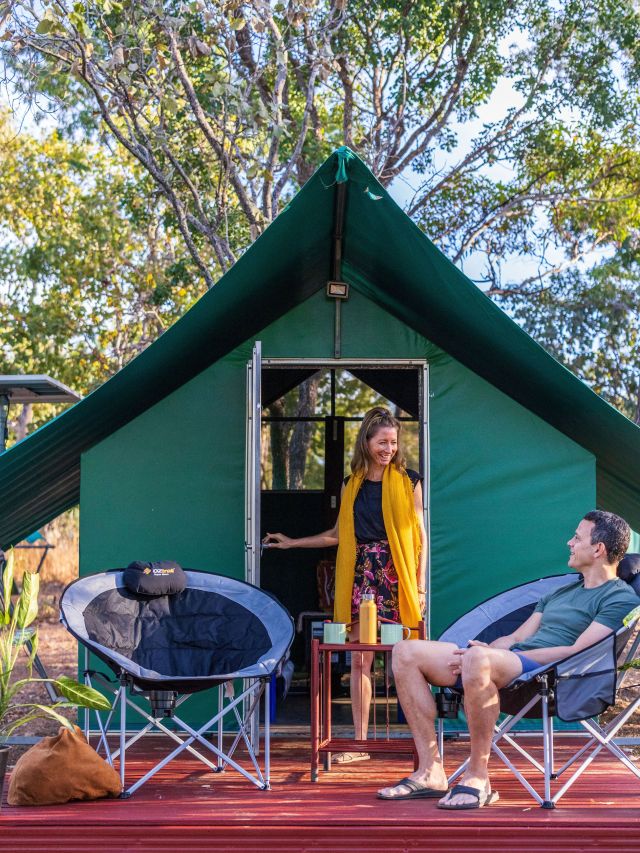
best places to camp kakadu national park
Go glamping to feel closer to nature. (Credit: Tourism & Events NT/Helen Orr Kakadu Billabong Safari Camp)

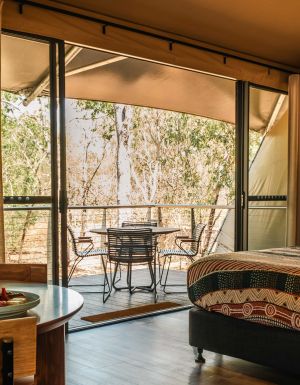
Want to feel close to nature, but still crave small luxuries? Glamping combines the best of both worlds. We’ve rounded up the best glamping spots in Kakadu and the rest of the Northern Territory, where you can feel all the perks of the great outdoors – from the comfort of a cosy bed. Rather go the more conventional accommodation route? We’ve got you covered with our accommodation guide to Kakadu.

West Alligator Head (Waldak Irrmbal)

Keen fishermen will be as happy as Larry at West Alligator Head (Waldak Irrmbal), one of the best places to camp in Kakadu if you’re hoping to reel in some barramundi.

Located at the very north of the park facing the sea, West Alligator Head is one of Kakadu’s more unexplored corners. You’ll find mainly local fishos here, but if you’re a traveller with a penchant for adventure, West Alligator Head is a blissfully remote escape.

Cost: $6 per night
Facilities: Pit toilet, no drinking water (bring your own)
4WD required: Yes

The best time to camp in Kakadu
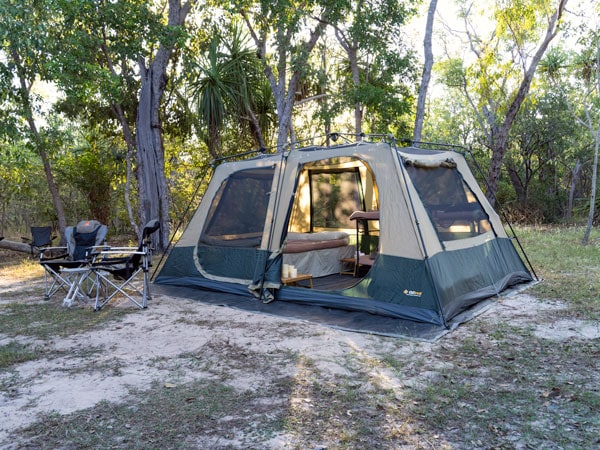
a tent on the grounds of Kakadu
The best time to camp in Kakadu is between May and October. (Credit: Tourism NT/Tourism Australia)

The most popular time to camp is during the drier months between May and October. However, if you don’t mind the rain and your gear is up to scratch, visitors can experience Kakadu in every season. We’ve gone into depth into the different seasons to visit Kakadu as well as the six Indigenous seasons of Kakadu National Park. If you’re combining your Kakadu visit with a road trip, we’ve also compiled some of the best campsites from Darwin to Kakadu and Katherine, too.

Can I camp for free in Kakadu? 
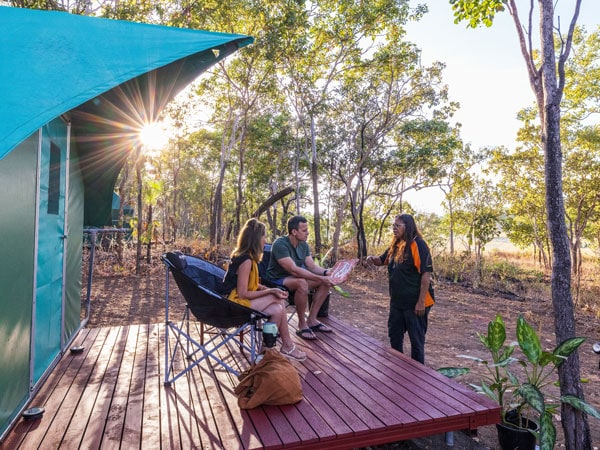
people hanging out in a Billabong Safari tent Kakadu
Get cosy in a Billabong Safari tent. (Credit: Tourism NT/ Helen Orr)

Yes! If you’re after the ultimate wilderness experience, there are some sites where you can pitch a tent free of charge. Check out Alligator Billabong, Four Mile Hole and Bucket Billabong, for instance. Free campsites tend to have minimal facilities and be 4WD accessible only, so make sure you have all the key information before heading out.

Kakadu National Park pass & permits

All visitors require a park pass to access Kakadu, although passes are free for Northern Territory residents. Cost varies depending on the season and passes are available either online or at select venues within the park. Some campgrounds, such as Jarrangbarnmi (Koolpin) campground, require specific permits. Consult Parks Australia for more information.

Want to know more about staying and playing in Kakadu? We’ve got your ultimate guide to Kakadu National Park right here.

Want to see more stories from Australian Traveller in your Google search results?

  1. Click here to set Australian Traveller as a preferred source.
  2. Tick the box next to "Australian Traveller". That's it.
Elizabeth Whitehead
Elizabeth Whitehead is a writer obsessed with all things culture; doesn't matter if it's pop culture or cultures of the world. She graduated with a degree in History from the University of Sydney (after dropping out from Maths). Her bylines span AFAR, Lonely Planet, ELLE, Harper's BAZAAR and Refinery 29. Her work for Australian Traveller was shortlisted for single article of the year at the Mumbrella Publishing Awards 2024. She is very lucky in thrifting, very unlucky in UNO.
View profile and articles
hero media

Red earth, light shows and ancient culture: discover the ultimate NT road trip

(Credit: Tourism & Events NT/ Ben Savage)

    Kassia Byrnes Kassia Byrnes
    The Northern Territory is made for road trips, and this one hits all the highlights.

    Craggy mountain ranges, inviting waterholes, ochre soil: the landscape of the Northern Territory is asking to be explored by road and foot. There are many iconic road trips to choose from here, but none so all-encompassing than the roughly 3000 kilometres of sealed road that make up Explorer’s Way.

    Spend 14 days (or more, to really make the most of it) driving this route from Adelaide, hitting the NT near the small settlement of Kulgera before later finishing in Darwin. Along the way, you’ll find nearly all the territory’s most iconic sights.

    Discover some of the top highlights that make Explorer’s Way one of Australia’s most incredible road trips.

    1. Alice Springs

    echidna at Alice Springs Desert Park
    See the locals at Alice Springs Desert Park. (Credit: Tourism & Events NT)

    Recently hitting the big screen again with the story of The Kanagroo Sanctuary, there’s a lot to surprise you in Alice Springs.

    Three distinct desert habitats – desert rivers, sand country and woodland – are recreated over 1300 hectares at Alice Springs Desert Park. Time your visit for a presentation or a free bird show.

    Later, turn your attention to the skies above, taking a dive into local astronomy at Earth Sanctuary. You’ll find a range of experiences, from a 90-minute toe-dip into the stars through to an overnight adventure.

    Alice Springs packs a surprising punch with its tasty dining options, including pub grub and unique brews at Alice Springs Brewing Co, tapas and pizza at Epilogue Lounge and tasty cafe fare at the quirky Page 27.

    2. Tjoritja/West MacDonnell National Park

    woman standing at Ormiston Gorge
    Dive into Ormiston Gorge. (Credit: Tourism & Events NT/ Dom and Jesso)

    Beginning 15 minutes from Alice Springs and stretching across 161 kilometres, Tjoritja/West MacDonnell National Park is packed with striking ancient landscapes and inviting water holes.

    Visit Standley Chasm – traditionally known as Angkerle Atwatye, meaning ‘Gap of Water’ – to take in its bold red and orange hues, and to observe the diverse bird species, lizards and wallabies that call it home.

    Cool off in one of several picturesque natural swimming holes, like Ellery Creek Big Hole and Ormiston Gorge.

    3. Uluru & Kata Tjuta

    three women looking at Kata Tjuta at sunset
    Explore Kata Tjuta. (Credit: Tourism & Events NT)

    Visiting the Cultural Heart of Australia is something everybody should experience. There are so many side trips in the Red Centre you could easily spend a week here, but to get the most out of a short time, park the car then get out on foot.

    Take the 10-kilometre Base Walk around the entirety of Uluru or join a free, ranger-guided Mala Walk along part of the base, learning about Tjukurpa (creation stories) and geology as you go.

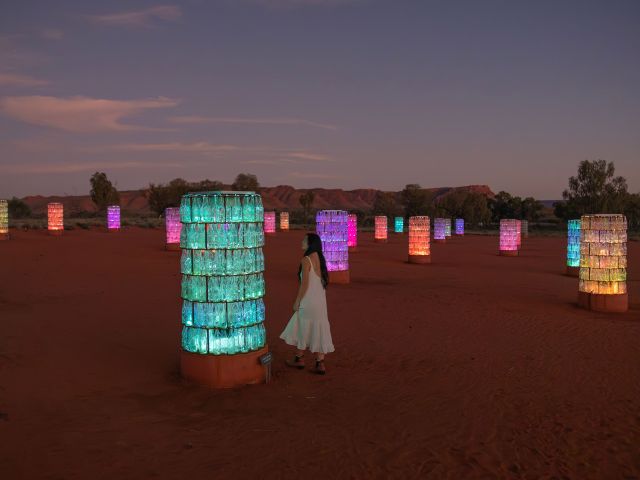
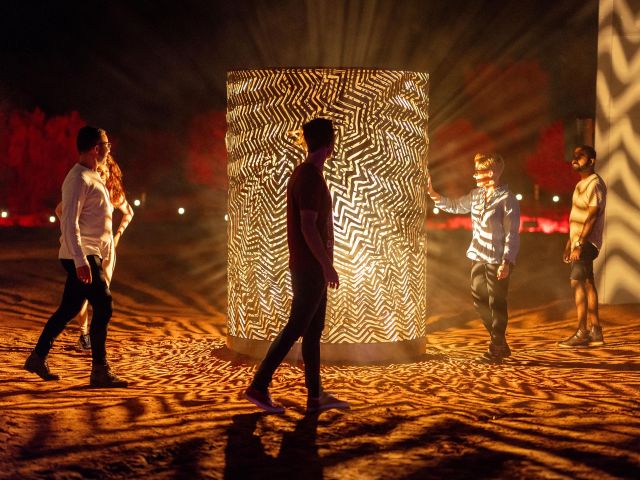
    For a change of pace, wait until nightfall and wander through the iconic Field of Light display by celebrated artist Bruce Munro, or see the Wintjiri Wiru lightshow that shares the ancient Mala story using drones, lasers and projections.

    4. Tennant Creek

    pson looking at Karlu Karlu (Devils Marbles) northern territory
    See the ancient granite boulders of Karlu Karlu (Devils Marbles). (Credit: Tourism & Events NT/ Dom And Jesso)

    Tennant Creek was Australia’s third-largest gold mining town in the 1930s, and visitors can discover that history at Battery Hill Mining Centre – and even try their own hand at gold fossicking.

    For a completely different side of history, pop into Nyinkka Nyunyu Art & Culture Centre, which preserves and shares Warumungu culture through art, performance, a museum and more.

    Just outside town, find the ancient granite boulders of Karlu Karlu (Devils Marbles). A site integral to important stories held by the Warumungu, Kaytetye, Warlpiri and Alyawarra peoples, the boulders appear to almost have dropped out of the sky and seemingly continue to defy gravity.

    5. Mataranka

    aerial of people swimming in bitter springs northern territory
    Dive into Bitter Springs. (Credit: Tourism & Events NT/ Ben Savage)

    A town made famous by the novel We of the Never Never by Jeannie Gunn (and a movie of the same name), Mataranka is also known for its sandy-bottomed thermal pool, Bitter Springs, within Elsey National Park. Follow a 500-metre loop track around these spring-fed pools that stay a toasty 34°C year-round, before choosing your favourite spot to dive into. Enjoy the local birdlife while you relax.

    Elsewhere in the park, find historical sites, several scenic walks and Roper River, which is perfect for boating and fishing.

    6. Nitmiluk National Park

    Nabilil Dreaming Sunset Dinner Cruise
    Join a sunset cruise with Nabilil Dreaming. (Credit: Tourism & Events NT/ Lachlan Gardiner)

    Nitmiluk National Park is sandstone country, with 13 stunning gorges and plenty of waterfalls waiting to be explored.

    One of the most beautiful spots can be found along the 62-kilometre Jatbula Trail, a five-to-six day bushwalk that follows an ancient Jawoyn songline from Nitmiluk Gorge to Leliyn (Edith Falls). Numbers are restricted and book out quickly, so be sure to plan well ahead. Not up for the hike? Drive right up to the falls and enjoy a dip without the challenge.

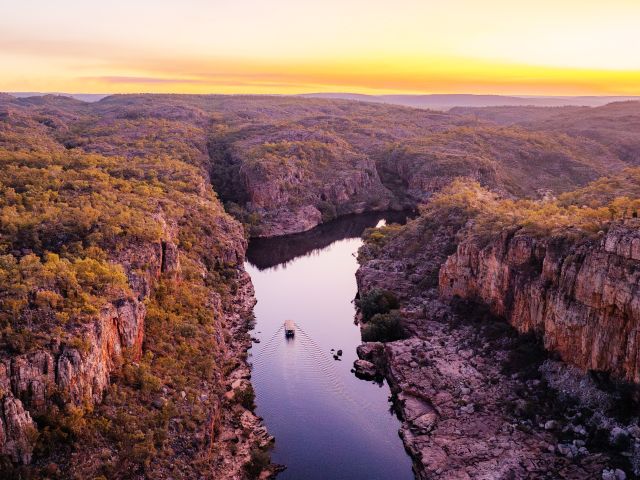
    Elsewhere, explore Nitmiluk (Katherine) Gorge. Paddle a kayak through the river running through the canyon, or save your energy on a Nabilil Dreaming Sunset Dinner Cruise, discovering the stories and ways of the Jawoyn people while enjoying a candlelit dinner as the cliffs around you shift colour and glow with the changing daylight.

    Continue your cultural journey at local art centres like Godinymayin Yijard Rivers Art & Culture Centre or Mimi Aboriginal Art & Craft.

    7. Litchfield National Park

    cathedral termite mounds in Litchfield national park
    Be awed by giant cathedral termite mounds. (Credit: Tourism & Events NT/ As We Wander)

    Just over an hour’s drive from Darwin lies the beautiful Litchfield National Park. It’s famous for stunning waterfalls and swimming holes, including Buley Rockhole, Wangi Falls, Florence Falls and Tjaynera Falls.

    Here you’ll also find hundreds of giant – and magnetic – cathedral termite mounds that are truly a sight to see. Ageing up to 100 years old, you won’t find mounds like these outside the northern parts of Australia. Stroll along the accessible boardwalk to see them up close.

    8. Darwin

    darwin street art
    Darwin art is streets ahead. (Credit: Tourism & Events NT/ Mark Fitzpatrick)

    This list wouldn’t be complete without the territory’s capital city: Darwin. Situate yourself upon arrival with a stroll through the main streets, admiring the many art murals by local, interstate and international artists. They’re all remnants of the annual Darwin Street Art Festival, one of Australia’s longest running street art festivals.

    Stop to recharge along Darwin’s Waterfront Precinct, an area of delectable restaurants, public swimming pools and free events. And, of course, it would be wrong to leave the city without enjoying a bowl of laksa at Mindil Beach Sunset Market as the sun goes down.

    Learn more and start planning your Explorer’s Way road trip at northernterritory.com/drive.