12 Great Barrier Reef facts to help you plan a bucket list adventure

hero media
Soak up every extraordinary inch of the world’s largest coral reef system with our round-up of the most fascinating Great Barrier Reef facts.

Sure, you can join a whistlestop tour or marvel at it from parts of Queensland’s mainland, but nothing immerses you in the enchantment of the Great Barrier Reef like scratching beyond the surface. The world’s largest living entity, recently nominated for the United Nations Environment Programme’s Lifetime Achievement Award (typically reserved for humans), is a profoundly complex and captivating natural wonder stretching across more than 348,000 square kilometres.

Filled with thousands of individual reefs and more than 900 islands, it’s a bucket list destination that must be experienced (several times over) to grasp its magnitude. From the environmental factors that threaten its existence to the string of world-class snorkelling and diving spots it boasts, reading up on essential Great Barrier Reef facts will only enhance your visit. Here, we round up the basics. 

1. It’s estimated to be roughly 500,000 years old
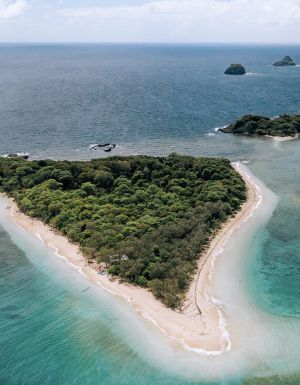
the white sand Low Isles coral cay from above
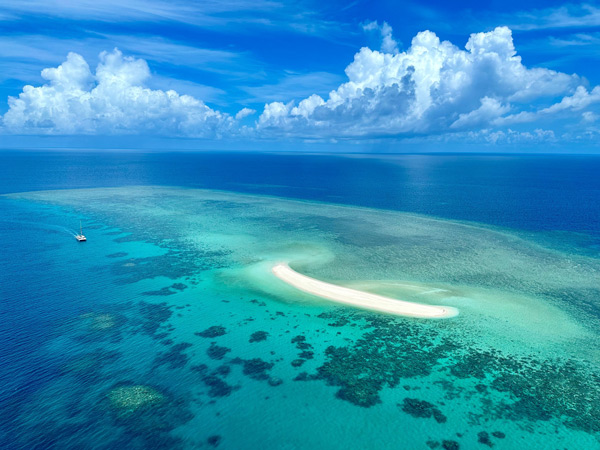
Larger coral reefs surround the white sand Low Isles coral cay. (Image: Tourism and Events Queensland)

According to multiple scientific reports, including one from the Great Barrier Reef Foundation, which was solely established to preserve and protect it, early sightings date back to more than 500,000 years ago — and potentially as far back as 600,000 years.

In terms of how it looks today, a major growth spurt occurred anywhere between 4,000 and 9,000 years ago, pushing new coral colonies to spread across the region. No matter how you carve it, the Great Barrier Reef is an ancient wonder.

2. You can see the Great Barrier Reef from space
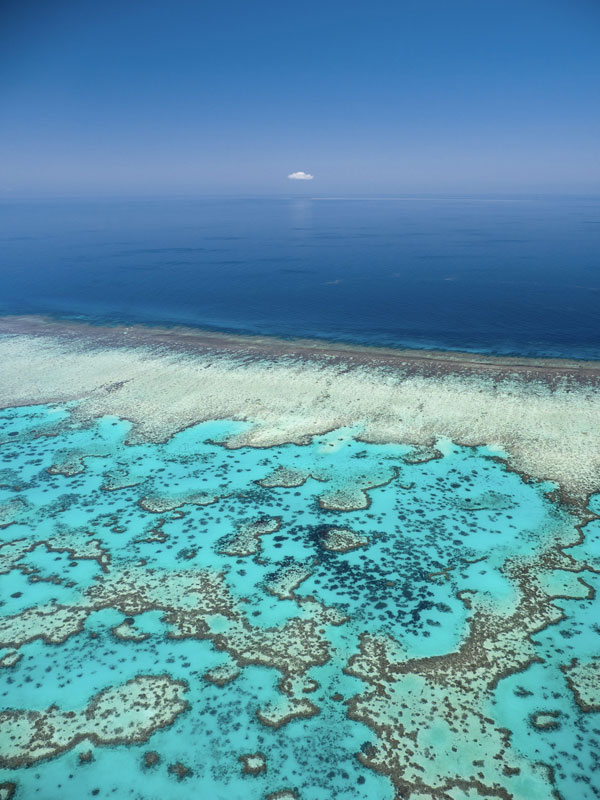
an aerial view of Heron Island, Great Barrier Reef
The 2300-kilometre-long Great Barrier Reef is visible from space. (Image: Tourism Australia)

The largest living structure on our planet, the Great Barrier Reef can be spied from as high up as space. It’s bigger than two Aussie states combined and larger than the entirety of Italy. Sweeping the Coral Sea from Bundaberg to Cape York, its expanse also sinks to extreme levels, notching up an average depth of 35 metres.

3. The best time to visit is during the dry season
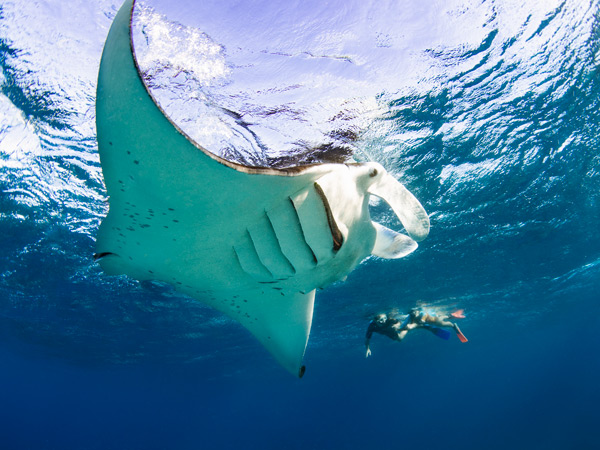
a huge manta ray swimming with divers, Great Barrier Reef
Chance upon a majestic manta ray on Lady Elliot Island. (Image: Tourism and Events Queensland)

While there’s never a terrible time to visit the Great Barrier Reef, you’ll likely experience less rain if you go during its dry season. Running from May to October, you’ll run into more clear skies above and fewer postponed boat excursions down low.

On the other hand, while November to May boosts a high chance of rain, water clarity is next level during these months. Epic manta ray and sea turtle selfies or guaranteed sunny backdrops? The choice is yours.

4. It’s a UNESCO World Heritage Site
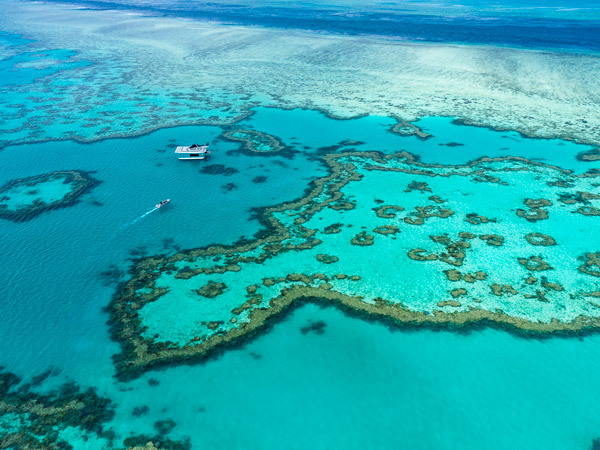
an aerial view of the reefs surrounding Hamilton Island, Great Barrier Reef
Hamilton Island is a gateway to the magnificent reef. (Image: Tourism and Events Queensland)

In 1981, the Great Barrier Reef was officially crowned a UNESCO World Heritage Site, added to the World Heritage List for its ‘Outstanding Universal Value’. So what? Well, it’s significant as it propels support for the reef’s preservation and reiterates its cultural value. Other global sites include the Pyramids of Egypt, the Grand Canyon in the USA and the Galápagos Islands in Ecuador — so we’re hanging with pretty solid company.

Need tips, more detail or itinerary ideas tailored to you? Ask AT.

AI Prompt

5. It is globally renowned for its biodiversity
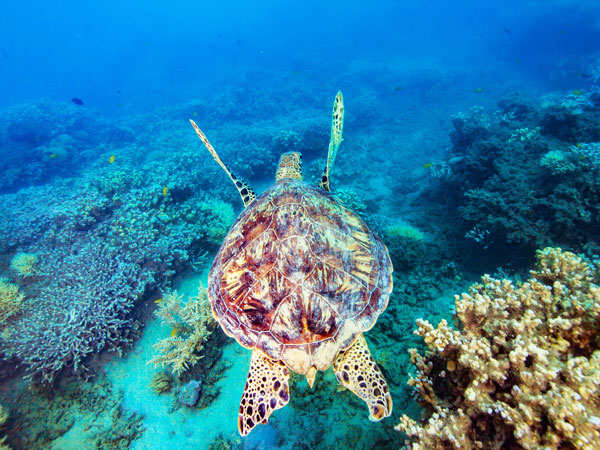
a sea turtle swimming beneath Frankland Islands, Great Barrier Reef
The Reef is home to six out of the world’s seven sea turtle species. (Image: Tourism Australia)

A staggeringly complex collection of more than 300 coral reefs, the Great Barrier Reef is home to more than 400 coral species, 1,500 fish species, six of the world’s seven marine turtle species, 2,000 square kilometres of mangroves and so much more. It supports much of the marine life Australia is renowned for, including dugongs. The reef is home to major dugong feeding grounds, creating one of the world’s largest dugong populations.

While we’re throwing out impressive numbers, add 30 species of whales and dolphins, more than 240 bird species and thousands of plant species to its roll call before you even consider counting each coral cay’s unique flora and fauna.

6. It’s threatened by a string of natural factors
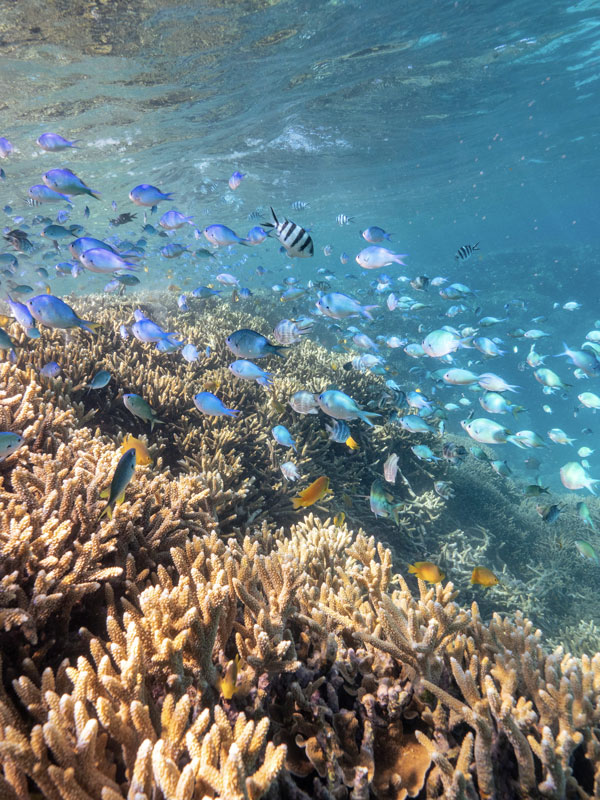
fishes swimming around vibrant coral reefs, Lady Musgrave Island
Coral bleaching continues to threaten the Reef’s marine species. (Image: Tourism Australia)

Sadly, natural elements serve as the biggest threat to the Great Barrier Reef. Rising sea temperatures affect coral livelihood and often lead to coral bleaching, where coral struggles to recover. Additionally, marine species are forced to search for cooler waters, meaning there’s impossible competition for food and shelter.

Declining water quality from land-based run-off is also bringing pesticides and other pollutants into the sea.

7. It’s also threatened by human interference
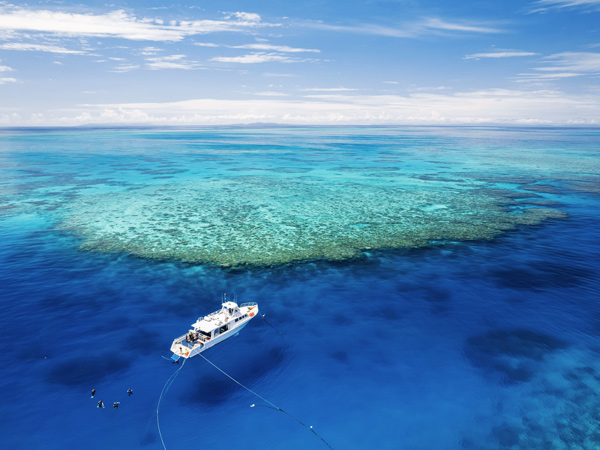
a boat conducting a Great Barrier Reef tour
Sustainable tours allow you to explore the reef responsibly. (Image: Tourism Australia)

Responsible commercial fishing practices are crucial in keeping the Great Barrier Reef safe. These practices, which include limiting fishing licences and restricting vessel capacity and sizes, work to prevent overfishing and the fishing of endangered species.

Additionally, pollution, plastic particularly, is also a key driver when it comes to the reef’s decline. Plastic effortlessly smothers seagrass beds and corals, blocking the sun from nourishing it and encouraging the growth of invasive dangers like the crown-of-thorns starfish.

8. It’s home to some of Australia’s most pristine islands
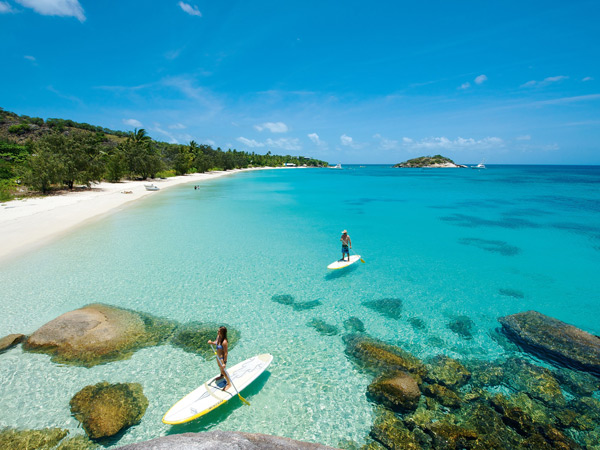
stand-up paddle boarding on Lizard Island
Go stand-up paddleboarding on the serene waters. (Image: Lizard Island)

Home to almost 1,000 islands in total, the Great Barrier Reef is where you’ll find the likes of Hamilton Island, Lizard Island, Lady Elliot Island and other highly coveted holiday hot spots. No matter where you point your compass, powdery white sand, rippling turquoise waters and outstanding snorkelling and diving hot spots abound.

Weekly travel news, experiences
insider tips, offers, and more.

9. You can spend a night under its waters
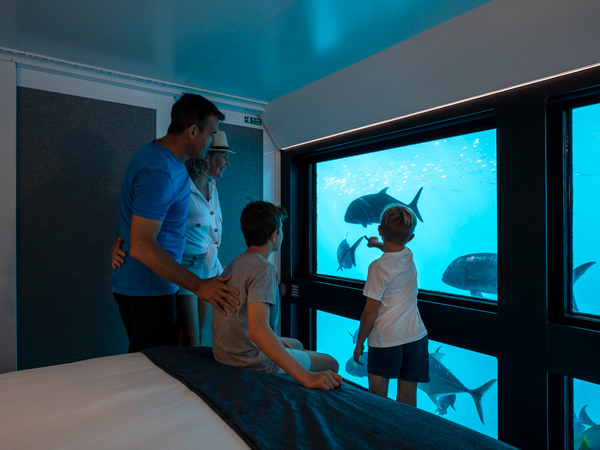
a family staying with the fishes at Reefsuites, Great Barrier Reef facts
Sleep with the fishes in Australia’s first underwater hotel. (Image: Tourism and Events Queensland)

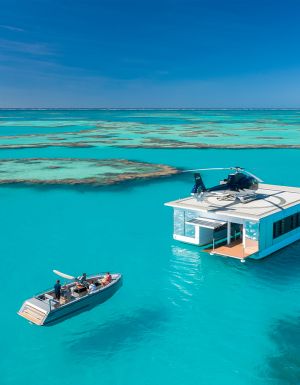
Embrace responsible tourism throughout the Great Barrier Reef via environmentally friendly accommodation picks. Arguably the most unique is Australia’s first underwater hotel, Reefsuites. Guests are invited to lie in bed and watch as incredible marine life flutters beyond floor-to-ceiling windows. Two room styles are available — either a king double or twin single variety — and all meals are included in every stay.

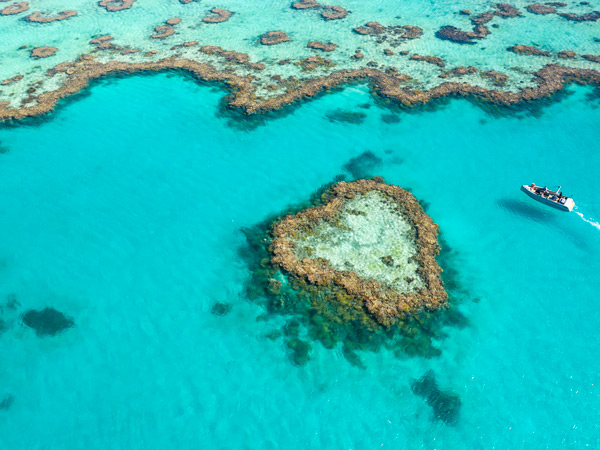
an aerial view of Heart Reef, Great Barrier Reef facts
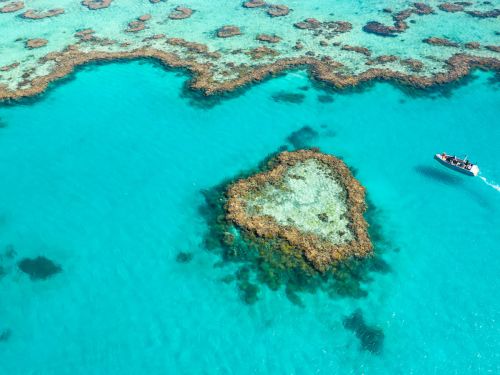
Glimpse the heart-shaped reef from above. (Image: Tourism and Events Queensland)

One of the best day trips departing off Hamilton Island, Heart Reef is a tiny cluster of coral that has created the shape of a heart, especially when viewed from above. Simple to snap while exploring the Great Barrier Reef through one of its best aerial-based tours (more on touring the Great Barrier Reef below), the highly Instagrammable attraction is located within Hardy Reef, less than 10 kilometres from the Reefworld pontoon, which houses the glorious Reefsuites.

11. Cairns and Port Douglas offer easy day trip access
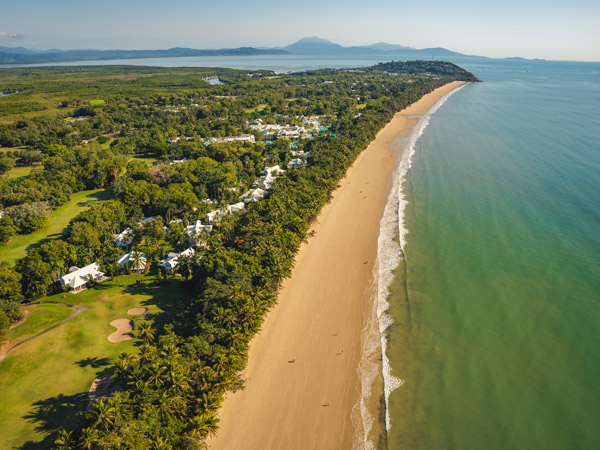
Four Mile Beach, Port Douglas from above
The mountains meet the sea on Four Mile Beach. (Image: Tourism and Events Queensland)

Serving as the main ports for Great Barrier Reef day tripping, Cairns and Port Douglas are magnets for active holiday makers. The most responsible way to comb through the highlights is via one of the reef’s most environmentally conscious tours, blending first-hand insight (often from marine biologists) with expert navigation throughout the region’s ultra-vibrant sights.

12. Visitors can help cement a sustainable future
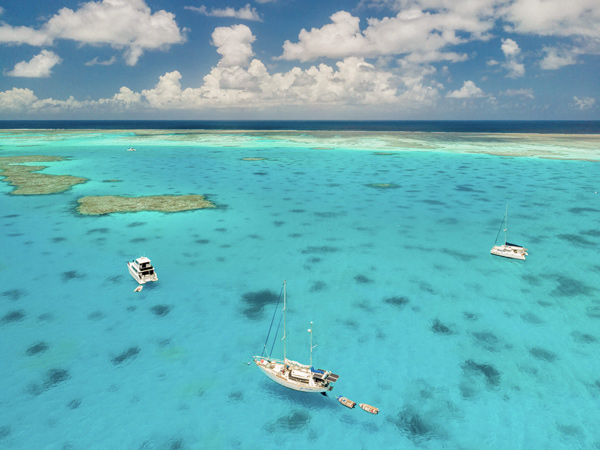
Great Barrier Reef boat tours on the turquoise, clear waters of Lady Musgrave Island
Sign up for environmentally conscious Great Barrier Reef tours. (Image: Tourism Australia)

There’s plenty more work to be done in ensuring the Great Barrier Reef remains as spectacular as it stands today. Play your part by choosing eco-conscious tours, which also support sustainable tourism, steering clear of physically touching coral, opting for mineral sunscreen rather than chemical-based varieties and removing litter where you can. They’re simple gestures but don’t underestimate their impact — our most beautiful natural creation requires more than a sliver of our attention.

Discover the best Great Barrier Reef accommodation near the Great Barrier Reef

Kristie Lau-Adams
Kristie Lau-Adams is a Gold Coast-based freelance writer after working as a journalist and editorial director for almost 20 years across Australia's best-known media brands including The Sun-Herald, WHO and Woman's Day. She has spent significant time exploring the world with highlights including trekking Japan’s life-changing Kumano Kodo Pilgrimage and ziplining 140 metres above the vines of Mexico’s Puerto Villarta. She loves exploring her own backyard (quite literally, with her two young children who love bugs), but can also be found stalking remote corners globally for outstanding chilli margaritas and soul-stirring cultural experiences.
View profile and articles
hero media

Exploding supernovas & gold fever: discover the past at this outback Qld town

    Kassia Byrnes Kassia Byrnes
    Under wide-open outback skies, discover a fossicking gem that’s managed to slip under the radar.

    While the name Clermont may feel new to even the most intrepid traveller, its gilded history stretches back centuries. You’ll find it just off the highway, humming quietly under the hazy veil of Queensland’s outback sun. It’s here, hemmed in by mountains and perched atop soil heavy with the earth’s treasures, that one of Australia’s most accessible outback adventures awaits.

    Thanks to deposits of gold, copper and gemstones – souvenirs left by exploding supernovas and the heave of tectonic plates – Clermont became a centre point of Queensland’s Gold Rush. And now? Australia’s fossicking capital is yours to discover.

    Getting there

    car driving along Capricorn Way in queensland
    Take a drive through Queensland’s Mackay Isaac region. (Image: Sean Scott/ TEQ)

    You’ll find Clermont in Queensland’s Mackay Isaac region. To get here, it’s an easy three-hour drive over sealed roads from Mackay. Or, if you’re heading from the Sapphire Fields of Emerald, the drive will carve out just over an hour from your day.

    Whether you’re road-tripping through outback Queensland or just tracing your way through all that Australia has to offer, Clermont is remote but easily accessible.

    Best accommodation in Clermont

    Theresa CreekDam in clermont
    Camp by Theresa Creek Dam. (Image: Riptide Creative/ TEQ)

    All accommodation comes with a generous helping of country hospitality here. The choice is yours between modern hotels, parking up the camper or pitching a tent.

    Theresa Creek Dam lies just outside town. Begin each day with crisp country air and bright outback sunrises. Spend the night under the sparkling country stars and your days out on the dam fishing or kayaking. Even if you aren’t camping, be sure to save space in your itinerary for an afternoon on the red dirt shore.

    To stay closer to town, opt for a central hotel to base yourself between exploring and fossicking, like Smart Stayzzz Inn and Clermont Country Motor Inn.

    Things to do in Clermont

    three people on a tour with Golden Prospecting
    Join a tour with Golden Prospecting.

    One does not visit Clermont without trying their hand at fossicking. There are strict rules when it comes to fossicking, so stick to areas dedicated for general permission and make sure you obtain your license beforehand. Try your luck at McMasters, Four Mile, Town Desert, McDonald Flat and Flat Diggings. To increase your odds, sign on for a tour with the expert team at Golden Prospecting. They’ll give you access to exclusive plots and expert advice along the way.

    Once you’ve tried your luck on the gold fields, head to the Clermont Township and Historical Museum. Each exhibit works like an archaeologist’s brush to dust away the layers of Clermont’s history. Like the steam engine that painstakingly relocated the entire town inch by inch to higher ground after it was decimated by flooding in 1916. See the tools that helped build the Blair Athol mine, historic fire engines, shearing sheds and all sorts of relics that make up Clermont’s story.

    The historic Copperfield Chimney offers a change of pace. Legend has it that fossickers found a solid wall of copper here, over three metres high, kick-starting Queensland’s first-ever copper mine.

    Bush Heli Services flying over clermont queensland
    See Clermont from above with Bush Heli Services. (Image: Riptide Creative/ TEQ)

    For hiking, nearby Dysart is the best place to access Peak Range National Park. Here, mountainous horizons stretch across the outback as if plucked from another world. Set off for a scenic drive along the Peak Downs Highway for access to countless geological wonders. Like the slanting rockface of Wolfang Peak. Summit it, and you’ll find yourself looking out across a scene surely conjured up by Banjo Paterson. Dry scrub dancing in the warm breeze, grazing cattle, eucalypts and the gentle creak of windmills. Don’t miss visiting Gemini Peaks, either, for one of the park’s best vistas, and a blanket of wild flowers after rain.

    Then, take to the skies with a scenic helicopter tour with Bush Heli-Services. Shift your perspective and cruise above all the sights from your trip. Spots like Lords Table Mountain and Campbell’s Peak are best viewed from the skies.

    Before you head home, be sure to explore the neighbouring townships. Spend a lazy afternoon in the shade of Nebo Hotel’s wrap-around verandahs. The hotel’s 1900s dance hall has since been replaced with one of the area’s biggest rodeo arenas, so consider timing your trip to line up with a boot scootin’ rodeo. Or, stop by a ghost town. Mount Britton was once a thriving town during the 1880s Gold Rush. It’s been totally abandoned and now lies untouched, a perfect relic of the Gold Rush.

    Best restaurants and cafes in Clermont

    meal at Commercial Hotel
    Stop into the Commercial Hotel Clermont.

    Days spent fossicking, bushwalking and cramming on history call for excellent coffee and hearty country meals. Luckily, Clermont delivers in spades.

    Lotta Lattes Cafe is beloved by locals for a reason. Start your days here for the best caffeine fix in town and an impeccable brunch menu.

    For a real country meal, an icy cold beer and that famed country hospitality, head straight to the town’s iconic hotel: the Commercial Hotel (known endearingly to locals as ‘The Commie’). It’s been a staple in Clermont since 1877. The hotel even survived the flood of 1916 when it was sawn in two and moved to higher ground.

    Naturally, time spent in the outback must include calling into the local bakery. For delicious pies and a tantalising array of sweet treats, make Bluemac Bakehouse your go-to while in town.

    Discover more of The Mackay Isaac region, and start planning your trip at mackayisaac.com.