Start here for the best things to do in the Adelaide hills that go beyond wine tasting.
Of course, you’re going to be spending a sizeable measure of time in the undulating Adelaide Hills sipping wine. We have that itinerary covered for you here, and dining, too. But there are plenty of other things you really should do on a visit to this beautiful region.
From strawberry-picking to ice-cream-licking, and bike-riding to summit-hiking, you’ll find plenty of extra-curricular activities to complement your viticultural pursuits. It’s worth adding an extra day or two just to ensure you can adopt a leisurely pace to explore more. Here are 14 of the best things to do in the Adelaide Hills.
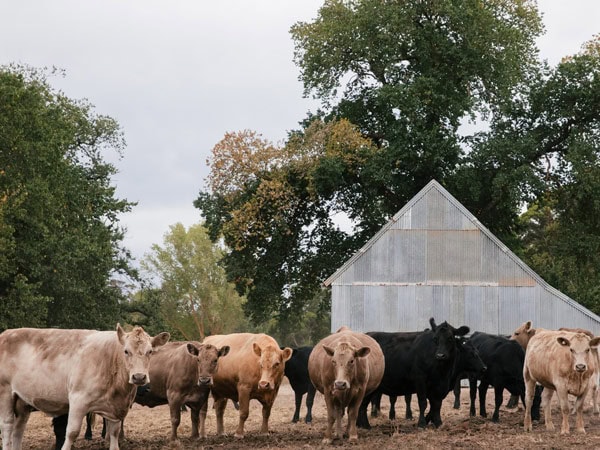
1. Beerenberg Farm
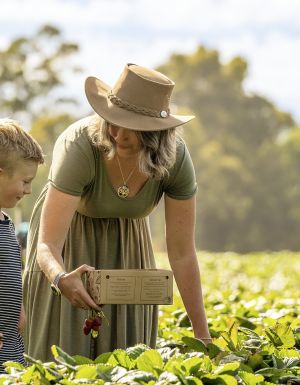
An Adelaide Hills institution, Beerenberg is a must-visit on your tour of the region. The family name may be familiar from supermarket shelves across the country, but here you’ll discover the provenance of flavour that makes Beerenberg’s jams, sauces and marinades so delicious.
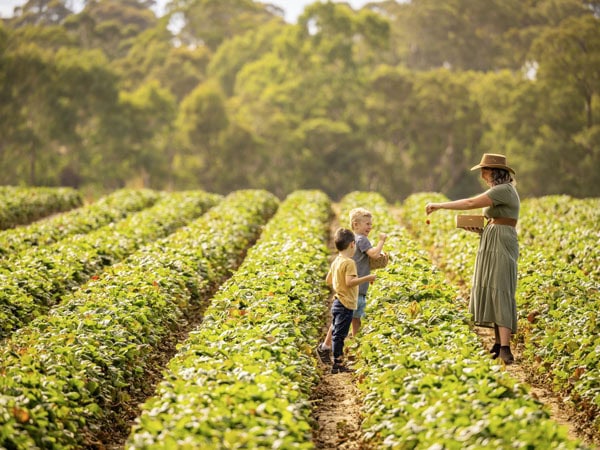
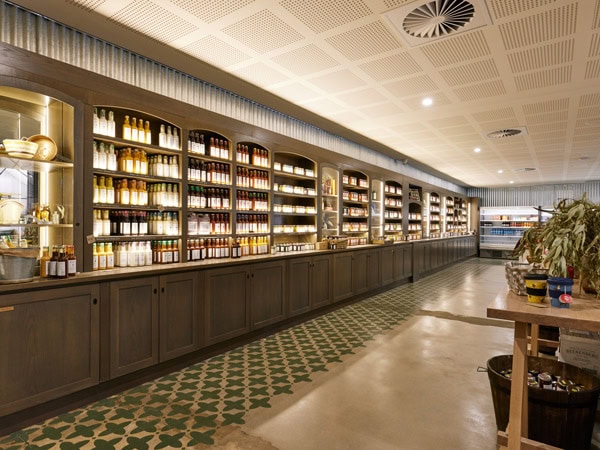
In strawberry season (November to April), head to the Hahndorf farm to pick your own basket of berries from the patch or pop in any time to enjoy breakfast, lunch or afternoon tea at the farm cafe and shop.
Kids won’t leave without a visit to The Dairy, the farm’s ice creamery, where waffles, thickshakes and homemade gelati will hit the insatiable sweet spot head-on.
2. Sticky Rice Cooking School
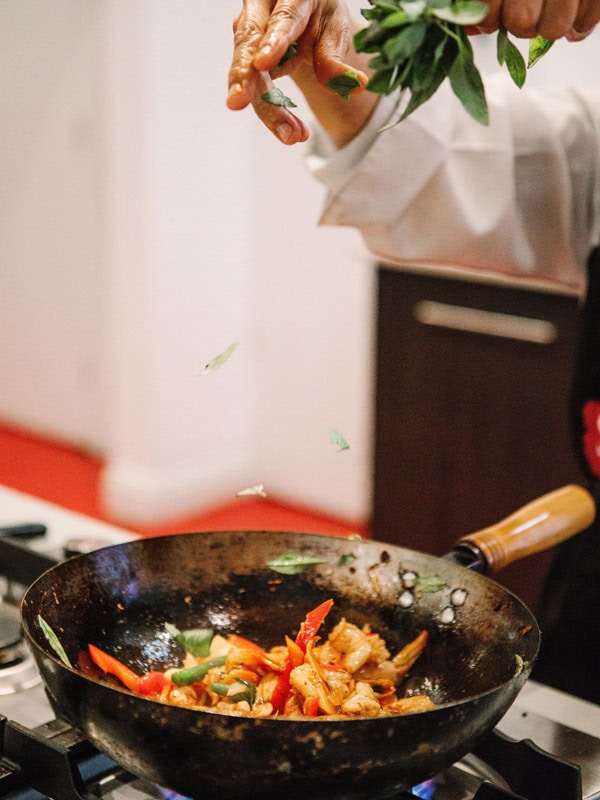
Fire up the wok and expand your signature dish repertoire with some culinary tuition at Sticky Rice Cooking School. This well-run Adelaide Hills favourite has been honing the skills of home chefs since 2008, plumping up their pad Thai, fine-tuning their dumpling-folding technique and crisping up their pork belly.
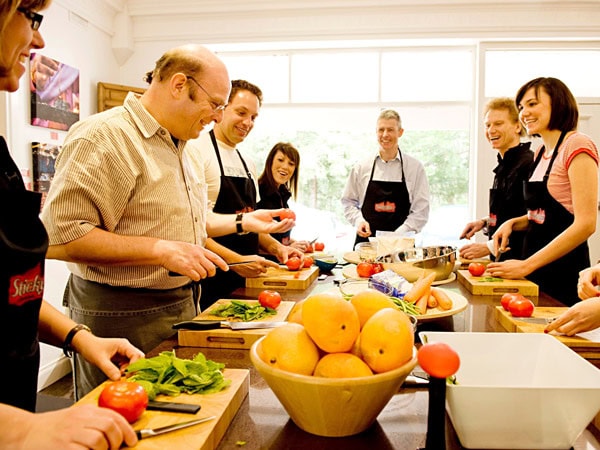
It’s mostly Asian-style menus here, from Japanese to Malaysian and Thai, but you’ll also find classes covering Spanish and Middle Eastern. If you’re too full from your own masterful creations, stay onsite at one of the three beautiful, Asian-inspired villas.
3. Cycle the Hills
Take to two wheels for a fun way to wind through the Adelaide Hills. Bike About guides culinarily inclined cyclists on a tour of Hahndorf and her surrounds, stopping at local wine and food producers along the way.
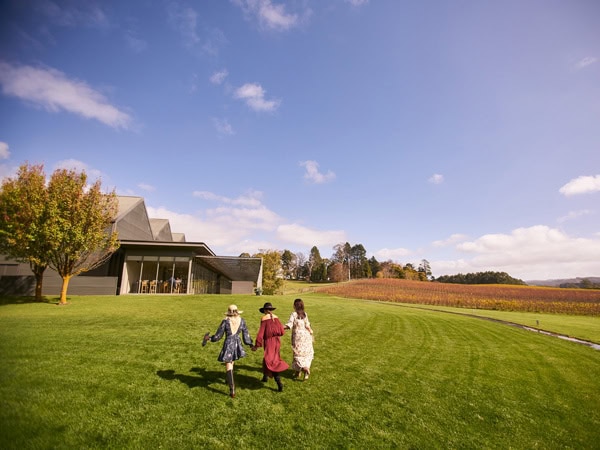
The five-hour outing sees you pedal to Beerenberg to pick strawberries, into Udder Delights to sample cheese, and onto Shaw + Smith to sip their award-winning wines.
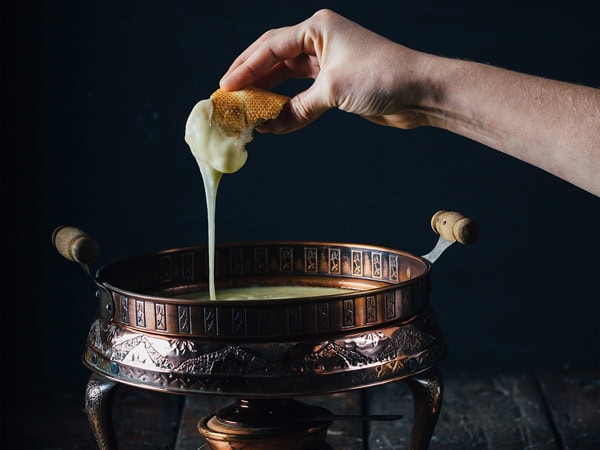
While some effort is involved, it’s relatively minimal given you’re issued with an e-bike for the journey – allowing you to enjoy the breeze on your face as you woosh past the stunning countryside.
4. Cleland Wildlife Park
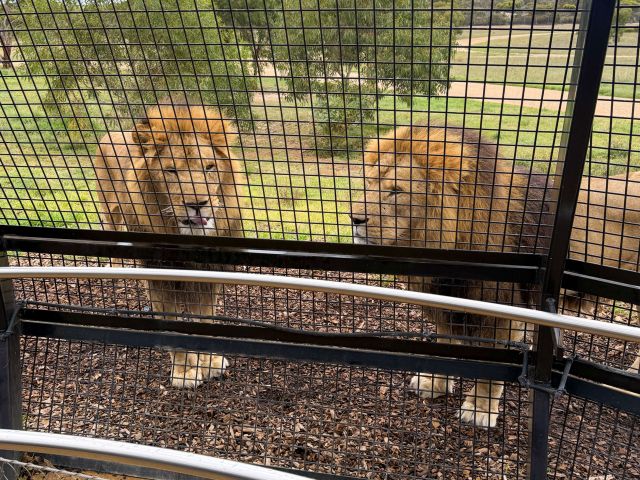
Furred and fluffy locals hang about at Cleland Wildlife Park wowing visitors with their adorable cuddliness.
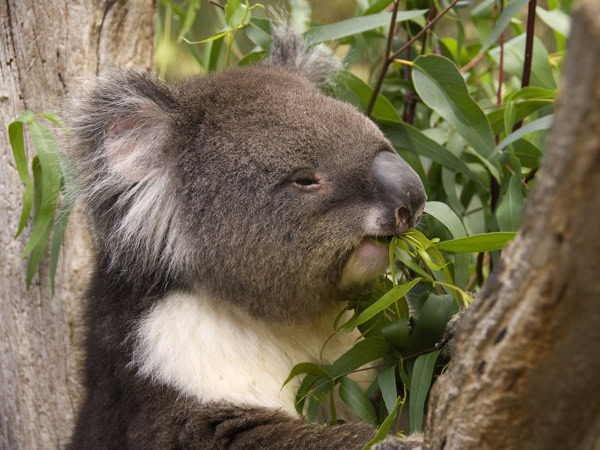
Most animals here live in a natural habitat but are quite accustomed to fawning parkgoers and will often willingly accept pats and feed and pose for the occasional photo.
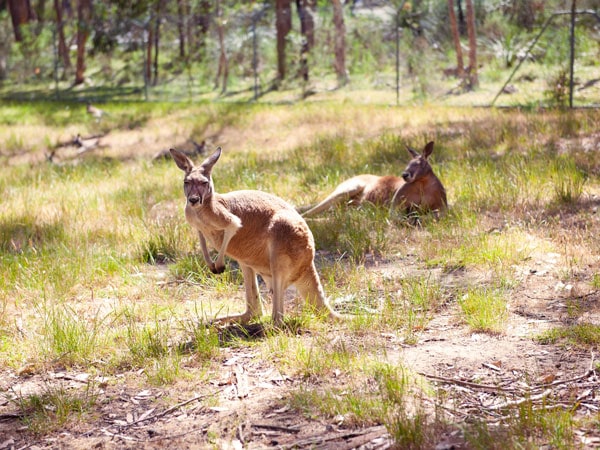
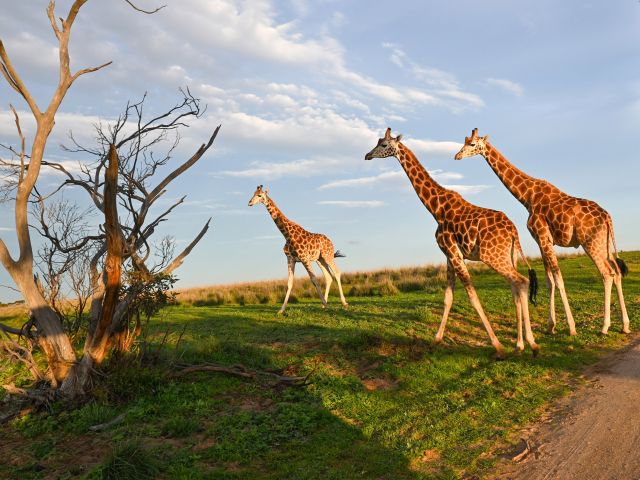
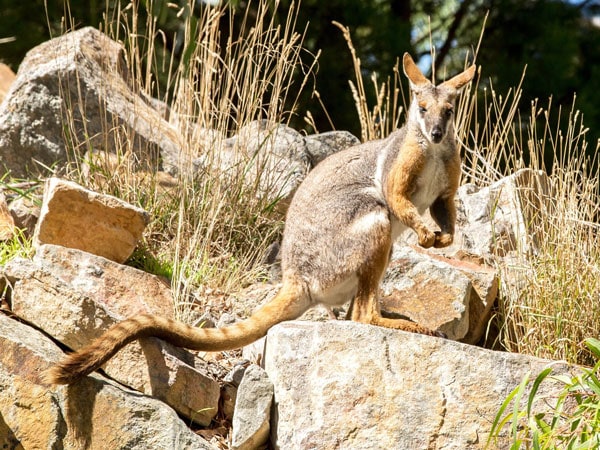
While koalas are the headliners, you may also spot kangaroos, wallabies, wombats, potoroos, dingoes, native birds, reptiles and even the shy echidna. Stay tuned for the soon-to-open educational hub, Koala Loft, where visitors can interact with koalas and learn about their conservation.
Need tips, more detail or itinerary ideas tailored to you? Ask AT.
AI Prompt
5. Ambleside Distillers
Even the most devout oenophiles need to cleanse their palate every now and then. Break up a wine-focused excursion with a visit to the Ambleside Distillery to try their selection of botanically infused gins.
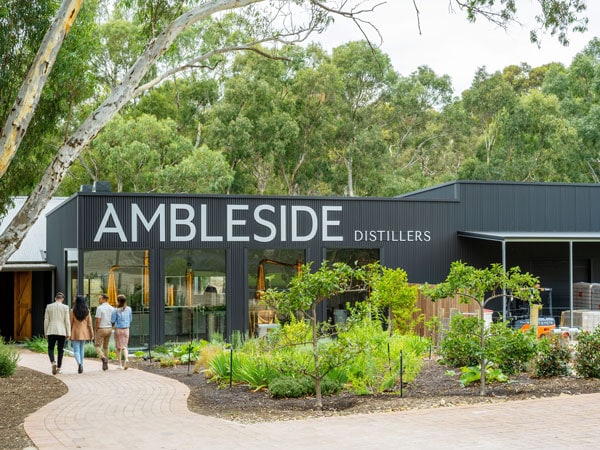
Their spirited collection includes seasonal releases, such as mandarin gin made from South Australian citrus and the blossom gin crafted with strawberries from Beerenberg and rose from Jurlique, as well as their core range infused with local and native ingredients.
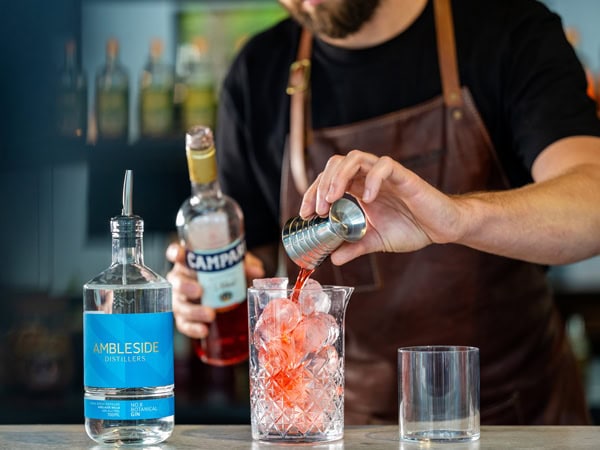
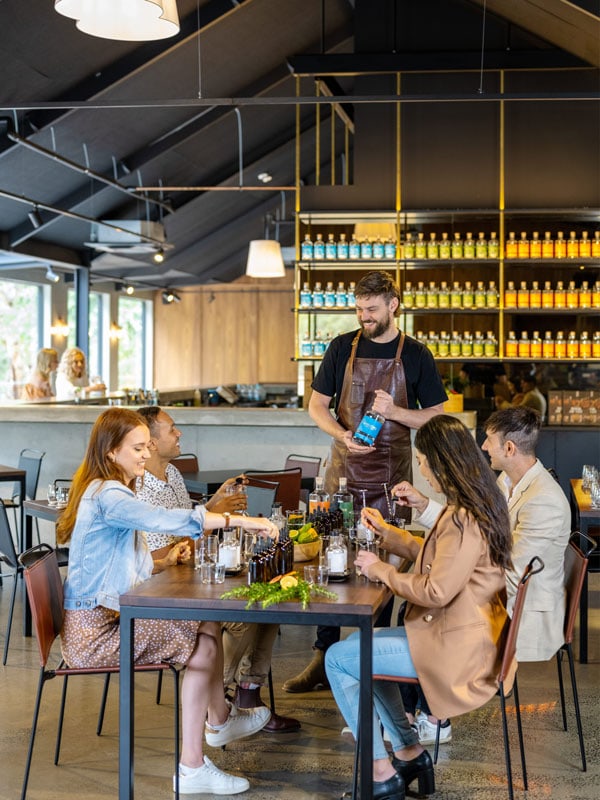
Try a selection with a gin flight at the distillery or sip one (or more) of their refreshing gin cocktails. If the sun is shining, find a spot on the lawn and temper your tasting with some nibbles or a toastie.
6. Mount Lofty Botanic Gardens
To see how the cool-climate garden grows in the Adelaide Hills, carve out a little time from your rigorous wine-tasting schedule to wander the beautiful Mount Lofty Botanic Gardens.
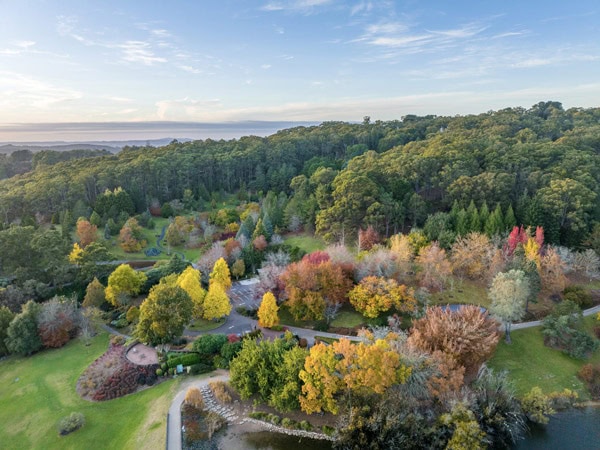
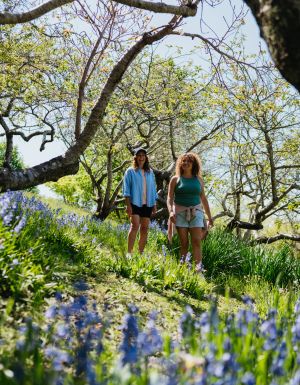
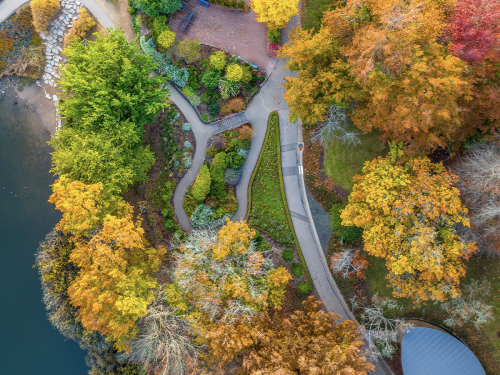
Meandering over 97 hectares and planted with different gardens and gullies – including a fragrant rose garden – it’s the prettiest place for a stroll in any season.
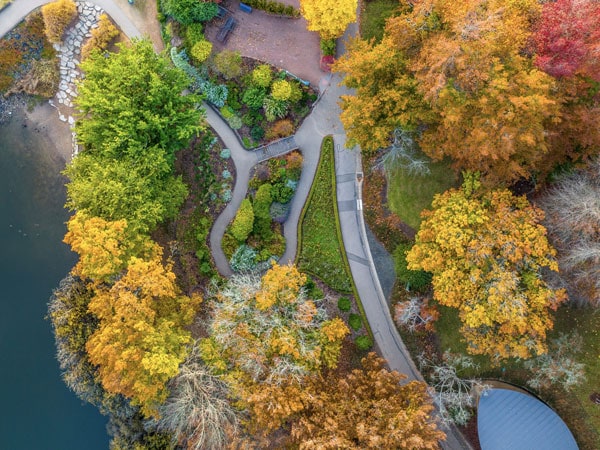
Along your walk, you’ll encounter a collection of sculptures, many by celebrated artist Greg Johns, as well as the Noel Lothian Viewing Platform, which spoils visitors with a pretty tapestry of foliage.
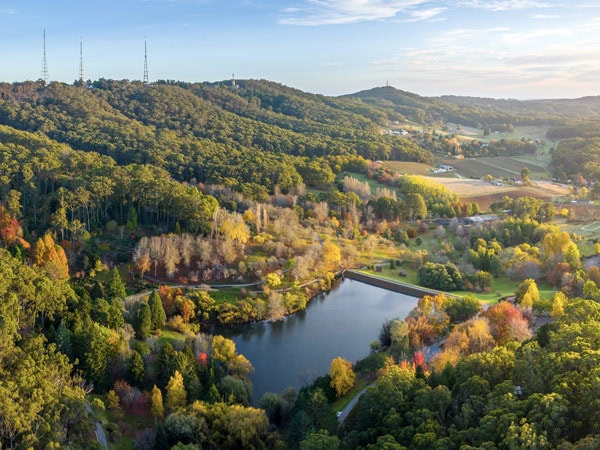
7. Wander through Hahndorf
It won’t take you long to discern something of a Bavarian theme in this charming Adelaide Hills town. Established in 1839, Hahndorf is Australia’s oldest surviving German settlement and this identity has been cleverly parlayed into a tourist drawcard. But apart from the toppings for your bratwurst, there’s nothing all that cheesy about Hahndorf.
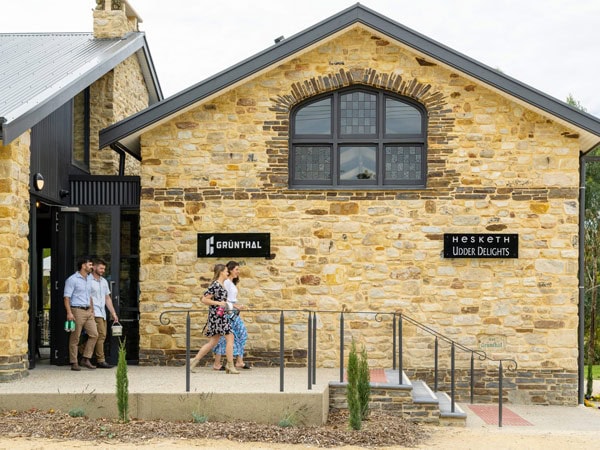
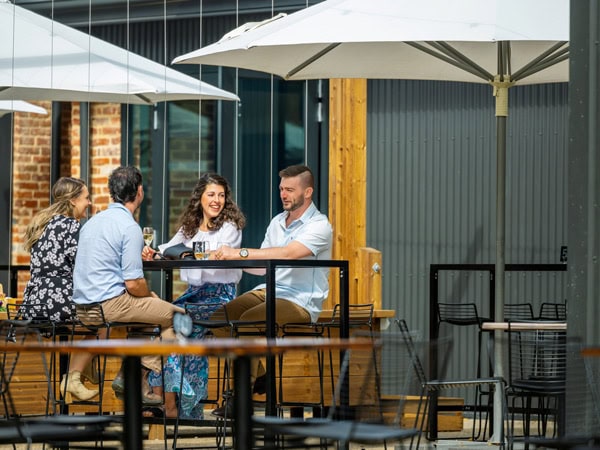
While there are a handful of German pubs, eateries and themed shops, it’s also just an adorable tree-lined town with historic buildings and a vaguely European vibe. Here you’ll also find the craft Grunthal Brewery, the chic Waldon’s General Store, and a stylish Spanish restaurant, Comida, among other finds.
8. The Stirling Market
If you happen to arrive in the Hills on the weekend of this long-established monthly market, you’ll have struck artisan gold. The Stirling Market is a collective of makers and creators with a bit of everything on offer to tempt any type of shopper. Peruse stalls selling plants, handicrafts, local honey, produce, toys, books, antiques and ceramics. There’s also hot food and coffee and live entertainment lending a convivial atmosphere to this community event.
Weekly travel news, experiences
insider tips, offers, and more.
9. Hike to the Mounty Lofty Summit
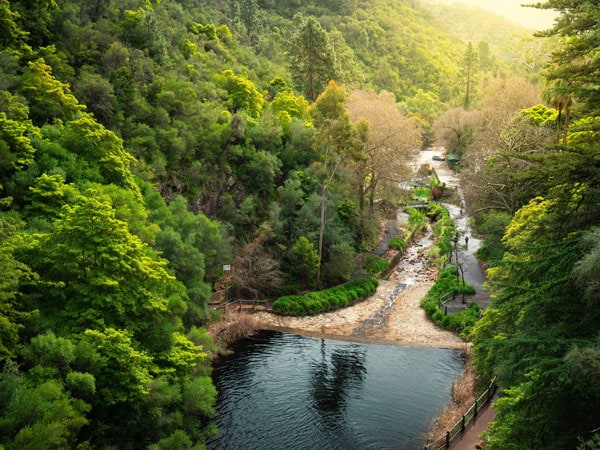
All the fine wining and dining done in the Adelaide Hills may call for a counterbalance of physical activity. The 7.8-kilometre return Waterfall Gully to Mount Lofty summit hike is a good way to offset indulgence given it’s an uphill climb. The steep hike is graded as ‘hard’, but should take no more than three hours up and back.
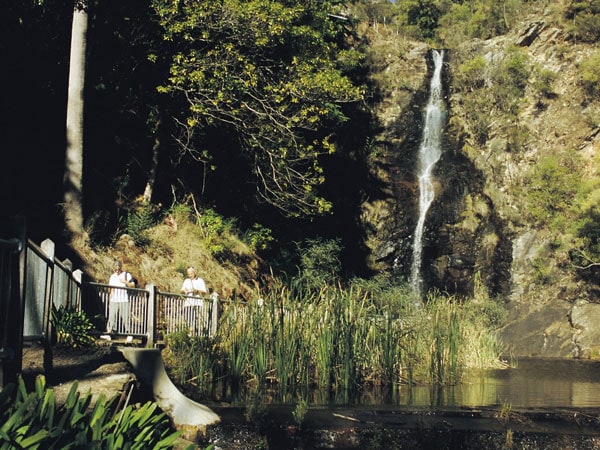
However, at the top, you will find The Summit Café and Function Centre, where you may feel like rewarding yourself with an Aperol spritz and delaying your descent or calling for a pick-up.
10. Browse Antiques
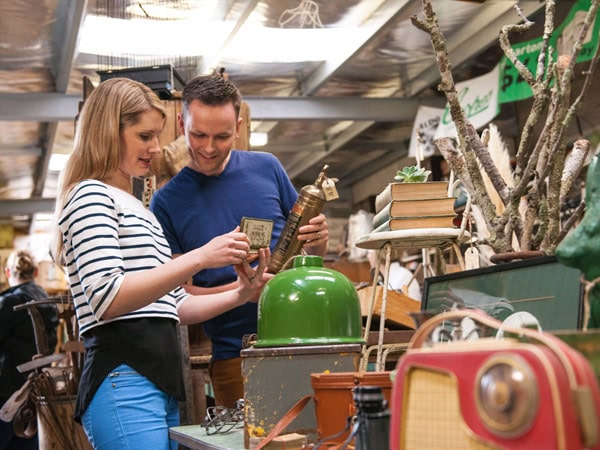
Country towns are often a goldmine for bygone bric-a-brac and the Adelaide Hills antique trade is no different. Scattered about is a collection of stores selling found and foraged objects with a certain rustic and rusted charm to delight the Antiques Roadshow set. Check out The Warehouse at Woodside, Hahdorf’s Grass Roots Vintage and Hahndorf Antiques and Collectibles, as well as Ambleside Antiques and the weekends-only The Local Produce Shop & Farmer’s Daughter, among others dotted about.
11. Woodside Cheese Wrights cellar door
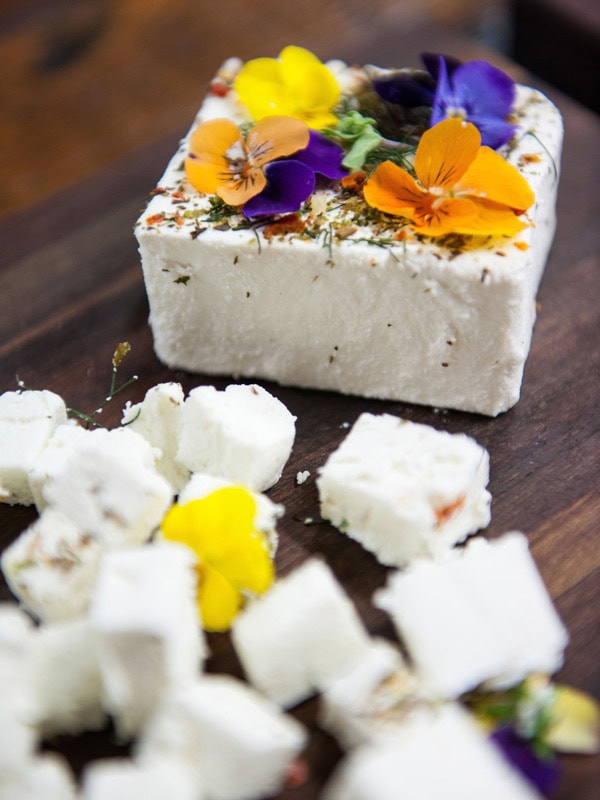
This artisan cheesemaker has been separating their curds and whey since 1994. The Woodside Cheese Wrights range includes cow and goat milk varieties made using local milk from surrounding dairies, so you’ll be able to taste the distinct terroir of the region. Their chevre is a cult product but swing by the Woodside cellar door to taste a number of deliciously creamy concoctions. Best enjoyed with a crusty loaf of bread and a crisp, Adelaide Hills white, of course.
12. Pull into roadside stalls
The fecund Adelaide Hills may be best known for its proliferation of grapes, but these hills are also alive with all manner of tempting produce. While you’ll find plenty on restaurant menus around the region, you can also collect your own provisions from the many roadside stalls and farm gates dotted from Verdun to Balhannah and Piccadilly to Uraidla. Particularly good if you’re staying in accommodation equipped with a kitchen. If you’re visiting in the summer months, you’ll find yourself amid a cherry fest. Find the plump, sweet fruit sold at stalls or you even pick your own. This guide will show you the way.
13. Jurlique Farm tour
For 35 years, Jurlique has been hydrating hands and other body parts using naturally grown botanicals from their Adelaide Hills farm. For skincare fanatics or anyone who enjoys a stroll around a beautiful garden, add a tour of this B-Corp Certified company to your itinerary. The 90-minute tour will take you behind the scenes of this beloved Australian skincare brand, while explaining the nature and science that goes into their products. If you’d rather go skin-deeper, opt for the eight-hour tour that includes an afternoon in the Jurlique Spa.
14. Eat, drink and be merry
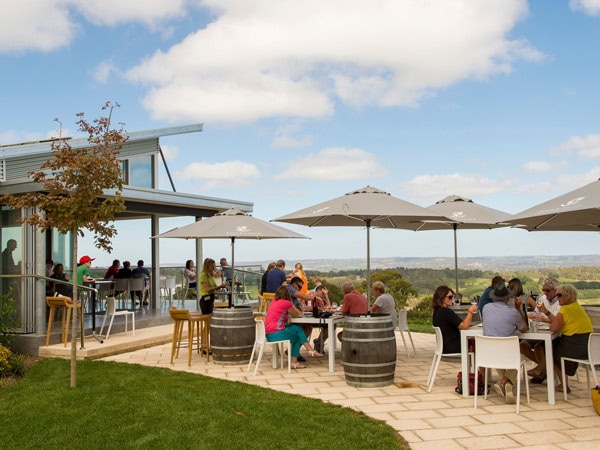
Of course, the top-tier reason for visiting the Adelaide Hills is to savour the area’s incredible wineries and complementary restaurants. While there are far too many to list here if you’d like to hit the vines, read our top picks here. And for booking in those gastronomic adventures, these are the best restaurants in the Adelaide Hills.
Need somewhere to rest your head? Choose from one of the best accommodations in Adelaide Hills.
Want to see more stories from Australian Traveller in your Google search results?
- Click here to set Australian Traveller as a preferred source.
- Tick the box next to "Australian Traveller". That's it.