How to see the best of the Festival City without spending a dollar.
Adelaide’s meticulously planned city centre is easy to navigate, especially with the free City Connector bus and tram that link the major attractions. And with a little planning, it’s possible to visit many of the city’s best sights without opening your wallet. Here are the best free things to do in Adelaide city.
1. Taste the local produce at Adelaide Central Market
Adelaide’s culinary landscape has come forward in leaps and bounds over the last decade, but if you can’t afford a seat at the ultra-fancy restaurants you can still visit the scene’s beating heart for free. With over 70 traders the undercover Adelaide Central Market has everything from karkalla kimchi to espresso-rubbed Italian cheese. Visit on a Tuesday, Thursday, Friday or Saturday and you’ll find the hall filled with colour and the clamour of voices as fruit and veg vendors hawk their wares to busy shoppers, and many of them have free samples for the curious.
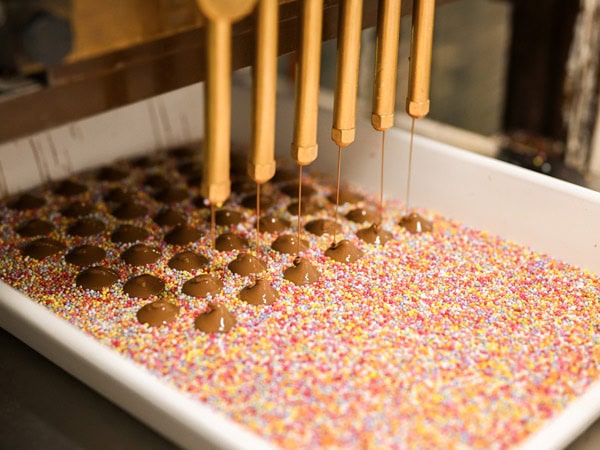
If you still have room afterwards, head to the family-owned Haigh’s Chocolates on the CBD’s southern outskirts to learn how they make their premium chocolates. They’ll take you through the entire production process from starting with ethically farmed cocoa beans to finished product, with a few tastings along the way.
2. Visit old (and new) cultural hubs
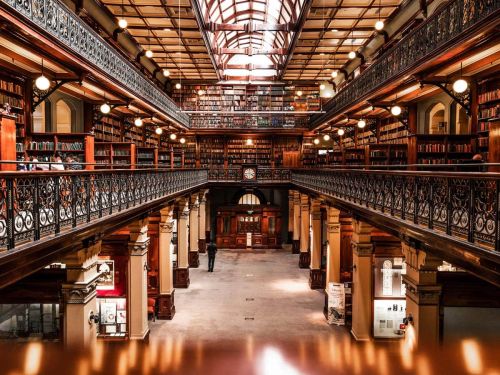
The grand South Australian Museum houses the largest collection of Aboriginal artefacts in the world, with over 3000 items on display alongside a broad range of natural and cultural history exhibits. It sits on cultural boulevard North Terrace, flanked by the State Library (home to the stunning mid-Victorian Mortlock Wing) and Art Gallery of South Australia , which has a broad collection of historical and contemporary art and the permanent exhibitions at all three are free.
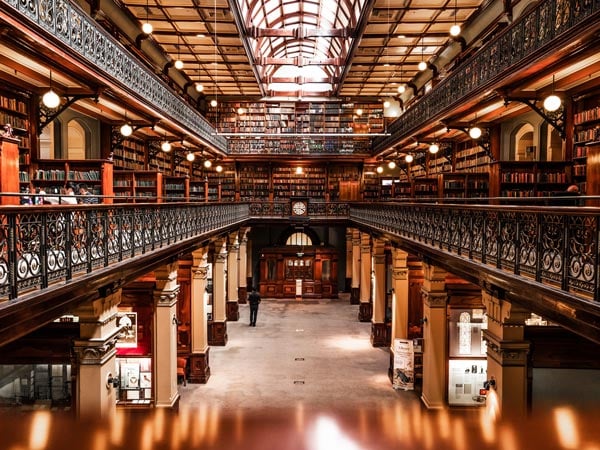
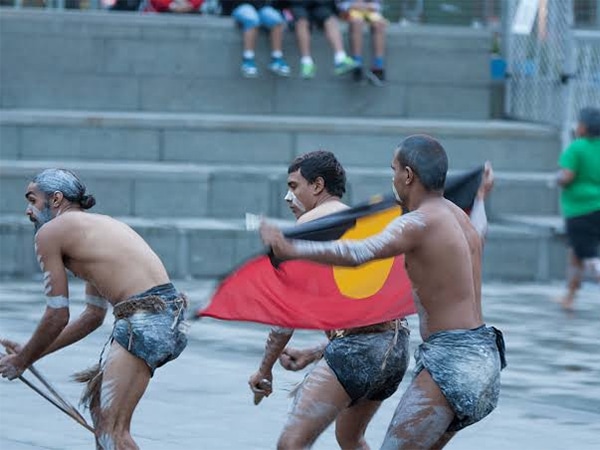
A short walk away, Tandanya National Aboriginal Cultural Institute draws its name from the Kaurna name for Adelaide (Tarndanyangga). Australia’s oldest Aboriginal-owned and managed multi-arts centre, it hosts regular exhibitions and events while the APY Gallery on Light Square provides a city home for artists from remote APY communities to work and exhibit.
3. Visit Adelaide’s best beaches
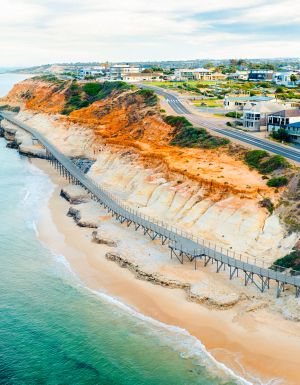
With more than 30 kilometres of continuous coastline, Adelaide has no shortage of great beaches. Glenelg is the most easily accessible thanks to a regular tram service and has plenty of sand for sunbathing or volleyball. But head slightly further afield and you’ll find some breathtakingly beautiful spots that are far less crowded.
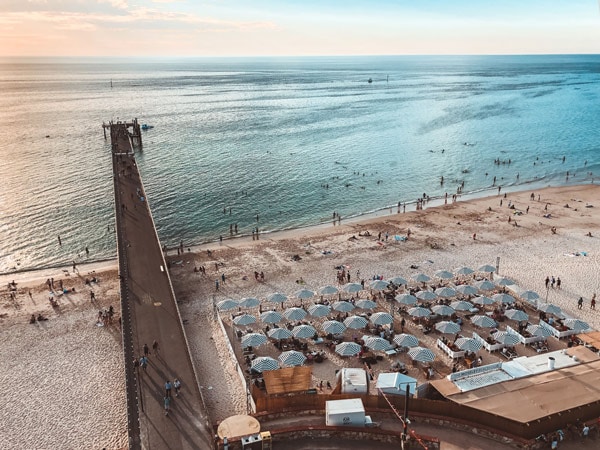
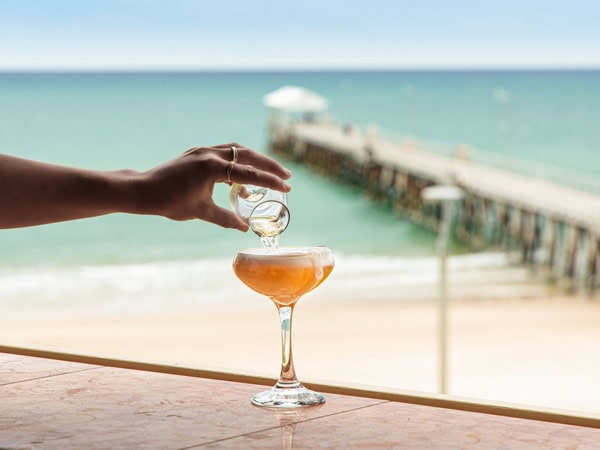
Watch the sun setting over the ocean with a cocktail in hand at Henley’s Seamore (granted, not free but the views are priceless) or enjoy the white sandy beach and gentle swell of Brighton, where George the sea lion is an occasional visitor. Further south, Port Noarlunga has a reef close to the jetty that’s perfect for snorkelling and you can float downstream beneath rugged sandstone cliffs at the nearby Onkaparinga river mouth.
4. Check out Port Adelaide
Forecasting the revitalisation of Port Adelaide is something of a state sport in South Australia, but a range of new openings in the past few years means that the dockside area is finally emerging from its decades-long slumber.
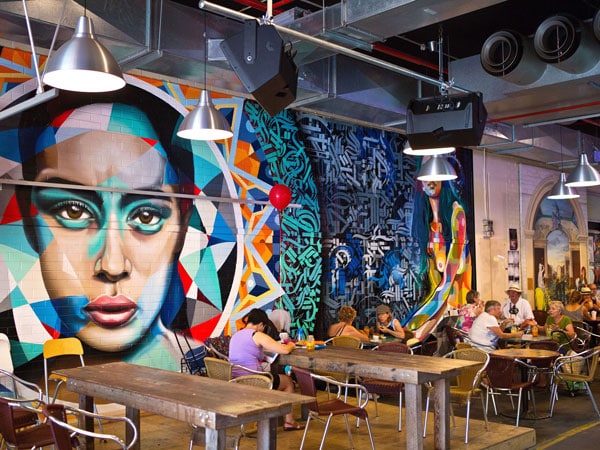
Pirate Life ’s huge new brewery and taphouse provides a focal point, just as Little Creatures’ venue does in Fremantle, and within a few minutes’ walk you’ll find locally run art galleries and mural-covered walls courtesy of the annual Wonderwalls Festival . Walk along the Port River and you’ll pass through the Adelaide Dolphin Sanctuary , where you might spot the only wild city-dwelling dolphins in the world.
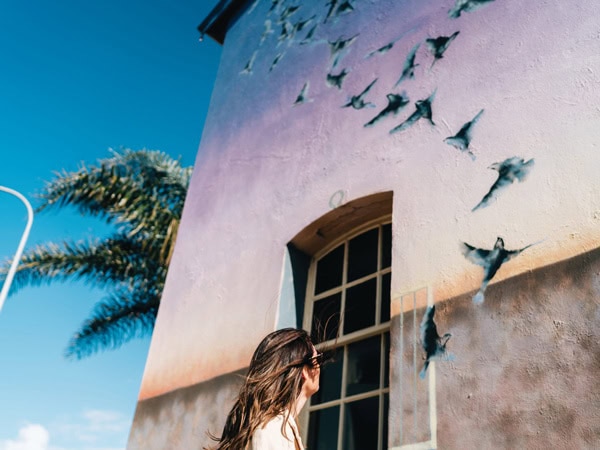
5. Attend an iconic Adelaide festival
South Australia didn’t earn the nickname ‘the festival state’ by accident. Things reach a peak in February and ‘Mad March’ when the Fringe and Adelaide Festival bring massive outdoor pop-up venues and hundreds of shows each night. Adelaide Writers’ Week and WOMADelaide also fall in this manic period but the calendar is full of events year-round.
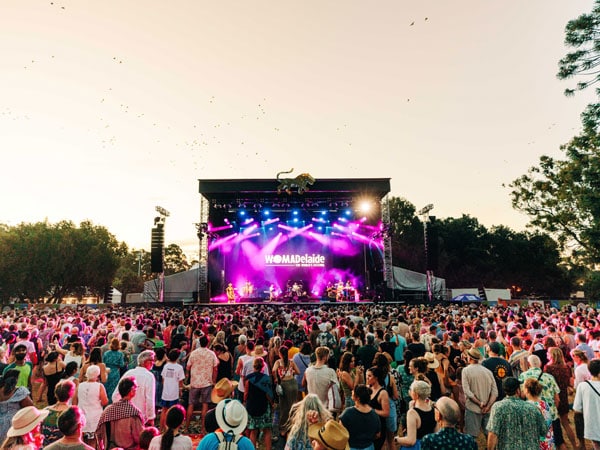
Food and drink festivals Tasting Australia and Beer & BBQ Festival celebrate local and international culinary heroes, while sporting fans are catered to with events like the Tour Down Under . These are joined by a stacked roster of cultural festivals including OzAsia , Tarnanthi , Feast and the Adelaide Film Festival , guitar and cabaret festivals (plus Cabaret Fringe ).
6. Check out Adelaide’s music scene
Walk down Rundle Street during the Fringe festival and there’s a good chance a desperate young performer will be handing out free tickets to avoid the embarrassment of an empty house. But you can catch gigs for free year-round in the UNESCO City Of Music. Billy Bob’s BBQ Jam is a local institution, a long-running open mic night every Monday at the much-loved Grace Emily Hotel that draws local legends and touring acts alike (Marlon Williams played an unofficial set there recently). The similarly old-school Exeter Hotel on Rundle Street has live music most nights, and afternoon gigs in the beer garden on weekends.
7. Hike Adelaide’s trails
Adelaide is a city literally surrounded by parks – the CBD is completely encompassed by the heritage-listed Park Lands. With over 750 hectares, there are plenty of green spaces to explore, but venture a little further and you can get an even better view along one of Adelaide’s many hikes.
Mount Lofty Summit is a popular drive (or weekend cycle) and offers sweeping views over the Adelaide plains and the Gulf of St Vincent. It’s also accessible by bus, and the nearby cool-climate Mount Lofty Botanic Garden is full of trails worth exploring (especially in autumn when the trees begin to change colour).
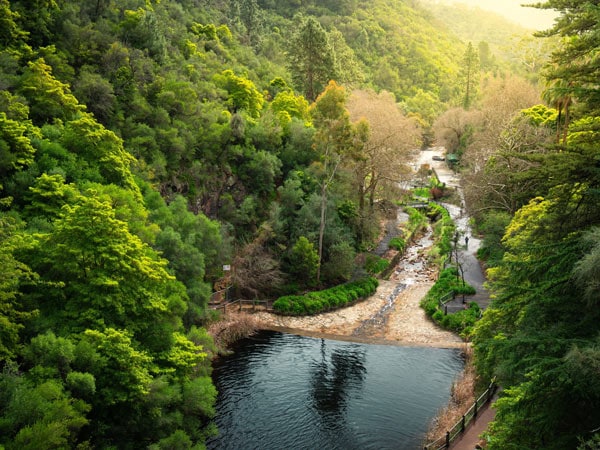
The steep 3.9-kilometre (one-way) trail to the aptly named Waterfall Gully is the state’s most popular walk for a reason, but for an equally beautiful (and less crowded) walk with city views, try the 5.8-kilometre Sugarloaf Circuit from Chambers Gully, where there’s a good chance koalas and kangaroos will outnumber walkers.