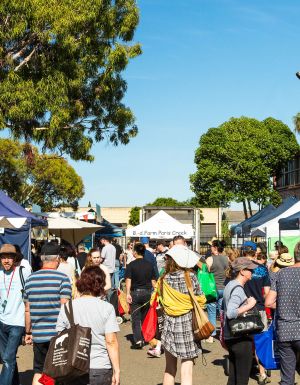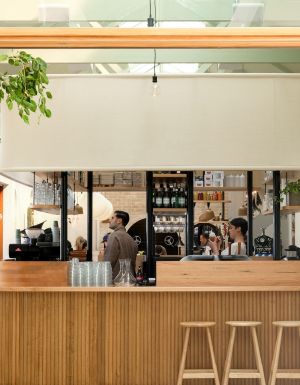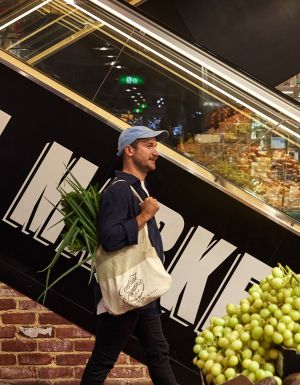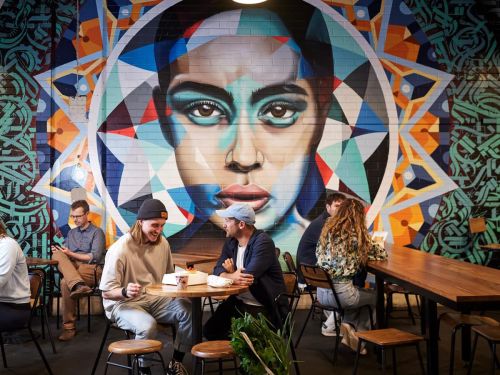
The Adelaide Central Market is the perfect place for the culinarily curious; colourful, chaotic and with community at its core.
Adelaide Central Market draws in more than nine million visitors per year for its mounds of fresh fruit and vegetables and endless variety of artisan produce. Located in the heart of Adelaide’s CBD, Adelaide Central Market is one of the city’s most iconic treasures; it’s also rated as one of the best fresh produce markets in Australia, and indeed, the world.
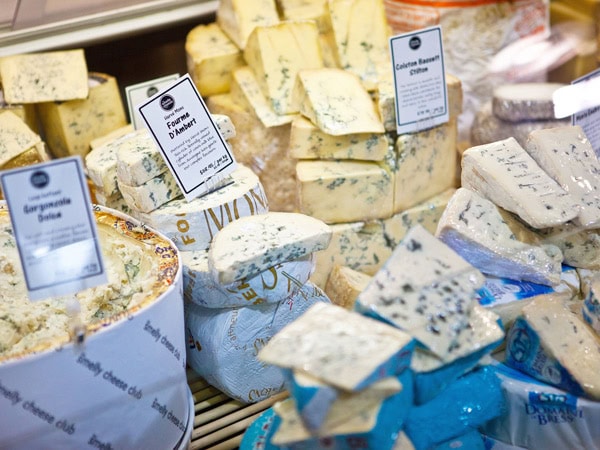
With over seventy produce stalls and freshly cooked delicacies from around the world, let your stomach be your guide during your visit.
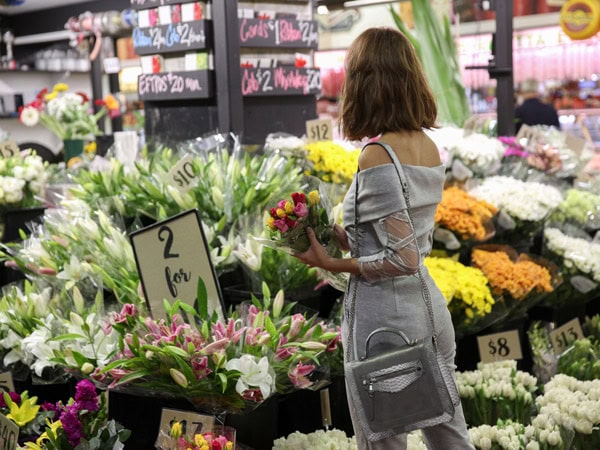
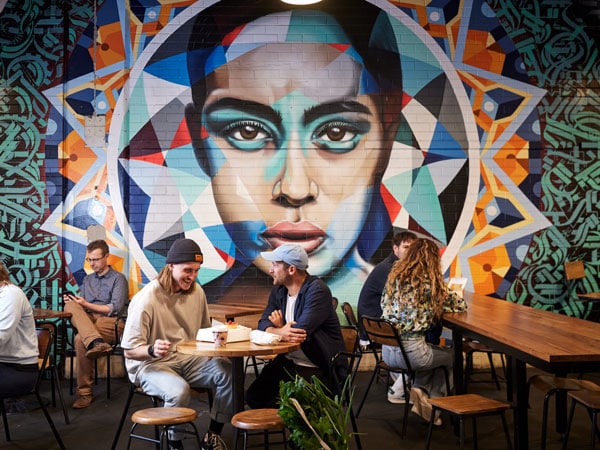
Founded in 1869, the Adelaide Central Market is the heart and soul of the Adelaide food scene. The magic of the market is the community who have come from all corners of the world to make Adelaide, or Kaurna country, home. Food connects us – to place and to each other – and there’s no better place to do that in Adelaide than this bustling food hall.
Getting to Adelaide Central Market
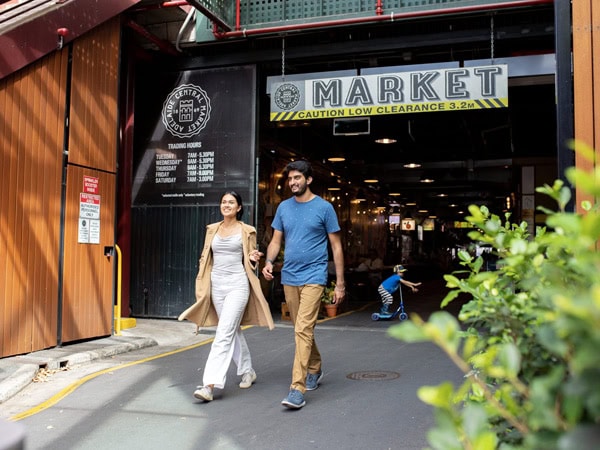
The central market is located between Gouger and Grote St in Chinatown on the western side of the CBD. Stop at Victoria Square on the tram and it’s an easy five-minute walk. The free City Connector bus has stops located on Grote St.
Central Market UPark is located just above the market and offers the first hour free to shoppers (T&C’s apply)
Getting Around Adelaide Central Market
To navigate the market, grab a map from the information desk near the Grote Street entrance or look up at the signage that marks each row of stalls with avenues.
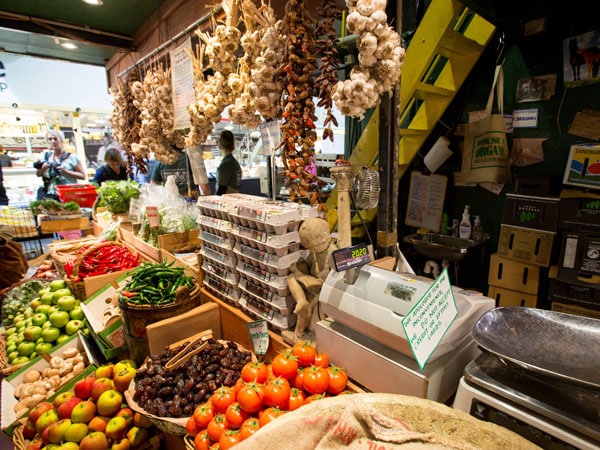
The market can be a sensory overload, so if you’d like someone else to lead the way consider booking one of Mark Gleeson’s tours. As an ex-chef and market stallholder he shares his passion and knowledge with visitors from all over the world. To whet your appetite before your visit, listen to the audio tour of the market on Spotify.
Need tips, more detail or itinerary ideas tailored to you? Ask AT.
AI Prompt
What to See at Adelaide Central Market
Shopping and food options
With a smorgasbord of culinary delights to choose from, here are some places (and people) not to miss.
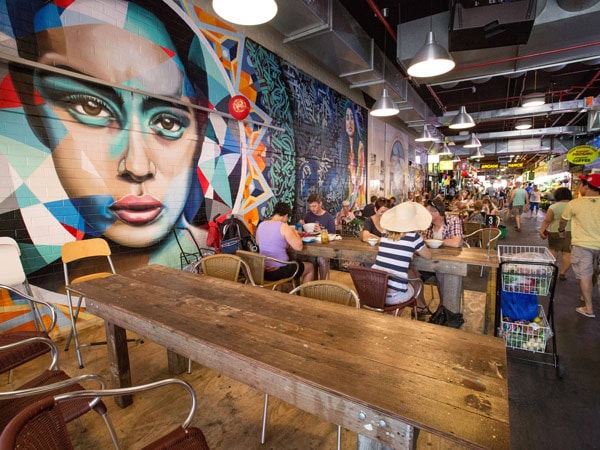
Lucia’s Italian restaurant founded in 1957 is now run by Lucia’s children and grandchildren, who serve up homely Calabrian comfort food. You might not be able to replicate the oh-so-soft gnocchi, but you can always take home some of Nonna’s sauce from the deli next door.
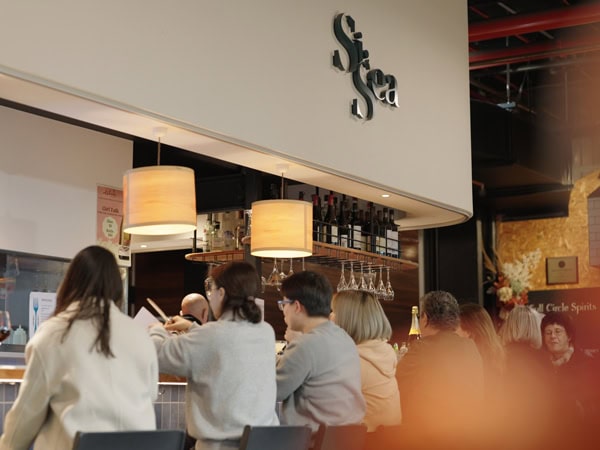
Si Sea is a European-style seafood and wine bar that began serving lunches and will soon expand to Saturday night suppers. With signature dishes like Thai mussels cooked fresh while you wait and handpicked South Australian wines, this is an ideal option for seafood lovers.
Owned by former AFL player Daniel Motlop, Something Wild Indigenous foods focuses on ethical and sustainable native Australian ingredients. The store showcases the breadth of local proteins and botanicals with fresh game meats from camel to kangaroo, native herbs like karkalla and strawberry gum and bush fruits like muntries and quandong. If you’ve finished your shopping, you can even pull up a seat at the bar to enjoy a taste of green ant gin or native yam vodka.
If you meet the Mushroom Man selling chanterelles, ask for a taste of the black garlic and truffle salt – it has enough flavour to make any dish pop.
Shoppers with a sweet tooth should head for Turkish Delight where Mona and Mohammed Hassan showcase their handmade and colourful sweets, or stop at Saudade for a warm Pastéis de Nata Portuguese tart.
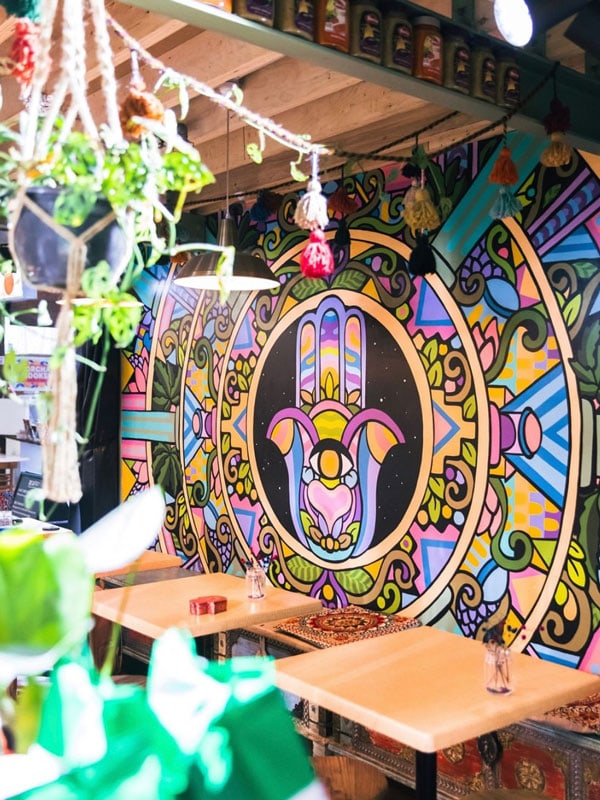
Real Falafel owner Mitch Aldaswari came from Saudi Arabia as a refugee, and today offers market-goers an authentic taste of the Middle East with one of the best falafels you’ll ever try. If North African cuisine is more your style, Le Souk cooks up Berber tagine dreams inspired by owner Azou’s Algerian roots.
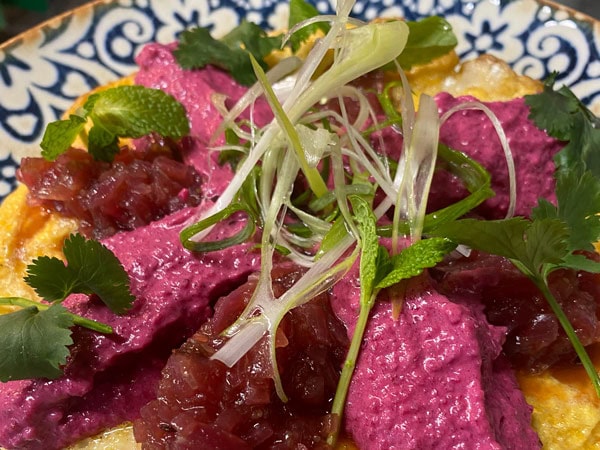
Don’t be fooled by the name – Sun Mi Sushi also serves very affordable Korean dishes like mung bean pancakes and bibimbap. Asian Gourmet makes Malaysian Sarawak laksa for those in the know; it’s not on the menu (shhh…) and is served on Fridays and Saturdays only.
Central Organic brings a cocoon of calm in the middle of the market with a range of certified organic products. Bring a container to refill your shampoo or soap from their flagons and help reduce single-use plastic.
If you don’t have time to visit Kangaroo Island during your stay in SA, the Kangaroo Island Shop is a great option for gifts showcasing over 450 products from island producers. Maybe stop for an award-winning KI gin while you’re here?
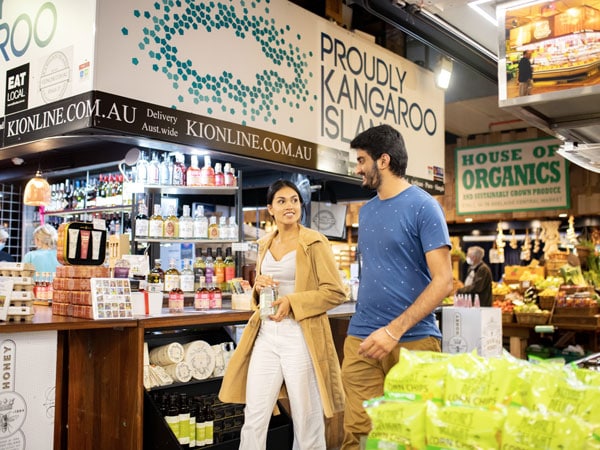
Look out for the ‘Producer in Residence’ of the month, showcasing the very best local food businesses like Masa Bakery specialising in delectable Latin American pastries.
Weekly travel news, experiences
insider tips, offers, and more.
Events and Activities
The market turns up a notch on Friday evenings with live musicians and late-night trading. Why not try cheese after dark with whisky and wine tastings or watch a cooking demonstration in the community kitchen while the kids get their faces painted?
Tips for Visiting Nearby Attractions
Tartanyangga, or Victoria Square comes alive with events year-round from the Tour Down Under to the Adelaide Fringe so keep an eye out for what’s on. The recently restored Her Majesty’s Theatre has been welcoming audiences since 1913, and you can still catch the latest musicals at Adelaide’s most haunted theatre. To recoup your energy or extend your stay after a day at the markets, stroll a couple of blocks over to the vibrant Hotel Indigo, where the lobbies are inspired by the red brick arches of the Market.
Opening Hours
Monday: Closed
Tuesday: 7:00am – 5:30pm
Wednesday: 9:00am – 5:30pm (Selected Stalls open)
Thursday: 9:00am – 5:30pm
Friday: 7:00am – 9:00pm
Saturday: 7:00am – 3:00pm
Sunday: Closed
Looking for more markets? These Adelaide markets should be on your radar.
Originally written by Carla Grossetti with updates by Louisa Norman
Want to see more stories from Australian Traveller in your Google search results?
- Click here to set Australian Traveller as a preferred source.
- Tick the box next to "Australian Traveller". That's it.

Louisa Norman
View profile and articles