7 of the best things to do in the Clare Valley

hero media
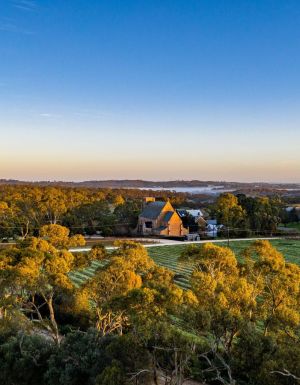
The Clare Valley is arguably Australia’s most underrated wine region, and this overlooked gem boasts plenty of historic charm, natural beauty, and, of course, delicious riesling.

A mere 90 minutes or so in the car north of Adelaide, the Clare Valley (luckily!) still scoots just under the radar. This laid-back pocket makes an unhurried retreat of Aussie bush and rolling vineyards, stone buildings and intriguing history, cellar doors, good food, bike trails and country hospitality. Here’s how to make the most of it.

1. Eat local fare at Clare Valley’s eateries

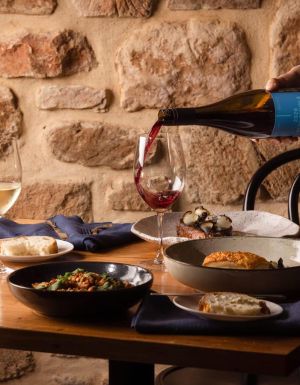
The Clare Valley has no shortage of fantastic eateries. If you’re looking for a winery lunch, venture down a sun-dappled back road that leads past vines curving away on the slopes of hills (‘planted to the contour’ in vigneron speak) to the 1860s cottage of Skillogalee ; a winery, restaurant and cellar door. Slate slabs cool the wisteria-draped verandah and there are tables beneath the sprawliest-ever olive. Indulge in fresh black pasta with Port Lincoln sand crab followed by Estate Muscat with vanilla ice cream.

Another food option is to join the savvy locals at Seed Winehouse + Kitchen , where the menu (slow-cooked lamb shank with lemon pepper couscous, or fettuccini Brussel pasta) has a similar farm-to-fork freshness.  And the bar has a real buzz.
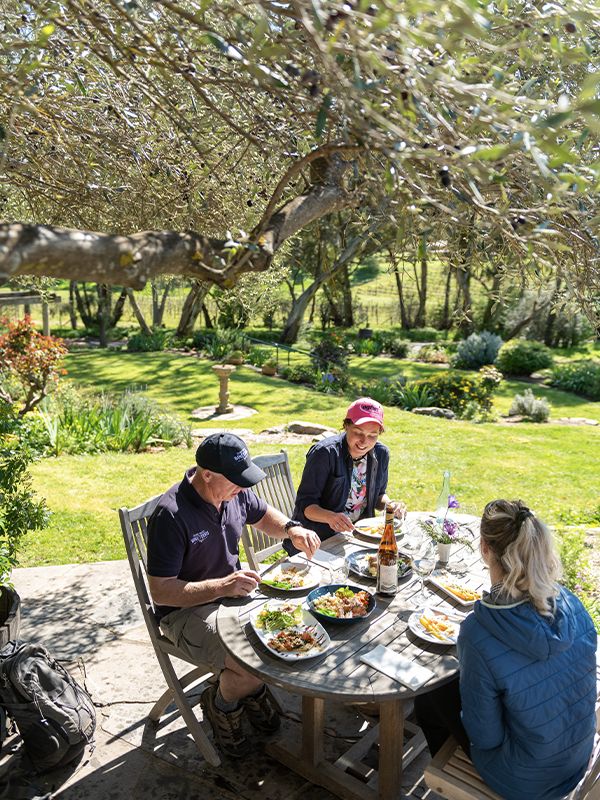
Skillogalee WInery Clare Valley
Enjoy a delicious outdoor lunch at Skillogalee. (Image: Tourism Australia / South Australian Tourism Commission)

2. Ride the Riesling Trail

When the sun’s shining and there’s that crackle of heat in the bleached grass, cruising along on a bike is like being a kid again. The 35-kilometre Riesling Trail rail is peppered with postcard views, wineries, cafes and plenty of signage along the looping route; Watervale to Penwortham is rated one of the prettiest sections. You can hire bikes at Auburn, Clare and Sevenhill.

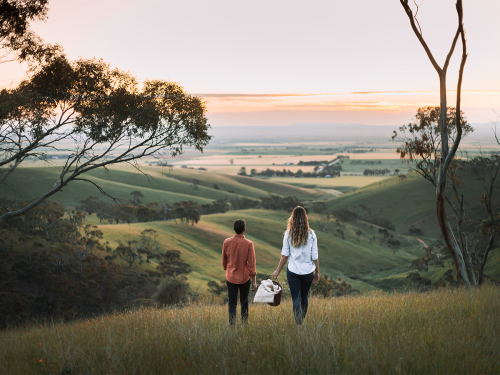
 Not down to cycle? No worries! Pack a picnic basket and stroll for a while before tossing down your rug under a shady tree.
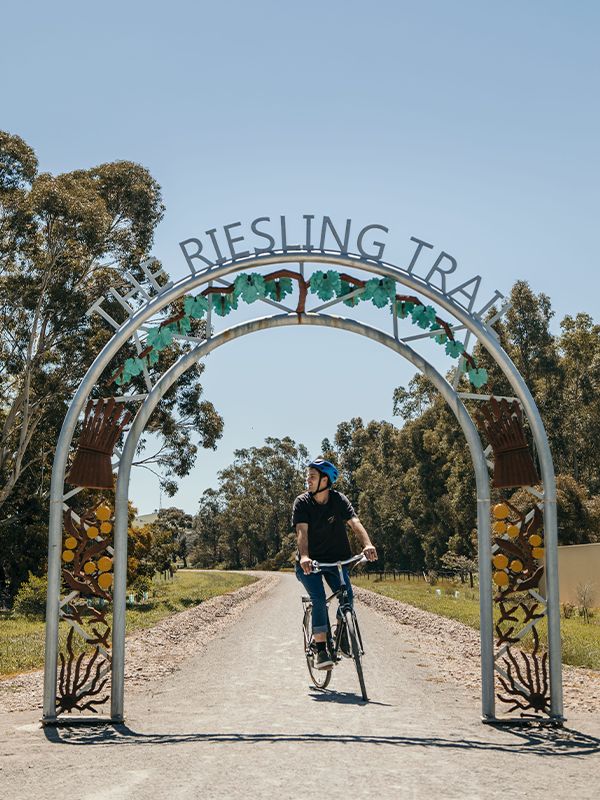
The Riesling Trail in the Clare Valley
This 35-kilometre trail traverses the picturesque Clare Valley wine region. (Image: South Australian Tourism Commission)

3. Wander the wineries of Clare Valley

Riesling aficionadas will love clos Clare Wine s in Watervale and Crabtree Wines . Stop by the region’s oldest vineyard, the Jesuit-run Sevenhill , which started in the 1850s and is still going strong. The quirky Mad Bastard Wines specialises in Shiraz. For wine with sweeping scenery, lunch on the deck at Paulett Wines . For art with your wine visit Pikes .

 There are approximately 50 wineries in the region, but it’s not all wine. Craft beer and cider are bubbling up. Try the Tonic Ale (with lemon peel and ginger) from Pikes Beer Company .
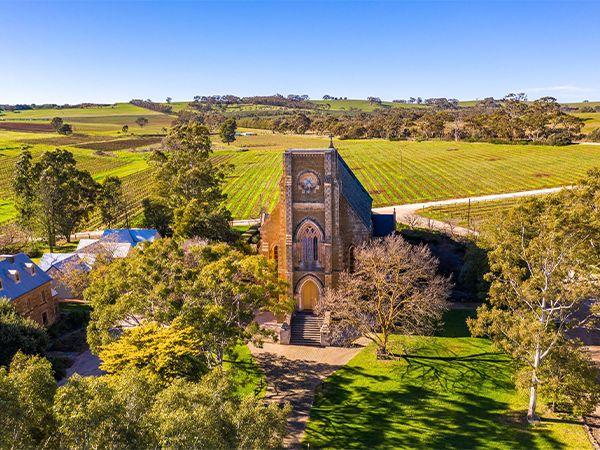
Sevenhill winery Clare Valley
Sevenhill Winery is the region’s oldest. (Image: South Australian Tourism Commission)

4. Discover Mintaro’s magic

The tiny town of Mintaro has spades of character in its timeworn slate buildings, vast Moreton Bay fig trees and old-world gardens. Visit Mintaro Maze if you have the kids in tow, or delve into the past at the palace in a paddock, Martindale Hall, where the ’70s classic Picnic at Hanging Rock was filmed.

We also recommend sharing a lazy lunch at Reilly’s Wines. Nibble on gourmet platters in the leafy courtyard that boasts vineyard views.
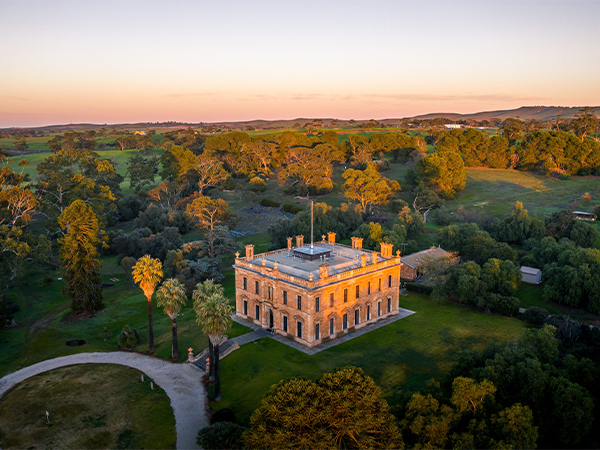
Martindale Hall Clare valley
Built in 1879 – 1880, Martindale Hall has significant heritage value in South Australia. (Image: South Australian Tourism Commission)

5. Explore Flinders’ history in Burra

Burra’s wide streets, stone buildings, and tree-lined creek are a backdrop for country folk in cowboy boots and battered hats, and grey nomads stopping en route to the Flinders Ranges. You can get your urban-fix coffee at St Just Café or enjoy a veritable tea party at colourful Good Golly Miss Polly . For organic juices and wraps head to Burra Fresh, while several shops are piled with collectables, curios, and gifts for those who like to fossick. Art lovers should swing by the Burra Regional Art Gallery , housed within a restored 1860 Post and Telegraph Office.
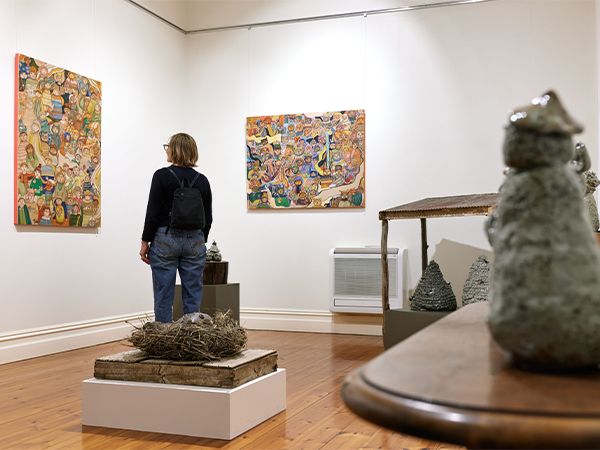
Burra Regional Art Gallery, Clare Valley
Burra Regional Art Gallery showcases 12 new exhibitions each year. (Image: Josh Geelen)

6. Visit the iconic pink lake of Lake Bumbunga

Just a half-hour drive from the valley will take you to the breathtaking Lake Bumbunga. This picturesque salt lake flies under the tourist radar, yet it’s one of South Australia’s most exquisite natural phenomena. There’s a viewing platform at the edge of the lake so you can admire the lake and snap some envy-worthy photos. Keep an eye out for the “Loch-Eel Monster" sculpture.
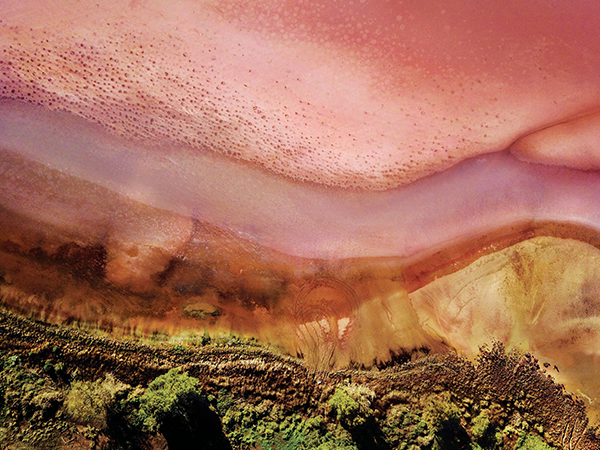
Lake Bumbunga pink lake
Lake-Bumbunga is one of Australia’s most intensely pink lakes. (Image: Olivia Reynolds)

7. Stay over

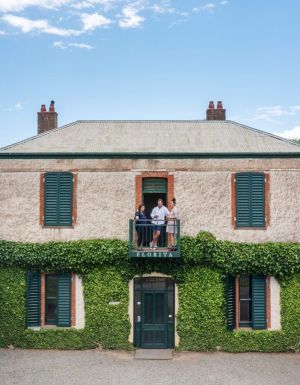
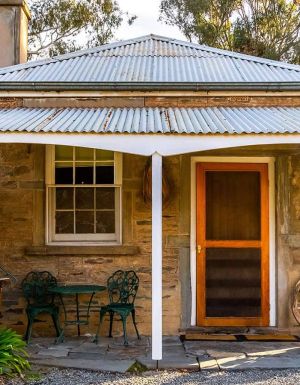
A swag of heritage cottages and houses are dotted all around the Clare. There’s Watervale’s upmarket Stanley Grammar Country House , converted stables at historic Bungaree Station , original miners’ cottages in Burra and even the stylish loft-style Irongate Studio B&B in Mintaro.
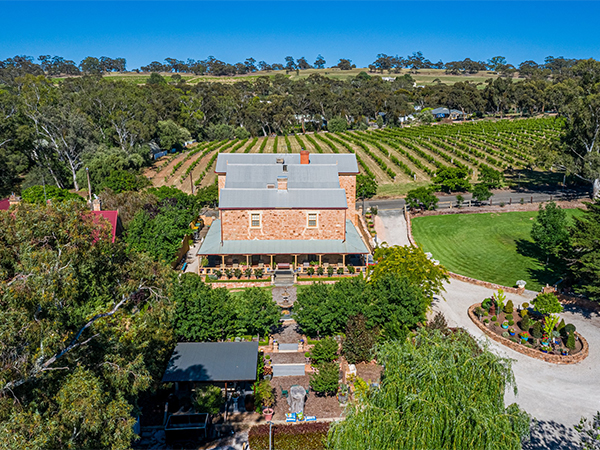
Stanley Grammar Country House, Clare Valley
Stanley Grammar Country House is a luxury bed and breakfast accommodation in the heart of the wine region. (Image: Stanley Grammar Country House)
For more insider tips and must-see sights, read our travel guide to Clare Valley.
Margaret Barca
Margaret is a Melbourne-based writer with serious case of wanderlust, who loves hotels – from high end to quirky off-grid retreats – cutting- edge design, a Campari soda and a banana lounge with an uninterrupted view of the pool. While she loves galleries, museums and the buzz of big cities, she is also often dreaming of Tulum, or the Aeolian Islands.
See all articles

From coast to bush: these are Gippsland’s best hikes

Video credit: Tourism Australia

From coast to mountains, hiking in Gippsland offers a stunning array of landscapes, with trails that take you deep into the region’s heritage.

I step out onto the sand and it cries out underfoot. Kweek! I take another step and there’s another little yelp. Screet! Picking up the pace, the sounds follow me like my shadow, all the way down to the water. It’s obvious how this spot got its name – Squeaky Beach – from the rounded grains of quartz that make the distinctive sounds under pressure.

For many, Wilsons Promontory National Park is the gateway to Gippsland , and the best way to explore it is by walking its network of hiking trails, from coastal gems such as Squeaky Beach through to the bushland, among the wildlife. But it’s still just a taste of what you’ll find on foot in the region.

Venture a bit further into Gippsland and you’ll discover the lakes, the rainforest, and the alpine peaks, each changing with the season and offering summer strolls or winter walks. Just like that squeaky sand, each step along these trails has something to tell you: perhaps a story about an ancient spirit or a pioneering search for fortune.

The best coastal hikes in Gippsland

sunset at Wilsons Promontory National Park
Wilsons Promontory National Park is a sprawling wilderness with many coastal bushland trails. (Image: Mark Watson)

Wilsons Promontory National Park (or ‘The Prom’, as you’ll end up calling it) is an easy three-hour drive from Melbourne, but you might ditch the car when you arrive, with much of the park’s 50,000 hectares accessible only by foot. From the inky water of Tidal River (dyed dark purple by abundant tea trees), I like the easy walks along the coast, among lichen-laden granite boulders, to golden beaches and bays.

a couple on Mount Oberon
Panoramic views from the summit of Mount Oberon. (Image: Everyday Nicky)

The trail to the panoramic views at the summit of Mount Oberon is a bit harder, up steep timber and granite steps, but it’s a popular 6.8-kilometre return. The more remote hikes are found through the open banksia and stringybark woodland of the park’s north, or along the multi-day Southern Circuit , which ranges from about 35 to 52 kilometres, with sunrises and sunsets, kangaroos and cockatoos, and maybe even whales.

a golden sand beach at Wilsons Promontory National Park
Walk ‘The Prom’s’ golden sand beaches. (Image: Tourism Australia/Time Out Australia)

You might also see whales on the George Bass Coastal Walk , even closer to Melbourne on the western edge of Gippsland. This dramatic seven-kilometre trail along the clifftops takes in sweeping views of the wild ocean, occasionally dipping down from grassy green hills to coastal gullies and a secluded beach. It also now links into the Bass Coast Rail Trail for an extra 14 kilometres.

the George Bass Coastal Walk
George Bass Coastal Walk trails for seven kilometres along clifftops. (Image: Visit Victoria/Time Out Australia)

Over at the eastern edge of Gippsland, in Croajingolong National Park, you can wander along the lakeshores beneath koalas and around goannas (I keep my distance since one chased me here!). For those who are even more adventurous, the park is also the starting point for the 100-kilometre Wilderness Coast Walk , usually done over seven days.

the Croajingolong National Park, Gippsland
Wander along the lakeshores in Croajingolong National Park. (Image: Tourism Australia)

The best bush hikes in Gippsland

the Baw Baw National Park
The alpine heath of Baw Baw National Park. (Image: Everyday Nicky)

Deep in the Long Tunnel Extended Gold Mine at Walhalla, mining guide Richard tells me how this small town in the mountains east of Melbourne boomed when prospectors found gold here in 1862. These days, you’ll find most of the town’s treasure – its heritage – above ground, with the Walhalla Tramline Walk a wonderful way to explore it.

Just seven kilometres long, the walk takes you through decades of Gold Rush history, following the original rail trail from lush bushland to the mining sites, and through the charming village of just 20 residents with its wooden cottages and old shopfronts adorned with turn-of-the-century advertising posters. Blazing a trail where trailblazers once opened up the region, this is also the starting point for the 650-kilometre Australian Alps Walking Track.

Nearby, Baw Baw National Park has walks through gnarled snow gums and alpine heaths that show off the colourful wildflowers in summer and the pristine carpet of white in winter. Several trails are perfect for snowshoes, including a 45-minute route from St Gwinear up to vast views across the Latrobe Valley.

Further up into the mountains, the Toorongo and Amphitheatre Falls Loop Walk is an easy 2.2-kilometre path that serenades you with the sound of flowing water as you pass mossy rocks and tree ferns en route to two sets of waterfalls cascading over boulders in the remote wilderness.

The best cultural hikes in Gippsland

the Mitchell River National Park, Gippsland
Hike the Mitchell River National Park. (Image: Parks Victoria/Grace Lewis)

Across a pool in a natural sandstone amphitheatre, deep within a cave behind a waterfall, it’s said the Nargun has its lair. A fierce creature, half human and half stone, that abducts children and can’t be harmed by boomerangs or spears, the story of the Nargun has been told around the campfires of the local Gunaikurnai people for generations.

As a culturally significant place for women, hikers are asked not to go into the Den of Nargun, but a 3.4-kilometre loop walk leads you through a rainforest gully to the entrance where you can feel the powerful atmosphere here in Mitchell River National Park , along Victoria’s largest remaining wild and free-flowing waterway.

the bee-eaters at Mitchell River National Park
Bee-eaters at Mitchell River National Park. (Image: Parks Victoria/Grace Lewis)

The Den of Nargun is part of the Bataluk Cultural Trail , a series of important traditional Gunaikurnai sites through central Gippsland. Another location is Victoria’s largest cave system, Buchan Caves Reserve, with trails to important archaeological sites of human artefacts up to 18,000 years old. The FJ Wilson Interpreted Walk includes the naturally sculpted white limestone steps of the 400-metre-long Federal Cave, while the Granite Pools Walk goes among tall timber and moss-covered gullies.

the ancient rainforest of Tarra-Bulga National Park
The ancient rainforest of Tarra-Bulga National Park. (Image: Josie Withers)

Also important to the Gunaikurnai people is Tarra-Bulga National Park , known for its ancient myrtle beeches and enormous mountain ash trees. Just 40 minutes return, the Tarra Valley Rainforest Walk offers a taste of this verdant landscape, while the Grand Strzelecki Track takes you deep into the lost world of forest giants on an epic 100-kilometre trail rich with tradition.

A traveller’s checklist

Staying there

the WildernessRetreats in The Prom
Wilderness Retreats in The Prom. (Image: Christian Pearson)

Wilderness Retreats in Wilsons Promontory offers glamping-style tents with luxurious queen beds. Star Hotel is a reconstruction of a Gold Rush-era hotel from 1863 in the heart of heritage Walhalla. Caves House is a historic three-bedroom house with views over the Buchan River.

Eating there

the Carrajung Estate, Gippsland
Enjoy a post-hike lunch at Carrajung Estate. (Image: Everyday Nicky)

Kilcunda General Store serves great coffee and meals of local produce at the George Bass Coastal Walk. Alpine Trout Farm is located near Toorongo Falls in Noojee. Fish for your own lunch and barbecue it with the provided cookware.

Carrajung Estate is a short drive from Tarra-Bulga National Park. The winery’s restaurant offers a seasonal menu of regional ingredients and you can stay at The Lodge.

a seafood feast at Carrajung Estate, Gippsland
The table is set for a seafood feast at the estate.

Video credit: Tourism Australia