Journey with our writers as they take you into South Australia’s top 12 emerging travel experiences from our 100 Emerging Destinations and Experiences series.
1. Beneath the surface in Mount Gambier
Travelling with: Carla Grossetti
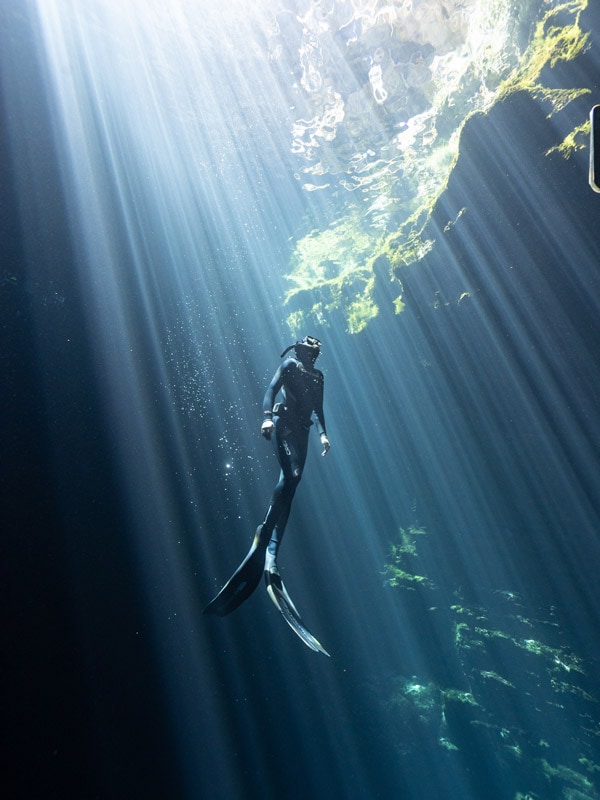
When the sun rises over the Kilsby Sinkhole in Mount Gambier on South Australia’s Limestone Coast, it honeys the ribs of the limestone cave and gilds the water as blue as steel. From above, it’s like an aquamarine jewel that deepens and darkens, depending on the sun glancing this way and that throughout the day. While this ancient geographical marvel has been used for recreational diving since the late 1960s, it’s now a core part of operations for the Kilsby family farm, which has been going strong for four generations.
Access to the site is by booking only, but you can take a tour of the ancient water-filled pool, snorkel or dive beneath its gleaming surface and sample, in situ, the Sinkhole Gin distilled from the aquifer that feeds this karst cavity.
2. Adelaide’s emerging Inner West
Travelling with: Alexis Buxton-Collins
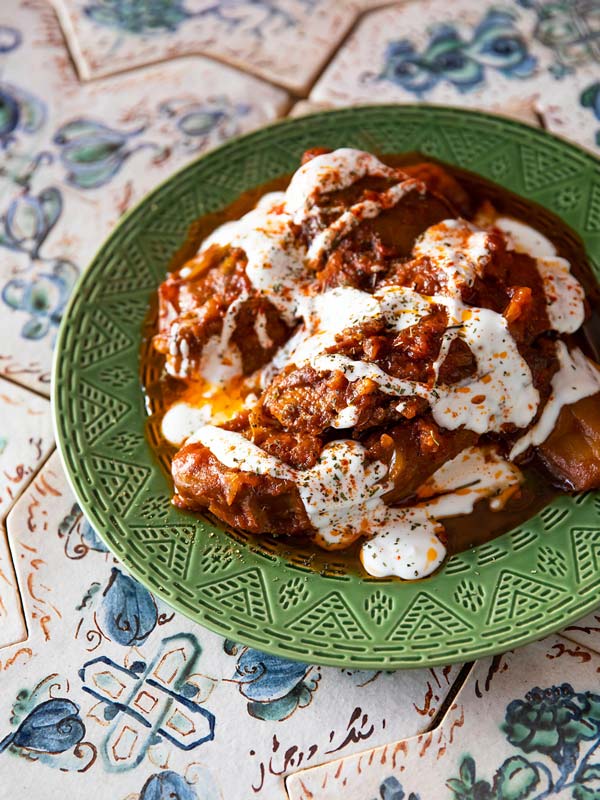
The fragrant Afghan soul food at Parwana has long drawn Adelaideans to Torrensville and it’s still full every night of the week, even after doubling the floor space. But a spate of recent openings in the neighbourhood has provided plenty of other reasons to head west. Watch the in-house roaster in action while you get your caffeine fix at ultra-hip Elementary Coffee, then wander down to Lenny’s Records where the genial owner specialises in left-of-centre rock, folk and psychedelic music.
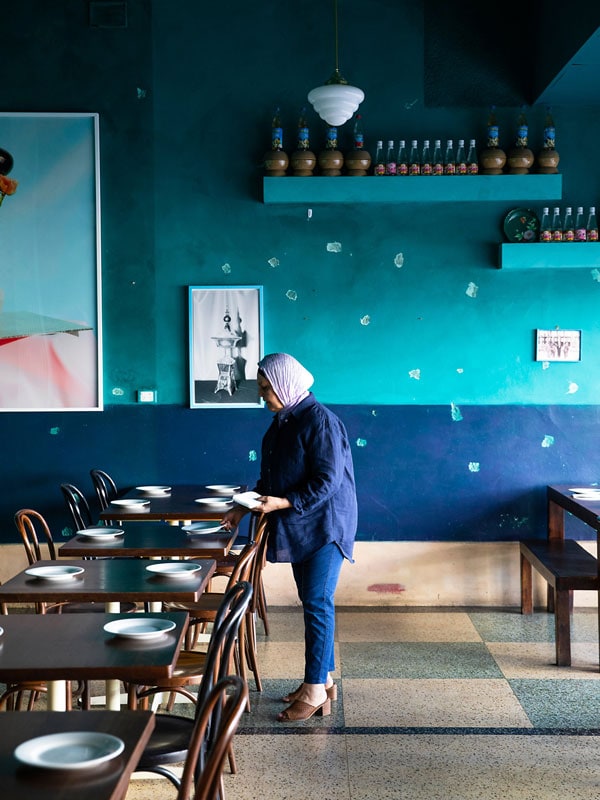
Head further west to Brookie P (aka Brooklyn Park), where the latest ventures from female-fronted hospitality group Sonic Yoni are about to open in the former council chambers; Yellow Matter is an inclusive brewery prioritising accessibility and So Long, Marianne is a menu-less wine bar with degustations that change daily to minimise waste.
3. Trailblazing in the Southern Flinders Ranges
Travelling with: Taylah Darnell
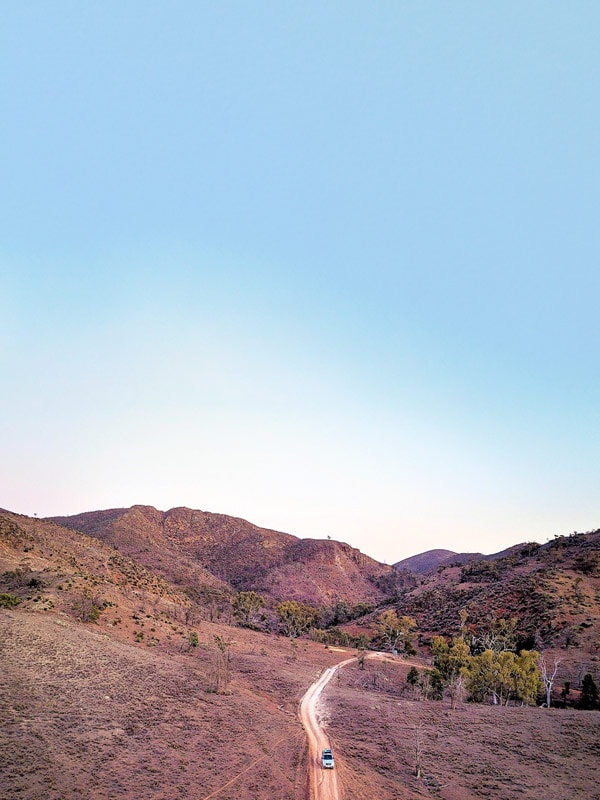
Spanning from the ocean in Port Pirie to the red-dirt plains of Peterborough, South Australia’s Southern Flinders Ranges are bursting at the seams with prospect. New mountain-biking trails will open later this year in Mount Remarkable National Park, designed by TrailScapes using machinery with minimal environmental impact and in consultation with the Nukunu Wapma Thura (Aboriginal Corporation).
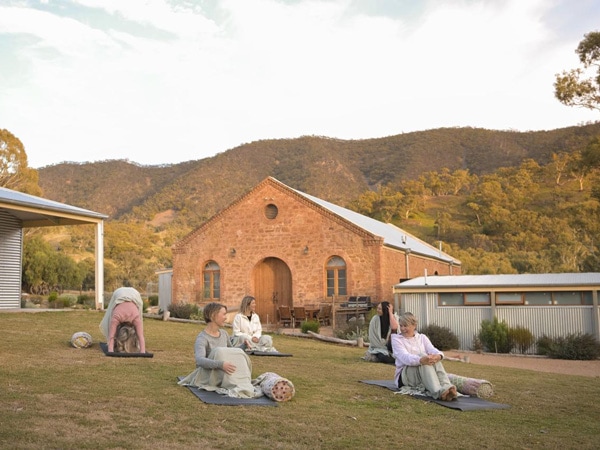
The project has been years in the making and includes the 42-kilometre Epic Mountain Bike Trail. Experience Melrose is taking advantage of the expansion, combining mountain biking with wellness retreats. Stay and play at Jacka Brothers Brewery in Melrose, a redeveloped heritage-listed site turned brewhouse that doubles as cosy accommodation, offering panoramic views of the Southern Flinders Ranges.
4. The rise and rise of Kangaroo Island
Travelling with: Imogen Eveson
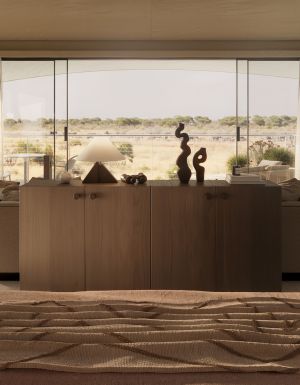
Baillie Lodges has announced that Southern Ocean Lodge on Kangaroo Island’s wild west coast will reopen in December and anticipations are running high for the re-emergence of the luxury lodge that was razed to the ground in the Black Summer bushfires.
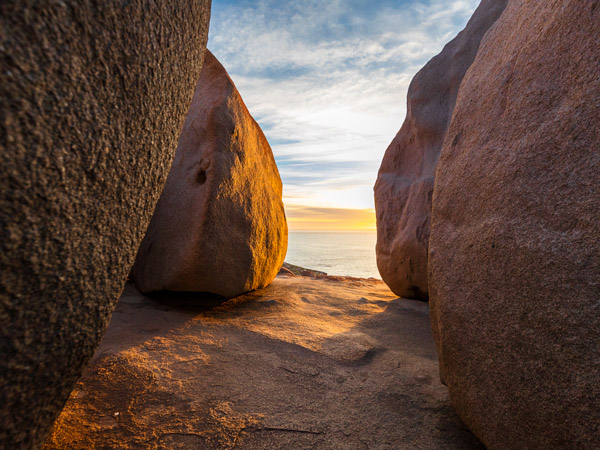
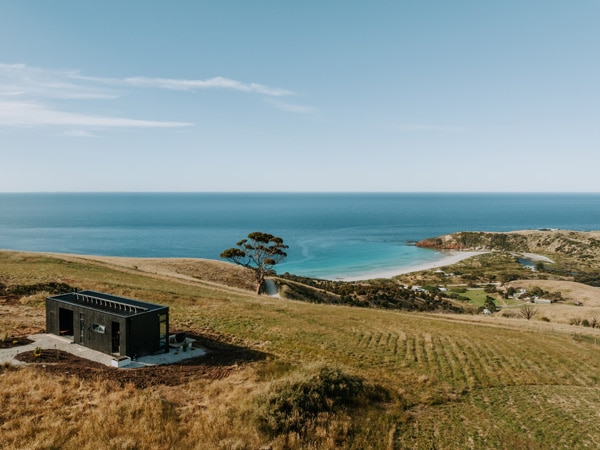
To stay at Southern Ocean Lodge is to immerse yourself in the South Australian island itself – whether through the food on your plate or the coastal wilderness that surrounds you – and its reopening will be a symbolic line in the sand for the community and its regeneration over the past few years. And with the recent launches of other accommodation options that connect guests to the essence of the island, such as Wander on Kangaroo Island and Island Burrow, KI’s tourism game is going from strength to strength.
5. A backstage pass to the best bits of the Barossa
Travelling with: Imogen Eveson
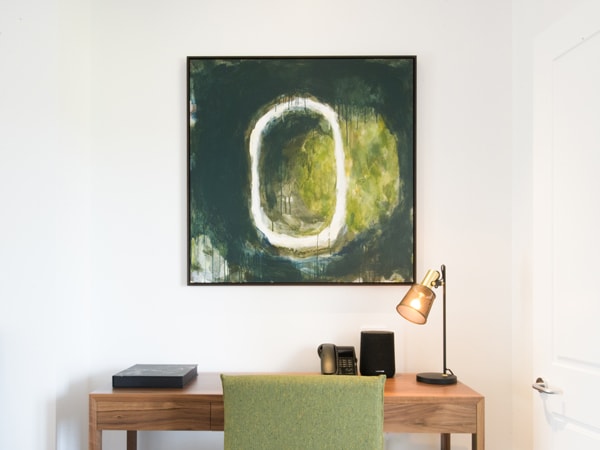
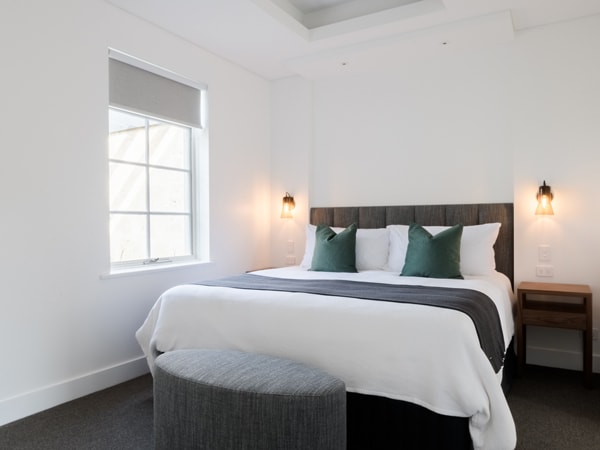
Having reopened in September last year following a ‘glamover’ courtesy of new owners Baillie Lodges, Barossa Valley stalwart The Louise is looking better than ever and offering guests a backstage pass to the best bits of the South Australian region. And you don’t have to stray far to find them.
Cross the road for a drink at Tscharke Wines, where Damien Tscharke is turning Barossa traditions on their head. With his single-minded dedication to organic winemaking and innovative development of grape varietals, Tscharke eschews the traditional cellar door experience in favour of a new wine bar concept, The Protagonist.
One of the boons of staying at The Louise – aside from waking in elegant suites to a blanket of vines all around and destination dining at Appellation – is ready access to in-the-know spots like this, with a passionate team enmeshed in the local community on hand to connect guests to personalised experiences.
6. See a 10,000-year-old tradition evolving in Goolwa
Travelling with: Alexis Buxton-Collins
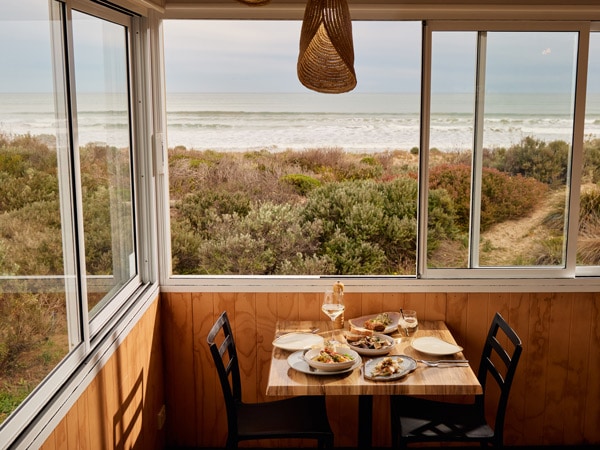
The middens dotting the sandhills around the mouth of the Murray River attest to the importance of kuti (pipis) to the Ngarrindjeri people, who have harvested and eaten these plump bivalves for countless generations. And after dismissing them as bait for years, chefs of fine diners are finally cottoning on to their potential. In a small shed flanked by colossal dunes on South Australia’s Fleurieu Peninsula, battered by the winds coming off the Southern Ocean, Kuti Shack heroes the tasty molluscs harvested by Ngarrindjeri-owned Kuti Co by serving them in laksas and with decadently rich chilli jam, lemongrass and crusty sourdough.
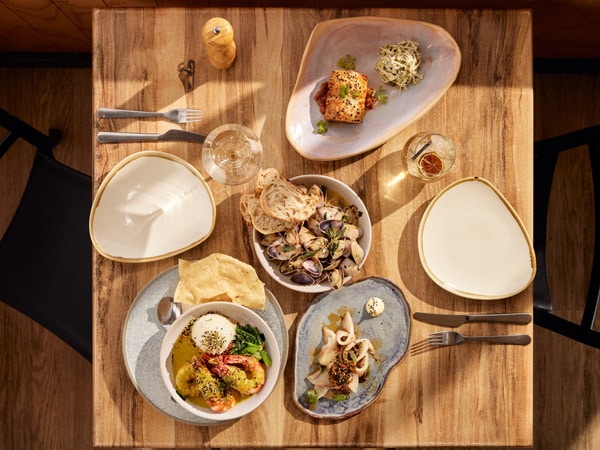
Look further down the menu and you’ll find all the elements for a sustainable seafood feast with a strong emphasis on local species: think grilled wild-caught Coorong mullet, buttermilk fried mulloway wings and crispy carp belly goujons.
7. Wine meets sustainability in South Australia
Travelling with: Kate Symons
Google ‘Jock Harvey’ and ‘McLaren Vale’ and a defining quality of this community-minded local becomes quickly apparent. Jock wears many hats. As uncovered by the first three Google entries – McLaren Vale Distillery, Naked Wines and Chalk Hill Viticulture – he is a drinks guy. Scroll down a little further and there is another, perhaps even more telling, entry: Biodiversity McLaren Vale.
Co-founded by Jock in 2009, Biodiversity McLaren Vale (BMV) is a hands-on environmental stewardship initiative, run by volunteers and focused primarily on creek-line restoration. Monthly working bees attract scores of committed locals and planting partners include McLaren Vale wine brands Gemtree, Shingleback, Fox Creek, Bec Hardy and Pannell Enoteca.
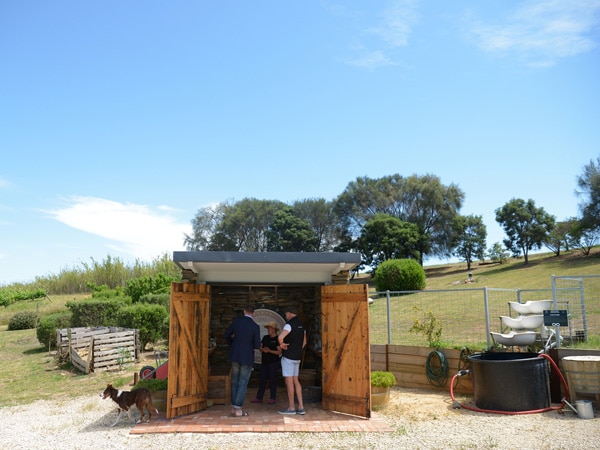
As South Australia’s first wine region – its wine-producing history dates to the 1830s – McLaren Vale is hardly emerging. Yet the renowned patch, positioned on the Fleurieu Peninsula, has reinvented itself of late and is now firmly established as one of the country’s most sustainable, not to mention incredible, wine regions.
According to Wine Australia, McLaren Vale is leading the way in organic practices, water management and climate-appropriate plantings, all key areas of the region’s own Sustainable Australia Winegrowing (SAW) Program. SAW ran from the early 2000s until 2019 at which point 72 per cent of McLaren Vale’s area under vine used the program to assess and improve practices. Thanks to its success, the program informed Sustainable Winegrowing Australia (SWA), which is now the single national program for those committed to sustainable wine.
Crucial to the region’s success is the presence of like-minded wine folk. “Cooperation has become a cultural thing [in McLaren Vale] that people want to protect," says Jock.
Sustainable winemaking practices are becoming more and more important to the consumer. A new report released by SWA last year found 67 per cent of those surveyed want to purchase only sustainably made wine. It’s no free ride, though. Certifications and credentials can’t do much for an average wine, nor your average wine region. Average, McLaren Vale is not.
There are more than 80 cellar doors in the region, from quaint set-ups such as Samson Tall to established digs such as Wirra Wirra, and the show-stopping d’Arenberg Cube, arguably the most impressive wine tourism attraction in the country.
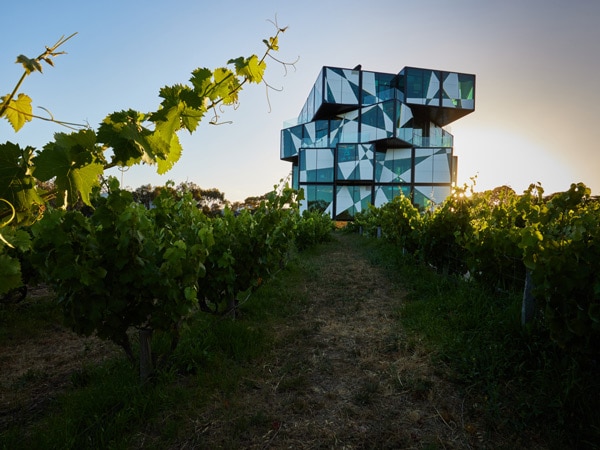
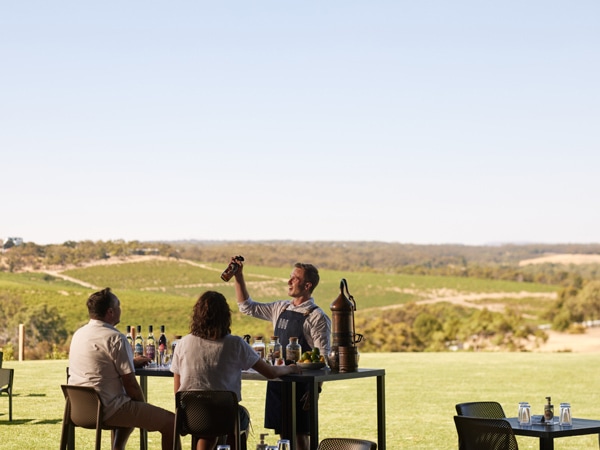
The Chalk Hill Collective site, which includes Never Never Distilling Co., Cucina di Strada and some of the best views the region has to offer, is perhaps one of the prettiest spots in the country on which to sit back and sip. Hither & Yon, meanwhile, has cleverly set up shop in Willunga, one of the region’s cute-as-you-like villages. From here, grab a cruiser and set off on the eight-kilometre Shiraz Trail. On Saturdays, the township bustles with the Willunga Farmers Market, the state’s first and still one of the country’s best.
A grape’s throw away, you’ll find yourself facing pristine coastline, of which McLaren Vale has 30 kilometres. This maritime influence has its impact on the region’s wine, which heavily favours red Mediterranean varieties. Almost, that is, as much as it favours sustainable practices.
8. A festival for grown-ups in Adelaide
Travelling with: Alexis Buxton-Collins
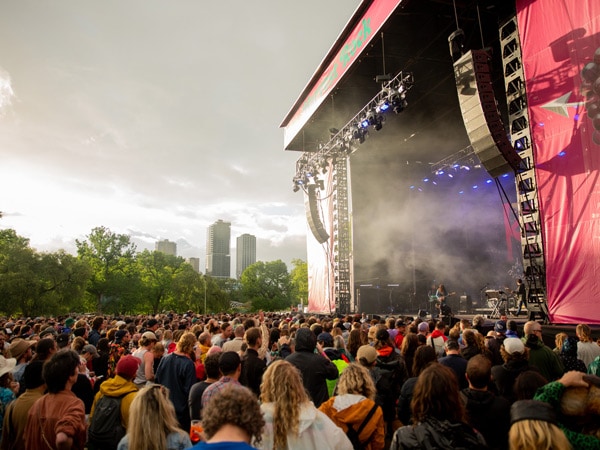
Harvest Rock is a music festival for people who’ve outgrown dusty mosh pits, long lines at the bar and overflowing loos, drawing crowds in for its rock-star chefs as much as its actual rock stars.
The inaugural 2022 festival saw headliners such as Jack White, Crowded House and Khruangbin share top billing with arkhé’s Jake Kellie, who cooked up a feast of flame-grilled share plates paired with wines selected by renowned critic Nick Stock.
Elsewhere, punters could find natural winemakers hosting tastings and an entire bar devoted to non-alcoholic options. Add to that a central location in the leafy parklands and plenty of space to move around. It’s the perfect festival for people who appreciate a boogie and a good meal but want to wake up feeling good the next morning.
9. Find new connections at a biodynamic McLaren Vale winery
Travelling with: Alexis Buxton-Collins
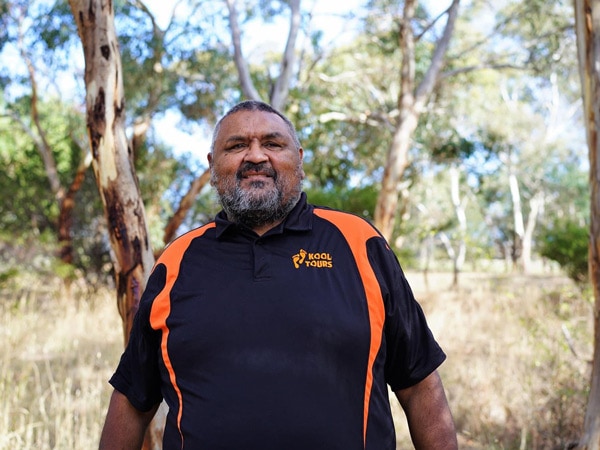
Clusters of juicy shiraz and tempranillo grapes poke out beneath extravagant garlands of leaves as I drive through the vineyard at Gemtree Wines to a restored wetland that has been planted with 50,000 trees and shrubs. For custodians Mike and Melissa Brown, this is a labour of love that began when they bought the South Australian property in 1998. For Ngarrindjeri Elder Mark Koolmatrie, the connection goes back far longer.
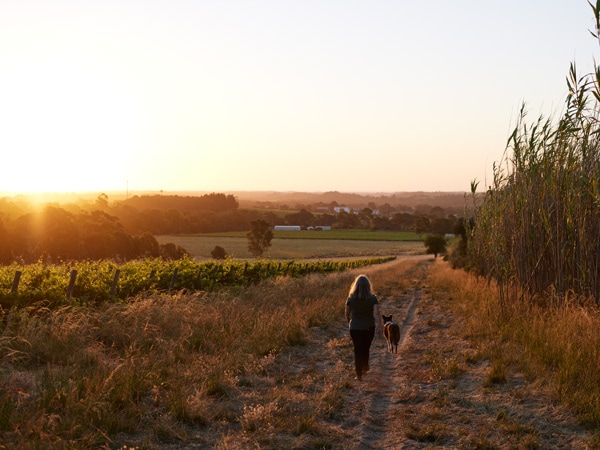
“This is Kaurna Country, but the same values exist as in Ngarrindjeri Land, which is just over that hill," he tells our small group on the Wuldi Cultural Experience. “Our people have a concept called ngartji that means everyone has to look after something. It could be a wombat or an emu or a waterway, but if we all play our role, together we look after the planet."
High above us, several sleepy rescue koalas are perched in the treetops. But Mark is just as excited about what’s going on at ground level. “These old logs don’t seem like much, but they create a habitat for beetles and bugs and lizards. And plants that look like weeds might provide food and shelter for a whole range of critters. Everything here plays its role."
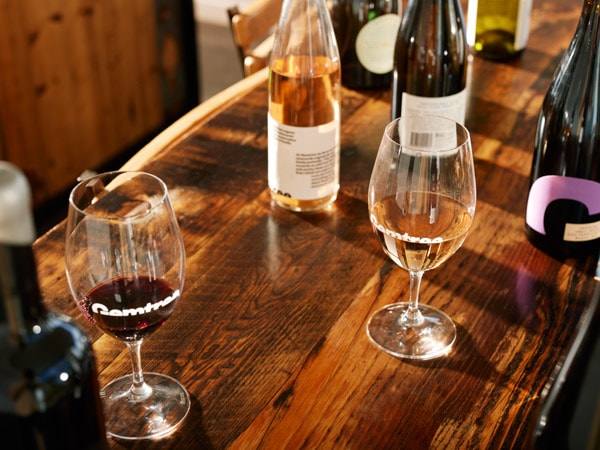
It’s a holistic approach that resonates with the biodynamic winemaking philosophy at Gemtree Wines, where soil, fruit, minerals and even the planets interact in a sublime cosmic dance. As the shadows grow longer, Mark leads us to a shed where glasses are filled with crisp fiano, juicy GSM and peppery shiraz.
We tuck into platters of food inspired by native ingredients such as crunchy macadamia and desert lime pesto wrapped in warrigal leaves. “Life can get pretty busy and it’s easy to forget what’s important," Mark says as the conversation steadily grows louder. “But everything seems simpler when you can get back to nature in a place like this."
10. Go remote in the Nuyts Archipelago
Travelling with: Taylah Darnell
For those seeking their next Australian adventure, a remote and paradisiacal collection of islands await you off the coast of South Australia’s Eyre Peninsula. Be one of only 60 people a year that explore Nuyts Archipelago on a three-night expedition with EP Cruises that accentuates the splendours of this protected marine area in the Great Australian Bight.
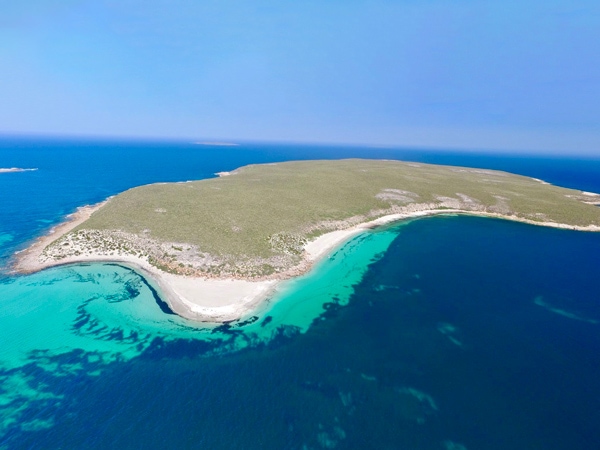
With room for only 10 expeditioners and three crew members, you’ll get a remarkable insight into the islands, beaches, reefs and wildlife that call the Nuyts Archipelago home. The expedition includes all camping and safety gear, a double swag, bathroom and kitchen facilities and rare island experiences such as cliff jumping, swimming with dolphins, birdwatching and nocturnal tours.
11. Wander the Wild South Coast Way
Travelling with: Alexis Buxton-Collins
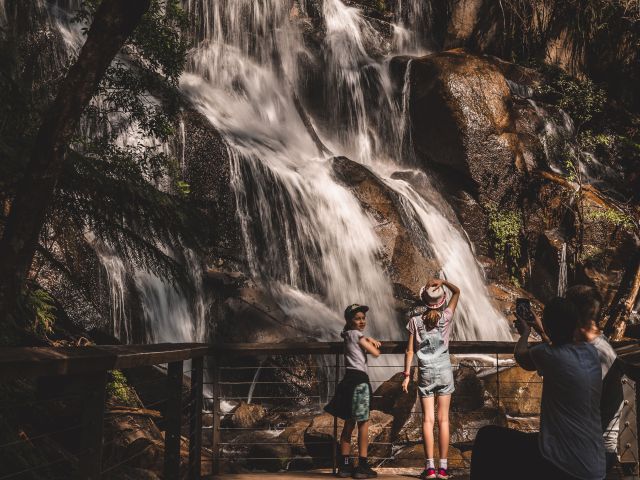
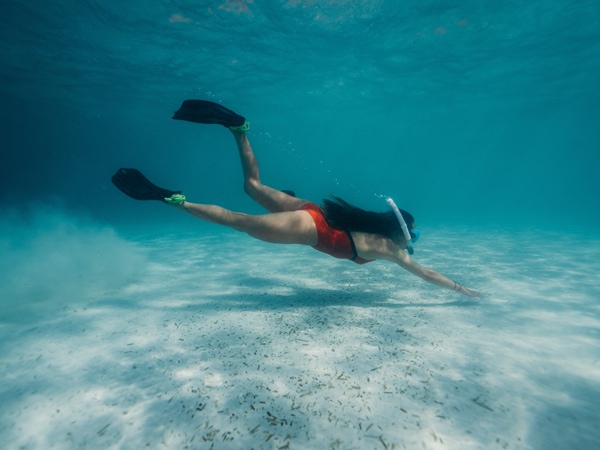
Less than two hours from Adelaide, Deep Creek National Park is filled with deep gorges, dappled sclerophyll forests and windswept clifftops looking across the treacherous Backstairs Passage to the rugged coastline of Kangaroo Island.
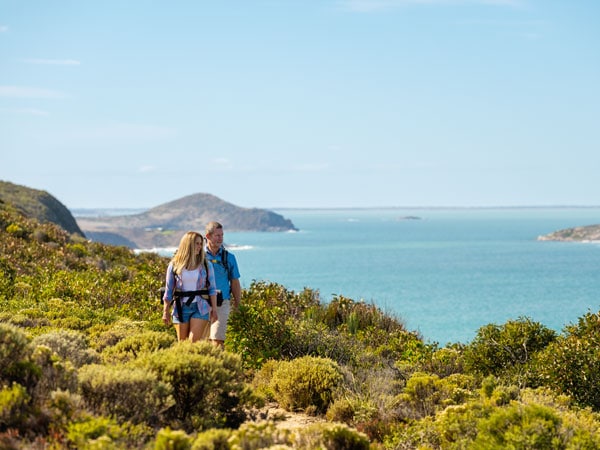
Add in hidden coves ringed by granite boulders covered in orange lichen and the tannin-stained waters of an infamously cold waterfall, and it’s easy to see why the South Australian park is so popular with locals.
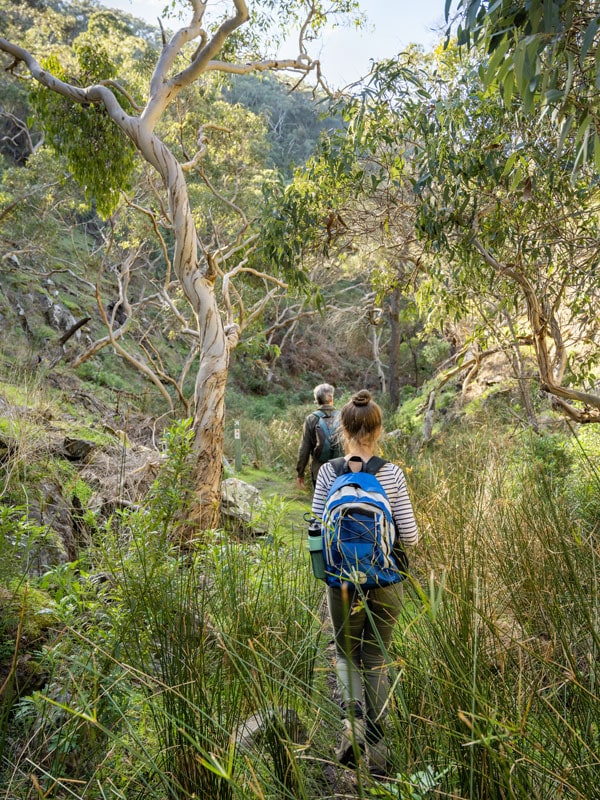
But you can avoid the masses by tackling the five-day Wild South Coast Way hike that connects Cape Jervis and Victor Harbor via new walk-in campsites, where the only crowds you’re likely to see are mobs of roos grazing on the yacca-studded slopes at sunset.
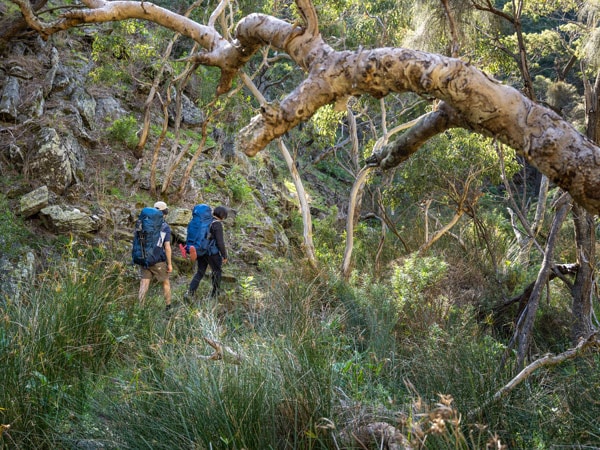
As a bonus, download the geo-located National Parks app and you’ll trigger stories from park rangers and Traditional Owners at certain locations along the hike.
12. Rising above the Murray River
Travelling with: Emily Murphy
Once-in-a-century floods tore through South Australia’s Murray River regions in summer 2022, devastating communities in its wake. Recovery efforts have been fierce, and there’s never been a better time to discover the Riverland and Murray River, Lakes and Coorong regions.
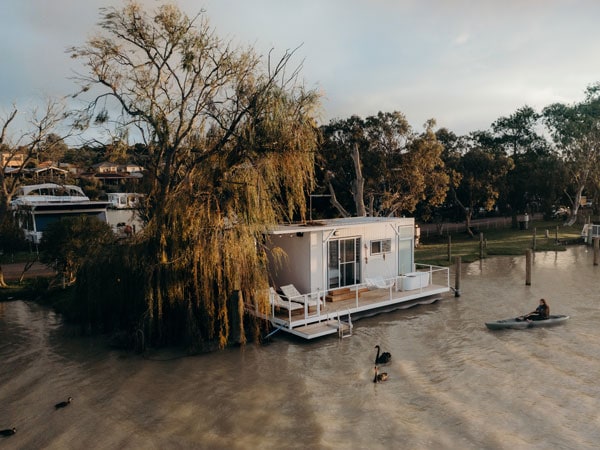
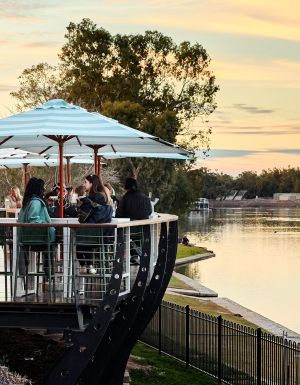
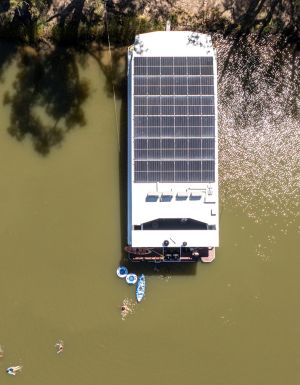
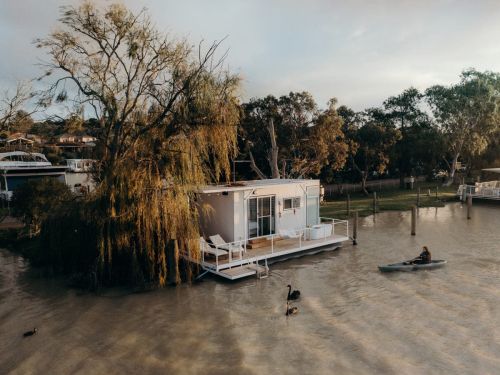
The Murray River, Lakes and Coorong is ideal for floating downstream on a houseboat, with the sounds of birds as your playlist and the dramatic sunset as your backdrop. Whereas the Riverland has its own unique flow of giant cliffs, wetlands, mallee scrub and is the country’s largest wine-producing region.
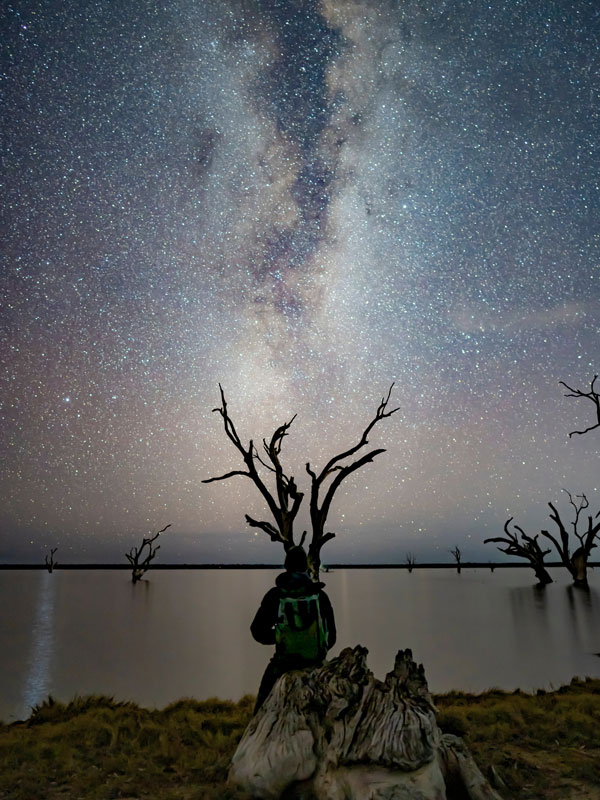
Don’t miss stargazing at the River Murray International Dark Sky Reserve , Australia’s first Dark Sky Reserve, to see the Milky Way at its most magical.