This EV road trip through SA‘s wine country is the perfect weekender

hero media
South Australia’s wine country is a prime destination for an epic all-electric car road trip.

When it comes to accessibility, South Australia’s wine regions can’t be beaten. Only 40 or so minutes from Adelaide Airport, the Barossa Valley is not only a convenient drive, but far away enough to feel like you’re on a proper break.

There are wheat fields and gum trees, vineyards and magpies sitting on rusty farm gates, and you can see a blanket of stars on a clear night. Best of all, you can easily lower your environmental impact by travelling in an all-electric vehicle.

Compact wine regions make for prime driving conditions

Road-tripping in an electric vehicle once seemed dicey, but now it’s become mainstream. For this trip I’m behind the wheel of the new Volvo EX90, which has a range of up to 570 kilometres. According to SA Power Networks, there are 3000 public EV charging points across Australia, with over 750 operational or under construction in South Australia alone. You can now charge your ride at a long list of locations, from Coober Pedy to Kangaroo Island and even Pimba (population: 25), 480 clicks north of Adelaide.

Sure, there are abundant EV charging options. But I could easily manage a two-day jaunt in the Barossa and Adelaide Hills without recharging. In this corner of the world, the compact wine regions overlap each other, making driving a cinch.
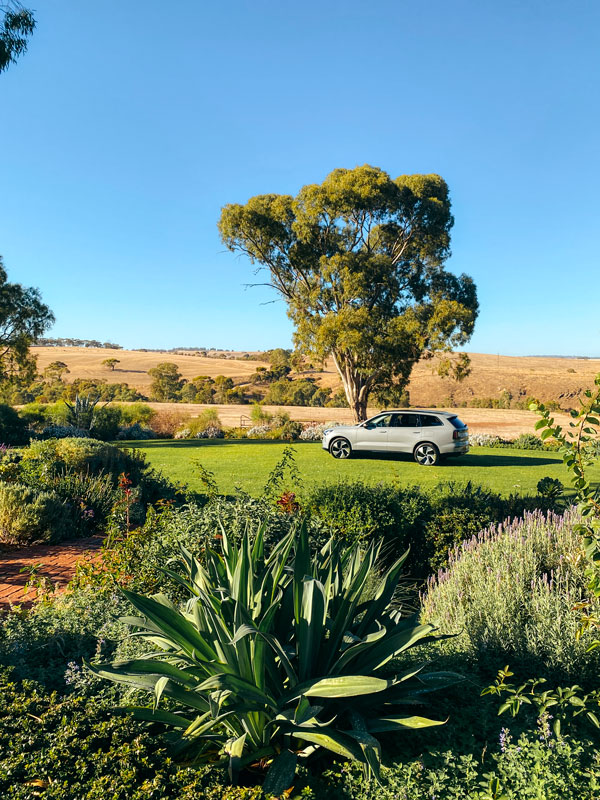
a Volvo EX90 at Kingsford The Barossa
Arrive in style to Kingsford The Barossa in a Volvo EX90. (Image: Jo Stewart)

A destination hotel and vines in the Barossa
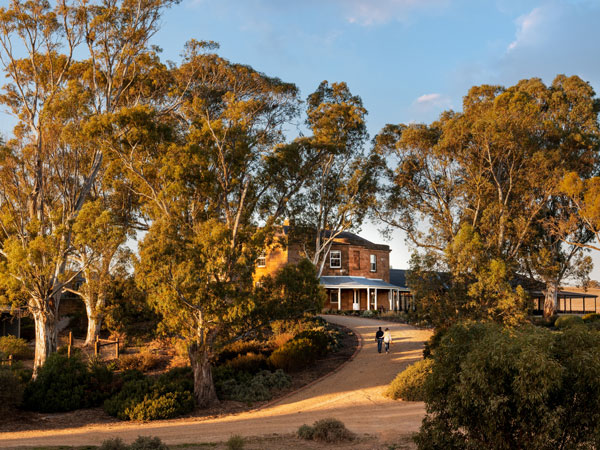
a couple walking to Kingsford The Barossa
The historic Kingsford The Barossa dates back to 1856. (Image: Adam Bruzzone)

Staying at a luxe destination hotel is a good start. A heritage-listed jewel, Kingsford The Barossa has all the hallmarks of a mid-1800s pastoral estate: a two-storey Georgian-style sandstone homestead, shearing shed and clawfoot bush baths. You can see why this was chosen as the location for TV drama McLeod’s Daughters to be filmed (fans can check out show memorabilia in the property’s library).
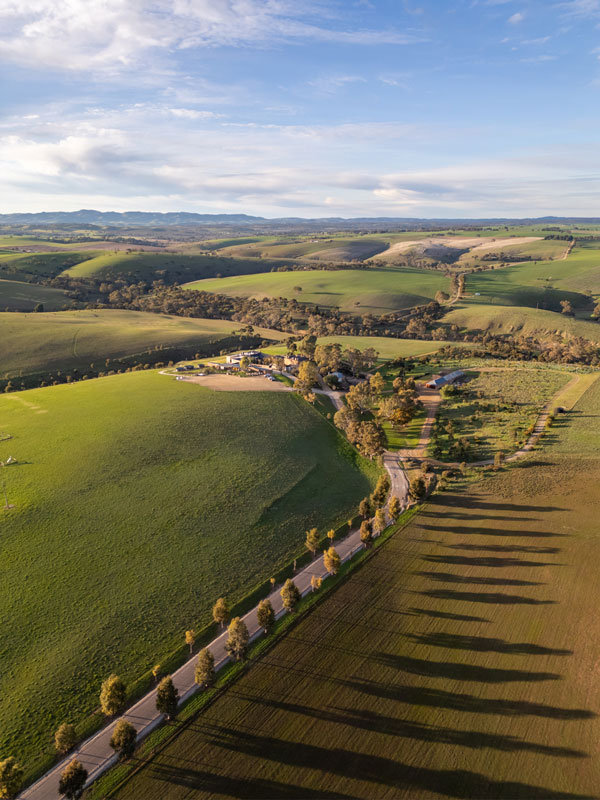
the rolling fields surrounding Kingsford The Barossa
The heritage accommodation is surrounded by rolling fields. (Image: Yuncong Ma)

The real star of the show, however, is the surrounding landscape. Despite the region battling a drought, the parched land still has an austere beauty. The Kingsford restaurant’s floor-to-ceiling windows frame the quintessentially Australian outlook perfectly, best viewed in the morning with poached eggs, sourdough and a strong brew.
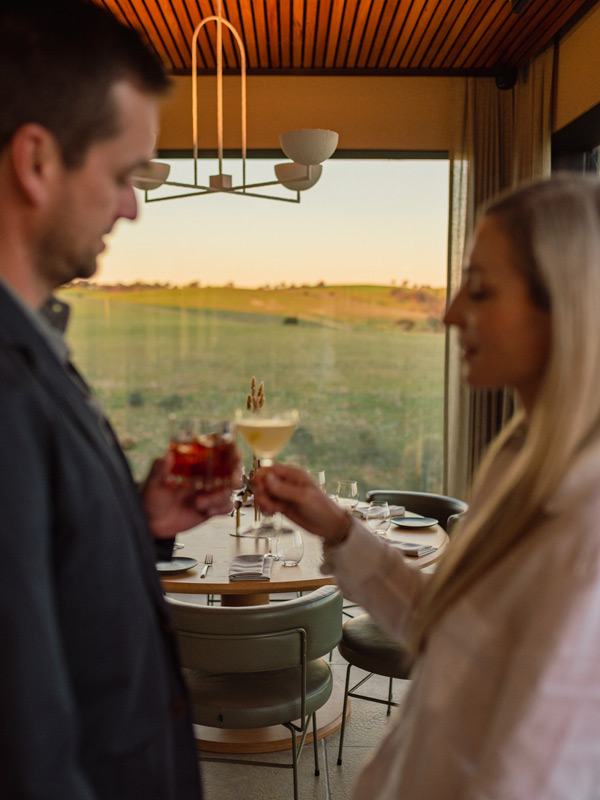
a couple having a drink at Kingsford The Barossa
Raise a glass to romance at the secluded property. (Image: Yuncong Ma)

After dark, the bar is the place to be for a cheeky nightcap. Home to wine vaults laden with Barossa and Eden Valley drops, this is heaven for New World wine lovers. Downstairs, there’s a surprise: a two-lane Kegelbahn for European-style nine-pin bowling – a nod to the area’s German roots.
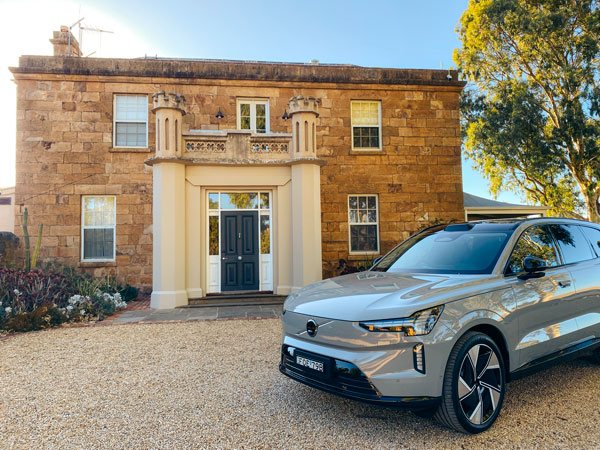
the volvo EX90 is parked in front of Kingsford The Barossa, SA by EV
Recharge at Kingsford The Barossa after a road trip around SA wine regions in the Volvo EX90. (Image: Jo Stewart)

Alkina Wine Estate produces local wines you can savour here. Alternatively, you can visit the cellar door yourself, which is just 15 minutes away. At this biodynamic vineyard you’ll get an unpretentious, convivial tasting experience.

“We don’t want our shiraz to punch you between the eyes," says Dan Coward of Alkina Wine Estate, signalling that shiraz-shy drinkers are safe to sip. He also chats about the pendulum swinging on popularity, explaining that semillon has become “deeply uncool" but deserves a chance, especially when visiting South Australia. And he’s right; I’m a convert.
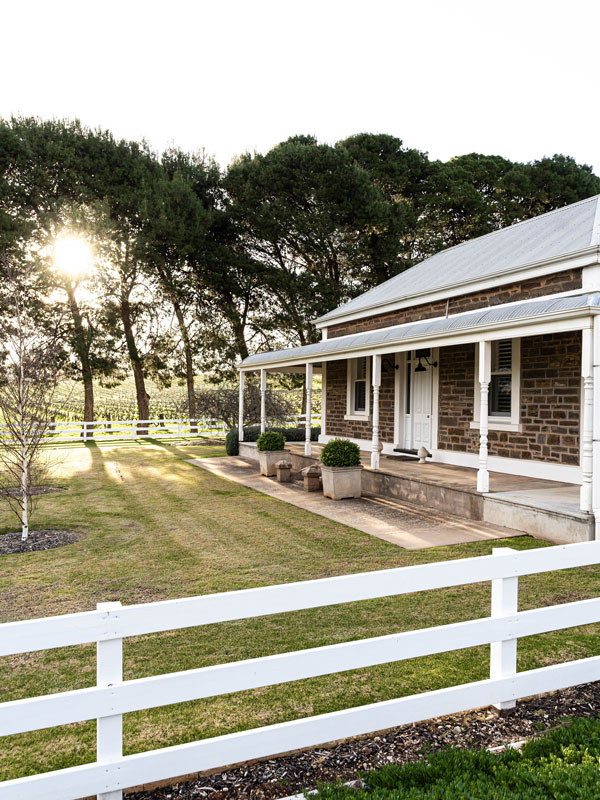
the biodynamic vineyard at Alkina Wine Estate
Stay onsite in the heart of the biodynamic vineyard. (Image: Alkina Wine Estate)

Need tips, more detail or itinerary ideas tailored to you? Ask AT.

AI Prompt

Providores and farmgates in the Adelaide Hills
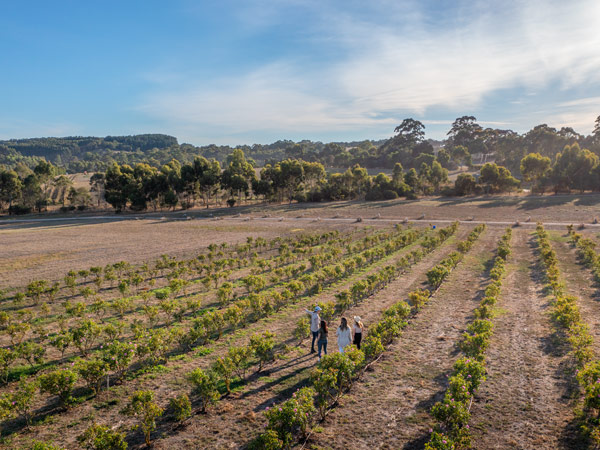
an aerial view of Jurlique Farm in the Adelaide Hills
Jurlique uses ingredients grown on its farm in its products. (Image: Tourism Australia/South Australia Tourism Commission)

After driving south of the Barossa for an hour, we hit the village of Verdun in the Adelaide Hills, making a pit stop at the warm and welcoming Fourth Hill Providore. On a sunny day, the shaded tables in the garden are prime real estate, and for good reason – this is a sublime spot for a latte and a pastry.

Across the road, the longstanding Stanley Bridge Tavern is a place best visited with a designated driver thanks to its very well-stocked wine room (home to 300 labels from around the world). In nearby Biggs Flat, the Jurlique Farm offers more wholesome pursuits, like tours and masterclasses using hand-picked botanical ingredients.
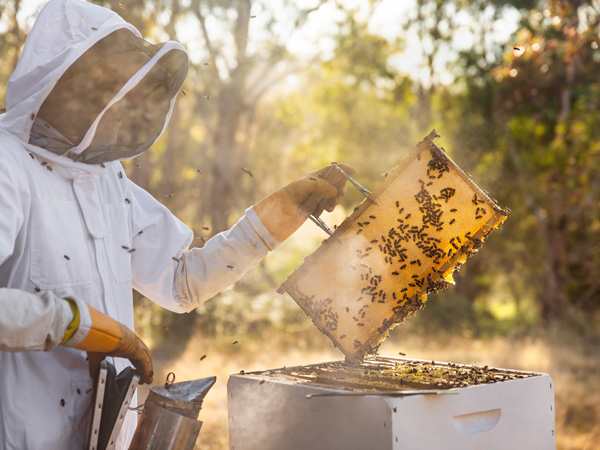
a beekeeper in a bee suit is holding a hive at Jurlique Farm
It’s all about beauty and the bees at Jurlique Farm in the Adelaide Hills. (Image: Jurlique International)

Therein lies the rub; around here, you could drive in any direction and find incredible food, wine, people and scenery. Now that the new generation of electric cars has a 500-plus kilometre range – there’s nothing stopping you.
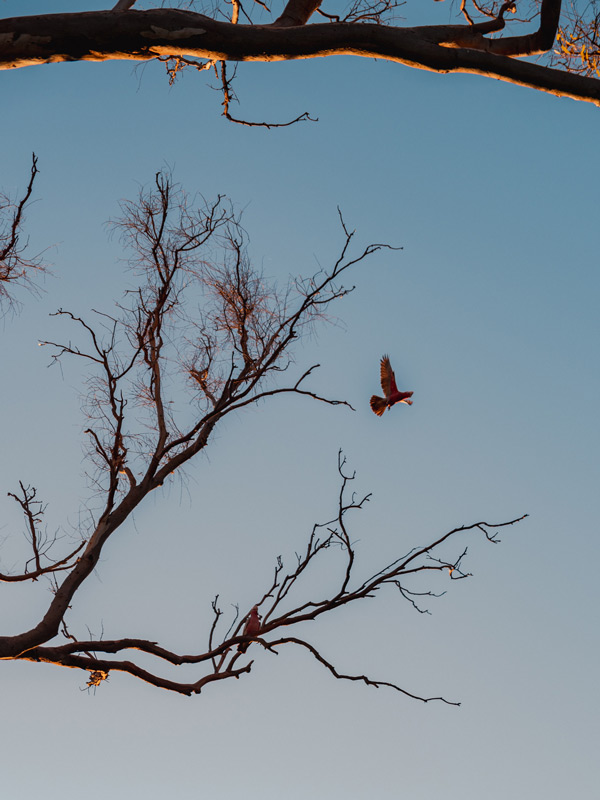
a bird flying from a tree
South Australia is home to a variety of birdlife. (Image: Yuncong Ma)

A traveller’s checklist

Weekly travel news, experiences
insider tips, offers, and more.

Getting there

The Barossa is about an hour’s drive north of Adelaide/Tarntanya. The Adelaide Hills is a 20-minute drive from the city’s CBD.

Staying there
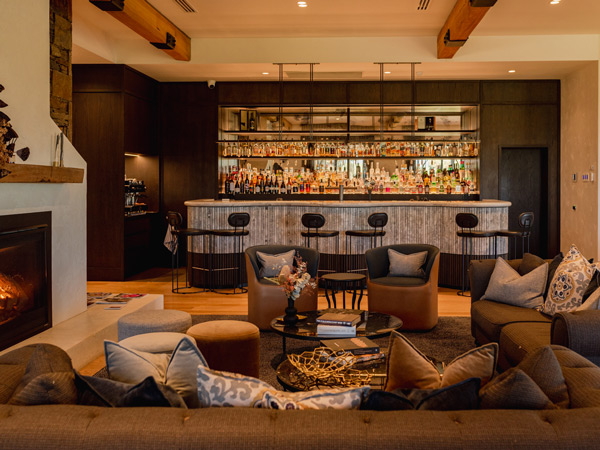
the cosy interior of Kingsford The Barossa
Kingsford The Barossa is a top spot to recharge and unwind. (Image: Yuncong Ma)

Stay at a heritage-listed estate with silver-screen pedigree at Kingsford The Barossa.

Playing there
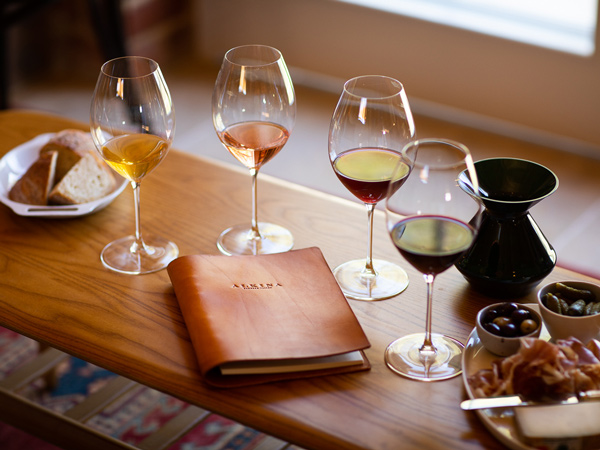
premium wines at Alkina Wine Estate
Top-shelf drops at Alkina Wine Estate. (Image: Alkina Wine Estate)

Taste wine and cheese at Alkina Wine Estate and stay in the heart of the vineyard.

Want to see more stories from Australian Traveller in your Google search results?

  1. Click here to set Australian Traveller as a preferred source.
  2. Tick the box next to "Australian Traveller". That's it.
Jo Stewart
Jo Stewart is a freelance features writer who pens stories about nature, pop culture, music, art, design and more from her home in the Macedon Ranges of Victoria. When not writing, you can find her trawling through vinyl records and vintage fashion at op shops, antique stores and garage sales.
View profile and articles
hero media

Good food, beautiful nature & history: your guide to a long weekend in West Gippsland

(Credit: Rob Blackburn)

    Carla Grossetti Carla Grossetti
    From rainforest walks and scenic drives to historic gold-rush towns and standout regional dining experiences, you can find it all in West Gippsland.

    Hover over West Gippsland on Google Earth and you’ll see vast tracts of land spread out like green velveteen around the Toorongo Falls Reserve. It’s a landscape that feels almost impossibly lush for a region sitting little more than an hour from Melbourne.

    Track southeast in late autumn and early winter and you’ll see pockets of the Mt Baw Baw Plateau dusted in snow. In addition to the forests of mountain ash veined with creeks and rivers, there are pastures and farmland cross-stitched together to form pretty patchworks.

    But West Gippsland isn’t defined by scenery alone: in addition to its awe-inspiring nature, a Venn diagram of the region includes gold-rush history and great culinary experiences.  Spend a long weekend here and it quickly becomes clear how often these three overlap.

    Getting there

    Messmates Dining west gippsland
    Spend the weekend eating and exploring in West Gippsland. (Credit: Messmates Dining)

    Getting to West Gippsland involves as easy drive – it’s just over an hour out of Melbourne along the Monash Freeway.

    Not driving? Catch the train from Melbourne on the Gippsland line, terminating at either Traralgon or Bairnsdale, and hop off at Warragul or Drouin.

    Visit historic villages

    Walhalla historic township
    Wander into Australia’s Gold Rush history at Walhalla. (Credit: Rob Blackburn)

    The West Gippsland region is on the Traditional Lands of the Kulin and Kurnai nations, specifically linked to the Bunurong, Gunaikurnai and Wurundjeri Peoples, whose connection to Country stretches back thousands of years.

    European settlement occurred in the 19th century as timber cutters, farmers and gold seekers pushed into the region’s dense forests. Small towns grew around sawmills and railway lines, and many of those gold rush settlements, timber towns and railway villages still shape the character of the region today.

    The most evocative of these is Walhalla Historic Township, a remarkably preserved gold-rush township tucked deep in the mountains. In the late 1800s, it was one of Victoria’s richest goldfields. Today visitors can step inside that history at the Long Tunnel Extended Gold Mine, where underground tours reveal the scale of the mining operation that once powered the town’s prosperity. Nearby, the Walhalla Goldfields Railway retraces part of the original narrow-gauge line through the valley, offering a slow journey past forest and river scenery.

    Further west, Noojee is a classic mountain village. It’s surrounded by dense forest and waterfalls and has become a natural base for exploring the Baw Baw region. Just outside town, Noojee Trestle Bridge stands as one of West Gippsland’s most striking relics of the rail era. The towering wooden structure is the tallest surviving trestle bridge in Victoria and today forms the centrepiece of an easy scenic walk with wide views across the valley.

    Alpine Trout Farm west gippsland
    Catch your own lunch at Alpine Trout Farm. (Credit: Nicky Cawood)

    At Alpine Trout Farm near Noojee, visitors can fish for trout in mountain-fed ponds before enjoying the catch prepared fresh onsite. It’s a simple experience that reflects the area’s long connection to the surrounding waterways.

    Back in Warragul, the region’s main service town, the story shifts from heritage to modern regional life. With galleries, restaurants and sweeping views across the rolling farmland of Gippsland, the town has become a lively hub linking the district’s past with its evolving food and cultural scene. Drive through the town and you’ll find heritage buildings, old pubs and weatherboard cottages that hint at the area’s early days as a frontier landscape.

    In other towns the past survives in quieter ways – a historic hall here, a century-old bakery there.

    Walks, waterfalls and wild places

    Toorongo Falls in west gippsland
    Stroll Toorongo Falls Reserve. (Credit: Nicky Cawood)

    Even simple roadside stops can feel cinematic in West Gippsland. The region also delivers plenty of opportunities to lace up your walking shoes.

    One of the region’s most rewarding nature escapes lies just outside Noojee at Toorongo Falls Reserve. A network of walking tracks winds through the cool-temperate rainforest where towering mountain ash trees filter the light and the air smells of rich, damp earth. The 2.2-kilometre trail to the viewing platform overlooking Toorongo Falls is short, but spectacular, as the water cascades down over moss-covered rock faces into a cool, green gully in Little Toorongo River.

    Further north, the Mount Baw Baw Alpine Resort offers year-round adventures. In winter, the mountain attracts skiers and snowboarders. The warmer months are just as compelling, with scenic drives to see alpine wildflowers, mountain bike trails and panoramic hiking routes that open across the plateau.

    Cyclists and walkers looking for a more relaxed pace can follow the Rokeby Neerim Rail Trail, which traces a former railway line through farmland and small Gippsland villages. The mostly flat trail passes rolling paddocks, creeks and historic bridges, making it an easy way to drop it down a gear when exploring the countryside.

    Taste the best eats of West Gippsland

    Hogget Kitchen west gippsland
    Taste the best of the region at Hogget Kitchen.

    For many travellers, the real drawcards of West Gippsland are the food and wine. The region sits in the heart of Victoria’s fertile dairy country, and that agricultural backdrop has helped shape a dining scene where seasonal produce and local provenance take centre stage.

    Hogget Kitchen has helped put Warragul firmly on the radar for serious regional dining in West Gippsland. Here, head chef and owner Trevor Perkins runs the kitchen alongside well-known winemakers William (Bill) Downie and Pat Sullivan. Hogget Kitchen lives up to its promise of exceptional destination dining; what lands on the table depends largely on what nearby farms have harvested that week as well as a wine list from Wild Dog Winery and other Gippsland producers.

    Warragul is also where you’ll find Messmates Dining where the kitchen team is led by Michelin-trained chefs. The Euro-leaning bistro and wine bar brings a polished edge to the local dining scene using produce sourced from across West Gippsland.

    For something more casual, the century-old Noojee Hotel is the kind of hub that every traveller dreams of finding after a long drive. Expect generous pub classics served on the sunny deck in summer or beside the crackle of a log fire in winter.  Nearby, rustic Toolshed Bar, Bistro & Cabins is the place to go for a wood-fired pizza topped with smoked local trout paired with Gippsland wine, making it a rewarding stop for lunch or an overnight stay.

    Time your visit with the Truffle Festival

    Food lovers visiting in winter should consider timing their trip to coincide with Noojee Truffle Festival, running from 10 July to 2 August 2026. The inaugural event celebrates the region’s emerging truffle industry with tastings, special menus and events built around one of winter’s most prized ingredients.

    Start planning your long weekend in West Gippsland at visitgippsland.com.au.