A rare white penguin was found in poor condition on a South Australian beach. Here’s what we know.
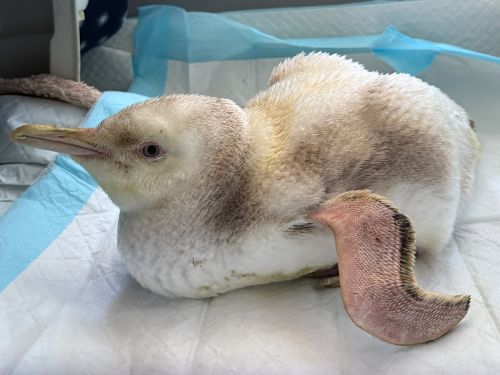
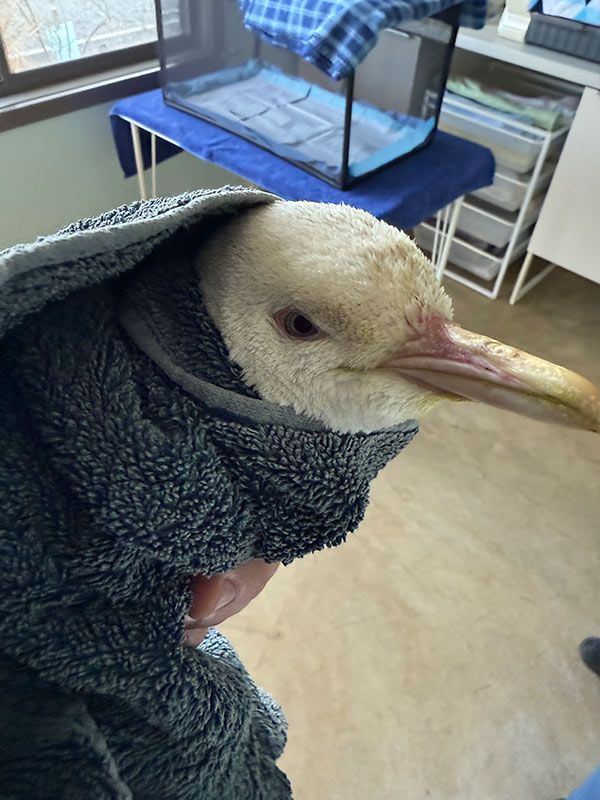
Yesterday, an adorable creature now known as Pearl the penguin washed up in a debilitated state on Boomer Beach along South Australia’s Fleurieu Peninsula. While the occasional Little Penguin, like Pearl, is known to be washed up in this area in a sorry state, what makes Pearl so special is her extremely rare white colour, or leucistic condition.
“It’s a genetic mutation; it’s just random chance," explained Justin Biddle, Wildlife Centre Manager at Wildlife Welfare Organisation (SA) Inc (WWO).
Although it’s very rare to spot a leucistic penguin, Biddle is fairly sure it’s not the first for the state.
“I have heard there’s been another [leucistic penguin] in South Australia, in 2011. It was rehabilitated by another rescue group, but they have since disbanded."
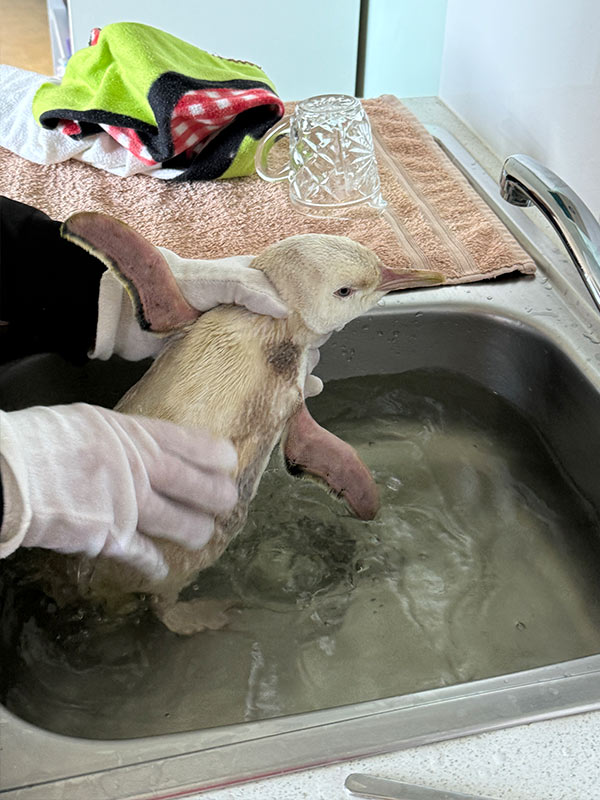
Pearl was taken in and cleaned up by WWO. (Image: Justin Biddle)
What was wrong with Pearl the penguin?
While Biddle says it was clear Pearl was in a bad way, it’s unclear exactly what led to it.
“She’s just had a bit of a rough go," he said. “She was struggling to fish and find food and was quite debilitated. She might have had a minor injury at some point that has prohibited her from hunting so well. We have wormed her… so she might have quite a high parasite load as well."
“Usually, it’s a crossover of different factors that causes it. Unless you know the history and what’s happened beforehand, it’s hard to say for sure".
“We’re not really thinking it’s the algal bloom because we’re not having other larger creatures rock up, it’s mainly just dead fish," he explained.
“[Being leucistic] is obviously quite a rare condition and [penguins] born this way might have a lesser chance of survival. But it’s hard to tell if she’s having a rough go of life due to her colour or… whether it’s just random chance."
Her rare colour might have contributed to her condition. (Image: Justin Biddle)
What will happen to Pearl the penguin?
Thankfully, Pearl is currently putting on weight and looks like she will make a full recovery. But Biddle warns that she is not out of the woods just yet. He says that while WOO’s first approach is always to release rehabilitated marine life back to the ocean, it might be decided it’s not the best thing for her.
“In South Australia, we’re governed by permits and regulations from the Department of Environment and Water, which covers the National Parks and Wildlife Services. So it would be a discussion with them – and maybe a few other researchers and experts – to see what happens. She might be released, or she might need to stay in captivity."
“If it’s decided that captivity is the best for her, the experts will make a recommendation on where she goes," he shared. “But it’ll need to be somewhere that already has a colony of Little Penguins in care".
Here’s hoping little Pearl bounces back sooner rather than later.
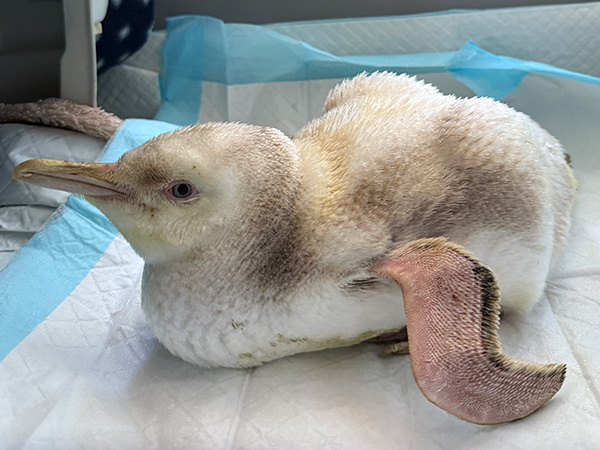
Pearl is expected to make a full recovery. (Image: Justin Biddle)
Kassia Byrnes is the Native Content Editor for Australian Traveller and International Traveller. She's come a long way since writing in her diary about family trips to Grandma's. After graduating a BA of Communication from University of Technology Sydney, she has been writing about her travels (and more) professionally for over 10 years for titles like AWOL, News.com.au, Pedestrian.TV, Body + Soul and Punkee. She's addicted to travel but has a terrible sense of direction, so you can usually find her getting lost somewhere new around the world. Luckily, she loves to explore and have new adventures – whether that’s exploring the backstreets, bungee jumping off a bridge or hiking for days. You can follow her adventures on Instagram @probably_kassia.
No matter your age and no matter your interests, Victoria’s coastal Bellarine region makes for a memorable getaway for the whole family.
Curving into Port Phillip Bay and extending south from Geelong, The Bellarine is a gorgeous coast-meets-country destination. It’s a captivating mix of beachside towns, rolling farms and vineyards, effortlessly cool eating and drinking spots and coastal vistas that seem to stretch beyond the horizon.
Among its many highlights is a plethora of family-friendly activities to suit all ages and all interests. Here’s your guide to the ultimate Bellarine getaway guaranteed to keep every generation happy.
1. Tuckerberry Hill Farm
Pick your own fruit at Tuckerberry Hill Farm.
There may be no better way to spend an early morning than by foraging and feasting on your own bounty of berries. At Tuckerberry Hill Farm , you can pick blueberries, strawberries and stone fruit from November through March. Take them home or enjoy on the farm’s sun-dappled grounds.
Tuckerberry also has a regular market selling farm-fresh produce, plus an inviting on-site cafe doing light lunches, drinks, home-baked treats and condiments – many of which incorporate the farm’s own harvest.
2. The Oxley Estate
Wake up to the neighbours.
A memorable holiday starts with a memorable place to stay, and The Oxley Estate delivers. Situated in the relaxed coastal town of Portarlington, the sprawling site offers thoughtfully styled rooms and activities that’ll keep both parents and kids entertained.
Wander the fragrant rose gardens, olive grove and fruit-laden orchards. Meet the resident alpacas, donkeys, goats, sheep, chickens and ducks. Challenge your crew to a round of giant chess or mini golf. Or cool off in the shimmering saltwater pool after a busy day of exploring.
Different room types cater to different groups, with the largest able to comfortably sleep eight.
3. Oneday Estate
Taste small batch wines at Oneday Estate.
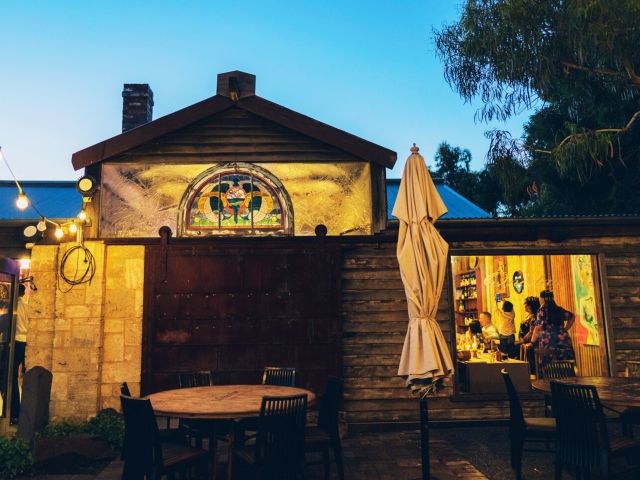
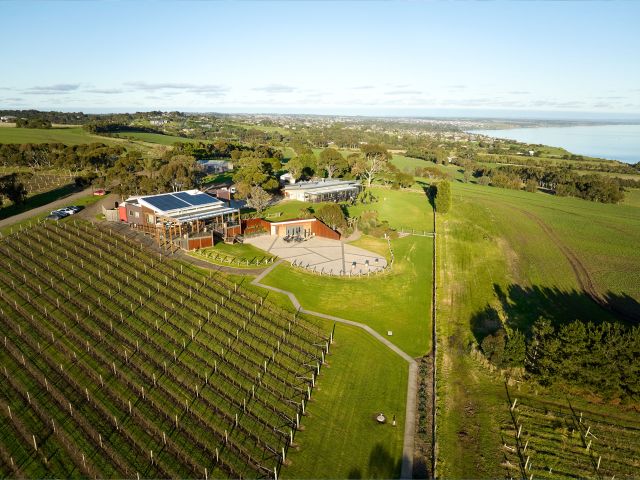
Oneday Estate is a must-visit, featuring a restaurant, winery and bar. The winery lets you try small-batch, estate-grown shiraz, pinot noir and riesling. It’s also a vibrant and character-filled Sunday lunch spot in an eclectic stone-and-timber hall crafted from recycled materials and 100-year-old relics repurposed from the surrounding region.
The on-site eatery and bar hosts weekly Sunday Sessions accompanied by tunes from local musicians, a buzzy atmosphere and flavour-packed food and drink. Order a round of delicious woodfired pizzas with toppings to suit all tastes, alongside a glass of Oneday’s signature wine.
4. BIG4 Ingenia Holidays Queenscliff Beacon
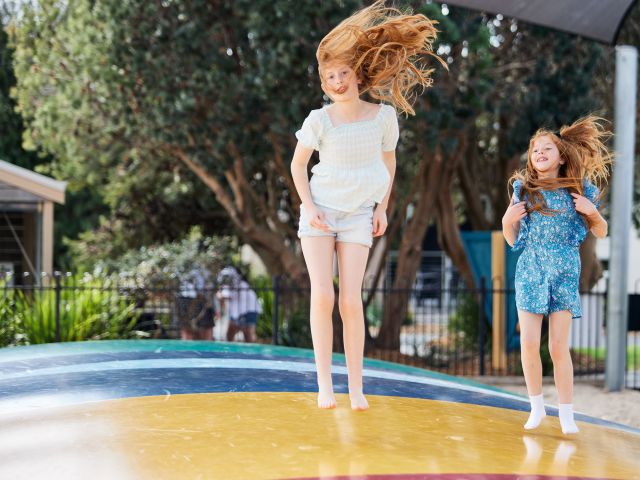
Kids will love BIG4 Ingenia Holidays Queenscliff Beacon.
BIG4 holiday parks are renowned for their all-ages appeal, and BIG4 Ingenia Holidays Queenscliff Beacon in the coastal enclave of Queenscliff is no different. The pool and gym are a given, but there’s also a playground, pickleball and basketball courts, a jumbo-sized jump pad, an interactive games arena and an indoor games room equipped with toys, activities and entertainment.
The diverse range of accommodation spans compact studios designed for three guests, all the way up to expansive beach houses accommodating up to 10, providing comfort and flexibility to suit every size of family.
5. Bellarine Railway
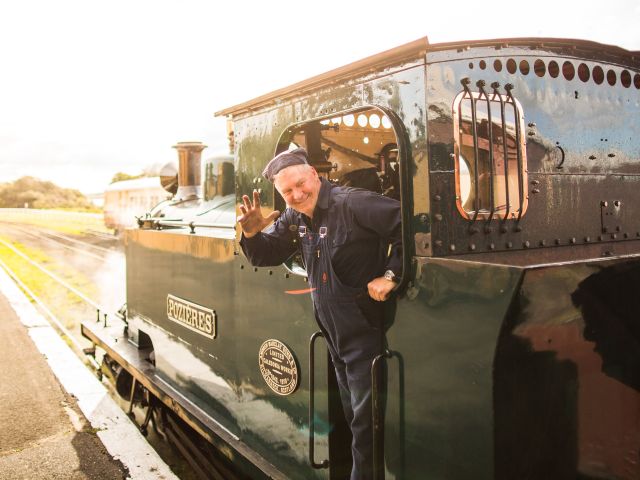
Take a journey aboard the Bellarine Railway.
If your entourage includes any locomotive enthusiasts, book a journey aboard the Bellarine Railway . The more than 100-year-old steam train transports you to a bygone era and takes you through the rolling farmland and windswept coastal landscapes that make The Bellarine so beautiful.
The Swan Bay Express is an easy 45-minute ride perfect for younger passengers (and even allows dogs on board), or you could opt for a themed trip. There are seasonal events like the Polar Express (a festive favourite in the lead-up to Christmas), along with the Blues Train (a high-energy experience of live music and dancing) and The Q Train (a roving fine-dining feast celebrating regional produce).
6. The Dunes
Save room for dessert. (Image: Visit Vic)
The Dunes offers the perfect balance of polished and playful, a breezy beachside bar and restaurant that appeals to adults and kids alike.
Feast on moreish snacks, share plates and mains from the Italian-inspired menu, or a selection of San Marzano-topped pizzas fresh from the wood-fired oven. Pair your meal with a classic cocktail, an ice-cold beer or a glass from the generous drinks menu, which brims with local drops. Little ones are well catered for with a line-up of kid-approved meals for breakfast and lunch.
If you’re simply swinging by en route to the family-friendly beach, grab a bite at The Dunes’ beachside kiosk before strolling down for a paddle or surf.
7. Sea All Dolphin Swims
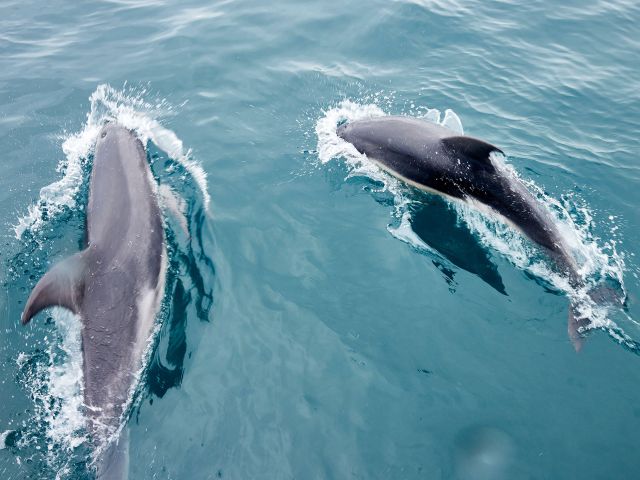
Spot the locals with Sea All Dolphin Swims. (Image: Visit Vic)
The sparkling waters around The Bellarine are home to dolphins, fur seals, plus a flurry of seabirds. Sea All Dolphin Swims lets you see some of these magnificent animals up close aboard one of their small-group vessels.
Head out on a sightseeing tour and spot local wildlife darting around the boat, or dive right in with a swim adventure tour. You’ll be swimming alongside dolphins and seals in their natural habitat – a bucket-list experience you won’t forget fast.
Swimming and snorkelling gear is provided, and guides are trained to ensure a gentle, eco-friendly encounter for both swimmers and sea creatures.
8. Jack Rabbit
Everyone has a menu to enjoy at Jack Rabbit. (Image: Visit Vic)
If your mood leans laid-back, the House of Jack Rabbit is a lovely spot for brunch, lunch or dinner. The cafe serves a produce-driven all-day menu filled with seasonal mains, generous sharing platters and a playful kids menu to suit even the pickiest of eaters.
If you’re after something more elevated, Jack Rabbit Restaurant does plates that change with the seasons and incorporate plenty of local produce. Even younger guests are well catered to, with a considered yet familiar kids’ menu that’s just as vibrant as the grown-up one.