
Launceston is the perfect base from which to take in the stunning surroundings of north-east Tasmania.
One of Launceston’s greatest luxuries is its scale. You can pick up a coffee and warm walnut croissant in the CBD and, less than an hour later, be somewhere that feels entirely removed from city life – salt on your lips, snow underfoot or mud on your boots.
From a hotel base in Launceston I’ve watched little penguins shuffle ashore at Low Head, clipped into a harness and flown through the canopy at Hollybank and left before dawn to ski Ben Lomond. That’s Launceston in a nutshell: city comforts with wilderness (and vineyard) access. Here are the day trips worth building an itinerary around.
In short
If you take just one day trip from Launceston, make it Ben Lomond – tobogganing and skiing in winter, mountain biking and alpine walks in summer.
Mole Creek
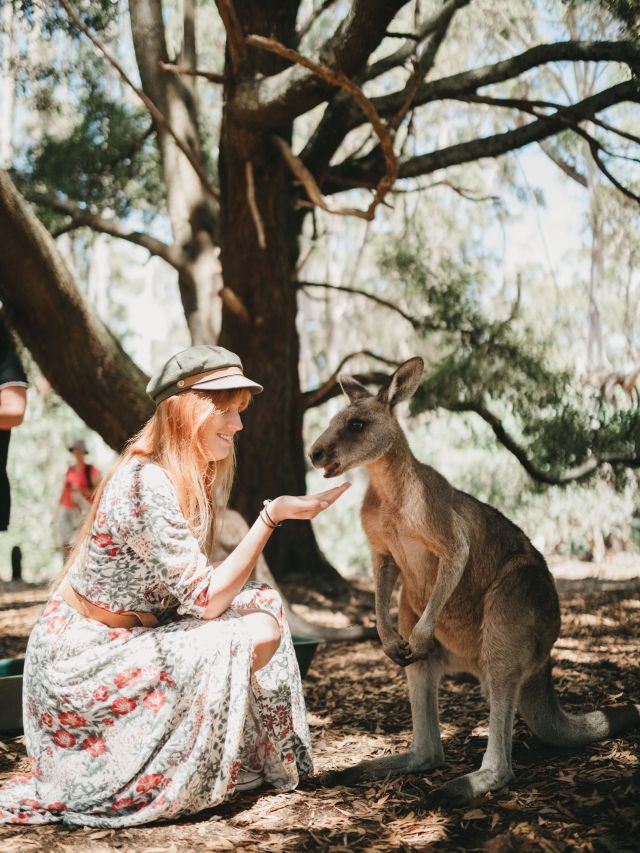
West of Launceston, Mole Creek is the kind of day trip that overdelivers: limestone caves, Tasmanian devils and a scatter of tiny country towns that still run at farm pace. Start at Trowunna Wildlife Sanctuary for a close look at the local devils – and yes, feeding time comes with the snarls and shrieks they’re famous for. Then trade daylight for limestone at the Mole Creek Caves , where guided tours wind through cool chambers of stalactites, underground streams and glow worms that sparkle in the dark. Book ahead if you can; tours are often booked out, and when we arrived, the only way in was a last-minute cancellation.
On the way back to Launceston, pull into Chudleigh and stock up on the region’s other specialty: honey. On the main street, Melita Honey Farm is a sweet stop for tastings, nougat samples, a working hive behind glass and honey ice cream made on site. I popped in for a quick taste and somehow walked out clutching jars of local manuka honey.
Greens Beach
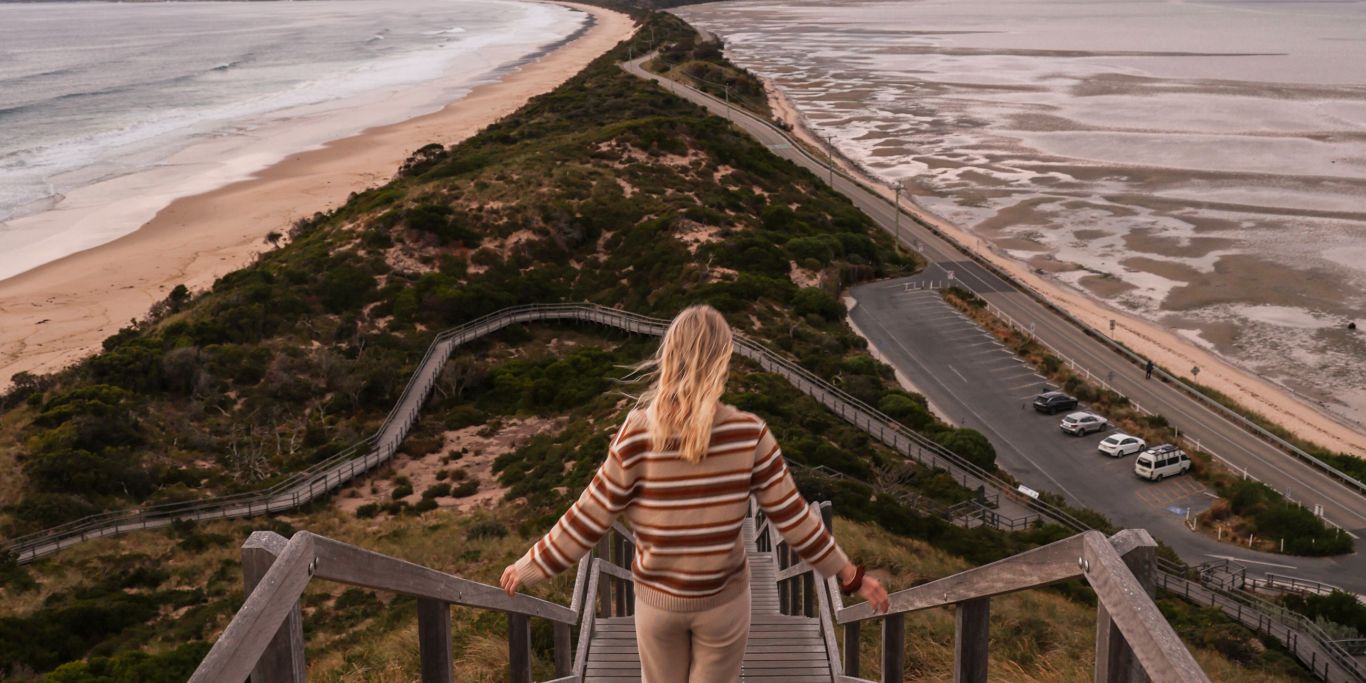
When a beach day calls, my top pick near Launceston is Greens Beach, a long sweep of honey-coloured sand and clear water. The drive north threads through the Tamar Valley wine region, past cellar doorsand roadside antique shops, before the road runs out at Bass Strait. Greens Beach itself is calm and family-friendly, made for an easy swim or a few cartwheels along the foreshore. At the northern end, near the main swimming spot, low sand dunes ripple along the shoreline, practically inviting you to scramble up and roll straight back down.
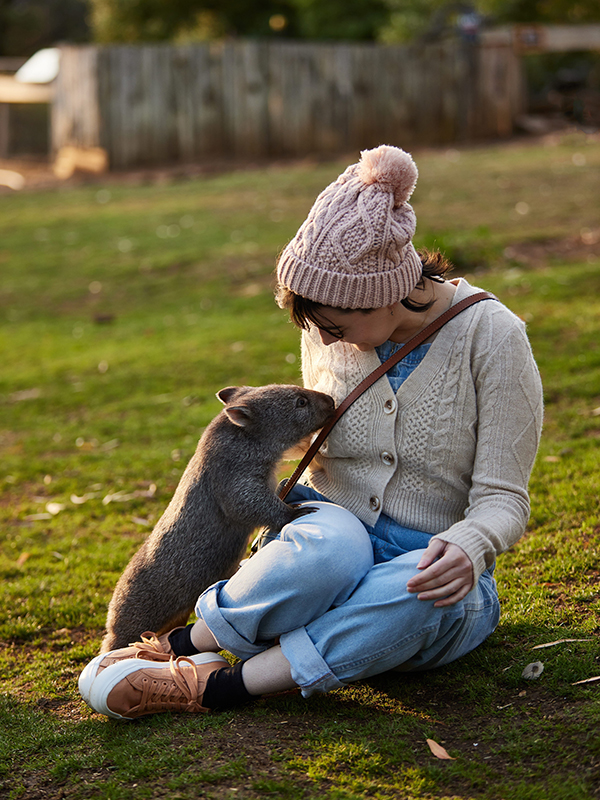
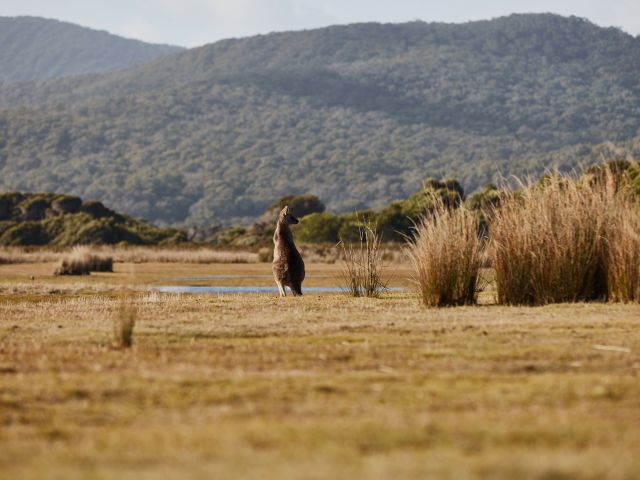
A short drive west of Greens Beach, Narawntapu National Park (once called Asbestos Range, after minerals mined in the mountains beyond) feels like stepping into a wildlife documentary. Wallabies, grey kangaroos and wombats graze on the grasslands, while wedge-tailed eagles and swift parrots circle overhead. For hikers, the standout is the 9-kilometre Archer’s Knob track, which climbs to the summit via Bakers Beach – a good spot for a swim on the way. Afterwards, retrace your steps to the Springlawn Visitor Centre , where you’ll find a small souvenir shop, picnic tables and toilet facilities.
Hollybank

Just 20 minutes from Launceston, Hollybank drops you into cool, towering forest where the air smells of eucalyptus and birds chatter high in the canopy. The main draw for me was the zipline.
At Treetops Adventure Hollybank the experience starts with a walk through the trees to the launch platform and a safety briefing from fun, knowledgeable guides before you clip in. The first runs are short practice zips between trees, landing on timber platforms built into the trunks. Then the lines stretch and the speed builds. Soon you’re gliding among giant sequoias and over the river, 50 metres above the ground. I did the course with my two kids and we all had a blast.
Back on solid ground, it’s easy to see why people linger here. Mountain bike trails weave through the forest and there’s a ropes course if you still have energy left. We slowed things down afterwards with a picnic on the grass – homemade sandwiches in our case, though the kiosk does decent coffee and pies if you didn’t pack lunch.
Ben Lomond National Park
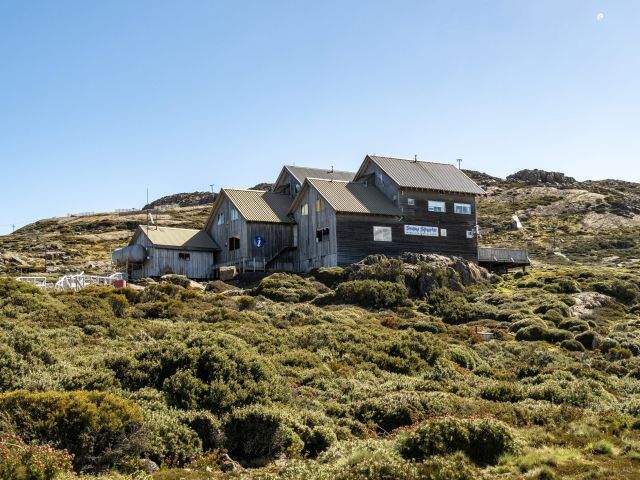
Few places in Australia allow you to drive from the city centre into an alpine ski field so easily, but Ben Lomond does exactly that. The road up Jacobs Ladder is part of the adventure: a string of tight switchbacks cut into the mountainside. As the car climbs, the drops get steeper; I remember peering out the window at sheer cliffs falling away below. At the top, the road opens onto a broad 1500-metre plateau ringed by dolerite cliffs and the summit of Legges Tor, Tasmania’s second-highest peak. The views alone make the trip worthwhile.
In winter the mountain becomes Tasmania’s only commercial ski field, with skiers, snowboarders and tobogganers spreading out across the slopes. The snow isn’t quite Japan or New Zealand. It can be firm and icy, but that hardly seems to matter once everyone’s out there. When the snow melts, the plateau feels quiet again: a place for alpine walks, wildflowers and mountain biking. Even in summer, the air up here feels colder and clearer.
Evandale

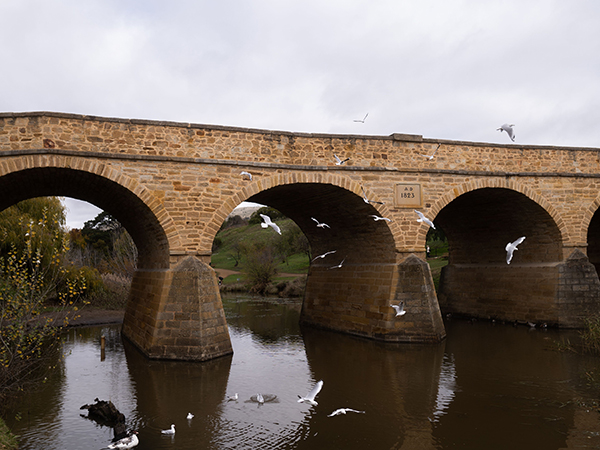
Arrive early on a Sunday and the picturesque town of Evandale is just waking up. By 8am the market is stirring beneath the elm trees: trestle tables filling with antiques, boxes of old books and plates of homemade cakes that disappear quickly once the locals arrive. It’s the kind of place where you wander slowly, coffee in hand, hoping to spot a small treasure among the stalls. Afterwards, take a stroll along Russell Street past Georgian buildings from the early 1800s, with sandstone facades, iron fences and shady gardens – before settling in at the Clarendon Arms for a leisurely meal of hearty dishes. Outside, the beer garden comes alive on Sundays with live music.
If you like your events a little eccentric, plan a visit around the National Penny Farthing Championships (20 February 2027) when riders race antique bicycles through the village streets.
If you have a flight later that day, Evandale is an easy place to spend the morning as Launceston Airport is just 15 kilometres away. And if there’s still time before take-off, stop by Hangar 17 for a Tasmanian single malt at the Launceston Distillery .
Tamar Valley
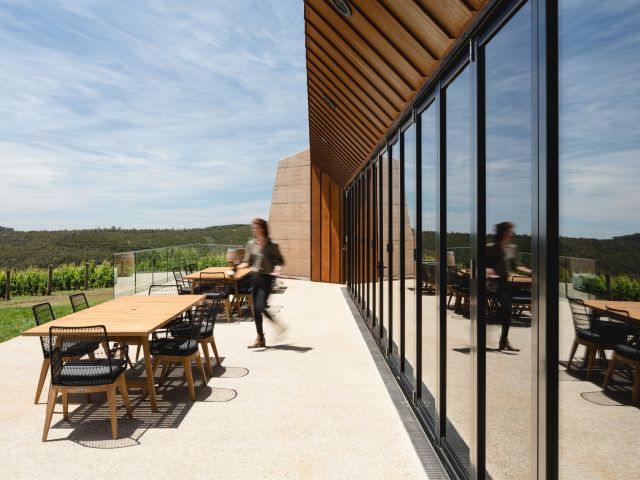
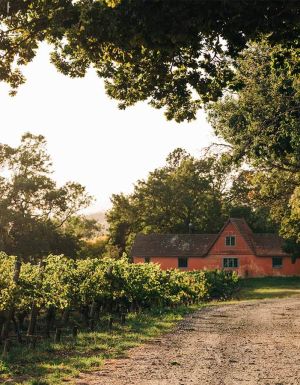
The Tamar Valley Wine Route is one of Australia’s most scenic wine drives. The road traces the Tamar River through rolling vineyards, orchards and quiet farming towns, with cellar doors appearing every few kilometres. Because the wineries are so close together, you can comfortably visit half a dozen in a day.
The eastern side of the river is known for sparkling wines, with elegant tastings at Jansz Wine Room and Clover Hill Wines . Across the water you’ll find character-filled stops like Holm Oak Vineyards and the stylish cellar door at Stoney Rise . If you’re planning to spend more time in the region, see our guide to the best things to do in the Tamar Valley.
Longford

Few things feel more like a Tasmanian summer than wandering through berry rows with sticky fingers and a sun-warmed punnet. Just outside Launceston, Longford Berries invites visitors into the fields to pick silvanberries, raspberries, boysenberries, jostaberries, loganberries, blackberries and strawberries. The family-run farm focuses on pesticide and fungicide-free berries, making it easy to snack as you go. It’s a relaxed, no-frills kind of place, just rows of fruit and the quiet satisfaction of filling your own punnet.
Just don’t get too enthusiastic like we did the day before flying out of Launceston. We ended up with buckets of berries crammed into a tiny hotel fridge, attempting to eat them for dinner. Fresh berries can’t be taken out of Tasmania due to biosecurity restrictions, so plan accordingly. And skip the white shirt while you’re at it: muddy rows and berry juice have a habit of ending up everywhere.
Bridestowe Estate

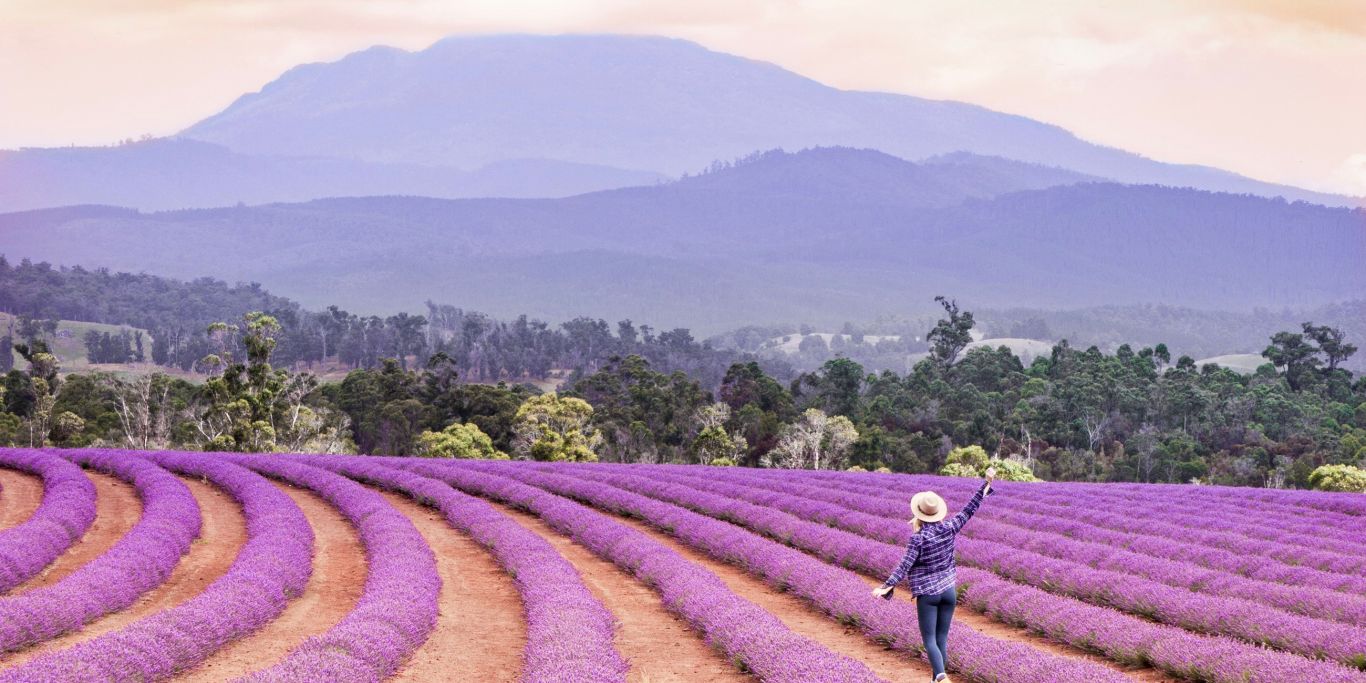
At Bridestowe Lavender Estate neat rows of lavender merge into a soft violet blur, the air thick with that unmistakable scent – floral and calming with a slightly herbal, almost woodsy note. Bees hum lazily through the bushes and the whole place carries that romantic, slow-summer feeling that makes you linger longer than planned.
Located near the small town of Lilydale, the estate is most spectacular in December and January, when the lavender bursts into full bloom and photographers wander the rows chasing the perfect purple-field shot with Mount Arthur rising gently in the background. It’s also when a small entry fee applies. Outside these peak flowering months, visiting the farm is free.
Once you arrive, wander the fragrant rows before stopping for the estate’s famous lavender ice cream, served from a picture-perfect old-school ice-cream truck. The large shop also sells a range of lavender products – teddy bears stuffed with lavender, oils, teas and soaps. Guided tours run throughout the day, and even outside the flowering season the grounds are pleasant to explore, with ornamental gardens, native bushland and wide views across the surrounding countryside.