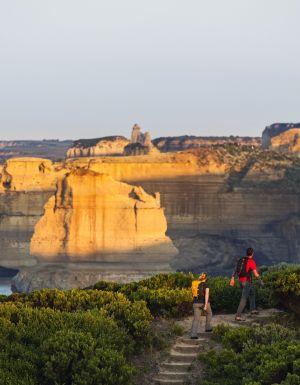
Considered to be one of the world’s most scenic coastal drives, Victoria’s Great Ocean Road gives you the opportunity to see the iconic 12 Apostles, get up close to native wildlife and take in iconic surf breaks, pristine rainforest and misty waterfalls.
The 243-kilometre stretch of road that runs between Torquay and Allansford is actually the world’s largest war memorial – it was built by return First World War servicemen and 2019 marked the centenary of the commencement of construction.
Along the road, you’ll discover beautiful little seaside towns with a rich maritime history and deserted beaches. Popular nature activities include bushwalking, surfing, mountain biking, canoeing and koala-spotting. There’s also excellent food and wine and shopping.
The natural beauty of this area draws visitors from far and wide. To truly drink in the stunning scenery, camping is a great way to go.
Simon Williams at Great Ocean Road Adventure Tours has made a career out of introducing visitors to the best spots along this beautiful stretch of coastline. Here he shares some of his secret favourite Great Ocean Road camp spots.
Cumberland River Holiday Park
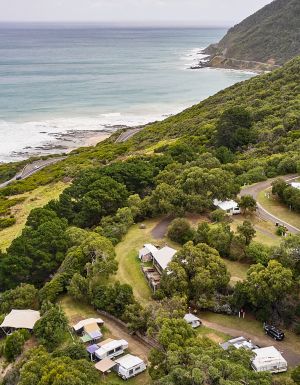
Just a short drive beyond the popular resort town of Lorne is this truly excellent camping spot . There is great bushwalking around the beautifully grassed campsite.
Walks from here are some of the best in the area and extend up into the Great Otway National Park. The beach opposite is spectacular and the river that runs through the campground has some great areas to relax in and cool down on hot summer days.
If pitching a tent doesn’t appeal there are some well-appointed cabins onsite.
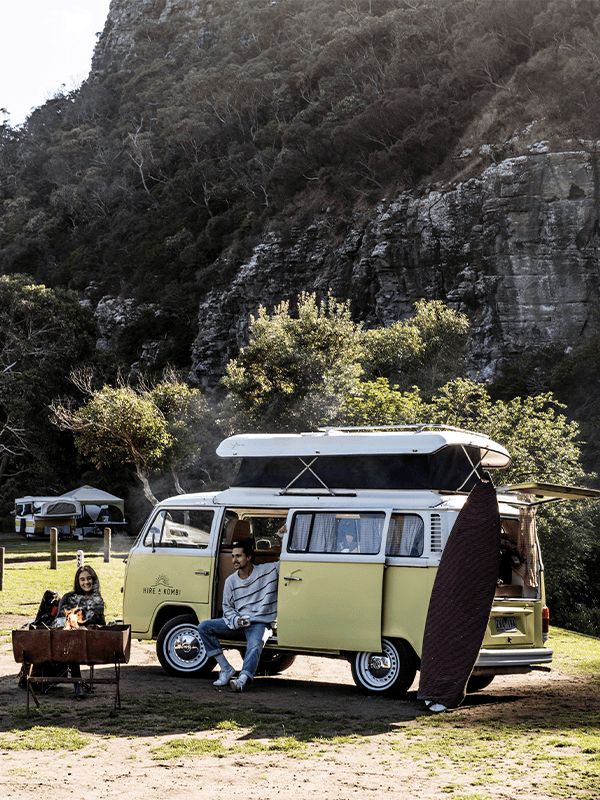
Jamieson Creek Campground
Located within the Great Otway National Park, Jamieson Creek Campground has 24 campsites by the ocean. There are a range of campsites, each accommodating up to six people, for tents and small carvans and trailers. Note that it is very basic (i.e. no toilets, running water or barbecues), so you’ll need to come well prepared, but the picturesque location certainly makes up for it.
Eumeralla Scout Camp
This popular scout camp set in more than 300 hectares of beautiful natural bush is 35 kilometres from Geelong and two kilometres from the popular beach in Anglesea.
It’s an excellent spot if you’re into mountain biking.
The camp is set high on the cliffs and offers spectacular views of the ocean and the township of Anglesea.
As well as cabins and bunk dorms there are a couple of good bush camping sites where you can sleep under the stars.
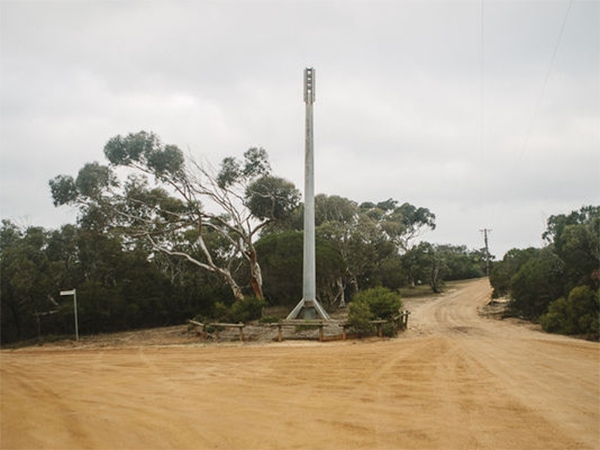
Marengo Holiday Park
This is a well-maintained park with good access to the beach and lovely views back towards nearby Apollo Bay. Visitors can choose from both powered and unpowered camping sites, as well as cabins for those wanting to be extra comfortable.
It’s also dog-friendly and has good facilities including a camp kitchen, BBQ area, laundry facilities, a playground, and free wi-fi. The shops of Apollo Bay are reasonably close which is handy if you’re not a well-organised camper and you need to be close to supplies.
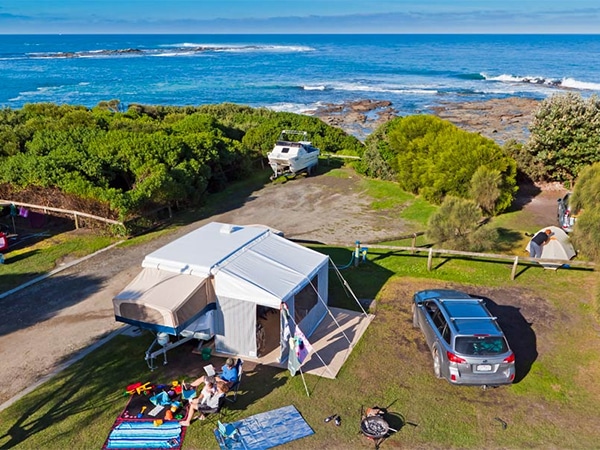
Kennett River Holiday Park
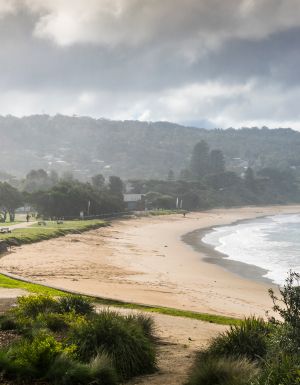
This part of the world is known as koala country, and you have a good chance here (and at nearby Grey River) to spot a few of our furry friends. Located between the towns of Lorne and Apollo Bay, the beach at Kennett River has reasonable surf (particularly good for beginners) and the campground is set right across from the beach. Amenities include bathrooms, a camp kitchen, barbecue areas, a playground for children, and a general store nearby for essentials and food.
Great Ocean Walk spots
If you want to get off the beaten track, Simon recommends the Great Ocean Walk, which runs between Apollo Bay and the 12 Apostles. Along the way, you’ll discover some remote and rarely visited camping spots. Many of these are hike-in campsites and are fuel-stove only, you’ll also need to remember to bring your own drinking water and good hiking shoes.
You’ll need to get a camping permit at least two weeks before you start your hike here. Some of Simon’s favourite spots along this route are:
Blanket Bay campsite
This is basic, beautiful bush camping right on the beach . It’s remote and peaceful and there’s plenty of shade. It’s a popular spot for diving.
Aire River campsites
The beach near Aire River campsites is spectacular and is a great place for canoeing, fishing and just sitting on the bridge as the sun goes down. There’s lots of birdlife and at one end you’re able to light fires (not on days of Total Fire Ban).
Johanna beach campsites
This location is super popular with surfers as it’s one of the country’s best breaks. As such, it’s considered to be one of the best beach camping spots along the Great Ocean Road. The 25-pitch campsite is tucked away behind sand dunes and has non-flushing toilets only.
Last but not least …
If you want to whale watch in Warrnambool: Logan’s Beach in Warrnambool is a hotspot for whale watching. Surfside Holiday Park is not far from Logan’s Beach and has powered and unpowered campsites available. There’s also a good camp kitchen and laundries (as well as cabins if you’re not up for pitching your tent).
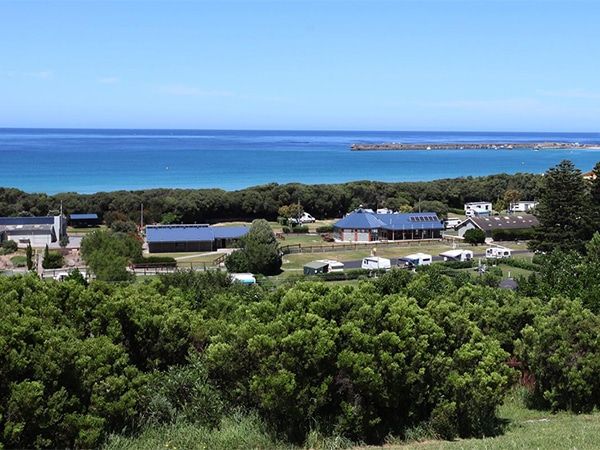
If you want to check out the world-famous Bells Beach surf break: The Jan Juc Caravan Park is about as close as you’re going to get. There are barbecues, powered and unpowered campsites and cabins available. Book early, as this spot is popular.
Powered camping from $60 (for 2 people)
Unpowered camping from $50 (for 2 people)
If you want to spend time at the 12 Apostles: Your best bet is to head to Port Campbell which is about 10 minutes away from this incredible natural wonder (and is also a good spot to stock up on supplies). The Port Campbell Recreation Reserve has some good amenities, hot showers, nice views of the Campbell Creek estuary and a decent camp kitchen. $32-$52 per night.
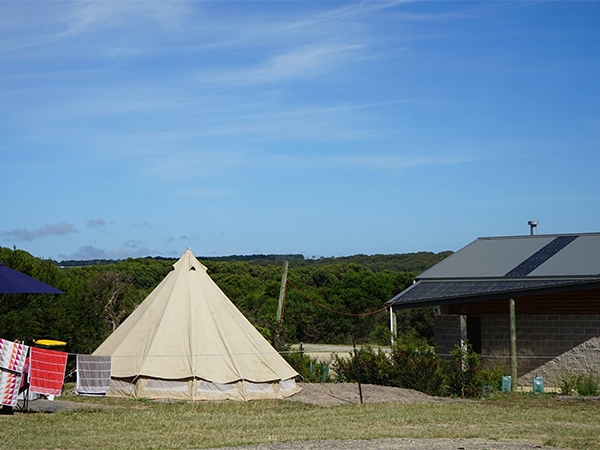
Discover the best things to do on the Great Ocean Road