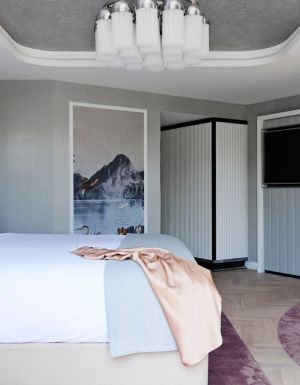
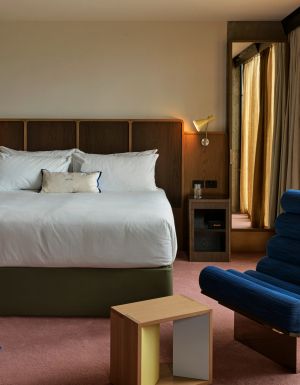
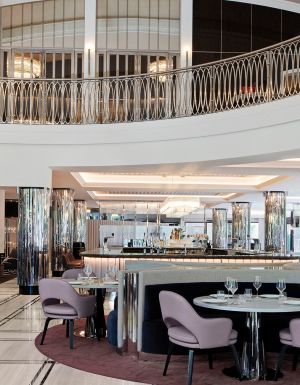
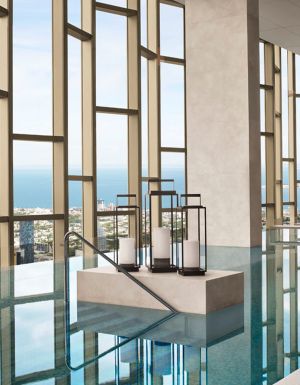
The StandardX has received the Style & Design Hotel Award.
LA LISTE, the Paris-based organisation best known for its rigorous rankings of the world’s top restaurants, has once again turned its gaze to luxury hotels. And in a field dominated by European grande dames, tropical eco-resorts and opulent American stays, Melbourne’s rebellious newcomer stood out and represented Australia.
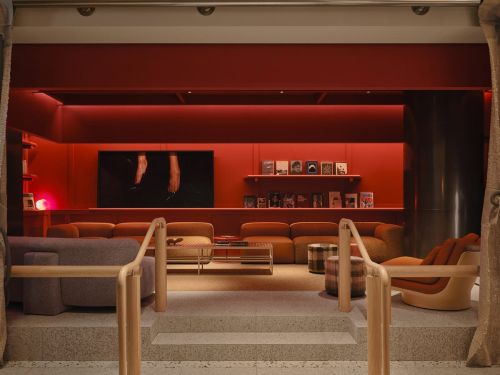
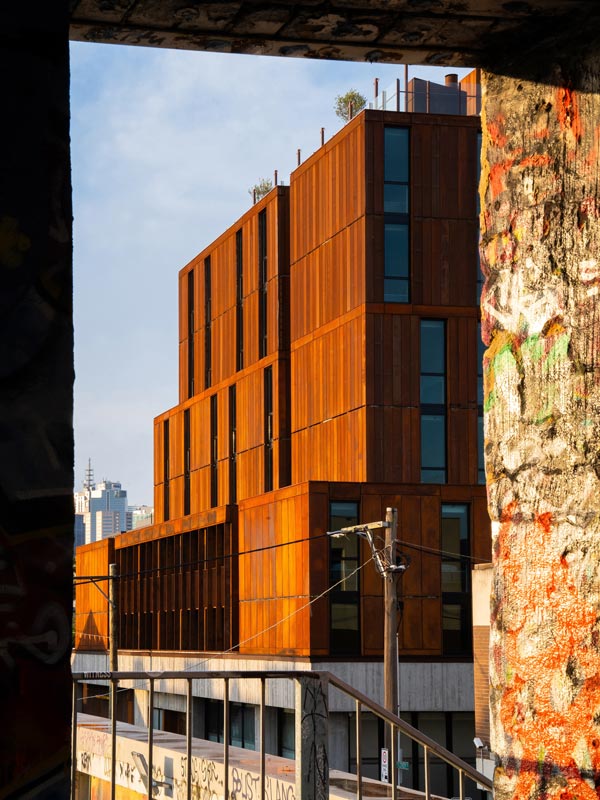
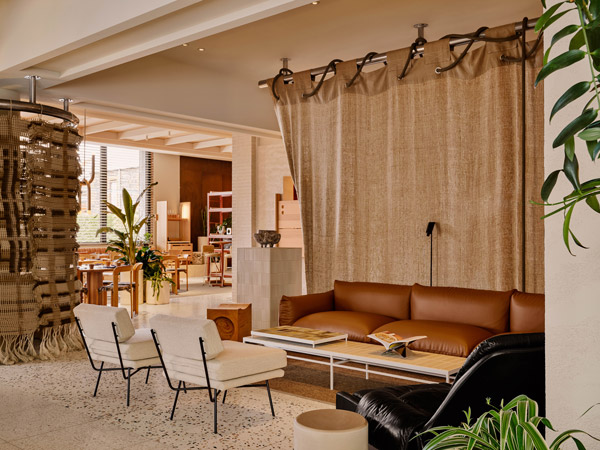
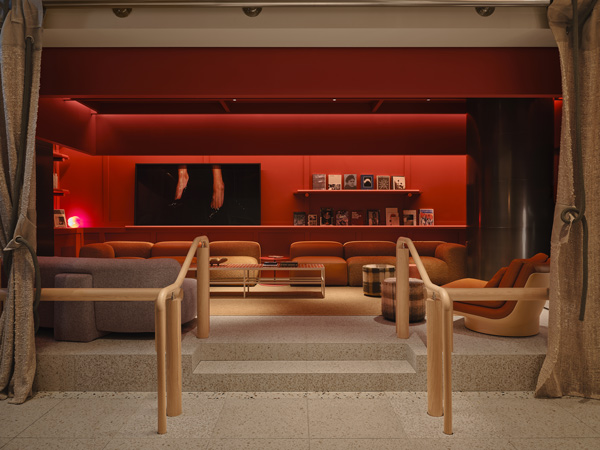
Described by LA LISTE as “arty, bold, unfiltered," The StandardX is the first hotel of its kind outside North America – and it’s already making waves for its unorthodox approach to style. Think streetwise design meets brutalist bones, layered with vintage touches and irreverent artwork that captures the creativity of the surrounding Fitzroy neighbourhood.
The accolade places the hotel in the company of trailblazing properties like Maison Heler Metz in France and Ulaman Eco Luxury Resort in Bali, highlighting The StandardX’s ability to hold its own on the world stage. The judges recognised it not just for aesthetic edge, but for embodying a deeper shift in global travel: toward authentic, local experiences and creative cultural immersion.
The StandardX is arty, bold and unfiltered. (Image: Rhiannon Taylor)
According to LA LISTE founder Philippe Faure, “Hotels are no longer just places to stay. They have become cultural landmarks, ecological laboratories, and creators of unforgettable experiences." The StandardX clearly ticks all three boxes.
For Australian travellers (and stylish visitors alike), the recognition is a reminder that some of the world’s most forward-thinking hotels are right on our doorstep. And for Melbourne, it’s yet another reason to be smug about being the country’s cool capital.
Melbourne’s rebellious newcomer stood out at the awards. (Image: Rhiannon Taylor)
Want to see more stories from Australian Traveller in your Google search results?
Tick the box next to "Australian Traveller". That's it.
Emily Murphy is Australian Traveller's Email & Social Editor, and in her 4+ years at the company she has been instrumental in shaping its social media and email presence, and crafting compelling narratives that inspire others to explore Australia's vast landscapes. Her previous role was a journalist at Prime Creative Media and before that she was freelancing in publishing, content creation and digital marketing. When she's not creating scroll-stopping travel content, Em is a devoted 'bun mum' and enjoys spending her spare time by the sea, reading, binge-watching a good TV show and exploring Sydney's vibrant dining scene. Next on her Aussie travel wish list? South Australia and The Kimberley.
The Yarra Valley and Dandenong Ranges boast some of Victoria’s most stunning natural scenery, making them a prime destination for outdoor experiences.
There’s something very special about the Yarra Valley and Dandenong Ranges. A mix of rugged bush, mist-laden rainforest, gardens bursting with vivid blooms and a network of rivers and waterfalls, the landscapes here are layered and diverse. Late summer is a particularly good time to visit, when the days are long and the region’s outdoor offerings are ripe for sun-soaked adventures.
The best part? Despite being only an easy one-hour drive from Melbourne, the area feels a world away from the hustle. You’ll be greeted by a slower pace with fewer travellers and more room to move – allowing you to truly switch off and take it all in.
From rail trails to rainforest walks, this is where you’ll find nature at its most rewarding.
1. Warburton
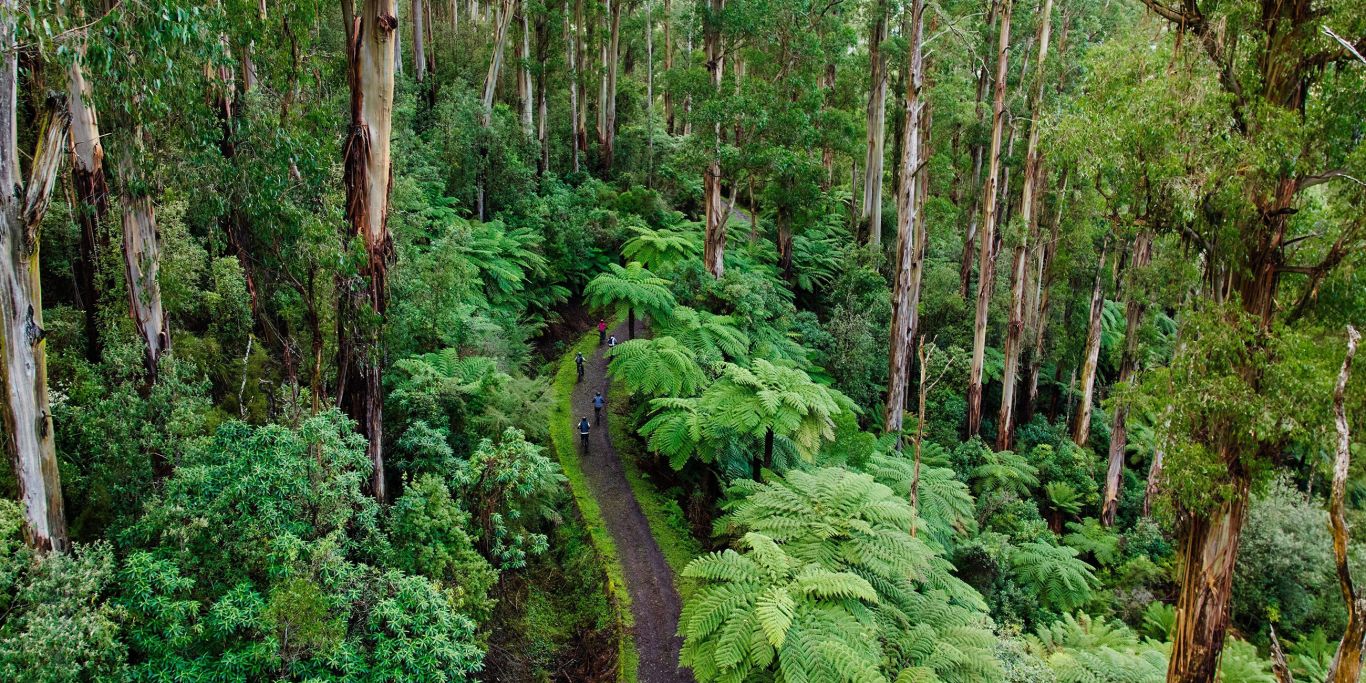
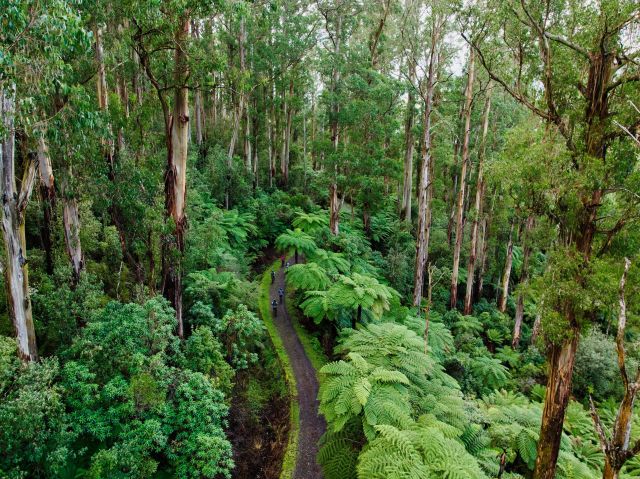
Hit the trails at Warburton Mountain Bike Destination. (Image: Visit Victoria)
Perched at the top of the Yarra River, surrounded by pristine national park, the town of Warburton is a haven for nature lovers. It’s known for its towering redwoods, found in the Californian Redwood Forest just 15 minutes out of town. You’ll be in utter awe of these giant trees, some of which reach heights of up to 55 metres.
The Warburton Rail Trail is another way to experience the town’s natural beauty. This flat, 40-kilometre route goes all the way to Lilydale and is ideal for a stroll or cycle past native bushland, wineries, farmland and parts of the Yarra.
If you want to up the pace a little, head to the Warburton Mountain Bike Destination, which encompasses 160 kilometres of purpose-built tracks amid wild bush terrain. For something a little more laid-back, the Rainforest Gallery is a standout spot for a wander. The gallery features statuesque Mountain Ash and Myrtle Beech trees, moss-covered logs and tree ferns, and a 40-metre elevated walkway that brings you right into the centre of the forest canopy.
2. Yarra Glen
Yarra Glen is a beloved food and drink destination, but it offers far more than excellent produce and top-notch wines.
A highlight is Alowyn Gardens, which stretches over seven acres. Inside, you’ll find nine different gardens with vivid floral and seasonal displays, plus a nursery featuring exotic plant species. The Wisteria Arbour is a crowd favourite, a curved walkway connecting the different gardens with a display of cascading lilac blooms.
Intersecting with the Warburton Rail Trail, the first stage of the Yarra Valley Trail runs from the gateway town of Lilydale to Yering Station. A more manageable track of just 7.5 kilometres, it takes you through rolling farmland and pockets of native bush, with ample opportunities for wildlife-spotting.
If you’re travelling with kids, McKenzie Reserve is a non-negotiable stop. The reserve encompasses a skate park, plenty of open grass to stretch little legs, and a nature-inspired adventure playground to suit every age and every energy level.
3. Healesville
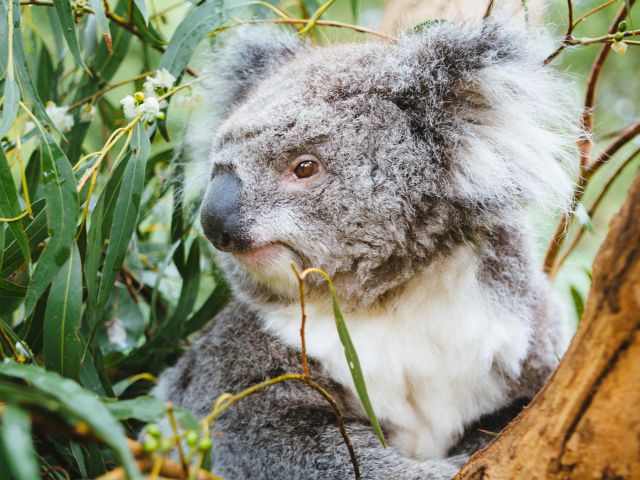
Get up close and connect with koalas. (Image: Visit Victoria)
Healesville is the region’s best place to meet local wildlife. It’s home to Healesville Sanctuary, where you can get up close to kangaroos, koalas, emus, dingoes, reptiles and more. Beyond giving you front-row access to these gorgeous creatures, you’ll appreciate the scenic charm of the tracks and trails that meander through the wildlife park.
To see even more birdlife, head over to Badger Weir for a picnic. Situated among soaring Mountain Ash trees and tranquil waterways, the area supports several bird species, including crimson rosellas, Australian king parrots and the elusive lyrebird. Barbecue facilities are available, and several tracks leading to Badger Weir are pram-friendly.
Fernshaw Picnic Area, located in the Yarra Ranges National Park, is another idyllic setting for picnicking and short walks, also encircled by Mountain Ash trees. Compared to Badger Weir, though, Fernshaw provides a slightly more secluded experience, making it ideal for quieter outings.
4. Olinda
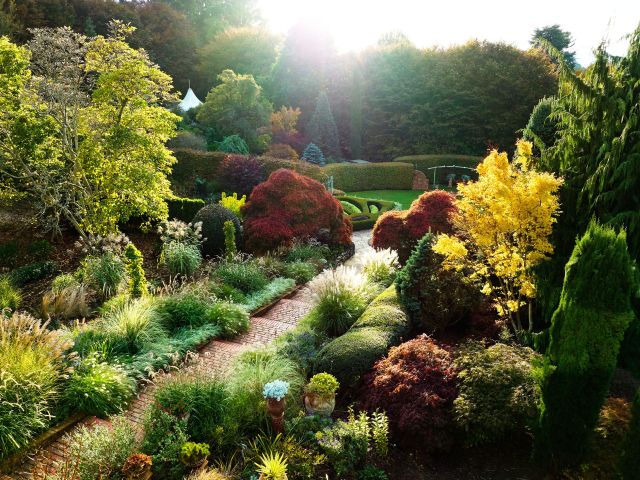
Wander through terraces of ever-changing blooms. (Image: Visit Victoria)
Sitting more than 600 metres above sea level, the Dandenong Ranges have an enchanted feel and are shrouded in lush rainforest filled with tree ferns, mossy trunks and lingering mist.
The town of Olinda is one of the finest places to experience this unique environment in all its verdant glory. At the Dandenong Ranges Botanic Gardens, rhododendrons reign and drape the gardens in a riot of colour every spring.
The nearby Cloudehill Gardens are well worth visiting any time of year. In each of the garden’s nine terraces, you’ll find an array of plant varieties that bloom and transform across the seasons, including weeping Japanese maples that have been growing here for nearly a century.
Besides being a haven for arbory enthusiasts, the nearby RJ Hamer Arboretum is a spectacular spot to enjoy panoramic views. Here, more than 150 tree species grow and overlook the neighbouring Yarra Valley and Great Dividing Range.
5. Emerald
Enjoy a lakeside picnic at Emerald Lake Park. (Image: Visit Victoria)
Set just behind the Dandenong Ranges, the foothills town of Emerald has a slightly more open feel, featuring rolling hills and open bushland. The town sits on the edge of the Dandenong Ranges National Park, with a patchwork of forested reserves and accessible bush trails on the Emerald side.
You can also take to the water at nearby Aura Vale Lake, which is popular for sailing, canoeing, fishing for eel and perch, and picnicking on the grassy banks.
The stand-out, though, is Emerald Lake Park, a sprawling green with multiple recreation zones. Across 52 hectares, there are walking tracks, playgrounds, paddleboats, a model railway, fishing sites and a family-friendly wading pool that comes to life every summer. The park also lies adjacent to the iconic Puffing Billy, making it a perfect stop if you’re travelling on the historic steam train.