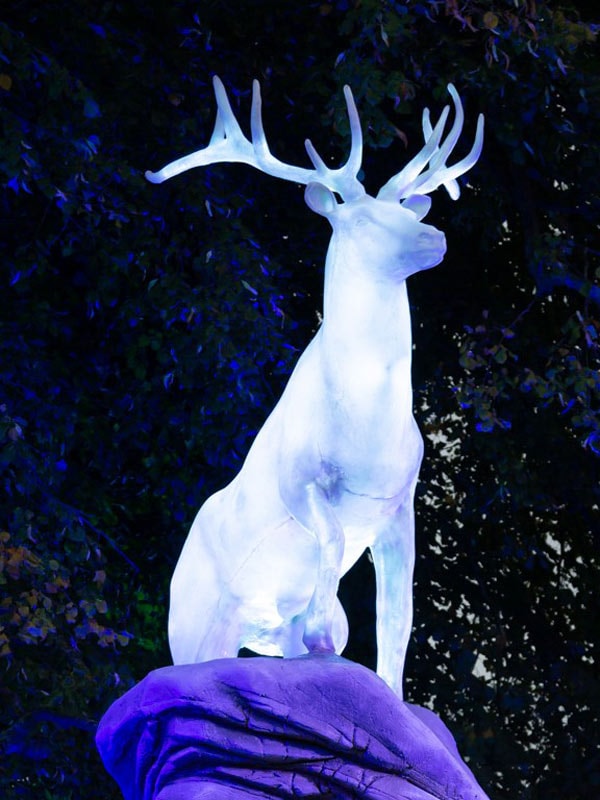
Harry Potter: A Forbidden Forest Experience is coming to Melbourne’s Mornington Peninsula in April. (Image: Warner Bros)
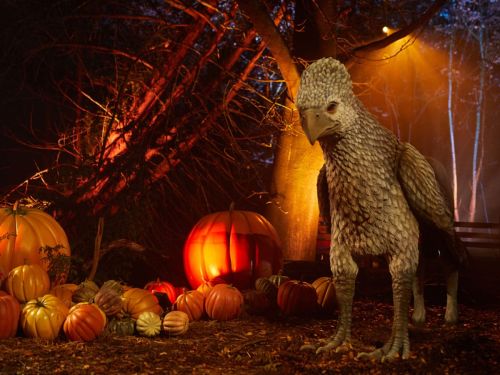
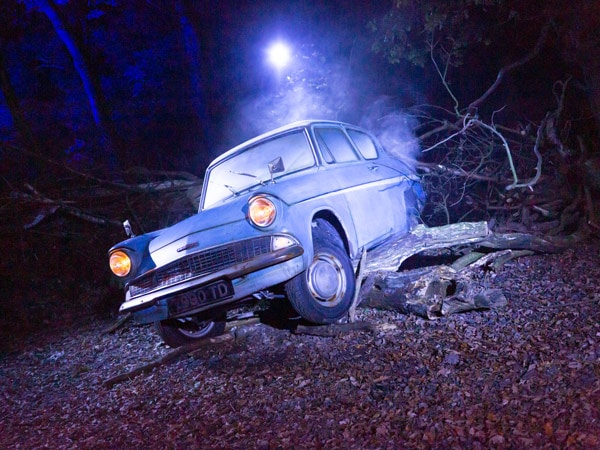
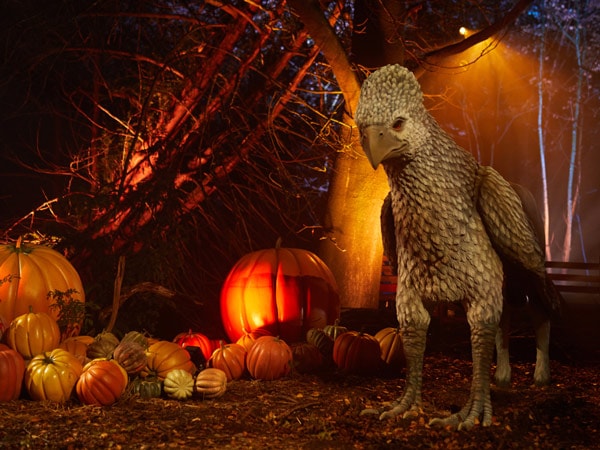
Visitors will get to explore the iconic Forbidden Forest from the Harry Potter series as they pass by mystical creatures like Hippogriffs, unicorns and Nifflers from the beloved Wizarding World.
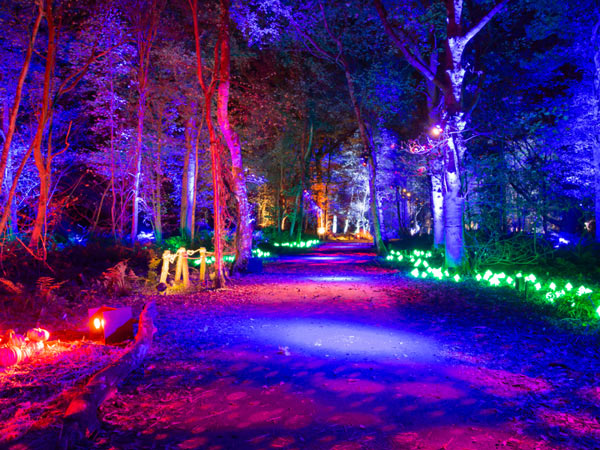
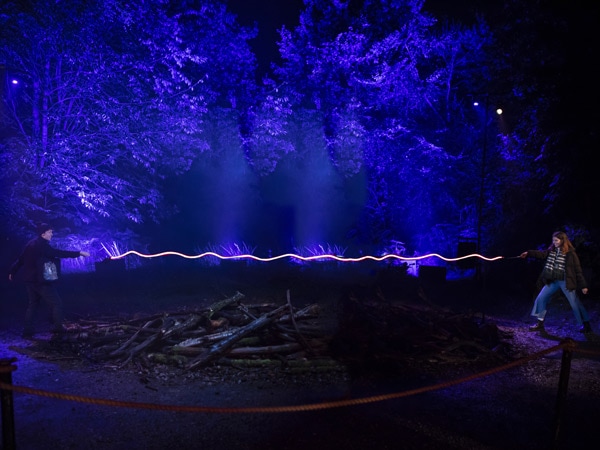
An experience for the whole family, visitors will follow a mesmerising light trail through the forest and be able to cast their own spells and Patronus’ along the way. A themed village will end the experience, complete with Harry Potter-inspired food and drinks and a gift shop.
Visitors will follow a mesmerising light trail through the forest. (Image: Warner Bros)
The enchanting outdoor spectacular will open on 6 April and will now be held at The Briars Community Forest on the Mornington Peninsula. Tickets are on sale now, with prices starting at $41 for children and $56 for adults.
Harry Potter: A Forbidden Forest Experience will take roughly 60 to 90 minutes to complete with sessions starting at 5.30pm and the last entry at 9.45pm Sunday to Thursday and 10.15pm on Friday and Saturday. Please note this is an outdoor trail, conducted during dark hours.
Cast your own spells along the way. (Image: Warner Bros)
The arrival of Harry Potter: A Forbidden Forest Experience on the Mornington Peninsula is the latest drop of magic from the beloved franchise to come to Australia, following the four-year-spell of Harry Potter and the Cursed Child at the Princess Theatre.
If you can’t wait until April, Sydney fans can immerse themselves in Harry Potter Christmas Lights at 30 Alfred Street, Ramsgate Beach until 26 December.
Learn how to cast a Patronus. (Image: Warner Bros)
Harry Potter: A Forbidden Forest Experience is created by Warner Bros. Discovery Global Themed Entertainment in partnership with Fever, Thinkwell and Unify. Currently on in Little Elm, Texas until 13 January 2024, the experience will begin in Sentosa, Singapore on 3 February 2024 before coming to Victoria.
Pass by mystical creatures like Hippogriffs, unicorns and Nifflers from the beloved Wizarding World. (Image: Warner Bros)
Want to see more stories from Australian Traveller in your Google search results?
Tick the box next to "Australian Traveller". That's it.
Emily Murphy is Australian Traveller's Email & Social Editor, and in her 4+ years at the company she has been instrumental in shaping its social media and email presence, and crafting compelling narratives that inspire others to explore Australia's vast landscapes. Her previous role was a journalist at Prime Creative Media and before that she was freelancing in publishing, content creation and digital marketing. When she's not creating scroll-stopping travel content, Em is a devoted 'bun mum' and enjoys spending her spare time by the sea, reading, binge-watching a good TV show and exploring Sydney's vibrant dining scene. Next on her Aussie travel wish list? South Australia and The Kimberley.
From ancient aquaculture systems to sacred rock art shelters, Victoria’s First Peoples cultural experiences offer a powerful connection to one of the world’s oldest living cultures – where every site, story and smoking ceremony invites a deeper understanding of the land beneath your feet.
Victoria’s sweeping landscapes hold stories far older than any road map can trace – stories etched into stone, sung through generations and woven into every bend of river and rise of hill. From the lava flows of Budj Bim to the ancient middens of Moyjil/Point Ritchie and the volcanic crater of Tower Hill, the state is home to some of the most significant First Peoples cultural sites in Australia. These places, along with other immersive experiences, offer not only a window into a 60,000-year legacy, but a profound way of understanding Country itself. As more travellers seek connection over checklists, guided tours by Traditional Owners offer respectful, unforgettable insights into a living culture that continues to shape the land and the people who walk it.
Budj Bim cultural landscape
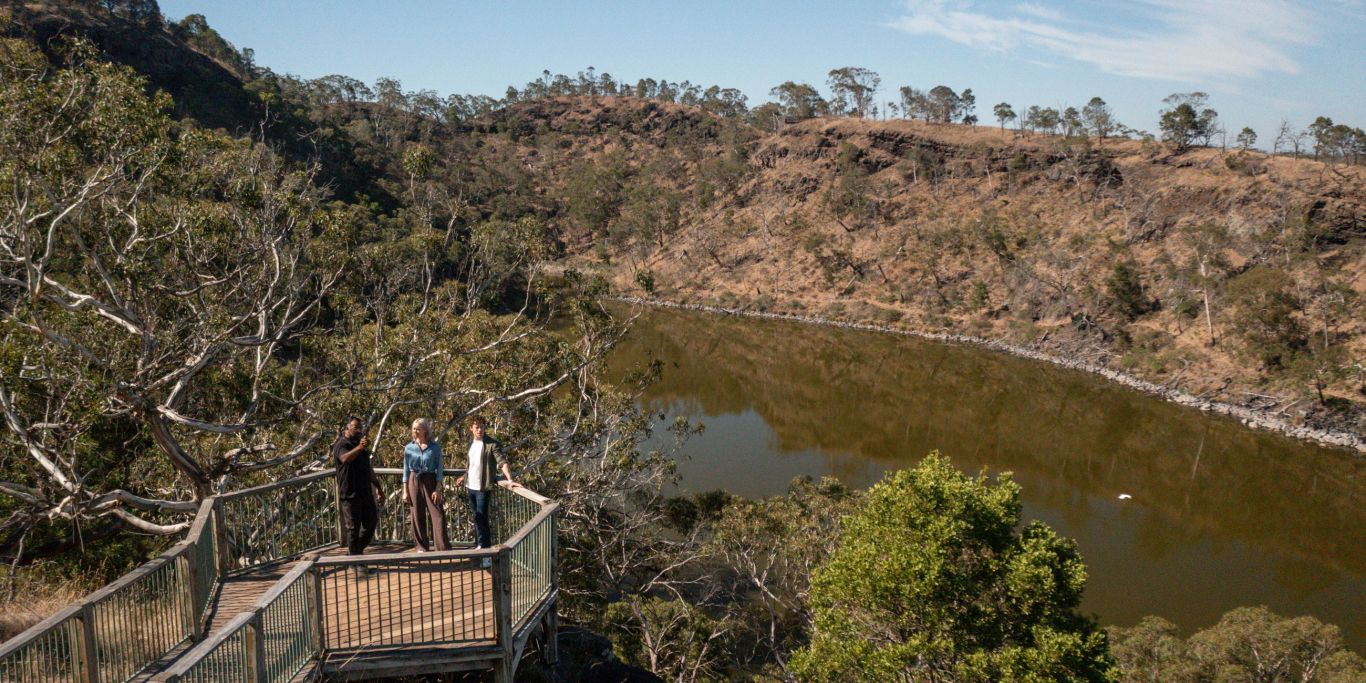
Budj Bim Cultural Landscape is on Gunditjmara Country. (Image: Visit Victoria)
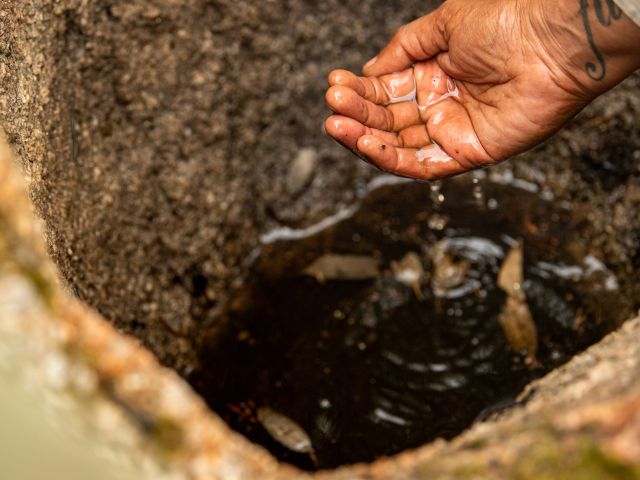
Venture beyond the surf and sand of the Great Ocean Road to discover a deeper story etched into the volcanic landscape. At Budj Bim, ancient aquaculture channels built by the Gunditjmara people to trap, store and harvest kooyang (short-finned eel) reveal one of the world’s oldest living cultures. While you’re in the area, head over to the state-of-the-art Tae Rak Aquaculture Centre, where you can observe the eels in a special tank, wander the shores of Tae Rak (Lake Condah), and enjoy a bite at the Bush Tucker Cafe. Also nearby is Tower Hill, a dormant volcano reborn as a wildlife reserve, offering trails through bushland teeming with emus and koalas.
The kooyang (eel) tank at Tae Rak. (Image: Visit Victoria)
Dumawul Kooyoora Walking Tour
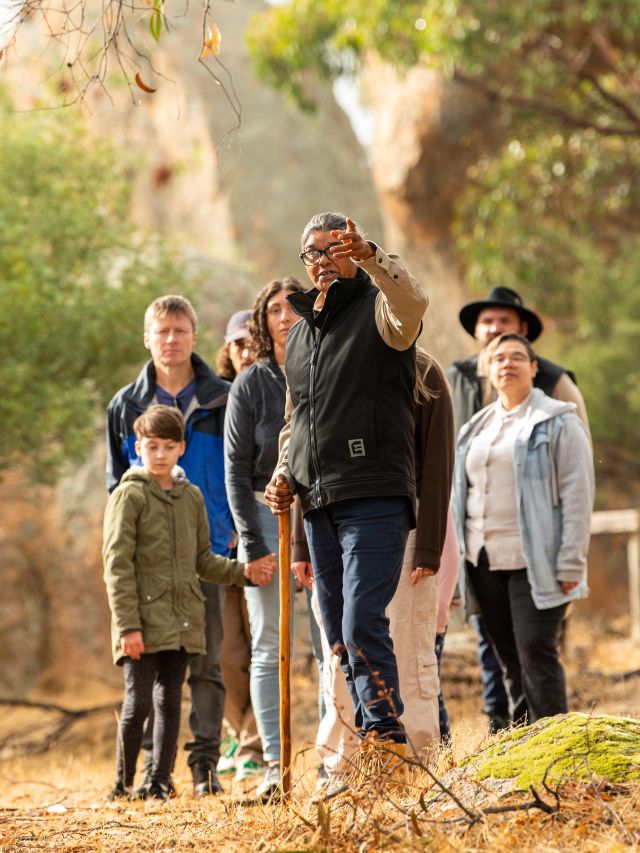
Guests are guided through Kooyoora State Park on the Dumawul walking tour. (Image: Visit Victoria)
Step into a timeless landscape with Dumawul’s guided tour through Kooyoora State Park, around an hour’s drive west of Bendigo in north-central Victoria. Led by Djaara guides, this immersive half-day journey breathes life into Country, weaving together stories, bush tucker and ancient rock art. Known to the Dja Dja Wurrung people as Guyura – the ‘mountain of light’ – this dramatic granite range is rich with cultural and spiritual significance. The adventure begins with a meet-up at the Bridgewater Hotel on the banks of the Loddon River, before guests are welcomed onto Country with a traditional Smoking Ceremony – a powerful ritual that honours ancestors and cleanses those who walk the land. From there, it’s a gentle wander through rugged outcrops and open bushland, with sweeping vistas unfolding at every turn. Along the way, guides share their knowledge of how the Dja Dja Wurrung peoples have cared for and adapted with this land for generations, offering a rare and moving window into an ancient way of life that continues to thrive today.
Knowledge of the Dja Dja Wurrung is shared on the trail. (Image: Visit Victoria)
Kingfisher Cruises
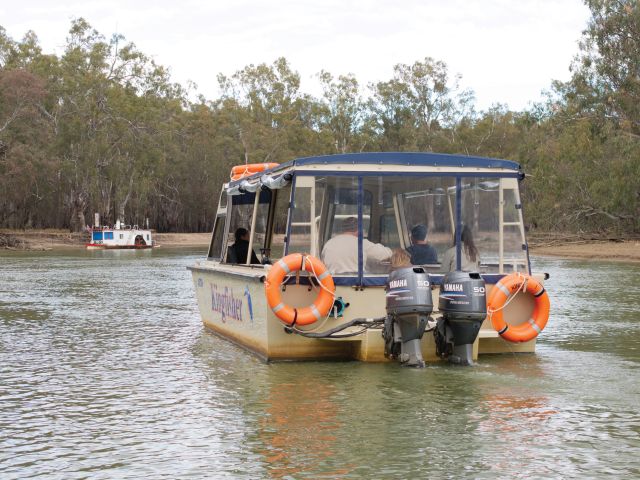
Cruising the Murray with Kingfisher Cruises. (Image: Visit Victoria)
Glide quietly through the Barmah-Millewa forest – the nation’s largest river red gum ecosystem – on a scenic journey along the Murray River and into the Barmah Lakes with Kingfisher Cruises. Led by passionate guides who share stories of the cultural significance of this ancient landscape, these cruises reveal the stories, totems and traditional knowledge of the Yorta Yorta people. As you navigate narrow waterways and spot native birds, you’ll gain a richer understanding of how First Peoples have lived in harmony with this floodplain for tens of thousands of years. It’s a gentle, immersive experience that leaves a lasting impression – one where every bend in the river carries echoes of culture, connection and Country.
wawa biik
Exploring Nagambie with Taungurung leaders. (Image: Visit Victoria)
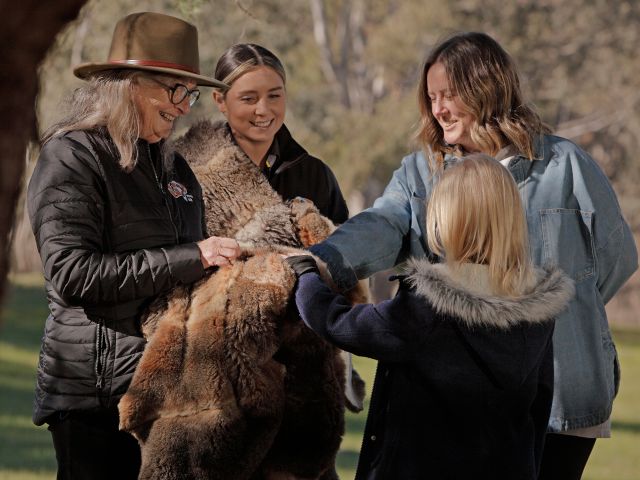
Translating to ‘hello, Country’ in the language of the First Nations People and Custodians of the rivers and mountains of Taungurung Country in Central Victoria, wawa biik guides a range of authentic and deeply immersive experiences. Leaving from either Nagambie or Euroa, the tours are woven with ancient stories of the Taungurung, telling how a sustained connection and responsibility ensures the continued health of biik – benefitting the people, animals and plants that live in and around the Goulburn River. During the wawa Nagambie experience, guests participate in a Welcome Smoking Ceremony, and enjoy lunch and conversation with two Taungurung leaders as they cruise through the wetlands of tabilk-tabilk (place of many waterholes). The 4.5-hour tour begins at Tahbilk Winery, which is set in the wetlands of Nagambie on Taungurung Country and collaborates with Taungurung Elders to share knowledge of biik.
Bataluk Cultural Trail
Cape Conran on the Bataluk Trail. (Image: Visit Victoria)
The Bataluk Cultural Trail winds through East Gippsland like a thread stitching past to present, tracing the deep connection between the Gunaikurnai people and their land. Starting at the Knob Reserve in Stratford, visitors walk among scarred trees and ancient stone tools once used for survival and ceremony. At the Den of Nargun near Mitchell River, the earth holds stories of women’s sacred spaces, cloaked in myth and legend. Further along, Legend Rock at Metung tells of greed and consequence, its surface etched with ancient lore. At Cape Conran, shell middens lie scattered like breadcrumbs of history – 10,000 years of gatherings, stories and saltwater songs still echoing in the wind.
Healesville Sanctuary
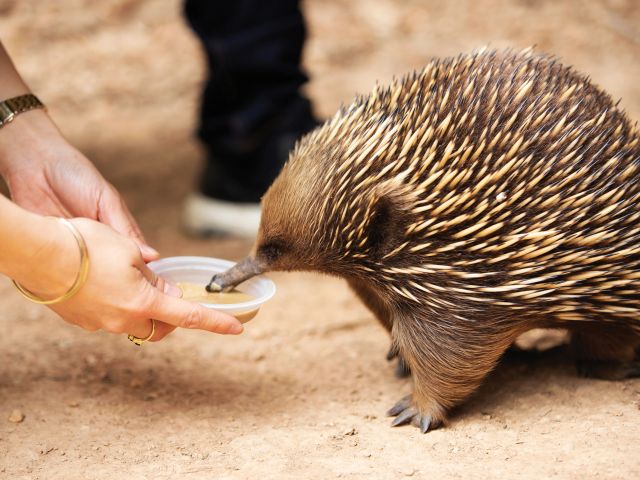
Get up close with a resident echidna at Healesville Sanctuary. (Image: Visit Victoria)
Set on the historic grounds of Coranderrk Aboriginal Station, Healesville Sanctuary honours the Wurundjeri people of the Kulin Nation through immersive storytelling and connection to Country. Along Wurundjeri Walk, visitors are invited to reflect on the land’s rich First Peoples history, with native plants revealing their traditional uses. Wurundjeri Elder and educator Murrundindi shares culture in-person with the Wominjeka Aboriginal Cultural Experience every Sunday, and most days during Victorian school holidays. Murrundindi’s smoking ceremonies, storytelling and bush tucker knowledge reveal the sacred relationship between people, animals and the environment. Bird-lovers can’t miss the incredible Spirits of the Sky show featuring native birds daily at 12pm and 3pm.
The Grampians
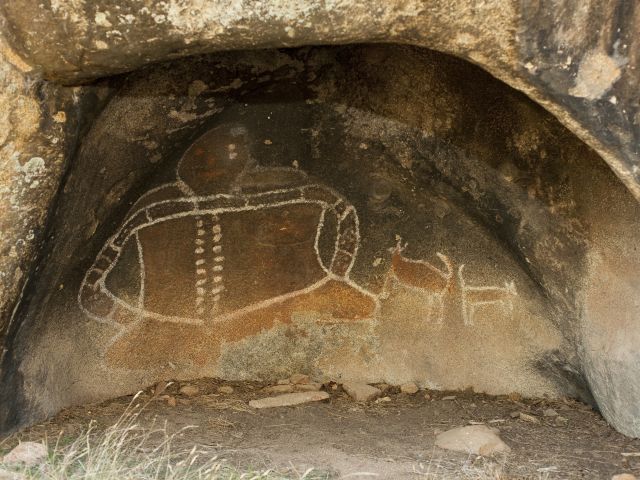
Rock art at Bunjil Shelter in The Grampians. (Image: Visit Victoria)
Known as Gariwerd to Traditional Owners, the Grampians is a place of immense cultural and spiritual significance. This rugged landscape holds more than 80 per cent of Victoria’s known First Peoples rock art, offering a powerful window into the region’s deep heritage. Visitors can respectfully explore five remarkable rock art sites: Billimina and Ngamadjidj in the Wartook Valley, Manja Shelter near Hamilton, Gulgurn Manja shelter near Laharum, and the Bunjil Shelter near Stawell, where the creator spirit is depicted. Each site tells a unique story of connection to Country, shared through ancient handprints, dancing figures and Dreaming narratives etched into stone.
A Harry Potter Forbidden Forest Experience Is Coming To Australia - Australian Traveller