The Mornington Peninsula’s newest bathhouse just became a complete wellness destination with the addition of The Sanctuary.
It’s a quiet luxury mood board come to life. That’s my first thought when I enter the brand-new villa. It’s one of five perched at the highest point of the 15-hectare property that’s also home to Alba Thermal Springs and Spa. I remember meeting Kadi Morrisson, Alba’s Director of Sales & Marketing, at an industry event in 2024 as she excitedly revealed the renders of what was to become the luxury accommodation I’m now standing in. I can see that her excitement was completely warranted. This retreat is something special.
If you thought Alba Thermal Springs & Spa couldn't get any better, think again. The Mornington Peninsula's new bathhouse just became a complete wellness destination with the addition of The Sanctuary, its luxurious onsite stay.
Location
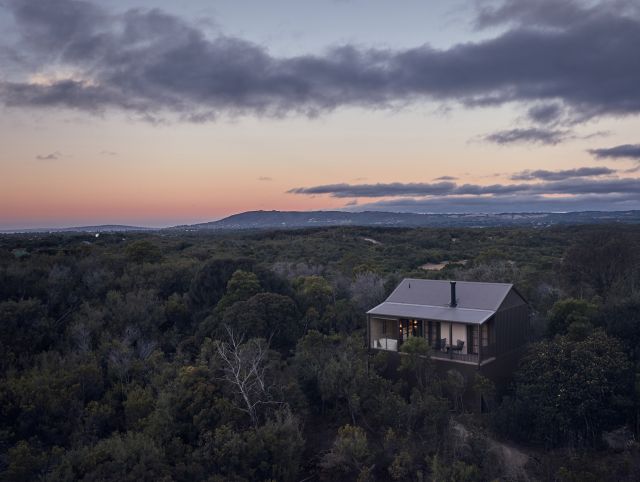
The Sanctuary is located in the seaside town of Fingal on Victoria’s Mornington Peninsula. (Image: Supplied)
Tucked away on an idyllic seaside pocket of land in the Mornington Peninsula, The Sanctuary accommodation is the newest addition to Alba Thermal Springs and Spa, a 15-hectare bathhouse and wellness sanctuary fed by the region’s underground mineral springs. The seaside town of Sorrento, as well as world-class restaurants, wineries and pristine beaches, is all minutes away. It’s also an easy 90-minute drive south from Melbourne Airport, making it within reach of an interstate wellness weekend getaway.
Rooms and villas
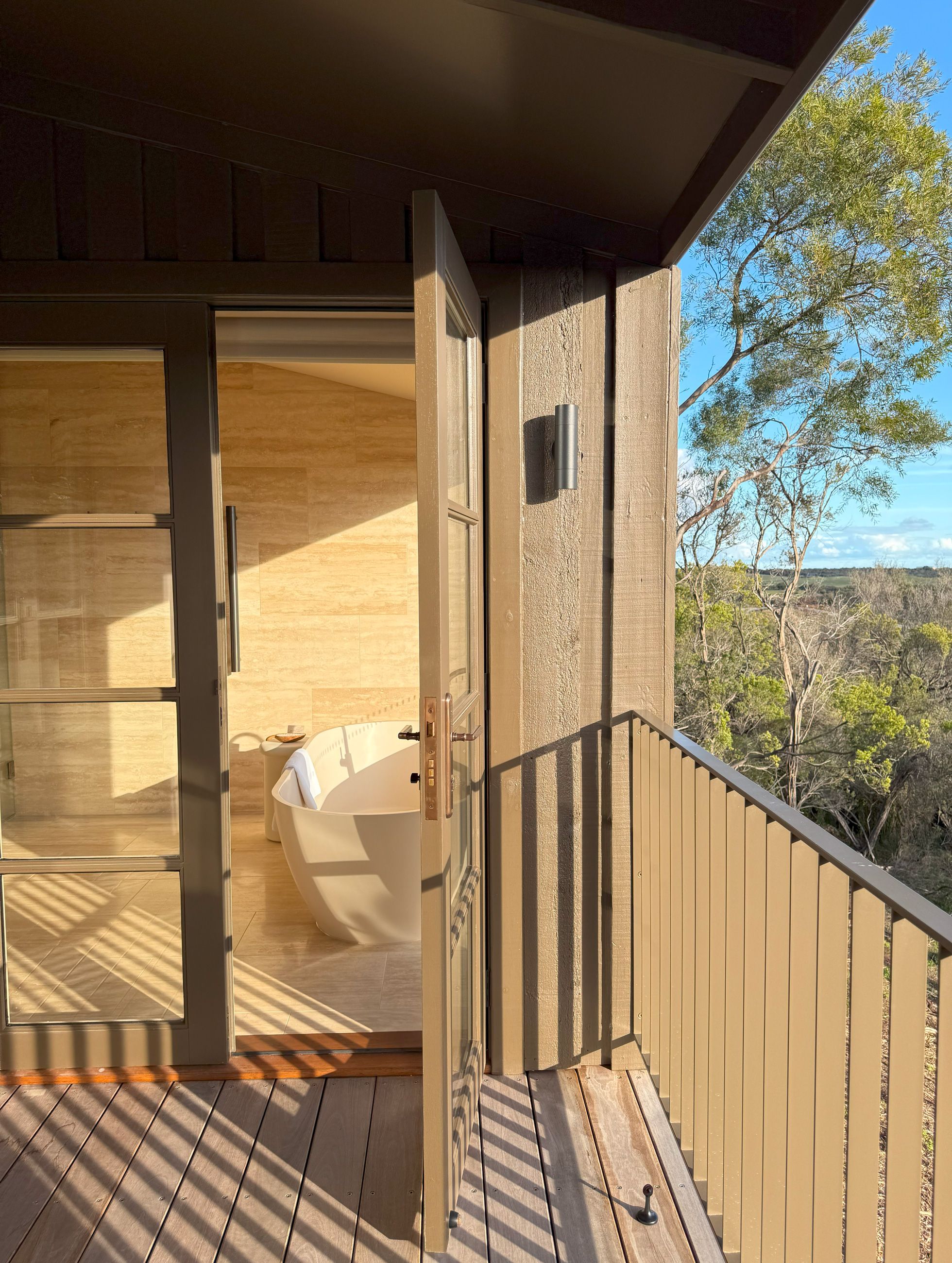
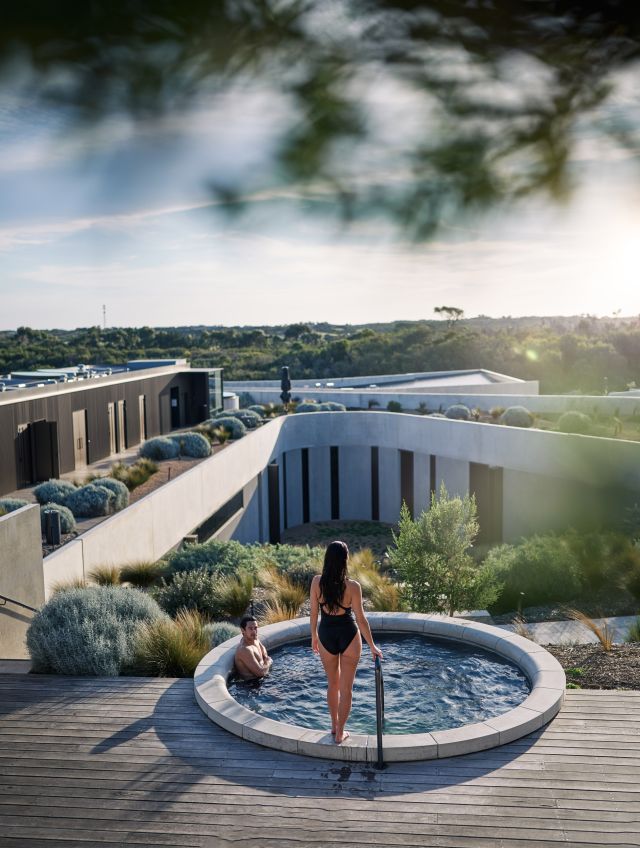
The villas are set on the highest point of the property affording guests views of the native bushland and bay from the bath. (Image: Katie Carlin)
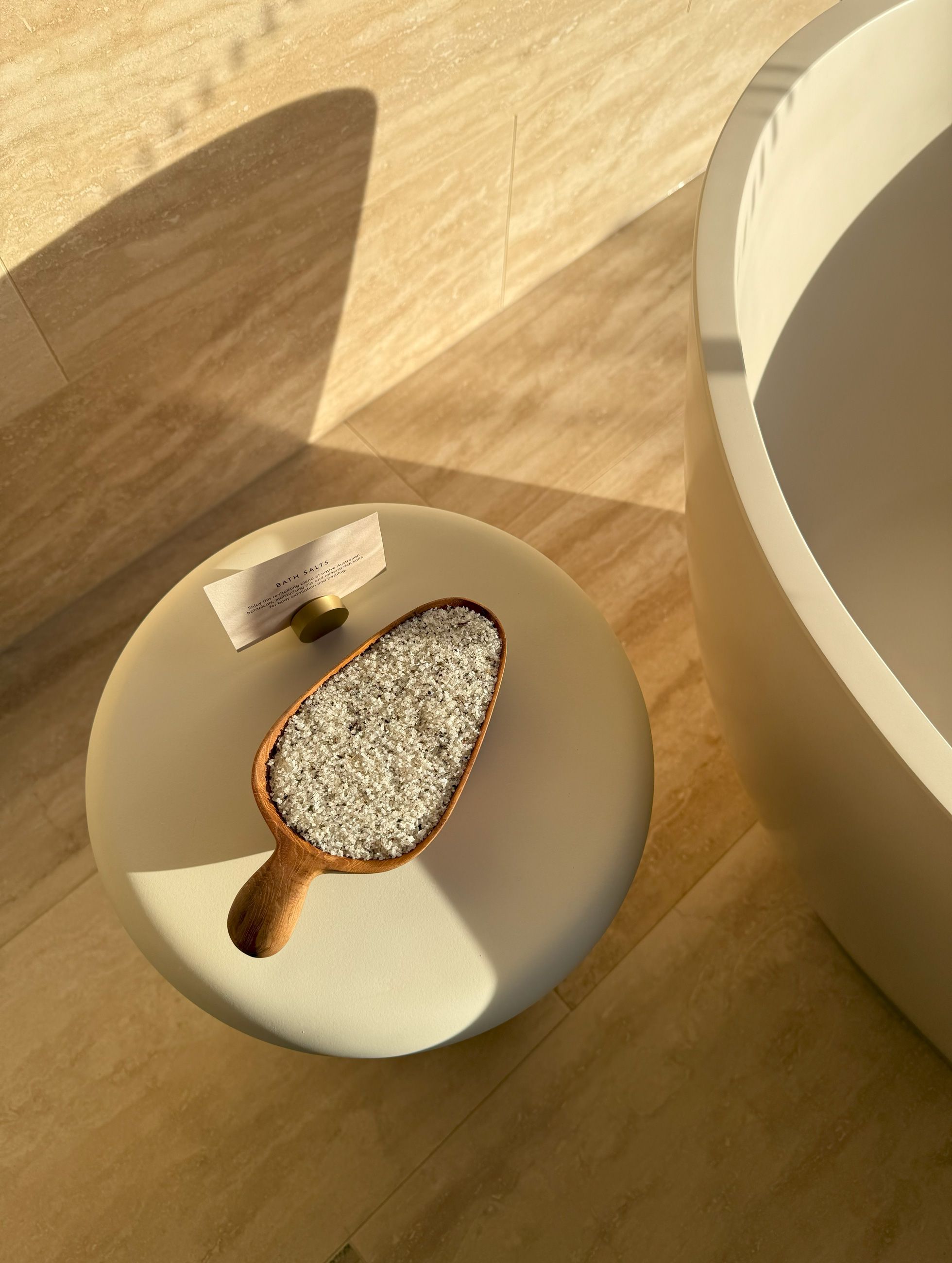
Bath salts are provided. (Image: Katie Carlin)
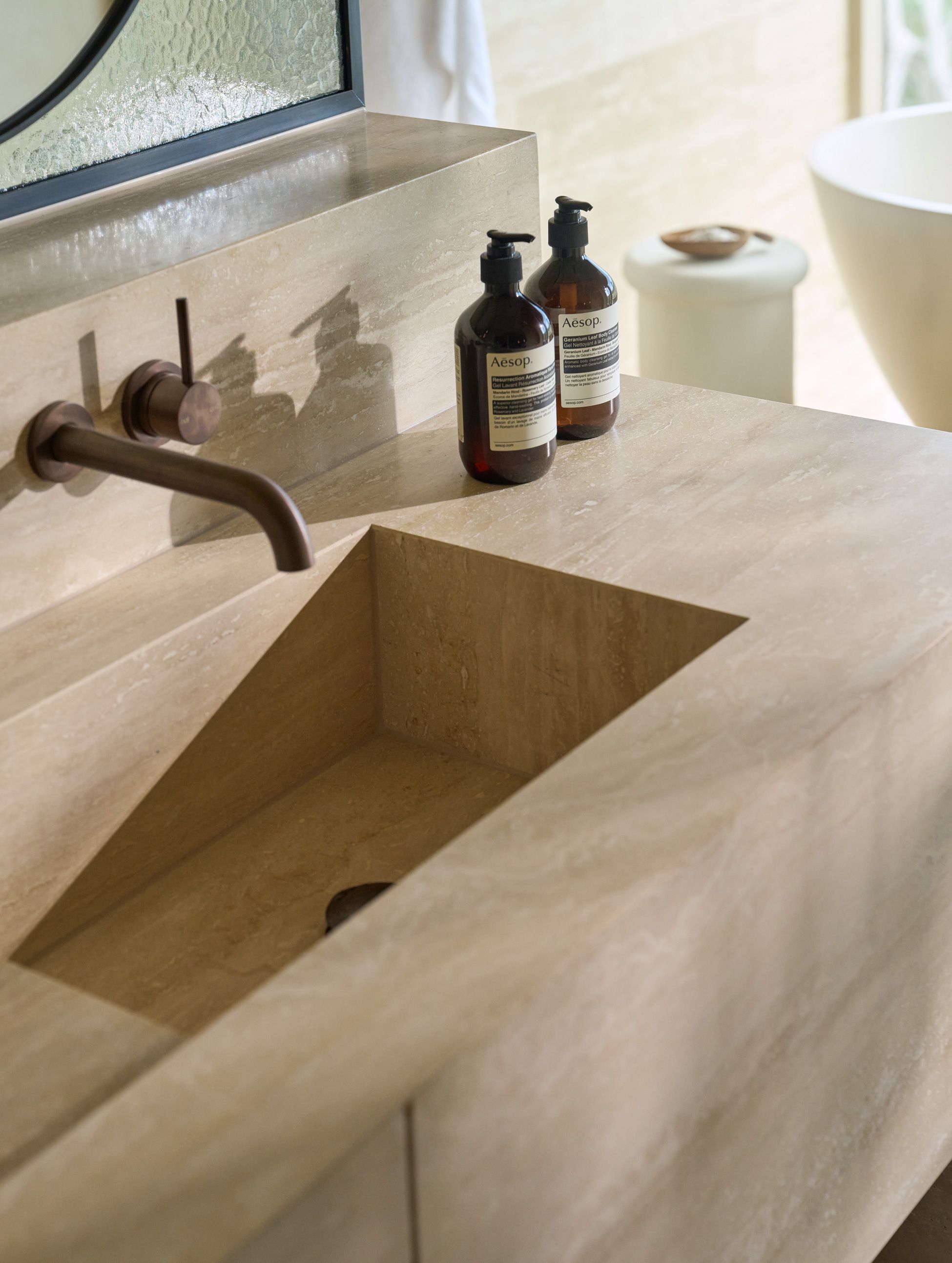
The bathroom is stocked with Aesop amenities.
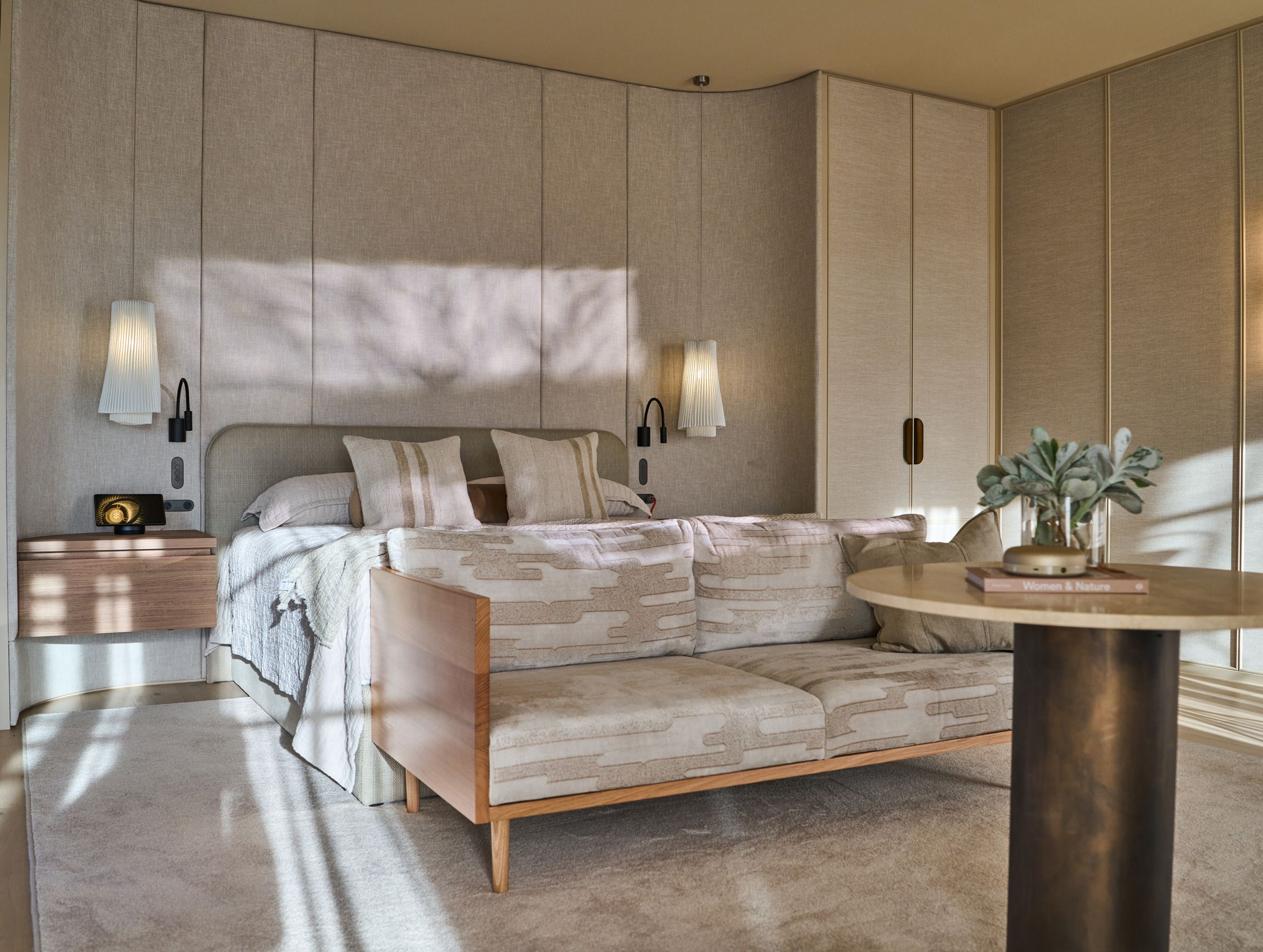
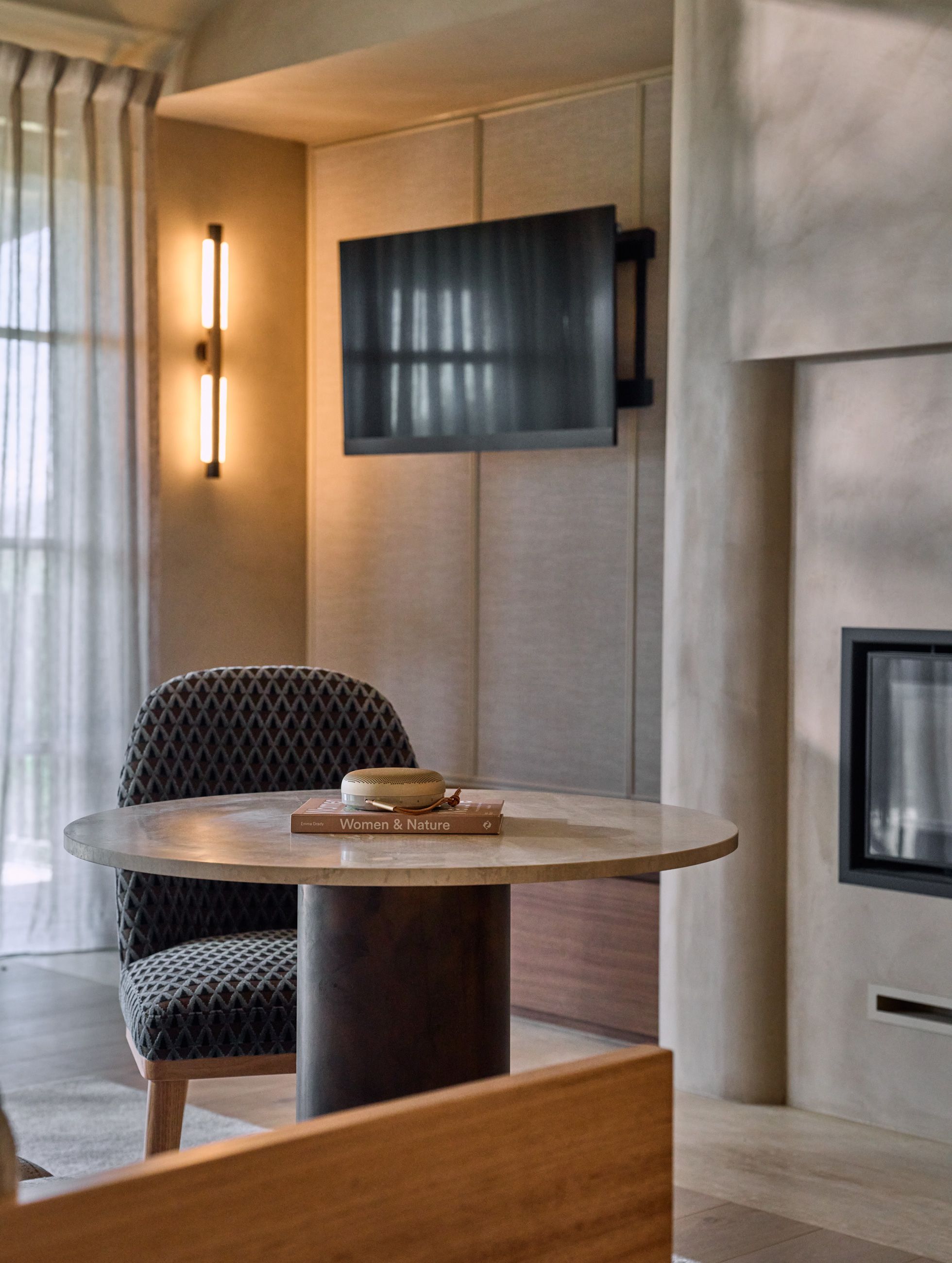
Inside the Villa, guests will find a king bed with lounge and dining areas. (Image: Supplied)
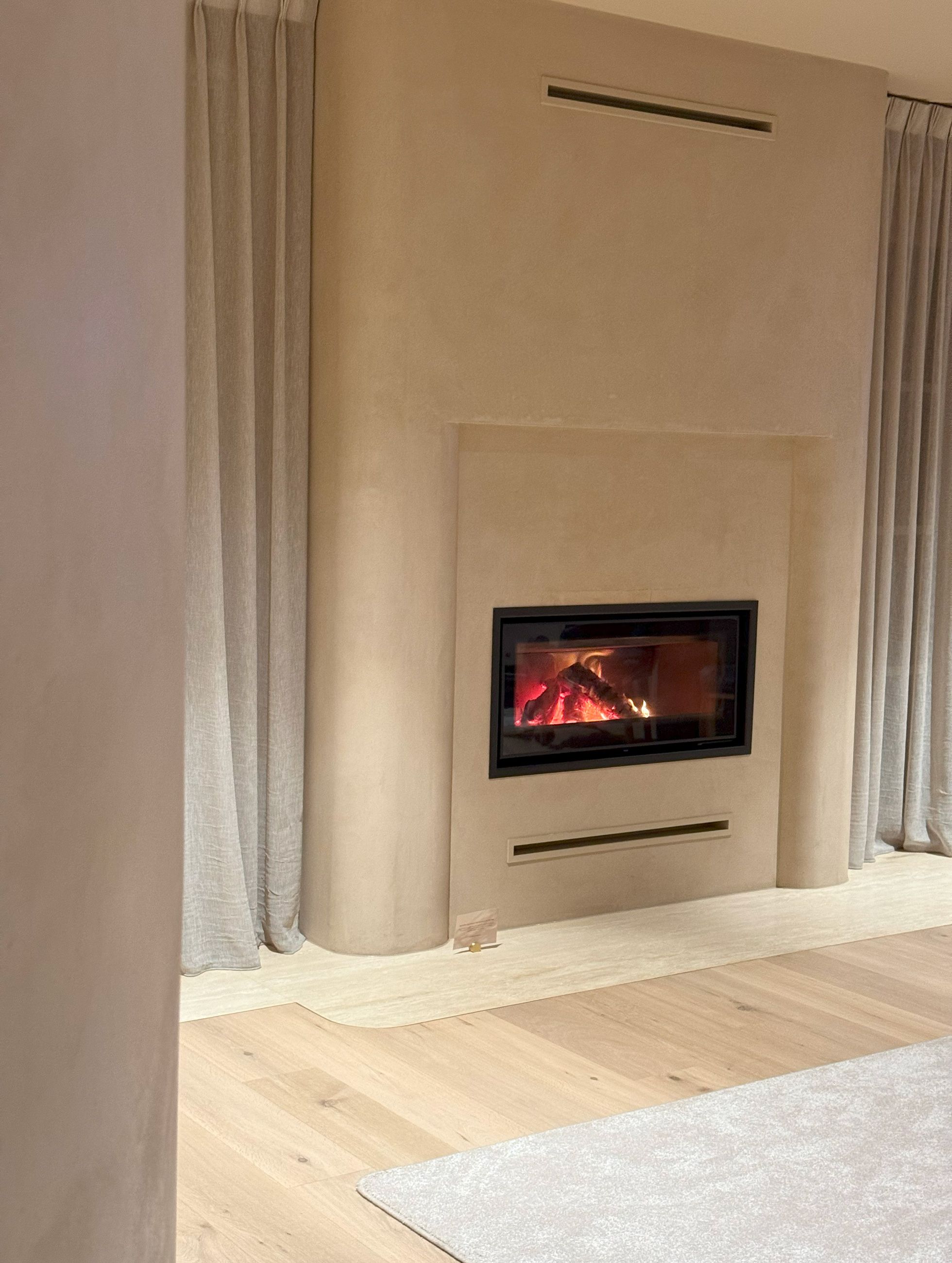
The fireplace is set by the concierge each day. (Image: Katie Carlin)
The villas have different configurations. (Image: Supplied)
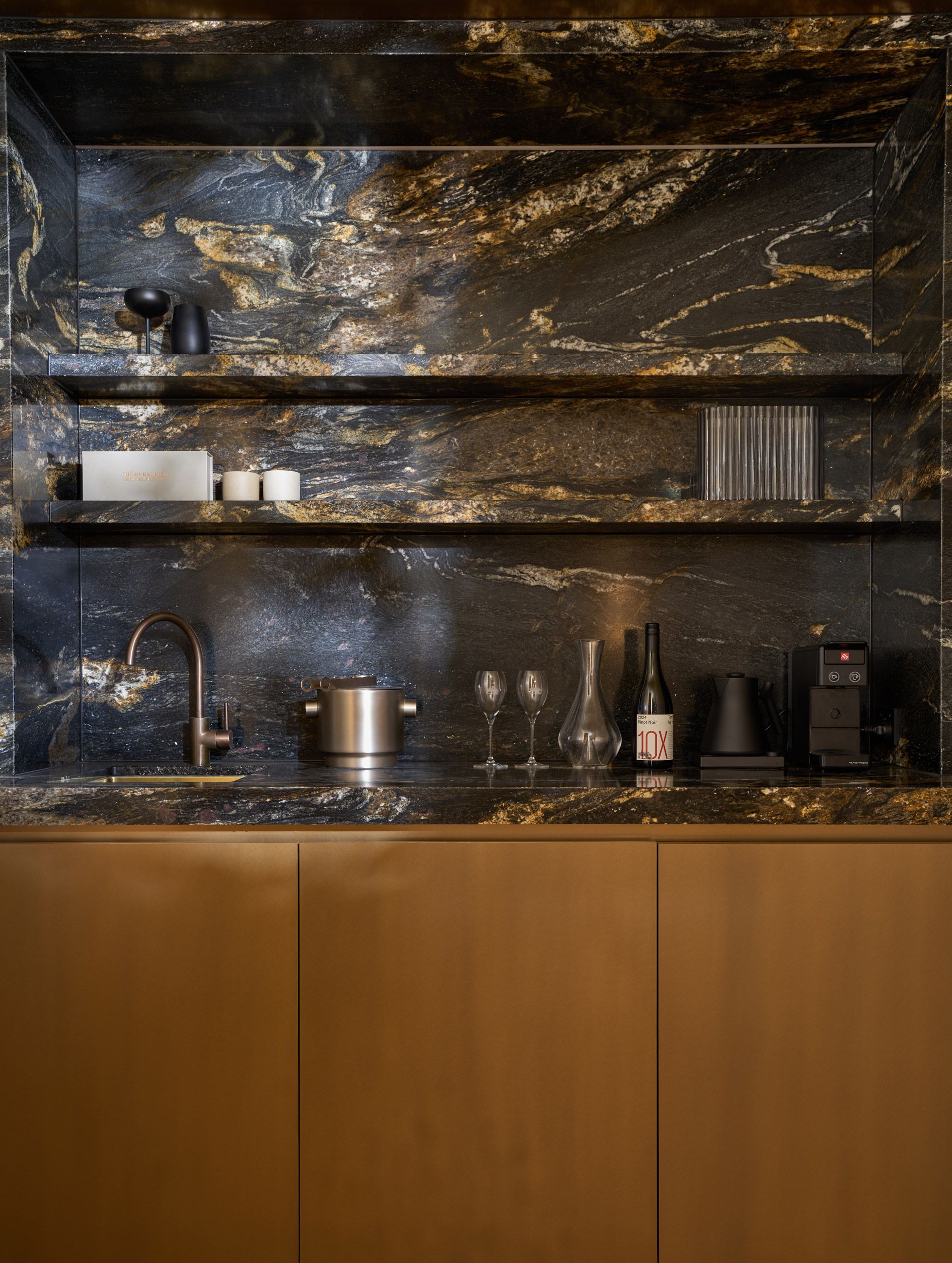
The villa bar is fully stocked with mostly all-inclusive drinks and snacks. (Image: Supplied)
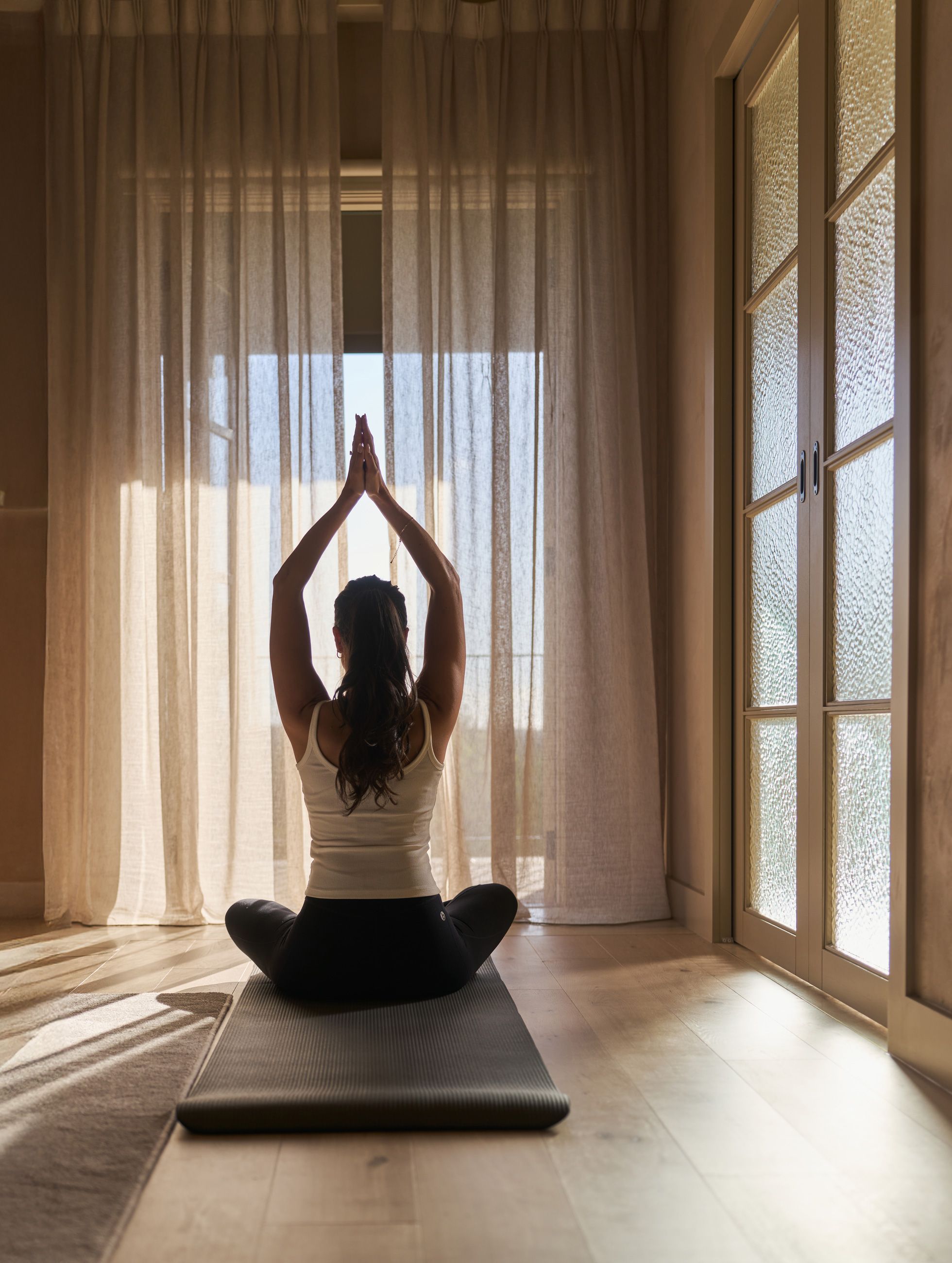
Make use of the provided yoga mats. (Image: Supplied)
The Sanctuary’s five luxurious stand-alone villas and two additional studio rooms opened in June 2025. I’m staying in one of three villas that feature an en suite with an oversized stone bathtub set in front of a floor-to-ceiling glass wall (villas 1-3 only). It means I’m treated to expansive views of the bay and native bushland while soaking in Alba’s signature bath salts – a blend of native Australian botanicals, moisturising oils and mineral-rich salts. Aesop amenities are also supplied in the shower and bathroom.
Glass doors open onto a private deck from the en suite and bedroom; the perfect place to sit with a cheese board and wine at the end of the day to watch the sunset or to stargaze come nightfall. And if you’re feeling in the mood for a stretch come morning, make use of the provided yoga mats and salute the sun at daybreak.
My second-favourite addition (after the bath) is the indoor log fireplace that is set of an evening by the concierge (they can be called to add another log before 10pm as needed). Listening to the crackle of the fire from the comfort of the king bed makes drifting off to sleep a breeze.
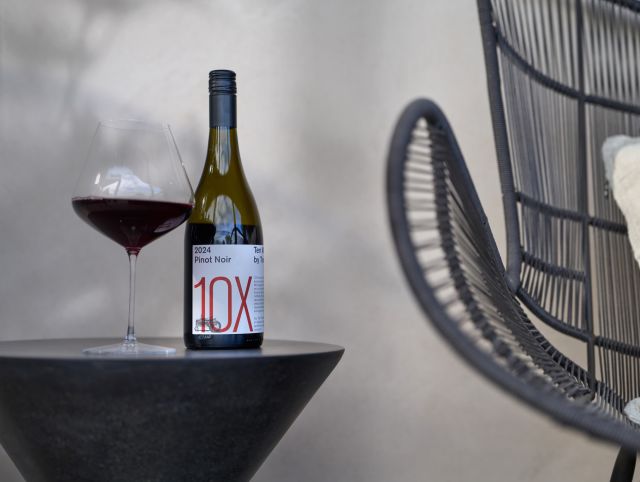
Find wine from 10 Minutes by Tractor in the villa’s bar. (Image: Supplied)
The extensive all-inclusive (minus champagne, cocktails and spirits) mini bar champions local businesses with wine from Ten Minutes by Tractor, St Andrews Beach Brewery beer, Peninsula Cold Press Juice Co. and Alba’s Signature tea. Snacks include Chappy’s kettle cooked chips, Choca Mama peanut brittle, pretzels and nude nuts. As well as still and sparkling water and T2 tea. An Illy coffee machine and pods are also included.
Need tips, more detail or itinerary ideas tailored to you? Ask AT.
AI Prompt
Style and character
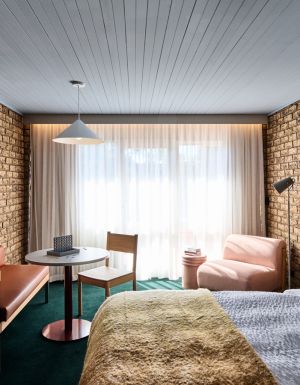
Local design studio KWD in Mt Martha crafted the interiors from a soothing palette of muted hues – think every shade of cream imaginable. I’m greeted by soft afternoon light leaking through the chiffon curtains; it makes me feel like I’m sinking into a cafe latte-inspired dream. With accents of wood and black metal, as well as exquisite design details like the subtle silver sheath covering the bedside lights, this is understated luxury at its best. I never want to leave.
Facilities
Undoubtedly, one of the major drawcards of a stay at The Sanctuary is inclusive access to Alba Thermal Springs and Spa for each day of your stay, plus you get to enjoy one upgrade to a private pool (The Terrace, The Clouds or The Salts). Concierge transfers via buggy between your villa and the springs are also available – but it’s an easy walk if you don’t mind the hill up to the villas.
Alba Thermal Springs and Spa
The Terrace is one of the private pools at Alba that guests get access to once during their stay. (Image: Supplied)
Opening in 2024, Alba’s pools and landscape architecture were designed by MALA Studio. The team transformed the expansive property into six regions through the thoughtful curation of over 60,000 native and endemic plants.
There are 34 pools, a mix of geothermal, cold plunge and herbal-infused botanical, that range in temperature and design – some to create a feeling of seclusion, while others invite social connection – all fed by natural geothermal mineral waters that flow from 550 metres below ground. I gravitate towards The Hemisphere, with its dry sauna, steam room, cold plunge and dreamy open-air pool called The Hide. I leave my robe at the entrance, slip into the sunken geothermal pool and immediately feel the tension from my travels melting away.
Inside, Alba has 22 spa treatment rooms, including a steam room, Vichy shower, and single or double massage rooms with a spa menu designed to renew, repair and recalibrate guests. The wristband that acts as a key to your villa also gives you access to the change room and bathhouse – just speak to reception on arrival. In addition to lockers and showers, the change rooms also feature a clever swimsuit drying spinner – I find this makes for a more comfortable dining experience (more on that below) in your robe minus wet swimmers.
Thyme Restaurant
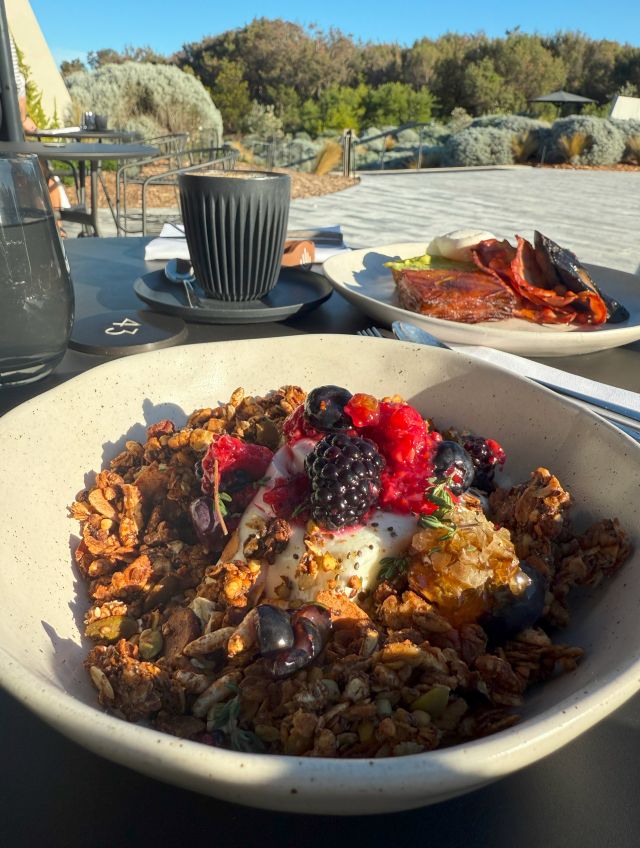
Breakfast at Thyme by the springs is included. (Image: Katie Carlin)
Breakfast is included at the in-house restaurant Thyme throughout your stay. I opt for yoghurt panna cotta with toasted house granola topped with local honeycomb, fermented blueberries and berries. But I admit to having FOMO when I see my husband’s choice of poached eggs, Adelaide Hills bacon, layered thyme potato with roasted mushroom and fresh sourdough arrive at the table. Barista-made Little Rebel coffee, smoothies and cold-pressed juices, as well as tea, are also included.
The restaurant has indoor and outdoor seating overlooking the springs. It’s strongly encouraged to dine in the provided robe, which means you can easily go from soaking in the pool to dining and back again without needing to change.
Both The Sanctuary breakfast menu and The House menu for lunch and dinner were created by award-winning chef Karen Martini, with head chef Mario Di Natale at the helm. Expect fresh, healthy and flavour-driven dishes made with sustainability in mind. For dinner, my husband and I ordered the tuna crudo, scallop and prawn wontons for entrées and roasted cod and sake-braised beef short rib for mains to share with seasonal greens.
Weekly travel news, experiences insider tips, offers, and more.
Does The Sanctuary have access for guests with disabilities?
The pools at Alba Thermal Springs and Spa are designed to welcome all guests, and a full accessible studio is part of The Sanctuary.
Is The Sanctuary family-friendly?
Guests of all ages are welcome at The Sanctuary, and rollaway beds or cots can be provided upon request. The springs require adult supervision for children aged under 16, and the private pools and spa are reserved for visitors aged 16 and over only. However, I didn’t see any children during my visit.
Details
Best for: A romantic retreat or indulgent girls’ weekend away
Address: 282 Browns Rd, Fingal, Victoria
Room rate: Prices start at $1300 per night for two guests in a Villa with bath, $1150 for Villa without bath.
Tips for visiting Alba Thermal Springs and Spa:
1. Pack waterproof footwear so you don’t have to walk on the cold paths barefoot (plus, footwear is required inside the restaurant).
2. Phones and smartwatches are not permitted – leave them in your locker or room.
3. The minerals in the water can cause jewellery to tarnish; lock them away in the in-room safe.
4. Bring a reusable water bottle and fill up at the drinking fountains – you will dehydrate quickly in the pools and saunas.
Want to see more stories from Australian Traveller in your Google search results?
Tick the box next to "Australian Traveller". That's it.
Katie Carlin is Australian Traveller's Head of Content and when she’s not travelling or behind her computer, she’s hosting a dinner party (likely cooking an Alison Roman recipe), at brunch, working on extending her running k’s, or has her nose buried in a book.
She joined Australian Traveller in 2018 and is responsible for leading the editorial team across print, digital, social, email and native content. Her job is to make sure we create content that connects readers to incredible experiences in Australia and beyond. In addition to sharing her expertise on travel through industry speaking engagements, Katie appears onToday, A Current Affair and various radio segments.
With a BA in Communications majoring in Journalism and a career that has spanned roles at Fairfax Media and Are Media writing for titles such as The Sydney Morning Herald, The Age, and various lifestyle brands, she brings a wealth of experience to her role. Her most impactful trip to date has been swimming with whale sharks on Ningaloo Reef. For her next trip she is longing to experience the romance of train travel – hopefully on The Ghan or Indian Pacific.
From cabins to canvas, craft distillers to destination dining, Heathcote locals reveal their eco-savvy passions in ways that resonate with those seeking to travel lightly.
Heathcote, on traditional Taungurung Country in Central Victoria, is synonymous with its garnet-hued shiraz, but wine isn’t the only string to its bow. The town itself is sprinkled with heritage buildings from the gold rush era, and beyond that a growing collection of sustainable gastronomy and eco-friendly escapes. Nearby Bendigo, one of only 65 cities in the world recognised as a UNESCO Creative City and Region of Gastronomy, plates up an astonishing calibre of produce, wine and food for its size. Increasingly the entire region is taking up the challenge, though Heathcote in particular shines with its focus on sustainability.
The dramatic landscape of Heathcote’s Pink Cliffs Geological Reserve. (Image: Visit Victoria/Emily Goodfrey)
The eco-stays bringing sustainability to Heathcote
Yellow Box Wood’s safari-style tents are nestled on 40 hectares of bushland. (Image: Emily Goodfrey)
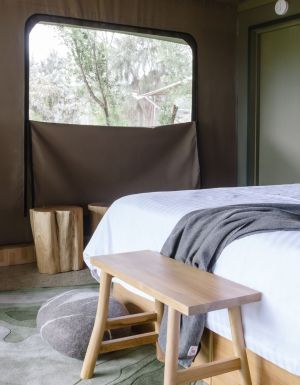
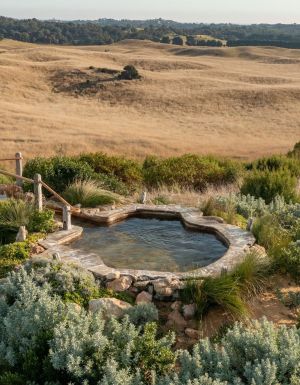
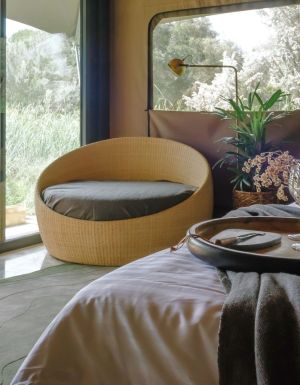
Andee and Lisa Davidson spent years working in southern Africa before settling in Heathcote. “We had a vision of how this could be,” explains Andee. “We wanted a retreat, but one that was off-grid and environmentally sustainable.” Now, at Yellow Box Wood, two luxury safari-style tents are at the heart of 40 hectares of rolling hills and native bush, with kangaroos, wallabies, echidnas, goanna and birdlife aplenty. It’s all solar-powered, wood for the fire is mainly fallen timber, and water is collected on the carport roof. No lack of creature comforts though – en suite with rain shower, espresso coffee maker, comfy seating, wood-burning fire all set to go. There’s also a solar-heated, mineral salt pool in a bush setting, walking tracks, and even a mini bush golf course. On my visit, I put the vision to the test. Cocooned in the plush four-poster bed I can glimpse the stars, while the heater casts a golden glow on the canvas. In the morning, I wake to a blush-pink sunrise, kangaroos feeding and a soundtrack of magpies.
Mt Ida Eco Cabin is rustic and simple but oozes comfort. (Image: Graham Hosking)
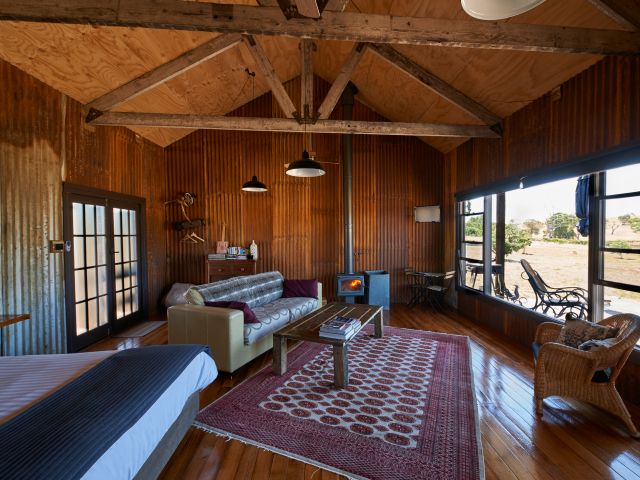
If a tent is not your style, Stephen and Cally Trompp’s carbon-neutral Mt Ida Eco Cabin might entice with its generous deck and farmland views. Inside the cabin, corrugated iron walls as rusty as a shearing shed, gleaming (recycled) floorboards, timber truss ceiling (crafted by Stephen), wood-fired heater and an old-school turntable with a pile of vinyls to spin. It’s fun, and a little boho.“Everything is recycled. The cabin takes maximum advantage of the sun in winter. It’s all solar-powered. Don’t panic, though,” says Stephen, “you can still charge your phone and get 4G reception!” Settle into an Adirondack chair on the deck or pedal off on a mountain bike to suss out the wineries.
A taste of Spain in Central Victoria
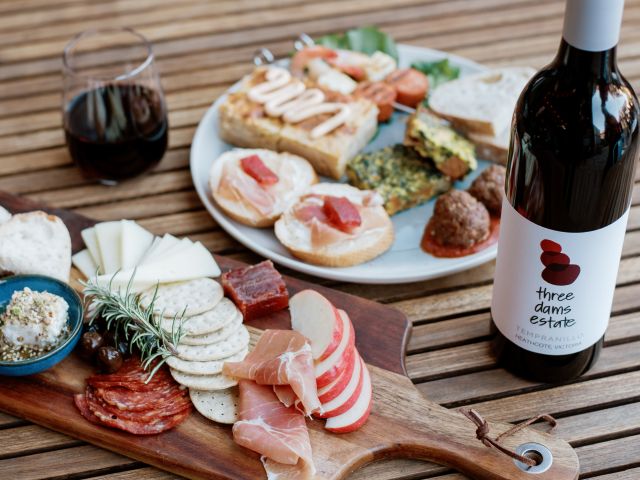
Three Dams Estate make Spanish-style wine.
Another person with a vision is Evan Pritchard at his Three Dams Estate where the wines reflect his deep love of Spain and of Spanish-style grapes, such as tempranillo. Afternoons in the ‘wine shed’ or cantina are matched with music (flamenco is a favourite), Spanish bites from tapas to paella (with Evan on the pans!) and views to Mount Alexander. Sustainability is also a passion. “You don’t need to buy anything. We decided to be off-grid from the start, but it is a lifestyle change,” he says. “You need to think about it and be careful.” Everything here is recycled, reassembled, refurbished. Evan has an electric car (with solar-powered charger), solar-power for the winery, and even a jaunty little electric tractor/forklift. “I love the idea of all the things you can do using the sun.” Sipping a crisp rosado (a Spanish rosé) with Evan in the sunshine, I couldn’t agree more.
The vineyard redefining sustainable winemaking
The Silverspoon Estate winery is completely off-grid. (Image: Graham Hosking)
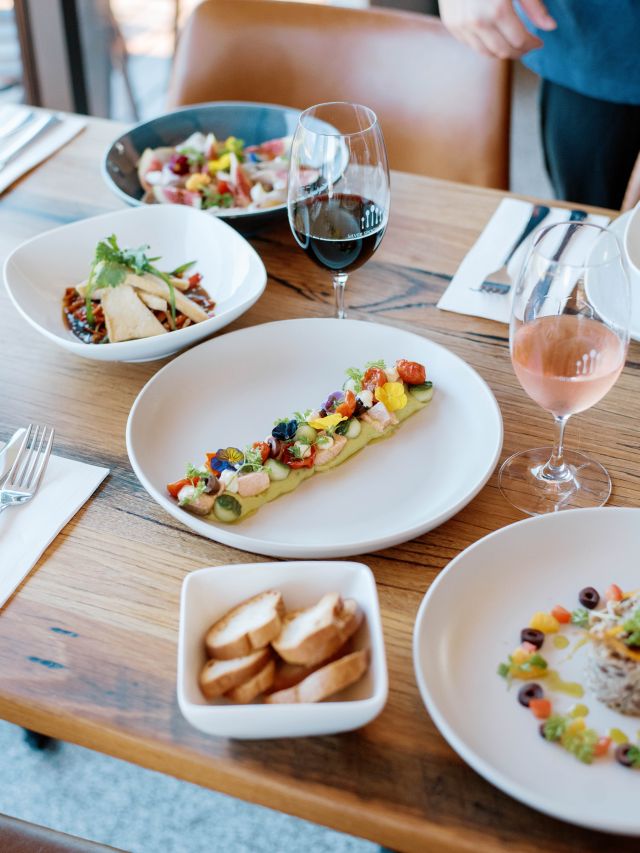
On the other side of Heathcote, Silver Spoon Estate demonstrates sustainability on a more extensive scale. Tracie and Peter Young’s winery, cellar door, award-winning restaurant and their own house are all solar-powered and off the grid. Sustainability is intrinsic to everything they do. The property sprawls across 100 hectares, with 20 hectares under vine – shiraz, viognier, grenache, tempranillo. As the climate has changed, so too has the approach. These are dry-grown vineyards. “We prune for drought. That means lower yields but more intense flavours,” says Peter. The fine-dining restaurant offers sweeping views, a wood-burning fire and a deck for languid lunches. Head chef Ben Hong sources regional, sustainable ingredients and weaves estate wines into the menu – think crispy wild mushroom arancini, viognier-infused chicken breast.
Silver Spoon’s award-winning restaurant.
Heathcote’s other hidden gems
Heathcote Wine Hub is housed in a 1855-built timber church.
Not all local wineries have a cellar door, but I find local treasures at the Heathcote Wine Hub, a petite 1855 timber church in the main street, lovingly returned to life by Karen Robertson and Carey Moncrieff. “Carey is a scrounger,” says Karen. “He doesn’t throw a single thing away.” He does, however, craft things into something quite special. Heritage floors, light-filtering lancet windows and shelves of regional wines create the perfect ambience for wine tasting. Or order a glass and linger over a cheese platter.
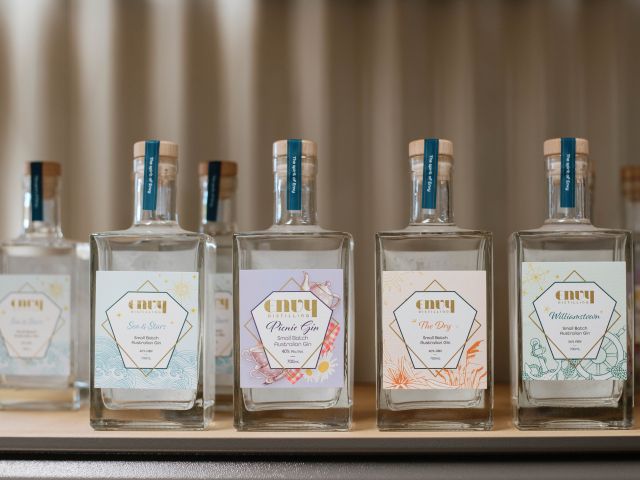
Heathcote is not all wine, of course. Nathan Wheat and partner Vanessa Curtis run Envy Distilling with a committed sustainable ethic – and a serious love of gin. Their small-batch distillery produces grape-based gin, and soon brandy. Distilled water is reused in an ingenious cooling system. All waste is treated on site. They buy excess wine from winemakers to distil and buy recycled barrels. “Distilling with the sun,” as Nathan says. Each Envy gin has its own story. Spicy, award-winning The Dry, is designed to capture the region’s dry, rugged nature. Pull up a stool at the bar (reclaimed timbers and tiles, of course), order a Gin Flight, or kick back with a cocktail and let Nathan share his eco journey.
Sample gins at small-batch distillery Envy.
A traveller’s checklist
Getting there
It’s less than two hours’ drive from Melbourne. The scenic route we take goes past Sunbury, then along a splendid country road through Romsey and the magic, boulder-strewn landscape of Lancefield. Watch for kangaroos on the road!
Staying there
Go off-grid in style at Yellow Box Wood for glamping or try Mt Ida Eco Cabin for a couple’s weekend hideaway.
Eating there
Award-winning French restaurant Chauncy.
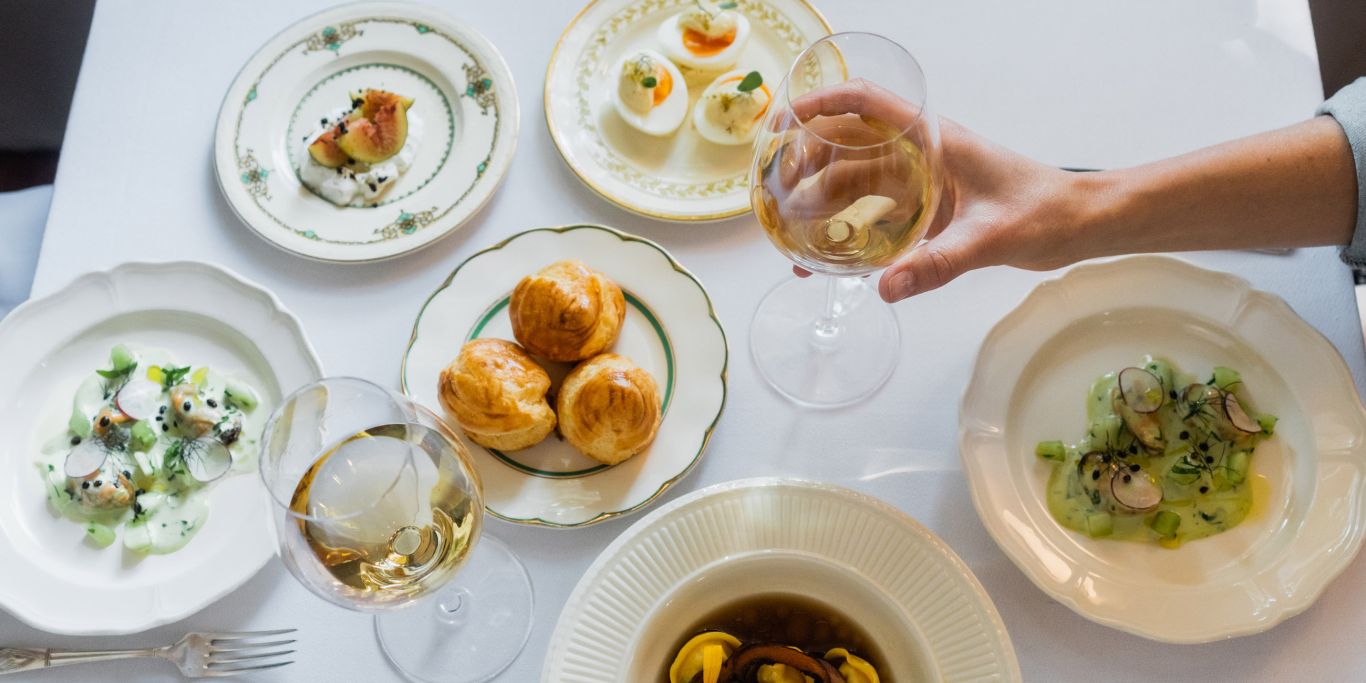
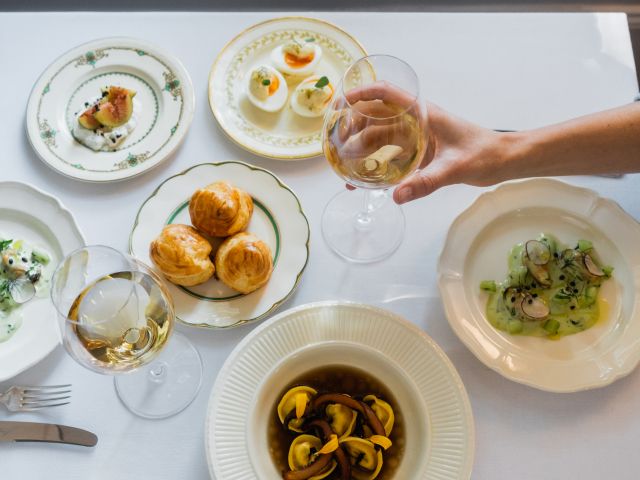
At award-winning Chauncy, French chef Louis Naepels and sommelier wife Tess Murray have created a tiny, elegant pocket of rural France. Meticulously restored 1850s sandstone building, sun-drenched dining room, impeccable service, a menu suffused with local flavours and thoughtful wine pairings.
Fodder is both cafe and social hub. Chef Mo Pun and sister Lalita serve classic Aussie breakfast-to-lunch fare, though their Nepalese heritage sneaks through.
Playing there
Sip on wines among the vines at Sanguine Estate. (Image: Visit Victoria/Emily Godfrey)
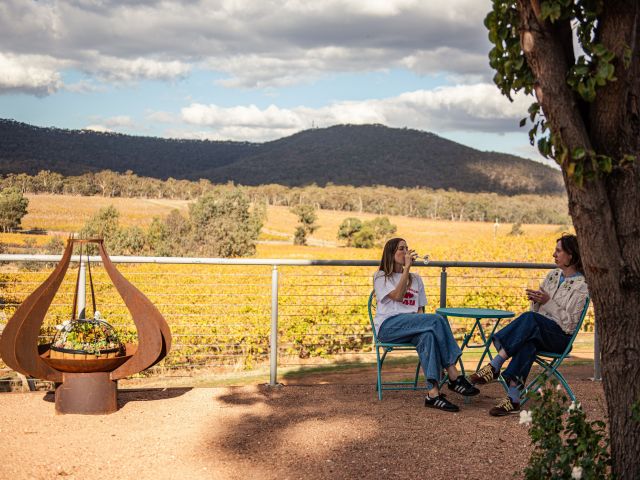
Sanguine Estate’s cellar door and terrace overlook bucolic vineyards. Its award-winning, dry-grown wines include the distinctive D’Orsa Blanc dessert wine, reflecting the family’s Swiss-Italian heritage. Order a charcuterie board and stay a while. Keep it carbon neutral by cycling some (or all) of the 50-kilometre O’Keefe Rail Trail to Bendigo.
At Bridgeward Grove, learn about the property’s Old Mission Grove heritage olive trees, do a sommelier olive oil tasting, and stock up on sustainably grown olives and oil. Explore the unique landscape, wildflowers and wildlife of pink cliffs geological reserve.