Journey with our writers as they take you into Western Australia’s top 13 emerging travel experiences from our 100 Emerging Destinations and Experiences series.
1. Witchy casts its spell with eco village
Travelling with: Fleur Bainger
Whenever I drive through Witchcliffe, Western Australia, my car slows to a dawdle and I give in to the urge to pull in. The highway-straddling hamlet is only a 10-minute drive south of Margaret River, yet for years it seemed like there was an invisible boundary line that few cross over. Fair enough: the likes of Leeuwin and Voyager estates prove strong vinaceous lures and the turn-off is before the community’s perimeter, yet those who stay the course have long identified the magic in this incy-wincy town.
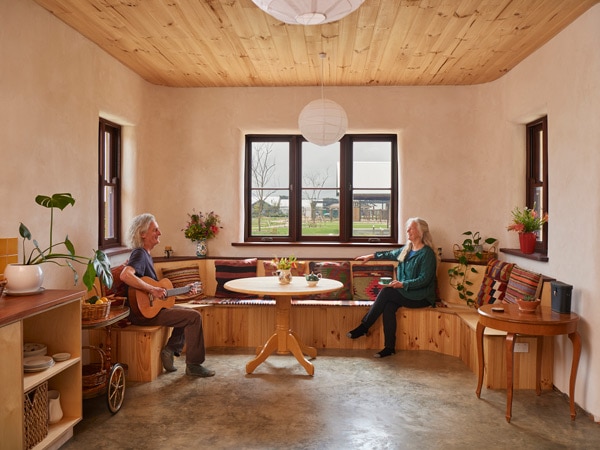
Its singular main street is lined with eclectic, characterful shops that are simultaneously quaint and authentic – a rare thing. I amble between the Flying Wardrobe antique shop, the old-school bakery and the historic general-store-turned-artist’s haven that gleefully hides a cellar door for lo-fi wines inside.
Plans are afoot to host Witchcliffe’s only evening dining option in the wooden building’s rear; a local craftsman has spent seven years creatively restoring it with upcycled touches. I stop at Yardbyrd, an open-air cafe hemmed by white pickets. Bustlingly busy, I suspect it is very much responsible for word slowly getting out about Witchy, as it’s fondly called by locals.
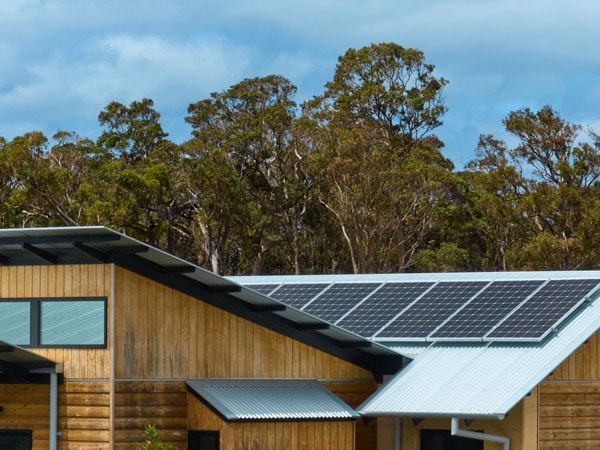
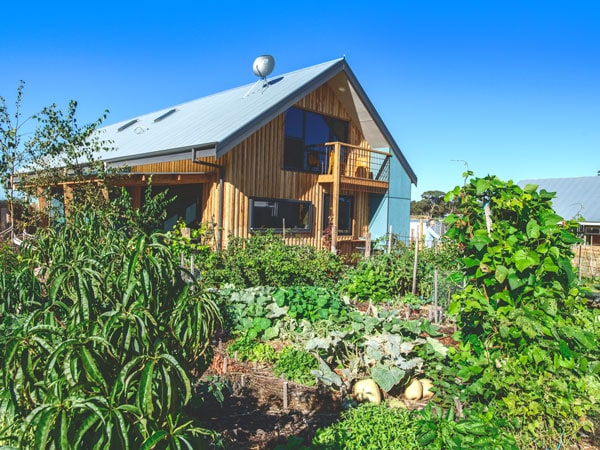
The other spot drawing attention is the zero-carbon-footprint, collaborative-style living eco village being constructed in town. Inspired by the world’s blue zones, Witchcliffe Ecovillage already has its first inhabitants and others, including filmmakers, nurses, geologists, architects and winemakers are relocating soon.
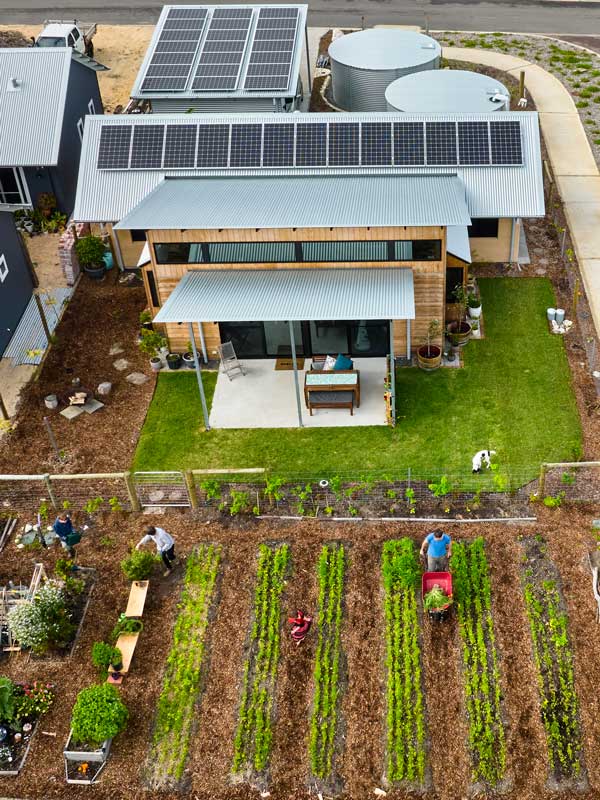
Groups of 19 to 26 solar-powered homes cluster around large community gardens containing veggie patches, orchards, chooks, a meeting house and playground, with streets named in the region’s Wadandi/Pibulmen language.
Once completed, there will be 350 houses in all – including 60 short-stay holiday cottages – and it’s forecasted that each one will produce a carbon offset of 100 tonnes beyond the carbon used to build it. The project aims to set the tone for future global eco villages and, by then, word will surely be out on Witchcliffe.
2. The evolution of Esperance
Travelling with: Fleur Bainger
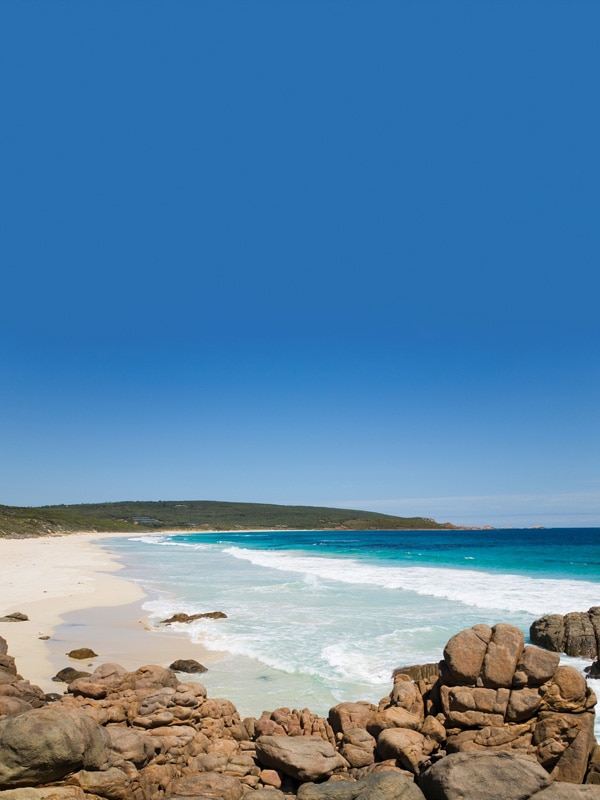
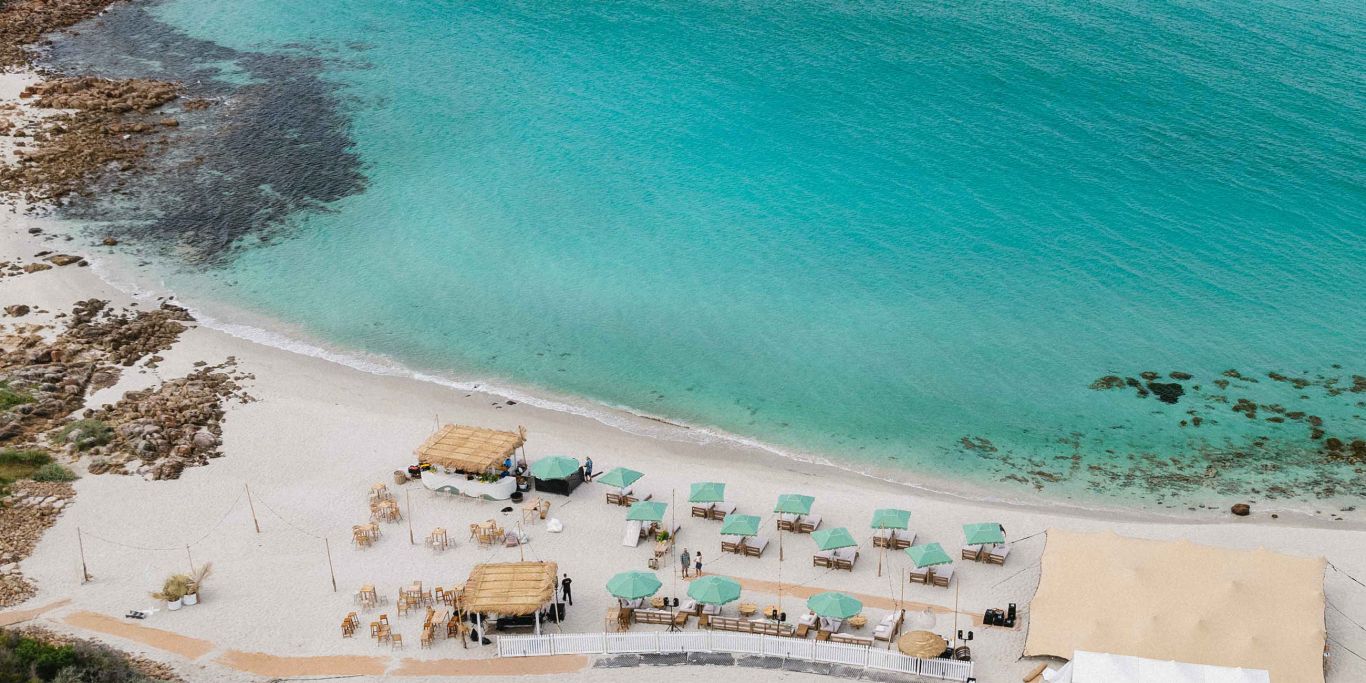
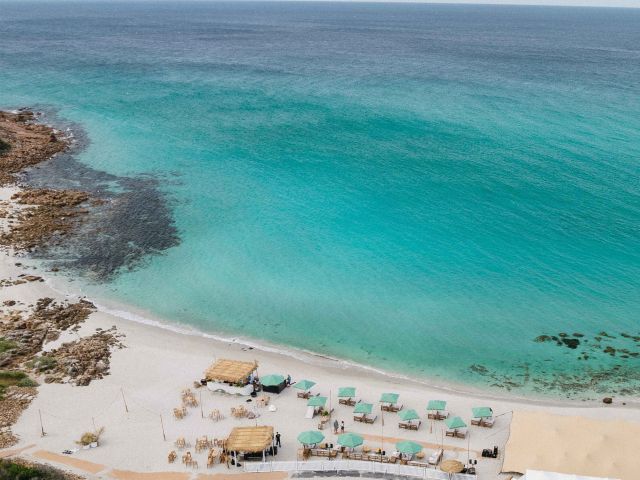
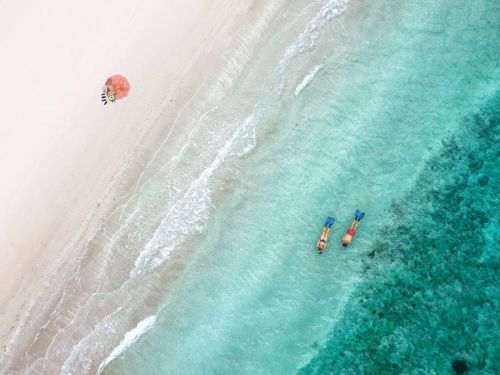
For the converted – like me – Esperance’s porcelain-white beaches, accessible island archipelago and translucent aqua ocean never felt too far to reach. Visit once and a return is simply inevitable.
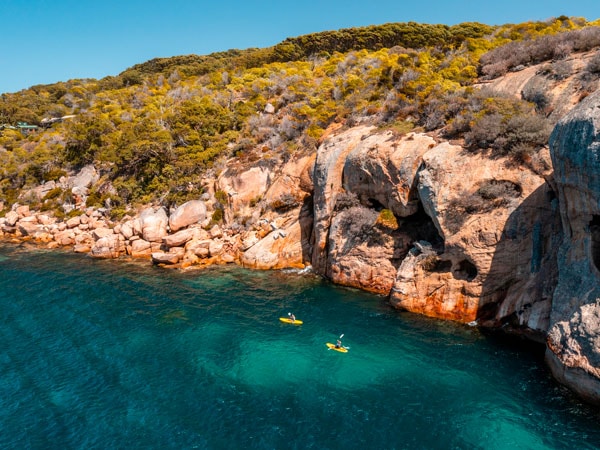
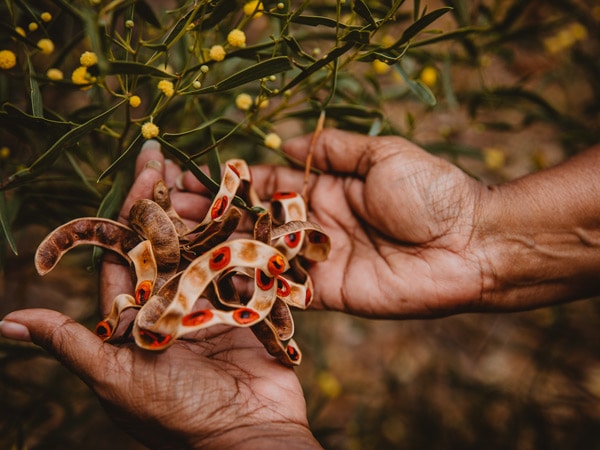
For an ever-increasing number of visitors, new temptations are banishing any thoughts about distance (it’s a 7.5-hour journey from Perth – 696 kilometres at its most direct – or a far-quicker flight). Cultural walks embracing the fragrance and flavours of Kepa Kurl, as Esperance is known to the region’s Aboriginal people, are now running daily (in season) with Dabungool Cultural Experiences .
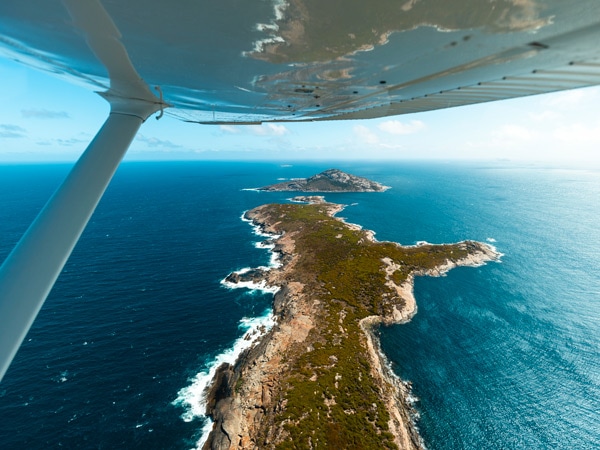
There’s also beach driving and flying over Cape Le Grand with Fly Esperance (who also do an aerial pub crawl). Across the water, Woody Island has been upgrading its solar-powered tents, adding to the well-styled, couples-only ‘luxury retreat’ eco tents that landed in 2021.
3. Find the magic of the Mid West
Travelling with: Fleur Bainger
It’s hard to get a look-in when you count the whale shark-flecked Ningaloo Coast and the forest-meets-sea Margaret River wine region among your siblings. Yet Western Australia’s Mid West region is starting to poke its face into the light. With the rock lobsterfishing city of Geraldton as its hook, and the coast-meets-river holiday hamlet of Kalbarri as its lure, the region is emerging as a worthy line to get tangled in.
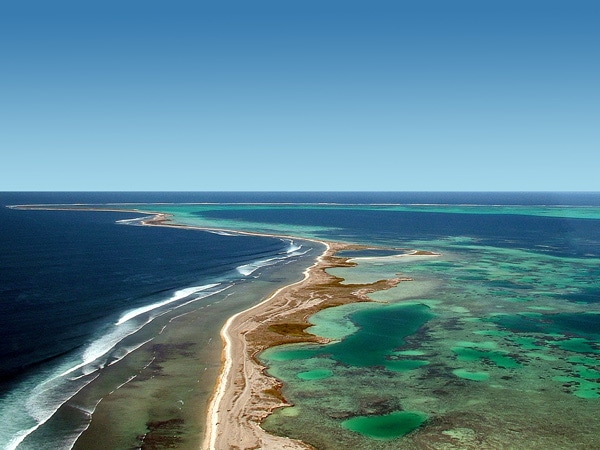
Take the Barbie-pink lake at Hutt Lagoon, so transfixing that Australia’s 2023 Eurovision hopefuls, Voyager, filmed its latest film clip on its salt and betacarotene-encrusted surface in February. Add the spellbinding Abrolhos Islands, rugged slabs of rock looming from the ocean.
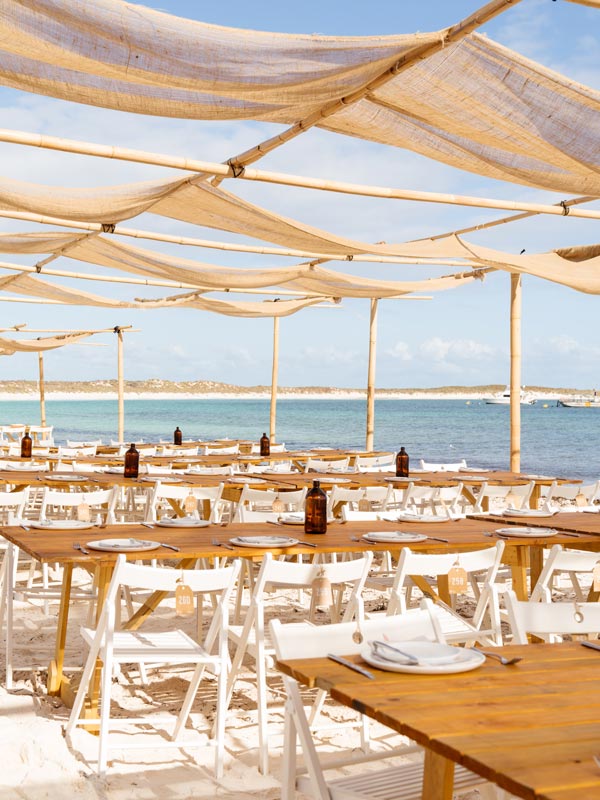
Though now less-populated, fibro fishing huts and finger-like jetties remain on several of the isles, visited by day flights, eco cruises and the annual Shore Leave Festival , which holds a seafood-centric long table lunch there each April.
4. Evolution in an ancient landscape
Travelling with: Imogen Eveson
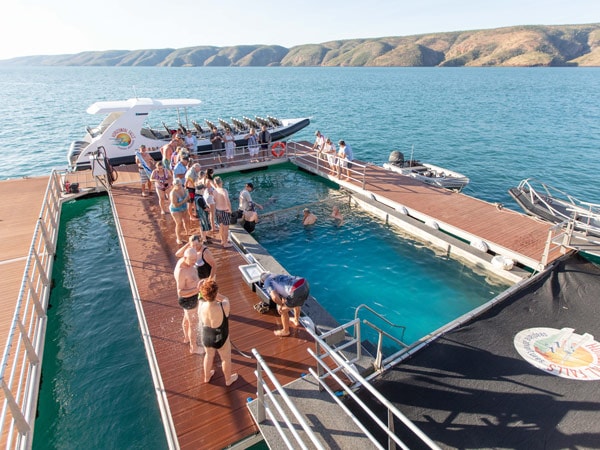
The Kimberley is a timeless destination, its ancient red rocks impervious to passing trends, but a suite of new developments is putting the vast WA region on the top of the agenda. Horizontal Falls Seaplane Adventures has launched a new luxury overnight experience aboard its boutique houseboat Jetwave Pearl for an immersive 24-hour tour of this natural phenomenon.
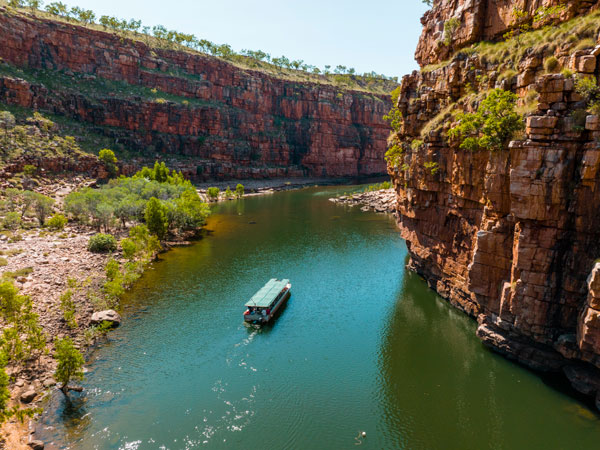
Over east, a new hotel, The Cambridge, is polishing up the accommodation offering in Kununurra, and an Indigenous Land Use Agreement struck between Wilinggin Aboriginal Corporation and the West Australian government will see the famous Kimberley tourism precinct at El Questro returned to Traditional Owners. With tourism continuing under a 99-year lease with G’day Group, it’s a watershed moment for the region.
5. A giant discovery in Peel
Travelling with: Fleur Bainger
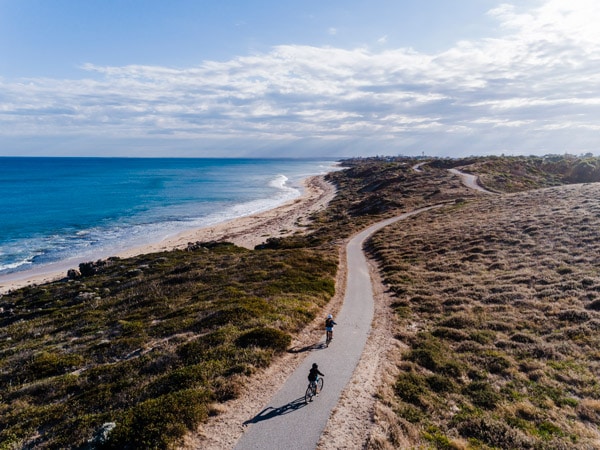
For years, if someone suggested a trip to Mandurah I’d look at them as though they’d just invited me to eat at McDonalds. The coastal city, one hour’s drive straight down the freeway from Perth, has a reputation for manmade canals, dolphins and retirees, and not even one of those things was enough to stir my enthusiasm. But lately, much to my surprise, it – and the surrounding Peel region – has emerged into somewhere I’d willingly spend time.
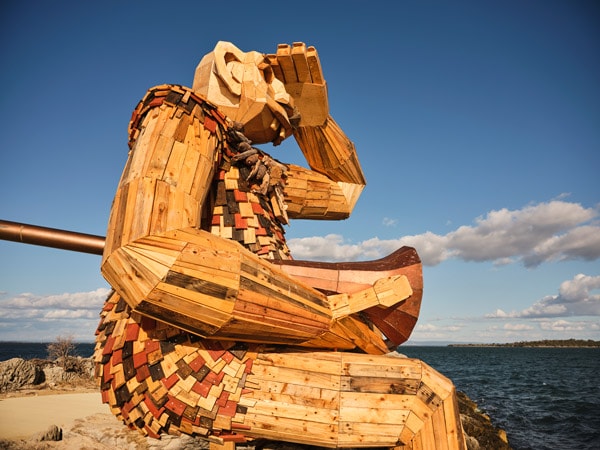
My turning point came in the form of curiously lifelike wooden creatures, their huge forms crafted into existence by international recycle artist, Thomas Dambo. The Giants, as they’re known, are fashioned from upcycled beer pallets, salvaged timber furniture and scavenged twigs and branches; each one takes at least 750 hours to make.
The free-to-view outdoor exhibition opened in November 2022, marking the first time Dambo has extended his global trail to Australia. A handful of them have been placed in the crackling bush, Ramsar-listed wetlands and waterside parks of Mandurah, or Mandjoogoordap, acting as an invitation to explore rarely visited nature spaces, while learning the stories of the region’s Bindjareb people.
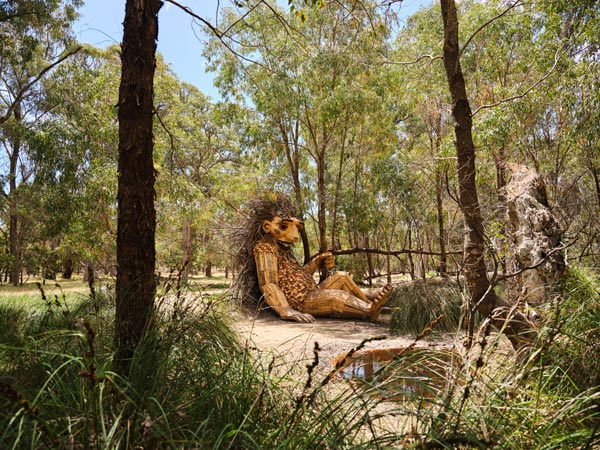
Finding them is like a game of hide and seek, with clues collected on the journey: each giant wears an amulet with a symbol that forms a code. When cracked, it reveals the whereabouts of a secret giant (and no, I’m not spilling it). Fittingly, the giants will remain until they degrade back into nature.
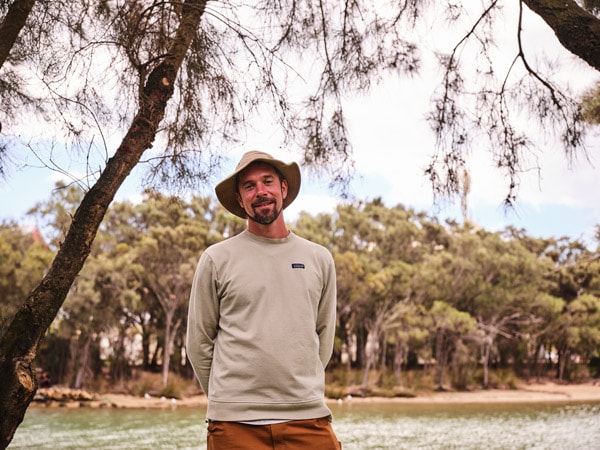
The artist’s intention is that giant hunters connect with the environment with every footstep and hopefully, leave with a new passion for the preservation of undervalued things: nature, ‘waste’, imagination, and our own backyards. For me – already an avid recycler – it created a wonder that I’d never thought possible around Mandurah.
After the thrill of discovering one giant on a hilltop overlooking a ream of white sand and highlighter blue ocean (I pin-drop Halls Head for a return visit), climbing over another with a BFG-style dream trumpet (near the fantastic Boundary Island Brewery), and being surprised by one concealed by a five-metre-tall, uprooted tuart tree (in a park I didn’t know existed), I find more things to value. As I leave Mandurah, I consider myself humbly re-educated.
6. Wadjemup/Rottnest Island gets a polish
Travelling with: Fleur Bainger
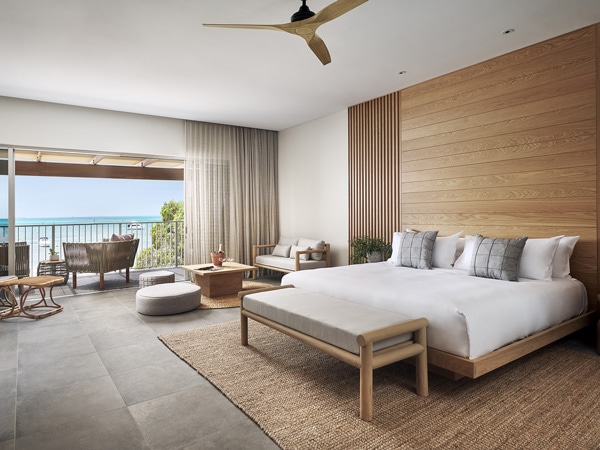
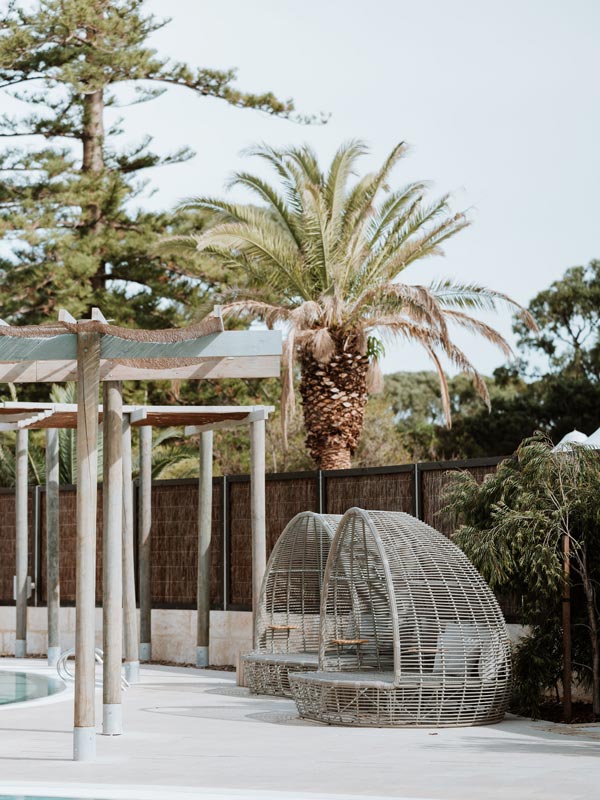
The opening of Samphire Rottnest signalled a shift in gears for Western Australia’s most beloved island, and while Wadjemup/ Rottnest Island remains a sandy feet and slouchy T-shirt kind of place, its outlook is becoming decidedly higher calibre. As Samphire settles into its linen and jute skin – introducing seasonal pool heating, a new pool bar and tranquil day lounge for guests only (with free oyster shucking one day, wine tasting the next), as well as slicker management – the island has been getting a facelift.
Quokkas now hop on new paving in the pedestrian mall and snooze beneath new public shade areas (as selfie-hunters pose), while swimmers wash off the salt at new beach showers, finished in 2022. Fabulous, sea breeze-tickled Italian restaurant Isola Bar e Cibo has also opened, and a new $40-million, low-rise, 100-room resort known as The Lodge is on the horizon for late 2024.
7. A tree change in Pemberton
Travelling with: Fleur Bainger
A circular Heli pad. Artisanal gin and vodka distilled from reject potatoes. Luxury accommodation only steps from the cellar door. None of these things are what I’ve come to expect from Pemberton, the farm-meets-forest town about 3.5 hours’ drive south of Perth. The rural community loved for the pale-barked, ruler-straight karri trees that edge its winding roads is – many say – like Margaret River before it got busy. Family-run cellar doors, boutique wineries and productive orchards surround the small town with a general store, limited accommodation and a handful of eateries.
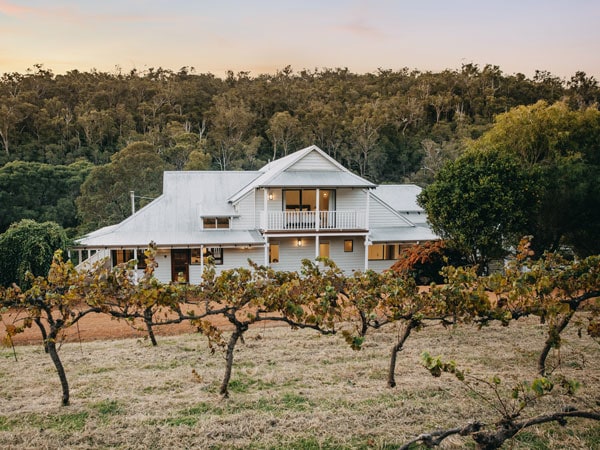
I stay most summers, and never have I experienced anything like Ampersand Estates . It may be the bellwether that will flip Pemberton’s quiet reputation. The retirement project for an entrepreneurial pair of 40-somethings who sold their global consultancy business to Deloitte in 2019, Ampersand has risen rapidly from the ashes of the region’s oldest winery. The LGBTQI+ company has transformed three rundown farmhouses into sophisticated white-and-wood-beam accommodations; my kids declare The Homestead “a mansion" after racing between its five bedrooms and enormous tub.
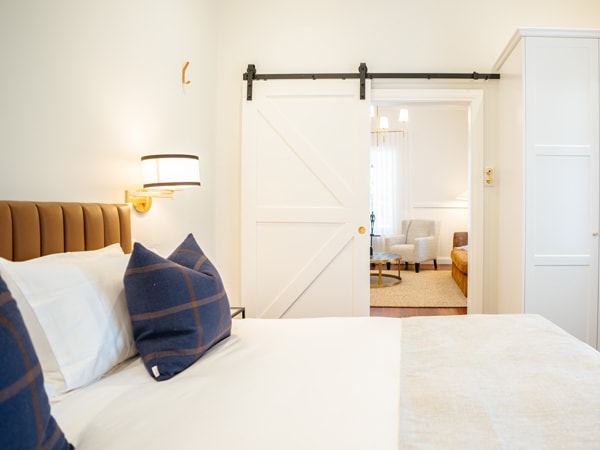
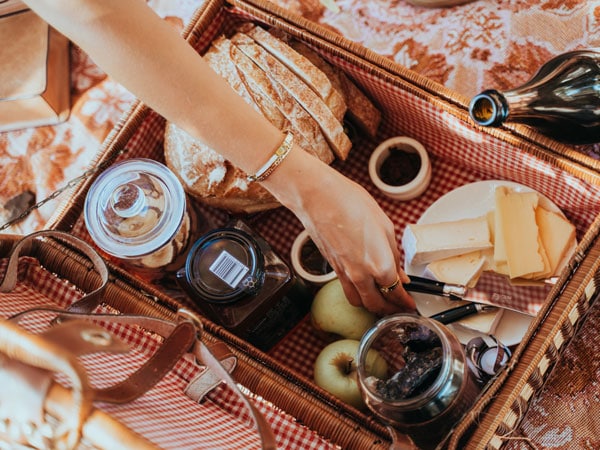
Stays are elevated with experiences: the chef behind Pemberton’s best winery restaurant serves four courses from our kitchen; we roll down the largest landlocked, mobile dunes in the southern hemisphere on a tour; local cheeses, meats and dips fill an estate picnic hamper.
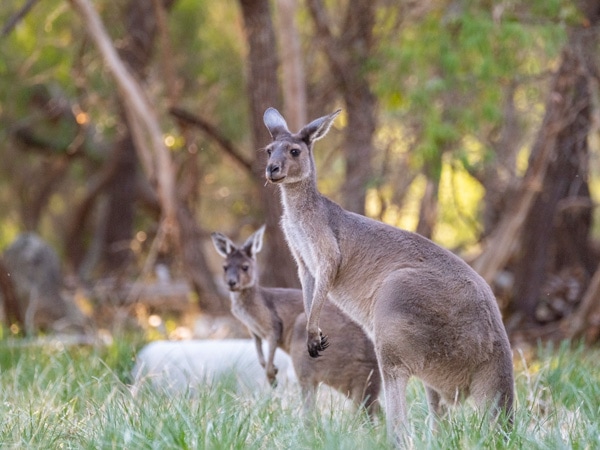
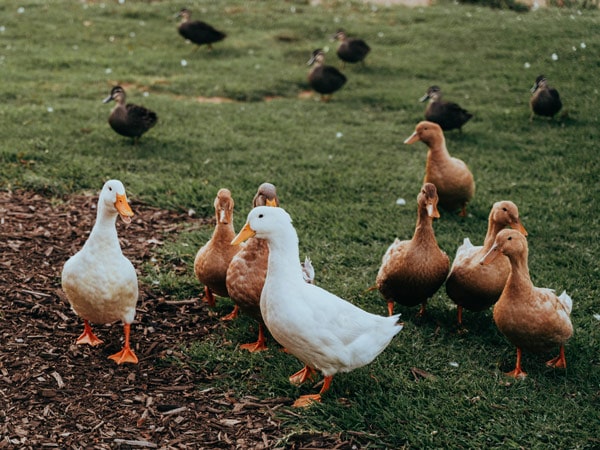
I particularly love walking past roos to the tasting lounge for estate wines, spirits and friendly geese – no driving required.
Ampersand’s base spirit is drawn from local spuds (the lumpy or tiny ones supermarkets won’t take), while their poetically named Rainfall Distillery gins and vodkas are infused with cherries, citrus, honey and macadamia nuts. It’s feel-good, on-trend stuff, accomplished at a standard that’s only going to raise the bar for Pemberton. Margaret River, watch out.
8. WA’s next big festival
Travelling with: Fleur Bainger
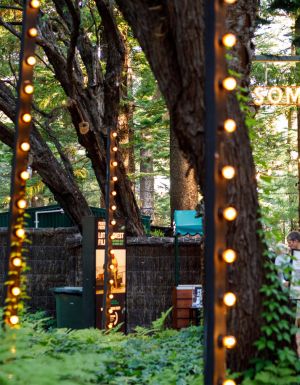
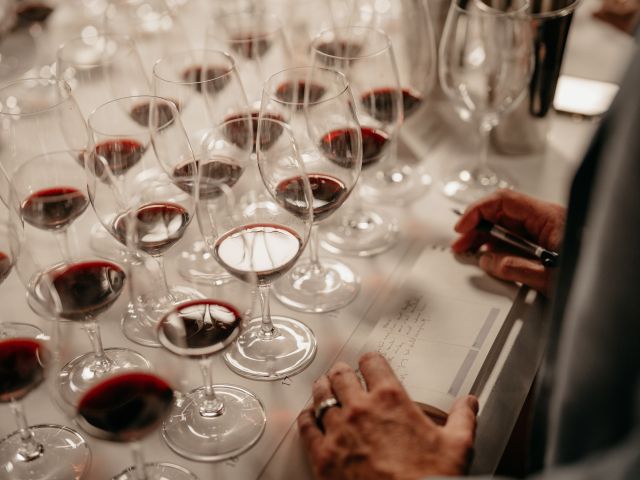
The two-year-old Fine Vines Festival in Margaret River is the exuberant wild child of wine festivals, shaking up what’s possible with its gleeful grassroots approach.
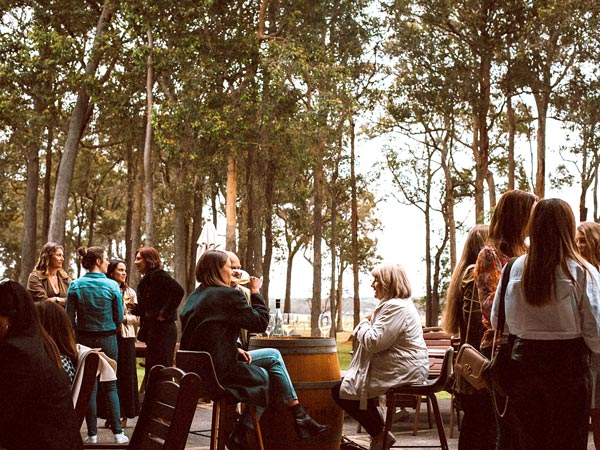
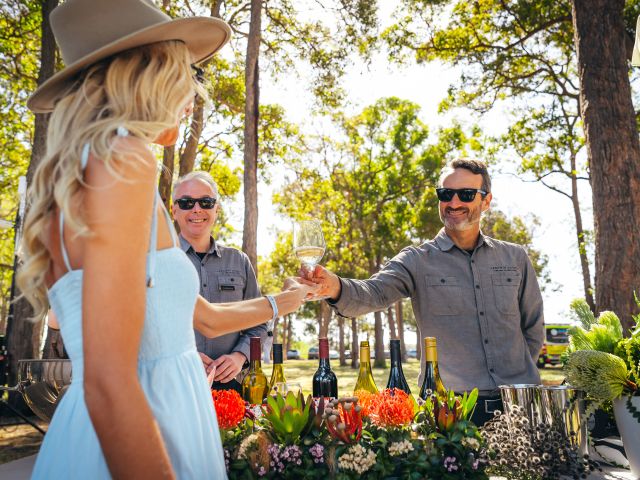
For starters, there’s a fierce focus on natural and garage winemakers, plus a deliberate effort to open up wineries that have no cellar doors (and therefore, usually can’t be visited), opening farm gates that are otherwise closed. There are also one-off dinners, tastings and art events in barrel rooms you’d never usually see.
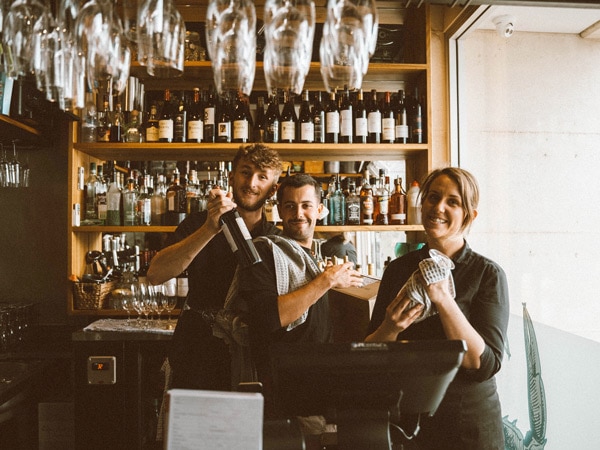
Billed as ‘the insider’s insider tour’, The Somm Trek – in which a sommelier leads 20 guests through five vineyards normally inaccessible to the public – is already sold out. Instead, try Mozzarella in the Cellar, combining mozzarella-making with a wine masterclass, or Wine on the Water, where whale-watching and vino-sipping collide. It’s all happening 20–29 October.
9. The world’s largest dam mural road trip
Travelling with: Fleur Bainger
It’s not a stretch to say that most Western Australians didn’t know where Wellington National Park was until the world’s largest dam mural was spray-painted there. The yawning artwork stretches across 8000 square metres of the Wellington Dam wall – that’s most of the 367-metre-wide and 34-metre-high embankment.
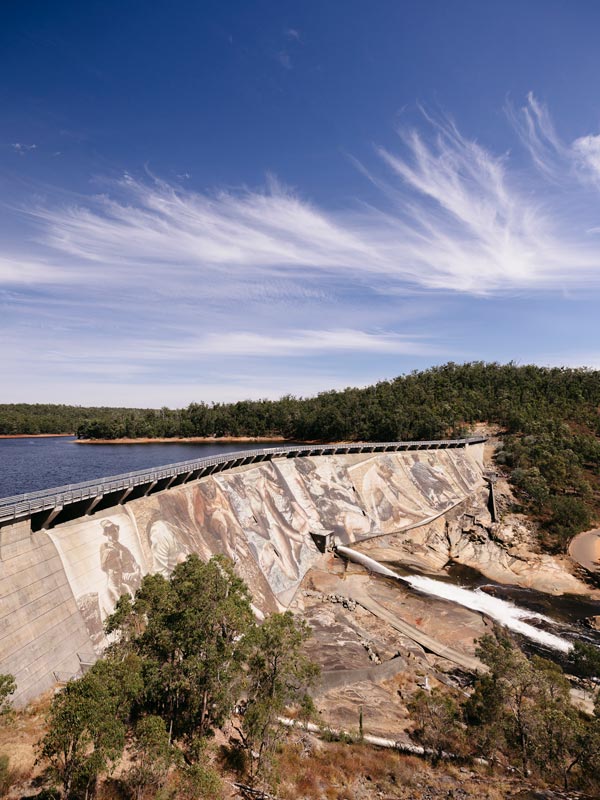
The curving concrete canvas, found a two-hour drive south-east of Perth, is by globally renowned artist Guido Van Helten, who dutifully dangled from floating platforms and abseil ropes to complete it in 2021. It has, seemingly single-handedly, shed light on the scenic road trips through the Ferguson Valley region.
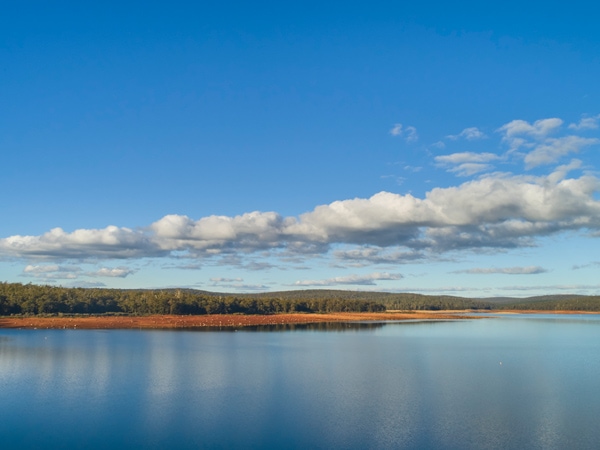
The full-day, self-guided Discovery Tour passes state forest, family-run cellar doors, tiny restaurants with big views, natural pool-side camping grounds, a street art trail (inspired by the mural) and the quirky Gnomesville, where thousands upon thousands of garden gnomes have been placed by mystery passers-by.

10. Fly under-the-radar along the Warlu Way
Travelling with: Fleur Bainger
The upside of WA’s Pilbara region suffering a mine-sized reputation as a place of big holes and empty stretches is that its epic, 2480-kilometre road trip remains delightfully under the radar. The Warlu Way echoes the route – or Aboriginal songline – fabled into the land by a Dreamtime sea serpent known as a warlu.
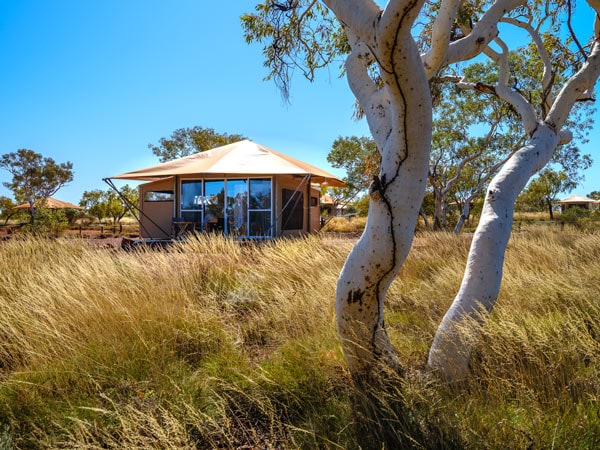
The pristine, smooth bitumen is the least of its attributes, with stop-and-stare sights ranging from the deep gorges and pancake-stack formations of Karijini National Park to the ancient rock engravings of Murujuga National Park and the iconic Red Dog statue.
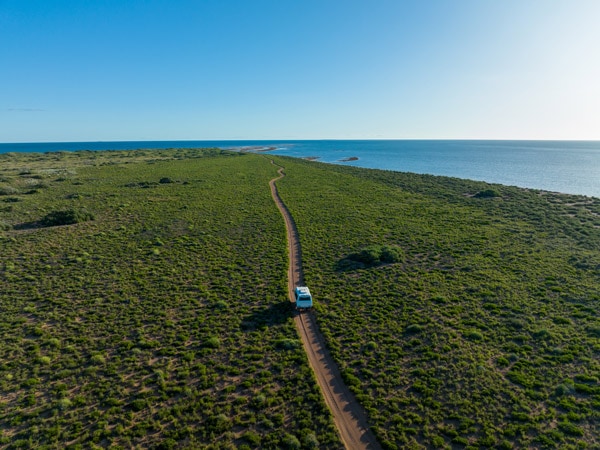
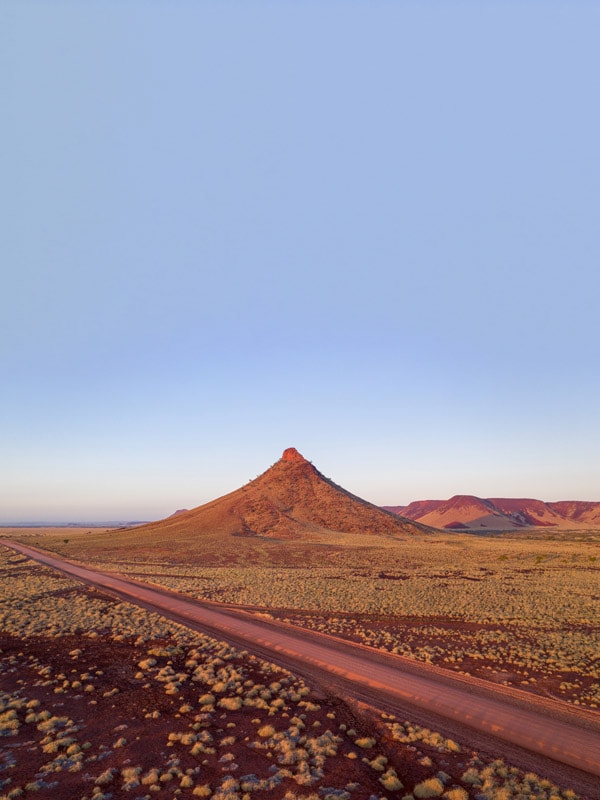
In between are vast, iron-rich red plains interrupted by caterpillar-like ranges spiked with spinifex and pockmarked with rock pools. The isles dotting the coast off Dampier and Onslow are also worthy of a diversion: a trip to the far-flung Mackerel Islands will make you feel like the last human on Earth.
11. Western wellness on Dirk Hartog Island
Travelling with: Bonita Grima
“We are best reminded of our true essence when surrounded by Great Nature," says yoga instructor Lara Dwyer, motioning to the ocean in front of us. “Out here we see how reliably the sun rises, how gracefully the seasons change and how effortlessly water flows without resistance to the currents. By mirroring nature and aligning ourselves with her rhythms, we too can move with greater ease," Lara explains.
We are learning about the Vedas – ancient knowledge gathered from Hindu texts that teach how to live in harmony with the elements. And although we’re not in India, I agree Dirk Hartog Island is the perfect classroom as I sit cross-legged on the mat, soft-gazing out to sea.
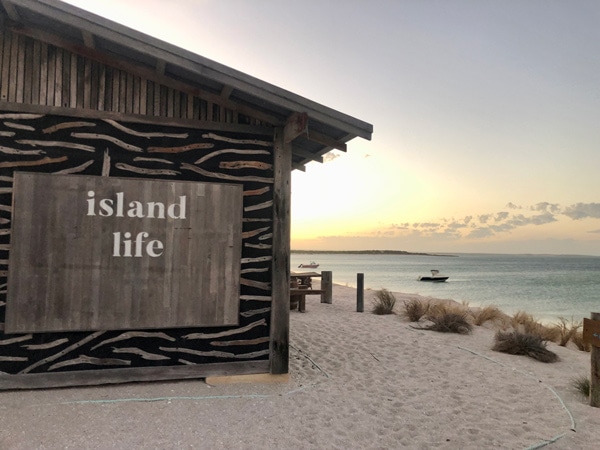
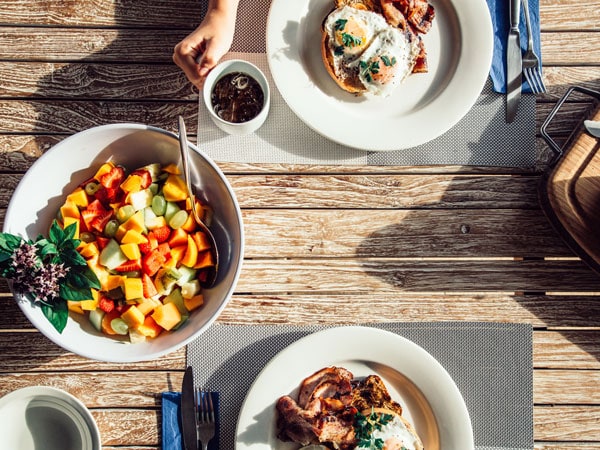
We have travelled – over turquoise waters and coral cays – from Shark Bay’s tiny airport on the mainland to Western Australia’s largest island and the country’s most westerly point – to experience its first wellness retreat. Packed with daily yoga and meditation classes, outdoor fitness sessions, luxurious massage treatments and comforting meals full of fresh goodness from the Gascoyne region, we learn that wellness here extends beyond just our physical bodies.
Resting within the Shark Bay World Heritage Area, 750 kilometres north of Perth, Wirruwana – as it’s known to Traditional Owners, the Malgana people – is as diverse as it is beautiful. From wild western cliffs to calm eastern beaches and rolling sand dunes to marine sanctuary zones, Dirk Hartog Island is globally renowned not only for its rich history, but for its significance as a haven for endangered animals and birds. Granted national park status in 2009, the Department of Biodiversity, Conservation and Attractions’ Return to 1616 Project has seen the gradual restoration of the island’s flora and fauna to the way it was before the arrival of Europeans.
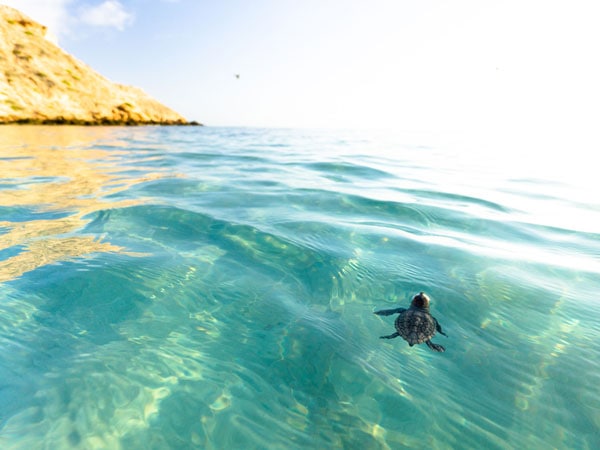
The successful eradication of feral cats, sheep and goats in recent years, combined with the reintroduction of native animals such as dibblers, Shark Bay bandicoots and western grasswrens, means the number of rare animals is rising. We witness evidence of this firsthand during a nocturnal wildlife excursion – spotting two rufous hare wallabies and one Shark Bay mouse within the first 10 minutes of our walk.
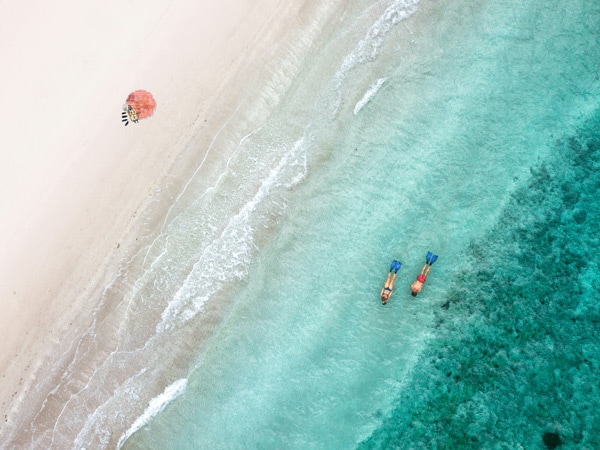
Marine life here is abundant too. And though visible from our paddleboards and kayaks within the eco lodge’s protected bay, a boat trip to the island’s best snorkelling spots has us swimming with colourful reef fish and sighting sharks, loggerhead turtles, pelicans, pied cormorants and dugongs along the way.
Living in harmony with nature is a way of life for the island’s sole residents, Kieran and Tory Wardle, who have raised their children here. Sharing the vision of Kieran’s grandfather, Sir Thomas Wardle – who purchased the island’s pastoral leasehold in 1968 – the couple have transformed the former pastoral station into one of the country’s top ecotourism destinations and believe the wellness retreats are an additional way to give back. “Island living unplugs you, keeps you active and takes you back to basics," says Tory. “We want to give people a taste of that, but also provide practices to take away, making healthy living sustainable."
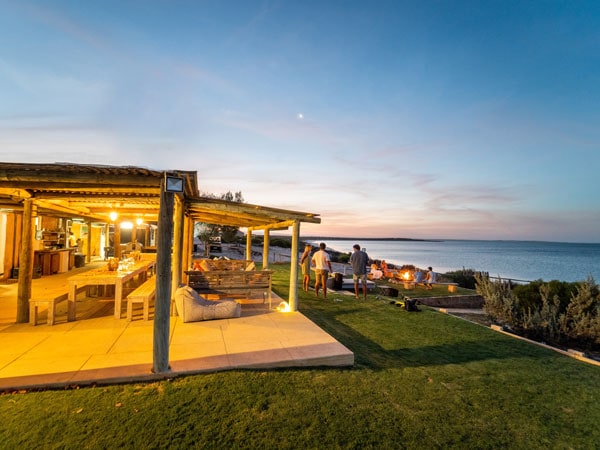
Converted from the old shearer’s quarters, the eco lodge where we are staying oozes rustic luxury. With ocean-facing rooms, outdoor eating and lounging areas, and a beach-shack bar that’s considered to be Australia’s most remote, it’s the perfect place to cast away cares. Finding flexibility and balance is part of island life and a philosophy the Wardles intend to continue with their retreats.
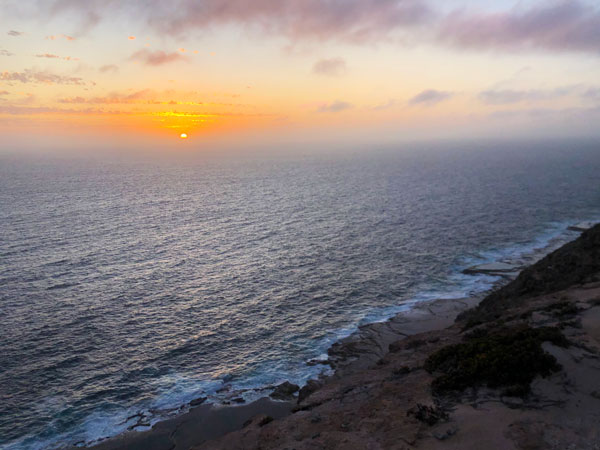
Starting with an early-morning yoga class, a day here could see you running along a coastal trail in the morning, pausing with a drink made from Dirk Hartog Island Distilleries ’ Inscription Gin in the late afternoon, followed by a clifftop meditation session and ending with the wonder of ‘Australia’s last sunset’ at the island’s most westerly point. Five-day retreats run quarterly with the next scheduled for 28 May – 3 June.
12. Get clued up on Christmas Island
Travelling with: Carla Grossetti
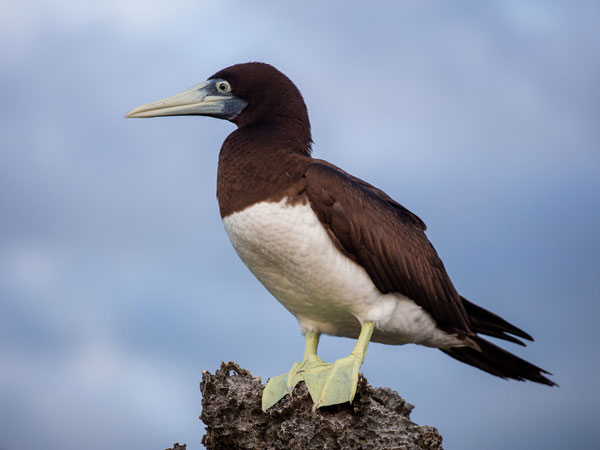
Perhaps it’s the annual red crab migration, which sees millions of crabs descend like a red curtain into the sea. Maybe it’s the fact that 63 per cent of Christmas Island is clad in emerald jungle. Or the fact you might spot the rare brown booby nesting on its rocky shores and a frigatebird in the forest canopy. There are a multitude of reasons more and more visitors seem to be clued up about Christmas Island.
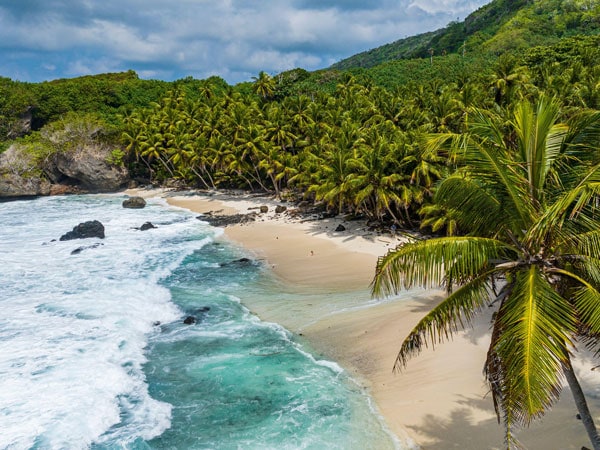
The opportunity to swim with giant whale sharks is another draw for this destination. In addition to the red crab migration, you can book a tour year-round with Indian Ocean Experiences (part of Australian Wildlife Journeys’ portfolio of extraordinary adventures; also see Naturaliste Charters below), to snorkel and dive with shoals of colourful fish. Or watch the waves drum onto the shore near the famous blowholes.
You can also take a deeper dive into this Australian territory when you explore its colourful multicultural history. Put this remarkable destination at WA’s doorstep on your radar if you’re in pursuit of nature and adventure.
13. Western Australia’s orca hotspot
Travelling with: Katie Carlin
The spotlight has been firmly on the tiny WA hamlet of Bremer Bay since the film adaption of Tim Winton’s Blueback hit cinemas in 2022, but between January and April it’s also frequented by the stars of a different film franchise – killer whales (orcas).
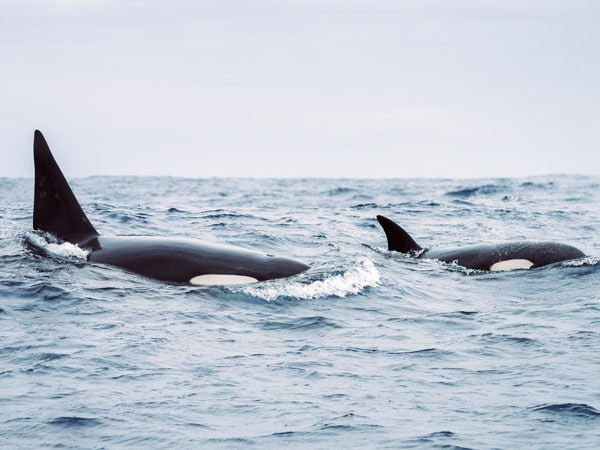
Around 65 kilometres offshore in the 5000-metre-deep Bremer Canyon, more than a hundred orcas are on the hunt – and Naturaliste Charters takes travellers right into the centre of the daily feeding frenzy.
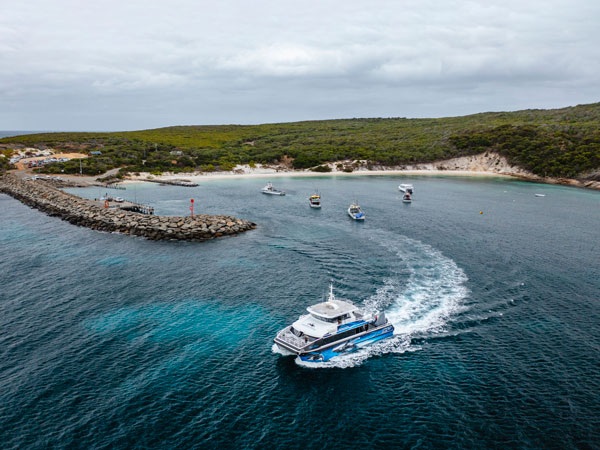
The full-day group tour is led by a qualified marine biologist, so expect a thorough retelling of the guide’s most thrilling encounters peppered with extensive knowledge of the local marine ecology teeming just beneath the surface.
14. A new way of being in Margaret River
Travelling with: Fleur Bainger
The working lives of bees have inspired the design and function of six, boxy eco pods by the coast in WA’s Margaret River. Positioned only one kilometre from the salty spray of Smiths Beach, Barn Hives is the vision of Lithuanian beekeeper Egis Rusilas and his wife, Raminta – yet there’s nothing twee or Pooh Bear about them. Black and sleek, each one is raised up on stilts, just as commercial beehives are (to hinder critters).
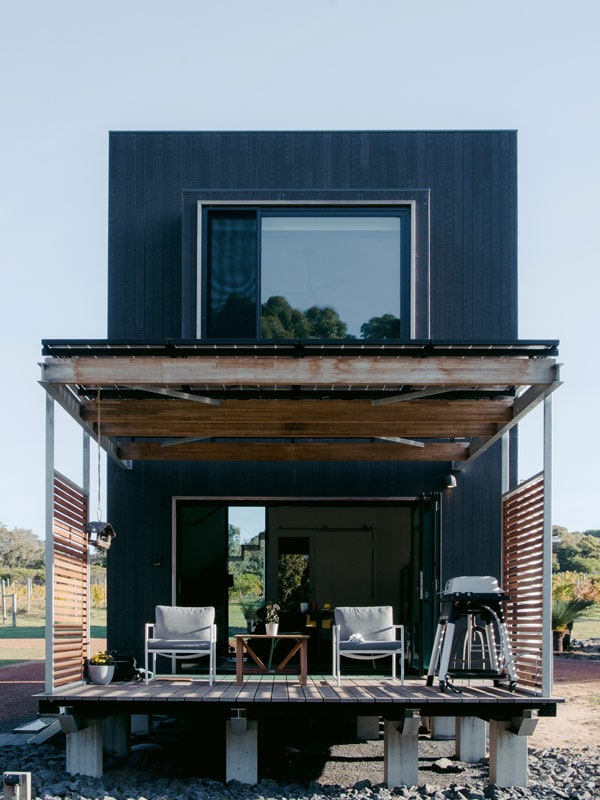
The front deck overlooks vines, mimicking a bee’s preference for a clear flight path and a platform for landing. The minimalist luxe interiors are split into two levels, the top reserved for honey-making (it is the bedroom, after all) while the lower floor is the living area: this division is just the way hive bees have it.
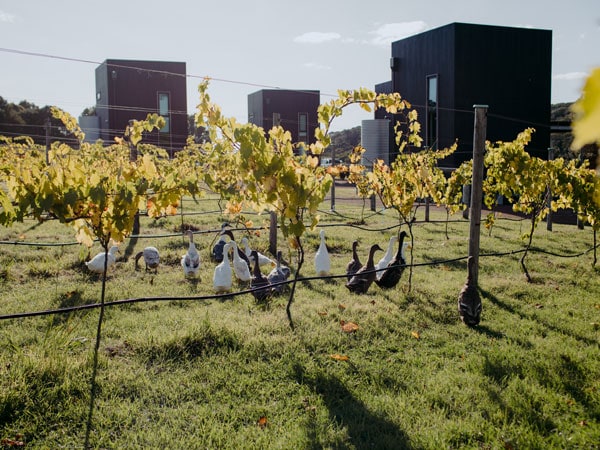
In addition, each pod leverages natural elements, with native jarrah wood cladding, solar power, rainwater and cooling, cross-ventilation airflow. Impressively, not a skerrick of plastic was used during the 2020 construction. Rusilas’ actual bees supply the pods with a jar of unprocessed, raw honey – also found in the property’s restaurant kitchen, Barnyard 1978.