hero media

10 of Australia’s most unforgettable walks and hikes

Credit: Jess Bonde

These memorable walks and hikes offer stunning vistas, pristine beaches, and adorable wildlife.

From alpine peaks to red desert and rainforest, the walks and hikes here are a testament to the diversity of landscape in Australia. If you even manage to do half of what’s on this top 10, you can say that you’ve seen some of the most remote, spectacular and wild places on the planet, and some of this country’s pristine World Heritage areas.

 1. Bridle Gap hike, Wilpena Pound, South Australia
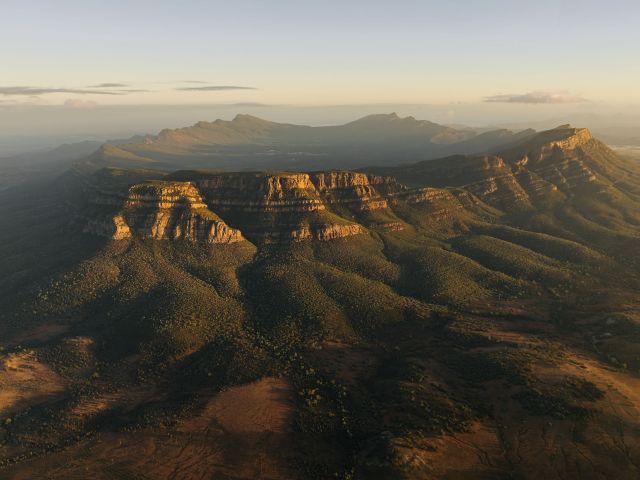
Wilpena Pound
The magnificent Wilpena Pound. (Credit: Emile Ristevski)

While there are many walks you can do in and around the geological wonder that is Wilpena Pound, this one takes you right across its floor from the top of one side to the other. Part of the famous 1200-kilometre Heysen Trail, it’s a six-hour return hike across 19 kilometres. The floor of the Pound is a bird-lover’s dream with a variety of raptors and parrots, wrens and robins making their home among the native pines, eucalyptus and heath.

Walk highlight: The view of the mountain-ringed natural amphitheatre from Bridal Gap.
Distance: 19 kilometres
Level: Grade 3 (moderate)

 2. Grand Canyon Track, Blue Mountains, New South Wales
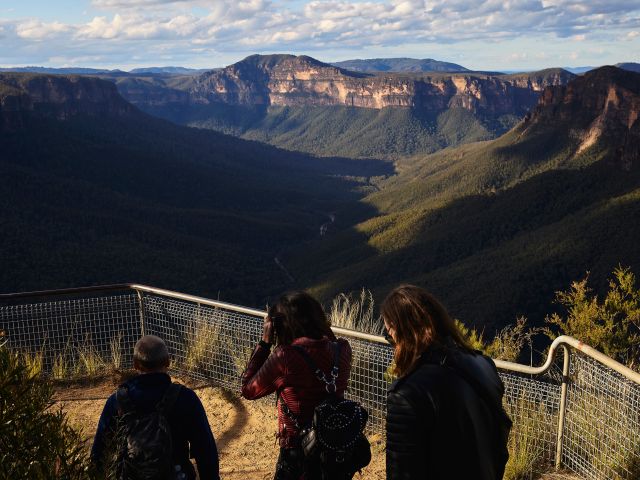
Grand Canyon Track
Walk along the clifftops of the Blue Mountains. (Credit: Destination NSW)

The Blue Mountains National Park is an arresting wonderland of verdant forest surrounded by giant sandstone buttresses. A six-kilometre loop that leaves from near the quaint village of Blackheath at Evans Lookout, the Grand Canyon Track affords mind-blowing views of Grose Valley. The trail takes you along the clifftops of the Blue Mountains dropping down into sub-tropical forest, beautiful Beauchamp Falls and fern-filled prehistoric gullies. The Grand Canyon itself is a 180-metre deep cut through the sandstone and makes for a dramatic ascent out of it to complete this short four-hour, yet epic, journey.

Walk highlight: Regular breaks in the bush along the top of the valley offer views of lush, forest-filled Grose Valley making it easy to see why this is a World Heritage Area.
Distance: 6.3 kilometres
Level: Grade 3 (moderate)

3. K’gari Great Walk, Queensland
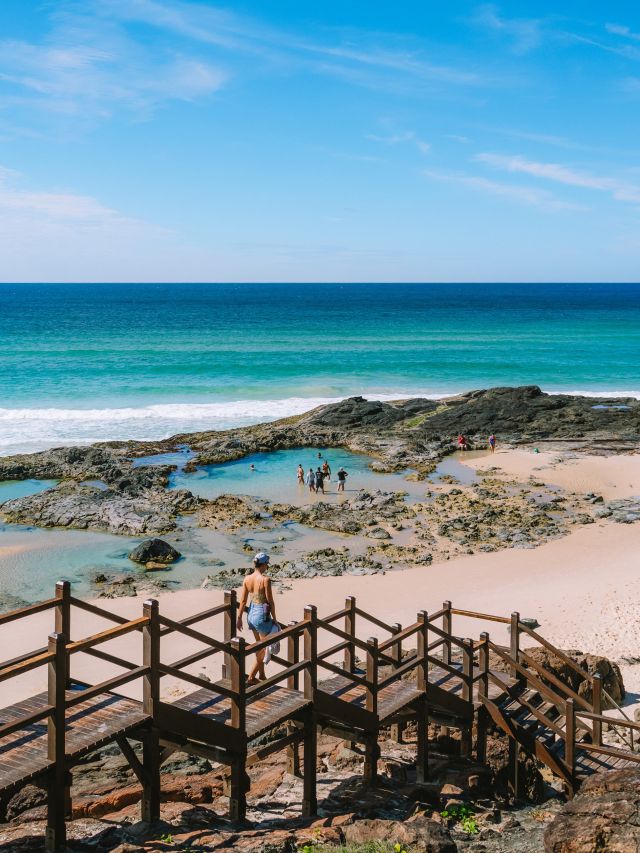
K'gari
The walk will navigate you through K’gari’s best natural features. (Credit: Tourism and Events Queensland)

The world’s largest sand island should be something of a pilgrimage for Australians. K’gari is a paradise of white beaches and over 100 freshwater lakes including the spectacular Lake McKenzie, mangroves and rainforest-lined creeks, all of which have given it World Heritage status. The six- to eight-day, 90-kilometre Great Walk takes in the best of the island, from the towering forest known as the Valley of the Giants to the famous swimming hole that is Lake Wabby.

Walk highlight: Keep an eye out for dingoes, one of the best places to spot this iconic animal.
Distance: 75 kilometres
Level: Grade 4 (moderate)

Need tips, more detail or itinerary ideas tailored to you? Ask AT.

AI Prompt

4. Larapinta Trail, Northern Territory
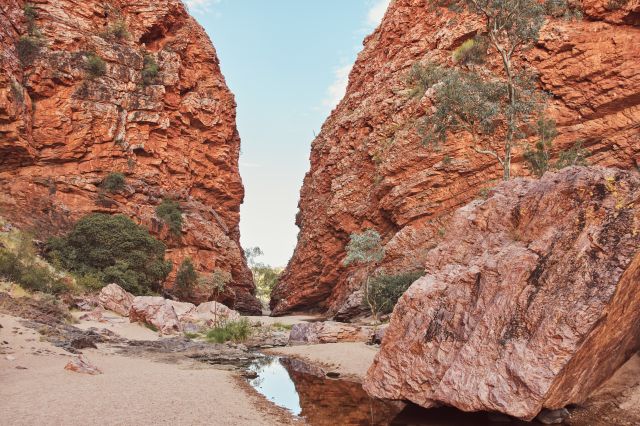
Simpsons Gap
The iconic red cliffs of Simpsons Gap. (Credit: Tourism NT/Tourism Australia)

This route is fast becoming the must-do walk in the country, taking you into the remote desert from Alice Springs to Mt Sonder. You’ll stride out across vast flood plains, along the dramatic ridges of the West MacDonnell Ranges and through spectacular canyons. Walk the whole 223 kilometres of the Larapinta, which takes 15 to 16 days, or simply do a day section, like the Mount Sonder Return or Counts Point Return. Along the way, you’ll admire rare desert flora and spot black-footed rock wallabies.

Walk highlight: Simpsons Gap is a dramatic red-rock passage sheltering a welcome waterhole.
Distance: 75 kilometres
Level: Grade 5 (difficult)

5. Mount Bogong Ascent, Victorian Alps, Victoria

To witness perhaps Australia’s most unlikely landscape, that of its alpine wilderness, you have to get up into the mountains. Now you can walk the entire length of the 650-kilometre Australian Alps Walking Track to achieve this, or you can cheat and do a fairly arduous one-day walk that takes you up into the high plains and the summit of Mt Bogong (‘Big-fella’, in Aboriginal tongue), Victoria’s highest at 1986 metres. The trail starts at the Mountain Creek picnic area and follows a steep 16-kilometre route known as Staircase Spur. You’ll pass through beautiful peppermint and snow gums before reaching the top of Mt Bogong and some awesome views of the Alpine National Park.

Walk highlight: Since this is a steep climb, you’ll be thankful for the sight of the charming Bivouac Hut, great for a spot of lunch.
Distance: 21.5 kilometres
Level: Grade 4 (moderate)

6. Overland Track, Tasmania
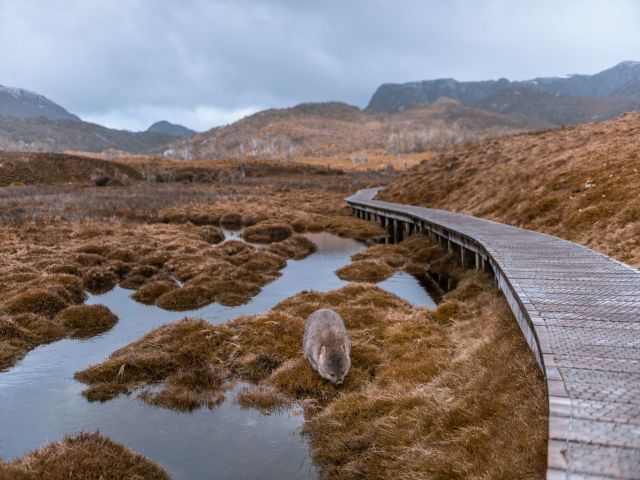
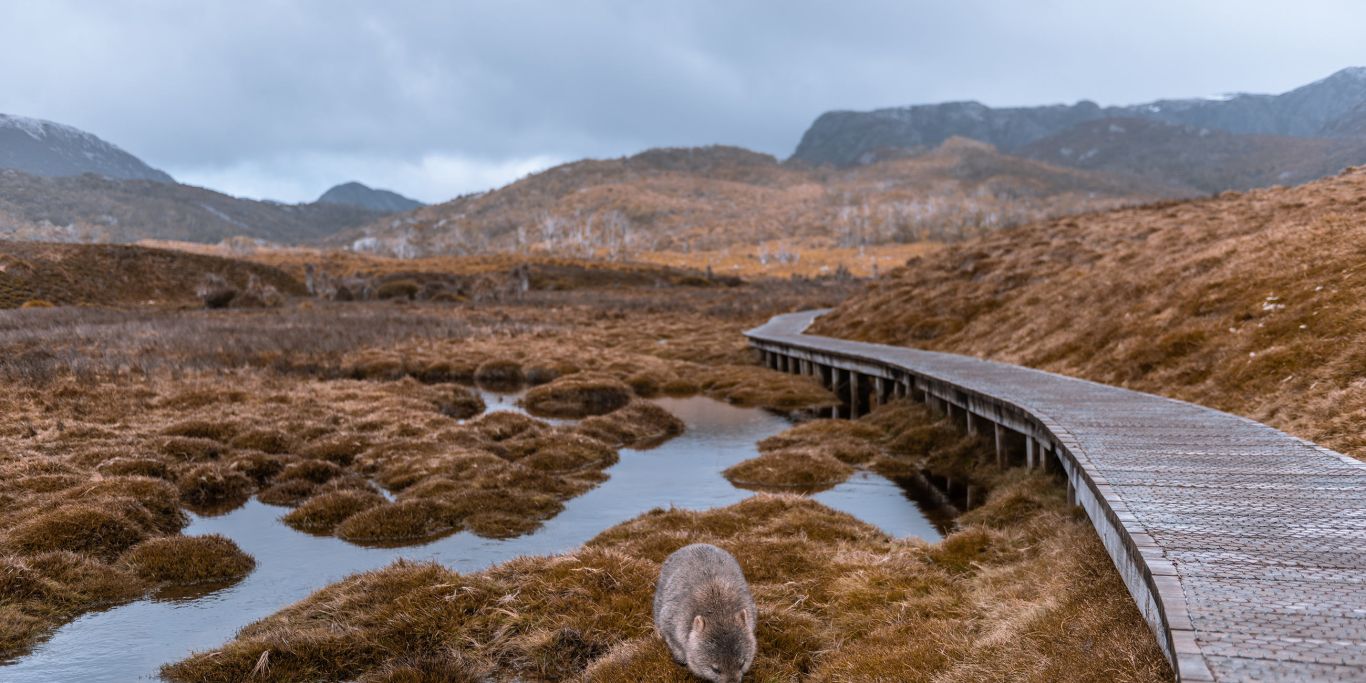
Overland Track
There’s no better way to see the wilderness of Cradle Mountain than by walking the Overland Track. (Credit: Jess Bonde)

Tasmania’s wilderness is a World Heritage Area, and there’s no better way to see it than on this 65-kilometre, six-day walk. A once-in-a-lifetime trek, in the walking season from October to May you make your way from the base of Cradle Mountain to Lake St Clair passing through ancient rainforests, glacial valleys, meadows and a dramatic skyline of peaks. This walk is popular; you’ll need to book in advance to walk in the summer months (advisable!) staying at campsites and huts along the route.

Walk highlight: The Overland is ripe with side trips; take your time, go off the beaten track and make an ascent of Mt Ossa, Tasmania’s tallest at 1617 metres.
Distance: 65 kilometres
Level: Grade 4 (moderate)

7. Cape to Cape Walk, Margaret River, Western Australia
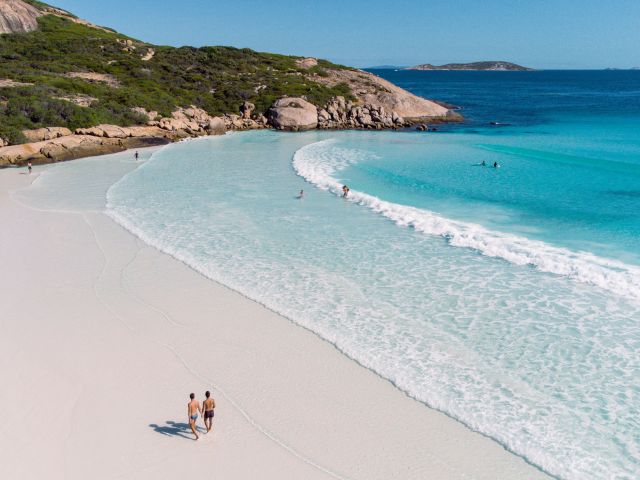
Wharton Beach
Wharton Beach is one of many pristine beaches you’ll visit. (Credit: Tourism Western Australia/@travel.withcharlie)

If you’ve ever wanted to experience the beauty of this iconic region in all its glory, the Cape to Cape Walk is the way to do it. This diverse walk takes you through undulating forests and along the picturesque coastline that features some of Australia’s most pristine beaches. Taking approximately five to seven days to complete, you’ll traverse the full length of Leeuwin-Naturaliste National Park following the coast from the Cape Naturaliste Lighthouse to the Cape Leeuwin Lighthouse.

Walk highlight: The afternoon sunlight that streams through the towering Karri trees in Boranup Forest is something to behold.
Distance: 123 kilometres
Level: Grade 4 (moderate)

Weekly travel news, experiences
insider tips, offers, and more.

8. Great Ocean Road Walk, Victoria
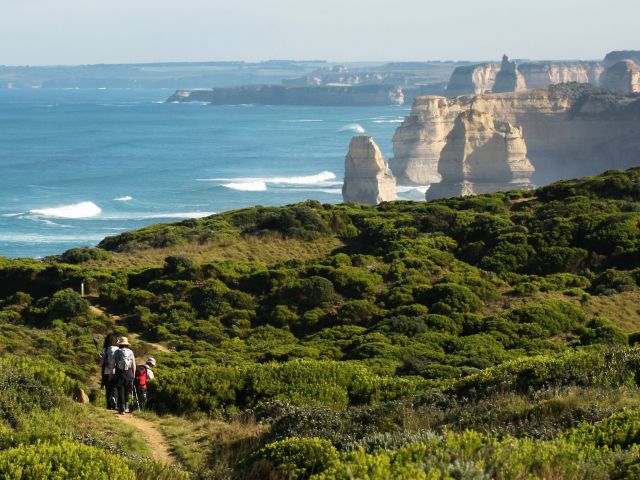
Great Ocean Road
The limestone stacks are a sight to behold. (Image: Visit Victoria)

The rugged coastline of the Great Ocean Road promises hikers untamed beaches, shipwrecks, spectacular ocean views, and an abundance of native flora and fauna. Stretching about 104 kilometres, you can pack a tent and choose to sleep under the stars, or give yourself a bit of luxury and stay at any of the many hotels along the route. If you prefer to join a guided tour, The Tas Walking Co‘s Twelve Apostles Signature Walk is a fantastic four-day expedition where you will return each evening to their private eco-lodge.

Walk highlight: Unsurprisingly, the reward at the end is that you’ll get to marvel at the limestone monuments that are the Twelve Apostles.
Distance: 44 kilometres
Level: Grade 4 (moderate)

9. Wilsons Promontory Southern Circuit Walk, Victoria
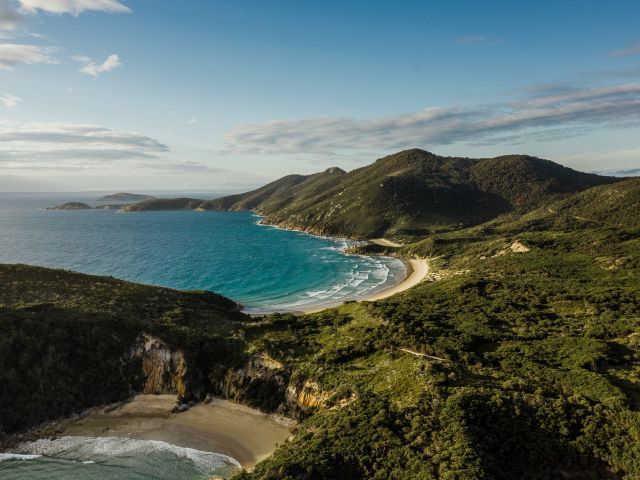
Wilsons Promontory
The southernmost national park on mainland Australia. (Credit: Visit Victoria)

Also known as the ‘Great Prom Walk’, the Wilsons Promontory Southern Circuit Walk in the idyllic Wilsons Promontory National Park is considered one of  Australia’s most spectacular coast walks. The three to five-day hike ticks all the boxes with picturesque beaches, temperate rainforests, and wildlife spotting opportunities (emus, kangaroos, wombats). The beaches you will visit during this trail are as pristine as they come.

Walk highlight: The boulder-strewn beaches and turquoise waters of Sealers Cove and Waterloo Bay.
Distance: 35.5 to 52.8 kilometres depending on which route you take
Level: Grade 4 (moderate)

10. Snowies Alpine Walk, New South Wales
Snowies Alpine Walk
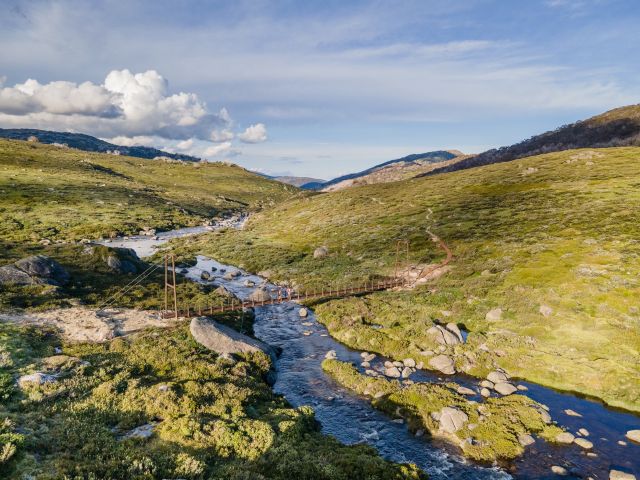
The walk connects Guthega to Charlotte Pass. (Credit: B Ferguson/DCCEEW)

It might be mainland Australia’s tallest mountain, but Mount Kosciuszko is very achievable to summit. Later this year, the 55-kilometre Snowies Alpine Walk will open so you can extend your time hiking the breathtaking alpine landscape. Along the way, you’ll see the iconic Snowy River, historic settler huts, alpine vistas, weathered snow gums and wildflowers. The trail can be walked over four days, with a range of accommodation options available throughout.

Walk highlight: The marvellous views from Hanson’s Peak and Marion’s lookout.
Distance: 55 kilometres
Level: Grade 4 (moderate)

Check out more spectacular walks and hikes in Australia.

Want to see more stories from Australian Traveller in your Google search results?

  1. Click here to set Australian Traveller as a preferred source.
  2. Tick the box next to "Australian Traveller". That's it.
Australian Traveller

Australian Traveller

View profile and articles

hero media

8 reasons Moree should be on your next road trip itinerary

    Lucy Cousins Lucy Cousins
    Discover what makes this country town the perfect place to slow down, switch off and recharge.

    At first glance, the country town of Moree may look like just another charming highway town, with heritage buildings, a leafy town centre and classic pubs the locals love. However, this regional New South Wales town is Australia’s Artesian Spa Capital, a wellness hub with a rich Indigenous cultural history and a growing reputation as a destination for slow travel.

    Moree is ideally located at the crossroads of the Gwydir and Newell highways (and is also easily reached by train and air), making it a refreshing destination, or stop, on any road trip. And these eight experiences show why.

    1. Taste Moree on a Plate

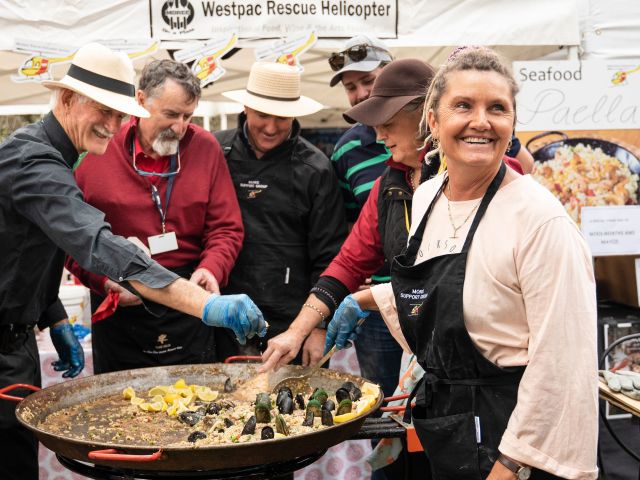
    Westpac Helicopter Rescue Service team with their Seafood Paella at the 2019 Moree on a Plate Festival
    Taste the best of regional produce and culinary talent. (Credit: Destination NSW)

    Time your trip for Mother’s Day weekend in May, and you’ll find yourself in the middle of the popular annual food and wine festival, Moree on a Plate, celebrating regional produce and culinary talent from the region’s fertile plains.

    Browse the stalls and sample olives, pecans, citrus fruits, honey, boutique wines and handmade condiments. You can also enjoy live cooking demonstrations by celebrity chefs, a local barbecue competition, plein-air art, live music and a dedicated children’s activity area.

    2. Experience artesian waters

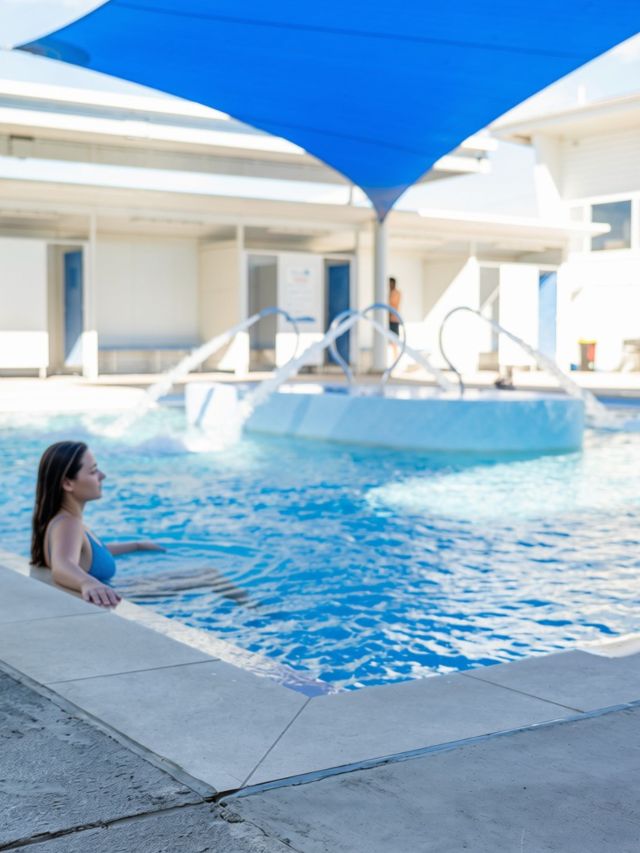
    woman at the Moree Artesian Aquatic Centre
    Chill out in Moree’s famous artesian waters.

    Moree’s famous artesian waters have attracted visitors for over 130 years. First discovered by accident in 1895, this mineral-rich, naturally heated water is drawn from deep within the Great Artesian Basin. Soak and slow down in the recently renovated pools at the Moree Artesian Aquatic Centre, where you can choose between the active pool with massaging water jets or the passive pool for a more relaxing experience.

    For a longer soak, stay at one of the many motels within walking distance of the aquatic centre. Or book a stay with its own artesian pools.

    Gwydir Thermal Pools Motel & Caravan Park has five on-site thermal pools and a broad range of accommodation, while the Phoenix Resort offers both indoor spas and outdoor thermal pools as well as recently upgraded self-contained apartments and motel rooms. Meanwhile, the Artesian Spa Motel is set on five acres of landscaped gardens and features swimming and thermal pools, including an indoor artesian spa and an on-site restaurant.

    3. Enjoy an arty experience

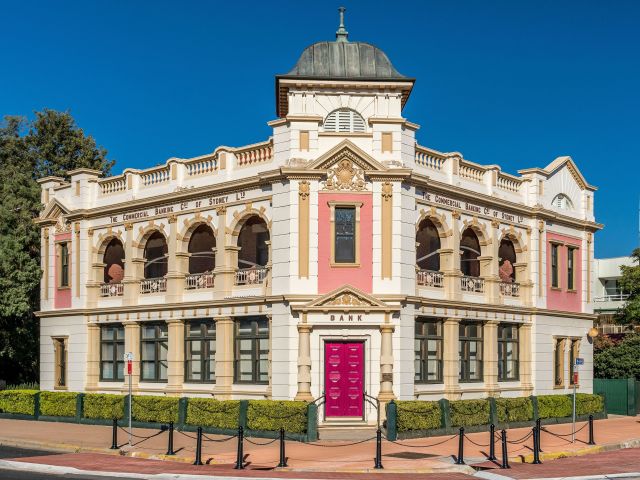
    Bank Art Museum Moree
    Step inside the gorgeous Bank Art Museum Moree. (Credit: Destination NSW)

    To connect with Moree’s artistic side, head to Bank Art Museum Moree (BAMM), an independent contemporary art gallery housed in a beautifully preserved, Federation-era bank dating back to 1910. Inside, a nationally significant collection celebrates the art and culture of the Gamilaroi/Kamilaroi people and other First Nations artists alongside regional Australian art, while changing exhibitions offer something new.

    Follow the Moree Art Mural Trail through the CBD, and you’ll pass large-scale murals and small galleries reflecting stories of the town’s people, history and culture. While you’re exploring this open-air gallery, look out for the eclectic mix of Art Deco and early 20th-century architecture, including the Moree Courthouse and the striking Capitol Theatre facade.

    4. Discover cotton country

    Aerial overlooking cotton farming in progress on the Newport Cotton Farm, Moree
    Learn more about Moree’s cotton industry. (Credit: Destination NSW)

    Surrounded by the black-soil plains of the Gwydir Valley, Moree is at the centre of one of Australia’s major cotton-growing areas. Visit between March and May, and you’ll see fields covered in the distinctive fluffy white cotton bolls being harvested by huge machinery.

    Trace the cotton from paddock to fabric on the Cotton Farm and Gin tour, running from April to September. You’ll visit a cotton farm and a working cotton gin up close, where you’ll see the cotton fibres separated from the seeds. Tours run weekly and include transfers.

    5. Explore the Moree Plains

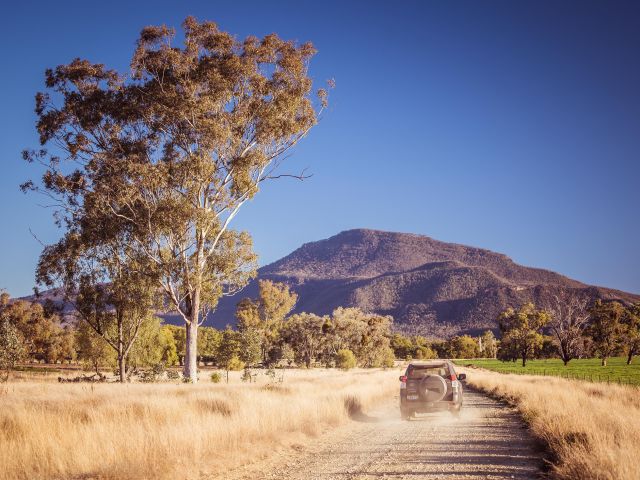
    care driving around moree
    Head out of town to explore the plains.

    Outside of the city centre, Moree is surrounded by charming rural villages dotted around the plains. The quiet village of Boomi, around 90 kilometres north-west of Moree, offers historic early 20th-century architecture, its own artesian thermal waters at the Boomi Artesian Baths and vast outback skies.

    Further west, the pioneer border town of Mungindi straddles the Barwon River between New South Wales and Queensland. Follow the 2.5-kilometre sculpture trail to take in the outdoor public art, and you’ll cross the state border twice.

    6. Relax by the water

    bird at Gwydir Wetlands in moree
    Spot the locals at Gwydir Wetlands.

    Just a short drive away, the peaceful Tareelaroi Weir Recreation Area makes the most of the meandering Gwydir River. Set up camp along the riverside and enjoy picnicking, fishing and swimming.

    A little further afield, the Gwydir Wetlands are home to 75 recorded waterbird species, including brolgas, magpie geese, egrets, spoonbills, ibis and black-necked storks, also known as jabirus. Watchers can settle into the hide at Waterbird Lagoon, or follow a short walking trail through the wetlands, keeping an eye out for rare species.

    7. Immerse in local Indigenous culture

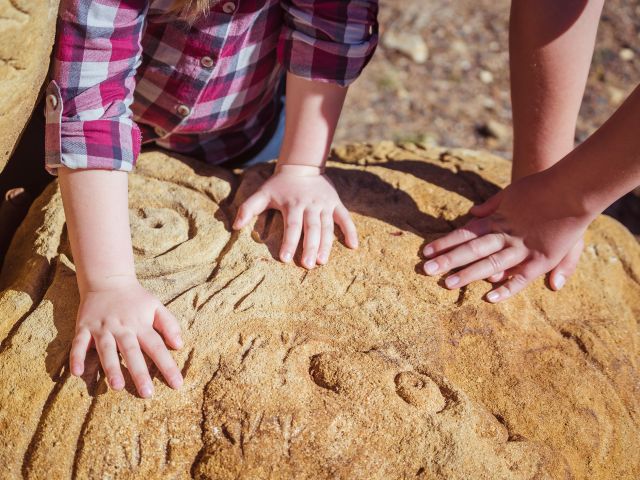
    Terry Hie Hie Aboriginal Area
    Learn about the history of the Gamilaroi People.

    Moree lies on the traditional lands of the Gamilaroi People, whose connection to the land stretches back thousands of years. Today, visitors can learn about this history at Terry Hie Hie Aboriginal Area, which includes the 3.5 kilometre Yana-y Warruwi Walking Track.

    Back in town, the Open Space Aboriginal Art Trail allows you to enjoy the Mehi River with a free, self-guided public art trail of work from local Indigenous artists and their personal connection to Country. Finish with a visit to the remarkable Dhiiyaan Aboriginal Centre, where more than 110,000 family genealogies are recorded. Browse artefacts, art and over 15,000 photographs. There are also changing exhibitions of historical photographs and local art.

    8. Local cafe culture

    Barista making a coffee order at 61 Balo Cafe, Moree
    Get amongst’s Moree’s vibrant cafe scene. (Credit: Destination NSW)

    From relaxed country cafes to stylish modern eateries, Moree’s CBD has a surprisingly vibrant foodie scene. There are plenty of spots to choose from for a freshly brewed coffee, long lunch or tasty dinner, featuring menus showcasing local produce and loads of country charm.

    If you’d rather dine in the great outdoors, grab a takeaway coffee or a picnic and head to leafy Jellicoe Park, a riverside oasis just a short walk from the centre of town. Pick a spot under the trees, enjoy the park’s art installations and keep watch for waterbirds along the river.

    Start planning your Moree retreat at visitmoreeplains.com.au.