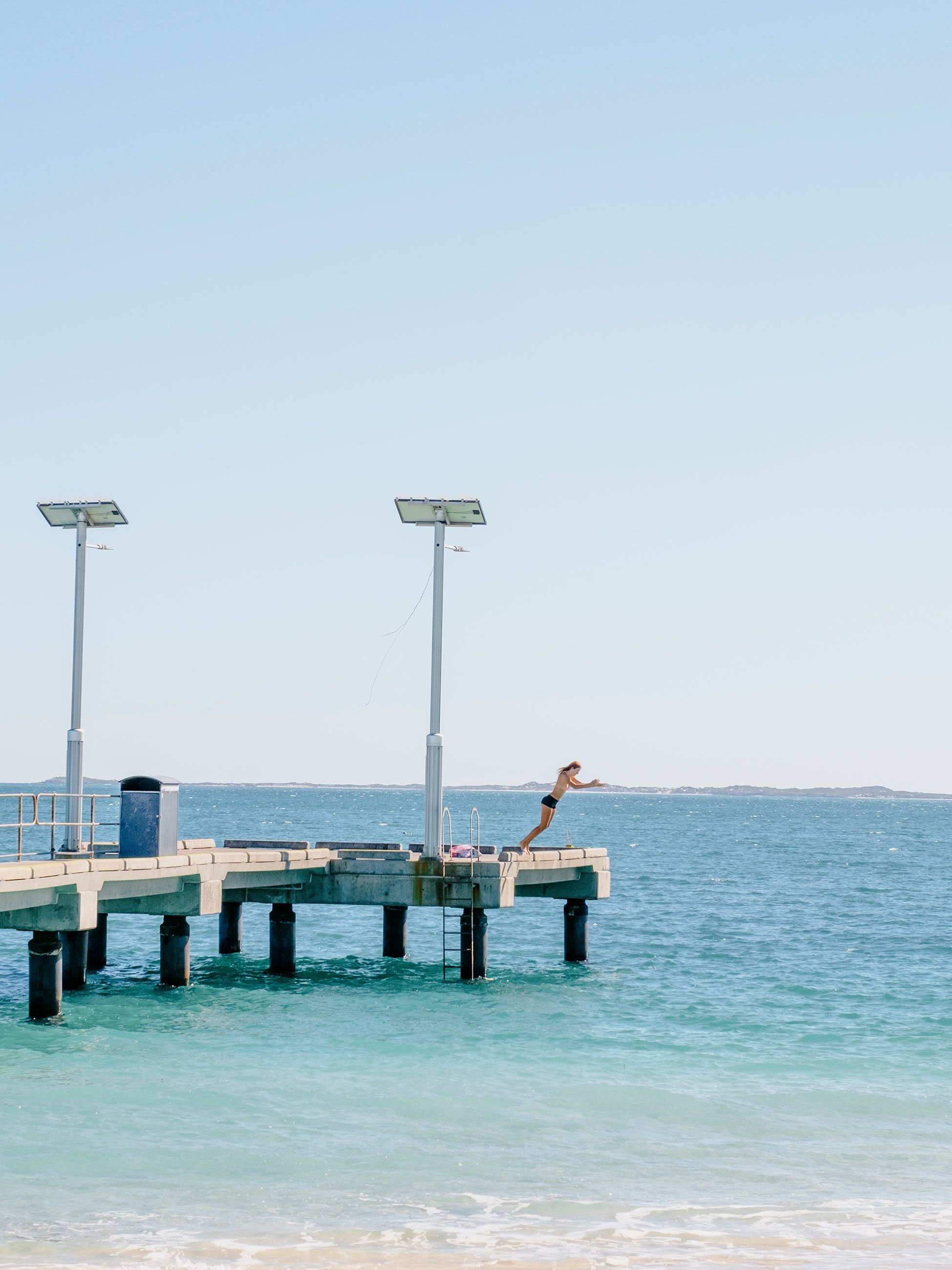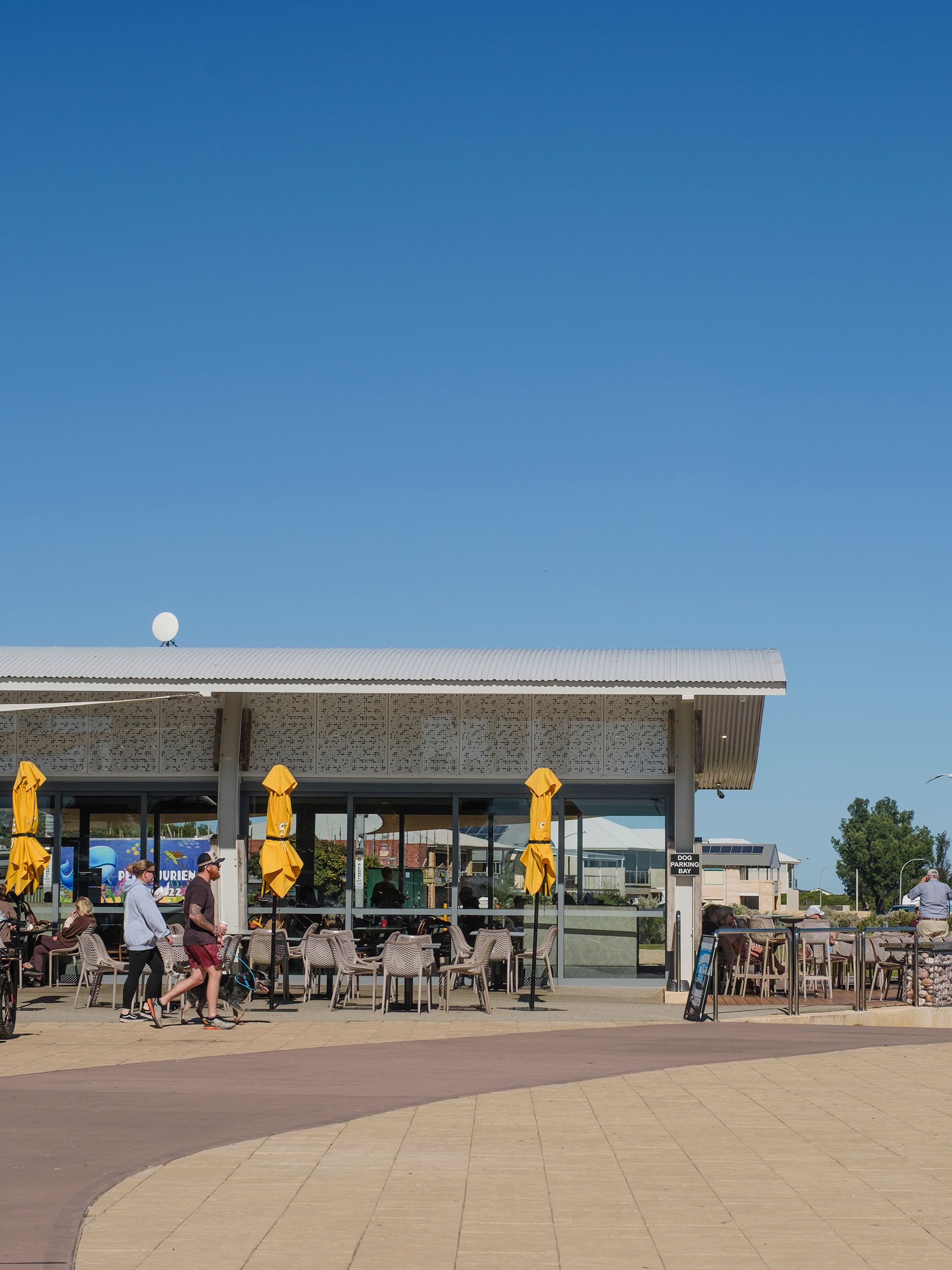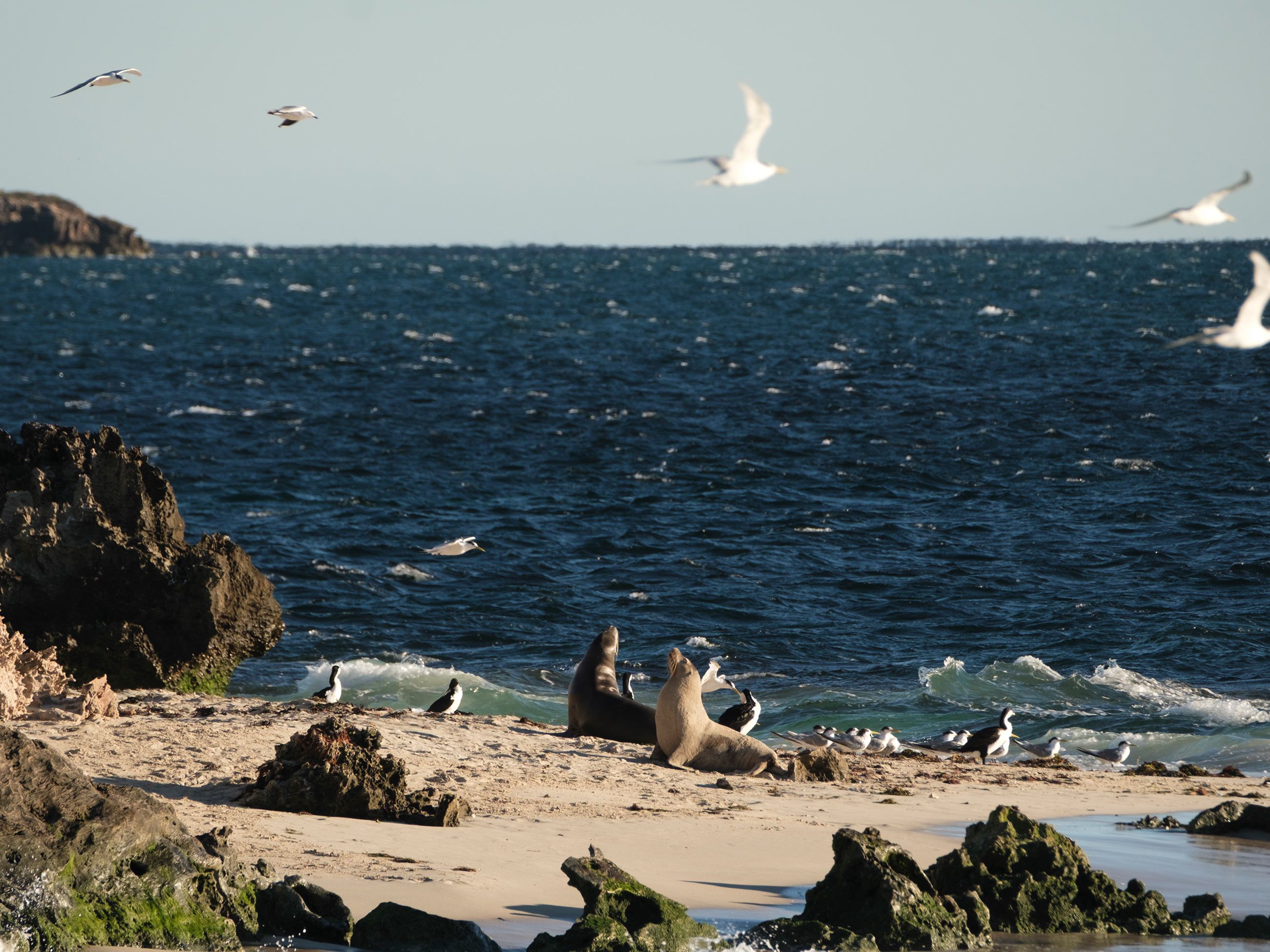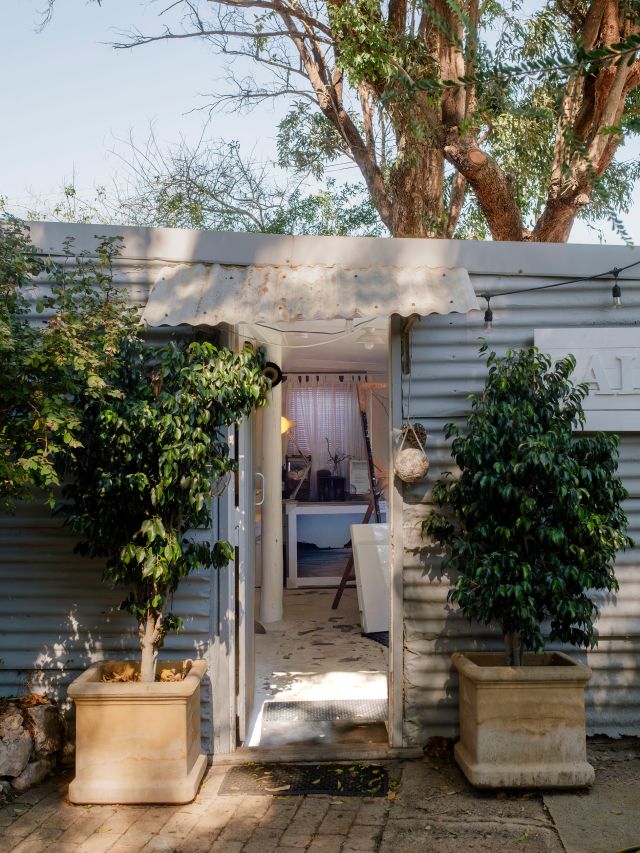

Just two hours from Perth, the Turquoise Coast is close enough for a weekender, but its pleasures feel worlds away: pink-lit desert spires, lobster lunches, rock-lounging sea lions and water so azure it seems made up.
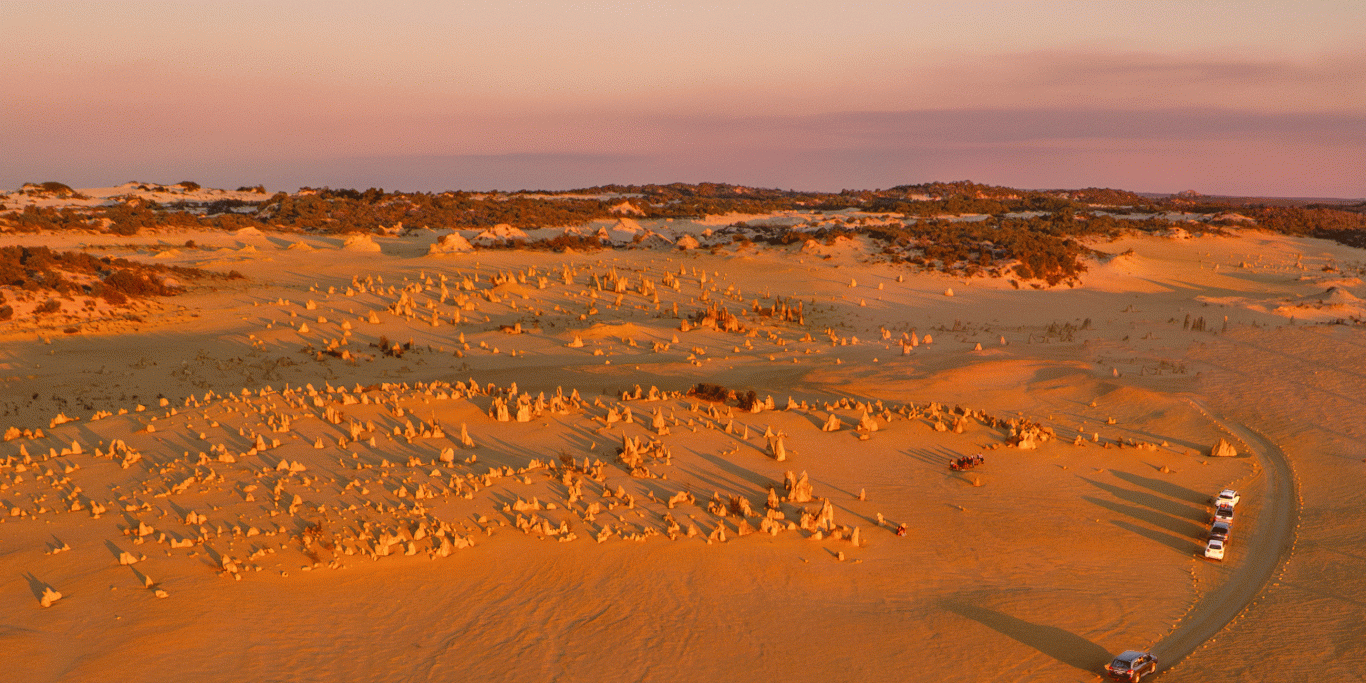
It’s an odd, albeit deeply human sensation – grasping at a word to describe how your body feels, and coming up short. As I stand in the Pinnacles Desert, the whole place glowing an improbable pink as the sun melts into the Indian Ocean, I rack my brain trying to find the right one. Bewildered? Flummoxed? Enthralled? None of them quite land. But perhaps that’s because I’ve never seen something so otherworldly.
As far as the eye can see, the desert bristles with limestone spires, standing to attention like a stone army guarding the coastline. The sun casts luminous beams across the desert floor, so sharp and theatrical they look as if they’ve been fired from some cosmic lighting rig. In a place like this – where reality feels a little thin – I realise it is best not to think but to feel.
Natural wonders at the Pinnacles, Nambung National Park
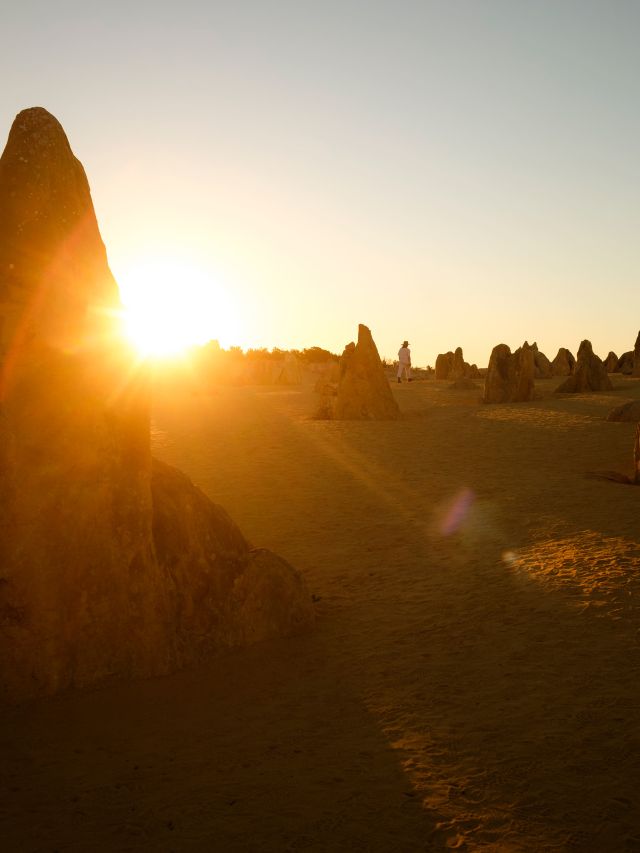
The Pinnacles have a way of encouraging surrender. Nearby, a group of grey nomads have unfolded deckchairs in the sand, cracking beers and facing west to soak in the evening’s show, prompting a flurry of “oohs" and “aahs".
Even the Scottish comedian Billy Connolly gave himself over to the place when he visited in the ’90s to film Billy Connolly’s World Tour of Australia, performing his world-famous nudie dance among the limestone spires. But the desert’s pull runs deeper than spectacle: on Yued Noongar Country, the Pinnacles hold deep cultural significance, including as a place connected to women’s stories and knowledge.
Rising by the thousands from the yellow sands of Nambung National Park, the Pinnacles are among Western Australia’s great natural oddities: limestone forms shaped by rainwater, wind and shifting sand, and still capable of making grown adults lose their grip on the ordinary world.
They sit near Cervantes on the Turquoise Coast, a strangely undersung stretch barely two hours north of Perth. It’s one many visitors leave too quickly, missing the low-key fishing towns, fresh-caught lobster, sea lions and national parks bright with wildflowers.
Ancient stromatolites at Lake Thetis
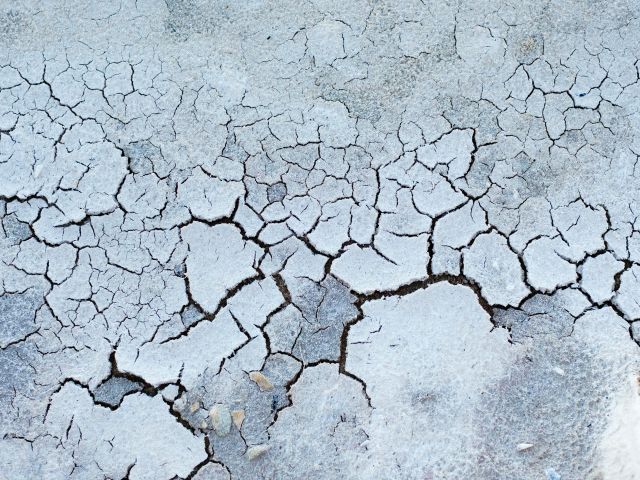
Just outside Cervantes, the landscape turns quieter but no less strange. Lake Thetis is not theatrical in the manner of the Pinnacles; at first glance, it is a modest salt lake edged by scrub, its shallows dotted with dark, lumpy forms – known as stromatolites – that look, frankly, like very little at all.
These unassuming lumps are living structures built by microscopic organisms, linked to some of the earliest evidence of life on Earth – and now found alive in only a few places on the planet. Suddenly, the lumps become kind of thrilling.
Need tips, more detail or itinerary ideas tailored to you? Ask AT.
AI Prompt
Fresh seafood in Cervantes
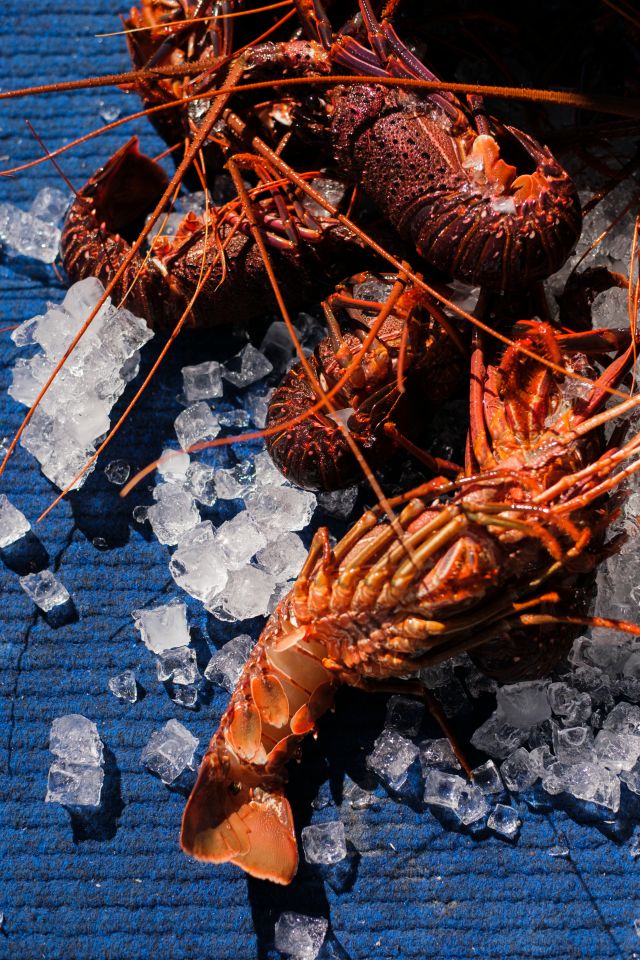
On the Turquoise Coast, natural wonders have a habit of turning up in unexpected forms: in salt lakes, in wild seas and, occasionally, on your plate. At Cervantes’ Lobster Shack, they begin in the water, where tour guide Corey Ellem hauls up timber lobster pots from the swell, dripping seawater and seaweed like strange wooden ribcages.
Onboard, western rock lobsters are measured, checked and allocated by ‘lobster lotto’: names pulled from a hat, lunch assigned by chance. Back on shore, the winning crustaceans reappear with chips and salad, which is about as direct as paddock-to-plate gets, if the paddock happens to be the Indian Ocean.