
An expedition cruise along Australia’s biodiverse west coast is equal parts adventure, science lesson and cultural history deep dive.
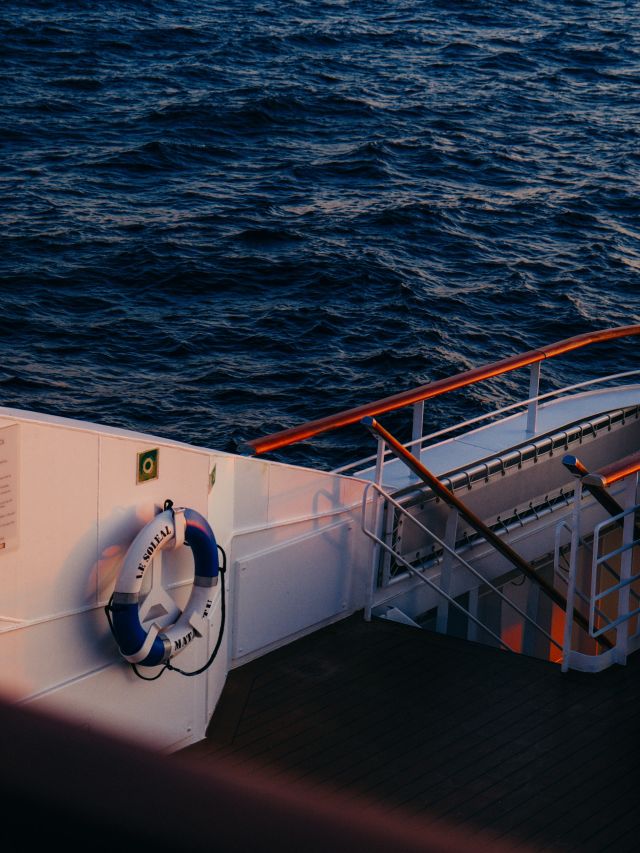
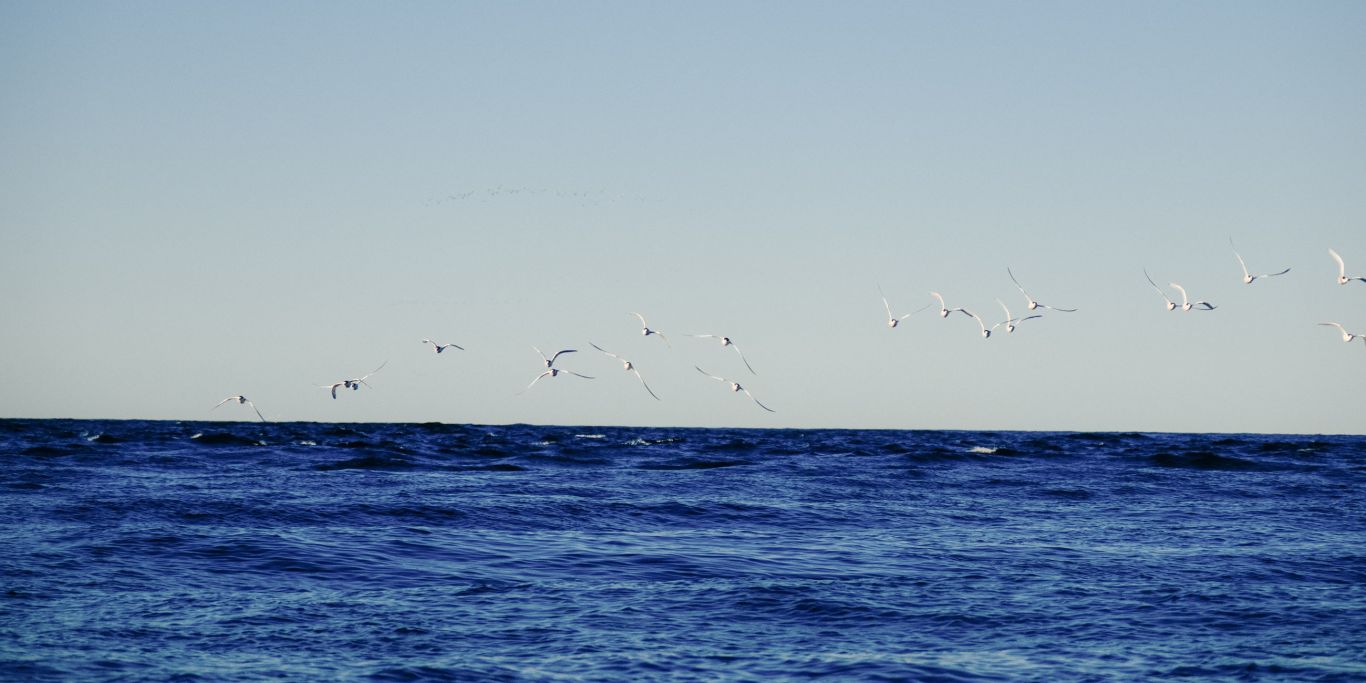
It’s remote out here in the Indian Ocean. Blazing sunsets are shared by only a skyful of terns, a handful of crayfishermen and a few passengers like me braving the buffeting wind on the deck of Le Soléal, cameras clicking. Yet it’s the most fashionable place on Earth, if you’re a whale.
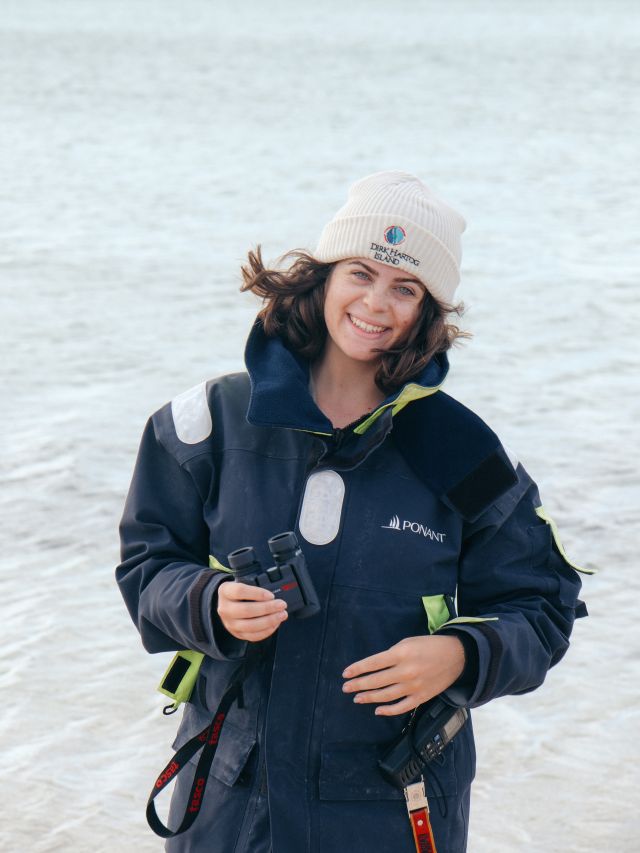
“Western Australia is at the forefront of humpback whale territory in Australia," says Madison Lacy, our expedition’s resident whale expert. Like the rest of PONANT Explorations ’ 15-strong team of naturalists onboard, Madi has guided far and wide. But for a self-confessed whale nerd, this brand-new itinerary is as good as it gets.
It’s here off the west coast that southern hemisphere whale song is believed to originate – a phenomenon that fascinates marine mammal researchers. These complex vocalisations ripple along Australia’s Humpback Highways during the whales’ annual migrations. Their songs evolve each year, and it’s the west-coast humpbacks who set the tone, their melodies picked up by east-coast populations the following season before travelling onwards towards Tonga and beyond.
Less urbanised than Australia’s east coast, the west coast also offers the chance to see humpbacks (their population now surpassing pre-whaling numbers) as they should be, says Madi. “They’re comfortable and wild out here because they’ve been left alone."
I had kept missing them though.
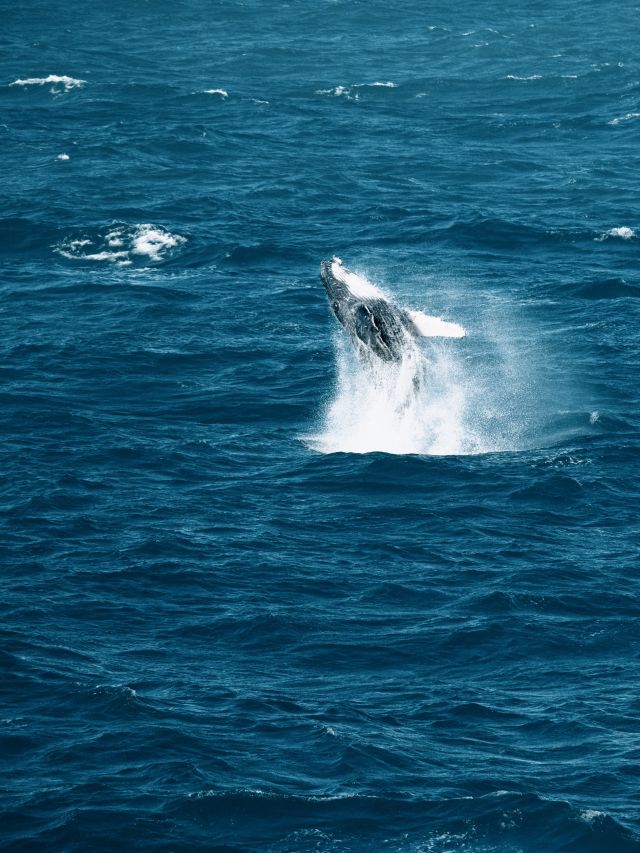
coast. (Image: Imogen Eveson)
“Did you see the whales this morning?" asks expedition leader Gregory Padoa. “We sailed through a sea of them." I’d heard Captain Pierre-Marie Ducournau’s announcement through my stateroom speakers and scrambled onto my balcony to scan the water, fruitlessly. It doesn’t take me long to realise that whale-watching is a communal pursuit.
The next time the alarm sounds, I dash to the deck to join the action alongside naturalists and fellow guests. We are like children, pointing fingers and zoom lenses. I identify the good whale-spotters and shadow them. “There!" cries a passenger, pressing her binoculars into my hands. I lift them just in time to see a humpback breach joyously.
Over the 11 days of our journey, we witness the full gamut of whale behaviour – adolescent males flexing, a tiny humpback calf pirouetting out of the water, practising its breach with its mother – always at a responsible distance and on their terms. They’re exploring too, says Madi; as much as we are whale-watching, they are people-watching. “We get to see science in action," she adds. “We can talk about the leading research, but to see it unfold is phenomenal."
Australia’s West Coast Odyssey cruise
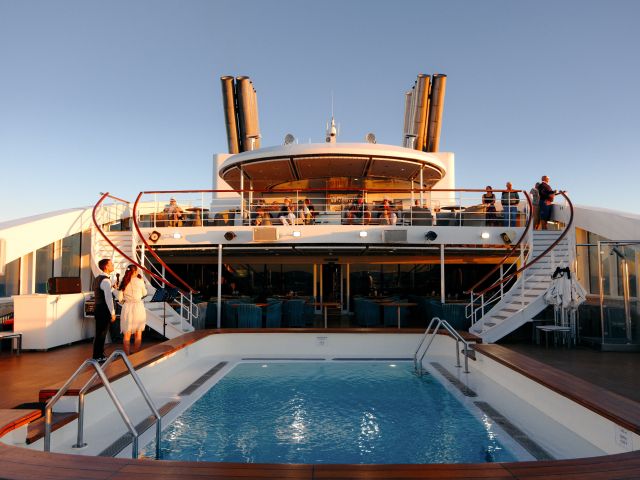
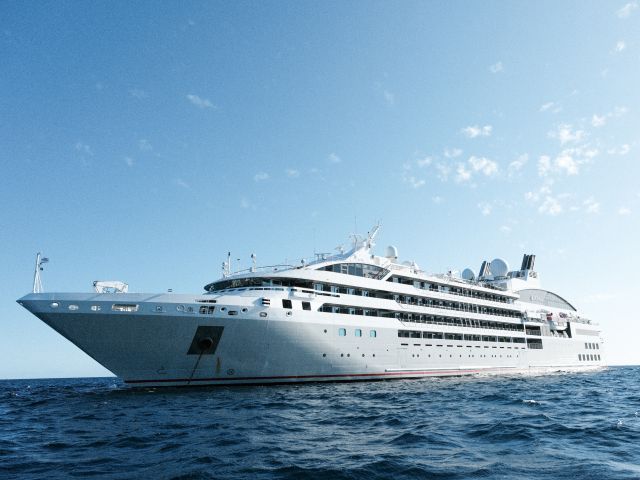
I’ve joined the 11-day Australia’s West Coast Odyssey with PONANT Explorations onboard luxury expedition ship Le Soléal , charting a course from Fremantle/Walyalup to Broome/Rubibi over 1409 nautical miles. It’s the inaugural sailing of this itinerary, and while some guests will continue onboard for a bucket-list cruise of the Kimberley, this journey offers even the most well-travelled expedition cruisers the chance to chart new waters in places few people ever reach.
The route is sketched for us in pin drops – from Fremantle north to Jurien Bay and the biodiverse Shark Bay World Heritage Area, where dugongs dwell in vast seagrass meadows, to the famous fringing reef of Ningaloo/Nyinggulu and rust-red Pilbara – but the finer details are always at the mercy of the elements.
Zodiac adventures
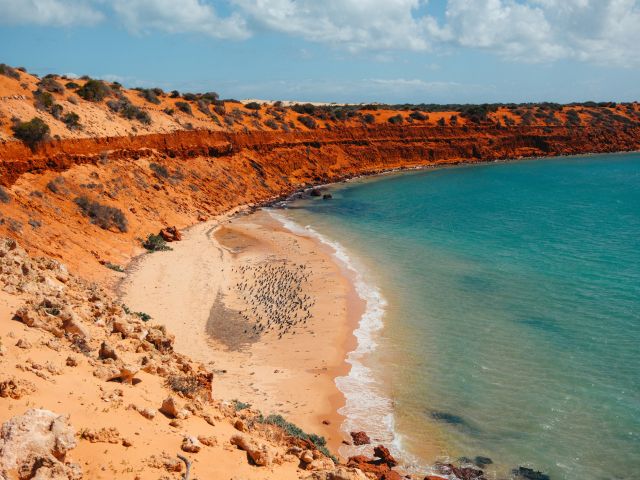
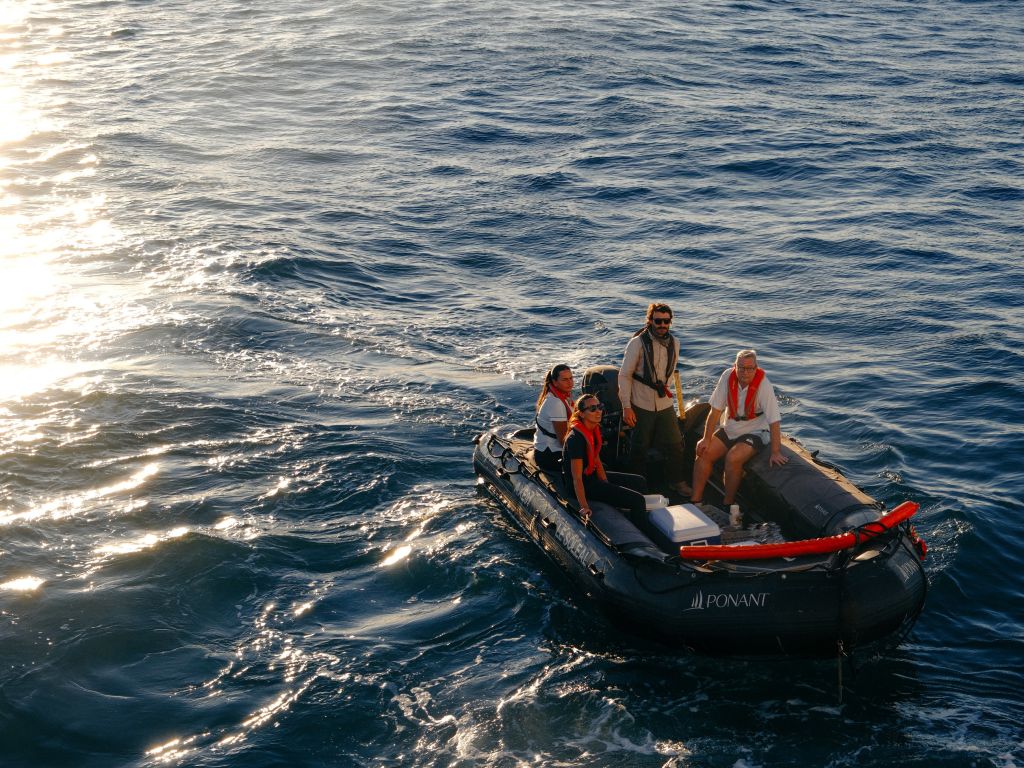
Each evening I gather in the Theatre with my fellow passengers for a briefing on the day ahead. We become experts in weather maps, but no degree in meteorology is required to know that red isn’t ideal. With high winds close at our heels, the crew must think on their feet as Zodiac landings and daily plans shift with the swell.
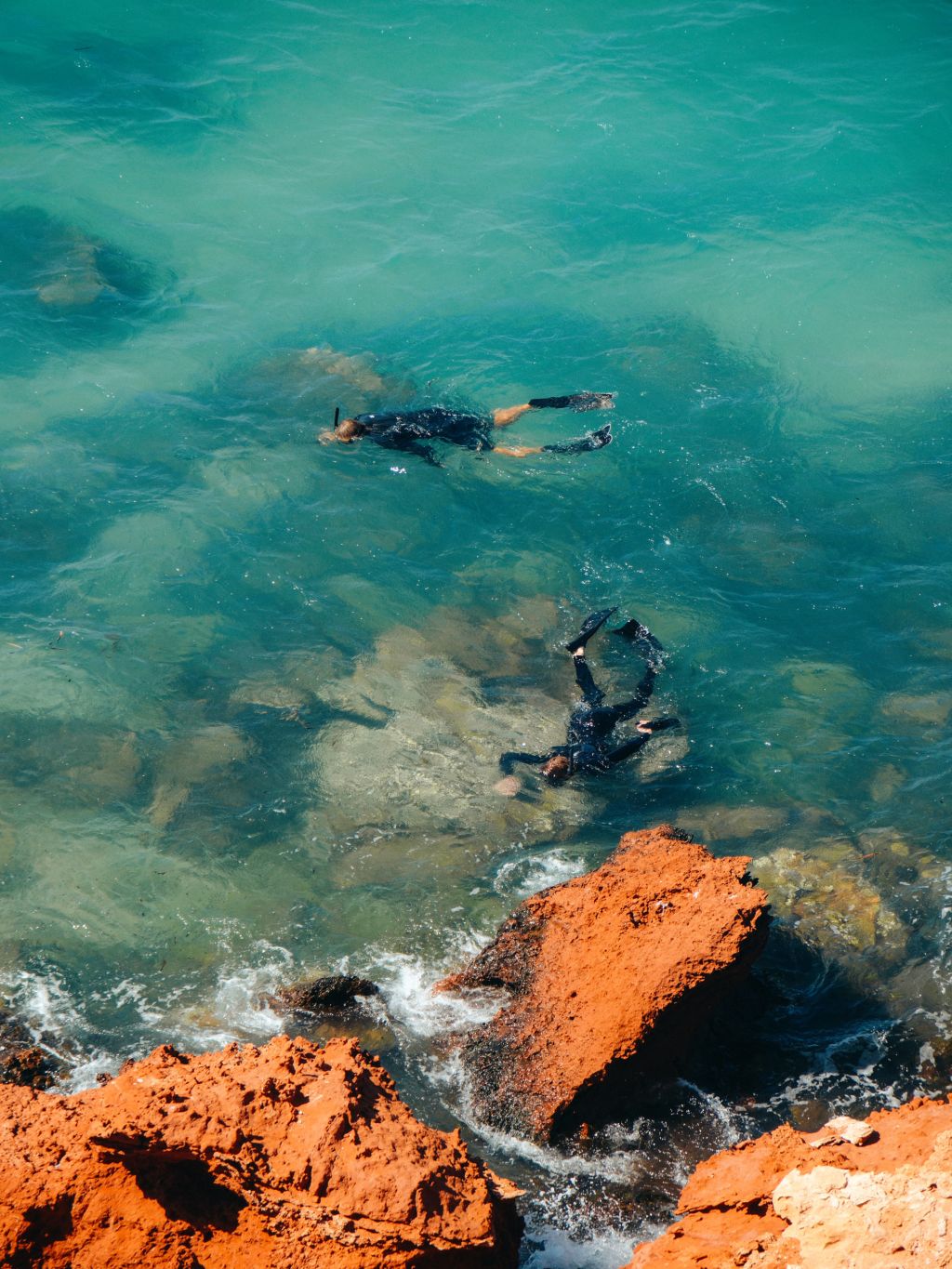
We seize our moment to drop anchor one morning off Cape Peron, a headland at the northern tip of François Peron National Park within Shark Bay. “It won’t look like this tomorrow," Greg had said the evening before, tempering expectations as he flashed up a photo of glowing red cliffs plunging into turquoise water on the screen. But it does. Bathed in morning sun, it seems Greg and the team have pulled off a magic trick. “These colours are Australia to me," he says, happily and with a hint of relief, as we tender ashore.