hero media

Expect humpbacks and striking landscapes on this WA expedition cruise

Image: Imogen Eveson

An expedition cruise along Australia’s biodiverse west coast is equal parts adventure, science lesson and cultural history deep dive. 
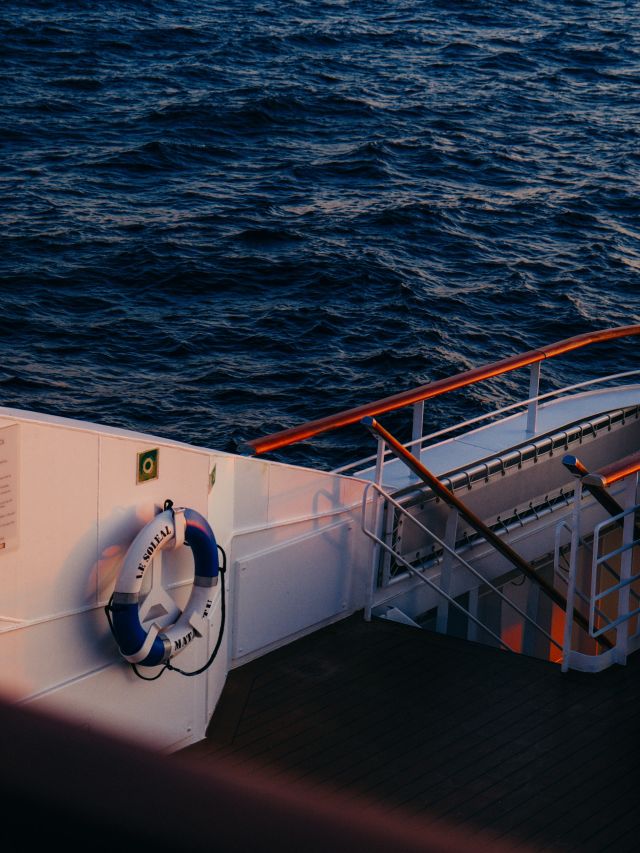
on Ponant deck
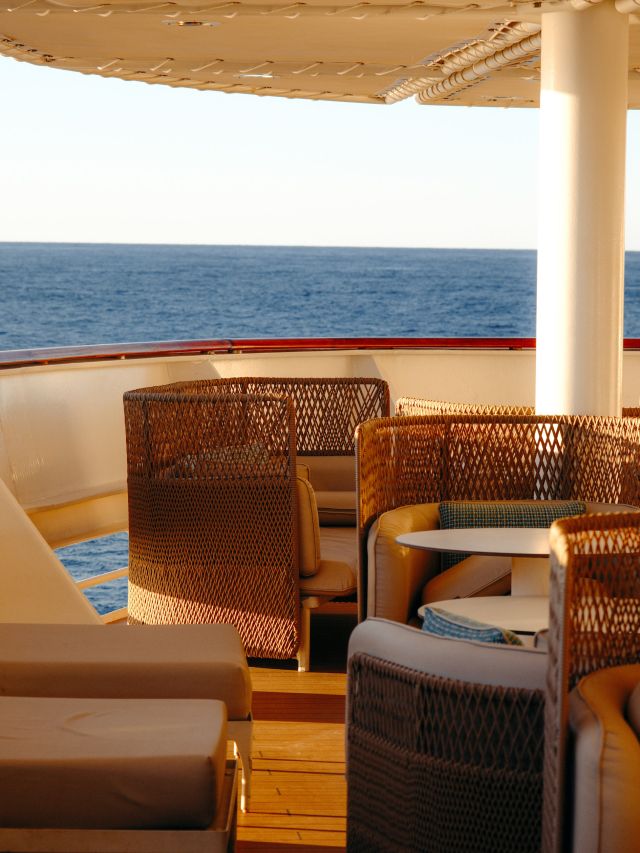
Life on deck. (Image: Imogen Eveson)

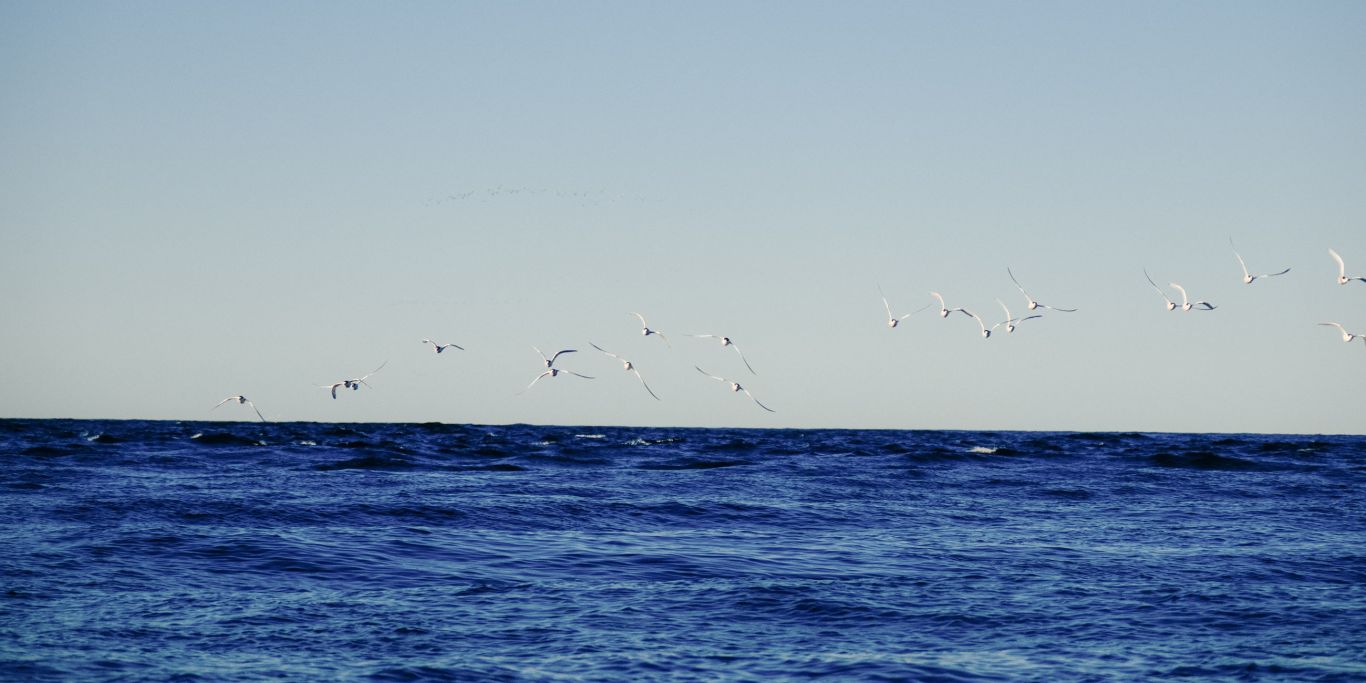
It’s remote out here in the Indian Ocean. Blazing sunsets are shared by only a skyful of terns, a handful of crayfishermen and a few passengers like me braving the buffeting wind on the deck of Le Soléal, cameras clicking. Yet it’s the most fashionable place on Earth, if you’re a whale.  

Western Australia is at the forefront of humpback whale territory in Australia," says Madison Lacy, our expedition’s resident whale expert. Like the rest of PONANT Explorations’ 15-strong team of naturalists onboard, Madi has guided far and wide. But for a self-confessed whale nerd, this brand-new itinerary is as good as it gets. 
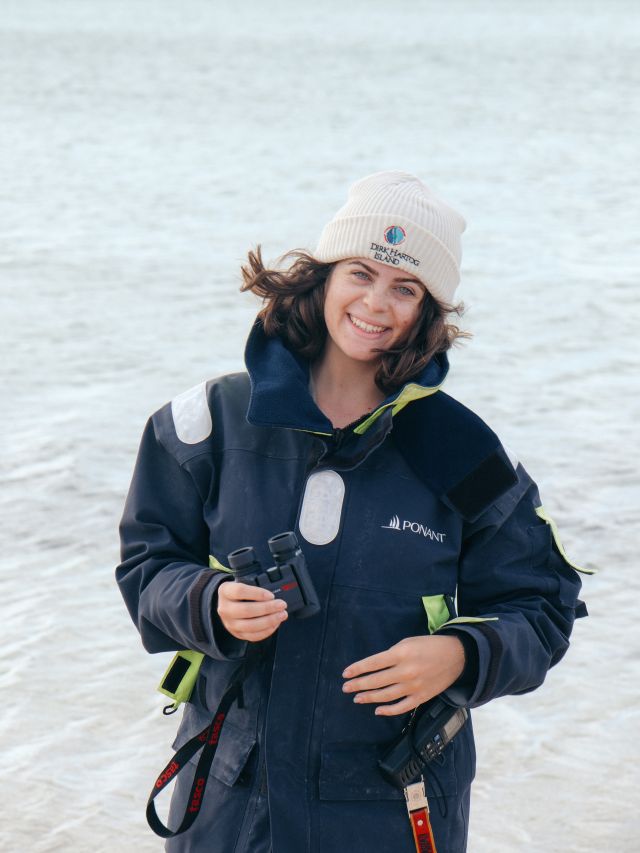
Madison Lacy
Madison Lacy, the journey’s resident ‘whale nerd’. (Image: Imogen Eveson)

It’s here off the west coast that southern hemisphere whale song is believed to originate – a phenomenon that fascinates marine mammal researchers. These complex vocalisations ripple along Australia’s Humpback Highways during the whales’ annual migrations. Their songs evolve each year, and it’s the west-coast humpbacks who set the tone, their melodies picked up by east-coast populations the following season before travelling onwards towards Tonga and beyond. 

Less urbanised than Australia’s east coast, the west coast also offers the chance to see humpbacks (their population now surpassing pre-whaling numbers) as they should be, says Madi. “They’re comfortable and wild out here because they’ve been left alone." 

I had kept missing them though.  
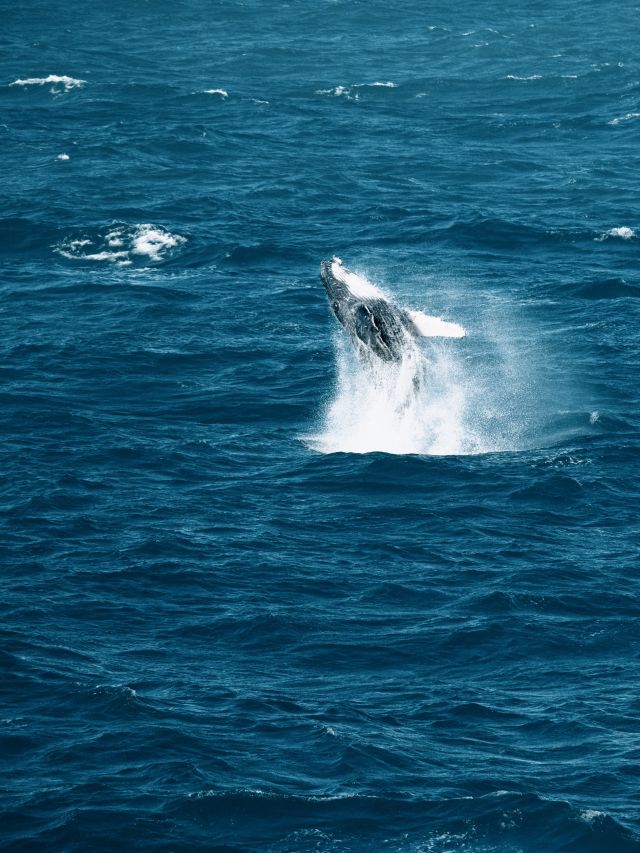
humpback whales
Migrating humpback whales are plentiful along the WA
coast. (Image: Imogen Eveson)

“Did you see the whales this morning?" asks expedition leader Gregory Padoa. “We sailed through a sea of them." I’d heard Captain Pierre-Marie Ducournau’s announcement through my stateroom speakers and scrambled onto my balcony to scan the water, fruitlessly. It doesn’t take me long to realise that whale-watching is a communal pursuit. 

The next time the alarm sounds, I dash to the deck to join the action alongside naturalists and fellow guests. We are like children, pointing fingers and zoom lenses. I identify the good whale-spotters and shadow them. “There!" cries a passenger, pressing her binoculars into my hands. I lift them just in time to see a humpback breach joyously. 

Over the 11 days of our journey, we witness the full gamut of whale behaviour – adolescent males flexing, a tiny humpback calf pirouetting out of the water, practising its breach with its mother  – always at a responsible distance and on their terms. They’re exploring too, says Madi; as much as we are whale-watching, they are people-watching. “We get to see science in action," she adds. “We can talk about the leading research, but to see it unfold is phenomenal." 

Australia’s West Coast Odyssey cruise  
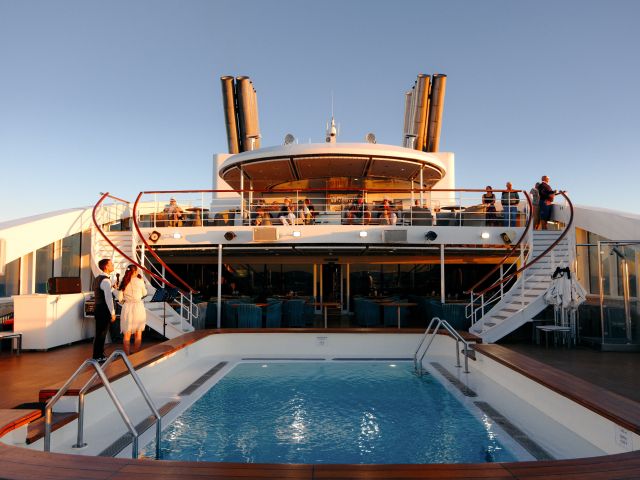
Le Soléal
Enjoy evening entertainment back onboard Le Soléal. (Image: Imogen Eveson)

I’ve joined the 11-day Australia’s West Coast Odyssey with PONANT Explorations onboard luxury expedition ship Le Soléal, charting a course from Fremantle/Walyalup to Broome/Rubibi over 1409 nautical miles. It’s the inaugural sailing of this itinerary, and while some guests will continue onboard for a bucket-list cruise of the Kimberley, this journey offers even the most well-travelled expedition cruisers the chance to chart new waters in places few people ever reach. 

The route is sketched for us in pin drops – from Fremantle north to Jurien Bay and the biodiverse Shark Bay World Heritage Area, where dugongs dwell in vast seagrass meadows, to the famous fringing reef of Ningaloo/Nyinggulu and rust-red Pilbara – but the finer details are always at the mercy of the elements.  

Zodiac adventures 
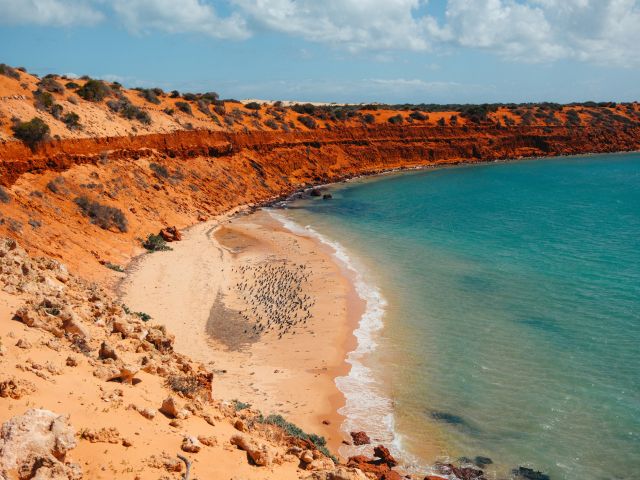
Cape Peron
Discover the contrasting elements of Cape Peron. (Image: Imogen Eveson)

Each evening I gather in the Theatre with my fellow passengers for a briefing on the day ahead. We become experts in weather maps, but no degree in meteorology is required to know that red isn’t ideal. With high winds close at our heels, the crew must think on their feet as Zodiac landings and daily plans shift with the swell. 

We seize our moment to drop anchor one morning off Cape Peron, a headland at the northern tip of François Peron National Park within Shark Bay. “It won’t look like this tomorrow," Greg had said the evening before, tempering expectations as he flashed up a photo of glowing red cliffs plunging into turquoise water on the screen. But it does. Bathed in morning sun, it seems Greg and the team have pulled off a magic trick. “These colours are Australia to me," he says, happily and with a hint of relief, as we tender ashore.  

Need tips, more detail or itinerary ideas tailored to you? Ask AT.
AI Prompt

Ponant excursion
Zodiac excursions bring myriad surprises. (Image: Imogen Eveson)
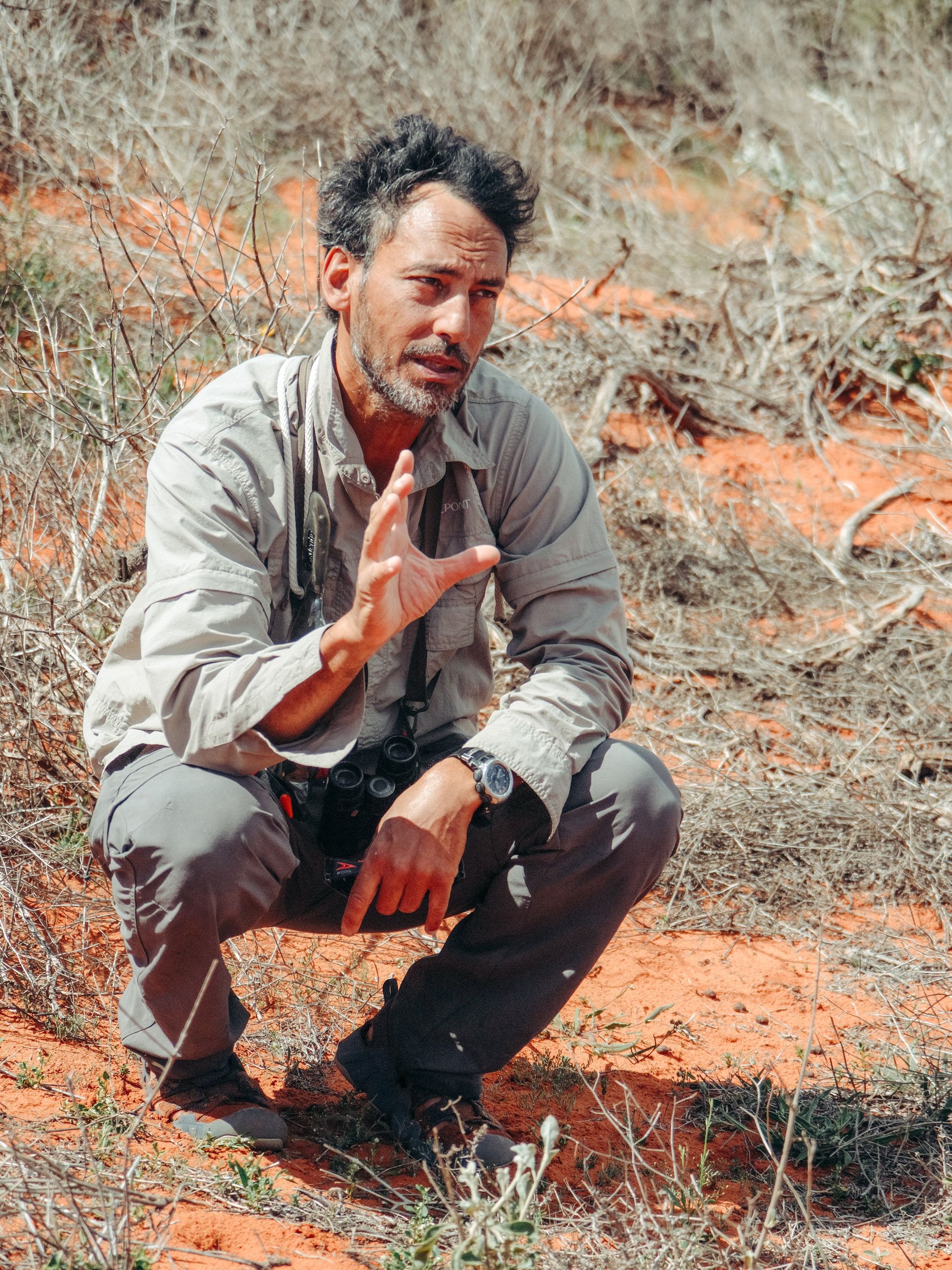
a naturalist guide of Cape Peron
Naturalist Raphaël Sané guides guests at Cape Peron. (Image: Imogen Eveson)
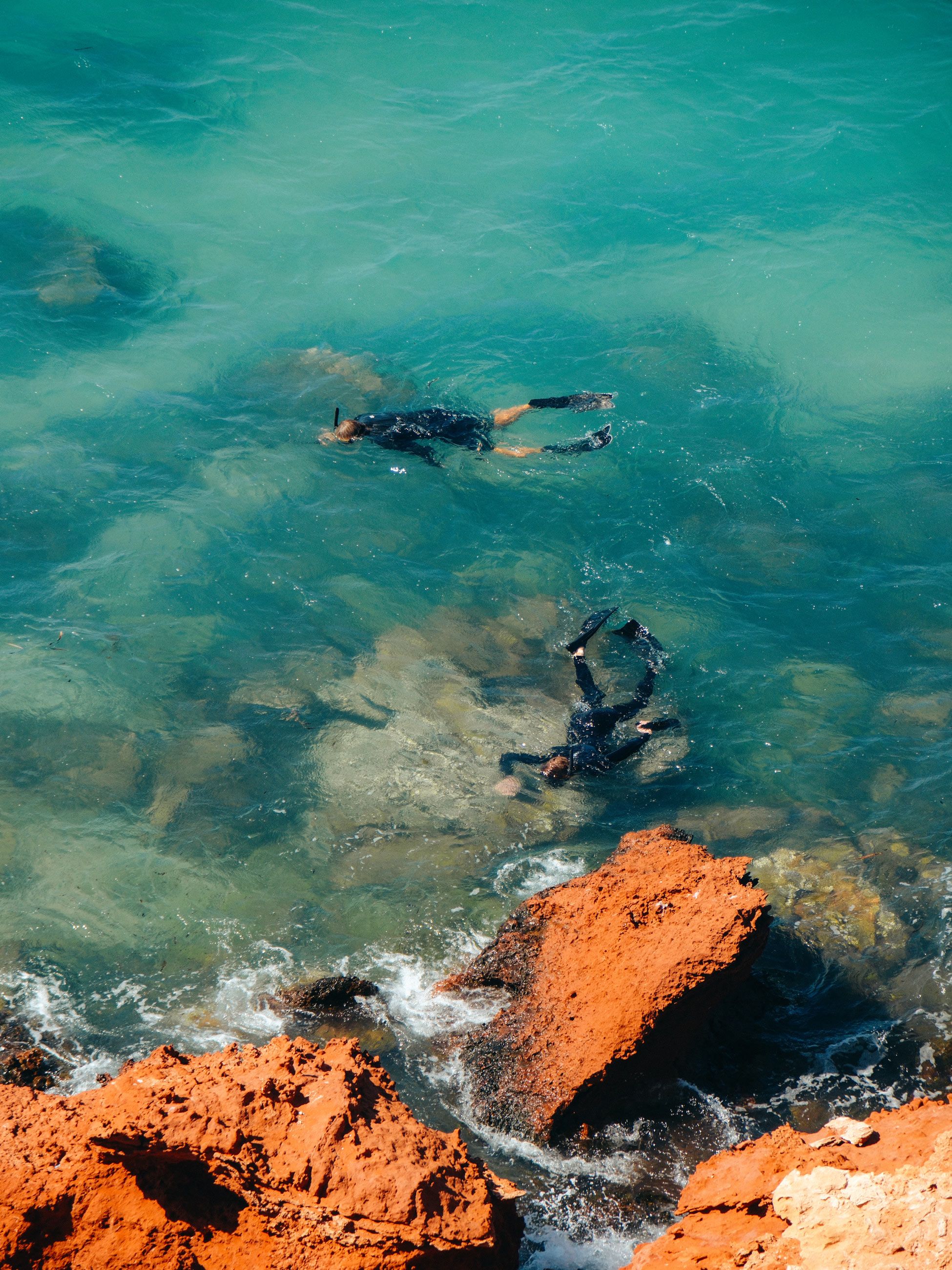
snorkellers
Spot snorkellers in shallow water. (Image: Imogen Eveson)

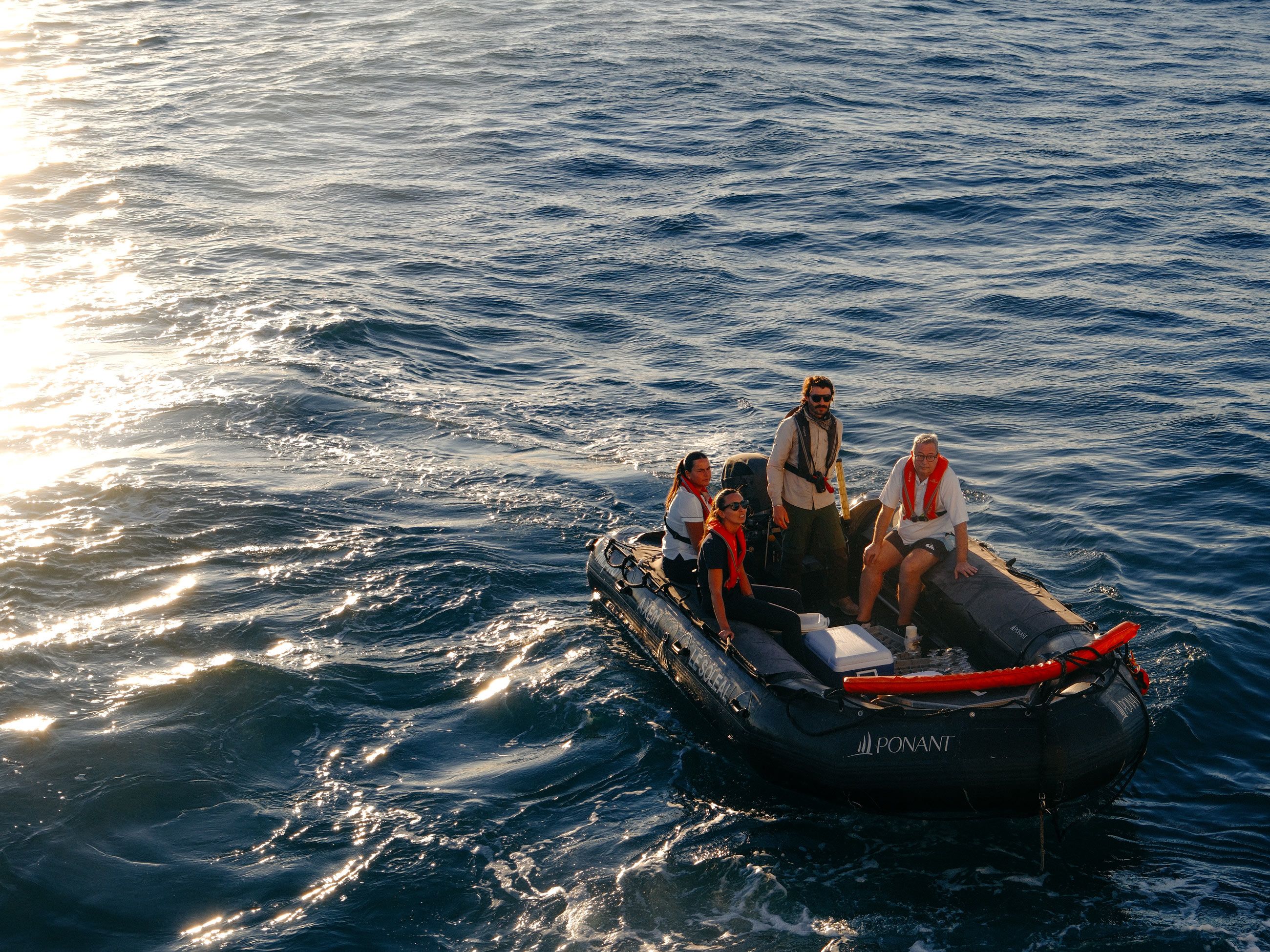
Surprise and the unexpected are part of life on an expedition cruise. Adventure is signalled by stepping foot into one of Le Soléal’s sturdy inflatable Zodiacs, a naturalist at the helm. “You get in the Zodiac and the day has begun," says a guest from Victoria, a thrill in her voice as we embark on an exploration of the Abrolhos Islands 60 kilometres off the Geraldton coast. “It’s brilliant."  

Our excursion is abruptly curtailed as a storm rolls in and we’re zipped back to the ship. The Victorian guest is phlegmatic, as all expedition cruisers are. “Oh well," she says. “I saw two ospreys and a playful sea lion." The highlight of the day transpires to be the wild ride back followed by a lecture in the Theatre that puts our journey into sobering context. Fifteen minutes of lashing rain and sloshing water leaves us dripping wet and caked in salt as we reach the ship’s marina. It’s nothing, though, compared to what the sailors onboard the Batavia endured when the Dutch East India Company ship was wrecked here in 1629 – no hot showers to the rescue, but a mutiny among the survivors that descended into an infamous reign of terror. 

History on Post Office Island 

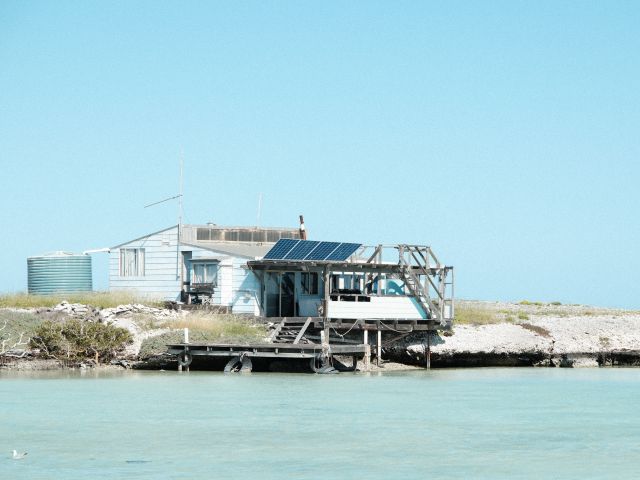
Post Office Island
A dwelling on far-flung Post Office Island. (Image: Imogen Eveson)

There is a startling amount of social history in these parts for a place so far-flung. We head ashore at Post Office Island to meet three generations of the crayfishing Liddon family. They spend four months a year here on this wind-whipped island, one of 122 in a coral reef-wrapped chain notorious for its ship-scuppering history: stemming from Portuguese, the name Abrolhos comes from a once-common caution for sailors, ‘open your eyes’.   

Jesse Liddon’s grandfather was a lobster fisherman from Dover, England who came out here to fish for western rock lobster. The family has since diversified and today also runs the smallest pearl farm in WA, with matriarch Jane Liddon making jewellery with her daughter-in-law, Italian designer Michela Boriotti.  

We perch near a large whalebone for a presentation on crayfish and oysters assisted by young Leo – the fourth generation to live on the island – before exploring. We walk past garden dinghies growing salad greens and herbs, and a scattering of pastel-hued fibro shacks typical of the 22 inhabited Abrolhos Islands. Pale white coral shell tinkles underfoot like a windchime.  

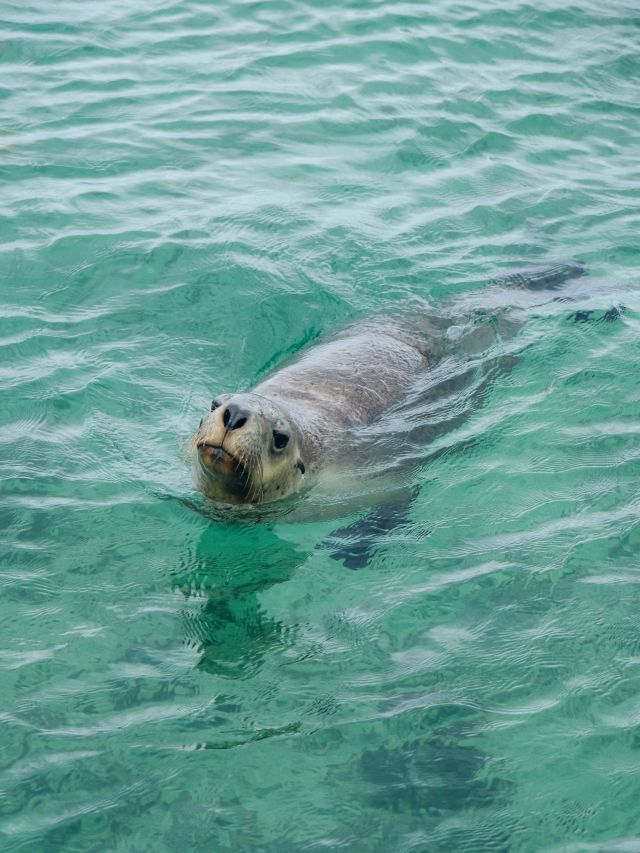
Abrolhos Islands
Encounter adorable seal lions in the Abrolhos Islands. (Image: Imogen Eveson)

Discovering Dirk Hartog Island 

Dirk Hartog Island
Coffee with a side of history on Dirk Hartog Island/Wirruwana. (Image: Imogen Eveson)

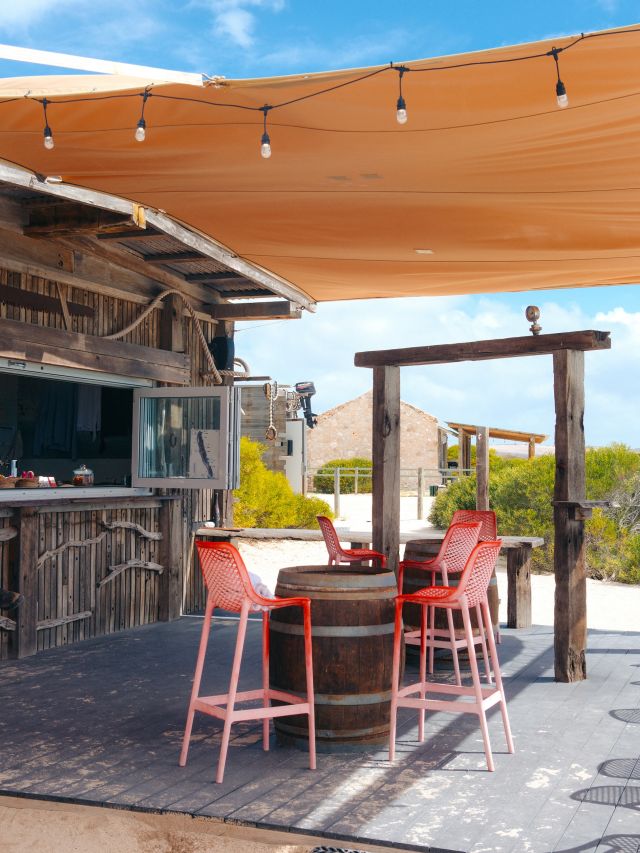
Further north, we land on Dirk Hartog Island/Wirruwana and receive a morning of warm hospitality courtesy of the Wardle family, who operate an eco-lodge and camping facilities, with a gin distillery and cafe to boot. Only in Australia can you wash ashore at a remote island and be greeted with a soy flat white.  

Down-to-earth Kieran shares the story of the island: how its pastoral history entwines with his own family history and the ongoing Return to 1616 project. The island became a national park in 2009 and since then efforts have been underway to rewild it, restoring the ecosystem to how it was before Dutch sailor Dirk Hartog first landed here.  

We beachcomb, sip gin infused with native hibiscus and clamber into 4WDs to drive up and over a moonscape of dunes to witness the island’s blowholes, stirred into a frenzy by the blasting wind. 

Onboard Le Soléal 

Ponant cruise
Unwind while watching the ever-changing horizon. (Image: Imogen Eveson)

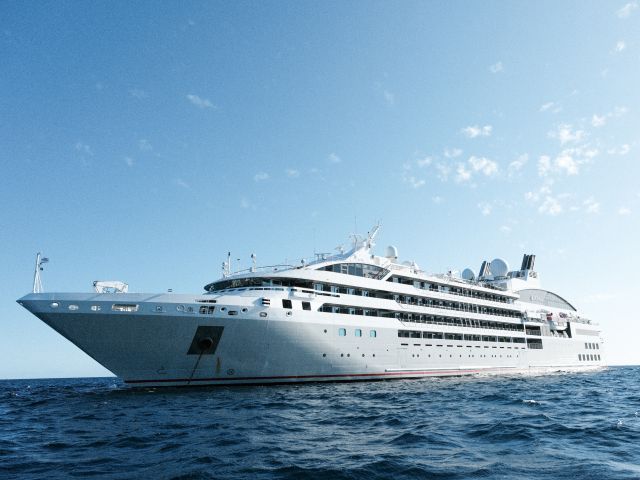
We always find safe haven back onboard Le Soléal. French line PONANT Explorations is a pioneer of luxury expedition cruising and knows how to ensure a soft landing after a day’s adventuring. Carrying up to 264 guests with a crew of 156, the ship is styled in soft, neutral tones and offers welcome refuge from the elements with lounges and bars, a spa and airy staterooms.

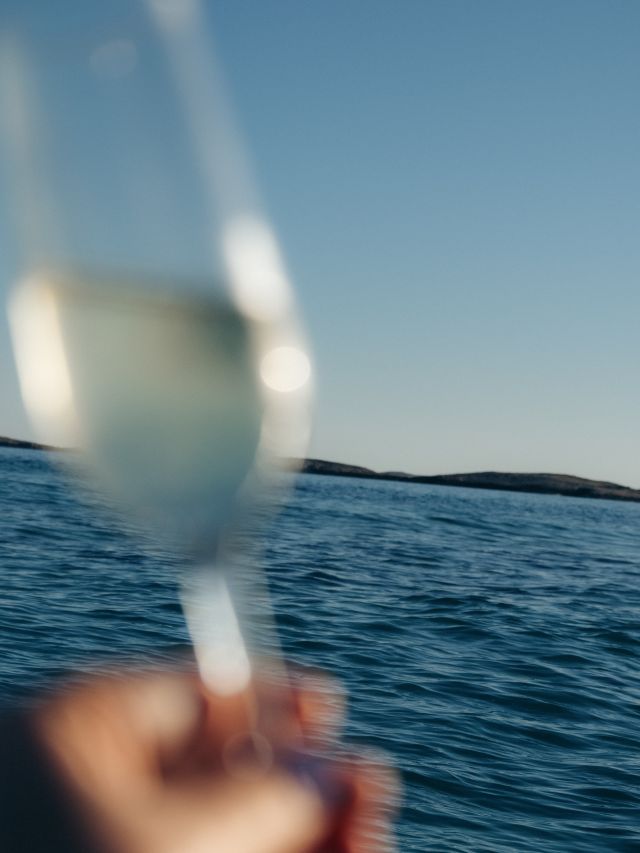
I spend evenings on my balcony watching Western Australian sunsets smoulder across the horizon and wake early to see sunrise turn sea spray into a thousand glittering shards. Cuisine is French-influenced but caters to all palates, served at the casual grill restaurant Le Pythéas – which spills onto the pool deck for fine-weather days – and in the more formal space L’Éclipse. One afternoon we’re handed a glass of Champagne while out on the Zodiacs – a chic flourish amid the wildness.  

Ponant champagne
Cheers to discovery. (Image: Imogen Eveson)

It’s a moment enjoyed while nosing through waterways that vein the Montebello Islands – a place of unreal beauty, but also the site of British nuclear tests in the 1950s. Spinifex, sand dunes and purple tufts of mulla mulla dust the islands. An empty fishing boat floats in a small bay, water like polished glass. We see cowtail stingrays and sea turtles but never go ashore. “How amazing," marvels one guest as we survey the strange and lonely beauty of it all. “Who ever comes here?"  

Weekly travel news, experiences
insider tips, offers, and more.

Ancient stories at Murujuga Cultural Landscape 

Murujuga Cultural Landscape
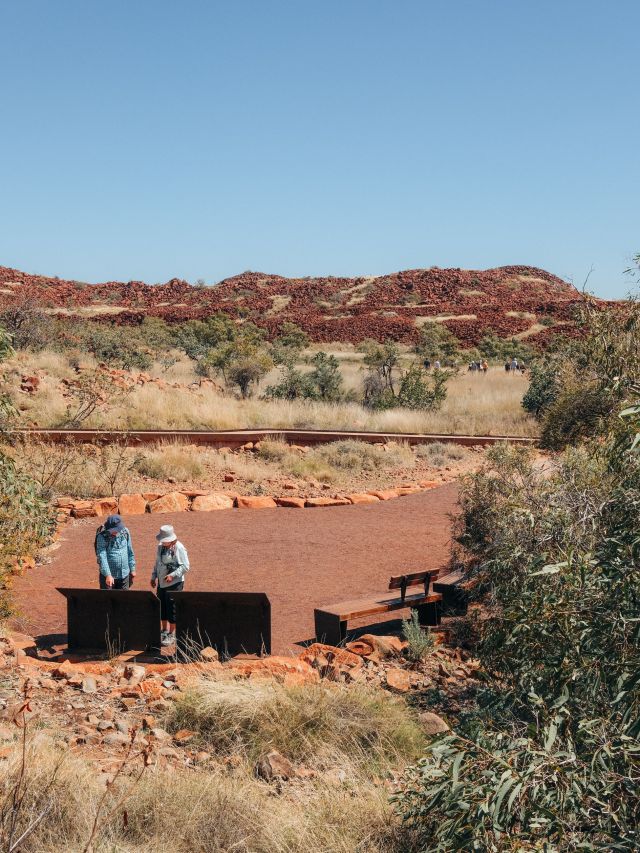
Etched in time at Murujuga Cultural Landscape. (Image: Imogen Eveson)

It’s a surprise, then, to wake up on one of our final days to the outline of heavy industry onshore. We’ve reached the Port of Dampier in the Pilbara’s mining heartland. But we’re here to see Australia’s newest UNESCO World Heritage site: the ancient Murujuga Cultural Landscape 

Murujuga means ‘hip bone sticking out’ and is the name used to encompasses the Burrup Peninsula, Dampier Archipelago and surrounding seascape, an area cared for continuously for more than 50,000 years by its Traditional Owners and Custodians, the Ngarda-Ngarli people. It is home to one of the world’s oldest and largest known collections of engraved rock art and is the second site in Australia (after Budj Bim in Victoria) to be recognised solely for its First Nations cultural heritage. These engravings tell a story across time, depicting prehistoric megafauna, early human life and the arrival of Europeans.  

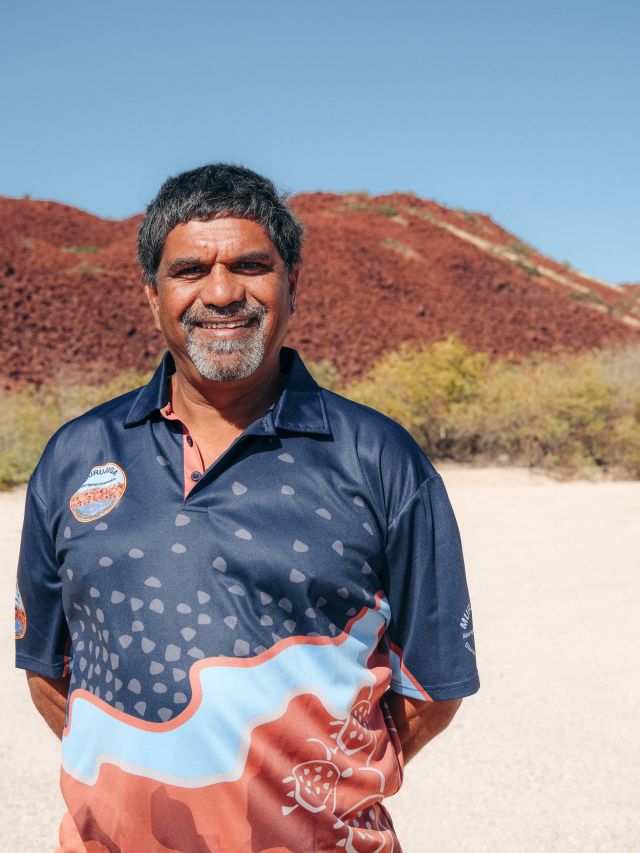
Murujuga Aboriginal Corporation board director
Murujuga Aboriginal Corporation board director Vincent Adams. (Image: Imogen Eveson)

I’m here just one month after the UNESCO announcement and while it is a significant milestone for the protection of the site, vulnerable to surrounding industry, it’s not the end of the journey. Vincent Adams, Yindjibarndi board director of the Murujuga Aboriginal Corporation (MAC), is hopeful that the listing will raise public awareness and in turn bestow a sense of guardianship on visitors. 

“We invite people into our backyard to educate them so that the information they gather can be truth-telling," he says. “If my role is to look after rock art, then everyone who lives, works and plays here has the same responsibility. The more we can educate on Country, the safer Country is." It’s not without sacrifice for Traditional Owners to share their knowledge of Country with visitors, but a necessary evolution towards greater understanding of its significance in the fabric of Australia, says Vince. “This is what I say to all the tourists who come through: this is our rock art, not mine. This is Australia’s rock art." 

Murujuga
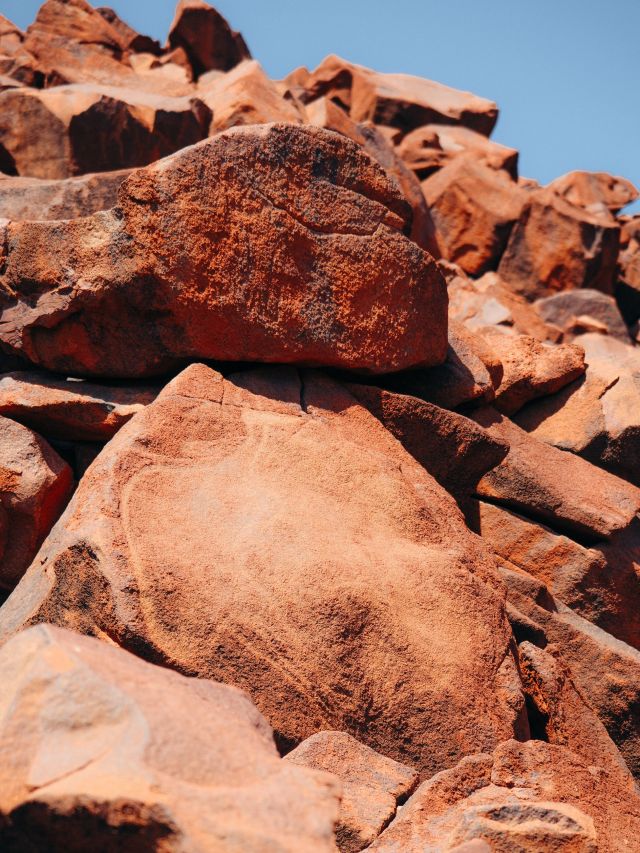
The rock art of Murujuga tells ancient stories. (Image: Imogen Eveson)

MAC rangers Sarah Hicks and Riley Sebastian guide our group along a boardwalk to see a tiny but remarkable portion of the estimated 1 to 2 million petroglyphs recorded across more than 100,000 hectares of land and sea Country. Etched and pecked on a rusted landscape of rubbly boulders is a journey through millennia. Our guides point out a sail ship. A thylacine and Tasmanian devil long since moved on from these parts. And a fat-tailed kangaroo, one of Australia’s fabled megafauna macropods, said to have become extinct 20,000 years ago. What you see is what they saw, we are told. And what we still see. Kangaroo, rock wallaby, stingray. A spouting whale.  

Yes, it’s remote out here. But it feels like the centre of everything. 

A traveller’s checklist 

Le Soléal
Le Soléal navigating remote waters. (Image: Imogen Eveson)

Getting there 

Fly direct to Perth/Boorloo (for Fremantle/Walyalup) from most Australian capital cities; fly direct to Broome/Rubibi from selected capitals. 

Playing there  

PONANT Explorations’ Australia’s west coast odyssey operates in both directions between Fremantle and Broome. From $16,600 per person, the voyage includes full board with premium dining, standard beverages, 24-hour room service, unlimited onboard internet, evening entertainment, access to wellness facilities, and all port, national park and protected-area fees. Daily included shore activities are complemented by expert lectures, non-motorised water sports, butler service in select suites and a dedicated team of naturalist guides onboard.  

Want to see more stories from Australian Traveller in your Google search results?

  1. Click here to set Australian Traveller as a preferred source.
  2. Tick the box next to "Australian Traveller". That's it.
Imogen Eveson
Imogen Eveson is Australian Traveller’s Print Editor. She was named Editor of the Year at the 2024 Mumbrella Publish Awards and in 2023, was awarded the Cruise Line Industry Association (CLIA) Australia’s Media Award. Before joining Australian Traveller Media as sub-editor in 2017, Imogen wrote for publications including Broadsheet, Russh and SilverKris. She launched her career in London, where she graduated with a BA Hons degree in fashion communication from world-renowned arts and design college Central Saint Martins. She is the author/designer of The Wapping Project on Paper, published by Black Dog Publishing in 2014. Growing up in Glastonbury, home to the largest music and performing arts festival in the world, instilled in Imogen a passion for cultural cross-pollination that finds perfect expression today in shaping Australia’s leading travel titles. Imogen regularly appears as a guest on radio travel segments, including ABC National Nightlife, and is invited to attend global travel expos such as IMM, ILTM, Further East and We Are Africa.
View profile and articles
hero media

Exploring an icon: inside the massive upgrade to Broome’s famous Cable Beach

(Credit: Tourism WA)

    Lucy Cousins Lucy Cousins
    With unhurried mornings, long, sun-filled afternoons, evenings shaped around sunset, this iconic beach offers an all-day experience (and it’s about to get even better).

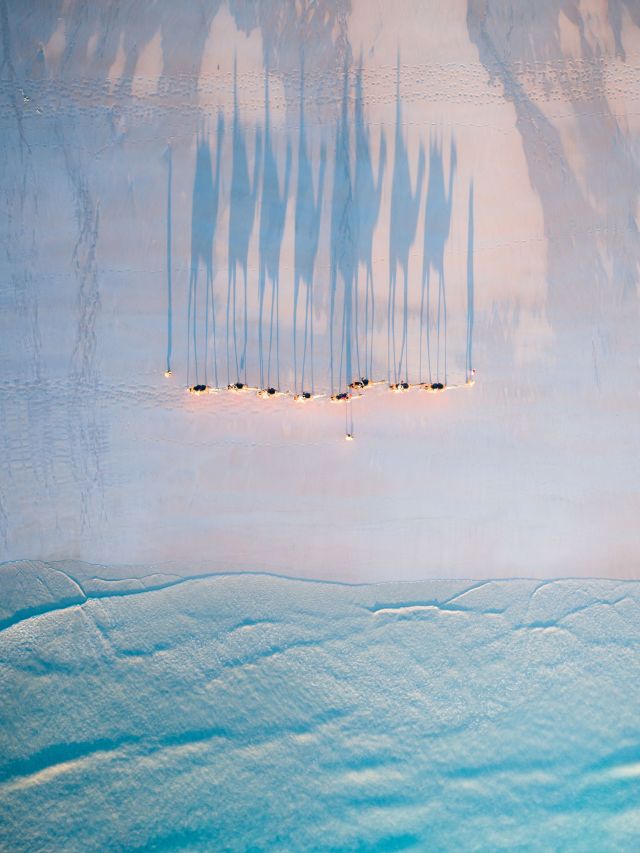
    As the sun slowly rises over the languid waves and fine sand of Broome’s Cable Beach, the morning colours shift from rich apricot to pale gold and frosty pearl. Remnants of life reveal themselves in the subtle shadows – crab claw marks, towel impressions, footprints. Life here is unhurried, but don’t be fooled. This town is continually shifting like the desert dunes that surround it.

    And with a $75 million upgrade – offering easier and more inclusive access for people of all abilities – it’s getting even better.

    Cable Beach upgrade foreshore redevelopment stage 1
    Discover the Cable Beach redevelopment.

    The addition of comfortable and welcoming spaces has begun (and will continue). This means visitors will be able to spend longer enjoying this beautiful environment, while knowing that the upgrade will create a more environmentally protected setting that preserves the natural character visitors come for. Come sunset, soak it in all the better thanks to the already improved foreshore areas, made for lingering while the light changes. And for the kids, a new splash park and accessible dry playground will make it easy to while away the hours.

    Think you know what a day at this beach is like? Think again.

    Morning colours

    car on cable beach at sunrise
    Cable Beach comes alive after sunrise. (Credit: Tourism WA)

    As the sun colours the sky, Cable Beach shows signs of life (and not just the aquatic kind). Locals and visitors alike float in the cool water as it laps the shore, landlubbers explore the coast on foot, runners pace and beachside yoga classes bring quiet movement to the day.

    When the sky is blue and the sun is firmly in position, head down to the well-known Cable Beach House for a long, slow breakfast overlooking the ocean. Think fresh tropical fruit, eggs cooked your way and strong coffee in the warm morning breeze.

    Afternoon adventures

    camel train on cable beach in broome at sunset
    Join a camel train at sunset. (Credit: C J Maddock)

    When you’re ready to explore, carve a path along the Minyirr Park Trail – a gentle 1.5-2km track through coastal bushland with spectacular views of the dunes. Refuel at the nearby Spinifex Brewery for lunch with its low-key, outdoor beer garden. There’s even an outdoor playground if you’re travelling with young humans.

    Walk off your lazy lunch by watching (or joining) one of the beach soccer or volleyball games, or even try Silent Beats Broome – a silent walking disco through the dunes. Or book a spot on the famous camel trains, watching the sun drop below the horizon along the way. They’re a constant reminder of the fascinating history, landscape and cultural mix in this part of the country.

    Evening degustation

    server at Cable Beach Club
    Stop into the Cable Beach Club. (Credit: Tourism WA)

    As the day closes, watch the world-famous Cable Beach sunset from the appropriately named Sunset Grill at Cable Beach Club. This open-air terraced dining spot overlooking the beach is the kind of place where the view takes centre stage.

    While you sip on a lychee, lime & lemonade mocktail or a local beer, enjoy the bustle of life and nature outside as the day comes to an end.

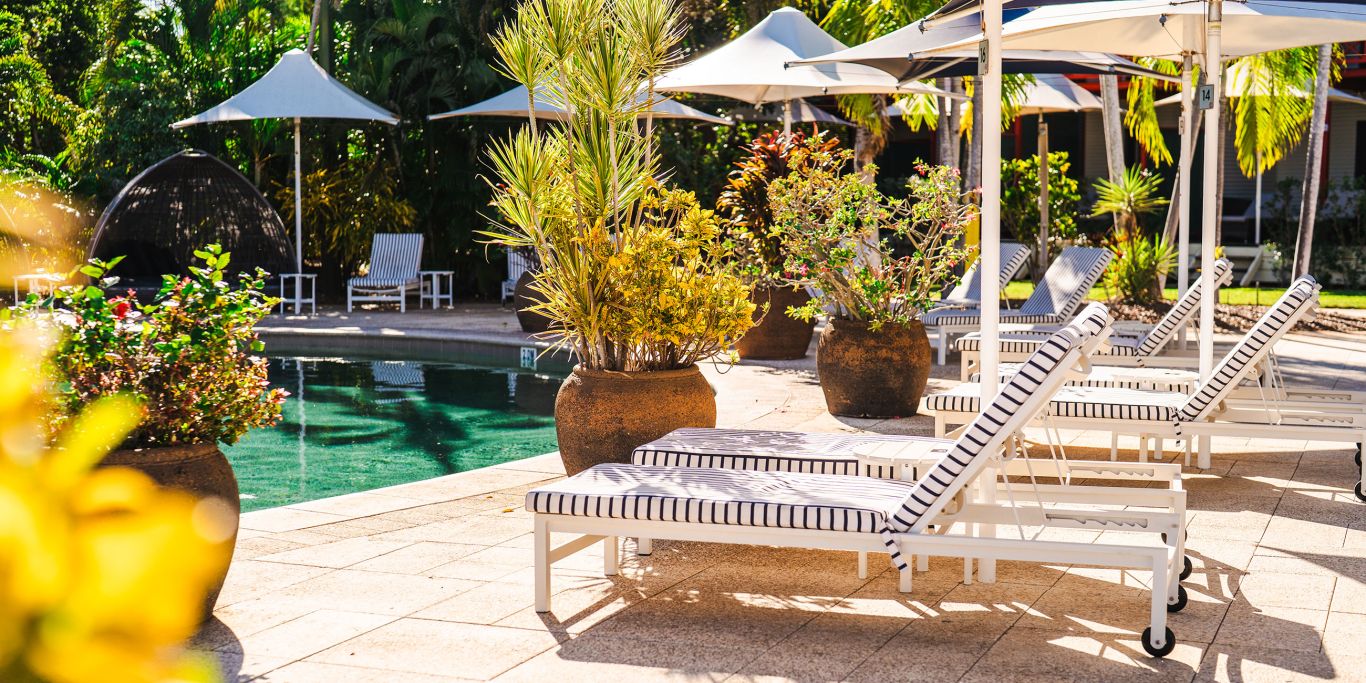
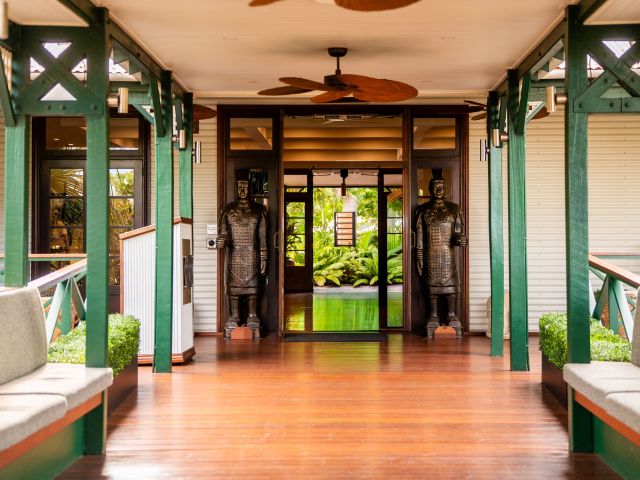
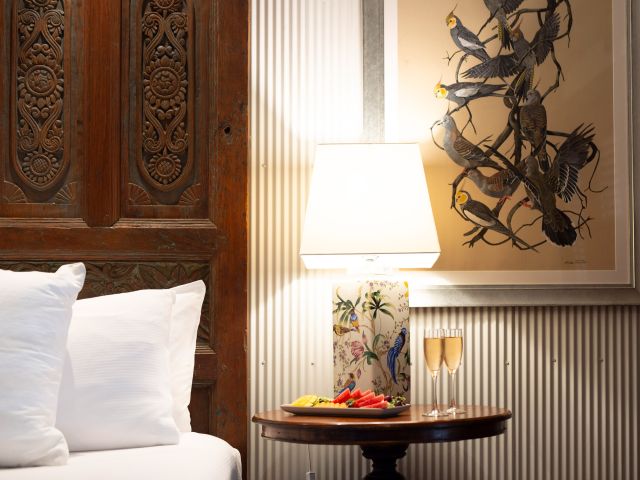
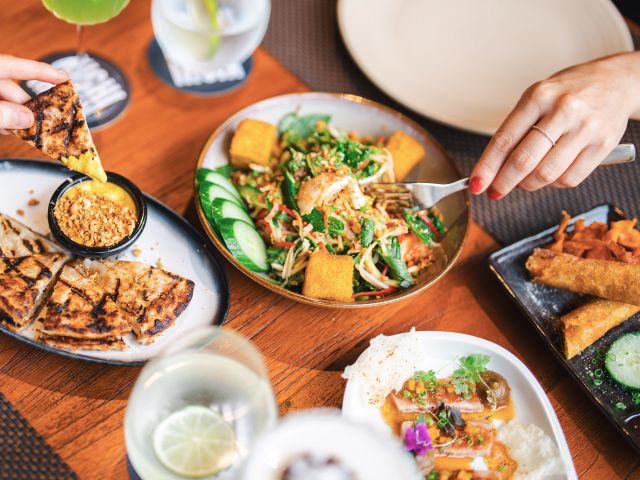
    For dinner, nab a table at the Bali Hai Cafe, where they offer pan-fried crispy barramundi, Abrolhos Island scallops and deep-sea snow crab. When you’re ready for bed, check in to Pinctada Hotel Broome – a lush, tropical resort with palm-dotted gardens and a large, lagoon-style pool to cool off in.

    Beyond the beach

    Beyond the wide, open beach and never-ending sky of Cable Beach, there are many more reasons to visit North West Australia. These are just a few.

    Unmatched experiences

    Shinju Matsuri Festival's popular Long Table Dinner on cable beach
    Join Shinju Matsuri Festival’s popular Long Table Dinner. (Credit: Tourism WA)

    Engage with the history of the land and its people on an Indigenous cultural tour exploring everything from the local wildlife to the tastes of bush tucker. To understand the importance of pearling to this town, take a tour of Chinatown, or head outside of town to the live pearl harvests at Willie Creek or Cygnet Bay Pearl Farm, one of Australia’s oldest pearl farms.

    Learn why Japanese pearlers were central to Broome’s pearling success and visit the largest Japanese cemetery in Australia, where 900 Japanese pearlers were buried – a testament to the risks and rewards of this dangerous profession.

    And book ahead every spring for when communal tables, freshly cooked local fare and festoon lighting fill the beach for the extremely popular Long Table Dinner on Cable Beach. It’s a highlight of the Shinju Matsuri Festival, along with the Floating Lanterns Matsuri, where you can personalise a lantern and gently release it into the sea to honour those you love.

    Dining discoveries

    Matso’s Broome Brewery
    Settle in for Matso’s famous ginger or mango beer. (Credit: Tourism WA)

    Further your culinary adventure at the laid-back Sunday Sesh at Matso’s Broome Brewery. Chow down on smoked crocodile or Aussie barramundi while kicking back to a local DJ as the heat of the day fades.

    For more tunes, the beautiful outdoor Bay Club at the Mangrove Hotel is a great choice for dinner with live music, DJs or an event that stretches on into the early hours. Still hungry? Pop by Johnny Sausage for Italian-influenced meals paired with impeccable wines.

    Natural beauties

    Gantheaume Point cabnle beach broome
    Experience the striking colours of Gantheaume Point. (Credit: Tourism WA)

    Avoid the crowds and head to Town Beach for a quieter vantage point to see the phenomenal Staircase to the Moon – a natural illusion where the rising full moon is reflected on the tidal flats, creating a shimmering ‘staircase’ stretching up to the sky.

    Just south of Cable Beach are the deep red cliffs and dramatic ocean views of Gantheaume Point, where 130-million-year-old dinosaur footprints can be seen, revealed at low tide. Or head to Roebuck Bay to visit the internationally significant wetlands, where vast tidal flats are home to shorebirds and coastal fauna.

    Between October and March, watch turtles nesting and hatchlings emerge from the sand. You’ll be holding your breath as they make their way down to the shoreline, ready to start their life in one of Australia’s most beautiful landscapes.

    For more on Cable Beach and Australia’s North West, visit australiasnorthwest.com.