Australia is full of wonders, from icons to the lesser known. Here, we’ve curated 13 wonders from our 100 list that Western Australia gets to call its very own.
This article is part of our 100 Australian Wonders series. Throughout the series, we explore our nation’s wonders across culture, nature, food, islands and many more. We hope it inspires your own exploration of Australia’s many wonders.
1. Lake Argyle
Travelling with: Imogen Eveson
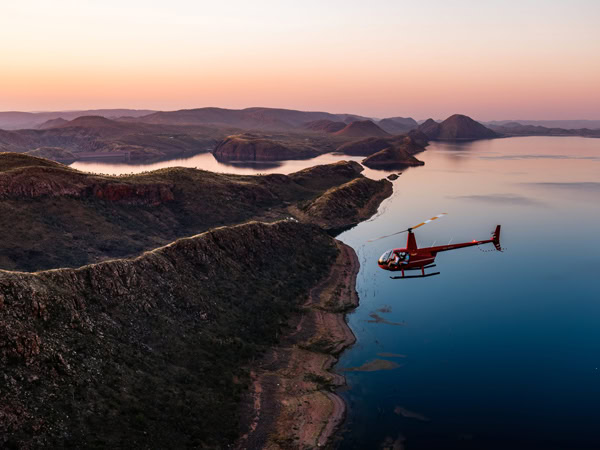
Classified as an inland sea, Lake Argyle is one of the largest man-made lakes in the southern hemisphere: a vast oasis in the heart of the rugged red Kimberley outback 75 kilometres south of Kununurra.
It was created in the 1970s by the damming of the Ord River as part of the mighty Ord River Irrigation Scheme: an engineering feat that harnessed the water of this fast-flowing river during wet season in order to develop this area of the tropical north for agriculture. In peak green season, Lake Argyle holds more than 18 times as much water as Sydney Harbour.
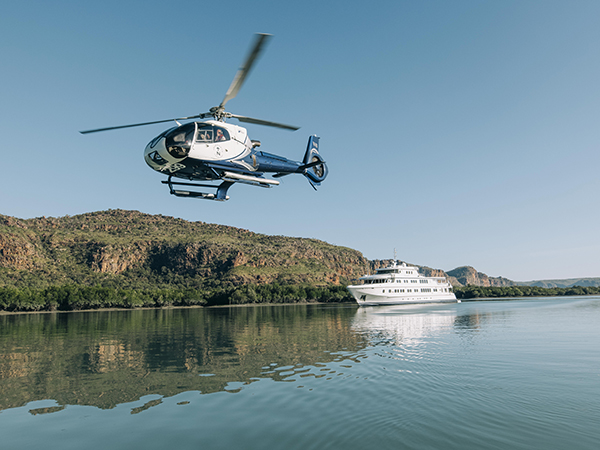
Travellers come here to refresh and reflect on their outback journeys, soaking it all in through nature tours, sunset cruises, scenic flights with the likes of HeliSpirit , fishing, freshwater swimming and taking a dip at its famous Discovery Resorts infinity pool .
2. Outback wildflowers
Travelling with: Megan Arkinstall
WA’s Golden Outback is famous for its wildflower season, which turns its typically bronzed landscapes a kaleidoscope of colour come spring.
Top petal-peeping spots include Mt Augustus and the blooming beautiful journey along the 309-kilometre Wildflower Way, which shimmies from Dalwallinu to Geraldton. Keep your eyes peeled for some of the state’s 12,000-plus species such as wattle, orchids, wreath flowers and everlastings.

3. Rowley Shoals, WA
Travelling with: Carla Grossetti
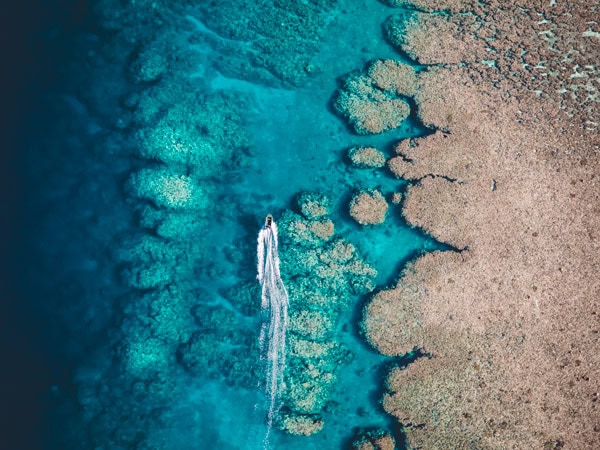
Look down on Rowley Shoals from above and you might find sunlight catching on the somewhat-secret ecological treasure, scattering sequins over the sea.
Some 300 kilometres north-west of Broome, Rowley Shoals Marine Park is characterised by spectacular intertidal and subtidal coral reefs, exceptionally rich and diverse marine fauna and pristine waters.
The intertidal reefs, which comprise Clere, Imperieuse and Mermaid, are set about 30 to 40 kilometres apart. Pack your bathers: the shallow sparkling lagoons are popular with snorkellers thanks to the clarity of the water, colourful coral and abundant marine life.
4. Swan River Trails, WA
Travelling with: Fleur Bainger
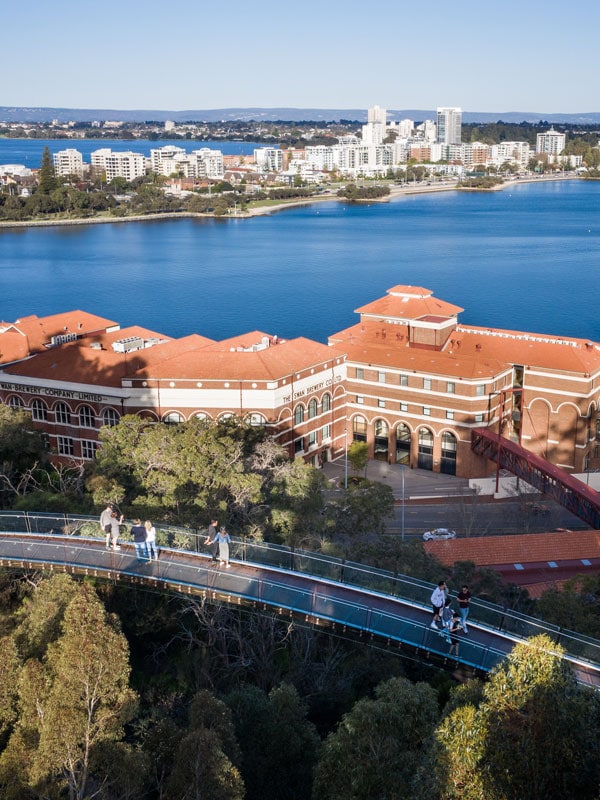
Sometimes, wonders are right under our noses. Take Western Australia’s Swan River Walk Trail , an 11-kilometre loop that circles both sides of the river in Perth’s CBD and its bookending bridges.
It’s packed with surprises, like how many waterbirds call from various nature ponds. Or the way you can spot jellyfish while cycling over the Causeway Bridge (a new, dedicated pedestrian and cycle bridge is set to open later this year) and how much public art dots the landscape.
Look out for the building-sized frillneck lizard and towering silver bird depicting first European contact by Noongar artist, Laurel Nannup.
Other eye-opening tracks include the two-kilometre-long Jenna Biddi Yorga loop in riverside Bicton, which follows an Aboriginal Dreaming trail. Or the Wadjemup Bidi, which traverses all of Wadjemup (Rottnest Island), itself known to Whadjuk Noongar people as a resting place of the spirits.
5. Bungle Bungle Range, WA
Travelling with: Imogen Eveson
Purnululu National Park’s World Heritage-listed Bungle Bungle Range erupts 300 metres out of grassy plains and is unlike anything you’ve ever seen: a cohort of bizarre beehive-shaped karst sandstone domes striped in black and orange, thanks to age-old stains, iron oxidisation and black algae.
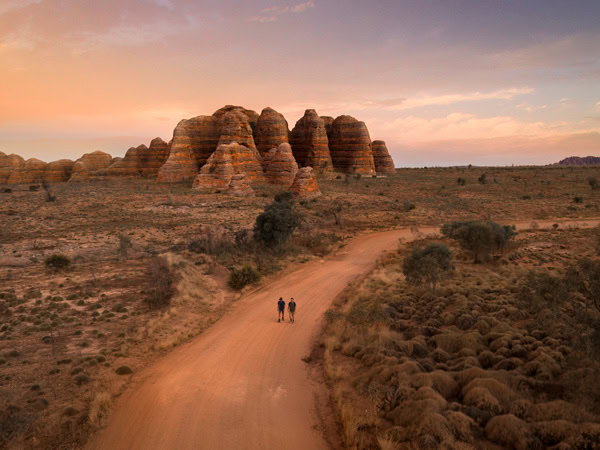
The ancient range was carved into shape more than 20 million years ago (from deposits that date back some 360 million years).
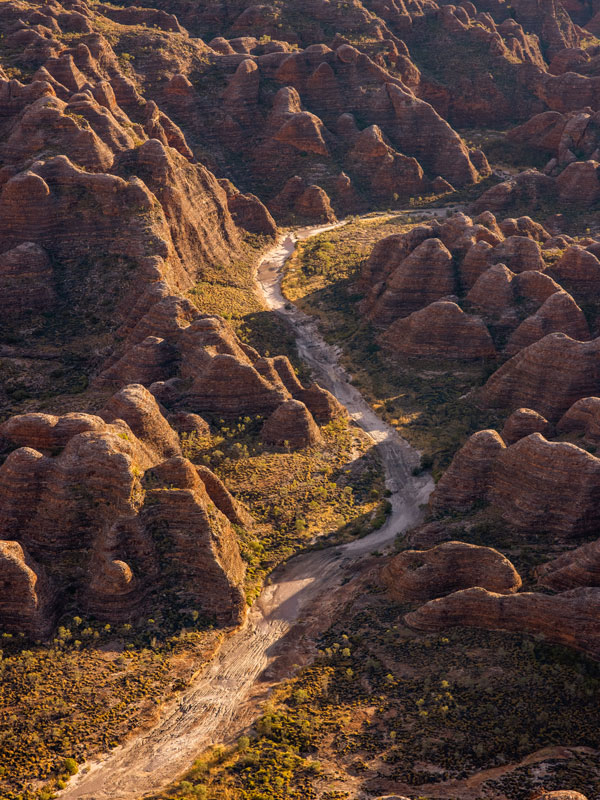
And while seeing it from above on a scenic flight is a must-do, getting up close at ground level with a Gija guide from Kingfisher Tours is to truly feel and understand this remarkable living landscape.
6. Kimberley Coast, WA
Travelling with: Fleur Bainger
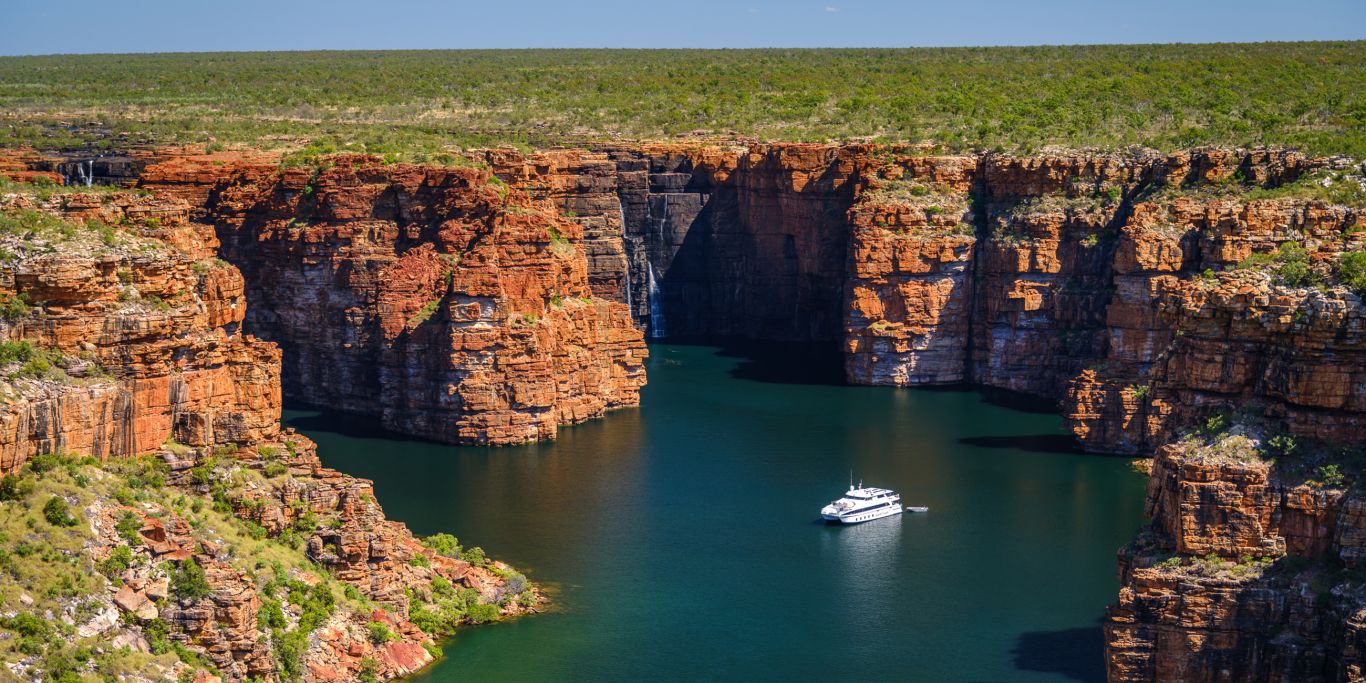
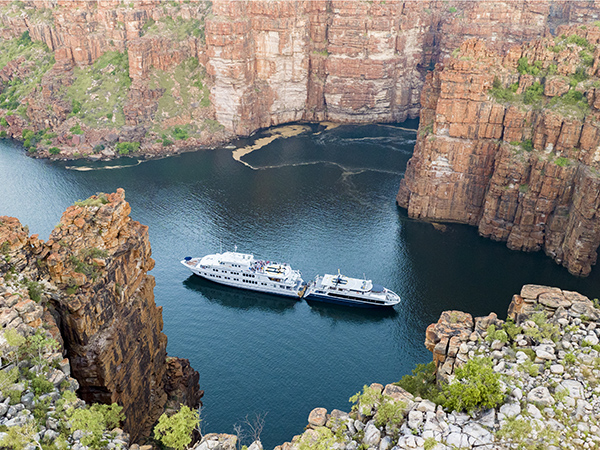
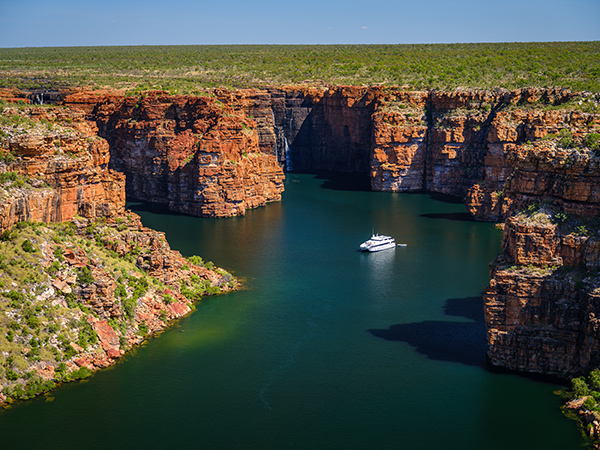
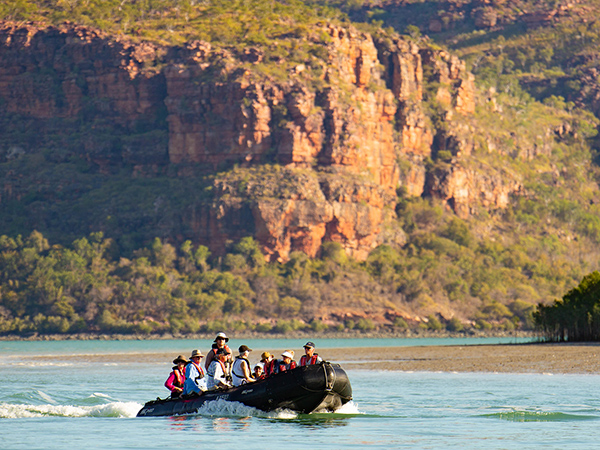
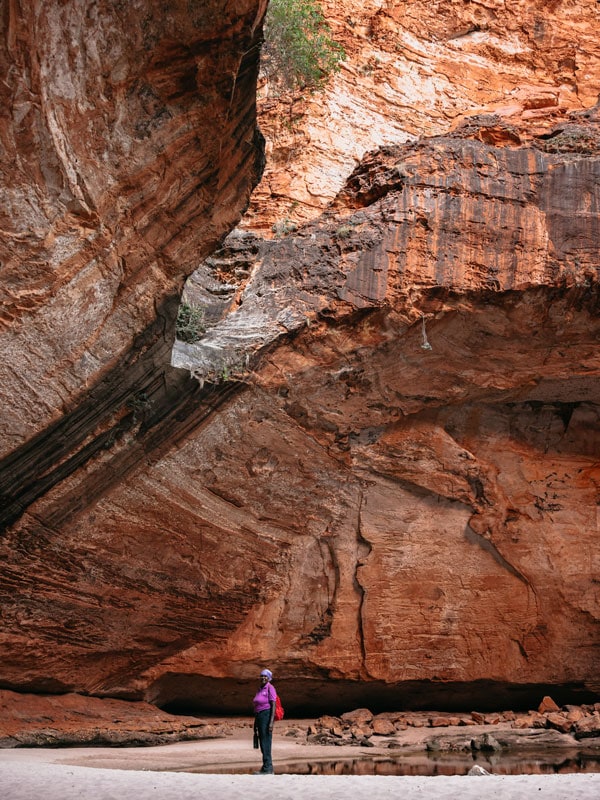
A cruise taking in the Kimberley’s cinnamon-red cliffs, crocodile-dotted rivers and diamond-scatter of islands remains one of life’s great trips.
The combination of incomprehensible age, beauty and wonder on water is indeed a once-in-a-lifetime experience, especially when reaching name-drop destinations like Horizontal Falls, the rising-from-the-ocean Montgomery Reef and the 80-metre-plummet of King George Falls.
It’s not the only way to reach the Kimberley’s extremities, of course. With the Broome to Cape Leveque Road now fully sealed, remote coastal escapes can be accessed via 4WD and in some cases, 2WD.
Aboriginal-owned Mercedes Cove Exclusive Coastal Retreat , which maxes out at 18 guests, beckons with clifftop safari tents.
Cygnet Bay Pearl Farm’s new safari tent circle is hotel-standard and lures with Aboriginal-led tours of the tidal flats and otherwise-inaccessible islands.
7. Cable Beach, WA
Travelling with: Fleur Bainger
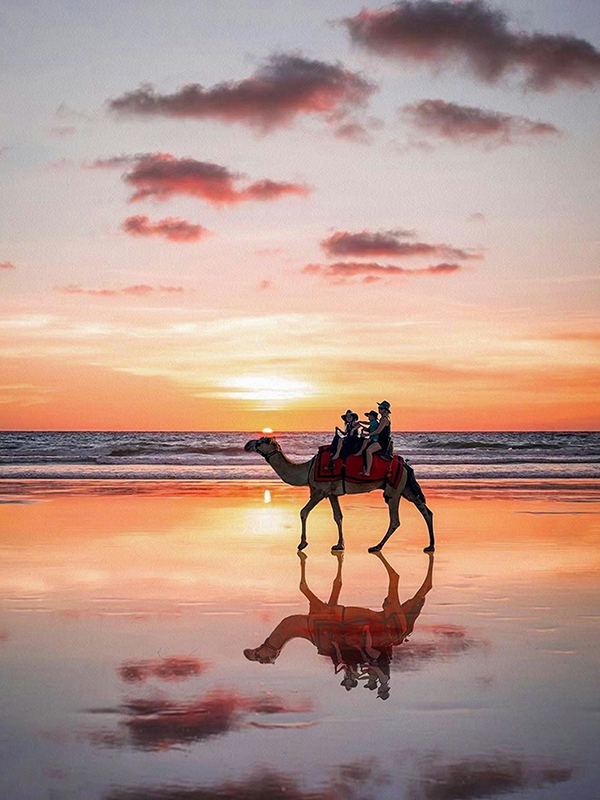
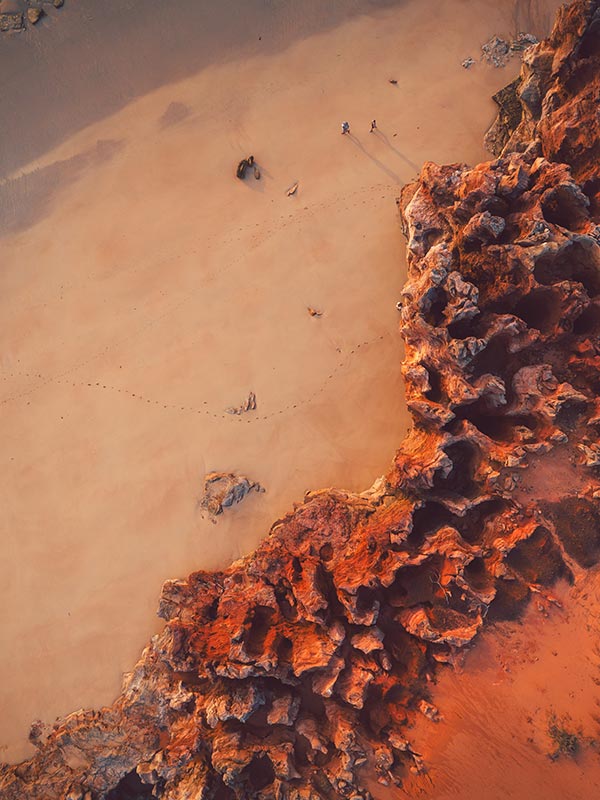
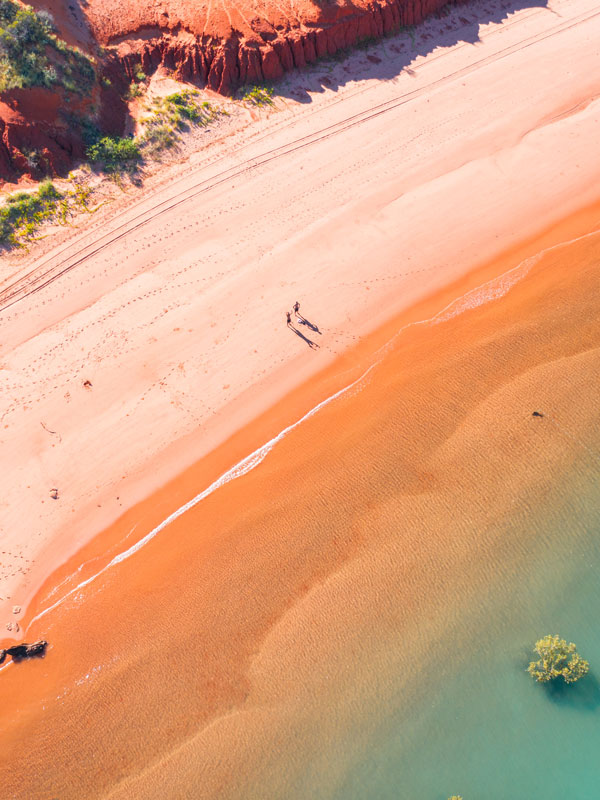
Broome’s 22-kilometre-long stretch of pale, blonde sand is synonymous with camel trains throwing shadows at day’s end.
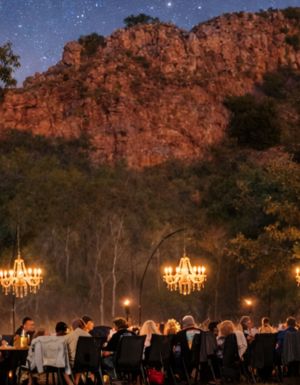
But it’s so much more than that. Flat as a tack and lapped by water the hue of Chris Hemsworth’s eyes, Cable Beach harbours the imprints of dinosaur footprints in its rocks, hosts light-strung, long-table dinners in balmy air and grants citrus-hued sunsets that linger in the memory like a lost love. It represents escape, freedom and happiness; children delight in pearls of sand deposited by beach crabs darting between burrows, while adults relax in beach chairs with their 4WDs parked on the sand.
Above the dunes, Cable Beach Club Resort & Spa grants the closest access to the iconic beach – arrive early for seats at its Sunset Bar.
Further back, the newly opened, Aboriginal co-owned Spinifex Brewing Co. adds another lure, with its native produce-infused, low-alcohol craft brews, Indigenous botanical food forest and family-friendly vibes.
8. Esperance from the air, WA
Travelling with: Celeste Mitchell
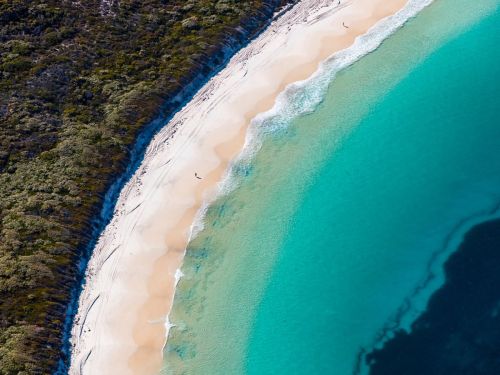
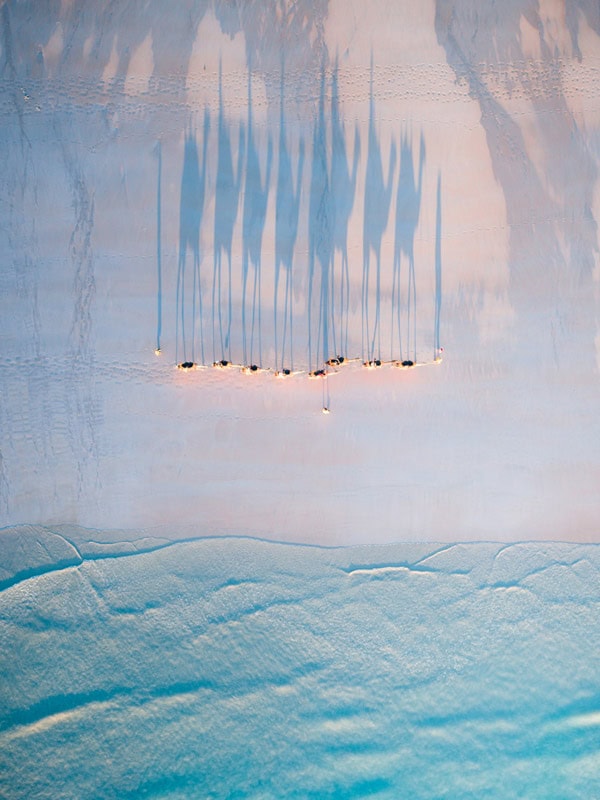
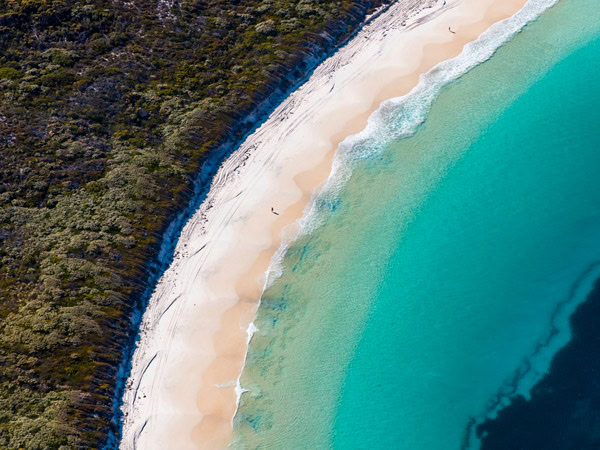
There’s beauty in isolation. In the untouched, lurid blue coastline of Kepa Kurl/Esperance, where you can play I-spy with dozens of white-sand beaches just an hour after take-off with Fly Esperance .
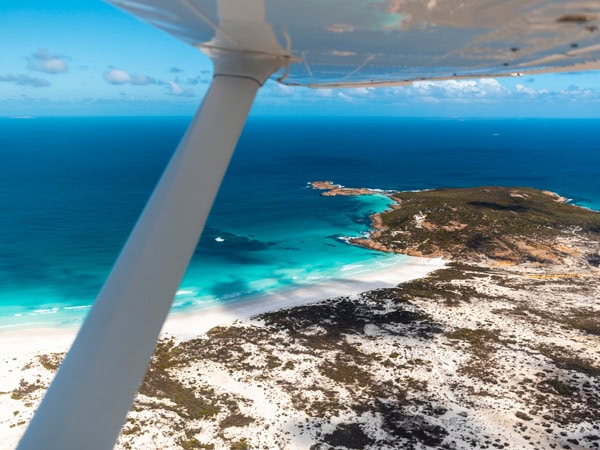
This coastal wonderland, almost an eight-hour drive from Perth, takes on an altogether more mesmerising form from the air as you fly over the peaks of Cape Le Grand National Park and the mostly uninhabited islands of the Recherche Archipelago.
Get acquainted with the emerald and sapphire swirls from above then drive along the sands to Lucky Bay. If you spot a kangaroo, you’ve got yourself the Esperance trifecta.
9. Orcas of Bremer Bay, WA
Travelling with: Carla Grossetti
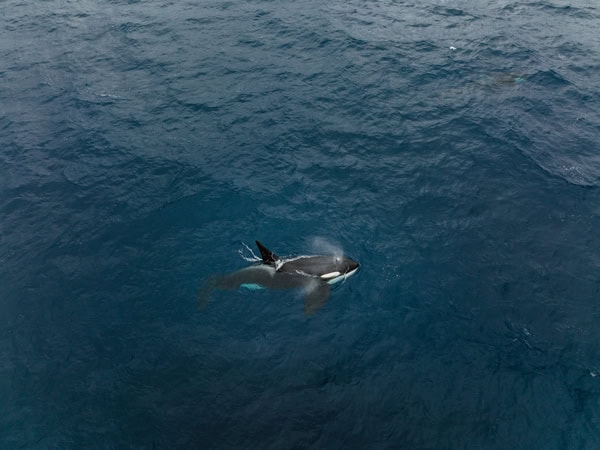
Budding marine biologists can sign up for a marine expedition to Bremer Bay for a bucket-list encounter to see killer whales in the wild. Bremer Bay Canyon is 70 clicks offshore from the township of Bremer Bay and it’s where the largest pod of orcas in the southern hemisphere gathers each year.
While the prime time for spotting orcas in Bremer Bay is from late January through to April, it’s likely you’ll encounter other marine species such as sperm whales, giant squid, sharks and shoals of tuna, too.
Hit the water with Naturaliste Charters , part of the diverse Australian Wildlife Journeys portfolio.
10. WA Museum Boola Bardip
Travelling with: Carla Grossetti
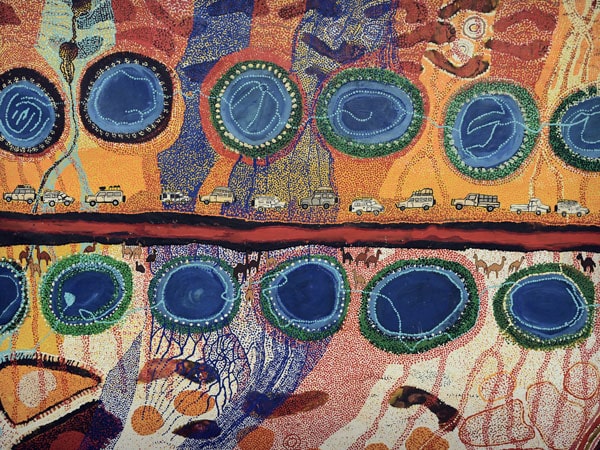
Boola Bardip means ‘many stories’ in Whadjuk Nyoongar, the Country on which WA’s arts and culture hub sits. And indeed, it’s those First Nations stories and perspectives that wash over you from the minute you step into the museum, which rises above the heritage buildings of Perth CBD (Boorloo).
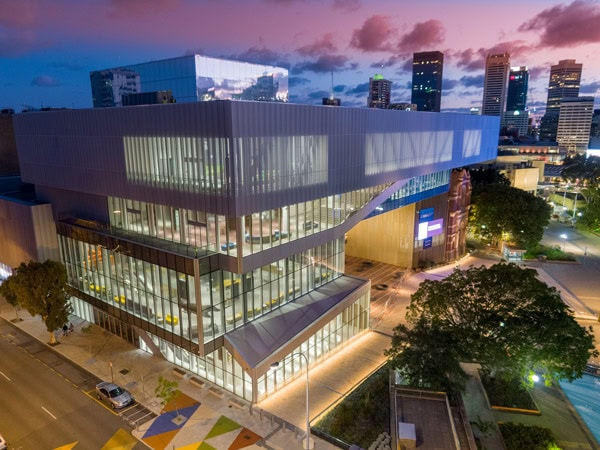
The visionary $400 million museum aims to educate visitors through an array of themes such as the beauty of the state’s rugged landscape, the diversity and spirit of Western Australians and the state’s impact on the world.
11. Gibb River Road, WA
Travelling with: Carla Grossetti
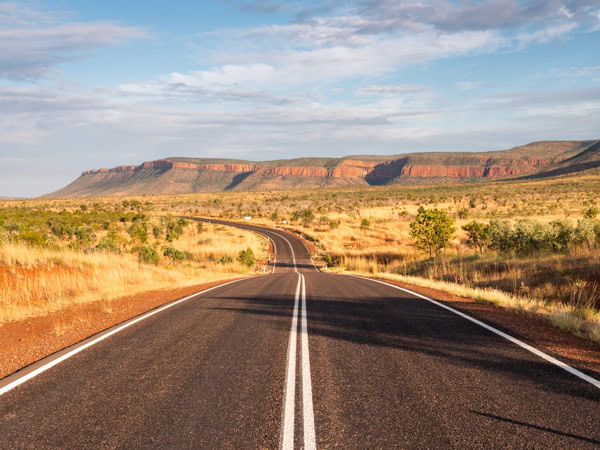
Far from the humdrum of the highway, the 660-kilometre Gibb River Road beckons as one of Australia’s great four-wheel-drive routes.
Start creating your #roadtripping playlist, as joining the dots between Derby and Kununurra through the captivating Kimberley wilderness can take up to three weeks to complete.
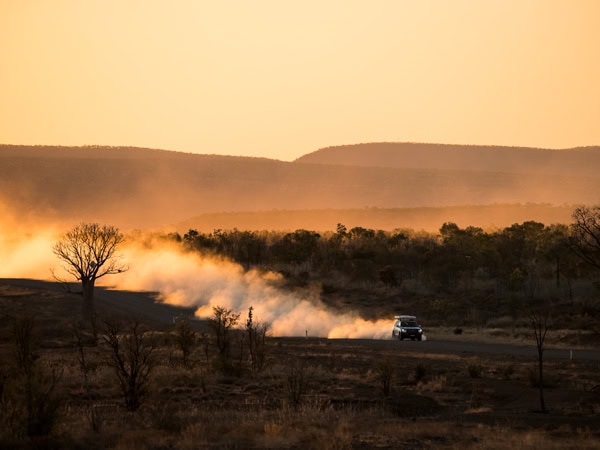
The ragged ribbon of mostly unsealed road is one small section of the Savannah Way, which crosses the country from the north of WA to Queensland.
Time your outback odyssey with wildflower season when bursts of colour are knitted to the earth.
12. Ningaloo/Nyinggulu, WA
Travelling with: Christine Aldred
While Ningaloo/Nyinggulu is rightly known for its coast-hugging reefs and stunning ocean blues, the adjoining desert landscapes and nearby gulf are more than worthy counterpoints.
The superlatives used to describe life-spawning reef that hugs the north-west coast of Australia – the remarkable sea creatures that live there including the famous whale sharks, and the vibrance of its colours – are all accurate.
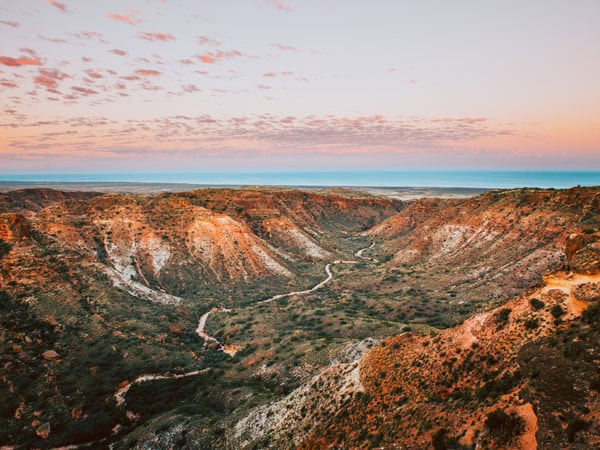
But the other two arms of this triple treat of nature also deserve attention: the rugged wilderness of Cape Range National Park; and Exmouth Gulf, the reef nursery where whales, dugongs and turtles go to rest and play, and the home of ancient life forms. Book into tented eco-luxury resort Sal Salis, the only serviced accommodation within the national park, for the awe of the landscape to be really revealed.
13. Quokkas of Wadjemup (Rottnest Island), WA
Travelling with: Kassia Byrnes
The vibrant blue ocean, white-sand beaches and abundant marine life entice many to make the 30-minute ferry trip from Fremantle to Rottnest Island/Wadjemup Here, a lucky few can stay long after the day-trippers have departed, spending afternoons exploring the island or lazing on picturesque beaches.
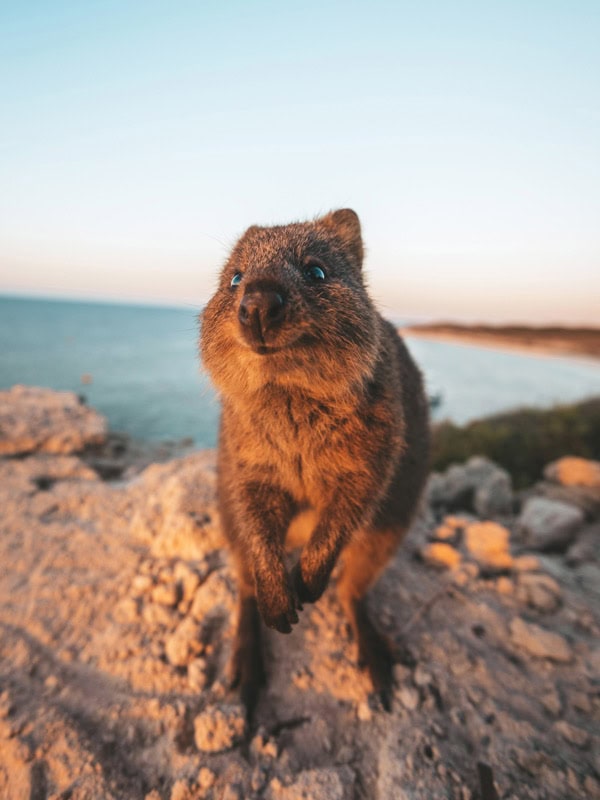
The small, permanent human population is friendly, but none can match the enthusiasm of the island’s friendliest locals: the quokkas. This adorable relative of the wallaby first caused an international stir in 2019 when actor Chris Hemsworth shared a selfie with these happy little creatures that went viral. Australians, however, have long been charmed by their permanent smiles.