10 Australian place names you’ve probably been saying wrong

hero media
From capital cities (yes, seriously) to iconic neighbourhoods, Aussie-bred mispronunciations are frighteningly common.

Our laidback drawl is globally adored but did you know we’re pronouncing our own hometowns inaccurately? A recent study conducted by Preply , an online language learning platform, combed through search data for 332 Australian hot spots and discovered the number of times people have Googled ‘How to pronounce’ or ‘How to say’ our most recognisable destinations. While it may be distinctly un-Australian to get all of them right, some are downright cringe-worthy. Drumroll, please…

10. Derby, Western Australia

Don’t say: Dar-bee

Do say: Der-bee

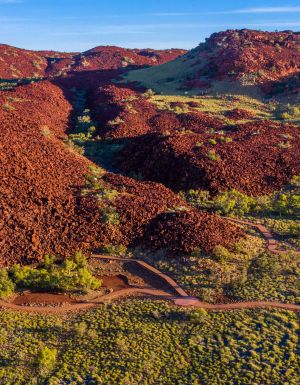
Spectacular dirt terrain, tropical mangrove swamps and one consistently misarticulated moniker. Poor old Derby in Western Australia may serve as one of the most unforgettable things to do in the Kimberley but it’s come in as the tenth most mispronounced place in the country. Resist the temptation to switch the ‘e’ for an ‘a’ and take a more refined approach without a second thought.
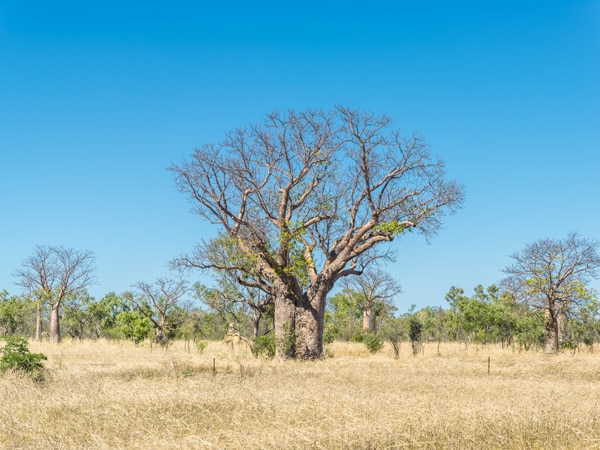
a Boab tree in Derby, Australian place names
Swoon over the magnificent Boab Tree in Derby. (Image: Tourism Western Australia)

9. Warwick, Queensland

Don’t say: Wor-rick

Do say: Wa-rick

Boot-scootin’ babies can’t get enough of Warwick in Queensland’s Southern Downs, particularly fans of the Warwick Rodeo and Gold Cup Campdraft, one of the best events happening this month, but many haven’t the foggiest idea how to say it. Shimmying in at number nine on the list, this country town is more ahh and less ohh.
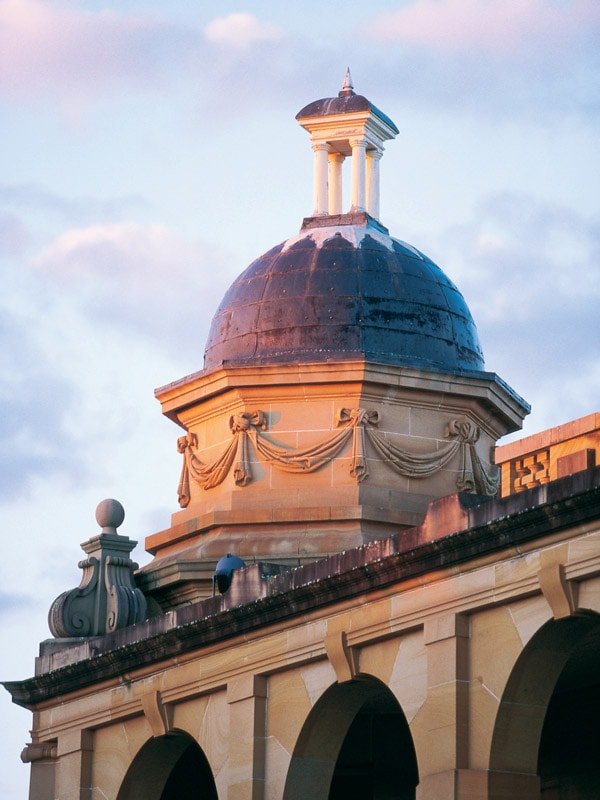
the Warwick Post Office in Queensland
Visit the heritage-listed Warwick Post Office. (Image: Tourism and Events Queensland)

8. Ngunnawal, Australian Capital Territory

Don’t say: Nun-uh-wahl

Do say: Nun-nah-wol

It’s home to one of Australia’s best emerging city experiences, but pronouncing Ngunnawal is proving a bit of a mouthful. Registering in eighth place is the land within Canberra and a name that also represents the Traditional Owners of the Canberra region. Ditch the inclination to follow Ngunnawal’s literal ‘a’ at the second last letter and steer it towards an ‘o’ sound.
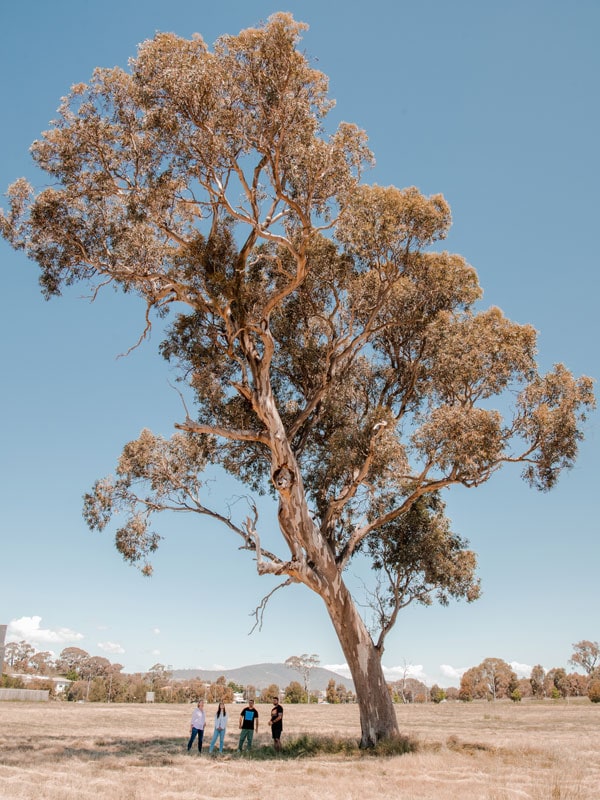
people under the shade f a tree in Ngunnawal, Australian Capital Territory
Practice perfecting the name Ngunnawal before you visit the ACT. (Image: Tourism Australia)

7. Balmain, New South Wales

Don’t say: Bal-mah or Bal-mahn

Do say: Bal-mane

Sadly, we’re quite some distance from chic Paris. As tempting as it is to pronounce Balmain with the type of Je ne sais quoi that fancies up Target to Tar-jay (just us?), articulating the inner west suburb of Sydney is way more literal. Next time you’re referring friends to Balmain and its epic secret summer swimming spot, call it directly as it reads.
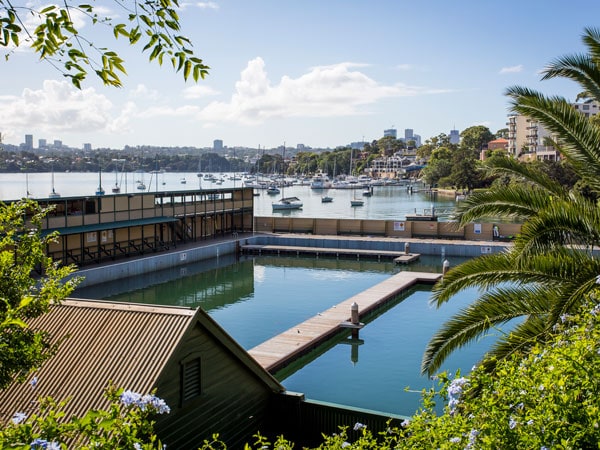
the Dawn Fraser Baths in Balmain, New South Wales
Dawn Fraser Baths is a cool swimming pool complex in Balmain. (Image: Destination NSW)

6. Canberra, Australian Capital Territory

Don’t say: Can-berra

Do say: Can-bra

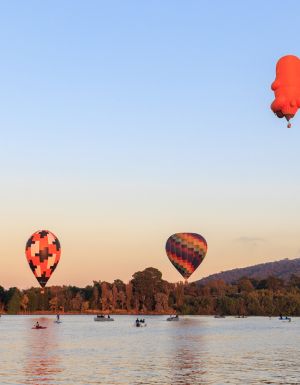
It doesn’t get more ocker than this. Yes, Canberra may technically contain eight letters but there’s only six letters worth bothering with. Proving once and for all that we Australians roll right over the pronunciation of an ‘er’, Canberra’s correct articulation ignores the suffix completely. Gotta love Straya’.
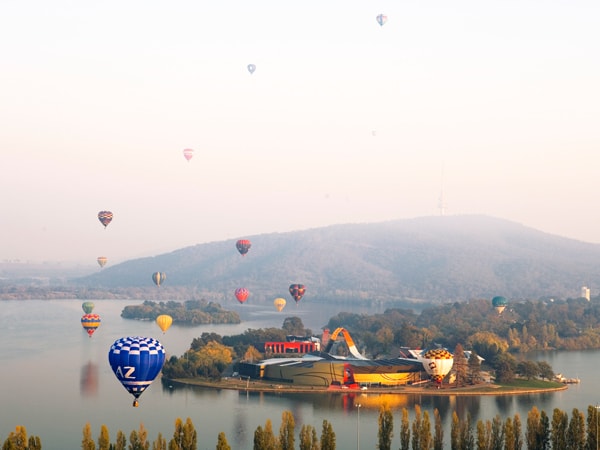
hot air balloons floating over Lake Burley Griffin, Canberra, Australian Capital Territory
The best way to explore Canberra is by hot air ballooning over Lake Burley Griffin. (Image: Tourism Australia)

5. Gloucester, New South Wales

Don’t say: Glow-kester or Glou-sester

Do say: Gloss-ter

One of the prettiest Lower Mid North Coast NSW towns on the map, Gloucester on the Barrington Coast is often mispronounced for its likeness to the British town of Gloucestershire. Punch up ‘ouces’ as ‘oss’ and you’ll score top points whenever you’re referring to the magical mecca of bushwalks, cellar doors and outstanding camping.
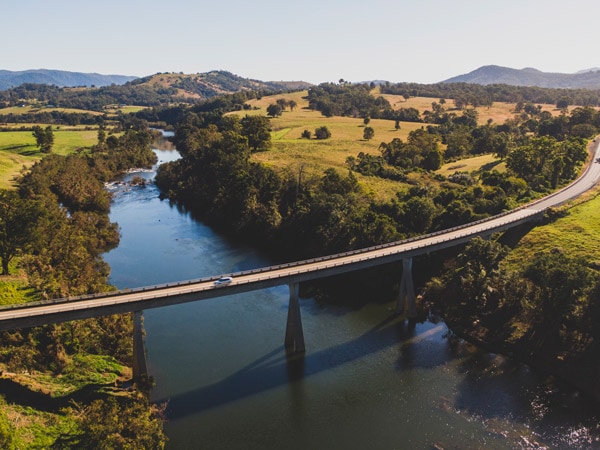
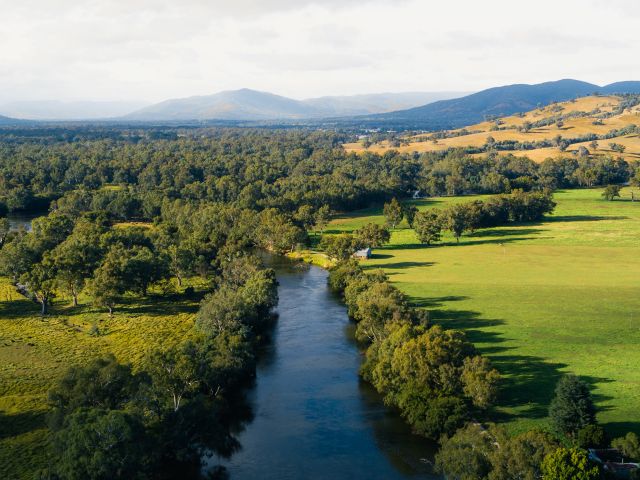
an aerial view of the Gloucester countryside on the Barrington Coast
Gloucester is surrounded by scenic landscapes. (Image: Destination NSW)

4. Launceston, Tasmania

Don’t say: Lawn-ses-ten or Lawns-ten

Do say: Lon-ses-ten

You may get away with pronouncing Launceston similarly to how it’s spelt but you’ll need to check yourself if you’re chatting to Tassie locals. The wonderful river-facing city, home to so many beautiful historical sites and stunning scenery, should be articulated with a ‘lon’ rather than a ‘lawn’.
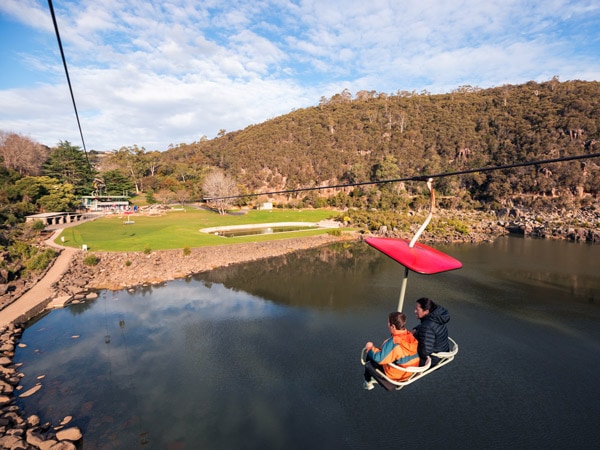
two people crossing the Cataract Gorge on the Gorge Scenic Chairlift in Launceston
Cataract Gorge Scenic Chairlift in Launceston is one of the longest chairlifts in the world. (Image: Tourism Australia)

3. Melbourne, Victoria

Don’t say: Mel-born

Do say: Melben

Slipping in at third position is one of our native language’s most criticised pronunciations – Melbourne. Commonly referred to as ‘Mel-born’ around the world, and for understandable reasons given the spelling, our beloved culture capital is more widely accepted with a rounded off ‘ben’ sound. Again, Straya’.
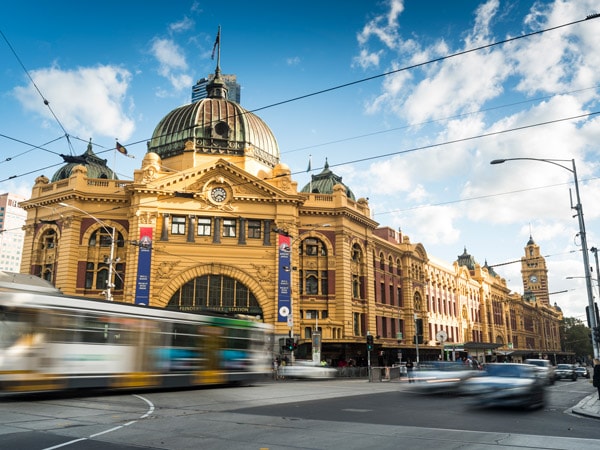
the Flinders Street Station, Melbourne, VIC
Melbourne is home to Australia’s oldest train station. (Image: Visit Victoria)

2. Prahran, Victoria

Don’t say: Praa-ran

Do say: Pran

Keeping the curiosity within Victoria, the trendy suburb of Prahran has proved another bone of contention, arriving on the list in second place. Renowned for its outstanding shopping, dining and entertainment, making it a must-explore on any multi-day itinerary of Melbourne, Prahan should be shortened to just a smidge over one syllable to earn authenticity points off locals.
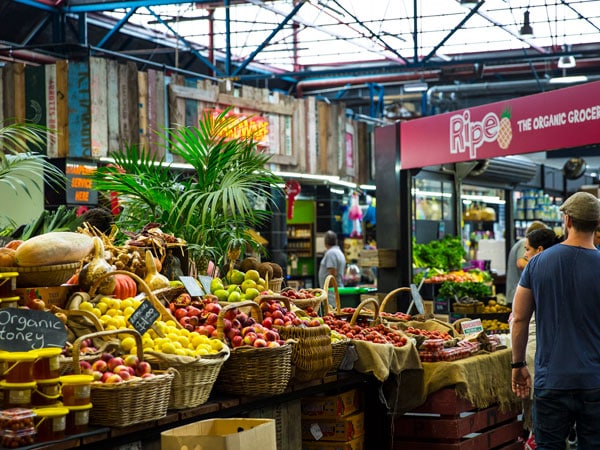
fresh fruits and veggies on display at Prahran Market, VIC
Prahran Market is a one-stop shop for fresh produce in Melbourne. (Image: Visit Victoria)

1. Cairns, Queensland

Don’t say: Kerns or Can

Do say: Cans

Are you one of the savvy few who don’t stumble over Cairns when you’re saying it out loud? You’re sitting in the minority. Coming in at first place is Far North Queensland’s tropical gateway. Perhaps we should blame the Frenchies for tagging their big Cannes film festival with too-similar a name, but the ongoing debate surrounding the pronunciation of Cairns is as robust as the verdict on pineapple-topped pizza. Here it is, once and for all: Cans. Now, there’s no excuse.
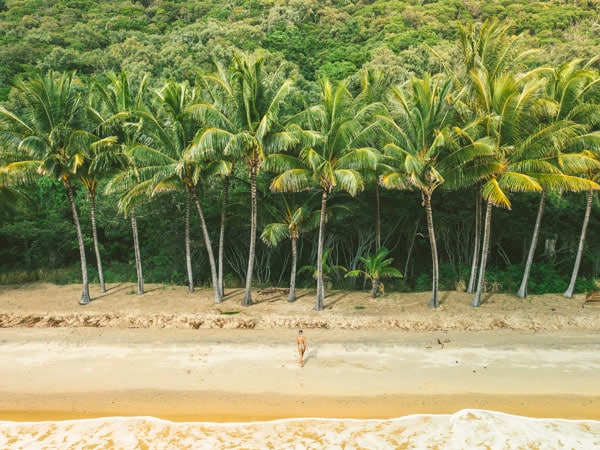
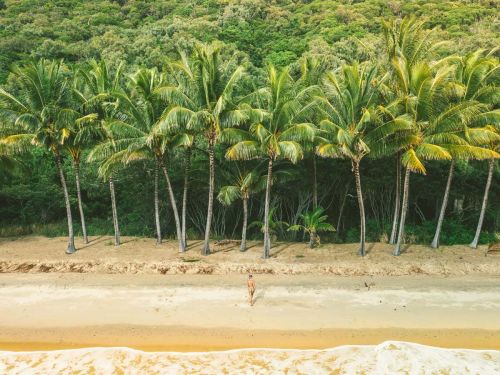
Woman coming out of the water at Ellis Beach in Cairns
It’s the gateway to the Great Barrier Reef but Cairns is a mouthful for many. (Image: Tourism Tropical North Queensland)
Kristie Lau-Adams
Kristie Lau-Adams is a Gold Coast-based freelance writer after working as a journalist and editorial director for almost 20 years across Australia's best-known media brands including The Sun-Herald, WHO and Woman's Day. She has spent significant time exploring the world with highlights including trekking Japan’s life-changing Kumano Kodo Pilgrimage and ziplining 140 metres above the vines of Mexico’s Puerto Villarta. She loves exploring her own backyard (quite literally, with her two young children who love bugs), but can also be found stalking remote corners globally for outstanding chilli margaritas and soul-stirring cultural experiences.
See all articles
hero media

3 wild corners of Australia that let you reconnect with nature (in comfort)

The country’s rawest places offer some of its most transformative, restorative experiences.

Australia offers sublime opportunities to disappear into the ancient, untouched wilderness, worlds away from modern stress. Wild Bush Luxury offers a collection of experiences that are a portal into the continent’s wildest, most undiscovered landscapes, from wide floodplains to vast savannas, where the only distractions are birdsong, frog calls, curious wallabies and the daily drama of sunset. With a focus on conservation and Indigenous knowledge, these all-inclusive experiences allow guests to slow down and quiet their minds for intimate encounters with the natural world.

1. Bamurru Plains

safari tent at Bamurru Plains wild bush luxury
Let nature take front row.

In the remote Top End, just outside Kakadu National Park on the fringes of the spectacular Mary River floodplains, you’ll find Bamurru Plains , a peerless Australian safari camp. After a quick air transfer from Darwin to the camp’s private airstrip, you’ll be whisked away via 4WD to a vivid natural wonderland of shimmering floodplains, red earth, herds of peacefully grazing water buffalo and 236 bird species (Bamurru means magpie goose to the Gagadju people).

Accommodations consist of 10 mesh-walled bungalows and two luxe stilted retreats where guests enjoy panoramic, up-close views that invite them into their rightful place in the landscape (and binoculars to see it even better). Being an off-grid experience designed to help guests disconnect, the only distractions are birdsongs, frog calls, curious wallabies, the occasional crocodile sighting and the daily drama of the spectacular golden sunset.

It’s a place where nature’s vastness rises to the level of the spiritual, and Bamurru’s understated, stylish,  largely solar-powered lodgings are designed to minimise human impact and let nature take front row.  Guests relax in comfort with plush linens, an open bar, communal tables that allow for spontaneous connections and curated dining experiences from the in-house chef using local ingredients and bush-inspired cooking methods.

Bamurru Plains airboat tour
Zoom across the floodplains. (Image: Adam Gibson)

It’s a restorative backdrop for days spent zooming across the mist-covered floodplains in an airboat, birding with expert guides, taking an open-sided safari drive or river cruise through croc country. Spend time at the Hide, a treehouse-like platform that’s perfect for wildlife spotting.

In fact, nature is so powerful here that Bamurru Plains closes entirely during the peak monsoon season (October to April), when the floodplains reclaim the land and life teems unseen beneath the water. Yet Wild Bush Luxury’s ethos continues year-round through its other experiences around Australia – each designed to immerse travellers in a distinct Australian wilderness at its most alive and untouched.

2. Maria Island Walk

woman on a headland of Maria Island Walk
Maria Island Walk offers sweeping coastal scenes.

Off Tasmania’s rugged east coast, the iconic Maria Island Walk is an intimate four-day journey through one of the country’s most hauntingly beautiful and unpopulated national parks, encompassing pristine beaches, convict-era ruins, and wildlife sightings galore. Accessible only by a small ferry, Maria Island feels like a place reclaimed by nature, which is exactly what it is: a penal settlement later used for farms and industry that finally became a national park in 1972.

These days, the island is known as ‘Tasmania’s Noah’s Ark’ and its only human inhabitants are park rangers. It’s a place where wombats amble through grassy meadows, wallabies graze beside empty beaches, dolphins splash in clear water just offshore and Tasmanian devils – successfully reintroduced in 2012 after near-extinction on the mainland – roam free and healthy.

Each day unfolds in an unhurried rhythm: trails through coastal eucalyptus forests or along white-sand bays, plateaus with sweeping ocean views, quiet coves perfect for swimming. Midway through the journey, you’ll explore Darlington, a remarkably preserved 19th-century convict settlement whose ruins tell stories of human ambition at the edge of the known world.

At night, sleep beneath a canopy of stars in eco-wilderness camps – after relaxing with Tasmanian wine and locally-sourced meals, and swapping stories with your fellow trekkers by candlelight.

3. Arkaba

two people standing next to a 4wd in Arkaba
Explore Arkaba on foot or on four wheels.

For a bush immersion with more of an outback flavour, Arkaba offers a completely different type of experience. A former sheep station and historic homestead in South Australia’s striking Flinders Ranges that has been reimagined as a 63,000-acre private wildlife conservancy. It’s now patrolled mainly by kangaroos and emus.

Small-scale tourism (the homestead has just five ensuite guestrooms) helps support rewilding projects, and guests become an essential part of the conservation journey. Days begin with sunrise hikes through ancient sandstone ridges or guided drives into the ranges to spot yellow-footed rock-wallabies. And end with sundowners on a private ridgetop watching the Elder Range glow vibrant shades of gold, crimson and violet as the air cools and time stands still.

Here, you can join conservation activities like tracking native species or learning about Arkaba’s pioneering feral-animal eradication projects, then unwind with chef-prepared dinners served alfresco on the veranda of the homestead, which is both rustic and refined. The highlight? Following Arkaba Walk, a thriving outback wilderness where emus wander and fields of wildflowers grow.

It’s an unforgettable immersion in Australia’s vast inland beauty, a place where the land’s deep and complicated history – and astounding resilience – leave their quiet imprint long after you return home. In a world where genuine awe is rare, Wild Bush Luxury offers a return to what matters most in the untamed beauty of Australia’s wilderness.

Disconnect from the grind and reconnect with nature when you book with at wildbushluxury.com