Now is the best time to catch a sunrise – but only for 2 weeks

hero media
Australia is currently in a prime sunrise-watching position – here’s why (and where to catch it before it’s too late).

Everyone loves a good sunrise – especially us Aussies. We’d be foolish not to, considering our island home is one of the best places in the world to witness a swirling, pastel-painted sky.

While some of us are practically pros at getting up before dawn, others can find it difficult to leave the comforts of home to see the sun come up. But if there is one time of year worthy of dragging yourself out of bed, it’s the next two weeks.

Why are the next two weeks the best time to see a sunrise?

Autumn ushers in a time for simple pleasures – big fluffy blankets, mugs of hot chocolate and cosy autumnal festivals. But it also signals the end of daylight savings, meaning the days get shorter and darkness falls earlier. As sun-obsessed Australians, we’re practically preconditioned to let out a heaving sigh. But what if I told you it’s actually one of the most beautiful times of the year for our golden giant?
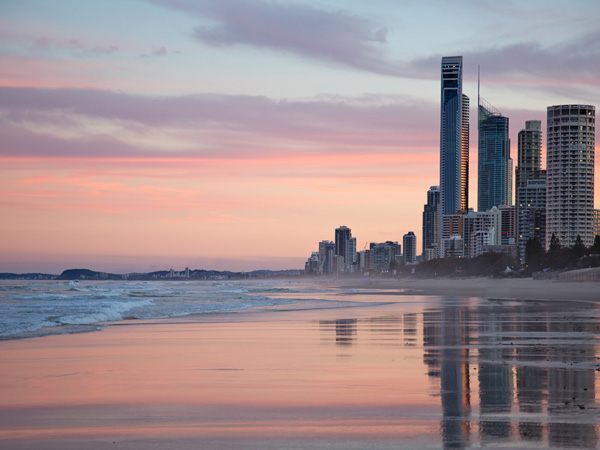
Sunrise on the Gold Coast, Qld
Cold fronts mean cloud cover reflects the sun’s light. (Image: Mister Delirious/Getty Images)

Introducing the March Equinox: when the Earth tilts on its axis and crosses the celestial equator. The solar event occurred on 20 March this year, causing a northward shift of the sun’s path across the sky. As a result, cold fronts are sweeping across our continent and bringing mid to high cloud cover that reflects light in all directions.

“Due to the tilt of the Earth, the sun comes up at a greater angle in autumn compared to summer," says Jonathan How, senior meteorologist at Australia’s Bureau of Meteorology . “This means longer duration sunrises and more opportunity for light to scatter in the atmosphere."

“The air is drier, which means good visibility, and there’s less chance of low cloud and fog, which can prevent a good sunrise. States with daylight savings also allow a later sunrise, so more people are up and able to observe the sunrise when conditions are most ideal," How adds.
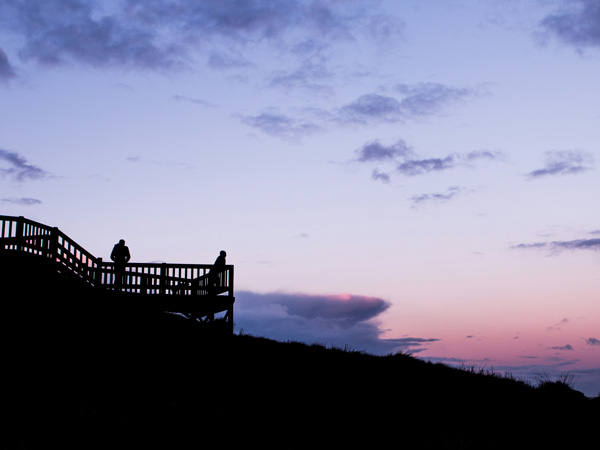
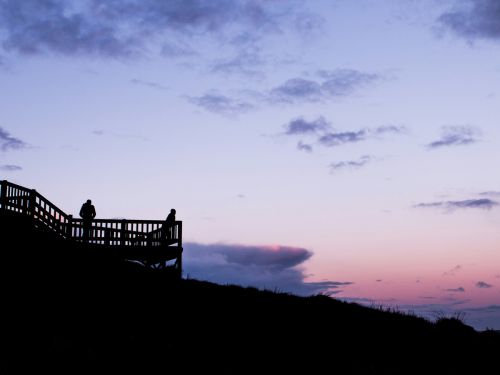
People watching the sun come up from a lookout
Waking up early has never looked so good. (Image: Josh Calabrese/Unsplash)

At the start of autumn, when these cold fronts arrive, the sun is still rising around 7am, a small but auspicious window is opened in which everything perfectly aligns. While this window only lasts for around two weeks between March and April, it creates an unforgettable sunrise, incomparable to any other time of year.

Where should I head to catch a spectacular sunrise?

Luckily for you, Australia is blessed with plenty of places to catch this natural phenomenon. In fact, we’ve got a whole roster of experiences dedicated to seeing the sun come up, from yoga on the beach in SA to Tassie’s iconic nude solstice swim during Dark Mofo . But if you’d rather just soak in the beauty of a magical morning, here’s where you should head.

1. Uluru, NT
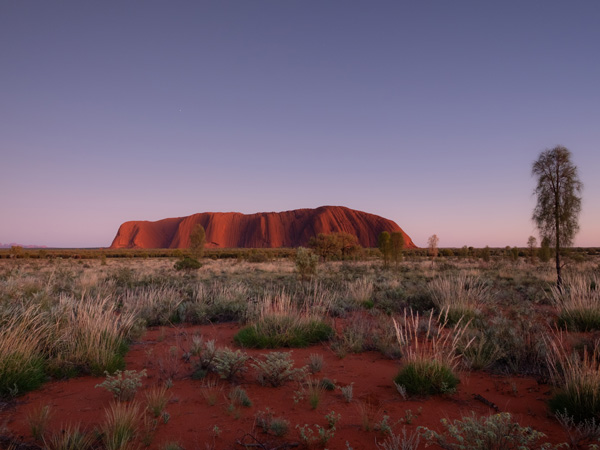
Sunrise at Uluru, NT
Witness Uluru change colour during sunrise. (Image: Simon Bradfield/Getty Images)

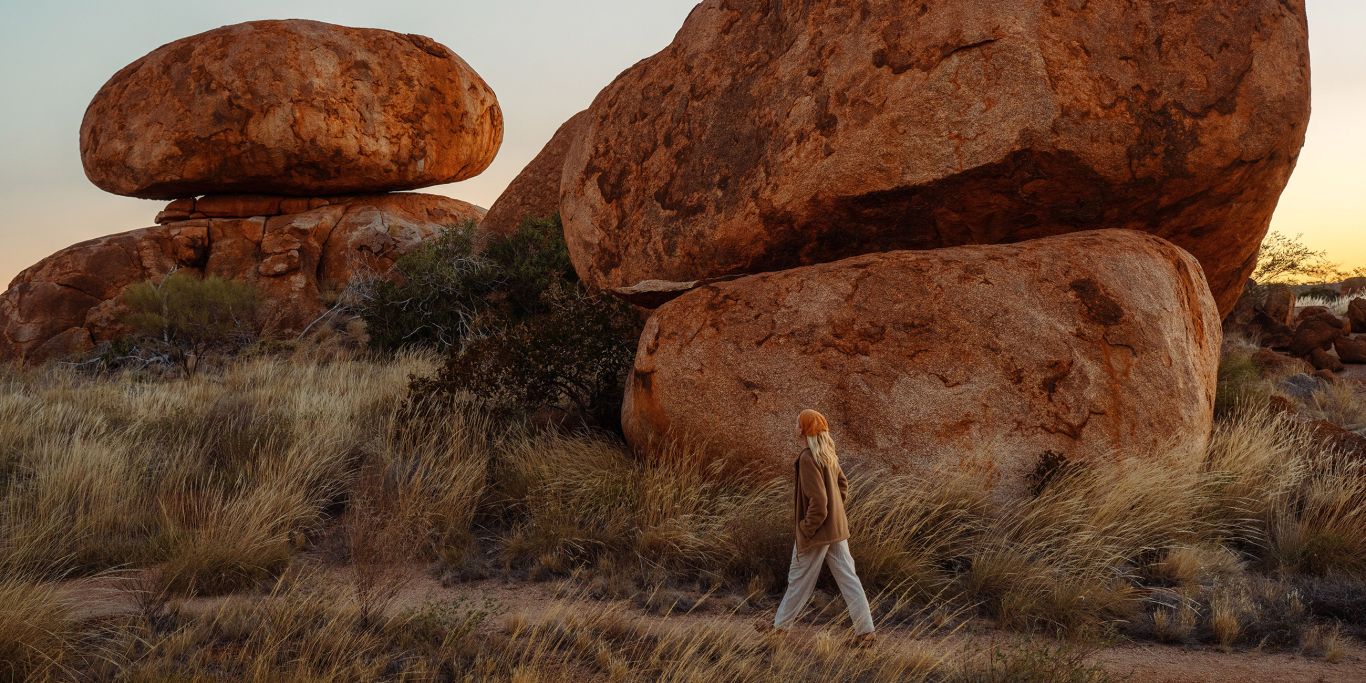
Timelessly beautiful, this 550-million-year-old monolith in Australia’s beating heart is, hands down, one of the best places to witness a sunrise. Uluru’s unique mineral composition, particularly its high levels of iron oxide, refracts the sun’s light as it moves across the sky, changing the colours of the rockface as it goes. Voted as the best place in the world for a sunset last year, Uluru would be just as magnificent come morning.

2. Byron Bay, NSW
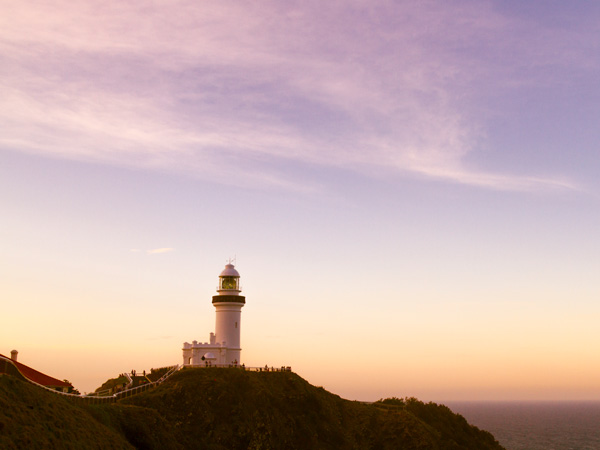
Sunrise in Byron Bay, NSW
Byron Bay is Australia’s most easterly point. (Image: Ampuero Leonardo/Getty Images)

Yes – Byron’s beautiful beaches, slow lifestyle and plethora of coastal lookouts make it perfect for catching a sunrise. But that’s not the (only) reason you should head here for an unforgettable sunrise. Byron Bay marks the most easterly point of Australia, meaning the sun technically rises here before anywhere else. Take the Walgun Cape Byron walking track and be among the first few to see the sun come up.

3. Cape Hillsborough National Park, Qld
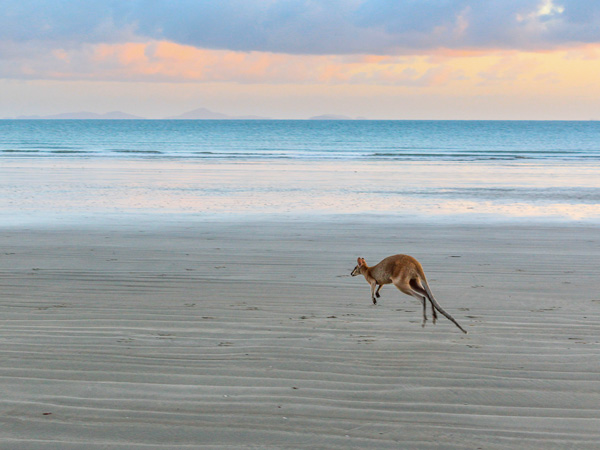
A kangaroo in Cape Hillsborough National Park, Qld
Kangaroos and wallabies gather on the beach as the sun comes up. (Image: Toni Aules/Getty Images)

Head to Queensland’s Cape Hillsborough National Park, and you won’t be the only one up early. This rugged natural landscape is home to large groups of kangaroos and wallabies that head down to the beach each morning. Gathering on the sand to feed and mingle, it’s the perfect opportunity to meet these iconic Aussie animals, all backdropped by a magnificent sunrise.

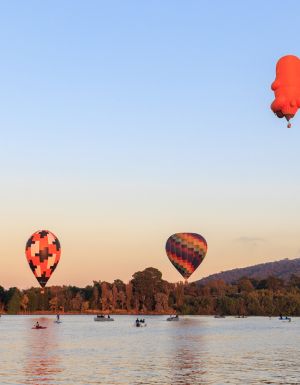
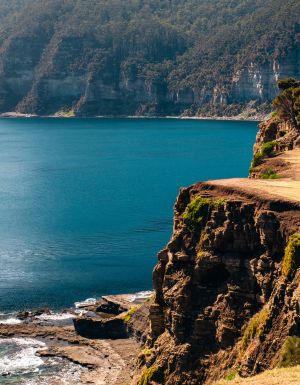
Other amazing sunrise spots around Australia include Canberra’s Lake Burley Griffin, Kunanyi/Mt. Wellington in Tasmania, the Remarkable Rocks on SA’s Kangaroo Island, Roebuck Bay in WA and The Grampians of Victoria.

Taylah Darnell
Taylah Darnell is Australian Traveller's Writer & Producer. She has been passionate about writing since she learnt to read, spending many hours either lost in the pages of books or attempting to write her own. This life-long love of words inspired her to study a Bachelor of Communication majoring in Creative Writing at the University of Technology Sydney, where she completed two editorial internships. She began her full-time career in publishing at Ocean Media before scoring her dream job with Australian Traveller. Now as Writer & Producer, Taylah passionately works across both digital platforms and print titles. When she's not wielding a red pen over magazine proofs, you can find Taylah among the aisles of a second-hand bookshop, following a good nature trail or cheering on her EPL team at 3am. While she's keen to visit places like Norway and New Zealand, her favourite place to explore will forever be her homeland.
See all articles
hero media

A must-visit list of Victoria’s most iconic spots

From natural wonders to historical sites, we’ve rounded up Victoria’s most epic icons that deserve a place on your itinerary.

Grampians (Gariwerd) National Park

Mount William peak in Grampians (Gariwerd) National Park
Mount William is the highest peak in the Grampians (Gariwerd) National Park. (Image: Matt Donovan)

From towering mountains to crystal cascades and ancient rock art sites, the Grampians (Gariwerd) National Park is a playground for both outdoor adventurers and nature lovers. Don’t miss the views from the highest peak Mount William or the iconic Pinnacle.

Murray River

A paddle steamer down the Murray in Echuca
The wonders of the Murray are best experienced on board a paddle steamer. (Image: Visit Victoria)

A natural icon of majestic proportions, the Murray River flows for a staggering 2700 kilometres, making it one of the world’s longest navigable rivers. Meandering through Victoria before flowing out to sea at Goolwa in South Australia, the river is home to diverse wildlife, picturesque towns and secluded creeks and beaches.

Twelve Apostles, Port Campbell

the Twelve Apostles, Great Ocean Road
The Twelve Apostles are a star attraction on the Great Ocean Road. (Image: Tourism Australia/Two Palms/Harry Pope)

These limestone sea stacks are arguably Victoria’s most famous icon . After an $8-million upgrade to its lookout, The Blowhole near Loch Ard Gorge/Poombeeyt Kontapool (meaning breath of the whale) has recently reopened. A brand-new Twelve Apostles Visitor Experience Centre, complete with rooftop lookout, will open in 2026.

You Yangs, Geelong

kangaroos in You Yangs
Kangaroos enjoy dusk in the You Yangs. (Image: Tourism Australia)

Rising 300-plus metres from the flat volcanic plains between Melbourne/Naarm and Geelong, the You Yangs are massive granite boulders named for the local Wadawurrung word ‘Youang’, meaning ‘big hills’. Hiking, biking, rock climbing and horse-riding are popular within this regional park.

Redwood Forest, Yarra Valley

Redwood Forest, Yarra Valley
Yarra Valley’s soaring Redwood Forest. (Image: Tourism Australia)

Near the town of Warburton, an extraordinary forest of some 1500 Californian Redwoods stands among native orchids, eucalypt trees and rich birdlife. Planted in the 1930s, these 55-metre-plus trees can live for 2000 years and will grow to be some of the world’s tallest.

Wilsons Promontory, Gippsland

the Wilsons Promontory
Wilsons Promontory is home to the incredible Skull Rock formation. (Image: Tourism Australia)

The Prom, as it’s known locally, is the southernmost tip of mainland Australia. This 50,000-hectare reserve comprises granite mountains and forest, fringed by sandy beaches and surrounded by a marine park rich in marine biodiversity. It’s also home to the incredible and imposing Skull Rock formation.

Hanging Rock Reserve, Macedon Ranges

the Hanging Rock Reserve, Macedon Ranges
Enigmatic Hanging Rock. (Image: Visit Victoria/ Rob Blackburn)

This six-million-year-old volcanic rock  was thrown into the national spotlight thanks to the 1967 novel and consequent 1975 film based on the fictional disappearance of schoolgirls in 1901. Mystery aside, visitors can walk the steep 105-metre summit, fish for trout and go twitching.

Sovereign Hill, Ballarat

exploring Sovereign Hill
Step back in time at Sovereign Hill. (Image: Tourism Australia)

Cry ‘eureka!’ at Sovereign Hill , a living museum to the prosperous Gold Rush era of the 1850s, during which Ballarat produced the most gold in the world. Visitors to this much-loved attraction can walk historic  streets, enter a gold mine and try panning for the good stuff, too.

The Great Stupa, Bendigo

Great Stupa, Bendigo
The Great Stupa in Bendigo. (Image: Tourism Australia)

Who’d have thought the largest Buddhist temple in the Western world would be tucked away in Bendigo’s bushland? Welcoming visitors to explore, this sacred Buddhist pagoda is an epicentre for Tibetan culture, architecture, art and interfaith harmony.

Cape Schanck Lighthouse, Mornington Peninsula

the Cape Schanck Lighthouse from above
Heritage-listed Cape Schanck Lighthouse. (Image: Tourism Australia/Two Palms/Harry Pope)

Ensuring the safe passage of ships in the notoriously treacherous Bass Strait since 1859, this heritage-listed lighthouse overlooks dramatic volcanic coast and wild beaches. The surrounding reserve is home to a plethora of wildlife including little penguins, seals and echidnas.