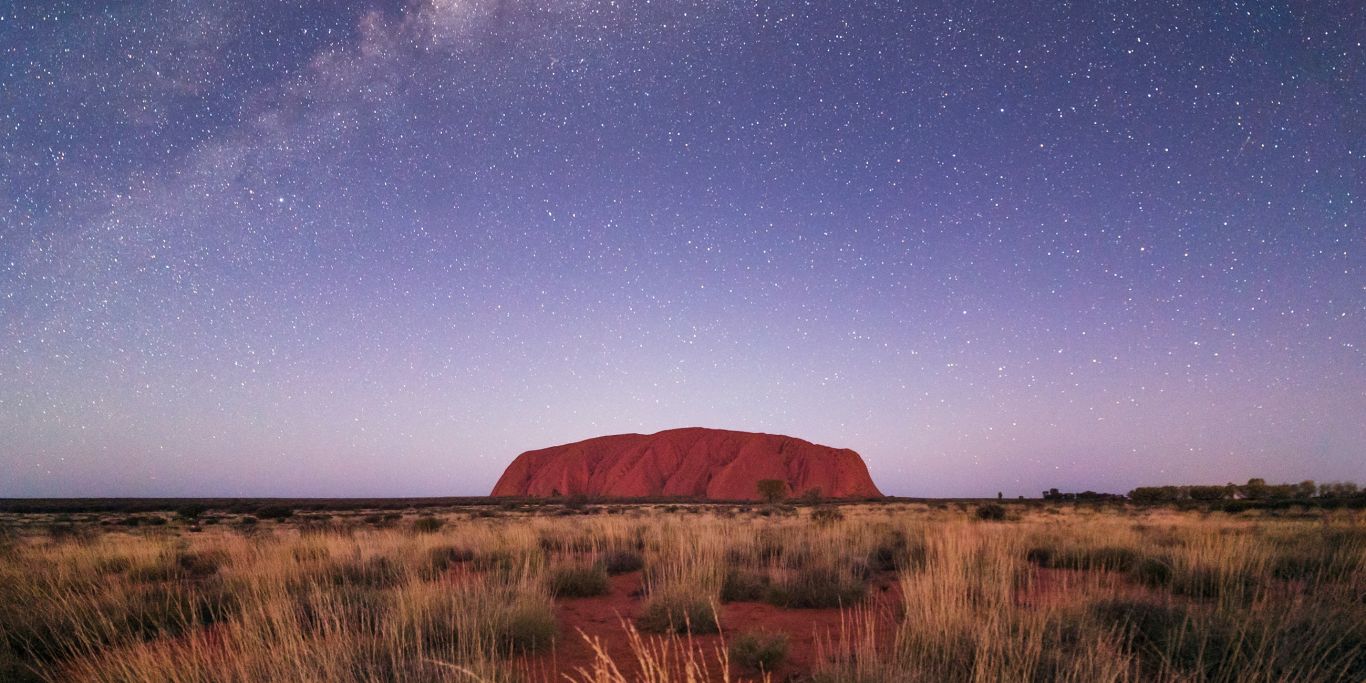


Uluru-Kata Tjuta National Park has earned a place among the world’s best golden hour destinations in a new global ranking.
Australia’s much-loved Northern Territory icon, Uluru-Kata Tjuta National Park, ranked joint eighth in the world for its incredible sunsets in new research from travel brand Kuoni, making it the highest-ranking destination in Oceania.
How was the ranking decided?
Scoring 88.22 out of 100, Uluru-Kata Tjuta National Park tied with California’s San Joaquin Valley. The study assessed 165 global destinations using a weighted index developed in partnership with Jim Dale, founder and senior meteorologist at British Weather Services.
Rather than relying on social media popularity, the ranking considered six factors: cloud cover, light pollution, artificial brightness, rainfall, wind speed and average sunset duration. Its weather data draws on five-year historical averages, so conditions will still vary on any given evening.
Where else made the ranking?
Taking out the top spot was Wadi Rum in Jordan, with a score of 95.92 out of 100, followed by Sossusvlei and Damaraland in Namibia. Australia also secured another place in the top 20, with South Australia’s Flinders Ranges ranking 14th with a score of 86.70 out of 100.
The two Australian entries offer a compelling reason to look inland for your next sunset escape. While coastal views often get the attention, the landscapes of Uluru-Kata Tjuta National Park and the Flinders Ranges offer something different: rugged rock formations with colours that change in fading light. They’re also known for delivering epic sunrises, so we’d suggest making a day of it to ensure you don’t miss any of the magic.
Need tips, more detail or itinerary ideas tailored to you? Ask AT.
AI Prompt
How to experience the best of Uluru
Located in the heart of the Red Centre on Anangu land, within the stunning Uluru-Kata Tjuta National Park, the enormous sandstone monolith has been sacred to the Yankunytjatjara and Pitjantjatjara people as a living cultural landscape for millennia and attracts more than 250,000 people each year, according to Parks Australia.
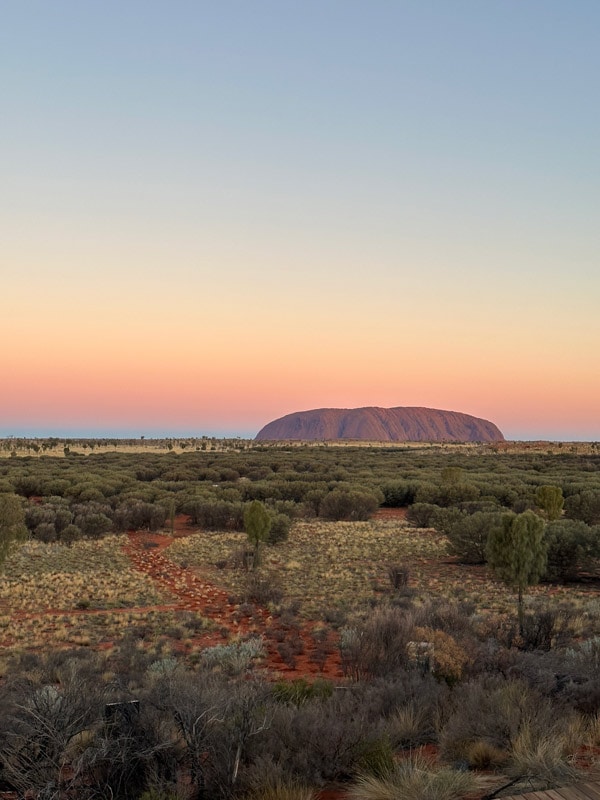
Although sunset and sunrise are the money-making times to see Uluru, it’s a magnificent site to behold from any angle at any time. The rock formation cuts its shape through the blue sky with ease; its browns, reds and oranges change hue throughout the day depending on the light.
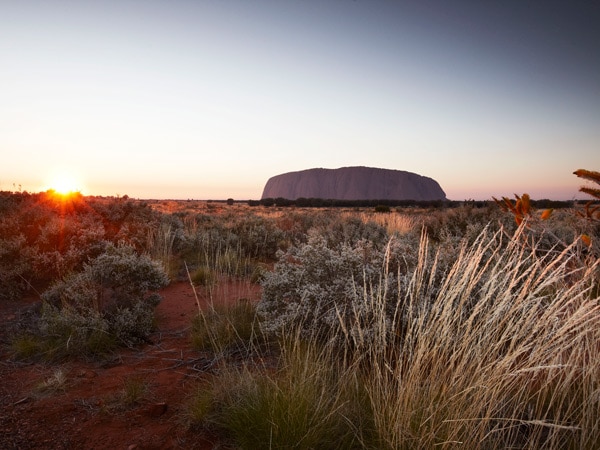
From guided walking tours and camel rides to dining experiences and helicopter flights, there are myriad ways to respectfully experience it.
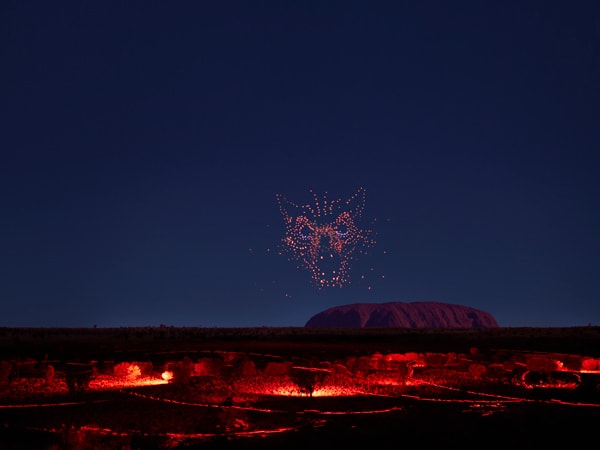
Wintjiri Wiru offers another way to experience Uluru after dark. The storytelling experience has been a major calling card for tourists, especially those who want to experience the site through a First Nations lens. The captivating show tells a chapter of the ancestral Mala story using drones, light and sound.
Want to see more stories from Australian Traveller in your Google search results?
- Click here to set Australian Traveller as a preferred source.
- Tick the box next to "Australian Traveller". That's it.


Jessica O'Donnell
View profile and articles