Why you should tick that carbon offset box when flying

hero media
Air travel is a notorious guzzler of fossil fuels, which should make offsetting a no-brainer for conscious travellers.

What is offsetting?

In layman’s terms, the concept of carbon-offset schemes effectively means you are paying a price to remove the emissions produced when you fly or drive by investing in programs that have a positive effect on the Earth, thereby cancelling out or neutralising your impact. Think of it as yin and yang with the added bonus of frequent flyer points. Programs that airlines or their offsetting partners contribute to include reforestation, landcare and social initiatives that prevent the same amount of CO2 entering the atmosphere through their actions.
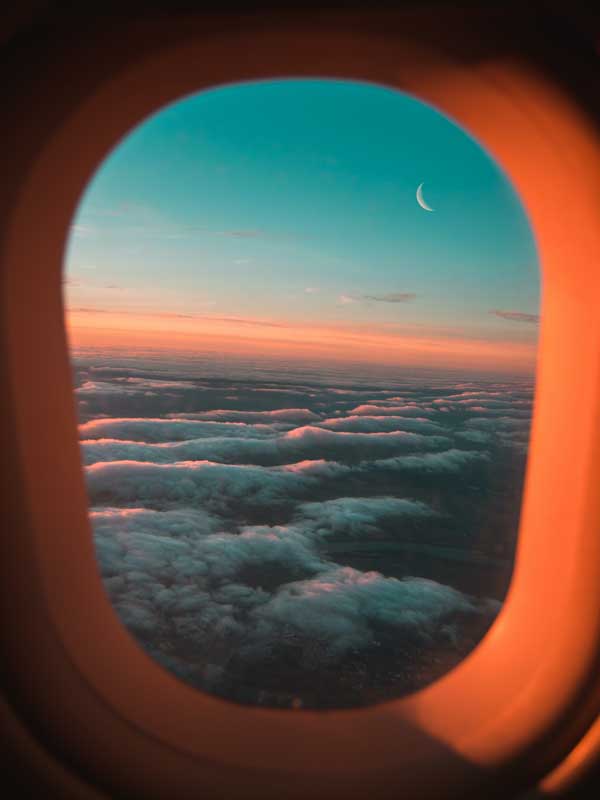
View from plane window
Cancel out the CO2 emissions you use when flying by offsetting.

Why should you do it?

Before the pandemic, research showed that greenhouse gas emissions from commercial air travel were growing at a much faster rate than previously predicted by the United Nations’ International Civil Aviation Organization (ICAO) – up to 70 per cent faster, in fact. And while we all bought into the silver lining of lockdown resulting in a dramatic drop in greenhouse emissions, the zeal with which we have taken to the skies again over Australia means this was just a pause in proceedings. Indeed, a return to the larger-than-forecast increases of the past will end up cancelling out initiatives like developments in engine and aircraft efficiency and clean fuels altogether. So, short of never flying again, offsetting is a tangible way to cancel out the damage you do every time you board a plane.
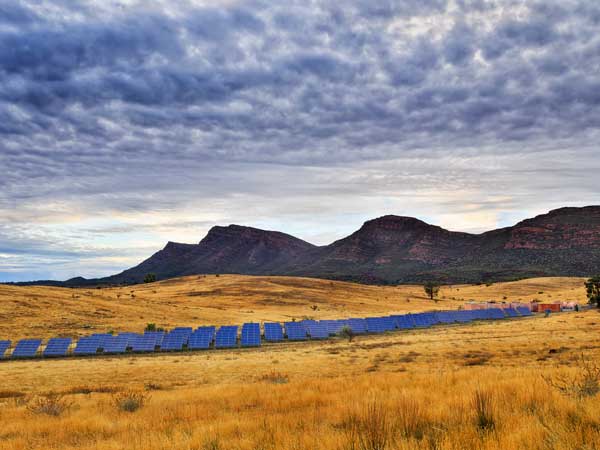
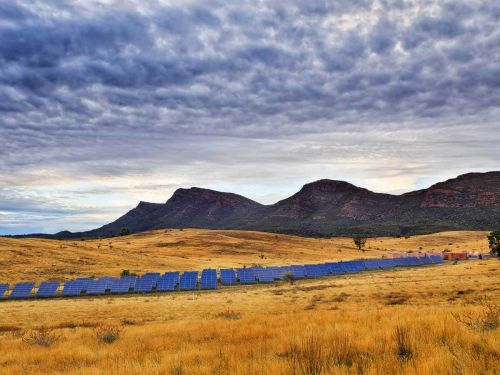
Solar panels in Flinders Ranges National Park SA
Carbon offsetting is one way we can support initiatives that work to fight against the damage we’ve already done.

What difference does it make?

Maybe the question should be: ‘What is the alternative?’ With many tipping points already reached when it comes to climate change, at this stage we have to work on the premise that every little bit counts because the alternative is actually too frightening to contemplate. A good rule of thumb, if you are concerned about where exactly the difference is being made when you offset, is to choose companies and not-for-profits that support Australian initiatives so you can see both the benefit and the results in action.

Sand dune conservation in Australia
Check that your carbon offsets support Australian initiatives so you can see both the benefit and the results in action.

How much does it cost?

Probably not as much as you think. While you would need an economics degree to properly understand the ins and outs of how carbon pricing works, and there is actually no standardised price on carbon, what we can tell you is that your emissions when flying are calculated based on the length of your journey, the type of aircraft you are travelling on and the cabin class you are seated in. All of this information is combined to produce a total CO2 emissions amount in tonnes, and then a charge is applied to this.
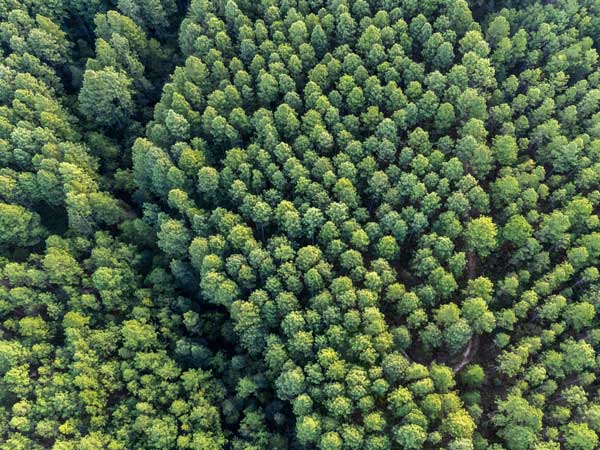
Drone view of pine plantation forests in the Sunshine Coast Hinterland
Protecting our green spaces is of paramount importance.

Greenfleet , a leading Australian not-for-profit environmental organisation established in 1997 with a mission to protect the climate by restoring forests, offers domestic carbon offsetting on both long-haul and short-haul flights. The cost of offsetting a return domestic short-haul flight (Melbourne to Sydney or Brisbane to Darwin) is just $14.40, while long-haul (Sydney to Perth or Melbourne to Broome) is $43.20.

It is often cheaper to offset through your chosen airline at the time of booking; a carbon-offset price for a return economy-class flight from Sydney to Adelaide on Qantas was just $3.30 when we logged onto the airline’s website, with an added commitment from the airline to match every dollar spent, doubling the positive impact (although we did note that ‘No thanks, not this trip’ is the default selection when the offsetting option appears in the booking process). Virgin Australia invests in programs that have social, environmental and economic benefits such as the Tasmanian Land Conservancy.
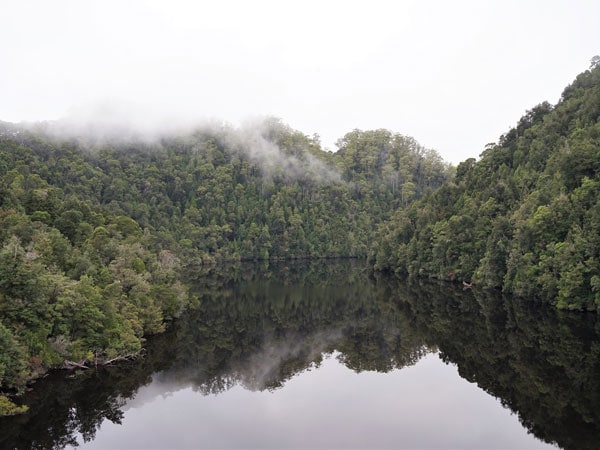
A tiny cloud hovers over the dark waters of Gordon River
Research where your carbon offsetting contribution goes. (Image: Gordan River Tasmania; Steve Madgwick)

The best ways to do it?

One of the easiest ways to offset your flights is directly through the airline at the time of booking. The option is usually presented towards the end of the booking process (after adding check-in baggage, choosing travel insurance, and booking a hire car…), so make sure you scroll through all the pages and keep your eyes peeled for it. Some airlines use a calculator that allows you to put in your flight details separately and then click to buy. If the airline you are travelling with doesn’t provide offsetting options, you can then opt to offset your flights yourself through an Australian-based offset company like Greenfleet or TEM .

For more tips and advice visit our guilt-free guide to sustainable travel.
hero media

Incredible day spas and hot springs to visit in Victoria

From geothermal pools and luxury spa sanctuaries, Victoria’s mineral-rich waters and restorative landscapes offer total renewal.

I pass waving coastal spear-grass and coast saltbush as I follow the curving path through 15 hectares of thoughtfully curated gardens at the Mornington Peninsula’s Alba Thermal Springs & Spa . I hang my robe at the entrance and slip into the first sunken geothermal pool I find – feeling the tension from the 90-minute drive from Melbourne melt away as I watch steam dance across the surface in the late afternoon light. There are 31 pools, a mix of geothermal, cold plunge and botanical, that range in temperature and design, spread over six regions.

a woman relaxing at Alba Thermal Springs & Spa on the Mornington Peninsula
Alba Thermal Springs & Spa on the Mornington Peninsula. (Image: Visit Victoria)

I gravitate toward The Hemisphere, with its dry sauna, steam room, cold plunge and dreamy open-air pool called The Hide. But it’s Alba’s brand-new Sanctuary that really elevates the experience. The five luxurious stand-alone villas and two additional studio rooms opened in June 2025 and feature an indoor fireplace, oversized bathtub with views across the bay, a deck and extensive all-inclusive (minus the cocktails) mini-bar.

After dining at Alba’s Thyme restaurant, I return to my villa, content to fall asleep early listening to the fire crackle, feeling thoroughly restored. While Alba is one of the newest in the region, it’s certainly not the only place to enjoy a soothing soak. Here are others to book for a wellness weekend.

Hepburn Bathhouse & Spa

A woman bathes in the new Hepburn Bathhouse and Spa private bathing room with marble tiled walls
The marble private bathing room is one of five new designs. (Image: Supplied)

Nestled in the Daylesford region, Hepburn Bathhouse & Spa has been welcoming guests to its historic bathhouse for 130 years. With a $1.7 million renovation now complete (part of the 21st season of Channel 9’s The Block), find five new private bathing rooms, an apothecary experience where guests blend a custom body scrub and all-new spa treatment menu.

There are three bathing areas: Bathhouse for communal bathing for all ages, adults-only Sanctuary and a private bathing space for a personalised experience – try the skin-softening Mineral Milk Bath.

Lake House Daylesford

the pool at Lake House Daylesford
The main pool at Lake House Daylesford. (Image: Visit Victoria)

Inciting deep exhales, the spa at Alla Wolf-Tasker’s iconic Lake House has long been a beacon of wellness in the region. Tucked into the cottage gardens that wind down to the lake’s edge, the spa is beautifully and deliberately cloistered away from guests and diners visiting the celebrated on-site restaurant.

From Ayurvedic facials and hydrotherapy that makes use of Daylesford’s mineral waters, to cocooning thermal rituals and massage, treatments here promote tranquillity. While a day spa experience is delightful on its own, staying on the property adds a luxe layer to your corporeal renewal, especially if you’re in your own private spa villa.

Metung Hot Springs

the Metung Hot Springs' glamping tents by the river
Glamping tents at Metung Hot Springs. (Image: Emily Godfrey)

Imagine immersing yourself in a barrel overflowing with geothermal water, all while taking in views of Gippsland Lakes. It’s one of several unique bathing experiences available at Metung Hot Springs .

There’s also a floating sauna and a Reflexology Walk constructed with carefully placed stones designed to stimulate the acupressure points in your feet as you walk. The 12-hectare site opened in 2022 with three bathing areas – Bathing Ridge, Lagoon Precinct and Hilltop Escarpment – and premium glamping tents that feature king-size beds and private bathing barrels.

Four more blissful day spas to visit

Lon Retreat & Spa is an award-winning, adults-only retreat on the Bellarine Peninsula.

Deep Blue Hotel & Hot Springs features sensory caves and cleansing waterfalls in Warrnambool.

Peninsula Hot Springs renews with 70 bathing and wellness experiences.

The Benev is an indulgent spa and luxury accommodation in Beechworth.

the Peninsula Hot Springs
Bathe in beautiful surroundings at Peninsula Hot Springs. (Image: Tourism Australia/Harry Pope/Two Palms)