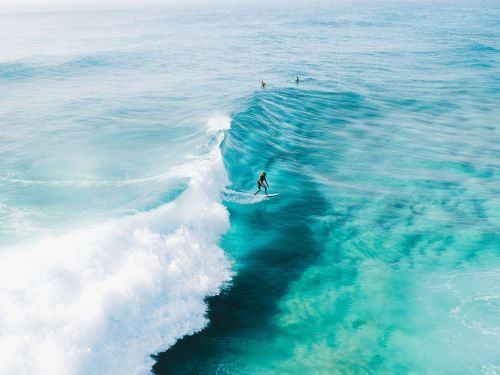
It’s time to splash out at Australia’s next beachside holiday hotspots and discover a raft of new ways to enjoy life by the water.
Journey with our writers as they take you into Australia’s top emerging aquatic experiences from our 100 Emerging Destinations and Experiences series.
1. Time in the sun for Brisbane’s low-key island gem
Travelling with: Susan Gough Henly
Minjerribah/North Stradbroke Island or Straddie to the locals, might live in the shadow of its big sister, K’gari (Fraser Island), but this beach getaway surrounded by aquamarine waters is a closely held secret. When Sydneysiders and Melburnians cram into Queensland’s Gold and Sunshine coasts during the school holidays, those in the know keep this low-key gem to themselves.
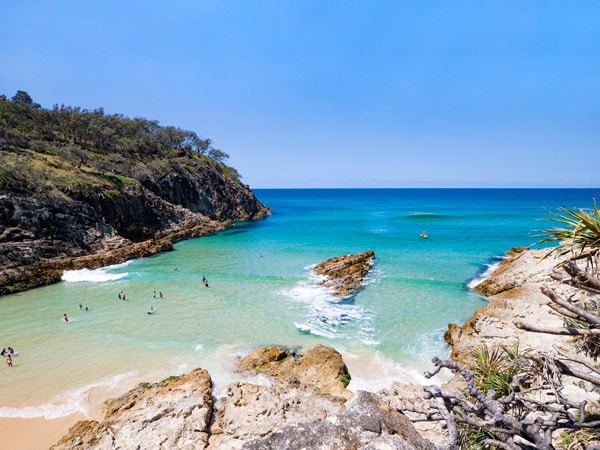
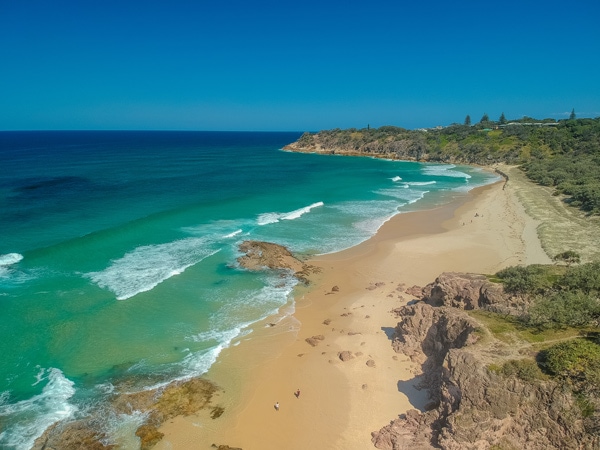
While it may be only one-sixth the size of K’gari, this 37-kilometre-long sliver of sand is the second-largest sand island in the world with a mind-boggling array of powdery white beaches. It’s just 45 minutes across Moreton Bay from the Brisbane suburb of Cleveland and once you get off the ferry, you’re on ‘Straddie time’.
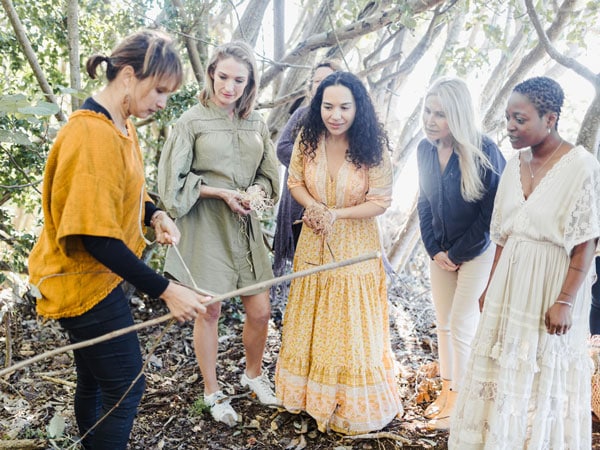
The Traditional Owners, the Quandamooka people, have a long unbroken history on Minjerribah and artist Delvene Cockatoo-Collins beautifully showcases their totems in weavings and artwork at her shop in Dunwich on the western side of the island. There’s a lot to love on Straddie. Take the North Gorge Walk to Point Lookout, one of the world’s best land-based whale-watching sites. You’ll also spot dolphins, manta rays, turtles, ospreys and sea eagles throughout the year.
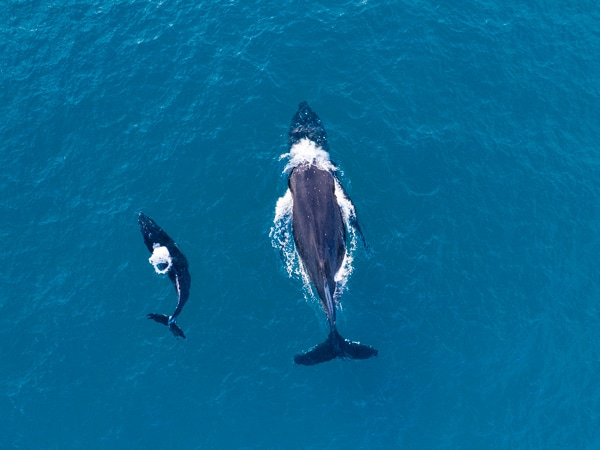
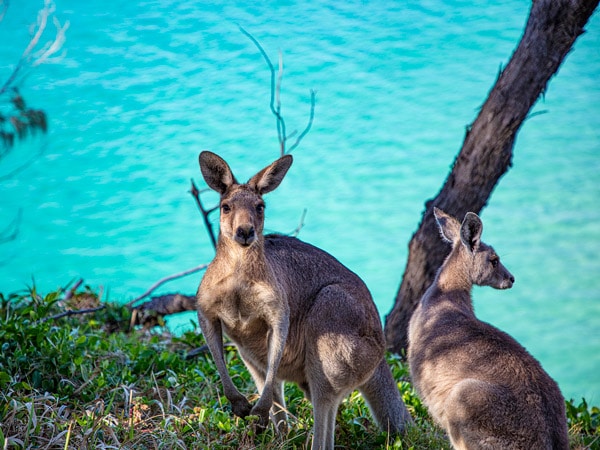
The lawns around the Point Lookout Surf Club are a favourite spot for sundowners and a hangout for eastern grey kangaroos. You’ll also see koalas, dolphins and all manner of birdlife at Amity Point. Manta Lodge and Scuba Centre offer dives in summer to see manta rays and speckled leopard sharks, and you can listen to whale song underwater in winter.
Stay at the refurbished Beach Hotel , glamp at Bradbury’s Beach or rent one of the many Brisbane architect-designed holiday homes; pick up local prawns from Rufus King Seafoods; and savour Straddie’s own homemade gelati at Oceanic Gelati & Coffee Bar with its majestic view of the ocean.
2. Western wellness on Dirk Hartog Island
Travelling with: Bonita Grima
“We are best reminded of our true essence when surrounded by Great Nature," says yoga instructor Lara Dwyer, motioning to the ocean in front of us. “Out here we see how reliably the sun rises, how gracefully the seasons change and how effortlessly water flows without resistance to the currents. By mirroring nature and aligning ourselves with her rhythms, we too can move with greater ease," Lara explains.
We are learning about the Vedas – ancient knowledge gathered from Hindu texts that teach how to live in harmony with the elements. And although we’re not in India, I agree Dirk Hartog Island is the perfect classroom as I sit cross-legged on the mat, soft-gazing out to sea.
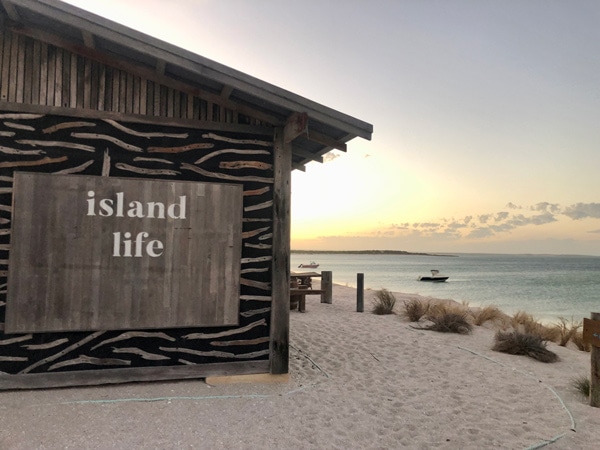
We have travelled – over turquoise waters and coral cays – from Shark Bay’s tiny airport on the mainland to Western Australia’s largest island and the country’s most westerly point – to experience its first wellness retreat. Packed with daily yoga and meditation classes, outdoor fitness sessions, luxurious massage treatments and comforting meals full of fresh goodness from the Gascoyne region, we learn that wellness here extends beyond just our physical bodies.

Resting within the Shark Bay World Heritage Area, 750 kilometres north of Perth, Wirruwana – as it’s known to Traditional Owners, the Malgana people – is as diverse as it is beautiful. From wild western cliffs to calm eastern beaches and rolling sand dunes to marine sanctuary zones, Dirk Hartog Island is globally renowned not only for its rich history, but for its significance as a haven for endangered animals and birds. Granted national park status in 2009, the Department of Biodiversity, Conservation and Attractions’ Return to 1616 Project has seen the gradual restoration of the island’s flora and fauna to the way it was before the arrival of Europeans.
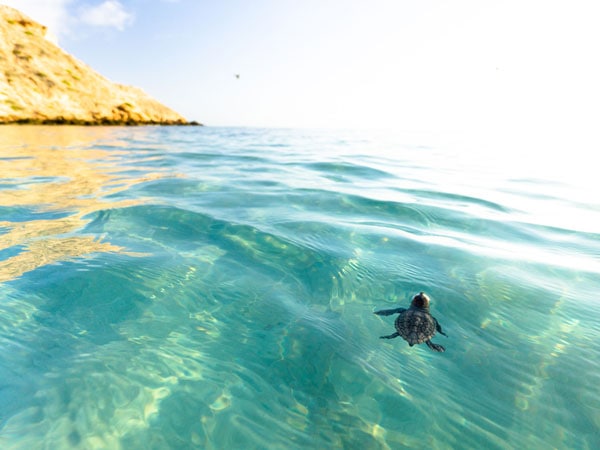
The successful eradication of feral cats, sheep and goats in recent years, combined with the reintroduction of native animals such as dibblers, Shark Bay bandicoots and western grasswrens, means the number of rare animals is rising. We witness evidence of this firsthand during a nocturnal wildlife excursion – spotting two rufous hare wallabies and one Shark Bay mouse within the first 10 minutes of our walk.
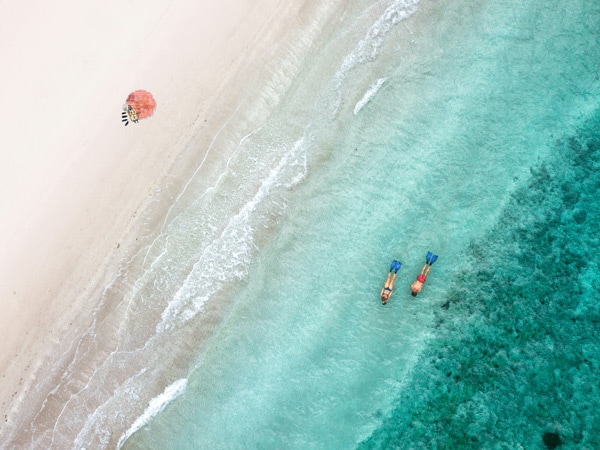
Marine life here is abundant too. And though visible from our paddleboards and kayaks within the eco lodge’s protected bay, a boat trip to the island’s best snorkelling spots has us swimming with colourful reef fish and sighting sharks, loggerhead turtles, pelicans, pied cormorants and dugongs along the way.
Living in harmony with nature is a way of life for the island’s sole residents, Kieran and Tory Wardle, who have raised their children here. Sharing the vision of Kieran’s grandfather, Sir Thomas Wardle – who purchased the island’s pastoral leasehold in 1968 – the couple have transformed the former pastoral station into one of the country’s top ecotourism destinations and believe the wellness retreats are an additional way to give back. “Island living unplugs you, keeps you active and takes you back to basics," says Tory. “We want to give people a taste of that, but also provide practices to take away, making healthy living sustainable."
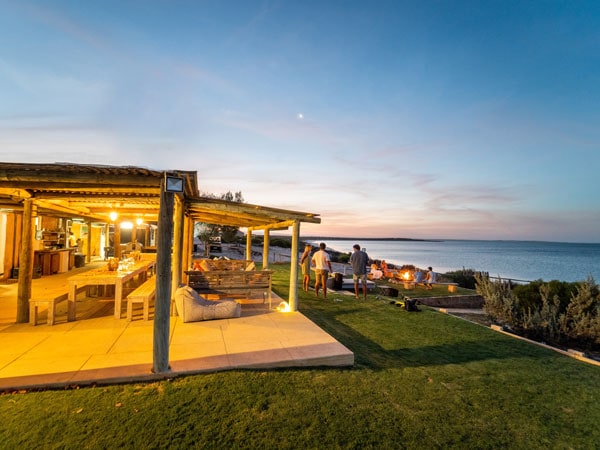
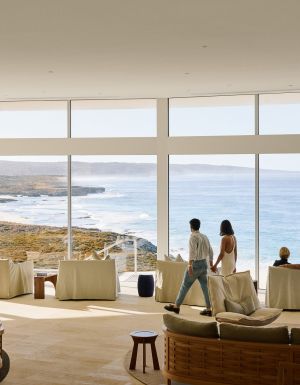
Converted from the old shearer’s quarters, the eco lodge where we are staying oozes rustic luxury. With ocean-facing rooms, outdoor eating and lounging areas, and a beach-shack bar that’s considered to be Australia’s most remote, it’s the perfect place to cast away cares. Finding flexibility and balance is part of island life and a philosophy the Wardles intend to continue with their retreats.
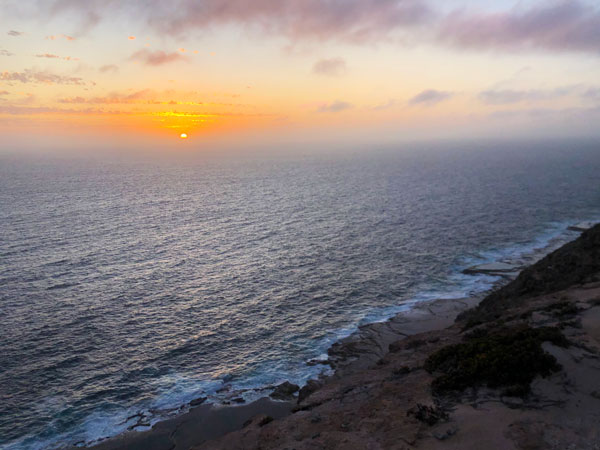
Starting with an early-morning yoga class, a day here could see you running along a coastal trail in the morning, pausing with a drink made from Dirk Hartog Island Distilleries ’ Inscription Gin in the late afternoon, followed by a clifftop meditation session and ending with the wonder of ‘Australia’s last sunset’ at the island’s most westerly point. Five-day retreats run quarterly with the next scheduled for 28 May – 3 June.
3. Do the big lap of Australia by sea
Travelling with: Kassia Byrnes
There’s a new way to see Australia arriving in 2025 and it comes with comfort, luxury and nautical miles. Viking has announced a Grand Australia Circumnavigation cruise, which will make its way around our stunning coastline and beyond over 32 days.
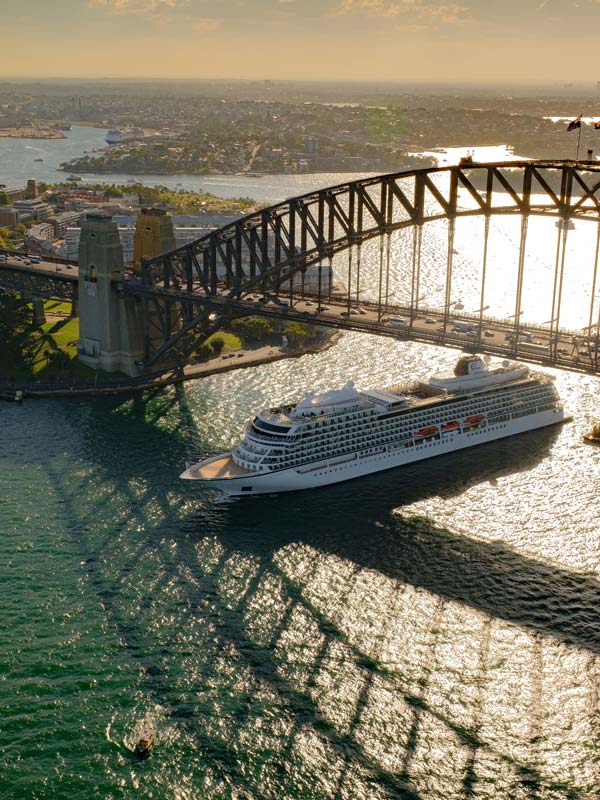
Wave goodbye to Sydney Harbour before sailing up the coast to Cairns with stops in the Whitsundays and more before hitting the Arafura Sea at the Top End. From here you’ll divert to Indonesia for stops in Komodo and Bali before circling back to where you started via Western Australia, South Australia, Victoria and Tasmania. Phew!
4. The Barrington Coast’s crowning beach
Travelling with: Megan Arkinstall
I had mixed feelings when I saw the second place-getter crowned by Tourism Australia’s ‘Beach Expert’ Brad Farmer as one of his favourite stretches of sand for 2023. Don’t get me wrong, I wholeheartedly agree that Boomerang Beach, on NSW’s serene Barrington Coast, is one of Australia’s best. This pristine arc of sand is bookended by headlands that create both a sheltered swimming spot and excellent surf conditions. But alas, the secret is now out.
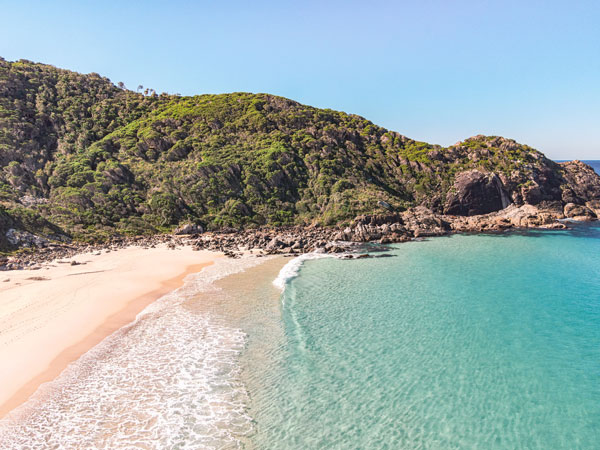
Simplicity is the lure of Boomerang Beach in the nostalgically named Pacific Palms region, which cues memories of sun-soaked school holidays spent in retro beachside motels. Neighbouring Blueys Beach is the main hub where you’ll find chilled Indo-inspired Kembali Cafe , Hueys at Blueys pizzeria , a bottle shop, deli and small supermarket. Blueys has a consistent beach break and boasts views towards isolated surf village Seal Rocks to the south.
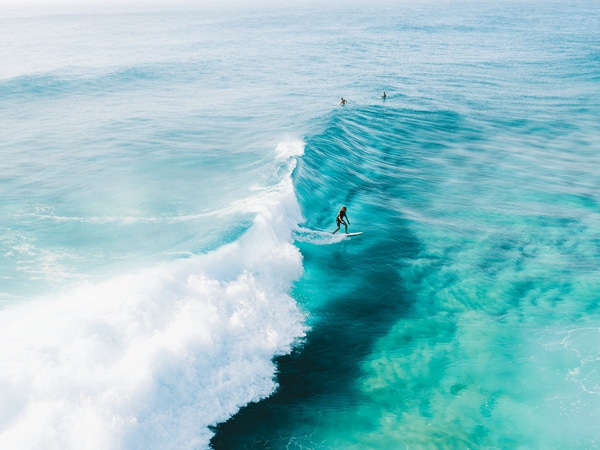
In the other direction, you’ll find Booti Booti National Park, an eight-kilometre peninsula wedged between the Pacific Ocean and Wallis Lake. Meaning ‘plenty of honey’ in the local Worimi language, this protected paradise comprises walking tracks through coastal rainforest and white-sand swimming spots such as remote Seven Mile Beach and family-friendly Elizabeth Beach. If you crave more hustle, take the 25-minute drive north to Forster.
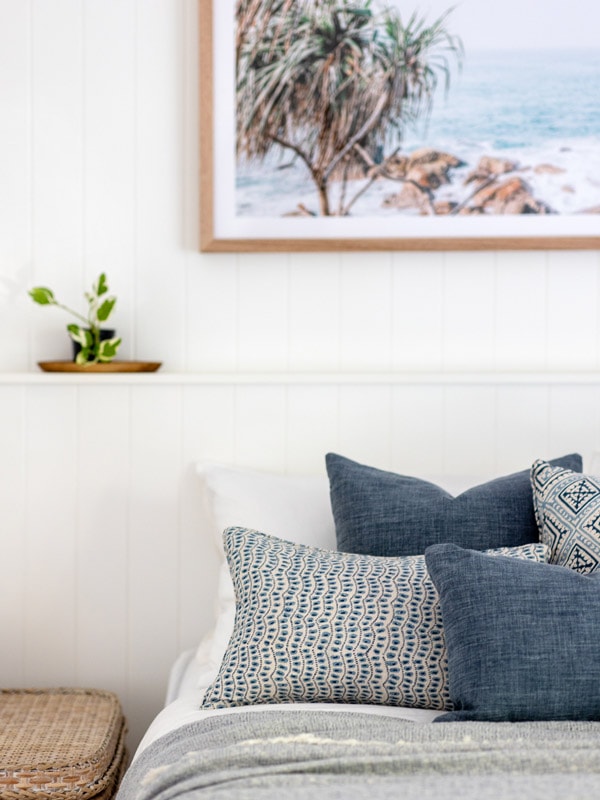
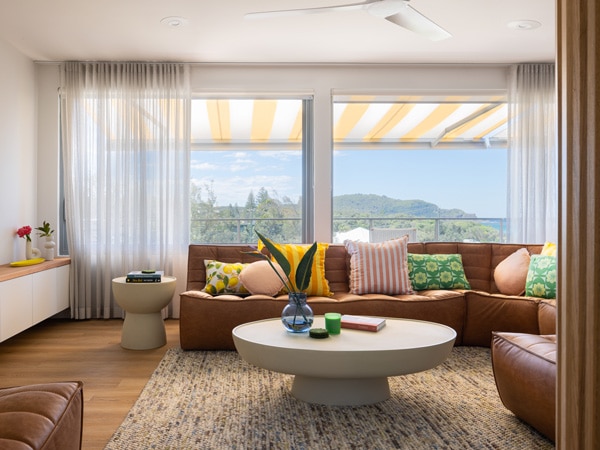
Embark on a road trip with your favourite crew and bunker down in one of Hola Palms ’ beautiful holiday homes in Boomerang Beach, such as bright and cheerful townhouse Sundays or luxe four-bedroom house Mahalo. Here you can spend your days with sandy feet and salty skin bouncing between beach and pool. When night falls, the place to be is around Mahalo’s outdoor fire pit sipping sundowners and cooking up a feast in the pizza oven. Bliss.
5. Eco exploration in Mission Beach
Travelling with: Taylah Darnell
The quiet stretch of Tropical North Queensland known as Mission Beach has been thrust into the spotlight. Netflix miniseries Irreverent unfolds here, bringing this little slice of the Cassowary Coast to the small screen.
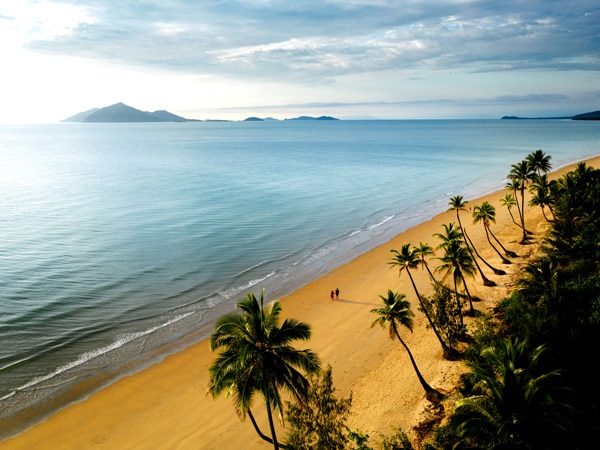
Yet fame shan’t tinge the heart of this sleepy beach town, which is full of genuine locals, palm-laden shores and outdoor adventures. Think hidden swimming holes, waterfalls, island-hopping and diving tours.
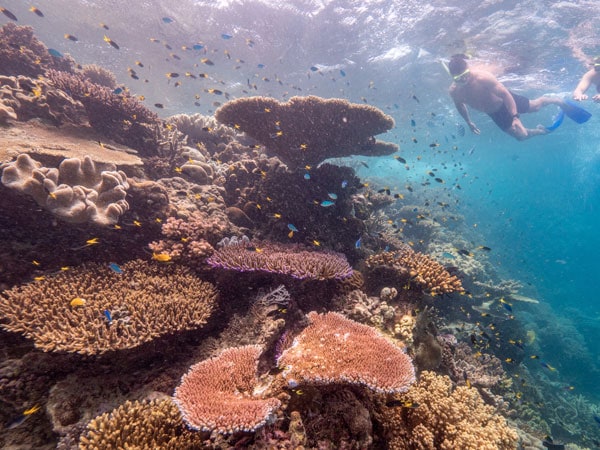
The Cassowary Coast is currently on its journey towards ECO Destination Certification, which means visitors to the region can take solace in the fact that the gorgeous environment they’re exploring is sustainable, nature-based and protected.
6. Conquer Australia’s longest whitewater trail
Travelling with: Emily Murphy
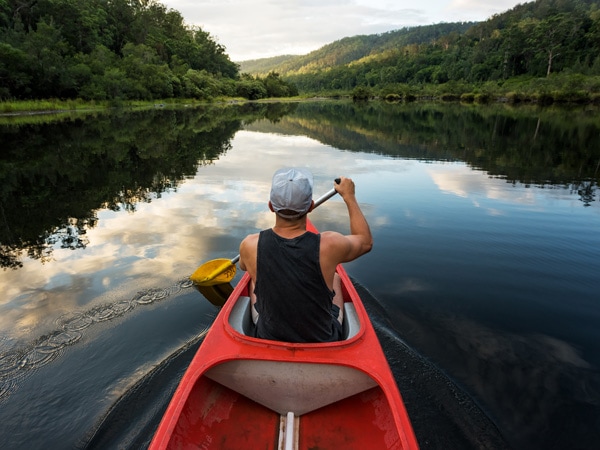
Seek adventure and that’s what you’ll find on the Clarence Canoe and Kayak Trail in northern NSW’s Clarence Valley. Combining the Nymbodia, Mann and Clarence rivers, the 195-kilometre trail is the longest-mapped whitewater trail in Australia.
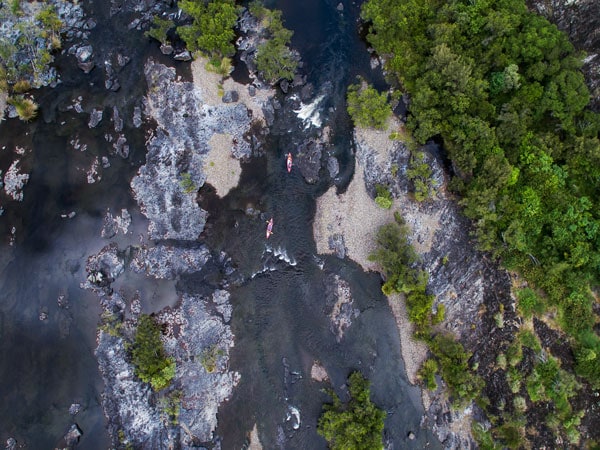
This gem is split into eight sections of varying difficulty for you to pick and choose what suits your skill level – whether that be waterfalls and unhinged rapids with names such as Tombstone and Demolition Derby or mellow cruising downriver. However you experience the trail, you’ll be left in awe of the natural beauty that it encompasses.
7. Go remote in the Nuyts Archipelago
Travelling with: Taylah Darnell
For those seeking their next Australian adventure, a remote and paradisiacal collection of islands await you off the coast of South Australia’s Eyre Peninsula. Be one of only 60 people a year that explore Nuyts Archipelago on a three-night expedition with EP Cruises that accentuates the splendours of this protected marine area in the Great Australian Bight.
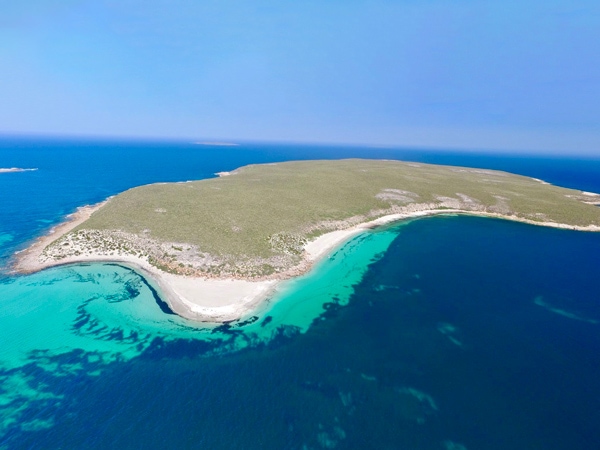
With room for only 10 expeditioners and three crew members, you’ll get a remarkable insight into the islands, beaches, reefs and wildlife that call the Nuyts Archipelago home. The expedition includes all camping and safety gear, a double swag, bathroom and kitchen facilities and rare island experiences such as cliff jumping, swimming with dolphins, birdwatching and nocturnal tours.
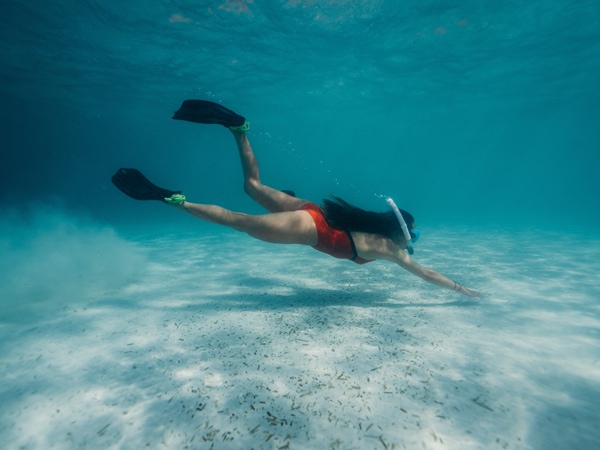
8. First Nations perspective on the Tiwi Islands
Travelling with: Elizabeth Whitehead
Our little six-passenger plane judders over the Beagle Gulf as we head north of Darwin. Despite our pilot’s assurance that the flight is “basically a milk run" for him, my heart still thumps in tandem with the whirring jet engine. But the anxiety quells once the Tiwi Islands come into view. The land below is rich and ripe with green, spliced with rivers strewn out like ribbons that oxbow and horseshoe across the terrain.
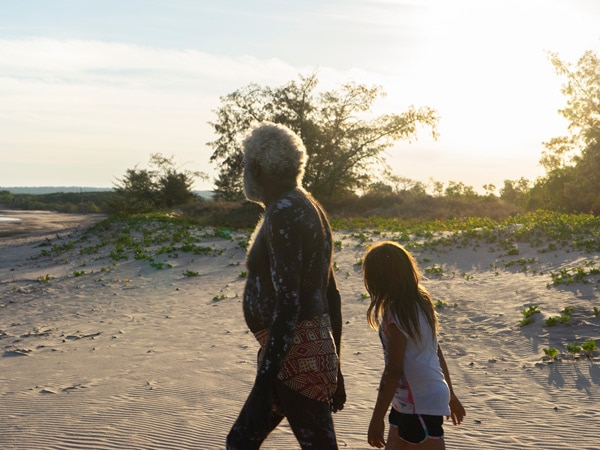
Tiwi Elder and educator Edward ‘Teddy’ Portaminni is our guide, showcasing island life through Tiwi art, nature, history and storytelling. A former school teacher, Teddy now runs Tarntipi Bush Camp, an educational tourism experience and the only First Nations-owned accommodation on the Tiwi Islands. Teddy is enthusiastic about teaching visitors about bush food, so they can “learn the bush tucker we had a long time ago".
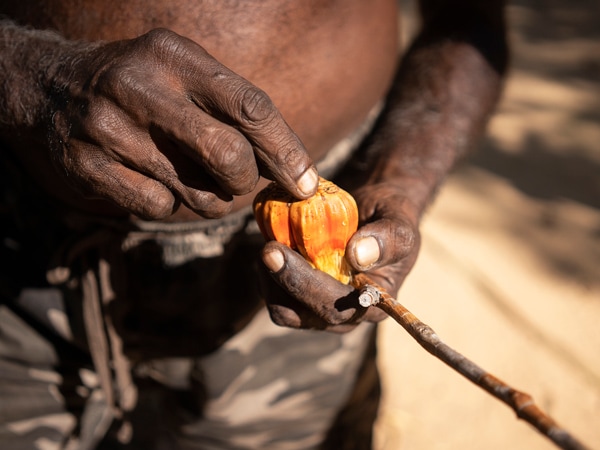
As we walk, he plucks sour billy goat plums from the trees for us to try and yanks a pandanus leaf from its trunk. “You can use this for weaving baskets, or boil it up to cure a stomach ache. Or you can wear it," he says with a grin, wrapping the leaf around his head. He keeps it on for the rest of the tour.
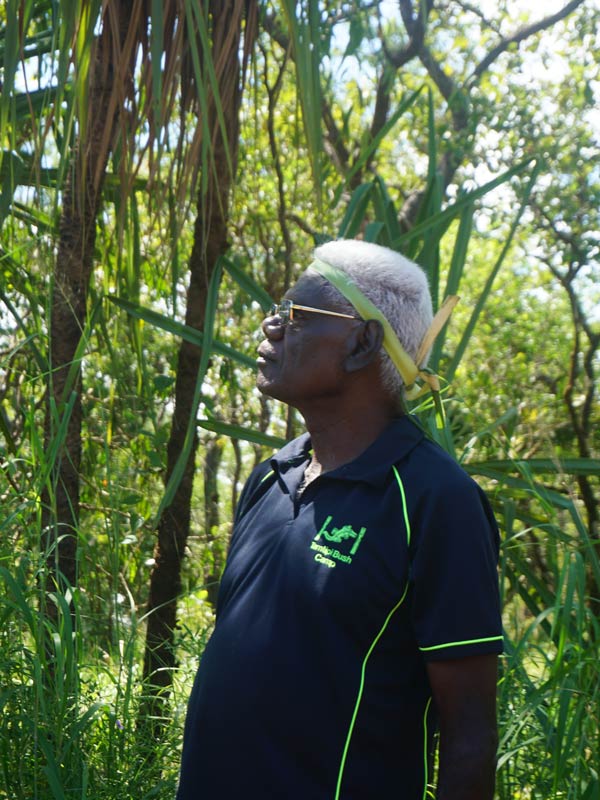
Visitors to Tarntipi Bush Camp can expect to dine on fresh fish that Teddy has caught and prepared that day. Teddy is a keen fisherman with hook and line, but also in the way he tells stories, too. He speaks with a stillness and equanimity that reels you into fascinating yarns about life growing up on Bathurst Island, Tiwi culture and local creation myths.
9. The secret beach that’s a favourite with Darwin locals
Travelling with: Leah McLennan
Mindil Beach, Casuarina, Nightcliff… Darwin is known for its postcard-worthy sunset spots. But the surrounding coastline boasts a treasure trove of sublime beaches where you can admire the twilight far from the crowds.
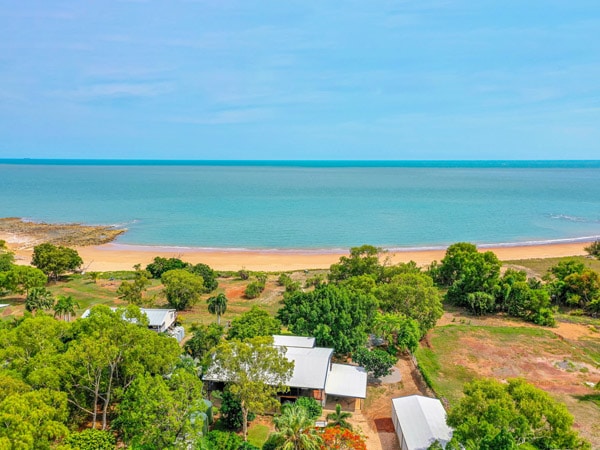
A local secret up in the Top End, Wagait Beach on the Cox Peninsula is a teeny oceanfacing community 10 kilometres west of Darwin by sea. For a sprinkling of warm golden sand, punch Wagait Beach into Maps and let the ferry take you from Darwin’s Cullen Bay to Mandorah Jetty. With a population of around 465, it won’t be long before you’re recognising friendly faces as you comb for shells and settle in for sunset on the dog-friendly beach.
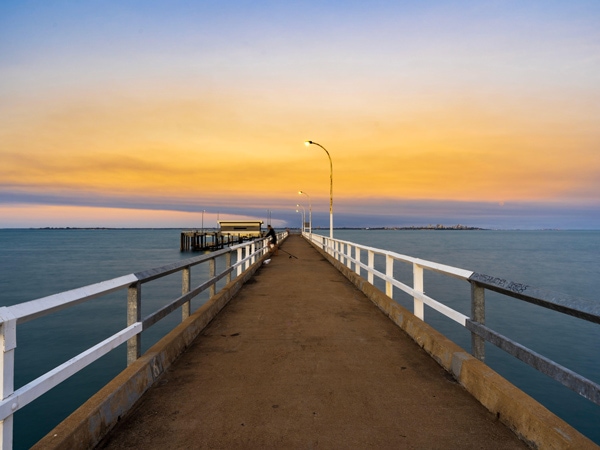
For dinner, throw in a line to catch queenfish, trevally or mackerel at the Mandorah Jetty or just relax at the Cox Country Club. When you’re ready for a kip, check into Golden Sands Retreat, a four-bedroom beauty with a plunge pool and private access to the beach. History buffs can pay a visit to the wreck site of Milady, a US bomber that crashed in the Second World War.