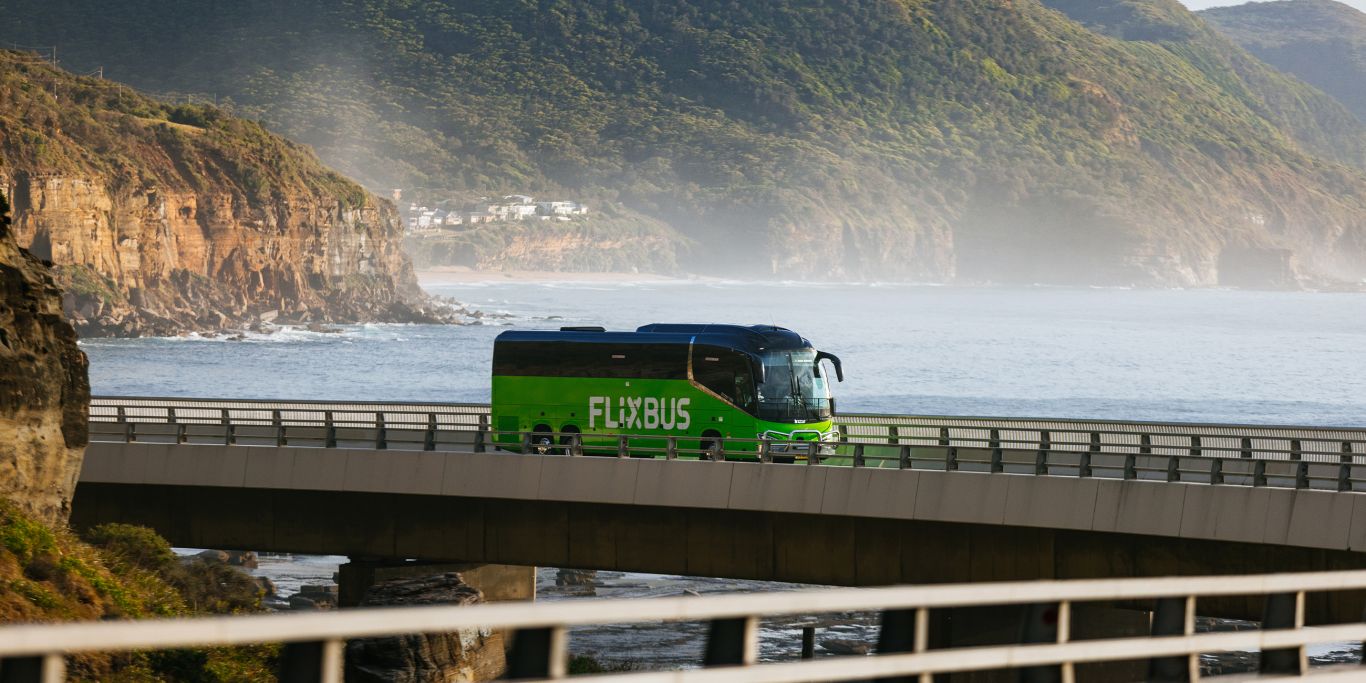
Cheaper, greener and smarter travel is coming to the East Coast.
If you’ve ever dreamed of a smarter, easier and more sustainable way to travel Australia without the chaos of airports or the exhaustion of long days behind the wheel, your prayers may have been answered. European travel company FlixBus has landed in Australia, shaking up the long-distance bus scene by offering a more affordable and greener travel option to get you from A to B, just in time for the end-of-year holidays.
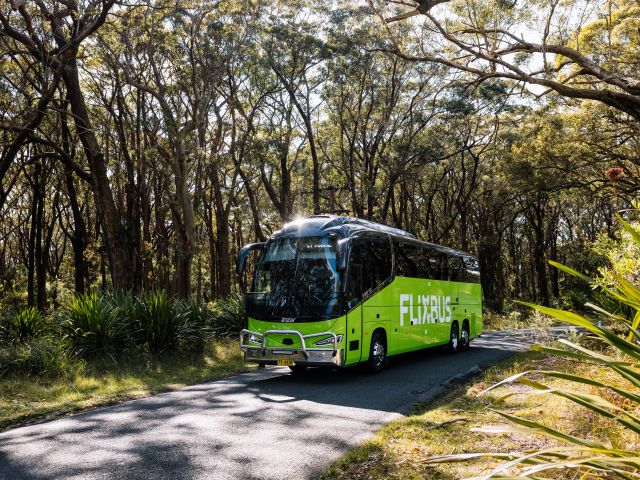
FlixBus is making its Aussie debut.
Known for its lime-green buses, FlixBus operates over 400,000 routes to more than 8,000 destinations in over 40 countries. German travel company FlixBus is taking to Australian roads. New bus services will connect Melbourne, Canberra and Sydney, with 12 daily Canberra–Sydney services and several Melbourne–Canberra–Sydney connections, including stops at Albury, Sydney Airport (domestic and international), and Central Station.
“We are proud to officially mark our entry into Australia, our 45th market, a significant milestone in our mission to shape the future of long-distance bus travel," said André Schwämmlein, CEO and Founder of Flix. “This launch reflects how our scalable tech platform and partnership model enable sustainable growth across continents and reinforces our commitment to a long-term, sustainable presence in every market we enter."
FlixBus is renowned for offering budget-friendly transportation.
The milestone marks the 45th country in which FlixBus operates, establishing its presence on five continents and strengthening its commitment to delivering budget-friendly, sustainable and easy travel options across the globe.
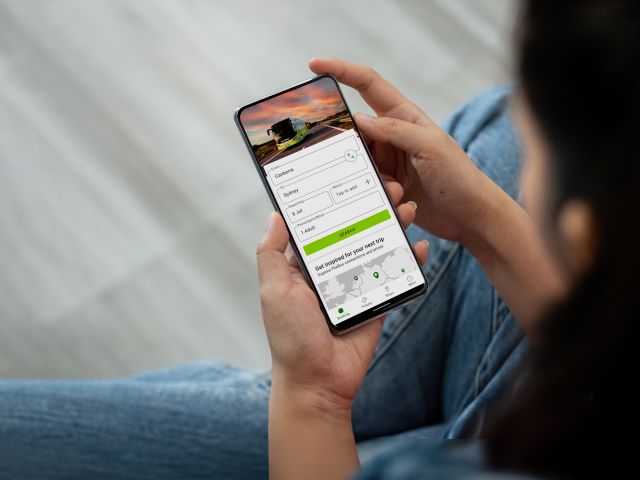
Onboard features will include free wi-fi, power outlets, toilets and comfortable seats with extra legroom. Long-distance bus travel is considered more environmentally sustainable than flying or driving alone, and the company is committed to achieving net-zero emissions by 2050 globally. FlixBus stands out for its frequent and affordable rides that skip fewer unnecessary detours and an easy-to-use app and booking platform.
The FlixBus app is easy to use.
Operations will begin on 20 November with tickets on sale now. To inspire you to jump onboard, FlixBus are offering tickets for as little as $9.99 until the end of November. FlixBus plans to expand its Australian network over time.
Whether you’re travelling home for the holidays, keen to explore the east coast of Australia or need a more affordable long-distance work commute, FlixBus is set to transform the way we travel.
Rachael Thompson is Australian Traveller's Evergreen Editor and a self-proclaimed cheese and Chablis connoisseur. In her role, she creates and manages online content that remains relevant and valuable over time. With a background in publishing and e-commerce in both interior design and travel, Rachael is dedicated to curating engaging content that informs and inspires. She began her career at Belle magazine, then went on to become Senior Content Producer at Homes to Love focusing on Australian House & Garden and Belle, followed by Editor at Bed Threads. Her work has also appeared in Qantas Travel Insider. When she's not writing, editing, or optimising content, Rachael enjoys exploring the city's newest restaurants, bars, and hotels. Next on her Aussie travel wish list are Uluṟu-Kata Tjuṯa National Park and Lord Howe Island.
Traipse Jurassic cliffs and wander secluded beaches on Australia’s most enchanting walks.
Australia’s landscapes are made for hiking. Take the Red Centre, dusted in shifting sands and dotted with miraculous geological formations. Or our rainforests, left behind as the sole souvenir from continents that no longer exist. Down south, mottled night skies hang above crashing seas and unwavering cliffs. It makes sense, then, that hiking holidays are rising in popularity. No wi fi, no traffic. Just you and the path less travelled on the Great Walks of Australia in remote and iconic destinations.
What are the Great Walks of Australia?
If nature is your happy place, you’ve likely heard of the Great Walks of Australia, part of Tourism Australia’s Signature Experiences program since 2013 – a curated collection of 15 all-inclusive, eco-luxury journeys showcasing the country’s most spectacular landscapes with expert guides and incredible meals. GWOA launching in 2013 as
From exploring the peaks of a World Heritage listed island, to journeying through the heart of Australia, and the gentle pull of the majestic Murray – there’s a walking holiday to suit walkers of all experience levels (and interests).
Joining a Great Walks of Australia hike means the pressure is off with all meals, guides and eco-luxury accommodation included.
Where can you hike?
1. Scenic Rim Trail, Queensland
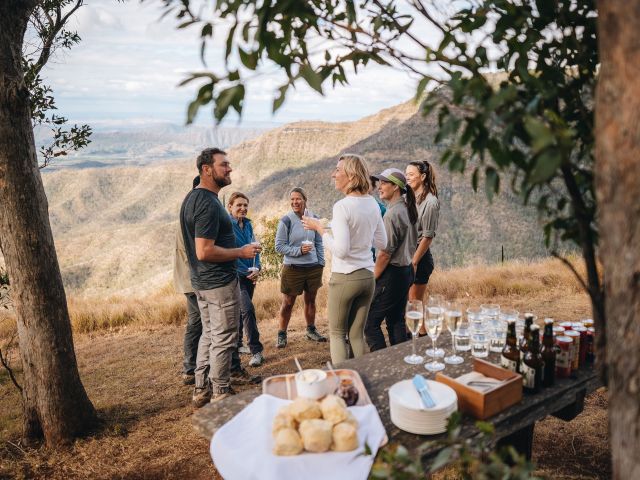
Enjoy incredible food along the way.
Around 23 million years ago, volcanoes spewed magma across Queensland’s Scenic Rim . Now, what’s left of the fiery landscape takes the form of the UNESCO-listed Gondwana rainforest.
The Scenic Rim Trail is a four-day guided hike that takes you through the ancient rainforest. You’ll venture out into breathtaking viewpoints across the Main Range National Park. Enjoy a packed lunch, listen out for the duplicitous calls of the lyrebird and enjoy the silence.
You’ll spend your nights in boutique eco-cabins and incredible hospitality.
2. Murray River Walk, South Australia
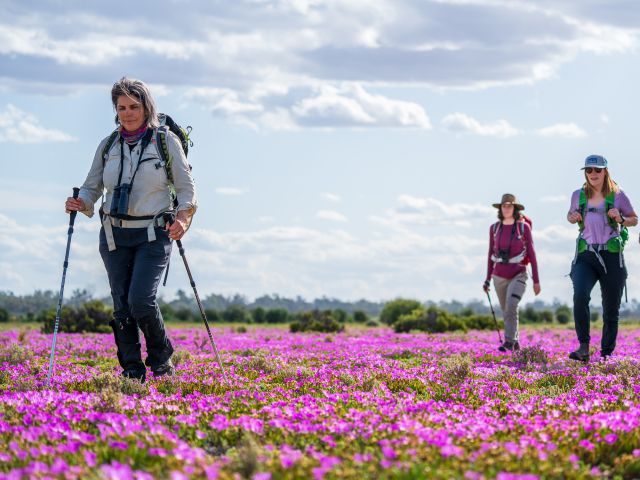
Walk through vibrant wildflower fields.
Murray River Walk pairs easy hiking with blissful evenings cruising the Murray River. Over four days and nights, you’ll follow kangaroo trails through red dirt dusted with vivid patches of wildflowers.
Each day ends on a solar-powered, custom-built houseboat. Watch towering, red sandstone cliffs float by from the top deck spa. Then, it’s three-course meals sourced from local produce and served alongside the region’s best wines.
The entire region you’ll be traversing is within the Riverland Ramsar site. Watch as spoonbills forage for food in the tranquil wetlands, emus parade through the wildflowers, and regent parrots flit above.
3. Maria Island Walk, Tasmania
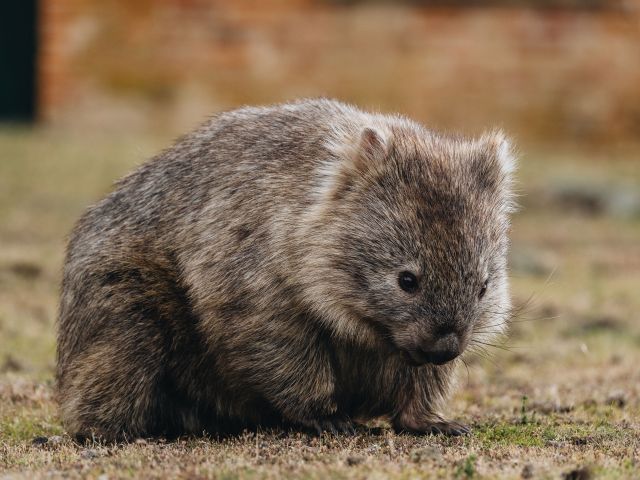
Spot adorable locals.
Your Maria Island walk begins with a private boat transfer to an untouched, white sand beach. Barefoot in the sand, you’ll quickly realise – aside from your guide and group – you’re completely alone. Spot countless wombats and hear the distant calls of Tasmanian Devils as you spend four days leisurely traversing the island.
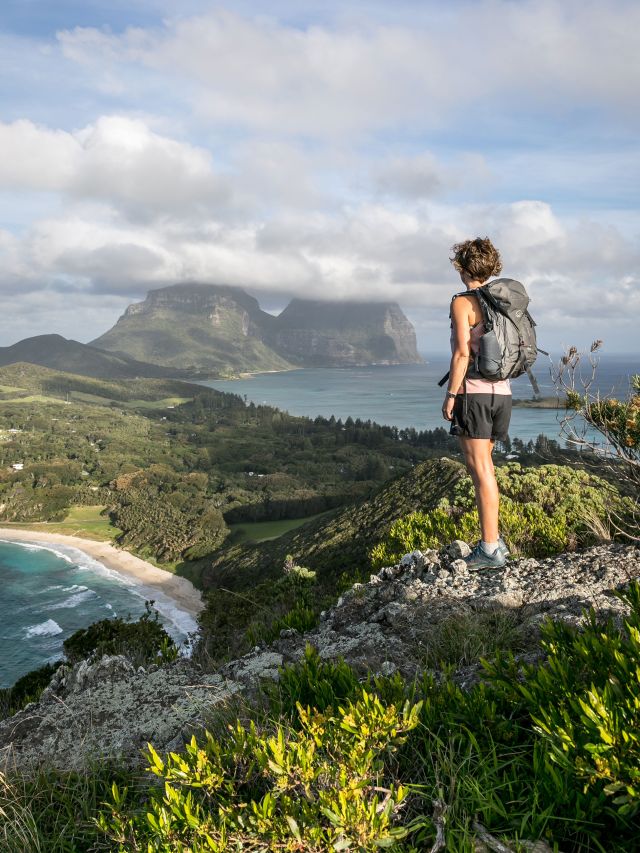
Explore the incredible Lord Howe Island. (Image: Luke Hanson)
Lord Howe Island feels like another world. With its patchwork blue coral lagoons and magma-honed peaks, it’s easy to forget you’re in New South Wales.
This walk has the highest level of elevation in the Great Walks of Australia’s collection. It’s because of this that you’ll witness nature like never before. UNESCO-listed volcanic peaks and coral reefs that grew out of solidified lava will become your daily norm.
Along the way, step onto beaches that lie undisturbed for weeks at a time. Then, snorkel the southernmost reef in the Pacific Ocean.
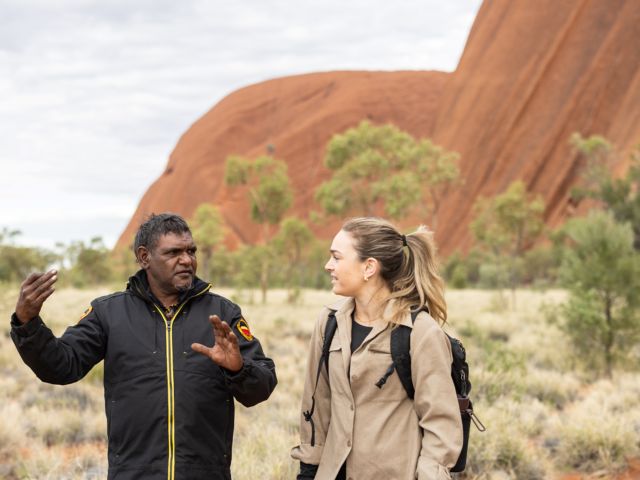
This five-day, fully guided, premium hiking experience inside Uluṟu-Kata Tjuṯa National Park was developed in partnership with Aṉangu Traditional Owners. Begin your walk dwarfed by the shade of Kata Tjuṯa’s towering dome formations. Following remote desert trails through the red sands, crest dunes and traverse mulga woodlands as you draw closer to the monolithic walls of Uluṟu.
Each night, dine under the lamp light of the Milky Way in the warm desert air and sleep in new flagship, environmentally sensitive private camps and lodge. This is the first time that travellers have ever been allowed to spend the night inside the national park.
6. The Twelve Apostles Signature Walk, Victoria
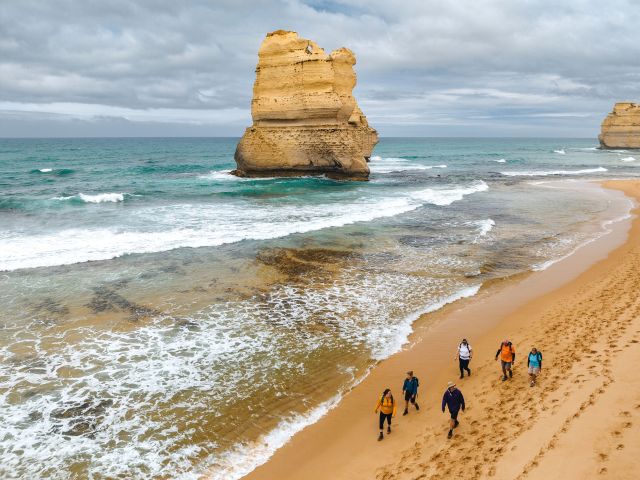
See the Twelve Apostles in a new way. (Image: Ken Luke)
The Great Ocean Road’s rugged splendour is best experienced on this signature four-day, 44-kilometre guided walk . You’ll follow the rugged limestone stacks of the shipwreck coastline: wild, crashing waves, curious wildlife, and two national parks.
Finish each day at your luxurious lodge, where you’ll sit with your feet soaking and a glass of wine in hand. You’ll have a single lodge to call home on this walk, meaning you’ll only need to set out with a day pack.
7. Three Capes Signature Walk, Tasmania
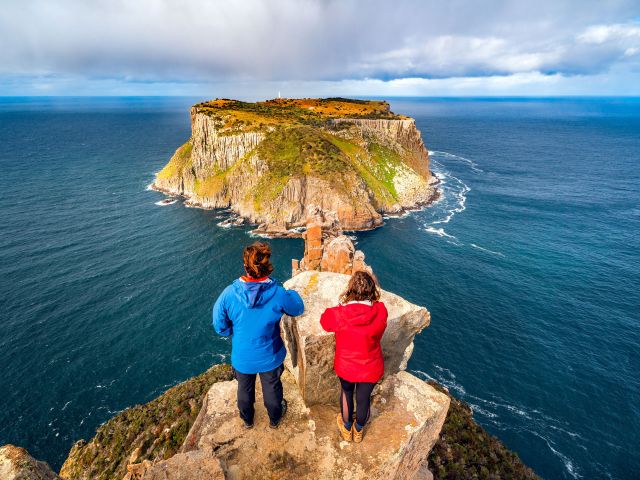
Walk along the edge of the world. (Image: Luke Tscharke)
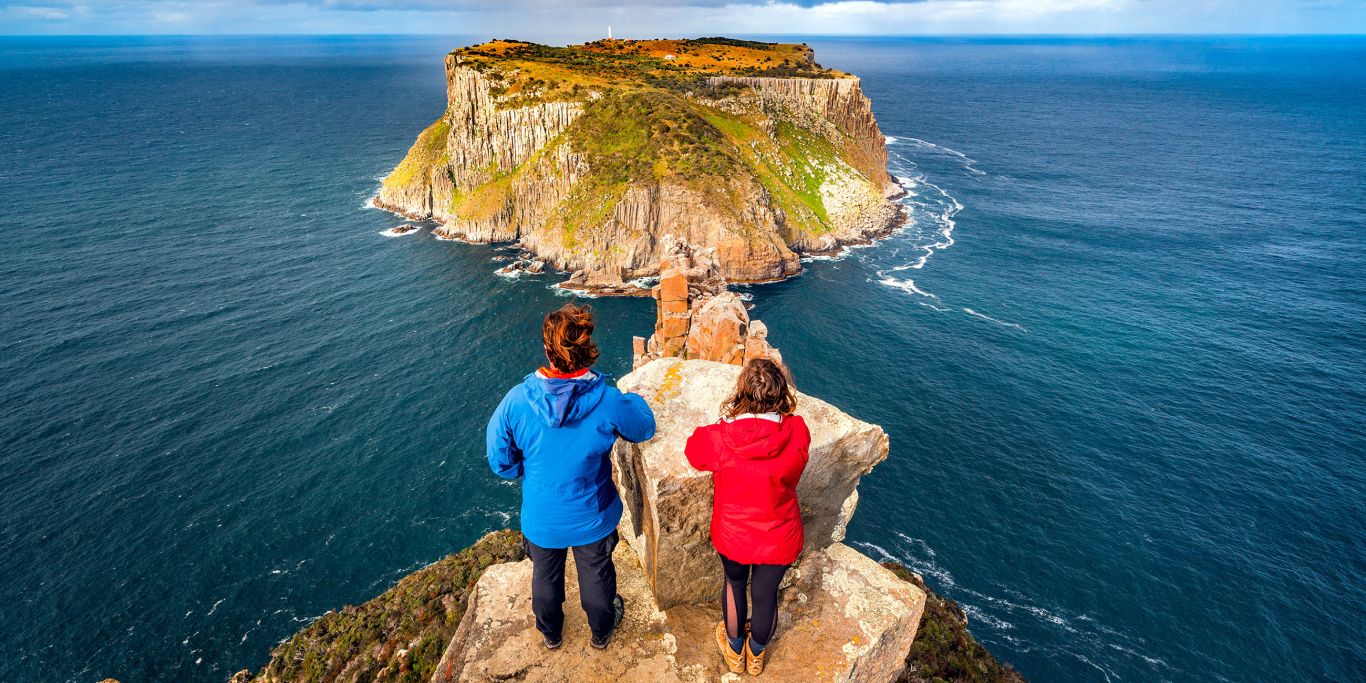
On Tasmania’s Three Capes Signature Walk , you’ll feel like you’re walking along the edge of the world. From your boat landing on a remote beach, climb slowly upward for spectacular views and wildlife encounters with pods of dolphins, fur seals and echidnas. Spend days walking Jurassic dolerite cliffs with the wild Southern Ocean as your only constant.
Stay in architecturally designed eco-lodges nestled at the very edge of the world. Think floor-to-ceiling windows, a plunge pool and even an on-site spa to tend to ailments from the hike.