From destination diners and spirits that distil a sense of place to twists on the classics and a national dish (read: sausage sizzle), these are the culinary treasures that fuel our foodie obsessions.
This article is part of our 100 Australian Wonders series. Throughout the series, we explore our nation’s wonders across culture, nature, food, islands and many more. We hope it inspires your own exploration of Australia’s many wonders.
1. Aboriginal Bush Traders cafe, NT
Travelling with: Elizabeth Whitehead
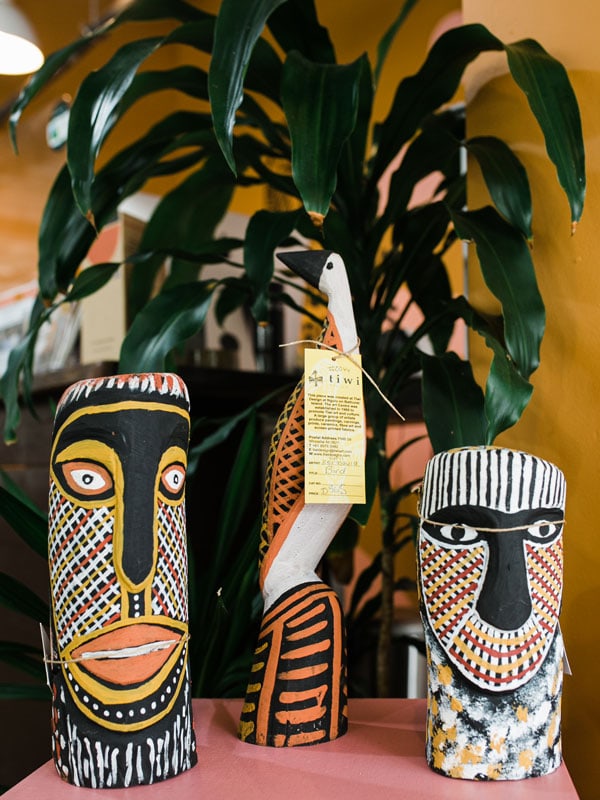
This not-for-profit organisation in Darwin’s CBD brings a bush tucker twist to classic Aussie brunch. Ancient flavours take on a modern spin with delights such as bush tomato shakshuka, granola served with tangy Kakadu plum compote and pies flavoured with bush spices.
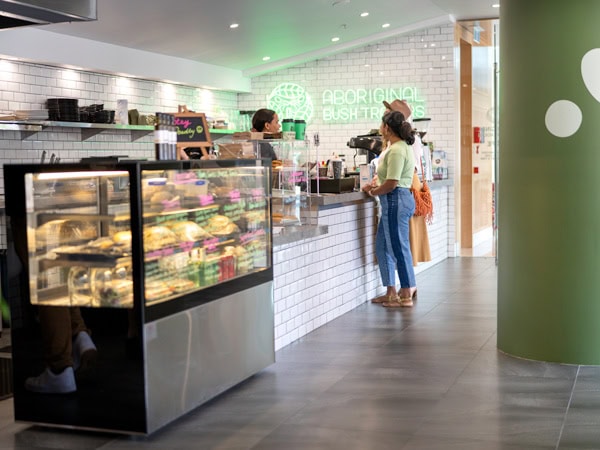
Refresh with an iced Rosella tea, and be sure to check out the art gallery and shop attached, featuring a dazzling array of Indigenous art, bush food and bush skincare. All proceeds go towards supporting local Indigenous communities.
2. Aussie oysters
Travelling with: Elizabeth Whitehead
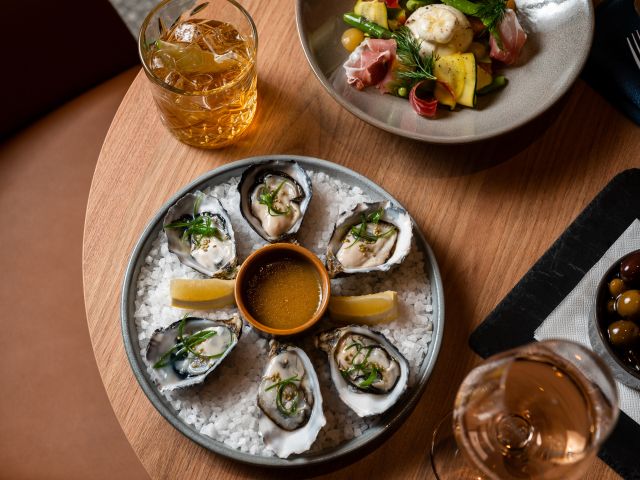
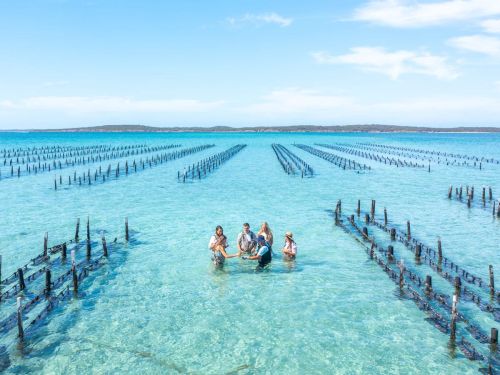
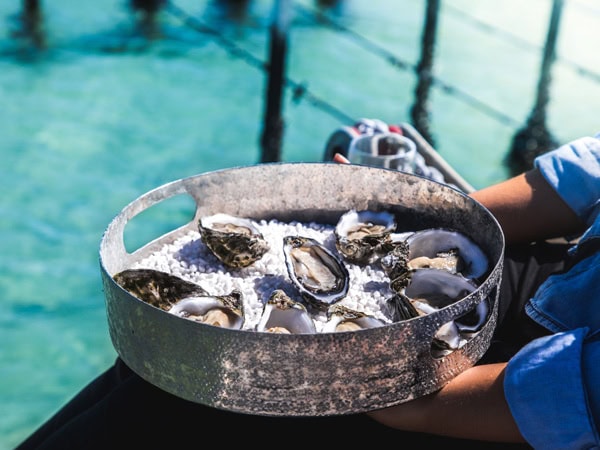
Creamy, briny and umami-rich, oysters encapsulate the taste of our oceans and waterways. These microcosmic morsels vary in flavour, depending on region and species. For instance, buttery Sydney rock oysters are heralded as some of the best in the world for their intensity and complex flavour profile.
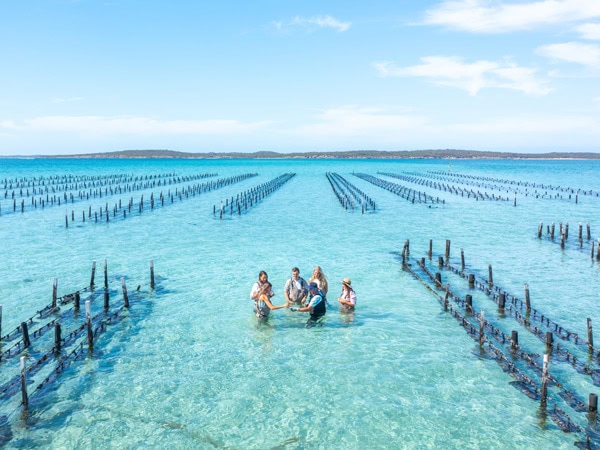
Plump Pacific oysters in Coffin Bay soak in nutrient-rich southern seawater, which lingers in the form of a subtly sweet aftertaste. And the sinewy flesh of Angasi oysters from Tasmania delivers a salty, zesty sucker punch to the palate – a perfect accompaniment to a glass of Tassie sparkling.
3. Tokyo Lamington, NSW
Travelling with: Jo Stewart
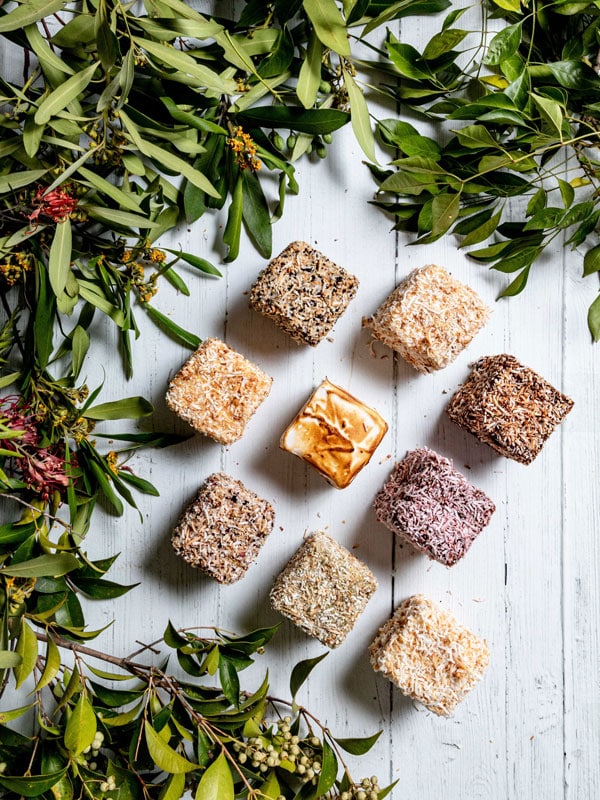
Putting a Japanese spin on a nostalgic Aussie bakery treat is a risky move, but Sydney’s Tokyo Lamington nails it. Located on the aptly named Australia Street in Newtown, this pocket-sized shop sprung to fame for reinventing the humble lamington.
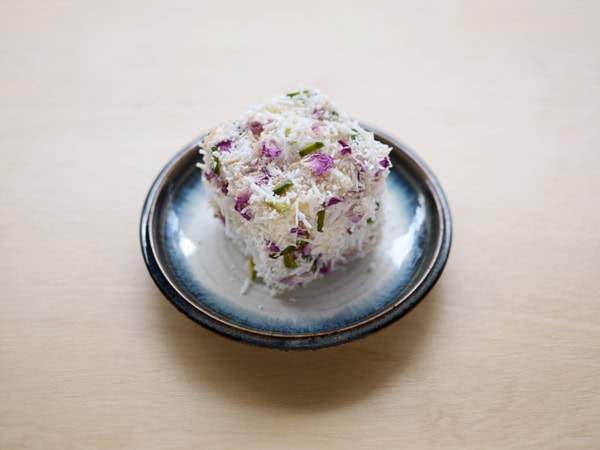
Interesting flavour combos such as yuzu meringue, pandan tiramisu and fairy bread popcorn prove that nothing is sacred – and you can indeed improve on the classics. Purists will be pleased to know that there’s also an OG lamington with raspberry jam and vanilla cream in the mix, too. Onigiri, miso mushroom pies and matcha lattes bring an added touch of Japan to the menu.
4. Australian coffee culture
Travelling with: Lara Picone
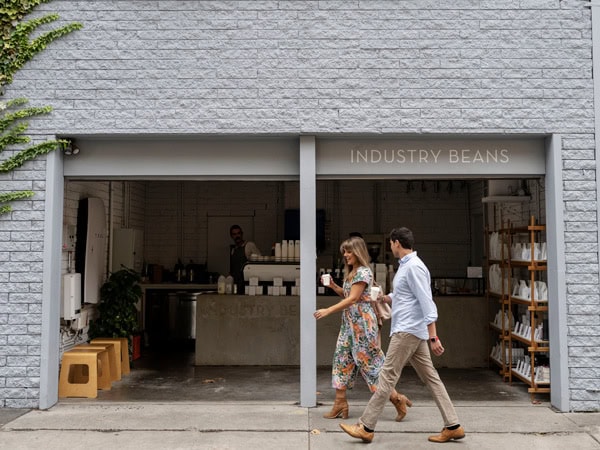
From your single origins to your cold drips and doppio espressos, Australians are highly caffeinated and vastly coffee literate. Our country, as adrift as it is from Europe, has one of the best coffee cultures in the world. Indeed, baristas are some of our favourite people: we feel the warmth of being seen when they know our name and what we drink.
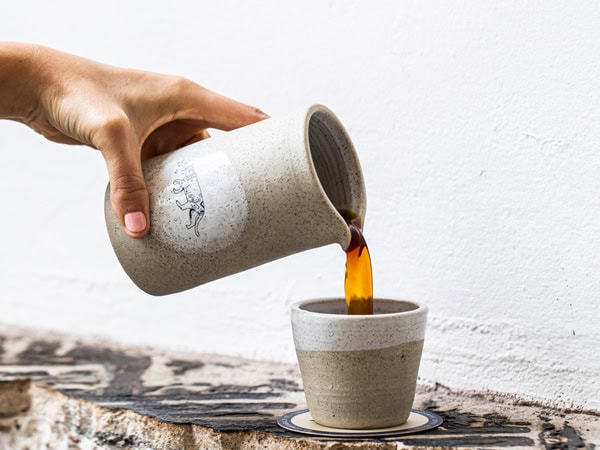
For many, ‘just grabbing a coffee’ is a daily ritual that we harbour no desire to abandon and, of course, we have immigration to thank for it. Italians mostly, and southern Italians in particular, who began importing coffee machines after the Second World War.
We’ve been fine-tuning our brew for decades, inspired by how other countries do it, and tweaking to suit our own preferences for grind, bean and style. Wear your coffee snobbery proudly; it’s a cultural wonder all of its own.
5. Bilpin cider, NSW
Travelling with: Taylah Darnell
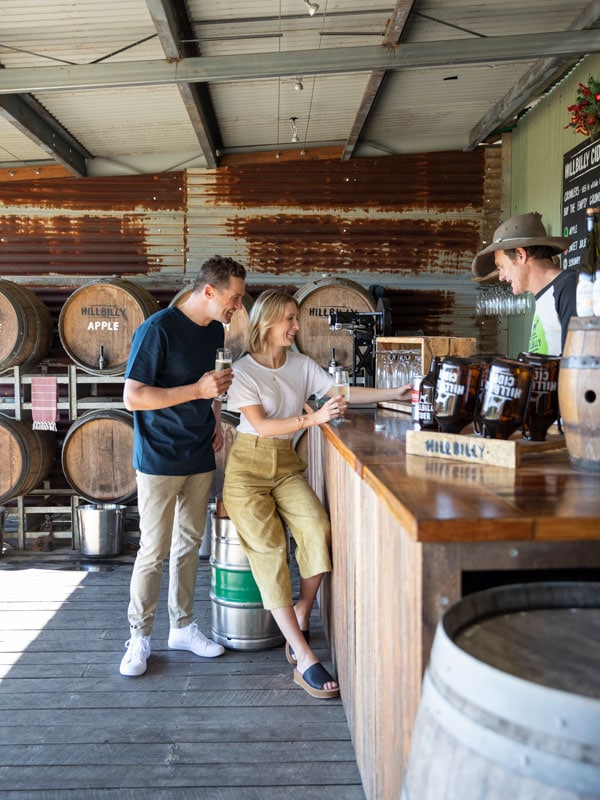
The small town of Bilpin on the lesser-traversed side of the Blue Mountains has a generous sprinkling of some of the best cideries in Australia. The cold-winter, mild-summer climate of the region is perfect for growing apples, with a handful of orchards and cideries calling the town home. Head to dog-friendly Hillbilly Cider , a favourite among locals and tourists, for the ultimate Bilpin experience: a small but gorgeous orchard, live music on the weekend, delicious ciders and woodfired pizza year-round.
6. The Agrarian Kitchen, Tas
Travelling with: Carla Grossetti
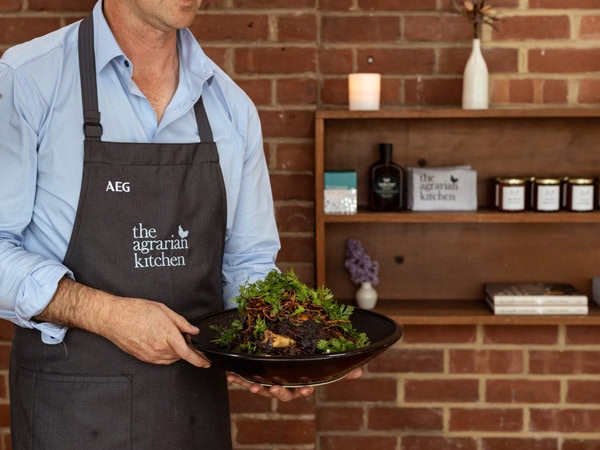
When Australians travel, even in their own backyard, they like to eat well. And one of the first places that springs to mind as a destination for dining is The Agrarian Kitchen , run by trailblazers Rodney Dunn and wife Séverine Demanet.
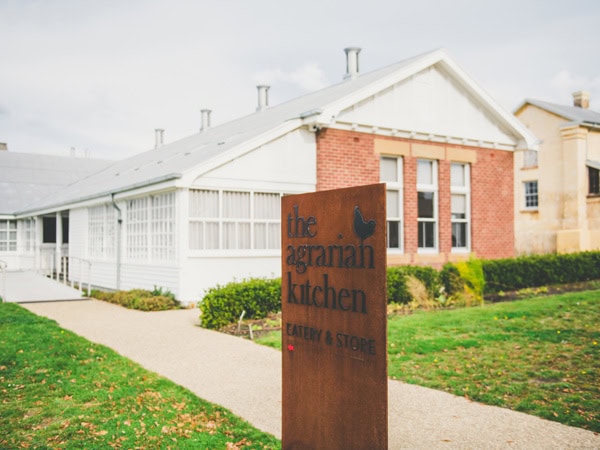
The two-hatted restaurant has put the tiny Tassie township of New Norfolk on the map.
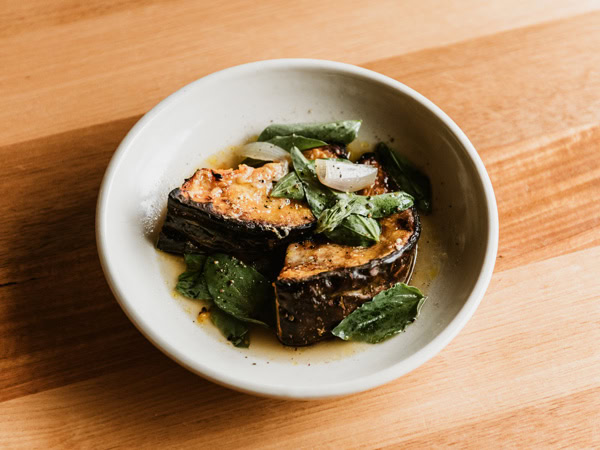
Visitors to the unassuming eatery, housed in a former dormitory ward of Willow Court asylum, can also take a tour of the sprawling garden to see where produce is plundered for the restaurant and gather ingredients for a cooking class.
7. LANGTONS Classification of Australian Wine
Travelling with: Imogen Eveson
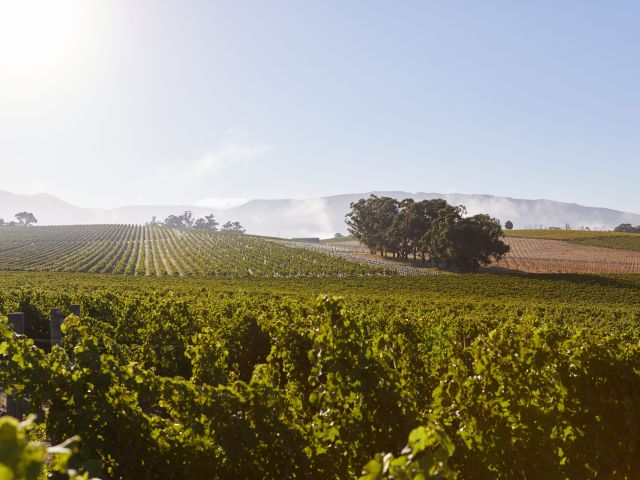
The Australian wine industry has hit a sweet spot: young enough to be bold and innovative but mature enough to be a serious contender on the global stage. From the coast of Western Australia to the patchwork of wine regions in South Australia (like Barossa and McLaren Vale) to cool climes in Tassie and Victoria, the country proudly produces some of the world’s best wine.
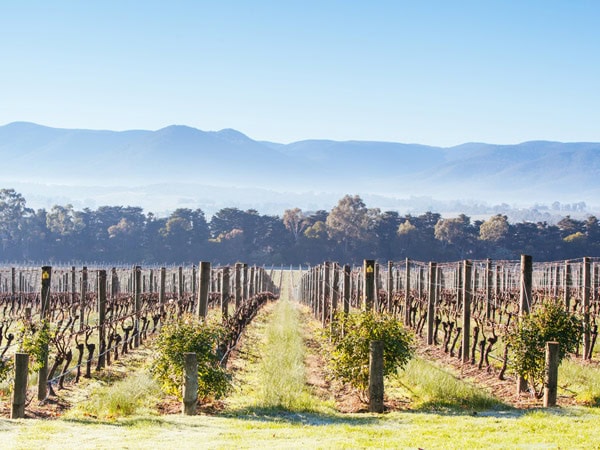
The cream of the crop is reflected in the LANGTONS Classification of Australian Wine , the pinnacle of recognition for Australian wineries and producers that acts as a guide to the country’s most sought-after wines.
The current (eighth) Classification comprises a total of 100 wines across 60 wineries, including Leeuwin Estate’s Art Series Chardonnay , which captures timeless Margaret River excellence; Chris Ringland’s Dry Grown Barossa Ranges Shiraz , described as a contemporary Barossa marvel; Bindi Original Vineyard’s Pinot Noir , demonstrating the best in minimal-intervention winemaking; and Wine By Farr’s Sangreal Pinot Noir , which showcases the potential of Geelong’s terroir.
Cumulatively, the classification serves as a pulse-take of Australian winemaking practices, vineyard provenance and regional voice.
8. The Aussie sausage sizzle
Travelling with: Lara Picone
It may not be a culinary marvel, but the humble Aussie sausage sizzle teeters somewhere between a national dish and a cultural phenomenon. It’s not fancy. In fact, it’s resolutely anti-fancy. It dictates white bread only – maybe wholemeal, if you’re a bit hoity-toity – and the only embellishments permissible are sauce and charred onions. It’s called to duty for community fundraisers, on election days when it’s elevated to the lofty title of the Democracy Sausage, and every weekend at Bunnings, when it’s inhaled by bored children and parents running errands.
A mighty leveller, the sausage sizzle unites everyone from every crevice of Australian life. Its intoxicating aroma carried on the breeze is a siren song to take a minute and chill. For nothing can ever be that bad with a sausage sizzle in hand.

9. Aussie spirits
Travelling with: Katie Carlin
No longer just for your nanna, gin has shaken off its drab former image and experienced a resurgence in the hands of a growing number of innovative small-batch distillers using native botanicals to craft distinctively Australian gin that is making the world take note.
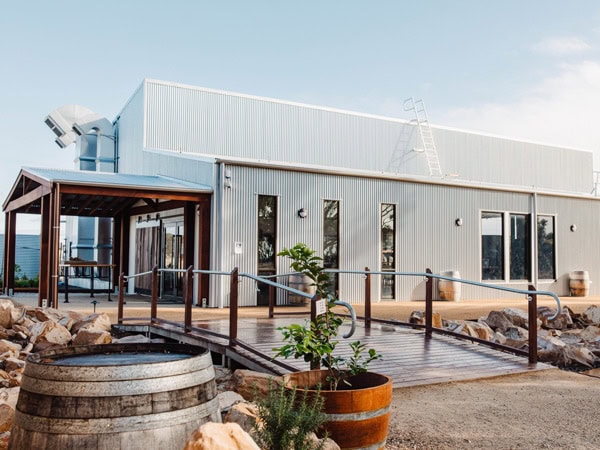
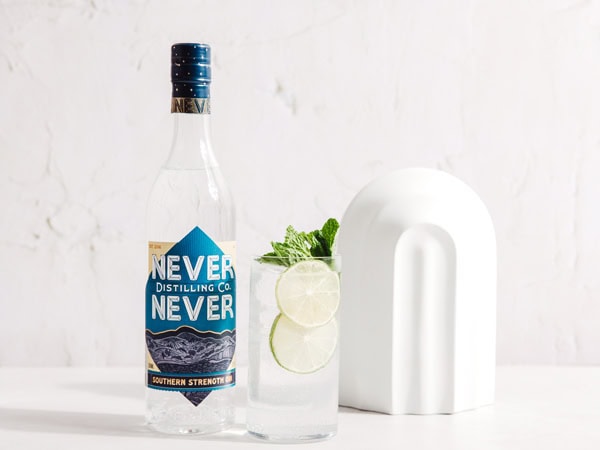
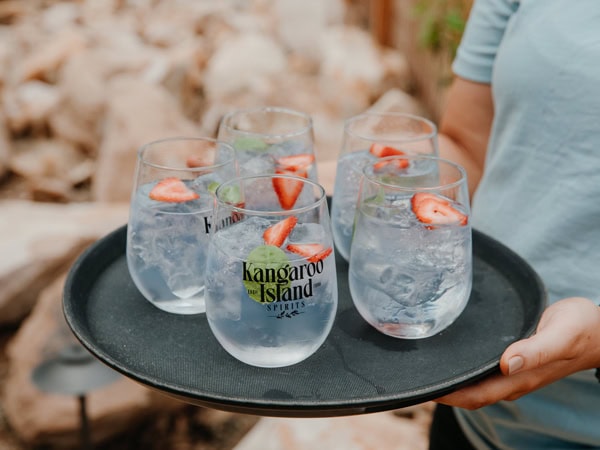
We’ve developed an insatiable appetite for the juniper-infused drink; from bars to masterclasses and festivals, gin continues to capture our attention. In less than two decades, the nation’s top producers have risen to international acclaim; Yarra Valley-based Four Pillars Gin , Sydney’s Archie Rose Distilling Co. , McLaren Vale’s Never Never Distilling Co. and South Australia’s Kangaroo Island Spirits (one of the first Australian distilleries to produce gin using native botanicals back in 2007) are among our most awarded. This brave new world of gin has thankfully met its match with the emergence of premium tonic waters – think Fever-Tree, CAPI, Quina-Fina and StrangeLove.
But it’s the commitment to quality, sustainability and spirit of innovation that continues to be the driving force behind the fledgling industry’s success with flavour profiles such as lemon myrtle, wattle seed, finger lime, Tasmanian pepperberry and more delivering a uniquely Australian expression like no other spirit can.
10. Sydney Fish Market, NSW
Travelling with: Carla Grossetti
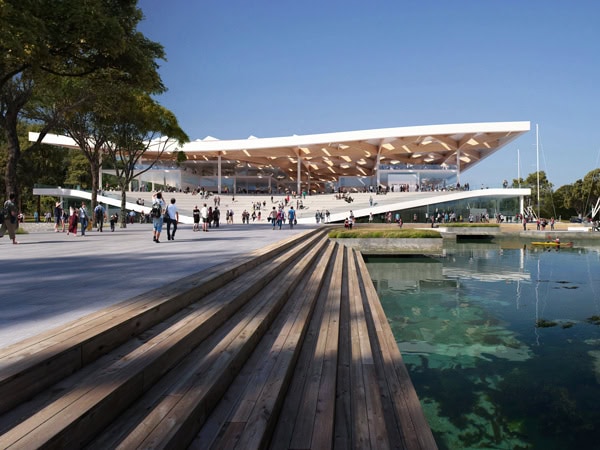
The brand-new Sydney Fish Market is taking shape at Blackwattle Bay where the original storied structure sat for some 70 years. In addition to capitalising on the expansive new 1.9-hectare site, this $750 million iteration will, like the original working market, go beyond the sale and distribution of fish.
In fact, the new site is destined to become even more of a draw, a landmark attraction for both Sydneysiders and visitors that will remain an integral part of the city’s fabric well into the future. The complex features a wavy timber and aluminium roof inspired by the ocean that will be utilised for potential energy production, rainwater collection and recycling. While the ground floor will include the working wholesale fish market and auction hall, the upper ground level will feature retailers, restaurants and cafes that revolve around both the land and sea.
Expect all the happy hubbub of the original market and more after its planned move in 2024.