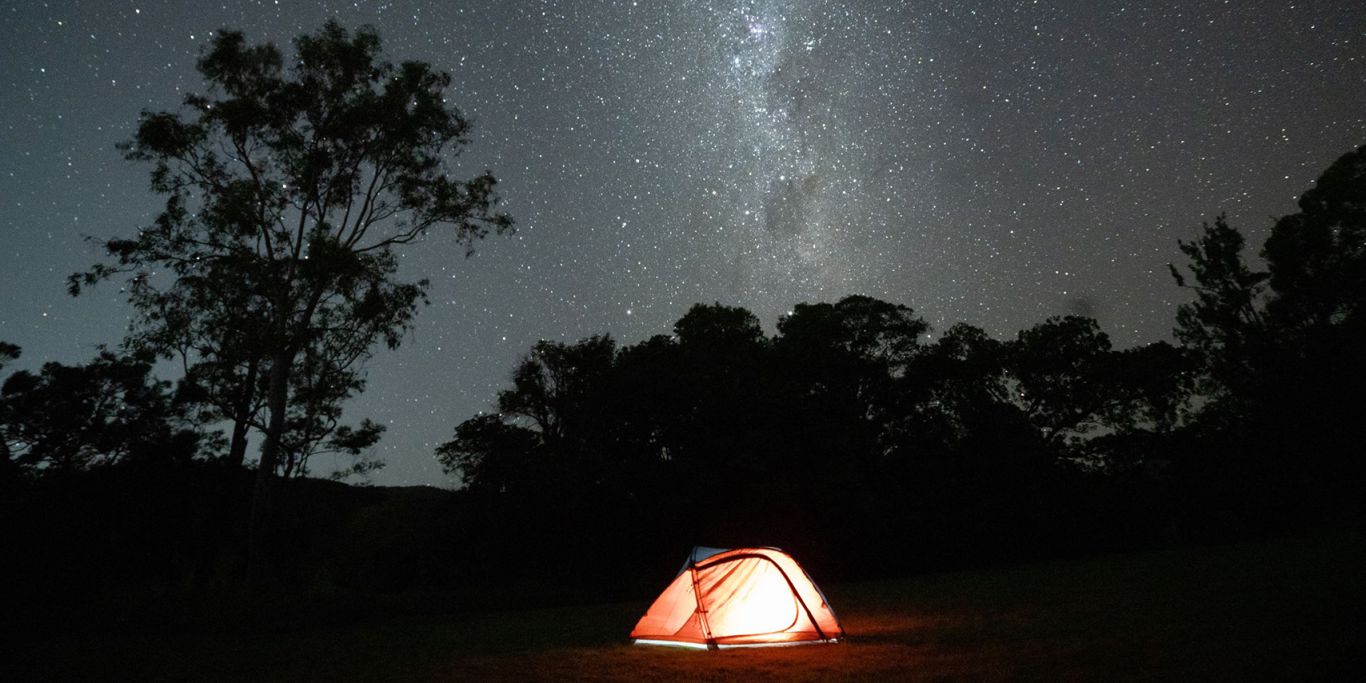

Hipcamp’s upgraded dark sky map makes finding a campsite away from the harsh city light far easier.
Anyone partial to a camping trip knows the magic of unzipping your tent at night to find a seemingly endless sky of stars overhead. But booking somewhere surrounded by nature doesn’t always mean a guarantee you escape the star-dampening light pollution of nearby towns.
From this month, there’s a new tool that means avoiding a disappointing night sky will be much easier. The camping experts at Hipcamp have massively upgraded its free dark sky map with NASA satellite data, helping campers find somewhere to pitch a tent with a far better chance of celestial views.
How does the map work?
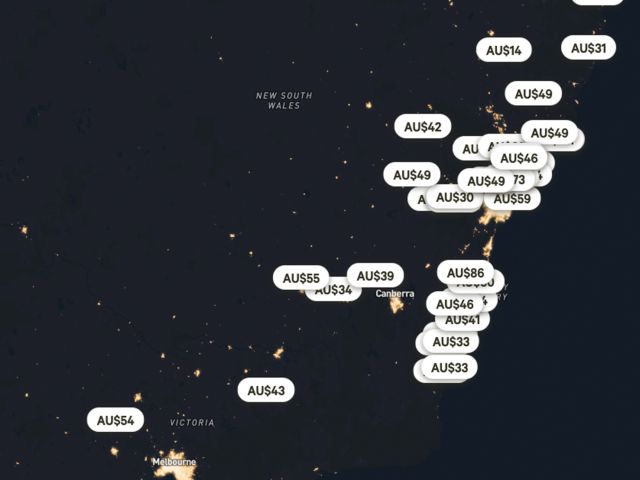
NASA’s Black Marble project measures nighttime lighting on Earth, processing satellite observations to account for moonlight and atmospheric effects. This helps give a clearer idea of the amount of artificial light on the ground.
Hipcamp has added this data to its campsite search map, allowing you to compare places to stay with the lighting around them. To try it, open the Hipcamp map, select ‘Layers’, then ‘Night sky’. Look for darker areas, then narrow your accommodation search by budget, facilities and camping style.
The map is completely free to use, with no subscription required. And if a camping trip isn’t your idea of a good time but you want to enjoy some stargazing, you can search for cabins and glamping stays, too.
One thing to keep in mind when using the map is that nothing in nature is guaranteed, and while less artificial light is helpful, it’s only part of the equation. Things like unexpected cloud cover, moonlight and growing trees over the campsite can all impact visibility.
These are the best places to stargaze while you camp in Australia
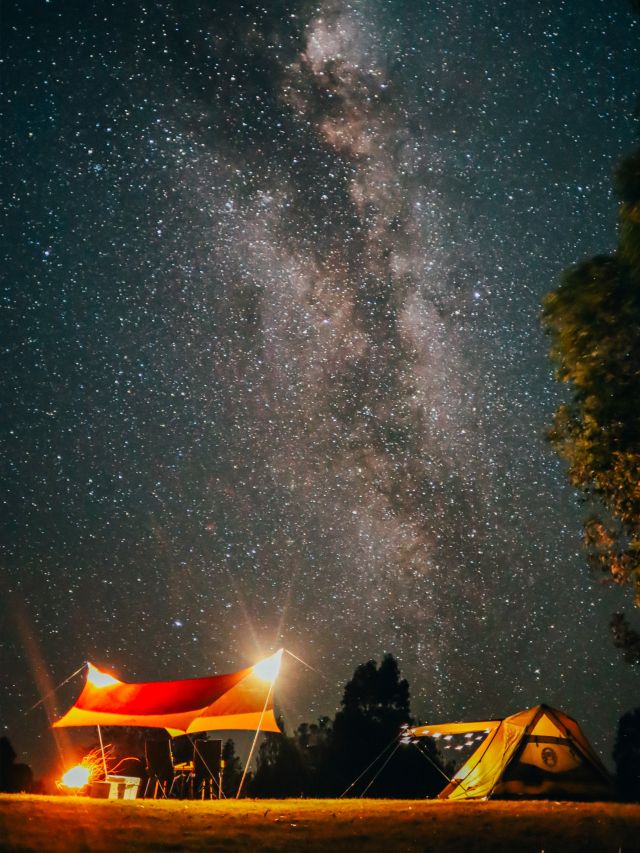
It’s no secret we’re spoiled for choice when it comes to stunning natural scenery in Australia, and that includes the sky above us. In Western Australia’s Pilbara, Karijini National Park pairs days exploring ancient gorges and swimming holes with evenings under starry skies.
For a Victorian escape, head to Wyperfeld National Park, where mallee woodland and sand dunes provide the setting for a night under the stars. You can spend the day bushwalking, then pull up a chair and relax when the daylight fades.
In NSW, Mungo National Park offers nighttime views worthy of its extraordinary ancient landscapes. Base yourself at Main campground, which welcomes tents, camper trailers and caravans, and spend your days exploring the World Heritage-listed park before settling in under the stars. Wherever you choose, use the map to compare surrounding light levels and check campsite access, facilities and the weather before setting off.
Need tips, more detail or itinerary ideas tailored to you? Ask AT.
AI Prompt
The best times of year for stargazing in Australia
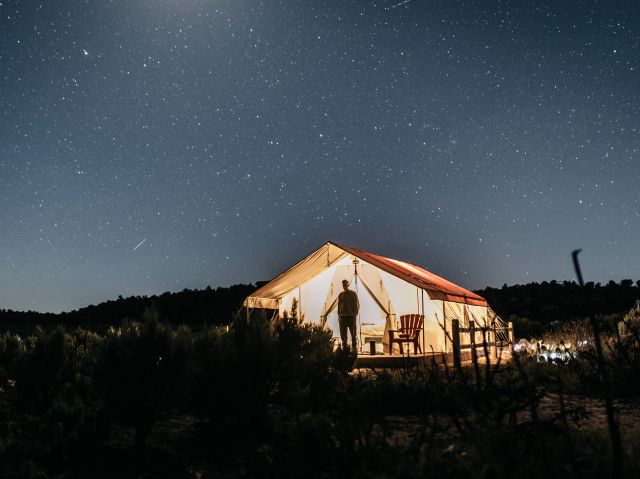
There’s no single best month for every Australian destination. Longer winter nights give you more viewing time, but the moon phase and local weather forecast matter when choosing your dates. Aim for clear nights around a new moon if seeing stars is the priority of the trip.
Hipcamp’s astronomical calendar is a useful starting point for planning around celestial events, although Australian viewing times can differ so be careful to keep that in mind when you’re using it.
Planning a trip this month? The Orionids peak around October 21–22, as Earth passes through debris left by Halley’s comet. Try the hours before dawn, after the bright moon has set, and scan a broad stretch of sky rather than concentrating only on Orion.
For a pre-Christmas escape, you can enjoy the Geminids around December 14. The moon should set before the best viewing hours, giving campers a promising opportunity to finish the year under a shower of meteors. All you need then for the best chance is clear weather and a little patience.
How to plan a camping trip around the stars
Once you’ve found a campsite away from the bright lights of the city, check the moon phase and local weather forecast before locking in your dates.
A clear night around a new moon gives you a better chance of spotting stars, but a full moon – while stunning in its own right – can wash them out. Choose a spot with an open view of the sky, pack warm layers even in summer and plan to stay up late. Keep bright torches and phone screens off; a headtorch with a red-light setting is handy for finding your way around without spoiling your night vision.
Want to see more stories from Australian Traveller in your Google search results?
- Click here to set Australian Traveller as a preferred source.
- Tick the box next to "Australian Traveller". That's it.

Jessica O'Donnell
View profile and articles