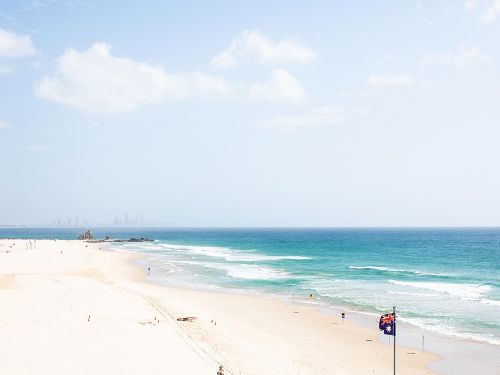
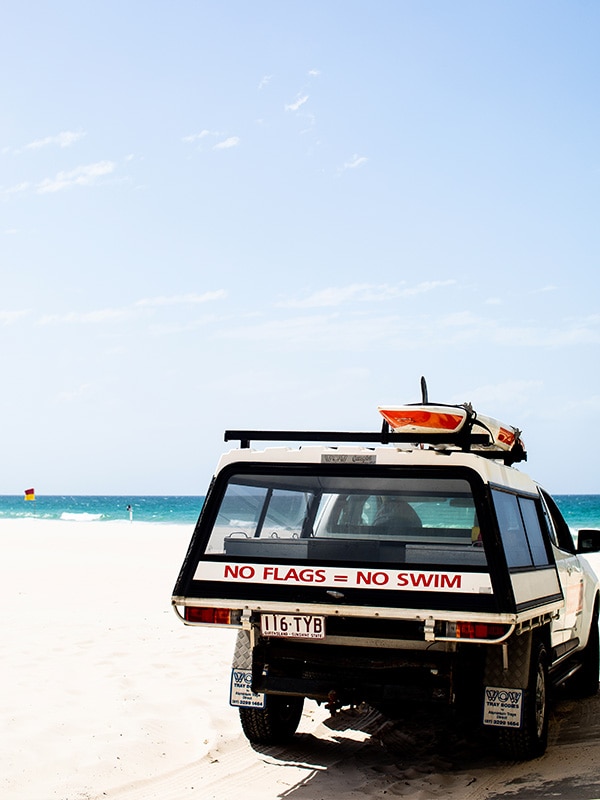
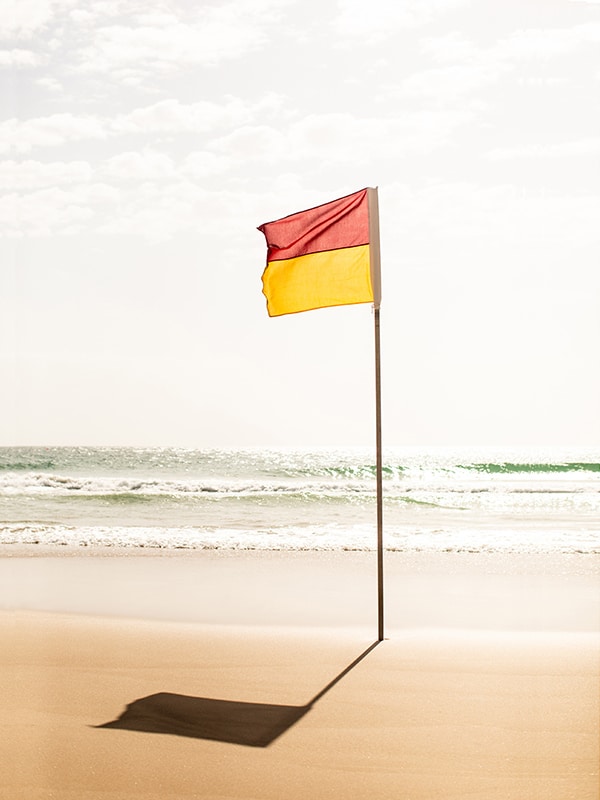
There are few sights more symbolic of Australia than two red-and-yellow flags fluttering on a golden-sand beach. More than a century old, the surf life saving movement is an integral part of the country’s social and physical landscape.
John Towner has started each day the same way for almost 40 years. On the “best beach in Australia", the septuagenarian tackles at least three waves – it’s the official minimum – before hitting the showers and then indulging with a cuppa at the local surf life saving club. “We just look out on the beach, watch the waves and try to solve the problems of the world," Towner laughs.
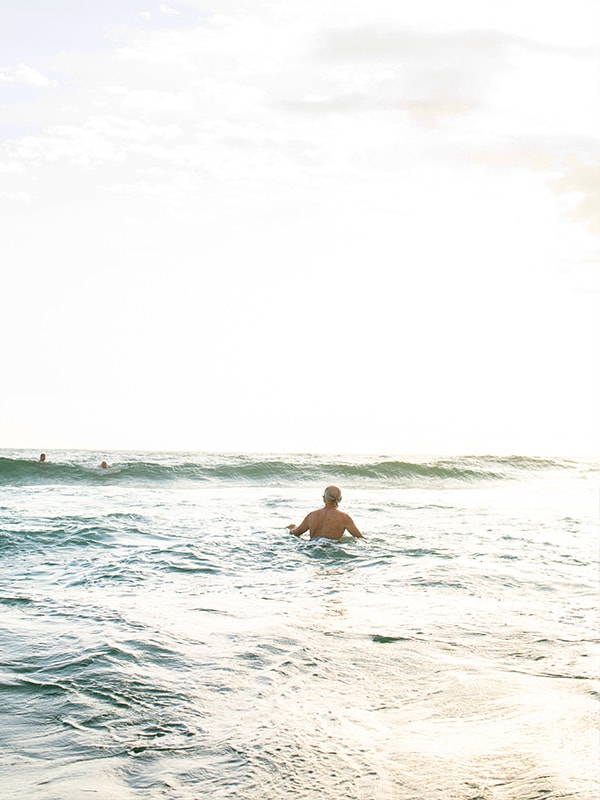
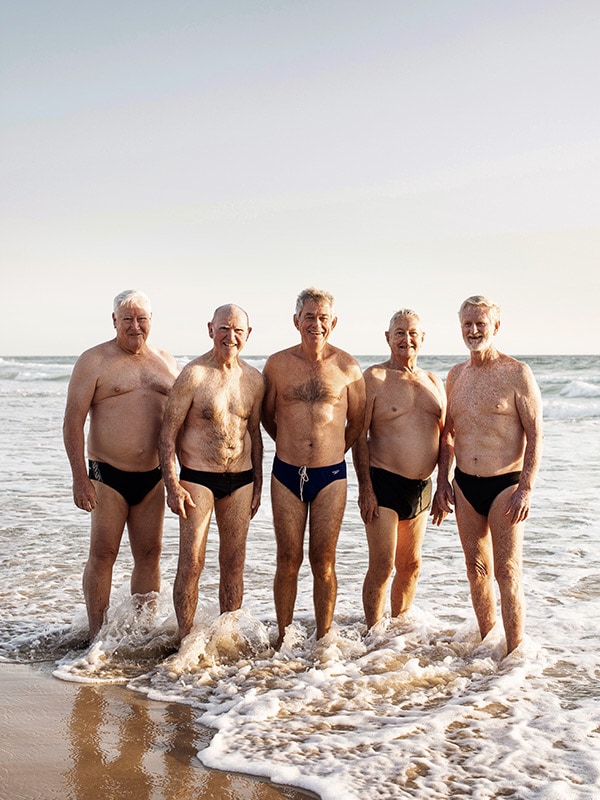
When he says ‘we’, Towner is referring to the Dingoes, a group of dedicated old salts who have assembled at the Gold Coast’s Currumbin Beach, bodyboards in hand, seven days a week, 365 days a year since 1982. They consider it a form of therapy – Towner insists each outing is worth two hours’ sleep – and there are no egos allowed. No wetsuits either. A few Dingoes succumb to wearing rashies during winter, but the choice is not without risk: “We take the rinse out of anyone who does that," Towner explains.
Towner, or ‘JT’, is the Dingoes’ captain and a long-standing member of the Currumbin Beach Vikings Surf Life Saving Club. Before relocating to the Gold Coast and joining the club in 1976, he spent 15 years with the Avalon Beach Surf Life Saving Club on Sydney’s northern beaches, including stints as president and captain.
At 71, Towner is one of the younger Dingoes – four are 90-plus – and he still happily and effectively performs volunteer beach patrols for the club. Such is the spirit on which the surf life saving movement is founded.
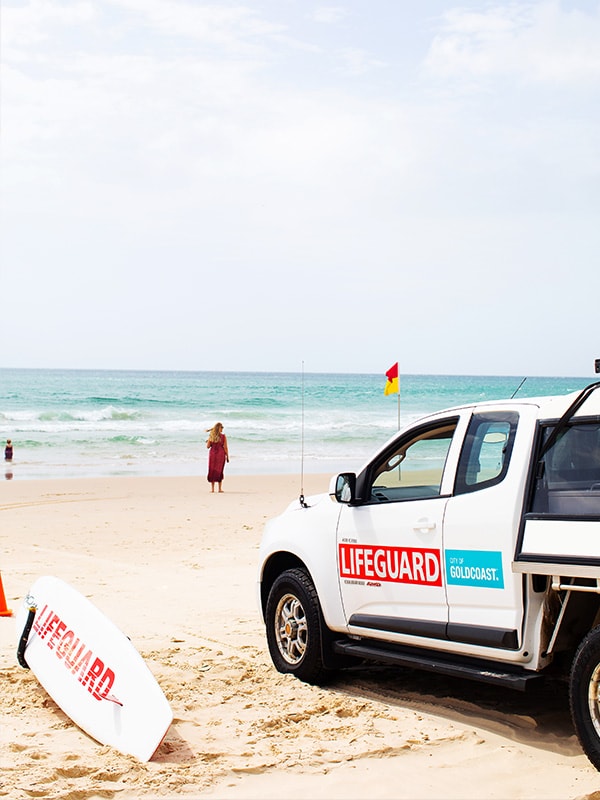
Australia’s first surf life saving clubs emerged on Sydney’s ocean beaches in response to a shift in beach culture in the early 1900s. Surf-bathing had been prohibited in daylight hours across Sydney until Randwick City Council lifted its ban in response to drought in 1902. As other councils followed suit, bathing became increasingly popular, causing a dramatic rise in rescue attempts and, sadly, drownings. In October 1907, clubs and other interest groups met to form the Surf Bathing Association of New South Wales, now known as Surf Life Saving Australia.
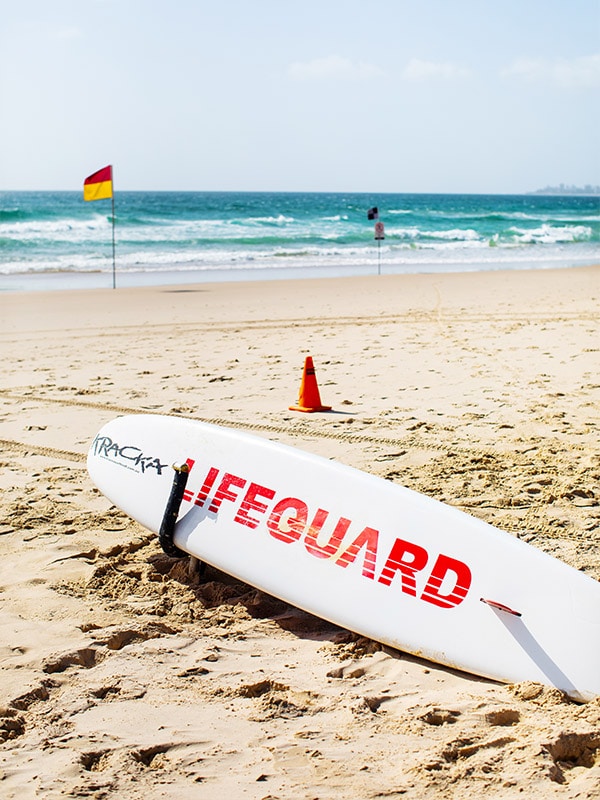
Today, Surf Life Saving Australia (SLSA) has around 170,000 members, making it the largest volunteer movement of its kind in the world. Peppering our celebrated coastline, the 311 affiliated surf clubs stand united as an icon of Australia’s social and physical landscape. They are places of refuge and respite, of community and camaraderie.
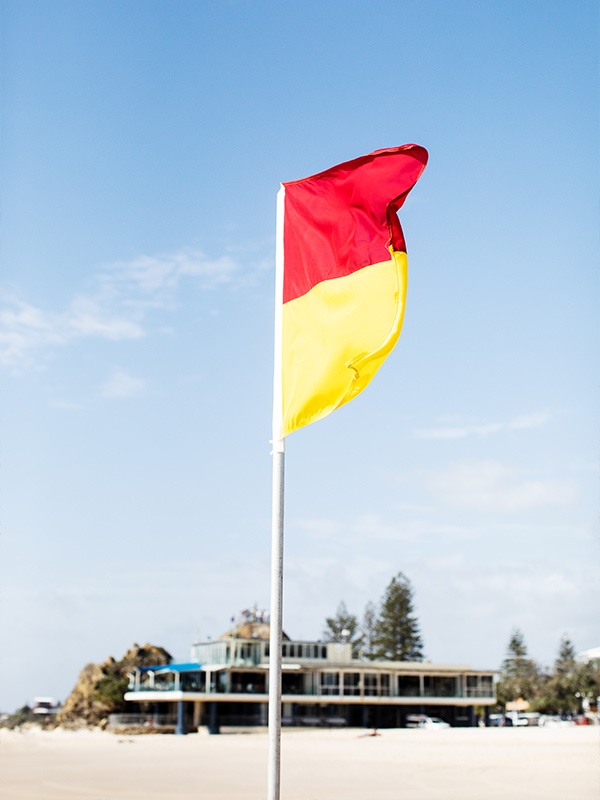
They embody the Australian way of life. There is literal life saving, of course. SLSA records more than 10,000 rescues each year. Yet the emblematic red-and-yellow flag represents much more than water safety.
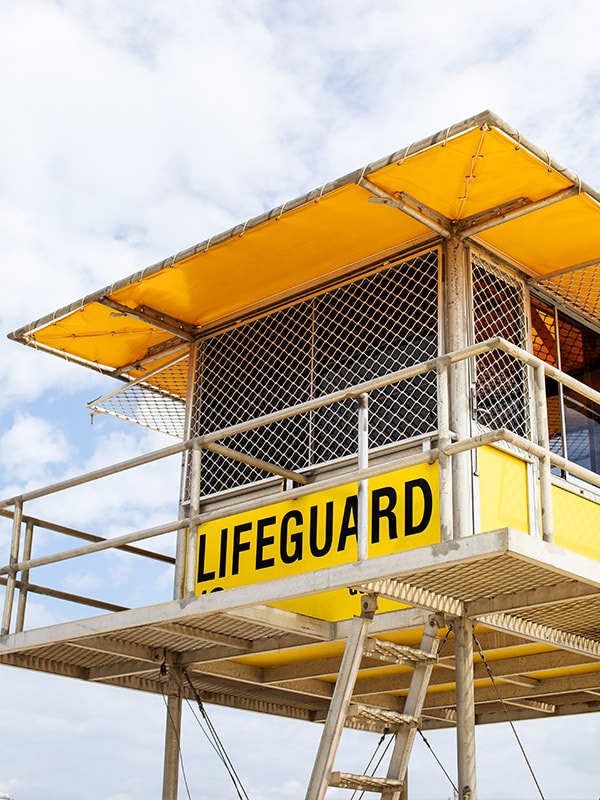
TV presenter and architect Peter Colquhoun, a member of North Bondi Surf Life Saving Club for more than three decades, goes as far as labelling surf clubs “Australia’s cathedrals".
“[Australians] love water, we are a surfing nation so [surf clubs] are very much the centre of the social fabric of a lot of coastal communities," he says. “The surf clubs save more lives out of the water than they do in the water in terms of giving generations of people a community – somewhere to gather, to share good times."
This sense of community extends beyond the membership base, particularly in Queensland where the bricks-and-mortar clubs feature kitchen and bar facilities, and are open to the public. In such cases, crowds are drawn by the chance to enjoy a reasonably priced pub meal in a relaxed setting complete with absolute waterfront views. Real estate of this kind is rarely this accessible in Australia, at least not anymore.
Towner’s Currumbin is an apt example. Its spectacular location on Elephant Rock puts visitors right on the water’s edge. At high tide, the place is surrounded and the expression ‘island time’ takes on a more literal meaning. A couple of hours north, Noosa Heads Surf Life Saving Club is a laid-back haven in prime position on the well-groomed Hastings Street. Oceanside sophistication is part of Noosa’s appeal, but the casual alternative of the clubhouse is a welcome option when you want to take the chilled beach vibe off the sand and onto the deck.
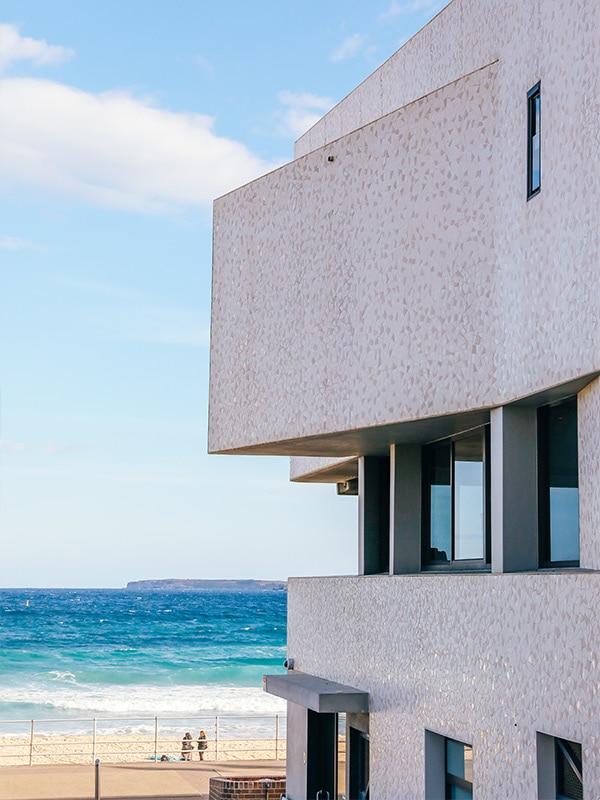
South of the border, and in other states, surf club facilities are generally for the exclusive use of members, but there are exceptions to the rule (Sydneysiders, for example, can enjoy the facilities at clubs such as Bronte on a Sunday) and membership is open to all. “That is the beautiful thing about surf life saving clubs; they are egalitarian," says Colquhorn, who worked with architect firm Durbach Block Jaggers on the North Bondi clubhouse redesign. Unveiled in 2013, the four-storey clubhouse is an architectural feat and demands attention from pole position on the country’s most prominent beach. Foremost, it is a practical building – members need a hot shower and a place to hang their towel – but by servicing the volunteers, it services the entire community and its guests; an average of 2.7 million people visit Bondi every year.
“There’s so much responsibility," says Colquhorn. “They’re so public these spaces, particularly Bondi. Virtually we are designing something that the whole world is going to see."
To that end, the clubhouse was designed to address both the beach and the street, and to emulate the surrounding bay through, among other qualities, its sweeping curves and light-reflecting mosaic tiles. Strategically placed window frames, no one the same as another, creatively showcase Bondi’s beauty, too. Crucially, it was also built to withstand harsh oceanfront weather conditions and features a built-in income stream by way of the function facilities available for hire.
The $6.8 million building was made possible by government funding and public donations as well as the generosity of skilled contributors. The team of architects, engineers and fundraisers worked either on mates’ rates or for free. As one of the country’s foundation clubs, North Bondi was in dire need of its makeover after years of patchwork fixes and others have followed suit. Of note, clubhouses at Devonport and Bicheno in Tasmania, Seaford in Victoria, Kempsey Crescent Head in New South Wales and City Beach in Perth have all received architectural accolades, while at Broadbeach on the Gold Coast, Kurrawa opened the doors to its brand-spanking new $17 million facility in late 2017.
Less than two kilometres south of North Bondi, Tamarama’s clubhouse is a world away, architecturally speaking, but stands just as proud. A star of the famous Bondi to Bronte walk, the boxy Art Deco building, with its sandy yellow facade, represents its members aptly, according to club president Tim Murray. “The building has such an incredible character," he says. “It has sat broadside at the clifftop, buffeted by southerly storms for decades, yet inside it’s as warm and welcoming as a cosy pair of slippers. There’s no pretence or special reverence accorded to the building … we’re a bit casual, a bit retro and it well reflects the club’s sensibilities."
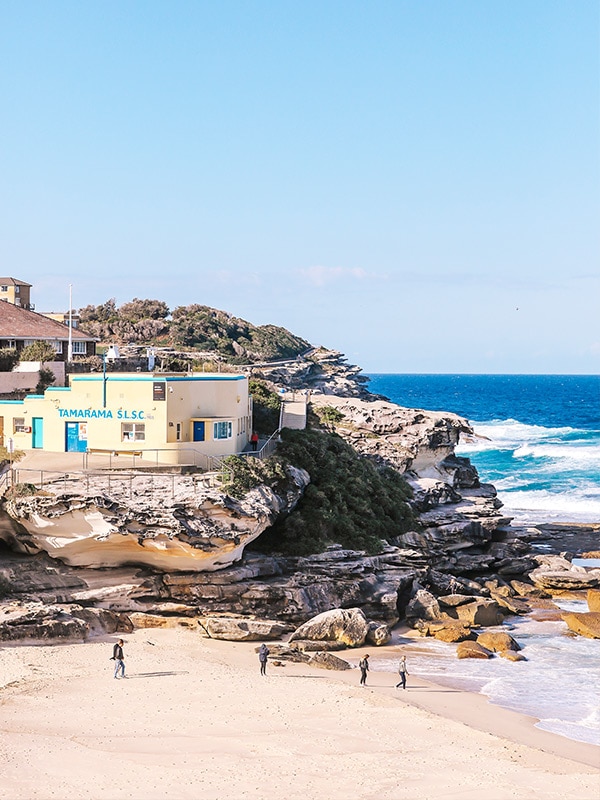
There’s nothing casual, though, about what patrolling lifeguards are up to in the water below. Just 80 metres long, Tamarama Beach is wedged between two sandstone headlands and persistent rips make for highly hazardous conditions. As a result, it is closed to swimmers for much of the year. Still, it’s wildly popular. A glorious outlook will do that, so too the opportunity to share the sand with the glam set. They don’t call it ‘Glamarama’ for nothing, although the nickname was originally a reference to Tama’s popularity with the gay community. Fittingly, Tamarama SLSC was a vocal supporter of marriage equality during 2017’s postal survey. Murray says such inclusivity is at the heart of the movement.
“Through the decades, the surf life saving community has adopted inclusive and progressive stances toward societal issues – supporting women in competition and membership, endorsing the celebration of Pride, Indigenous outreach, and the inclusion of new immigrants, among other initiatives," he says. “As an institution, it has managed to propagate its original spirit and values (of operational and competitive excellence) mostly unchanged in time, whilst evolving lock-step with its membership on issues of the day."
Nostalgic, yes, but the Tama clubhouse is far from ‘glam’, which is why it’s on the verge of a rebuild. Architects, according to Murray, have managed to retain the charm of the current building while completely updating the interior space and amenities. Regardless, it’s the people and not the architecture that give a surf club its essence. People like Towner, or Frank Veltman, a ‘boatie’ with Lorne Surf Life Saving Club who has been involved with the movement for more than half a century. “The reason we’re here is to help the community and be part of the community," he says. “You never quite understand that until you’ve done your first rescue, then you know exactly what you’re here for."
And you never forget your first, he says. Tragically, Veltman’s first was his two-year-old neighbour who drowned in the backyard pool. Veltman was 17 at the time and did everything he could. Always has. Like the time he saved a father and his two children who found trouble at Perth’s City Beach, his former stomping ground, when a storm rolled in. “I took the kids in and by time I got to the father I was absolutely knackered," Veltman recalls. “I said ‘I’ll get you in. It won’t be fancy, but I’ll get you in’."
Veltman is revered at Lorne for his commitment and charisma. He’s also instantly identifiable as the guy with one thumb. It was a surfboat accident, of course. Veltman’s thumb collided with a sweep oar and came off second best, yet the now 67 year old was at the national titles just a few weeks later. “I couldn’t compete but I wanted to go out in the boat and crack a wave," Veltman recalls. First, he needed protection. A quick visit to the chemist produced a practical, yet entirely unorthodox, solution: a condom. “I put it on, wrapped it up, went out, caught two waves and never looked back," he says.
Veltman commutes to Lorne, a scenic town on the Great Ocean Road, from Melbourne to honour his club duties. He joined the club after moving east from Perth because he’d heard good things about the culture. He says one of the best experiences at Lorne is cruising the length of the pier back to shore in a surfboat. “You’re with your crew and everyone’s just loving it," he says. “You can see it in their faces when they’re looking up at you and you’re holding that wave."
This passion for the ocean and, more specifically, being in it unites members of the movement around the country. But not all members fit the same bill. At Glenelg in South Australia, life member Yvonne Tidswell can’t even swim. Yet she has contributed in countless ways since her eldest son signed up to the Nippers program in the 1970s.
A one-time gear stewardess, Tidswell spent more than 30 years as an official and has sewn “God knows how many caps" (at about 50 caps each year for four decades, estimates land at around 2000). She reckons she came up with the idea of the reversible cap; club colours on one side, patrol colours on the other.
All five of Tidswell’s children and 11 of 12 grandchildren have been competitive life savers. Her five great grandchildren are infants, but the time will likely come. This is a truly multigenerational activity.
Tidswell retired from official duties after the world championships in 2012, hosted by Surf Life Saving South Australia on Glenelg Beach. In a coup for the state body and the Glenelg club, the world titles return to Adelaide’s most popular beach this year.
In lieu of active involvement, Tidswell says she’ll be watching the action from the clubhouse balcony. Just like anyone can.