In a world rich in opportunity for responsible travel, one group’s needs have long been overlooked: Australians living with a disability. We take a look at how far the industry has come in terms of accessible and inclusive tourism, and how far it still has to go.
When my son Braeden was born with a disability, which would see him become a wheelchair user and need help with all his daily living needs, I wondered how our dream of travelling the world could become a reality. The lack of information and representation of people travelling with a disability left me feeling isolated as a young mum.
Despite my burning desire to show him the world, there were many barriers to living the life we’d dreamed of. But with an impossibly positive outlook, we took on those barriers like Olympians in the hurdles final. Nothing would stand in our way of living the life we envisaged for our family.
How things have changed
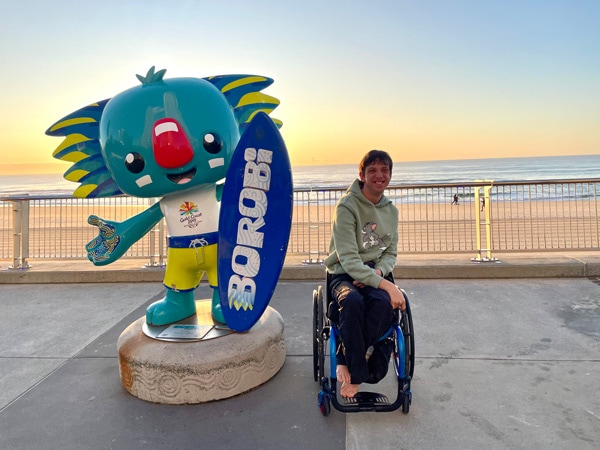
Fast forward 27 years: as Braeden has grown, so has the groundswell of awareness and support for a more inclusive tourism industry. The improvement in and availability of accessible equipment and infrastructure has allowed us to continue to explore Australia despite our son’s disability.
Travel nourishes us all – irrespective of ability – in an abundance of ways, whether that’s taking a break from the daily grind, pursuing an interest in history or being immersed in a new culture. But for many years, Australians living with a disability found it difficult to fulfil their dreams of travel.
One in five Australians live with a disability, but catering for the accessible travel market has not been a priority for tourism providers. Considered ‘too hard’ or too niche, it didn’t fit into the marketing budgets geared towards capturing the lucrative tourism dollars of baby boomers, DINKs (double income, no kids) and family markets.
In ignoring this market, not only were individuals with a disability and their families excluded and disadvantaged, but – according to a 2021 report by Tourism Research Australia – the industry was turning its back on a travel group that spent an estimated $13.5 billion. Information was scarce and representation of travellers living with a mobility restriction, hearing or vision impairment or hidden disability was non-existent. It was a barrier to travel that had rarely received attention – until recently.
Responsible tourism is inclusive
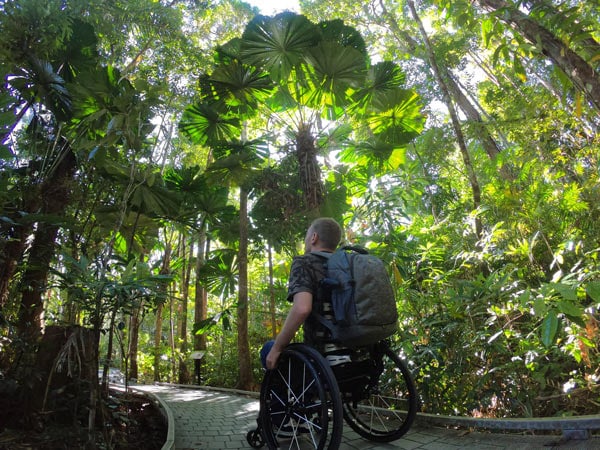
Responsible tourism is characterised by sustainability, cultural sensitivity and inclusivity. While the tourism industry is on a journey to encompass those elements, it lags behind when it comes to accessible and inclusive travel. Is it not our responsibility to ensure no one is excluded from the joy of travel?
Happily, this increasing awareness of environmental issues and Indigenous cultural practices, and the action that has stemmed from it, demonstrates how valuable it can be to focus on one area of tourism. When Premier Annastacia Palaszczuk announced that 2023 would be the Year of Accessible Tourism in Queensland, it heralded a new era of focus on inclusive tourism for people who live with disabilities. My hope is that more destinations and tourism operators follow their example and build upon this fantastic new beginning to make travel experiences more accessible.
Evolution of accessible travel
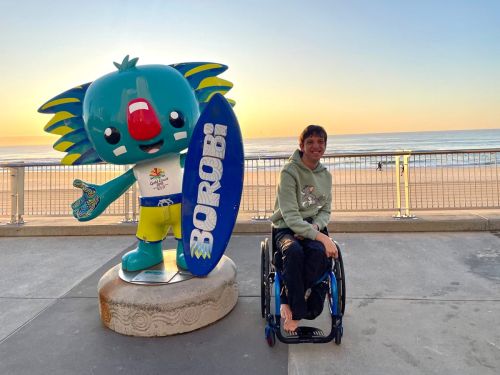
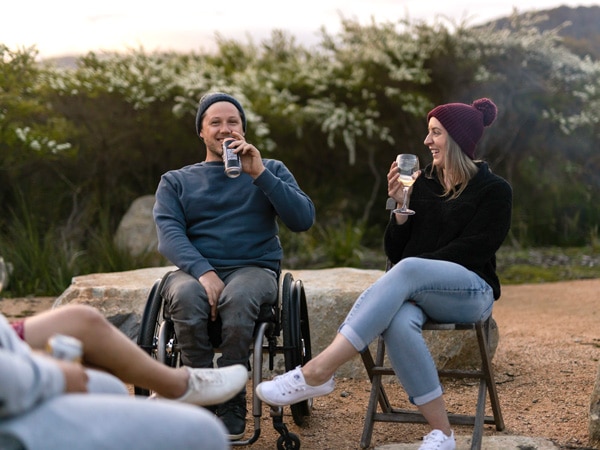
As my own family’s 27-year-long experience demonstrates, accessible tourism in Australia has indeed evolved – albeit slowly. Growing up in Australia, we imagined we’d share our love of the coast and bush with our children. Today, we’re often able to do just this. Beach wheelchairs (chairs equipped with large balloon tyres that traverse the sand) now enable Braeden to get the sand between his toes and take a dip in the ocean.

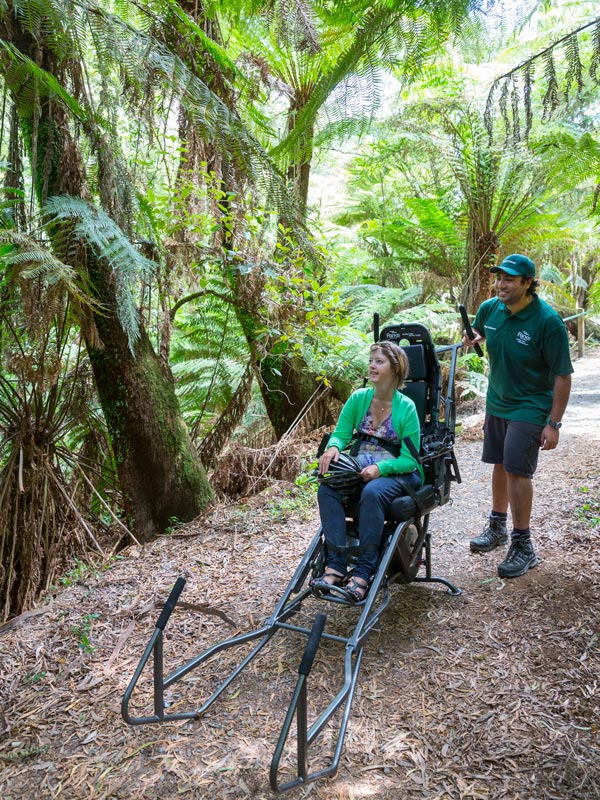
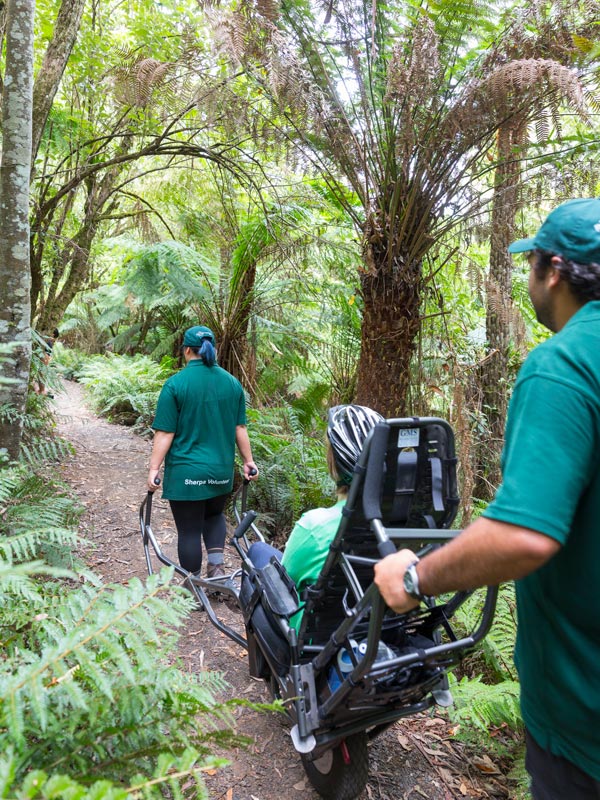
With a beach wheelchair he was able to join the many enthusiastic beachgoers exploring the caves at Caves Beach, Lake Macquarie. In a standard wheelchair, trekking trails with uneven surfaces, stairs or lack of paving is impossible; but the TrailRider, a three-wheeled chariot-style chair available to hire, has allowed us more adventurous explorations, including taking Braeden to the base of Dorrigo National Park.
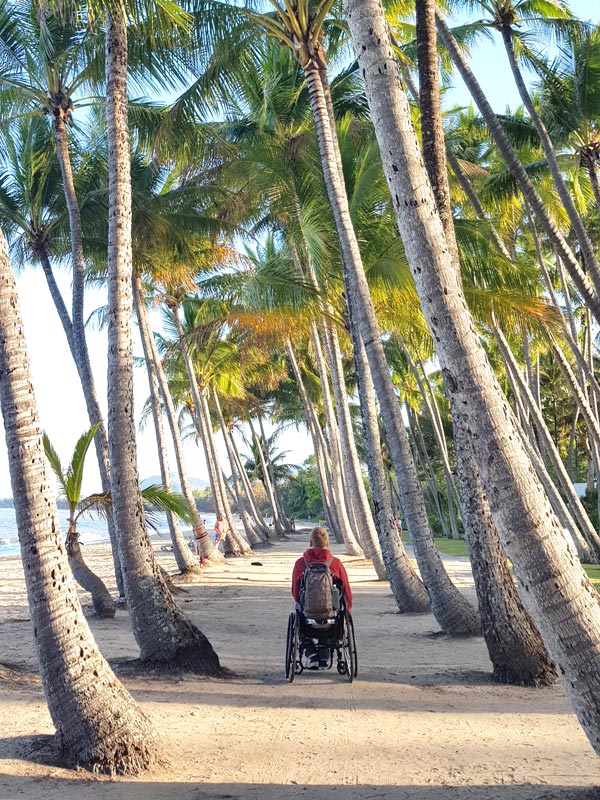
Shared experiences like this become a great communication leveller for someone like Braeden, who is non-verbal. When people see him enjoying an activity with the same enthusiasm as themselves, any apprehension about connecting with him is stripped away. It’s powerful to watch as social interaction is something he craves, and travel delivers on that front.
Accessible travel also allows us to travel and participate as a family. If Braeden did not have access to these facilities, our whole family would be excluded. Inclusive travel means that we can participate together, rather than all standing on the sidelines due to Braeden’s disability.
Accessible tourism is inclusive
Inclusive travel, as our family’s experience has shown, acknowledges the needs of all travellers, no matter their language, dietary requirements, religion or level of ability. By taking steps to accommodate these differences, our society proves itself to be responsible. Understanding that there’s not a one-size-fits-all approach to those needs and keeping an open mind is crucial.
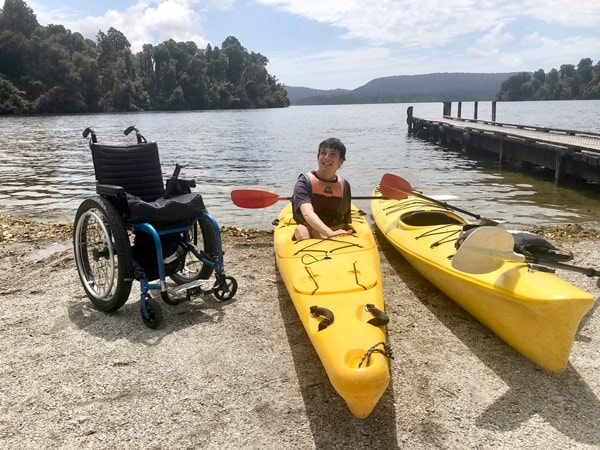
Australian operators have also made some progress with inclusivity – a term which, in a perfect world, would be used in unison with accessibility. Many people would assume that because my son is a wheelchair user, he would not be able to ride a quad bike, cable hang-glide or kayak. Thanks to tour operators with an inclusive, can-do attitude, he has done all these activities.
While our family does use and seek out physical access and infrastructure because Braeden uses a wheelchair, we also prioritise researching businesses that embrace inclusivity.
Australia needs to promote an inclusive attitude
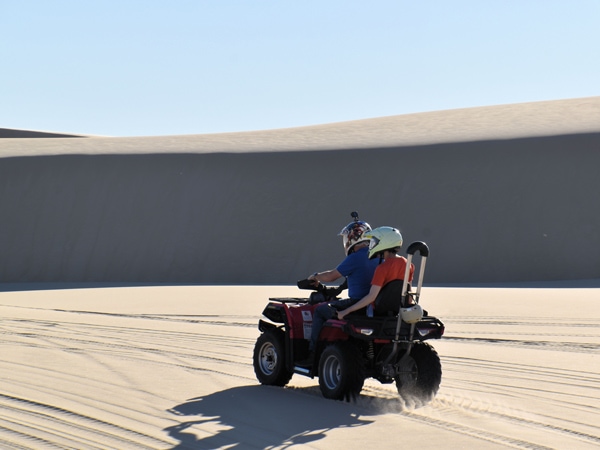
When my daughter was keen to book a quad bike tour to explore the sand dunes of Port Stephens, NSW, we knew that Braeden would love the experience but could not drive a bike himself. The team at Sand Dune Adventures were open to making some adjustments to allow our son to ride on a bike with my husband.
We arrived armed with non-slip matting and a buckle to secure Braeden to the bike; along with an open-minded tour operator, that was all that was needed for us to enjoy the thrill of the ride as a family. An inclusive attitude created a terrific travel memory for everyone.
Being an inclusive business is also good customer service says Buck McFarlane, tour guide and owner of Cocky Guides, a business that offers tours for low-vision and blind travellers.
“Training of service staff is a simple way to improve the guest’s experience," he says. “Simply saying who they are and asking how they can help will go a long way. Never assume what the guest requires."
Not all disabilities are visible
It’s clear from my son’s wheelchair use that he lives with a disability. But many people live with disabilities that are hidden or not immediately obvious to those they encounter. Autism, dementia and long-term health conditions can also impact the ease with which a person can travel, even though they may not be visible to others.
The Hidden Disabilities Sunflower Program ensures that the needs of these individuals are not overlooked, whereby these travellers have the option of wearing a sunflower lanyard, badge or bracelet to indicate that they may require additional assistance, time or understanding.
Airport staff around the country have received training on the needs of travellers with hidden disabilities, and at most airports the sunflower symbol is displayed to indicate that assistance is available.
Many museums and attractions are also participating in the program. Some, such as the Australian Museum in Sydney , offer quiet sessions or sensory-friendly times. These allow those who find the activity or sensory stimulation of general hours too much the opportunity to visit at a time when the environment may better suit their needs.
Australia’s report card
The outlook for travellers with a disability is positive. Attending the Accessible Inclusive Tourism Conference Asia Pacific (AITCAP) on the Gold Coast recently, I noticed there was an overwhelming enthusiasm among speakers and destinations that have already joined the accessible travel movement.
“There’s been a lot of talk about ‘building back better’ after Covid, so it’s really great to see it actually happening in Australia," said speaker and inclusive travel advocate Martin Heng.

“Compared with many countries, Australia is relatively accessible, and Tourism Australia – and Queensland in particular – is finally waking up to the massive potential of the accessible and inclusive travel market. Where we really need to do a lot better is in the provision of information that will allow travellers with access needs to plan their trips – and that includes destination organisations at every level, as well as councils and individual tourism service providers. In this respect, we still have a lot to learn from countries such as the UK, Spain [and] Germany."
Strides are being made in the US, too. On a recent trip to the United States, I found that the Americans with Disabilities Act has laid a good foundation for an overall understanding of access needs. In Washington DC, many museums provide sensory bags, large print or Braille guides. The United States Botanic Garden even offers special glasses that allow visitors who are colour blind the opportunity to fully experience the gardens. At the White House Visitor Centre, tactile exhibits are available for blind visitors to feel.
Where to now?
Apprehension leads to inaction, says Chantel Maclachlan, head of operations at Dreamworld and Whitewater World. At the recent AITCAP conference, she reiterated the importance of not shying away from accessible tourism.
“Offending prevents us from approaching people with disabilities to understand their needs so we can provide an accessible and inclusive experience," she said. “We’re worried about offending so much that we freeze and do nothing." Instead, it’s “progress over perfection every day" that will keep us moving forward with accessibility, Maclachlan believes.
Imperfection notwithstanding, each accessible and inclusive change has an ongoing benefit, not only assisting travellers but also those living in their community. Ramps, for instance, will be used not only by wheelchair users but by parents with prams, the elderly who find stairs difficult and anyone with a temporary injury.
While many of us may not need these facilities now, as we age, we may find we do. And how wonderful to think that when we do, that responsible planning, access and inclusion will ensure there will be no barrier to us continuing to pursue the travel we love.
Travel for all
All-terrain wheelchairs for national parks
All-terrain wheelchairs, such as the TrailRider, are available for free hire at national parks across the country including Royal National Park in NSW , Cradle Mountain in Tasmania and Grampians/Gariwerd National Park in Victoria . Check the national park’s website; bookings are essential.
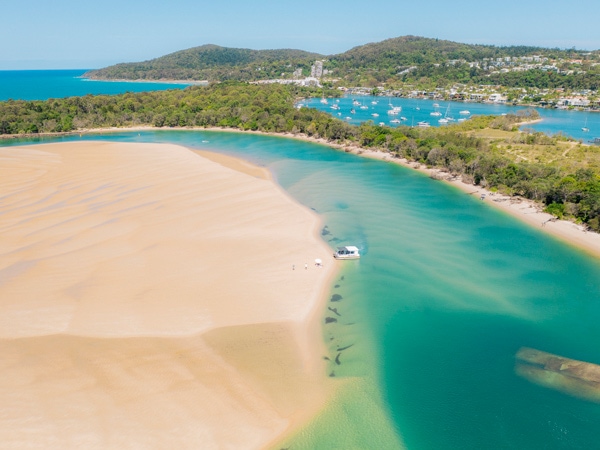
Queensland’s Year of Accessible Tourism
In 2023, the Queensland government will invest $12 million to assist the state’s tourism industry to better cater for visitors of all abilities, including, but not limited to, staff training, upgrading facilities, inclusive activity development and increased website information.
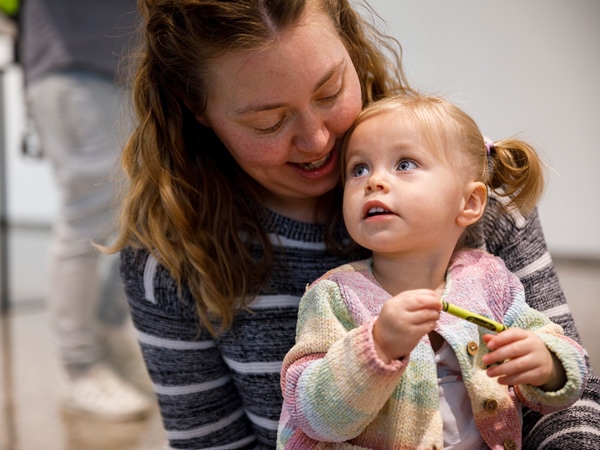
Quiet and sensory sessions
Museums all around the country, such as the Australian Museum, have created allotted times for visitors who require a quieter environment and less sensory stimulation. Others include National Museum of Australia in Canberra , Melbourne’s Science Gallery , Sydney’s National Maritime Museum , WA Museum Boola Bardip in Perth and the Queensland Museum in Brisbane .
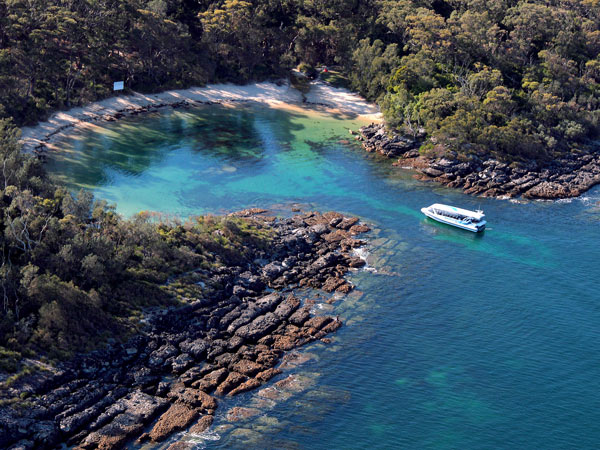
Inclusive regions
While there’s a long way to go, some regions are already investing in inclusive tourism by improving access in public places, supporting and encouraging tourism operators to improve their inclusivity and providing useful information about the best places to eat, play and stay for visitors with a disability.
For example, NSW’s Central Coast and Shoalhaven regions feature go-to guides on their websites for inclusive tourism operators, wheelchair-friendly pathways, where to access free beach wheelchair hire and the best places to stay and eat.
In Western Australia, Mandurah Visitor Centre became the first visitor centre in the state to join The Hidden Disabilities Sunflower program to improve customer service to visitors with non-visible disabilities. Mandurah Houseboats offers a wheelchair-friendly houseboat for hire and The Bike Kiosk , another local operator, now hires out electric wheelchairs alongside its e-bikes and e-scooters.