10 unique island wonders in Australia

hero media
Australia’s proximity to unique and beautiful islands is a privilege, with more than 8000 fringing our coast. Think wildlife sanctuaries. The world’s largest sand island. Epic mountain hikes and cultural heritage. All home to mind-blowing wild and natural beauty.

This article is part of our 100 Australian Wonders series. Throughout the series, we explore our nation’s wonders across culture, nature, food, islands and many more. We hope it inspires your own exploration of Australia’s many wonders.

1. Climbing Lord Howe Island’s Mt Gower

Travelling with: Celeste Mitchell

Heart in mouth, head in the clouds. Below, the iridescent coral lagoon that bracelets the island Sir David Attenborough once described as “so extraordinary it is almost unbelievable".

Above, a cloud forest where moss drips from the branches of mountain apples and providence petrels come thudding to the ground by your feet.

As one of Australia’s most iconic day hikes, climbing the primordial peak of Mt Gower on Lord Howe Island is a serious challenge, which delivers a huge amount of kudos upon completion. If you manage to score a clear view from the top, you’ll have even more bragging rights.

Wear the T-shirt that says “I climbed Mt Gower and survived" with pride.
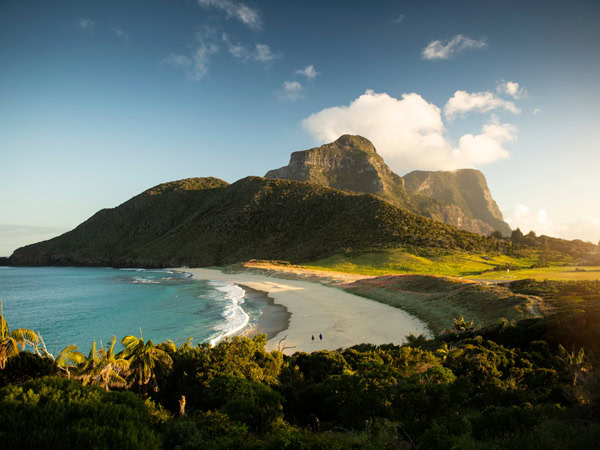
the scenic backdrop of Mt Gower in Lord Howe
Mt Gower is Lord Howe’s highest mountain. (Image: Tom-Archer.com)

2. Torres Strait in a day

Travelling with: Steve Magdwick

North of Cape York and with limited transport links, the Torres Strait was an unachievable dream for all but intrepid travellers until 2022 when Fraser Nai (Traditional Owner on Masig Island) co-founded Strait Experience.

It’s an ambitious day tour from Cairns, packing in cultural highlights of the archipelago’s ‘main’ islands, Ngurupai (Horn) and Waiben (Thursday).

Experience life in fast-forward on Zenadth Kes, as the Torres Strait is referred to locally, with everything from dance displays by Joey Laifoo’s Island Stars to a tour retracing Ngurupai’s intriguing Second World War history. A belly-stretching seafood buffet showcases the smorgasbord of flavours and cultures from Malay to Chinese.

It’s not a cheap day trip (thanks to charter flights) but it noticeably benefits these tiny island communities.
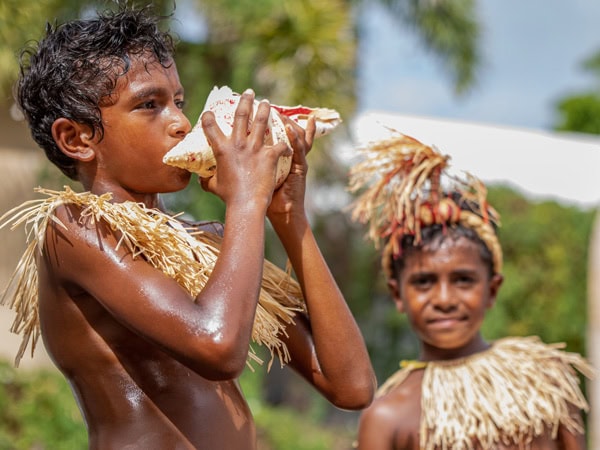
Indigenous children at Torres Strait
Visiting the tiny island communities of the Torres Strait is an enriching experience. (Image: Tourism and Events Queensland/ Phil Warring)

3. Little penguins of Phillip Island, Vic 

Travelling with: Imogen Eveson

Every night at sunset, the Penguin Parade begins on Phillip Island. As the sun paints the sky and limited numbers of hopeful onlookers try not to make a noise, the largest colony of little penguins in the world starts to waddle their way from a day spent roaming the ocean back to their burrows on Summerland Beach.
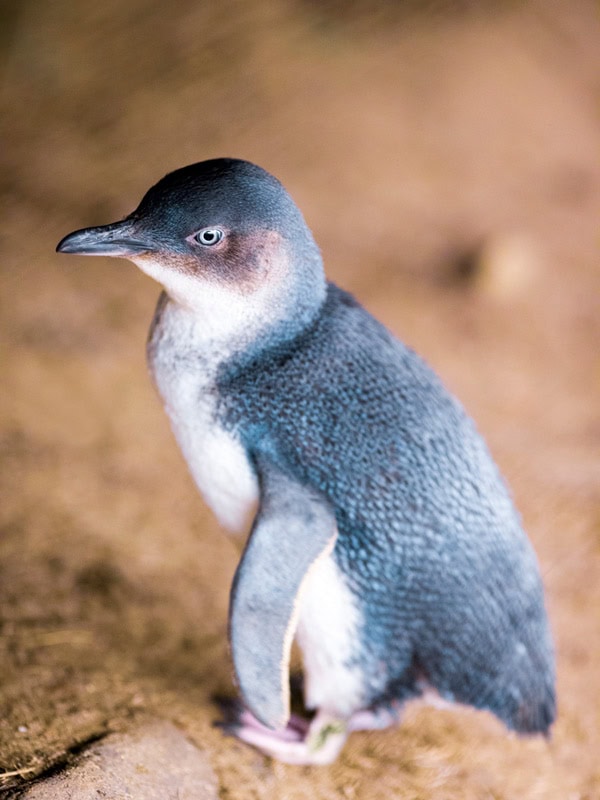
a little penguin on Phillip Island, Vic
See a little penguin on Phillip Island. (Image: Phillip Island Nature Parks/ Visit Victoria)

An hour is quickly over as these tiny seabirds go about their nightly routine, a fun and adorable experience that also contributes to vital conservation, research and education programs that keep little penguins thriving.
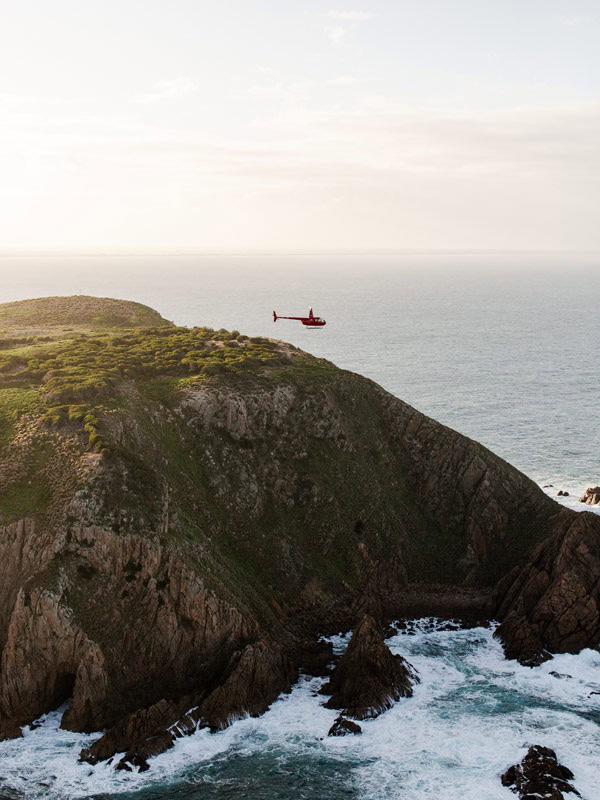
a helicopter above Phillip Island
The wonders of Phillip Island can also be witnessed from above. (Image: Tourism Australia/ The View From Here)

Need tips, more detail or itinerary ideas tailored to you? Ask AT.

AI Prompt

4. Whitehaven Beach, Qld

Travelling with: Megan Arksintall

From above, it looks like someone has run amok with white-out and highlighters, so vivid are the colours of Whitehaven Beach. This seven-kilometre stretch of sand on Whitsunday Island is made up of 98 per cent pure-white silica and lapped by pristine, aqua-hued water.
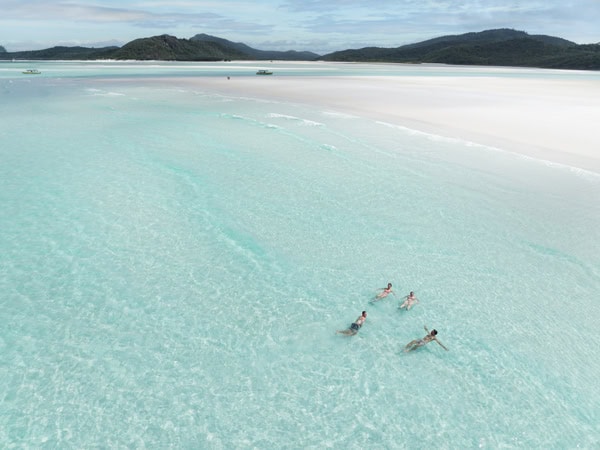
swimming at Hill Inlet
Go for a swim at Hill Inlet. (Image: Tourism and Events Queensland/ Courtney Atkinson)

At the northern end, Hill Inlet is a marbled beauty of sand and sea, an ever-changing landscape at the mercy of the shifting tides. These swirling whites and blues are best seen from the lookout at Tongue Point. Protected by Whitsunday Islands National Park, Whitehaven has appeared on many ‘best beaches’ lists and is the ultimate day trip from either Airlie Beach or Hamilton Island.
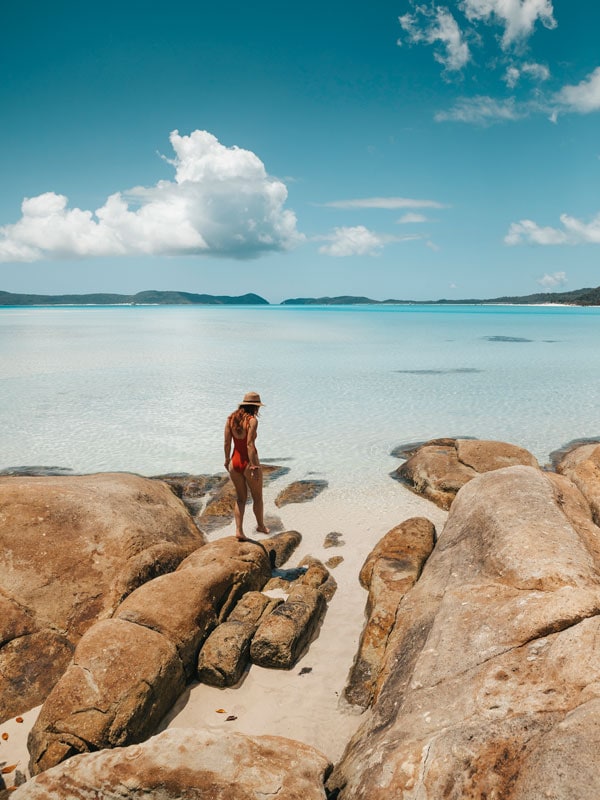
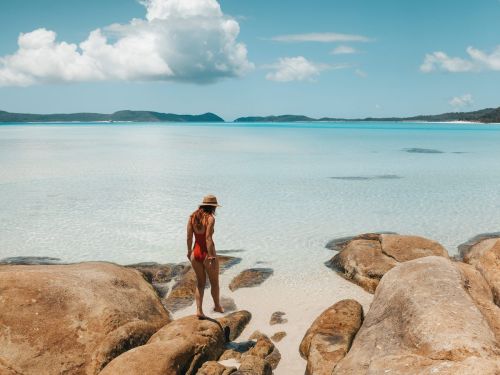
a person standing on a beach rock at Hill Inlet
Hill Inlet is a marbled beauty of sand and sea. (Image: Tourism and Events Queensland/ Katie Purling)

5. Cocos (Keeling) Islands

Travelling with: Emily Murphy

This remote pocket of paradise in the Indian Ocean is the very definition of utopia. Think beaches to yourself, water so clear it looks invisible, snorkelling with manta rays, dolphins and turtles.

But the Cocos (Keeling) Islands aren’t your typical tourist destination. A holiday here invites you to slow down, disconnect and embrace island time.

Visitors are few (only 144 visitors are allowed at once), there’s no mobile reception and locally run eateries can change their opening hours on a whim to go for a fish or a dive.
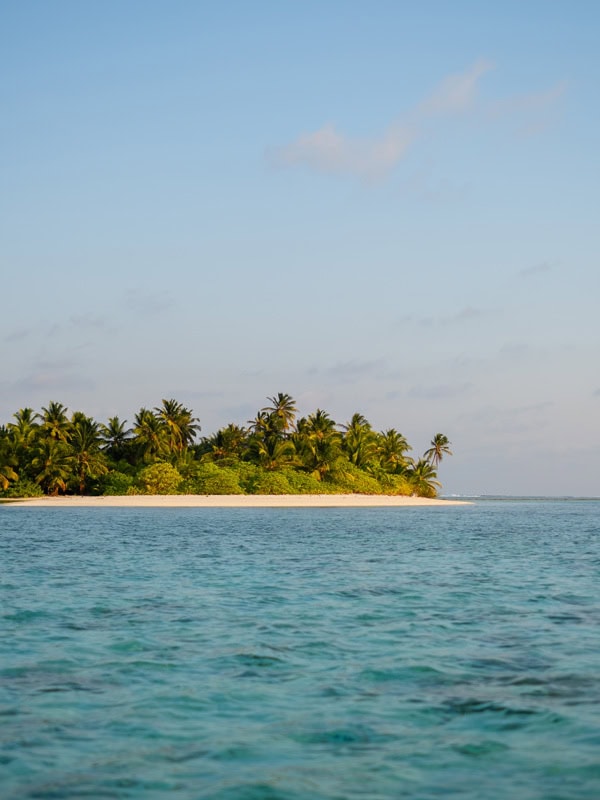
uninhabited islands on the Southern Atoll
Cocos (Keeling) is made up of uninhabited islands on the Southern Atoll. (Image: Cocos (Keeling) Tourism Association)

6. Brisbane’s islands, Qld

Travelling with: Carla Grossetti

A Google Earth view of Brisbane reveals the Brisbane River (Turrbal: Maiwar) snaking its way through the city. Zoom out on the city and its serpentine river and you will see where it empties into Moreton Bay on the Coral Sea.
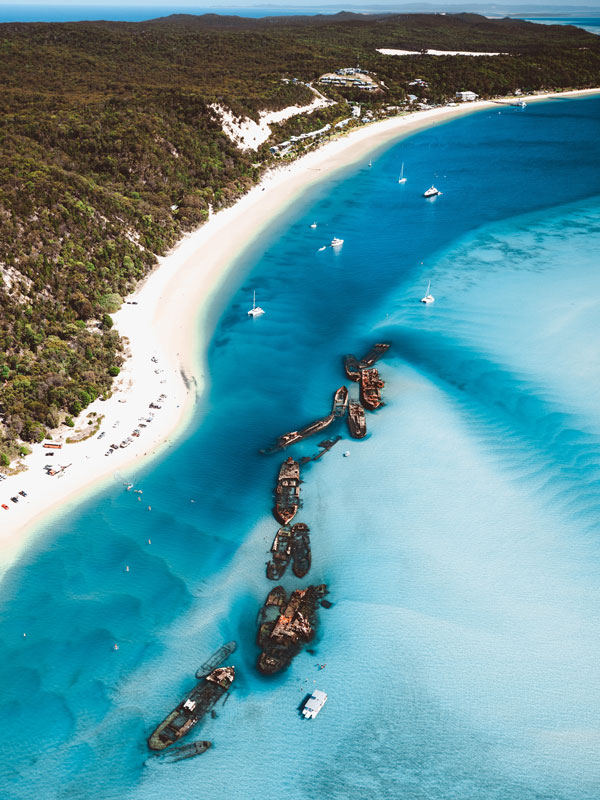
an aerial view of Moreton Island, Brisbane
Tangalooma wrecks are anchored on Moreton Island. (Image: Tourism and Events Queensland/ Kyle Hunter and Hayley Andersen)

Pull back even further and you’ll find a string of islands dotted off the Queensland coast that are just a short boat ride from Brissy. Island hop from Mulgumpin (Moreton Island) to Minjerribah (North Stradbroke Island), Bribie, Peel and Coochiemudlo islands before mooching around Russell, Macleay, Karragarra and Lamb, which make up the islands of Southern Moreton Bay. Another valid reason to put Brisvegas on the radar.

7. Kangaroo Island’s Ligurian honey bees, SA

Travelling with: Elizabeth Whitehead

It’s an ironic peculiarity that the purest strain of Ligurian bees resides on the opposite side of the world to their homeland. Twelve hives of Ligurian bees were brought from Italy to Kangaroo Island in 1881, chosen for their docile temperament and productivity.

The bees thrived – thanks to KI’s pristine landscape and climate that mirrors that of their ancestral home in northern Italy. This happenstance made Kangaroo Island the oldest bee sanctuary in the world, and as a result, a legacy of beekeeping has been instilled here.
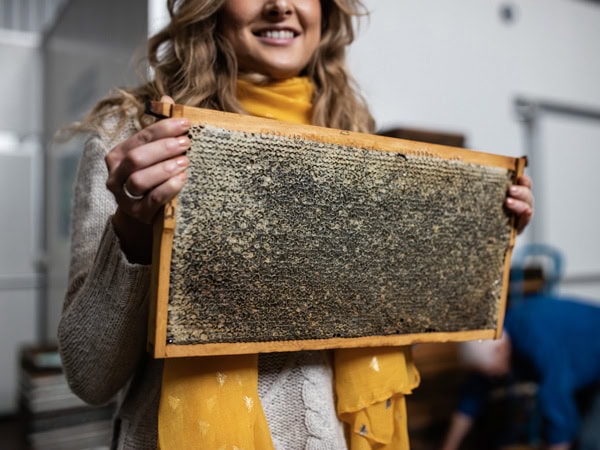
a beekeeper holds eaten honeycombs in Kangaroo Island
Kangaroo Island is the oldest bee sanctuary in the world. (Image: Tourism Australia)

This is evidenced by the passionate apiarists across KI who combine Italian bees with local botanicals to create a truly idiosyncratic honey – such as the organic Boobialla honey, with nectar harvested from native juniper and coastal beard heath.

Visit the Kangaroo Island Ligurian Bee Co. in Kingscote to learn all about this legacy.
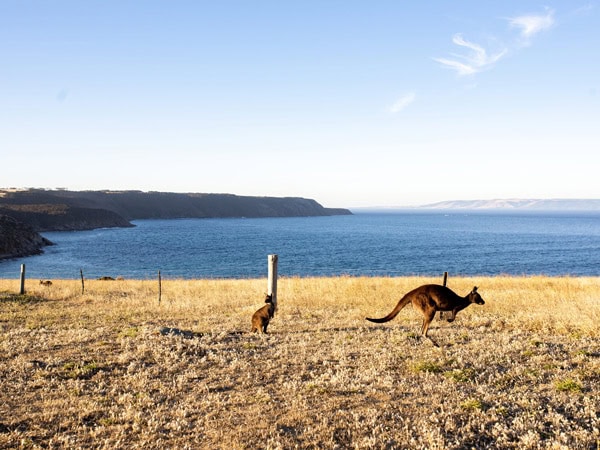
roos on Kangaroo Island
See resident roos on Kangaroo Island. (Image: Tourism Australia)

Weekly travel news, experiences
insider tips, offers, and more.

8. K’gari, Qld

Travelling with: Emily Murphy

K’gari dazzles at every turn whether it’s witnessed from land, sea or sky. Home to the Butchulla people, the name is derived from a Dreaming story about a princess named K’gari who fell in love with the place and never wanted to leave.

And much like Princess K’gari, visitors to the world’s largest sand island will be bewitched by its luminous lakes, fascinating sand sculptures, bountiful marine life and epic drives along the sandy 75 Mile Beach. The list goes on…
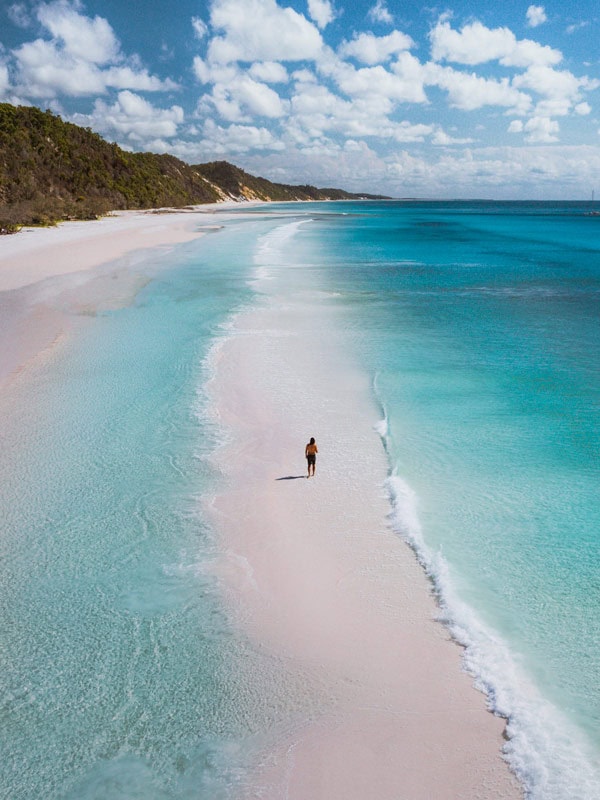
a man walking along the west coast of K'gari
Escape to the west coast of K’gari. (Image: Tourism and Events Queensland/ Kyle Hunter)

9. Lizard Island, Qld

Travelling with: Megan Arkinstall

Lizard Island claims a remote, exclusive location no other luxury resort can – nestled in the centre of intricate inner and outer reef systems of the Great Barrier Reef. Some 240 kilometres north of Cairns, the island is a stark desert-like landscape covered in rocky outcrops, hugged by translucent water that transposes into a tie-dye of blues.
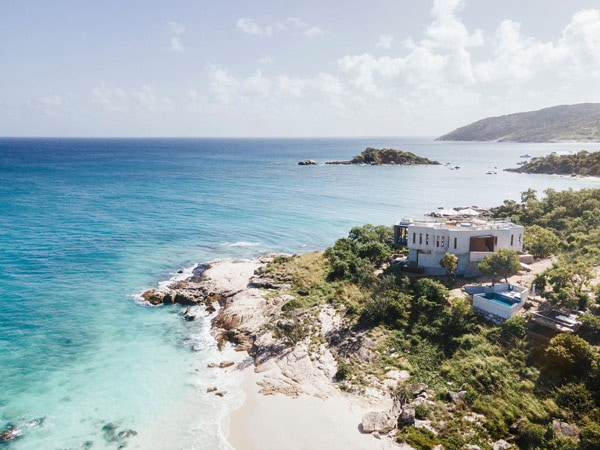
an aerial view of the Lizard Island, Great Barrier Reef
The House at Lizard Island is nestled at the heart of the Great Barrier Reef. (Image: Elise Hassey)

Beneath the shimmering surface: coral reef, giant clam gardens, a habitat of green sea turtles and the world-famous Cod Hole dive site.
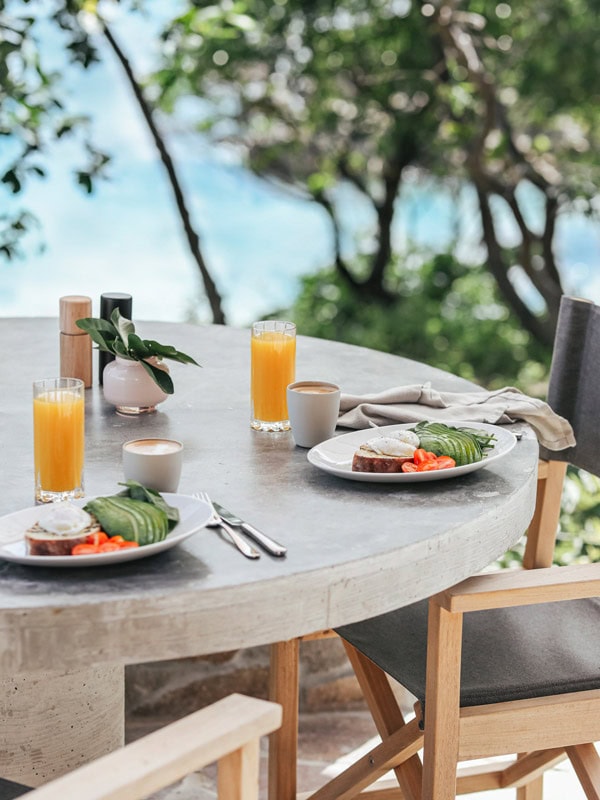
the outdoor dining at Lizard Island Resort
Wake up to oceanfront views. (Image: Elise Hassey)

The island comprises an all-inclusive resort of just 40 suites and The House at Lizard Island, both of which exude understated luxury with unrivalled nature-based experiences, and warrant a solid spot on your dream destination list.
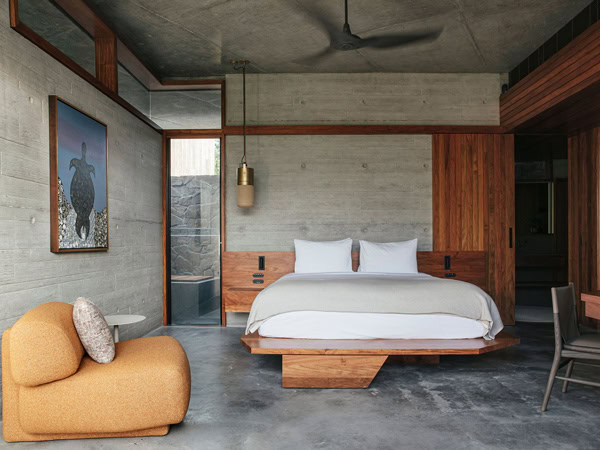
the bedroom at Lizard Island Resort
The House at Lizard Island delivers unbeatable luxury in a tropical setting. (Image: Elise Hassey)

10. Maria Island, Tas

Travelling with: Megan Arkinstall

This small island off the east coast of Tassie was given the nickname ‘Noah’s Ark’ in the 1970s after threatened species were brought here for protection, including Flinders Island wombats and Cape Barren geese. It is also home to one of the healthiest populations of Tasmanian devils.
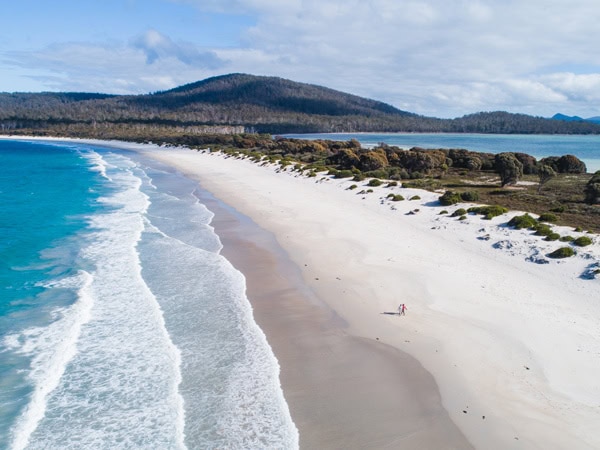
an aerial view of the white beach at Maria Island, Tas
Off the east coast of Tassie, you’ll find Maria Island. (Image: Tourism Tasmania/ Stu Gibson)

Witness the wildlife roaming freely during a guided four-day Maria Island Walk, which takes in empty white-sand beaches, mighty stands of Tasmanian blue gums and the towering dolerite peaks known as Bishop and Clerk, topped with tall woodland and rare cloud rainforests.
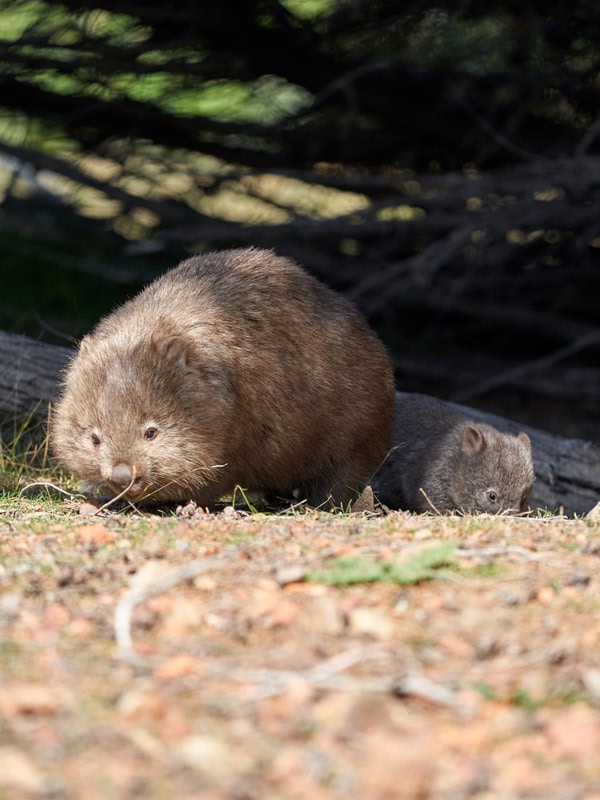
a wombat in Maria Island, Tas
Flinders Island wombats thrive on Maria Island. (Image: Robert King Visuals)
Keep reading our 100 Australian Wonders series; from road trips, outback and cultural wonders to foodie wonders and many more.

Want to see more stories from Australian Traveller in your Google search results?

  1. Click here to set Australian Traveller as a preferred source.
  2. Tick the box next to "Australian Traveller". That's it.

This scenic Victorian region is the perfect antidote to city life

    Craig Tansley Craig Tansley

    Video credit: Visit Victoria/Tourism Australia

    The Grampians just might be the ultimate antidote for the metropolis, writes one returning Aussie ready to disconnect from the modern world and reconnect to the Great outdoors.

    There are no kangaroos back in Chicago: they’re all here in the Grampians/Gariwerd. In the heart of the Grampians National Park’s main gateway town, Halls Gap, pods of eastern greys are eating grass beside my parked rental car beneath the stars. Next morning, when I see the backyard of my rented villa on the edge of town for the first time, there are kangaroos feeding beside a slow-moving creek, lined with river red gums.

    Five hundred metres up the road, 50 or so of them are eating by the side of the road in a paddock. I pull over to watch and spot three emus. Yellow-tailed black cockatoos fly overhead towards the tall green mountains just beyond town.

    ‘Kee-ow, keee-oww’… their calls fuse with the maniacal cackle of a kookaburra (or 10). Gawd, how I’ve missed the sound of them. Far above, a wedge-tailed eagle watches, and there you go: the ‘great birds of Australia’ trifecta, all half a kay from the town limits.

    Exchanging city chaos for country calm

    kangaroos near Halls Gap, Grampians National Park
    The park is renowned for its significant diversity of native fauna species. (Image: Visit Victoria/Robert Blackburn)

    I’ve come to the Grampians to disconnect, but the bush offers a connection of its own. This isn’t just any bush, mind you. The Grampians National Park is iconic for many reasons, mostly for its striking sandstone mountains – five ridges run north to south, with abrupt, orange slopes which tumble right into Halls Gap – and for the fact there’s 20,000 years of traditional rock art. Across these mountains there are more than 200 recorded sites to see, created by the Djab Wurrung, Jardwadjali and Gunditjmara peoples. It’s just like our outback… but three hours from Melbourne.

    I’ve come here for a chance at renewal after the chaos of my life in America’s third-largest city, Chicago, where I live for now, at the whim of a relative’s cancer journey. Flying into Melbourne’s airport, it only takes an hour’s drive to feel far away from any concept of suburbia. When I arrive in Halls Gap two hours later, the restaurant I’m eating at clears out entirely by 7:45pm; Chicago already feels a lifetime ago.

    The trails and treasures of the Grampians

    sunrise at Grampians National Park /Gariwerd
    Grampians National Park /Gariwerd covers almost 2000 square kilometres. (Image: Ben Savage)

    Though the national park covers almost 2000 square kilometres, its best-known landmarks are remarkably easy to access. From my carpark here, among the cockatoos and kangaroos on the fringe of Halls Gap, it only takes 60 seconds’ driving time before I’m winding my way up a steep road through rainforest, deep into the mountains.

    Then it’s five minutes more to a carpark that serves as a trailhead for a hike to one of the park’s best vantage points, The Pinnacles. I walk for an hour or so, reacquainting myself with the smells and the sounds of the Aussie bush, before I reach it: a sheer cliff’s edge lookout 500 metres up above Halls Gap.

    walking through a cave, Hollow Mountain
    Overlooking the vast Grampians landscape from Hollow Mountain. (Image: Robert Blackburn)

    There are hikes and there are lookouts and waterfalls all across this part of the park near town. Some are a short stroll from a carpark; others involve long, arduous hikes through forest. The longest is the Grampians Peaks Trail, Victoria’s newest and longest iconic walk, which runs 160 kilometres – the entire length of Grampians National Park.

    Local activities operator Absolute Outdoors shows me glimpses of the trail. The company’s owner, Adrian Manikas, says it’s the best walk he’s done in Australia. He says he’s worked in national parks across the world, but this was the one he wanted to bring his children up in.

    “There’s something about the Grampians,” he says, as he leads me up a path to where there’s wooden platforms for tents, beside a hut looking straight out across western Victoria from a kilometre up in the sky (these are part of the guided hiking options for the trail). “There are things out here that you won’t see anywhere else in Australia.” Last summer, 80 per cent of the park was damaged by bushfire, but Manikas shows me its regrowth, and tells me of the manic effort put in by volunteers from town – with firefighters from all over Australia – to help save Halls Gap.

    wildflowers in Grampians National Park
    Spot wildflowers. (Image: Visit Victoria)

    We drive back down to Halls Gap at dusk to abseil down a mountain under the stars, a few minutes’ walk off the main road into town. We have headlamps, but a full moon is enough to light my way down. It takes blind faith to walk backwards down a mountain into a black void, though the upside is I can’t see the extent of my descent.

    Grampians National Park at sunset
    Grampians National Park at sunset. (Image: Wine Australian)

    The stargazing is ruined by the moon, of course, but you should see how its glow lights up the orange of the sandstone, like in a theme park. When I’m done, I stand on a rocky plateau drinking hot chocolate and listening to the Aussie animals who prefer nighttime. I can see the streets of Halls Gap off in the distance on this Friday night. The restaurants may stay open until 8pm tonight.

    What else is on offer in The Grampians?

    a boat travelling along the Wimmera River inDimboola
    Travelling along the Wimmera River in Dimboola. (Image: Chris McConville)

    You’ll find all sorts of adventures out here – from rock climbing to canoeing to hiking – but there’s more to the Grampians than a couple of thousand square kilometres of trees and mountains. Halls Gap may be known to most people, but what of Pomonal, and Dimboola, and Horsham? Here in the shadow of those big sandstone mountains there are towns and communities most of us don’t know to visit.

    And who knew that the Grampians is home to Victoria’s most underrated wine region? My disconnection this morning comes not in a forest, but in the tasting rooms and winery restaurants of the district. Like Pomonal Estate, barely 10 minutes’ drive east of Halls Gap, where UK-born chef Dean Sibthorp prepares a locally caught barramundi with lentil, pumpkin and finger lime in a restaurant beside the vines at the base of the Grampians. Husband-and-wife team Pep and Adam Atchison tell me stories as they pour their prize wines (shiraz is the hero in these parts).

    dining at Pomonal Estate
    Dine in a restaurant beside vines at Pomonal Estate. (Image: Tourism Australia)

    Three minutes’ drive back down the road, long-time mates Hadyn Black and Darcy Naunton run an eclectic cellar door out of a corrugated iron shed, near downtown Pomonal. The Christmas before last, half the houses in Pomonal burnt down in a bushfire, but these locals are a resilient lot.

    The fires also didn’t stop the construction of the first art centre in Australia dedicated to environmental art in a nature-based precinct a little further down the road (that’s Wama – the National Centre for Environmental Arts), which opened in July. And some of the world’s oldest and rarest grape vines have survived 160 years at Best’s Wines, outside the heritage town of Great Western. There’s plantings here from the year 1868, and there’s wines stored in century-old barrels within 150-year-old tunnels beneath the tasting room. On the other side of town, Seppelt Wines’ roots go back to 1865. They’re both only a 30-minute drive from Halls Gap.

    Salingers of Great Western
    Great Western is a charming heritage town. (Image: Griffin Simm)

    There’s more to explore yet; I drive through tiny historic towns that barely make the map. Still part of the Grampians, they’re as pretty as the mountains behind them: full of late 19th-century/early 20th-century post offices, government offices and bank buildings, converted now to all manner of bric-a-brac stores and cafes.

    The Imaginarium is one, in quirky Dimboola, where I sleep in the manager’s residence of an old National Australia Bank after a gourmet dinner at the local golf club, run by noted chef and teacher, Cat Clarke – a pioneer of modern Indigenous Australian cooking. Just south, I spend an entire afternoon at a winery, Norton Estate Wines, set on rolling calico-coloured hills that make me think of Tuscany, chit-chatting with owners Chris and Sam Spence.

    Being here takes me back two decades, when I lived here for a time. It had all seemed as foreign as if I’d driven to another planet back then (from Sydney/Warrane), but there seemed something inherently and immediately good about this place, like I’d lived here before.

    And it’s the Australian small-town familiarity of the Grampians that offers me connection back to my own country. Even in the better-known Halls Gap, Liz from Kerrie’s Creations knows I like my lattes with soy milk and one sugar. And while I never do get the name of the lady at the local Ampol station, I sure know a lot about her life.

    Kookaburras on a tree
    Kookaburras are one of some 230 bird species. (Image: Darren Donlen)

    You can be a local here in a day; how good is that? In Chicago, I don’t even know who my neighbour is. Though each day at dusk – when the kangaroos gather outside my villa, and the kookaburras and the black cockatoos shout out loud before settling in to sleep – I prefer the quieter connection I get out there in the bush, beneath these orange mountains.

    A traveller’s checklist

    Staying there

    Sleep beside the wildlife on the edge of Halls Gap at Serenity.

    Playing there

    abseiling down Hollow Mountain
    Hollow Mountain is a popular abseiling site.

    Go abseiling under the stars or join a guided hike with Absolute Outdoors. Visit Wama, Australia’s first environmental art centre. Check out Dimboola’s eccentric Imaginarium.

    Eating there

    steak, naan bread and beer at Paper Scissors Rock in Halls Gap
    Paper Scissors Rock in Halls Gap serves a great steak on naan bread.

    Eat world-class cuisine at Pomonal Estate. Dine and stay at much-revered icon Royal Mail Hotel in Dunkeld. The ‘steak on naan’ at Halls Gap brewhouse Paper Scissors Rock, can’t be beat.

    Dunkeld Arboretum in Grampians National Park
    The serene Dunkeld Arboretum.

    For Halls Gap’s best breakfasts head to Livefast Cafe. Sip local wines at Great Western’s historic wineries, Best’s Wines, Seppelt Wines and Norton Estate Wines.

    two glasses of beer at Paper Scissors Rock in Halls Gap
    Sink a cold one at Paper Scissors Rock.