Although the seductively laid-back islands scattered in the sparkling waters between Cape York and Papua New Guinea lie well off the tourist trail, they’ve attracted intrepid travellers for centuries. Now, an unforgettable day tour makes it easy to interact with the unique island cultures of the Torres Strait.
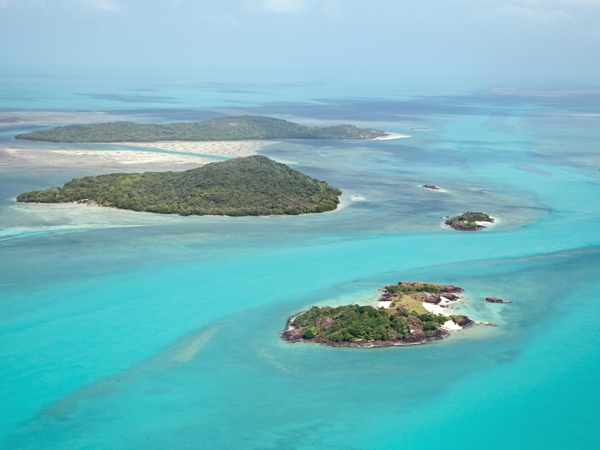
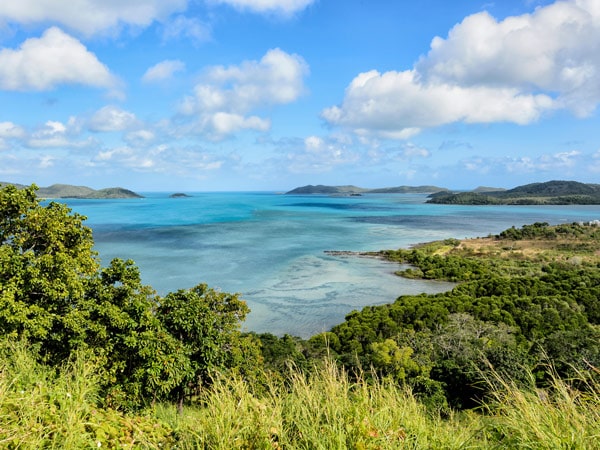
We’re somewhere north of Cape York when the twin turboprop Dash 8 descends through a thick blanket of cloud. Looking out the window I see richly vegetated islands surrounded by banks of mangroves, wafer-thin crescents of white sand and mudflats riddled with so many channels they look like the cross-sections of a brain. But it’s the surrounding water that captures my attention.
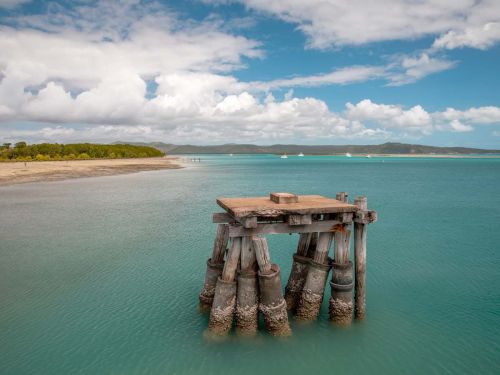
Even on an overcast day, the ocean is a shade of turquoise so vibrant it looks unreal. “When I see that colour I know I’m home," says John Palmer, who has lived in the Torres Strait for eight years. He’s one of two men introducing intrepid travellers to ‘Australia’s last frontier’ and, as we prepare to land, his business partner warns me that, “We’re only a few degrees from the equator, so don’t forget to put on sunscreen."
Numerous islands to explore
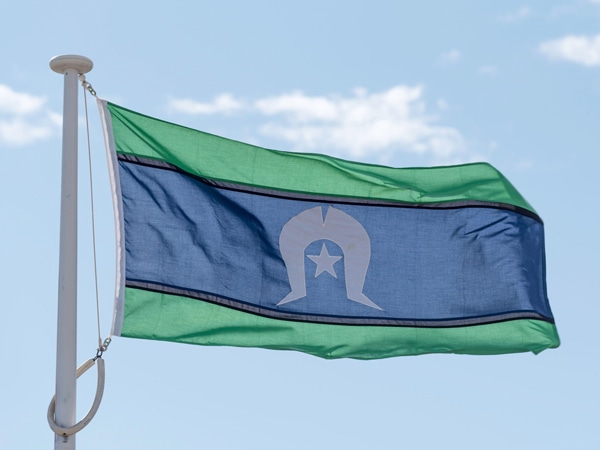
Fraser Nai is an “outer island boy" from the tiny coral cay of Masig Island, one of 274 islands scattered like a string of pearls between the northernmost tip of mainland Australia and Papua New Guinea. They range from sandy spits to rugged volcanic islands and are divided into five major groups that are represented by a star on the Torres Strait Islander flag.
It’s closer than you think
The most populous cluster is the Inner Group, which includes the region’s main airport on Ngurupai (Horn Island). Although the flight from Cairns takes a tick under two hours, it’s a journey few travellers make. Fraser and John are determined to change that. It’s why they’ve created a new day tour connecting six local operators to showcase the region’s natural beauty and the rich culture of this maritime crossroads.
A unique culture awaits
“When it comes to Indigenous Australians, a lot of people think about Aboriginal Australians," says Fraser, who sports a broad grin and thin dreads that fall onto a bright turquoise shirt matching the colour of the ocean in the background. “But we’re Torres Strait Australians… We have our own food, customs and dance, and we share them through culture and ceremonies that are unique to us."
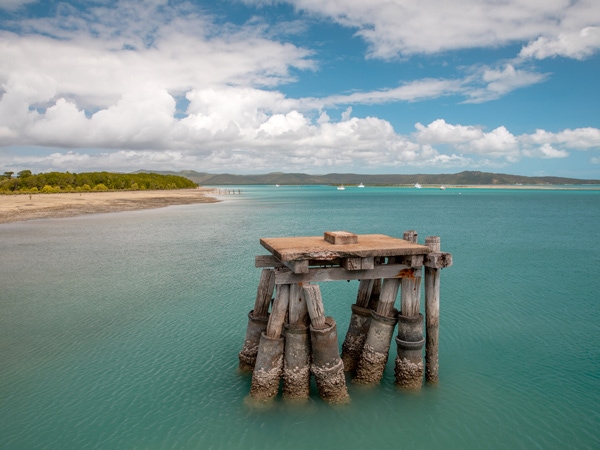
That syncretic culture is on display when Fraser welcomes us to an epic buffet lunch on Waibene (Thursday Island), a scenic six-minute ferry ride away. “Big eso father. May you bless them kai kai," he intones before we eat, using the local word for thanks (“big eso") and a Polynesian one for food (“kai kai") while highlighting the strong sway Christianity still holds.
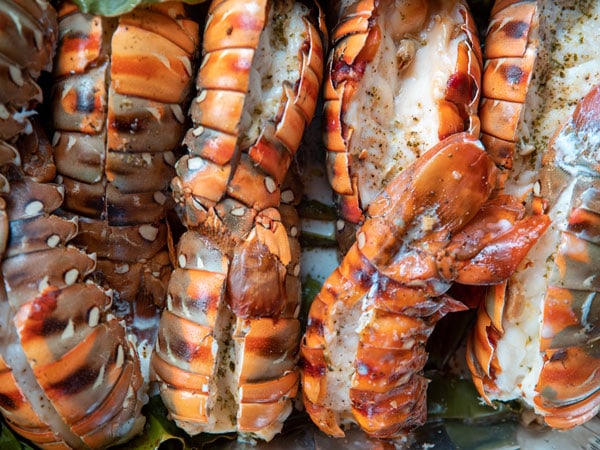
The food tells the same story; amid an island feast of supersized crayfish tails, and mounds of roasted yams and damper cooked in banana leaf are several outliers. Like the zingy namas. This dish of fresh mackerel cured in lime, coconut and soy is a legacy of the Japanese divers who formed the backbone of the local pearling industry in the 19th century.

They were just the latest in a long line of visitors to make their mark on the archipelago, which sits at the centre of an extensive maritime network.
Long before the arrival of Europeans in 1605, Macassan sailors from modern Indonesia were annual visitors, while Torres Strait Islanders made regular trading voyages to Papua New Guinea and down the Australian coast all the way to Cairns.
Need tips, more detail or itinerary ideas tailored to you? Ask AT.
AI Prompt
Dancing and storytelling
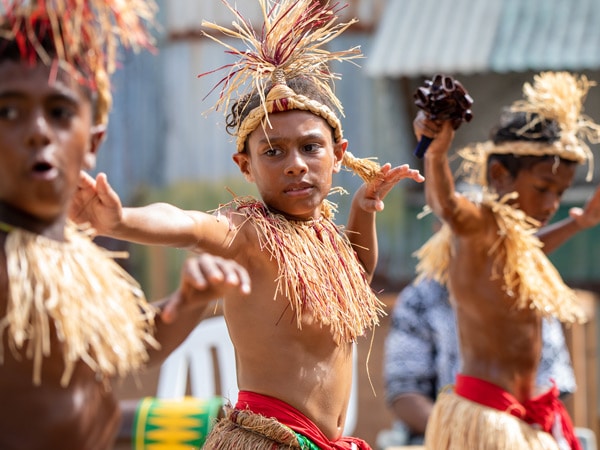
Those journeys are recreated at the next stop by enthusiastic young performers who leap across the sand in grass skirts, headdresses and anklets. “Torres Strait Islanders pass on their knowledge through dancing," explains Badu Island Traditional Owner Joey Laifoo, who also leads the local dance troupe, Island Stars. “We’ve got educational dances, spiritual ones, fun ones… It’s very important to show tourists because if you get it out there then it stays alive and that’s very important for us."
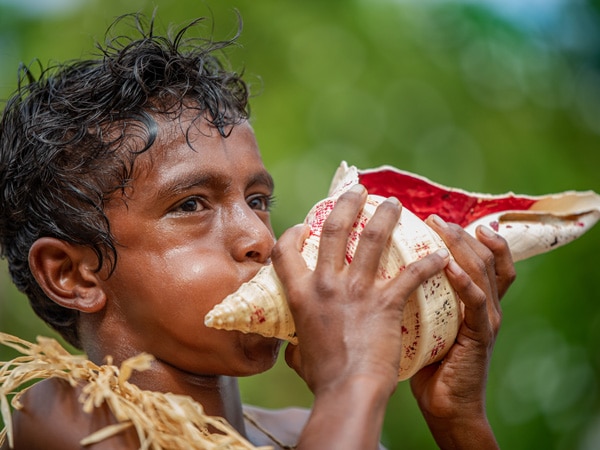
The most dramatic moment comes when Joey uses the local ‘telephone’, emptying his lungs into a giant conch shell to salute the four winds.
“We have an ancient way of telling time," he explains. “Different winds blow at different times of year, so that’s our calendar. We know when it’s turtle-mating season, when to pick the fruit, when to go hunting, when the fish are fattest."
This knowledge has been passed down through countless generations, and the Torres Strait Islanders’ ongoing connection to Country was officially recognised in the landmark Mabo ruling. That was the culmination of a case that began at the unprepossessing courthouse on Waibene, one of several sights we pass on a tour of the island with 82-year-old Ron Laifoo, who, incidentally, is Joey’s dad’s cousin.
A multicultural place for all religions
A former pearl diver whose grandfather came over from China, Ron immediately puts a serious dent in Adelaide’s claim as the City of Churches. Within a few blocks we pass houses of worship for Roman Catholics, Anglicans, Mormons, Jehovah’s Witnesses, Seventh Day Adventists, Pentecostal and Uniting Christians and followers of the Baha’i faith. “There’s even a bikie’s church," he says playfully, pointing toward the Torres Hotel before we head up to Green Hill Fort for views all the way to Cape York, some 36 kilometres away.
We see more evidence of the rich mixture of cultures when we pass through the cemetery, with a Buddhist monument honouring the 700 Japanese divers who died here and a Muslim section for Malay residents. Each subsequent layer of migration has added to the rich traditions of the archipelago.
Weekly travel news, experiences
insider tips, offers, and more.
Embracing diversity and multiculturalism
“Torres Strait wouldn’t be what it is without Japanese, Malay and Chinese people," says Ron. “This is the most multicultural place I’ve ever seen and I couldn’t belong anywhere else." It’s a sentiment echoed by tour guide Perina Drummond, a former fashion director with Aboriginal, Torres Strait Islander and Malay ancestry.
After moving to Melbourne to pursue her career, she came back when Covid-19 hit, and a trip that was supposed to last two months has turned into two years and counting. “I’ve travelled around the world and I realised people pay millions of dollars to live the lifestyle we have here… I have a freezer full of crayfish, I wake up every morning to these beautiful views – what more could you want?"
The details
A Strait Day costs $1499 per person and departs from Cairns on the first Saturday of the month from April to September. Each tour has a maximum of 32 people and is split into two smaller groups.
Want to see more stories from Australian Traveller in your Google search results?
- Click here to set Australian Traveller as a preferred source.
- Tick the box next to "Australian Traveller". That's it.