14 places to see penguins in Australia

hero media
Australia is home to the smallest of any of the world’s penguins. This is where to find them.

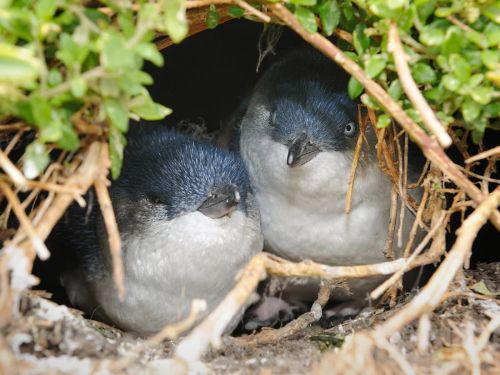
Endemic penguins in Australia might all be the same species, but between our shores and New Zealand, it’s the only place in the world to spot adorable (and aptly named) little penguins. So-called for their small stature (at only 36 to 43 centimetres tall, they’re some of the smallest aquatic birds in the world), you’ll mostly find their colonies on islands just off the (mostly southern) coast. But that doesn’t mean they haven’t found their way to other states.

We’ve rounded up some of the best places to see little penguins in the Australian wild.

1. Phillip Island, Vic

It would be wrong to start this list with anything other than Phillip Island, home to one of the largest little penguin colonies in the world. Just a 90-minute drive from Melbourne and connected to mainland Victoria by a bridge, not only is it easy to get to, but the famous Penguin Parade is an adorable nightly event, tickets to which also support more research into and care for these waddly creatures. Elevated boardwalks make for perfect viewing points as a controlled number of visitors watch these feathered locals return to their burrows every night as the sun goes down.
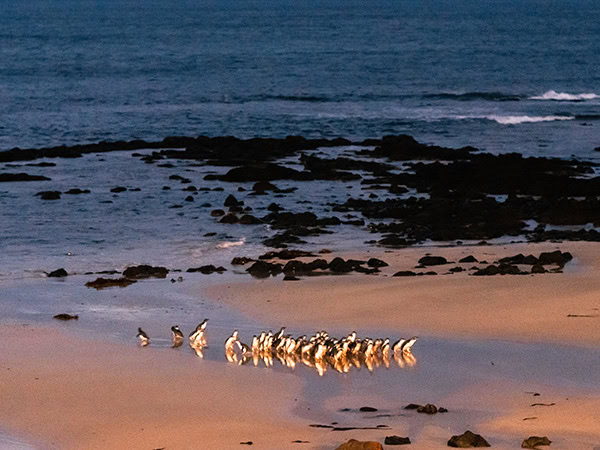
little penguins return to their burrows during Phillip Island penguin parade
Buy a ticket to the Penguin Parade. (Image: Visit Victoria)

2. St Kilda, Vic

Then again, you don’t need to leave Melbourne at all to spot little penguins. Head to St Kilda Beach and stop by Breakwater (the rocky outcrop at the end of the pier) to spot this local colony. To protect the penguins, there are three nightly viewings of the penguins between February and April run by the local council. Tickets are free but you do need to register. Penguin Rangers patrol the area for everyone’s safety.
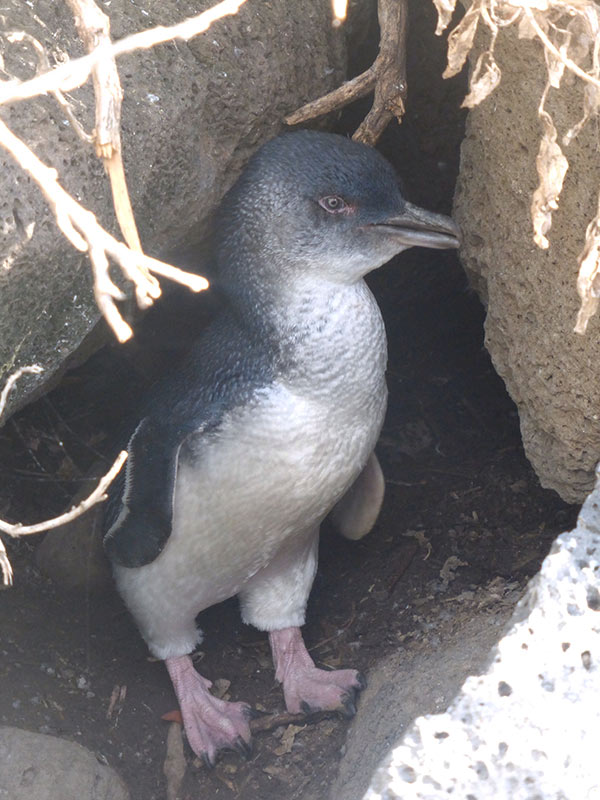
St Kilda Penguin hiding in breakwater rocks
Spot penguins hiding in the rocks of the breakwater. (Image: Eric Fortin)

3. Middle Island, Warrnambool, Vic

Further south, little penguins also call Middle Island home, off the coast from Warrnambool along the Great Ocean Road. Sadly, numbers were dwindling by 2006 after foxes made their way from the mainland to hunt during low tide. These days, after the installation of famously protective Maremma guard dogs on the island, the penguin population is soaring. Each summer, visitors can meet these pawed penguin pals on a ‘Meet the Maremma Tour’ and learn about the Penguin Protection Project.
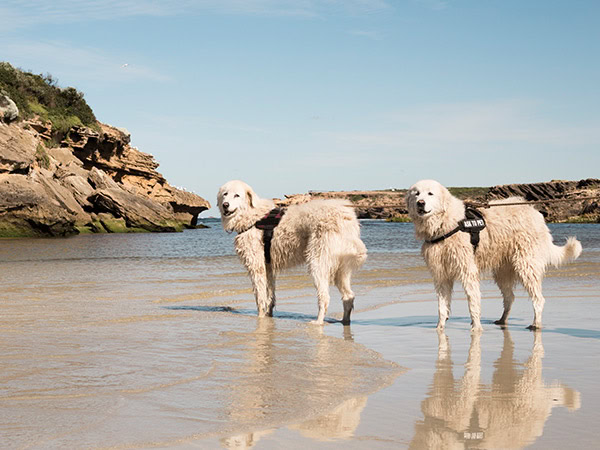
maemma dogs protect little penguins on Middle Island victoria
See maemma dogs on duty at Middle Island. (Image: GOR Regional Tourism)

4. Penguin Island, WA

As the name suggests, Penguin Island is home to the largest little penguin colony in Western Australia. Visits to this pristine island are limited and only available during specific daylight hours in mid-September to early June. But it’s worth nabbing one of these tickets as the island is also home to pelicans, sea eagles and albatross. Guided wildlife walks are also available to book.
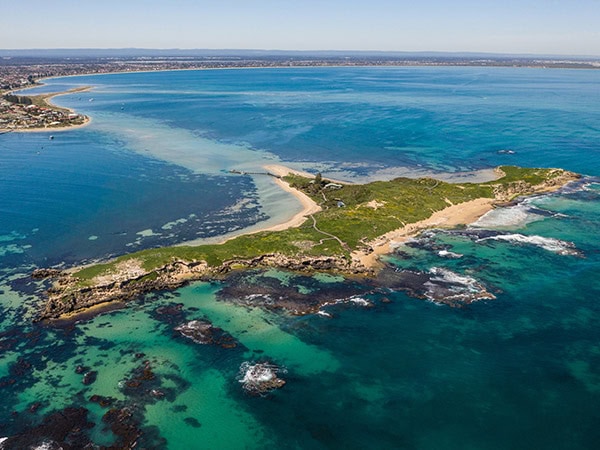
aerial shot of Penguin Island in western australia
Nab a ticket to Penguin Island. (Image: Tourism Western Australia)

Need tips, more detail or itinerary ideas tailored to you? Ask AT.

AI Prompt

5. Kangaroo Island, SA

Kangaroo Island already has a reputation as something of a sanctuary for Australian Wildlife, and it’s no different for little penguins. As the last operational penguin centre in South Australia, Penneshaw Penguin Centre runs nightly tours throughout the year. Seeing as the colony can be difficult to find on your own, it’s recommended to book in. Plus you’ll likely get a bit of astronomy thrown in.
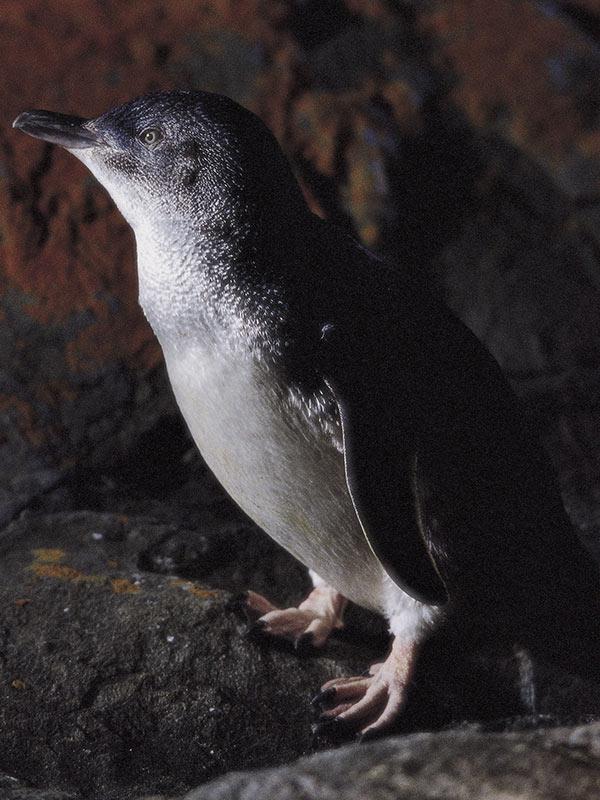
little penguin spotted during Penneshaw Penguin Centre tour on Kangaroo Island
Go on tour with Penneshaw Penguin Centre. (Image: Milton Wordley)

6. Victor Harbor, West Island, SA

Victor Harbour – some 80 kilometres south of Adelaide – hosts little penguins across many of its islands (it’s also one of the best places to go whale-watching), but the best place to spot them is Granite Island. Sitting inside the Encounter Marine Park, penguin numbers have been struggling in recent years – so be sure to keep the fox-proof gate shut when you visit. If you’re not lucky enough to see a penguin, dolphins leafy sea dragons and seals all await. To increase your wildlife spotting success, check out Big Duck Boat Tours.
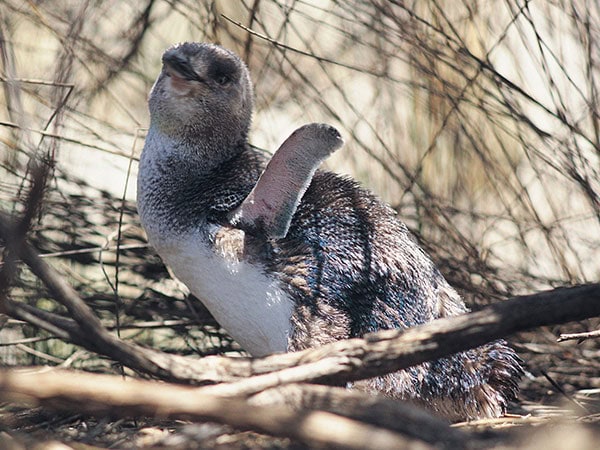
little penguin in Granite Island conservation area
Head into Granite Island’s Encounter Marine Park to spot little penguins. (Image: Fleurieu Peninsula Tourism)

7. Lion Island, NSW

Off the coast of Broken Bay sits Lion Island, the ironically named home of a little penguin colony. A joint project between National Parks and Wildlife and Taronga Zoo has been going since early 1990 to support the colony, which has now grown to about 300 breeding pairs. As a highly protected sanctuary, you’ll have to try and spot these cuties from a boat at a respectful distance.
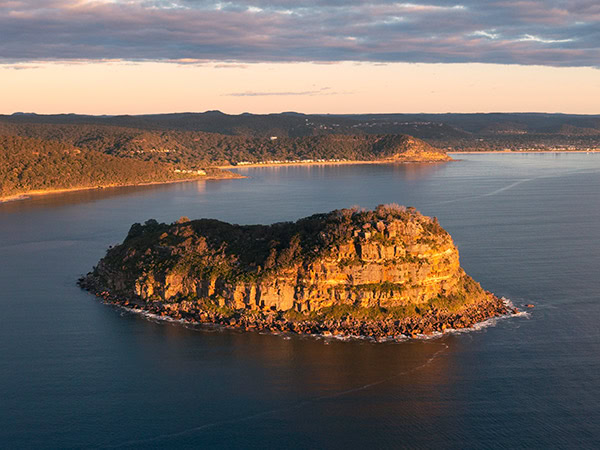
Lion Island off the coast of Broken Bay
Spot penguins from the water around Lion Island. (Image: DNSW)

8. Manly, NSW

Sydney’s second-most famous beach suburb, Manly, is also home to its only little penguin breeding colony. While these penguins are known to forage for food throughout Sydney Harbour and along the Sydney coast, every May to February they return to the nesting boxes at Shore Beach in Manly to have their babies. Not accessible by land, kayak is generally the best way to get to the beach. As it’s a smaller population, it’s not guaranteed to see them – but if you do, keep a respectful distance, never bring your dog and don’t use flash photography as it disorientates them.
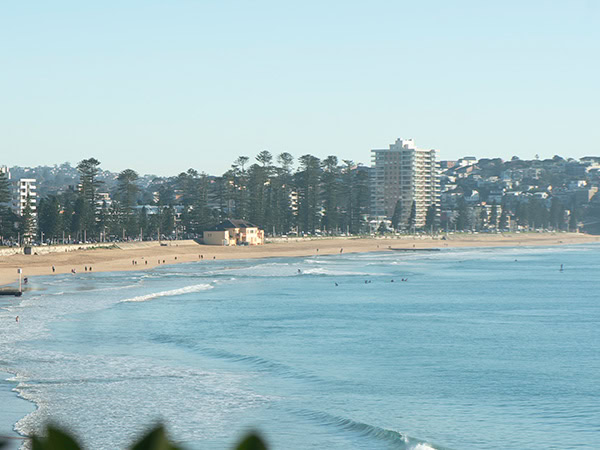
manly beach aerial shot
Watch penguins return to their nesting boxes at Shore Beach. (Image: DNSW)

9. Jervis Bay, NSW

Bowen Island – at the entrance to Jervis Bay – may be small. In fact, this sandstone island is only about a kilometre long and half as wide. But it packs a little penguin punch with around 5000 breeding pairs calling it home. Every night from dawn to an hour before dusk they head out in search of food, before returning to their burrows before they lose all daylight.
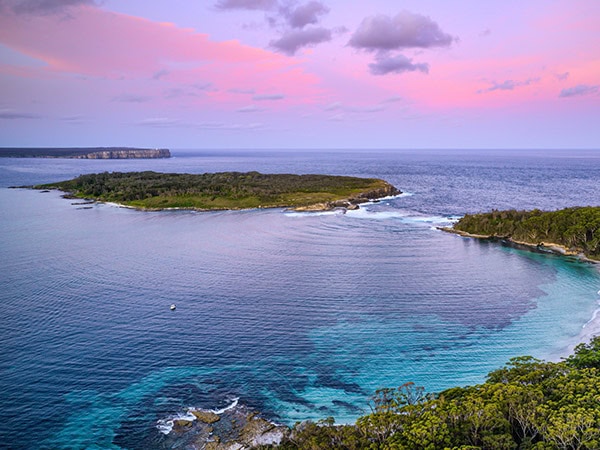
aerial shot of Bowen Island
Circle the tiny Bowen Island to spot a large penguin colony. (Image: DNSW)

Weekly travel news, experiences
insider tips, offers, and more.

10. Stanley, Tas

Stanley might be most famous for a giant rock formation known as The Nut. But its little penguins are a strong second. Head to Godfrey’s Beach for a wheelchair-friendly penguin viewing platform, or book a cabin at BIG4 Stanley Holiday Park to watch the little critters walking along Tatlow Beach.
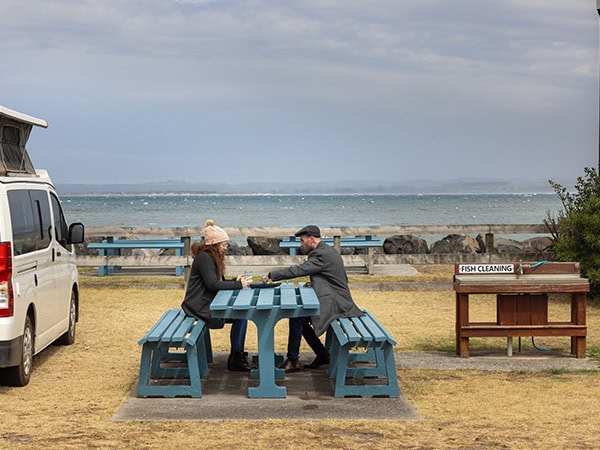
a couple sits on picnic bench at Tatlow Beach, BIG4 Stanley Holiday Park
Book a spot at BIG4 Stanley Holiday Park to watch little penguins along Tatlow Beach. (Image: Jess Bonde)

11. Penguin, Tas

Yes, the town named Penguin in Tasmania is home to plenty of little penguins. Here, they’re so proud of their feathery locals that they’ve even erected a ‘big penguin’ statue. See real-life ones when you head toward the southern end of Penguin Beach, or pop over to the next beach, eastways.
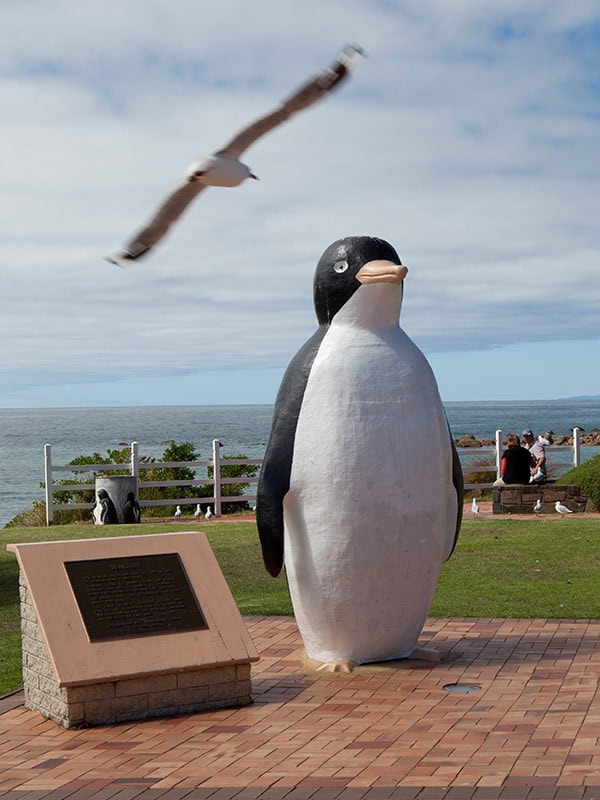
big penguin statue in penguin township tasmania
See the big penguin, then look for little ones. (Image: Adrian Cook)

12. Bicheno, Tas

The bustling town of Bicheno on Tasmania’s east coast is worth a visit for several reasons. Top of the list is their little penguins on Redbill and Waubs beaches. Both are easy to get to by foot (the latter is even in the middle of town) so you won’t be the only person setting up a picnic blanket before dusk to watch the local penguins head home for the night. You can also join Bicheno Penguin Tours for access to a private property loved by penguins that other tourists can’t.
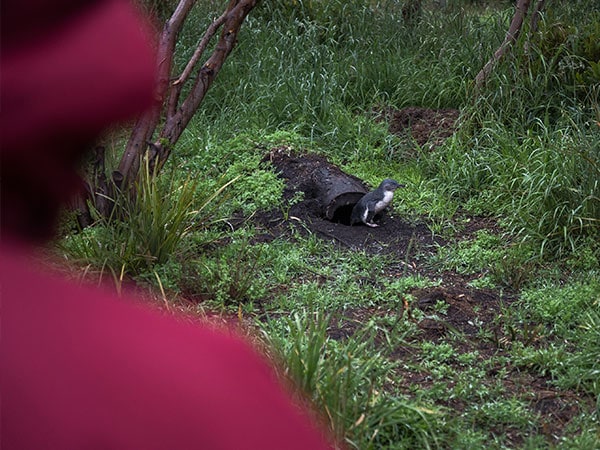
woman watching wild little penguin during Bicheno Penguin Tours
Join Bicheno Penguin Tours. (Image: Tourism Australia)

13. Low Head, Tas

Just a 45-minute drive from Launceston, Low Head is home to a conservation area where hundreds of local little penguins like to breed between November and February. As the area closes before dusk, you’ll need to join Low Head Penguin Tours Tasmania for access.
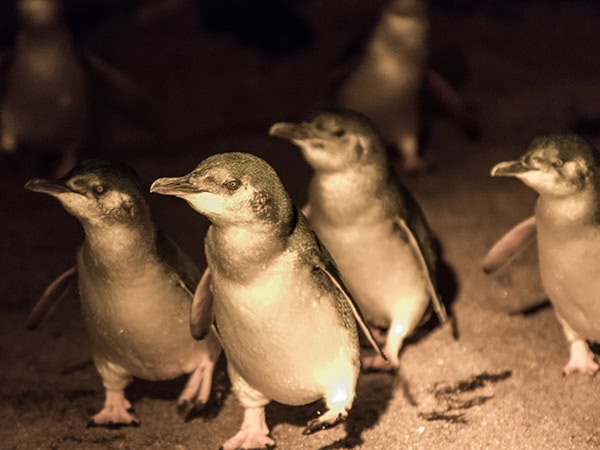
little penguins on low head beach in tasmania
Book a tour to see the little penguins of Low Head conservation area. (Image: Florian Rohart)

14. Devonport, Tas

Lillico Beach Conservation Area is something of a local secret for penguin spotting. From late September to early April, head to the eastern end of the beach to watch little penguins from the viewing platform. Guides will be patrolling the area and ready to answer your penguin-related questions.
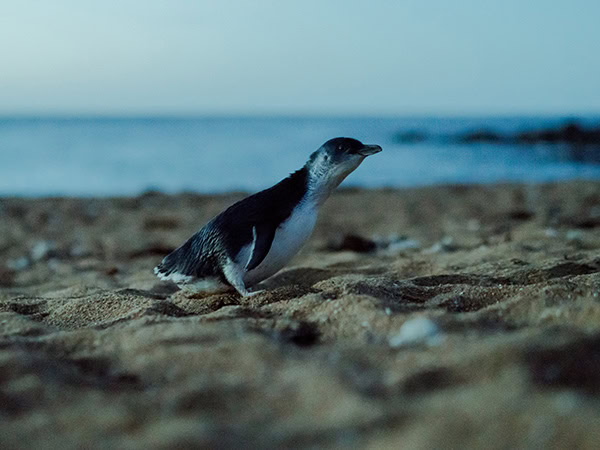
a little penguin scurries across a beach in tasmania
Join locals for penguin spotting. (Image: Chi Kueng Renault Wong)

Want to see more stories from Australian Traveller in your Google search results?

  1. Click here to set Australian Traveller as a preferred source.
  2. Tick the box next to "Australian Traveller". That's it.
Kassia Byrnes
Kassia Byrnes is the Native Content Editor for Australian Traveller and International Traveller. She's come a long way since writing in her diary about family trips to Grandma's. After graduating a BA of Communication from University of Technology Sydney, she has been writing about her travels (and more) professionally for over 10 years for titles like AWOL, News.com.au, Pedestrian.TV, Body + Soul and Punkee. She's addicted to travel but has a terrible sense of direction, so you can usually find her getting lost somewhere new around the world. Luckily, she loves to explore and have new adventures – whether that’s exploring the backstreets, bungee jumping off a bridge or hiking for days. You can follow her adventures on Instagram @probably_kassia.
View profile and articles
hero media

7 pinch-me moments I had at the new Monarto Safari Lodge

    Katie Carlin Katie Carlin
    Monarto Safari Resort’s new Safari Lodge delivers so much more than a memorable stay; it’s packed full of unforgettable moments.  

    Just a year after the 78-room Monarto Safari Resort opened, the new Safari Lodge brings a more intimate and exclusive overnight African safari experience to Australia just outside of Adelaide. But just how similar is it to an African safari?

    Consider these pinch-me moments I had during my stay and decide for yourself. 

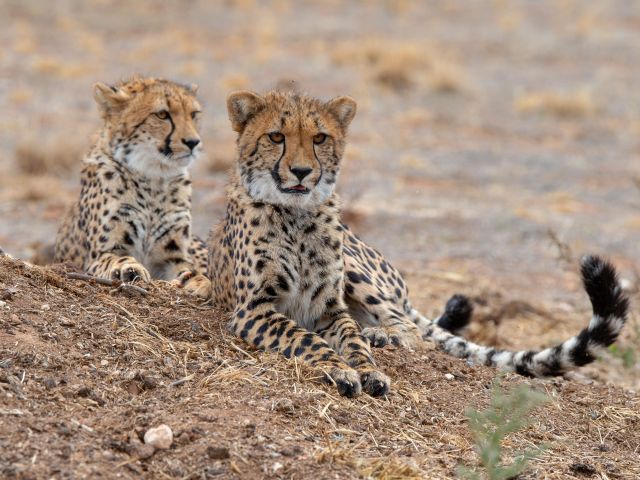
    1. Cheetah sightings at check-in

    monarto safari lodge cheetahs
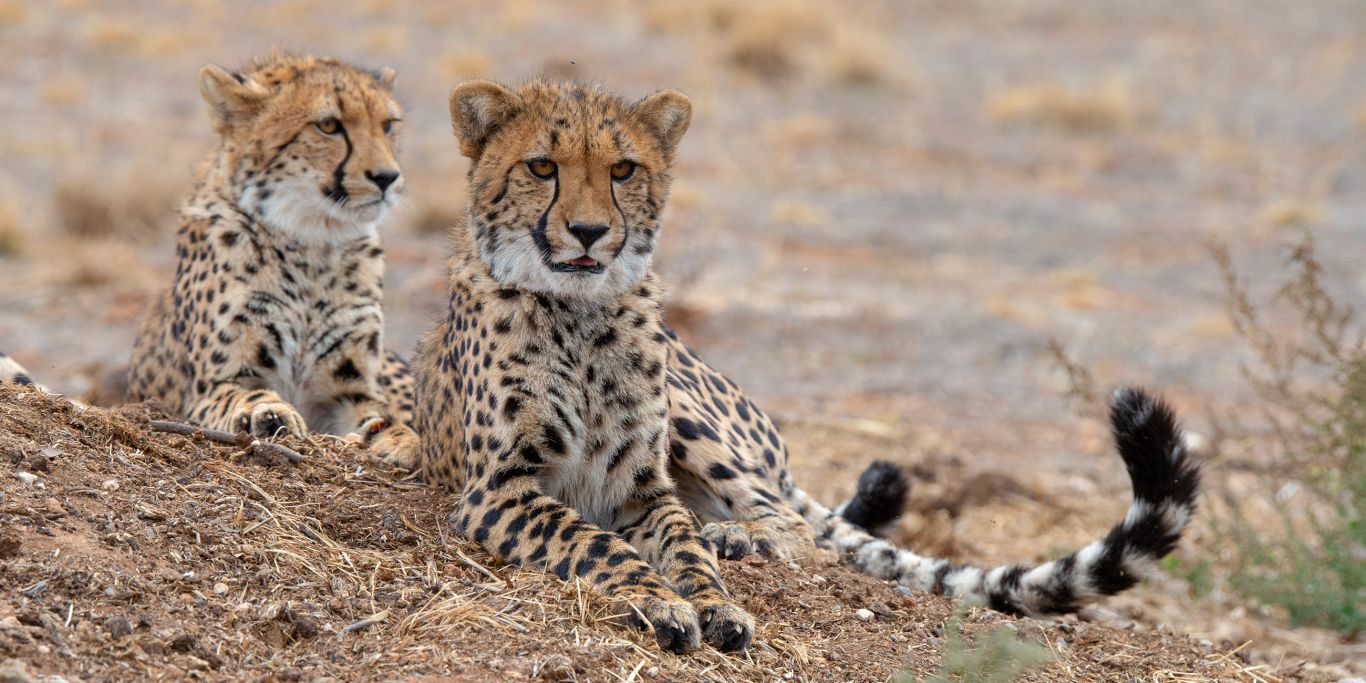
    Spot cheetahs before you even check in.

    Safari Lodge is set within the Wild Africa precinct of the expansive, open-range Monarto Safari Park. I expected to see animals, but I didn’t expect to see two cheetahs stalking the fenceline just behind my tent at check-in.

    I cross the paddock to get a closer look. Both are now perched like a sphinx on a hill overlooking the 20 premium tents that make up Safari Lodge. I stand here, locked in place, waiting to see if they make a move. After 10 minutes like this, I turn to get settled into the tent but throw a final look in their direction; they’ve slinked back down, now barely visible in the grass. I’m sure I’ll be dreaming about this encounter later tonight. 

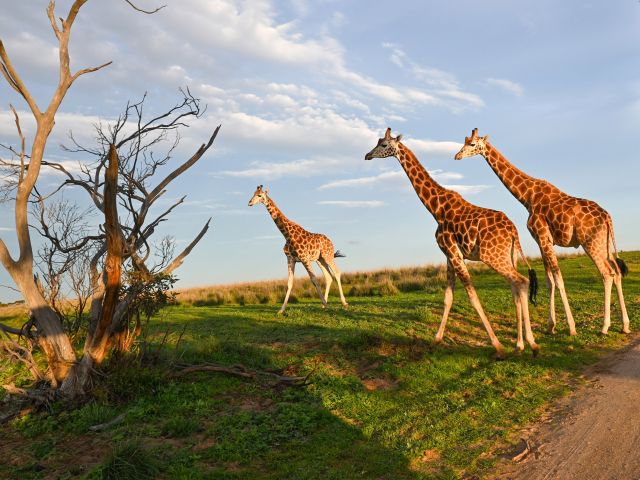
    2. Sipping champagne as a giraffe sips from a waterhole

    giraffes at monarto safari lodge
    Enjoy champagne while meeting the locals. (Credit: Katie Carlin)

    The all-inclusive stay includes a 2.5-hour Sunset Safari that takes guests into the Wild Africa precinct onboard a purpose-built Safari Land Cruiser for a chance to see free-roaming herds of African animals up close.

    The safari drive culminates in a champagne and canapé stop in a fenced and sheltered viewing area of the precinct. A chance to watch the sun set as animals gather around one of the many waterholes. And we’re in luck! Two giraffes are stripping leaves from a nearby tree as three white rhinos graze to my right. One giraffe starts galloping, in that funny head-bobbing way giraffes do, to the water’s edge. It splays its legs and bends its long neck down to start slurping up water. I find giraffes endlessly entertaining, and sipping champagne while watching the scene play out is the icing on the cake. 

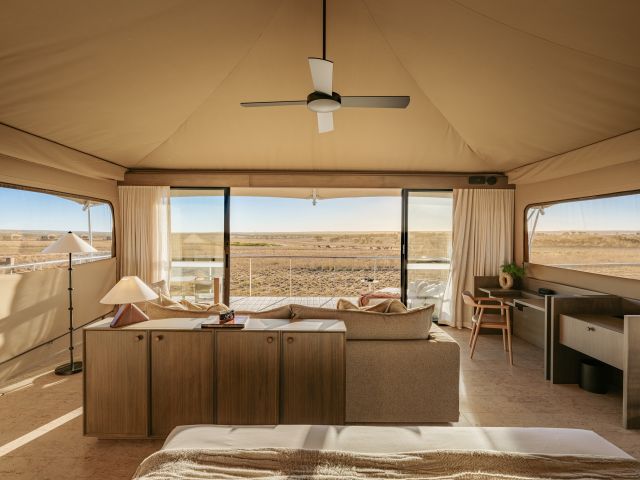
    3. A rain shower with views of a waterhole where African animals gather

    monarto safari lodge King Safari Tent
    Enjoy views from the King Safari Tent.

    I am staying in tent 17, one of the best positioned tents for animal encounters, due to its proximity to the waterhole. Not only does the spacious 71-square-metre King Safari Tent feature a king bed, lounge area, separate dressing room with kitchenette, coffee machine, kettle and fully stocked mini bar, and ensuite bathroom. But you can even glimpse the waterhole from the rain shower. It’s thoughtful details like this that keep you connected to the safari experience no matter where you are located.  

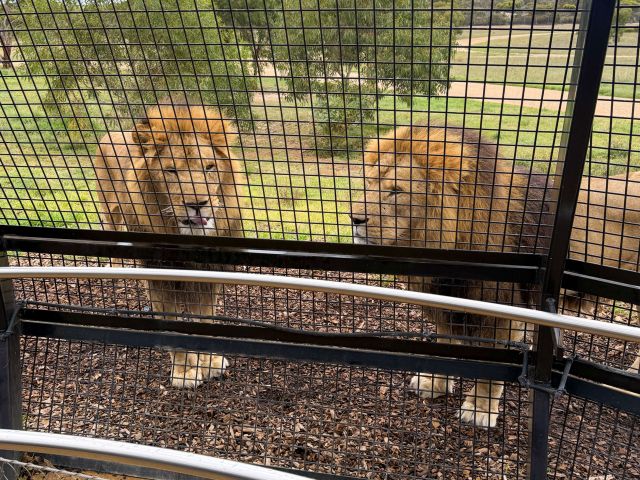
    4. Feeding lions from within a caged dome

    Lion 360 experience at monarto safari resort
    Step into the Lion 360 experience. (Credit: Katie Carlin)

    Monarto Safari Park isn’t a zoo. Set across 1500 hectares of South Australian bushland, it’s an expansive safari experience. It’s been designed to support complex social groupings, natural behaviours and long-term species management. Entry is included for guests, but I’ve decided to upgrade my experience with tickets to Lion 360. 

    Senior Keeper Rachel Hemming herds 15 of us into a domed cage for the unique lion feeding experience. She leads Monarto’s care and conservation breeding programs for their iconic big cats. “Make sure you don’t get too close to the edge of the cage; the lions like to mark their territory,” she warns. 

    She starts making cat-like calls to Kubwa, Kashka and Kito, the three male lions lazing somewhere out of sight behind the tree line in the distance. The promise of food eventually lures the lions over. I’m in awe of their size as they pace back and forth, pausing to take the meat as it’s fed to them via tongs.

    In her excitement, one lady has inched too close; a lion takes aim and hits his mark before she realises her mistake. I see her leaving the gift shop with a new jacket not long after the tour ends. 

    5. A swim in a private plunge pool with a floating charcuterie board

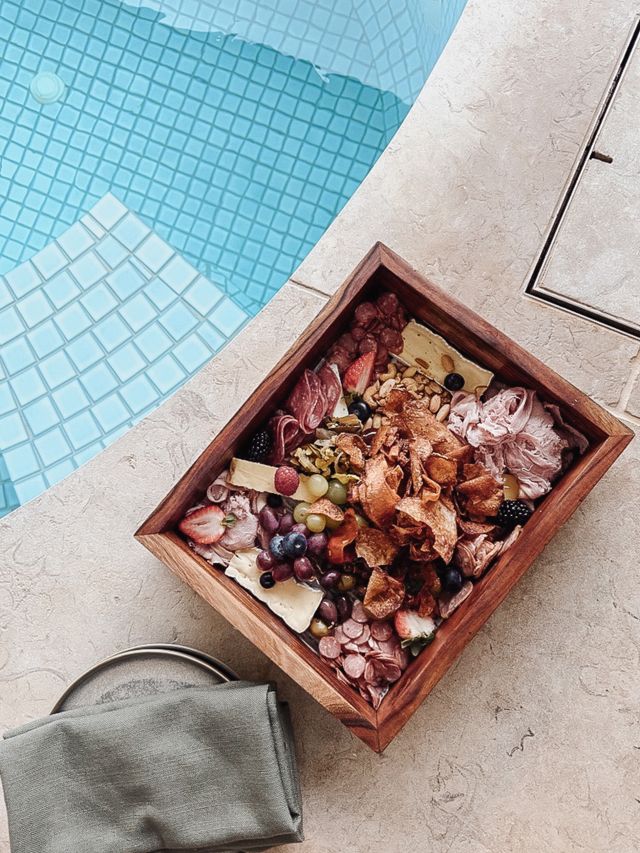
    Monarto safari Lodge swim in a private plunge pool with a floating charcuterie board
    Tuck into a poolside treat. (Credit: Katie Carlin)

    The Safari Lodge reception is also home to a restaurant and bar, heated swimming pool and several private plunge pools available to book. After a morning spent at Monarto Safari Park, a dip in one of the private plunge pools sounds too good to skip.

    I change into my swimmers and make my way to the lodge. A generous charcuterie board arrives shortly after I slip into the pool. I’m told floating trays are already on order, but picking at the selection of cheeses, meats, nuts and fruit while perched on the edge sipping champagne is just as indulgent as it is having it float in the water. I never make it to the gym or pickleball court beside the lodge, but I have no regrets. 

    6. A front-row seat to a male rhino rejected by two females

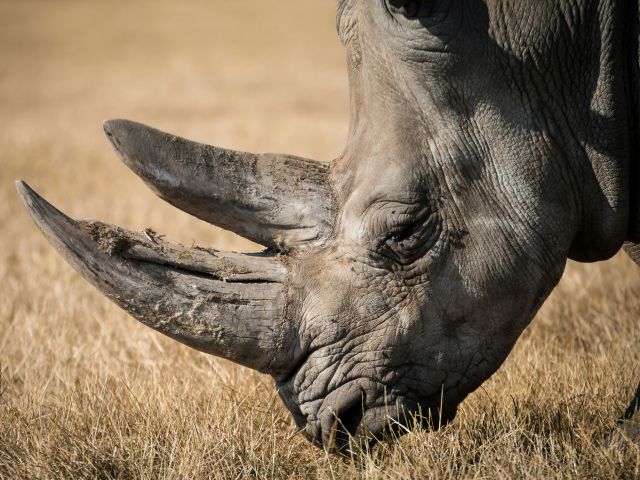
    male rhino grazing
    Watch a rhino’s unlucky day. (Credit: Lucas Alexander)

    Louis Tonkin, our Wild Africa Tour host, is giddy with excitement when he spots the three white rhinos on our Sunset Safari drive. He has an inkling that we’re about to get a show.

    He pulls to the side and tells us what terrible eyesight white rhinos have, struggling to spot a motionless animal or object even from a short distance. However, they make up for it with acute hearing and an incredible sense of smell. Which explains why the larger male rhino is methodically creeping towards the two disinterested females grazing metres in front of him, then suddenly freezing on the spot. He’s hoping one will be open to mating with him. He takes another wary shuffle forward and suddenly the smaller of the two turns and charges towards him, butting him hard with her head. It’s a firm no. The male, denied, sheepishly backs away. 

    7. Watching a dazzle of zebra from the comfort of a luxury safari tent

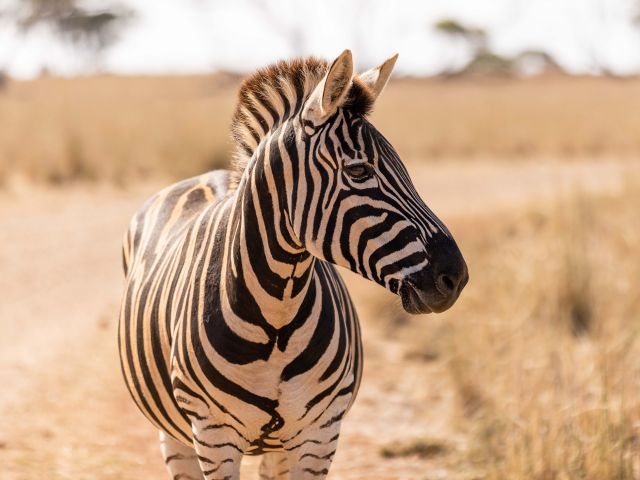
    monarto safari resort zebra
    Wildlife encounters abound.

    Rain clouds loom, and the wind is howling, but thankfully it hasn’t deterred the zebras. I’m brewing a cup of Monarto’s Serengé-T – a vanilla rooibos blended with Daintree black tea and butterfly pea flower when I spot them. Six zebras are prancing across the plains for a drink at the waterhole. I watch their antics from the deck of my King Safari Tent, wrapped in a merino blanket made by Australian-owned Grampians Good Co. and marvel at the fact I get a front-row show to these wild animals. 

    After they disappear from view, I sit with the sketch pad and pencils I find in the cupboard and start drawing some of my most memorable animal encounters from the weekend – starting with the two hippos I saw ravenously munching on grass at dusk as we made our way out of the Wild Africa precinct last night. This really is as close to an authentic safari experience as you can get outside of Africa. 

    Start planning a wild stay in the luxurious Safari Lodge at monartosafariresort.com.