When it comes to the ultimate tick-list of outback attractions that absolutely everyone should stand in awe of, it doesn’t get more spectacular than this.
The great Australian outback takes as fact that you’ll be back. That once you stride out into this sunburnt country and see it in the right light, you will love its frayed edges, its roads that run like ribbons sewn into the Earth, and, of course, its characters, which are its main currency.
Outback attractions
The Kimberley, WA
Discover ancient Aboriginal rock art and wildlife, swim in remote waterholes, and explore cavernous gorges in one of the oldest, largest and most rugged wilderness landscapes in the world, located in Western Australia’s north-west corner.
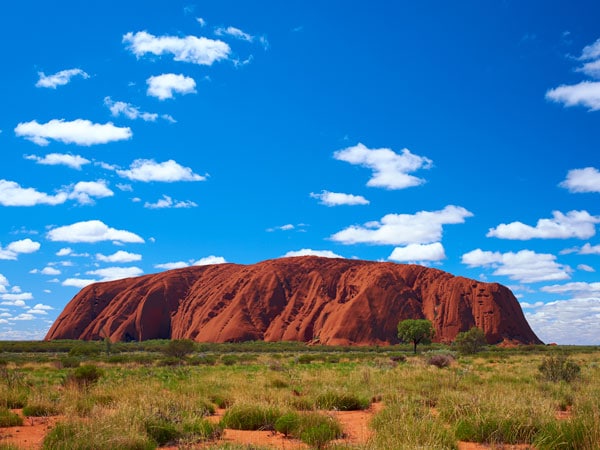
Uluru-Kata Tjuta, NT
While the Base Walk at Uluru mesmerises most first timers here, the Valley of the Winds walk is a must-do when visiting the magnificent red monoliths of Uluru-Kata Tjuta National Park. After completing the 7.4-kilometre trek, check into Longitude 131° to ogle Uluru from your luxury tent.
Bungle Bungle Range, WA
Trek deep into the heart of Purnululu National Park on a guided walk that threads between the iconic red-and-black sandstone domes of the Bungle Bungles in WA’s north-west reaches.
The Nullarbor, SA + WA
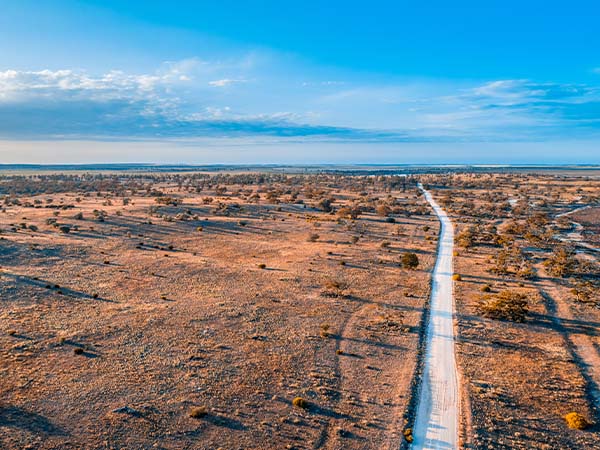
The Nullarbor is the longest, straightest and flattest road in Australia. Put the pedal to the metal on this celebrated stretch of asphalt and you will likely see camels, kangaroos and emus along the way. Plan for a pit stop at jaw-dropping Bunda Cliffs, the longest line of sea cliffs in the world, to see whales in season.
Nitmiluk (Katherine) Gorge, NT
Fly in by helicopter, take a cruise or embark on a walking trail to see the cliffs of Nitmiluk Gorge all aglow on the navy side of sunset, amid the dramatic escarpments of Nitmiluk National Park.
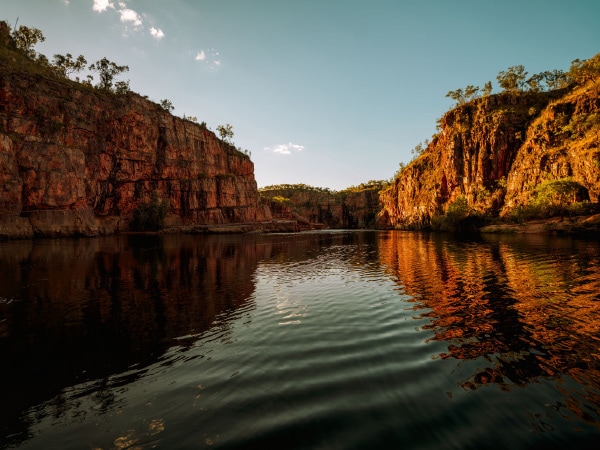
Tjoritja/West MacDonnell Ranges, NT
Wild swimming is a lo-fi way to appreciate the Northern Territory’s outback, and there is ample opportunity to immerse yourself in wondrous swimming holes here, many of which are protected by the imposing shoulders of the West MacDonnell Ranges along the iconic Larapinta Trail.
Kings canyon, NT
Walk the Rim Walk to truly understand the scale of the wonders the landscape here possesses. Our tip: set out super early to see the sunrise paint the sky in pastels hues.
Broken Hill, NSW
Discover the art of Pro Hart at the gallery dedicated to one of Broken Hill’s Brushmen of the Bush. The town’s creative side is also on display at The Living Desert Reserve, dotted with 12 sculptures that rise up out of the red dirt.
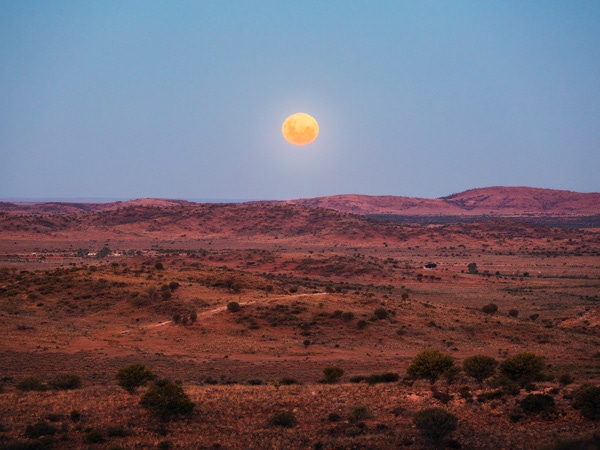
Coober Pedy, SA
The opal capital of the world is famous for its lunar landscapes, labyrinth of underground hotels and shops, and the tangerine-tinted outcrops of Painted Hills.
Ikara/Wilpena Pound, SA
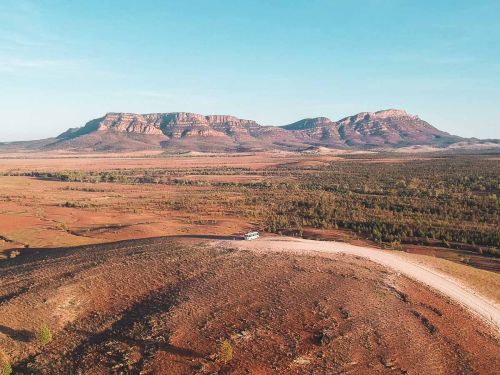
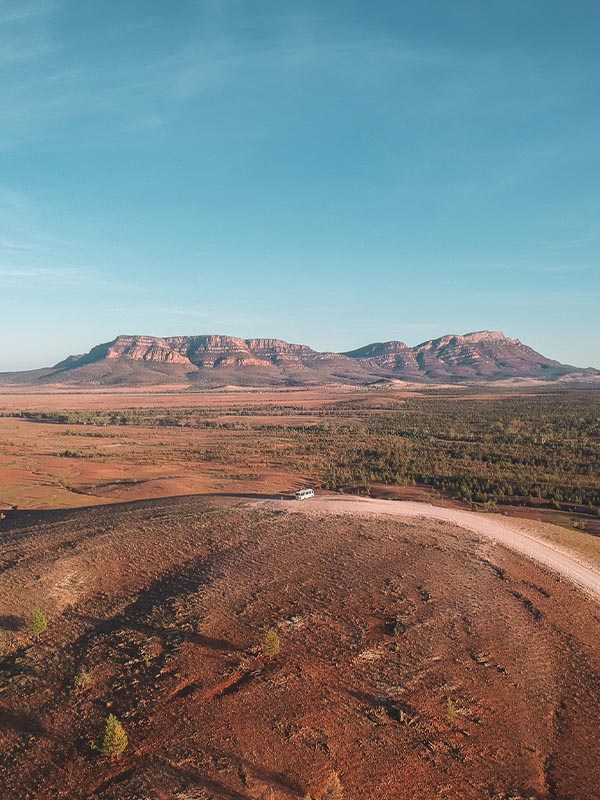
The Flinders Ranges is South Australia’s largest mountain range, and Ikara/Wilpena Pound (top right) is the sunken natural amphitheatre at its centre. Anchor yourself at Rawnsley Park Station, which offers eco- luxury to camping under the stars, and be enveloped in the theatrical beauty of it all.
Longreach, QLD
When it comes to encapsulating the pioneering spirit that contributed to making Australia the country it is today, Longreach is it. The Cobb & Co Stagecoach Experience and Australian Stockman’s Hall of Fame are must dos.
Wolfe Creek, WA
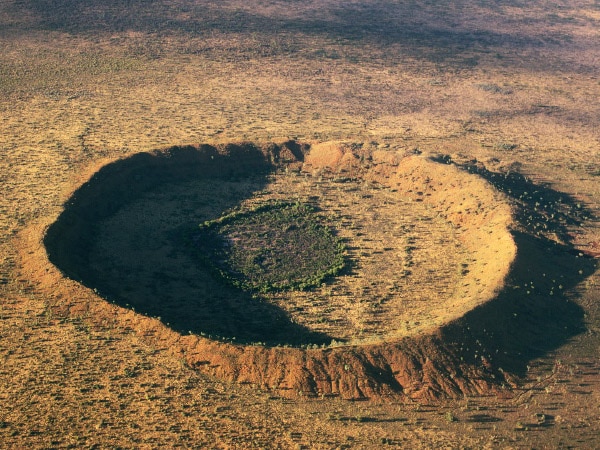
The focal point of Wolfe Creek Crater National Park, located in the Kimberley region of Western Australia some 150 kilometres from Halls Creek, the Wolfe Creek Crater is the second largest meteorite crater in the world. In a country with so many fantastical sights, the almost perfectly circular crater, which measures 880 metres across and is believed to have been created 300,000 years ago, largely flies under the radar. Long known to the local Aboriginal people as Kandimalal, yet only documented in an aerial survey of the area in 1947, according to WA’s Parks and Wildlife Service, the meteorite that left the brutal scar on the landscape here probably weighed in at more than 50,000 tonnes and would have been travelling at 15 kilometres a second.
The greener side of the outback
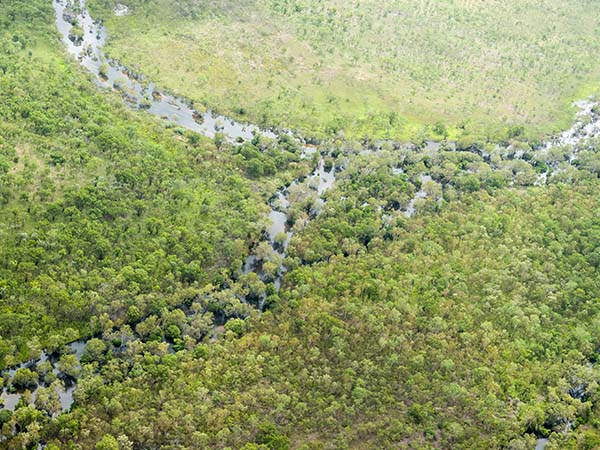
Mention the Australian outback to just about anyone and the mental picture instantly conjured is tinged a rich pindan orange. It’s an iconic vision, but the fact is there are large swathes of what is recognised as outback that are actually lush and green. Needing no introduction is the UNESCO World Heritage-listed Kakadu National Park, where the wet-season rains saturate the expansive landscape (it’s roughly half the size of Switzerland) painting it in varying shades of deep green.
In the 46,000-hectare Finke Gorge National Park, two hours’ drive from Alice Springs, the verdant Palm Valley is an oasis of some 3000 adult palms and thousands of juvenile trees. Visit from April to September to beat the relentless summer heat, all the better to undertake the two-kilometre Arankaia Walk (it takes roughly one hour) or the five-kilometre Mpulungkinya Walk, both of which skirt palm-strewn valleys, and to better appreciate the landscape that famously inspired Albert Namatjira, who was born and raised in nearby Hermannsburg. Elsey National Park, another Northern Territory area big on greenery, is a must for wild swimming lovers, with the palm and tree-fringed Bitter Springs the perfect place for a dip. In Queensland, those looking for respite from the harsh outback conditions should head for the still-little-known Lawn Hill National Park, where the wide, cool waterway is lined with lush trees, and the fossil deposits of the Riversleigh World Heritage Site have been labelled one of the four most important deposits in the world by no less than Sir David Attenborough.
And, in South Australia, the Australian Arid Land Botanic Garden, with its views to the Flinders Ranges, features 250 hectares of arid land populated by trees, plants and flowers – as well as birdlife and mammals – that thrive in the outback’s characteristically harsh yet compelling environment.
Stargazing in the outback
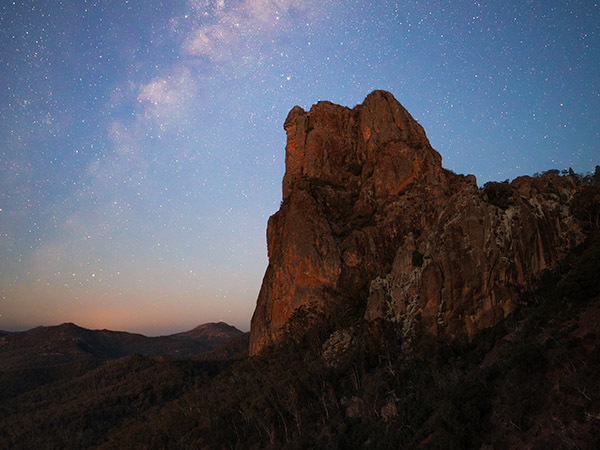
One of the true allures of the outback is its blissful remove from the modern world, allowing you to experience nature at its most unsullied and elemental. During the day that means uncrowded vistas and wide open spaces, while the inky black of an outback night promises attractions that are literally out of this world. Clear, cloudless skies and a lack of light pollution make stargazing in the outback a breathtaking proposition.
Looking up into the night skies anywhere in the outback promises a polka-dot blanket of celestial wonders, but there are a few destinations that take it to the next level, such as Warrumbungle National Park in NSW, the southern hemisphere’s first Dark Sky Park where Sliding Springs Observatory is home to the largest optical telescopes in the country. At the Cosmos Centre in the outback Queensland town of Charleville, guides share the stories of Indigenous astronomy as part of the Universal Dreaming tour, while Alice Springs’ Earth Sanctuary World Nature Centre’s astronomy tours point out planets, constellations, dark nebulas and the building blocks of new stars.
An outback experience in Victoria
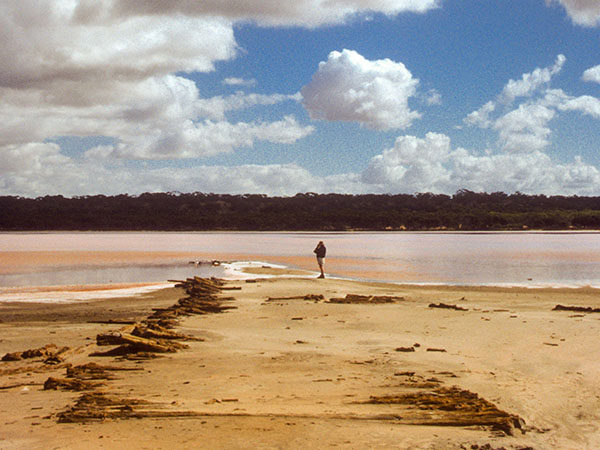
While there are stunning tracks of outback littered across the country, the general belief is that Tasmania and Victoria miss out when it comes to these evocative landscapes. And while we can’t really make a case for Tassie, with its rich, green interior and rugged coastline, Victoria is in possession of two small but impactful national parks where the vistas present decidedly outback. Murray-Sunset National Park, located on the traditional Country of the Latji Latji, Ngintait and Nyeri Nyeri peoples in the north-west of the state, is home to a stunning collection of pink lakes, including the star of the show, Lake Crosbie. Deliciously remote, exploring here takes in the islands of the Murray River, abundant bird and wildlife, jaw-dropping sunsets (as the name implies) and an ancient history that local ranger Damien Jackson, a proud Wiradjuri man, shares generously.
Meanwhile, Little Desert National Park in the Wimmera Mallee region is the traditional lands of the Wotjobaluk, Jaadwa, Jadawadjali, Wergaia and Jupagulk peoples (collectively known as the Wotjobaluk), whose presence through millennia is marked by scarred trees, shell middens, stone tools and oven mounds. Camping and bushwalking here is best done in late winter to early summer when the wildflowers are in bloom.
Outback pubs
Noccundra Hotel
This charming sandstone hotel, which has been serving beer since 1882, is the only surviving building in the outback township of Noccundra (population: 11) in south-west Queensland. The heritage-listed hotel has cold beer and donga (camp-style) digs for rent near to the Wilson River.
Prairie Hotel
This iconic South Australian pub has that quintessential quirky Aussie aesthetic that makes it the perfect pit-stop for road-trippers. The beer is brewed in-house at the iconic Parachilna pub, which is perched in the plains miles from anywhere.
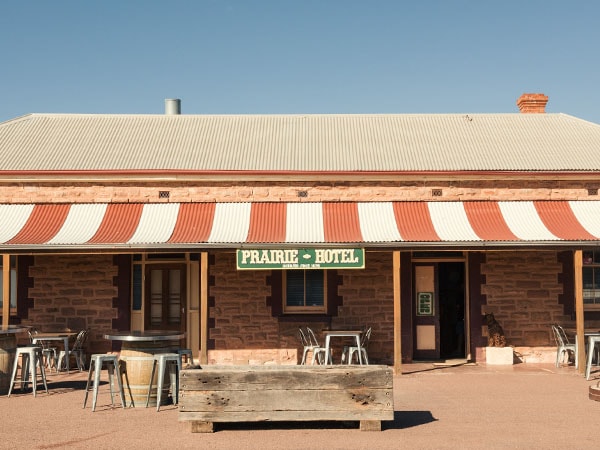
quintessential, most awarded outback hotel.
William Creek hotel
Established in 1887, this heritage-listed hotel is one of the most remote pubs on the planet, located as it is on the Oodnadatta Track in South Australia. The hotel offers the closest accommodation to Kati Thanda-Lake Eyre.
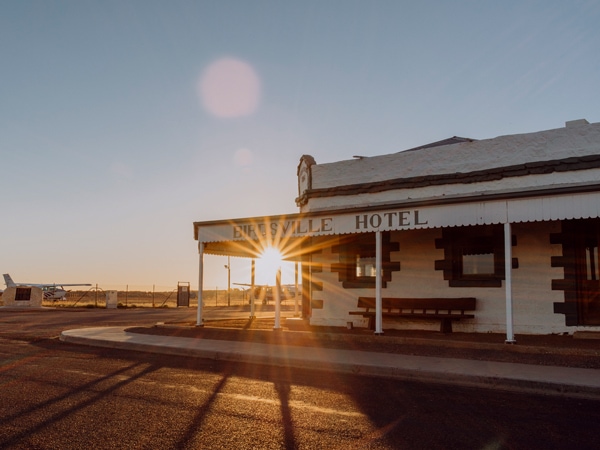
Birdsville hotel
It’s all hot pies and cold beers at the Birdsville (pictured right), which bills itself as ‘Australia’s most iconic outback pub’. Base yourself at the south-west Queensland pub to visit the Waddi tree and soaring sand dunes or attend the Birdsville Races.
Outback events
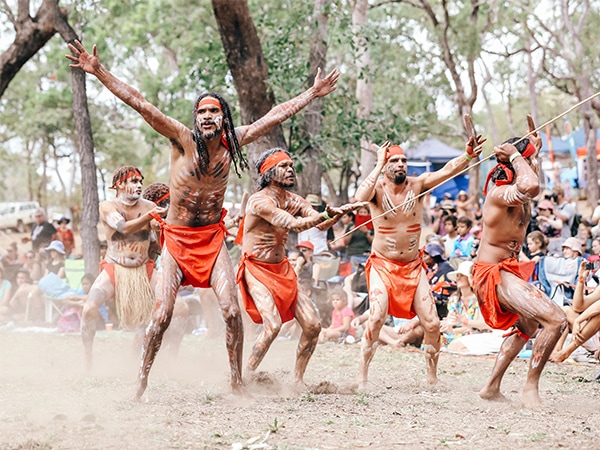
Laura Quinkan Indigenous Dance Festival, Cape York
Held in the remote Queensland outpost of Laura, this biennial, three-day festival is a riot of colour and culture as some 20 different Cape communities gather to share stories and histories through music, song and spectacular traditional group dancing. The next festival, overseen by the Ang-Gnarra Aboriginal Corporation, the trustee of the traditional lands of the Ang Gnarra people in and around Laura, is scheduled to take place from 7–9 July 2023.
Parrtjima + Alice springs beanie festival, Mparntwe/Alice Springs
Ancient traditions meet New-Age technology to spectacular effect at Parrtjima (parrtjimaaustralia.com.au), the celebrated annual festival of light (pictured below right). Over 10 days, works by Aboriginal artists are transformed into mesmerising light installations and projected against the imposing 300-million-year-old backdrop of the MacDonnell Ranges. The 2022 event will light up the Central Australian night sky from 8–17 April. Alice Springs is also home to the delightfully quirky Beanie Festival (beaniefest.org), with Aboriginal and non-Aboriginal artists gathering together to celebrate the humble beanie. This year’s festival will take place at Araluen Arts Centre from 24-27 June.
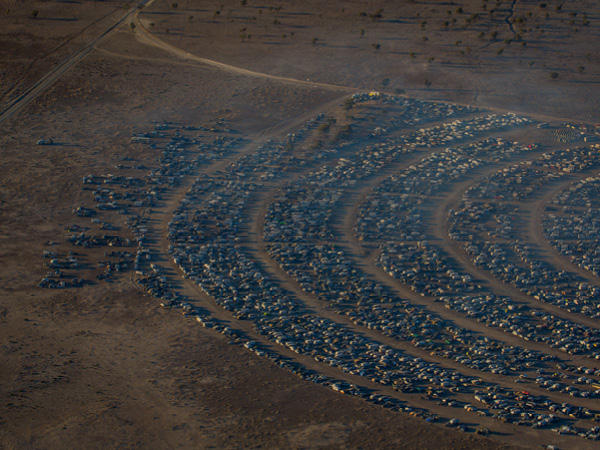
Big Red Bash, Birdsville
There are three things in Birdsville that everyone knows about: the iconic hotel, the annual race meeting and the Big Red Bash (above right), a three-day extravaganza of Aussie music held in the breathtaking surrounds of Munga Thirri National Park (Simpson Desert). Proudly boasting to being the most remote music festival in the world, the tyranny of distance doesn’t stop crowds from flocking to see some of Australian music’s biggest artists, including the likes of Jimmy Barnes, Missy Higgins, Kasey Chambers and Kate Ceberano on the 2022 bill, scheduled to take place from 5–7 July.
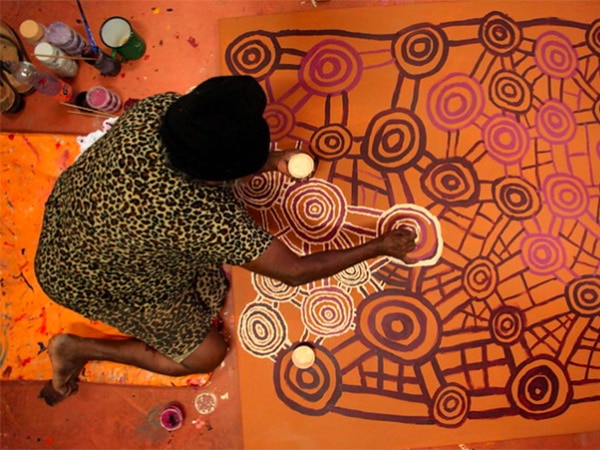
Darwin Aboriginal Art Fair
Having been established in 2007, the Darwin Aboriginal Art Fair (DAAF), held on Larrakia Country, has gone on to become the country’s largest and most significant Aboriginal and Torres Strait Islander visual arts event. With more than 70 Aboriginal and Torres Strait Islander Art Centres in attendance, representing more than 2000 artists, DAAF also boasts a program of cultural events including artist talks, dance, music, food and the hugely popular Country to Couture runway show (below left). And the best thing about DAAF is that it gives art lovers the chance to buy Indigenous art in an ethical and responsible manner, with 100 per cent of the money raised from the sale of artworks (both at the show and as part of its new online program) going directly to the artists and their communities. The 2022 fair will take place from 5–7 August.
The Broken Hill Mundi Mundi Bash
This is the country’s newest outback festival, and in 2022 it will be held twice – from 21–23 April and 18–20 August. From the organisers of the Big Red Bash, the action takes place on the Mundi Mundi Plains with the Barrier Ranges in the background. The line-up for the family-friendly, all-ages festival includes Paul Kelly, Ian Moss and John Williamson in April and Busby Marou, Jon Stevens and Daryl Braithwaite in August.