The top ski resorts in Australia

hero media
Little known fact: Australia has more mountains covered in snow than Switzerland and our biggest ski resort is over twice the size of New Zealand’s largest. And nowhere else can you ski between gum trees and among kangaroos. So, what more motivation do you need to strap on some skis and hit our home-grown slopes?

With some incredible snowfields across New South Wales and Victoria, it’s time to gather the gear and head to the slopes. Take your pick out of these ski resorts in Australia and get planning.

1. Thredbo

Why Thredbo?

Thredbo looks more like a European-style ski village than a purpose-designed ski resort; homesick Austrians designed it (in the ’60s) to look like the Tyrol region they left behind. Most bars and restaurants offer stunning views over the slopes, all accommodation is a short walk to the lifts (some hotels are ski-in/ski-out) and the skiing is some of Australia’s best.

Who it suits

There’s more to do off-piste at Thredbo than at any other ski resort in Australia, so most will love this place. Thredbo Village has a large variety of cafes, restaurants and retail stores, as well as an art walk featuring more than 30 sculptures and paintings.
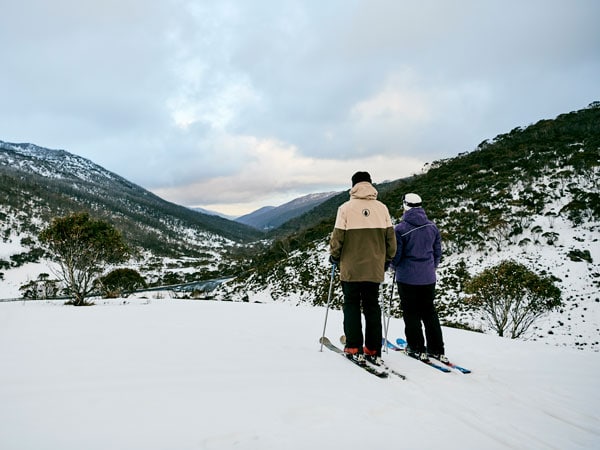
Thredbo in NSW
Thredbo is the place to be this winter. (Image: Destination NSW)

Skiing kudos

Thredbo has the highest vertical drop of any Australian resort, and its longest run (the Supertrail). But it also suits total beginners; Friday Flat is one of Australia’s best beginner areas.

Apres and off-piste action

Ski down to the Alpine Bar at Thredbo Alpine Hotel for a taste of Chamonix-style après, with DJs playing from 2 pm to 6 pm as skiers hit the heated pool. Or try Australia’s best alpine cocktails at the Après Bar of the Denman Hotel; its restaurant, The Terrace, is regarded as one of the best restaurants in NSW’s southern region. For families, there’s also a flare run and fireworks display every Saturday night.

Stay at

You’ll find some of Australia’s most luxurious on-snow accommodation in Thredbo, like Ski In Ski Out , Thredbo’s only five-star ski-in, ski-out accommodation, or River Inn , where you can ski right to the chairlift.
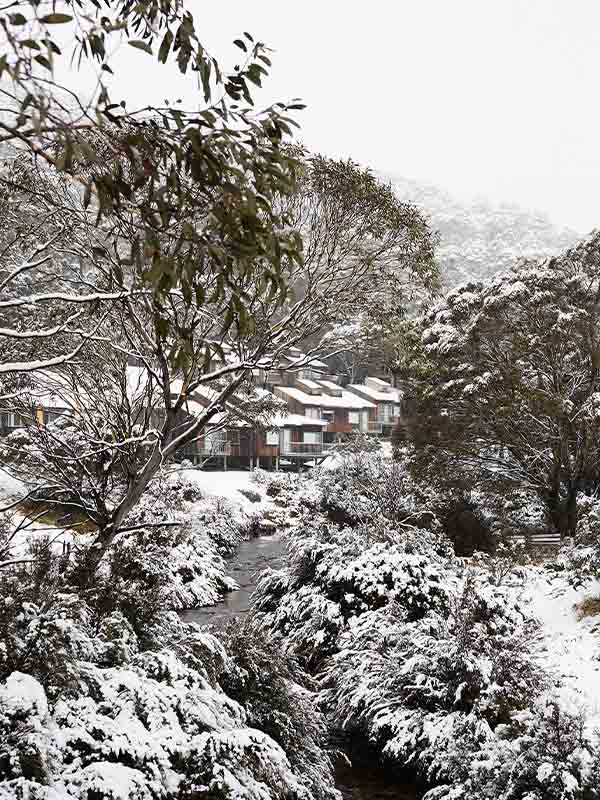
Cedar Cabin The Eastern Thredbo
Spend a dreamy winter afternoon sequestered at Thredbo Village’s Cedar Cabin (Credit: Monique Eastern)

Secret gem

Take a snowcat to the Kareela Hutte restaurant on top of the mountain for a five-course meal with matching local wines.

2. Falls Creek

Why Falls Creek?

Falls Creek is the quintessential Aussie snow village, one of the world’s more unique. It is pedestrian-only, so you can walk or ski around the village right up to ski runs, après bars and restaurants.
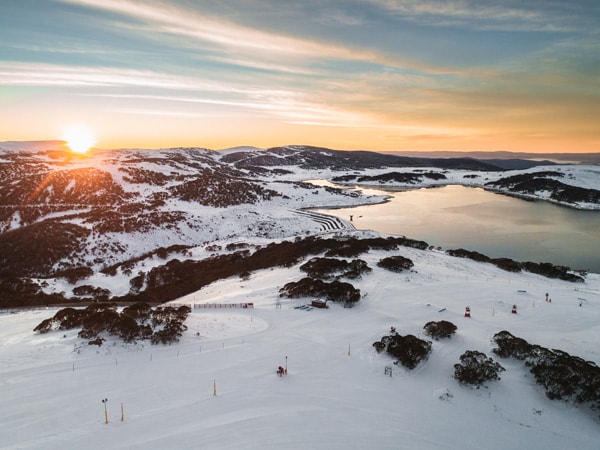
Drone shot of Falls Creek at sunrise
All the Falls Creek accommodation, dining, day spas and on-piste activities are ski-in/ski-out. (Image: Jezzalanko Creative)

Who it suits

With its small, safe village atmosphere and a high number of beginner runs, Falls Creek was traditionally marketed as Australia’s ultimate family ski resort. But in recent years the development of luxury hotels, bars and restaurants has seen it take aim at the couples market.

Skiing kudos

Victoria’s largest ski resort is also one of the best spots in Australia for cross-country skiing, with 70 kilometres of trails.

Apres and off-piste action

Where Falls Creek’s dining and bar options were once more down-homey, now they’re downright sexy. For drinks, try Apartment 3 or Astra Bar & Restaurant, with culinary treats from award-winning French chef Janis Mallet. QT Falls Creek’s Stingray bar has its characteristic retro style, while its Bazaar restaurant brings some chic to town, with guests encouraged to ‘dress to impress’.

Stay at

Astra Falls Creek designed its rooms with a European flavour, but it’s the day spa that really impresses. QT Falls Creek is also a super-stylish option.
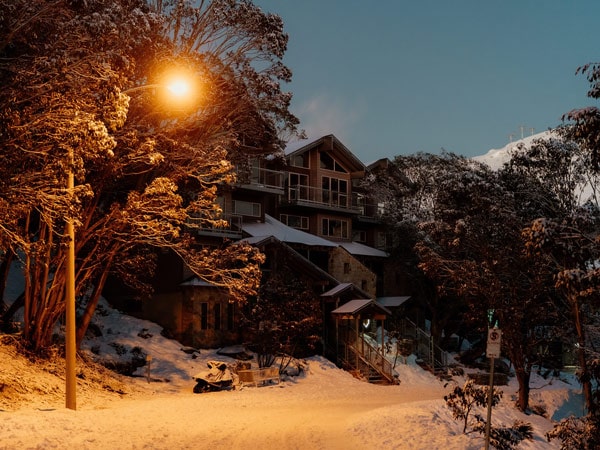
Astra Falls Creek at night
Stay at Astra Falls Creek to be really impressed. (Image: Tourism Australia)

Secret gem

The ’60s-era Feathertop Alpine Lodge offers the best happy hour at Falls Creek; enjoy Coffin Bay oysters with a glass of Veuve and stunning alpine views.

3. Mt Hotham

Why Mt Hotham?

Mt Hotham is an Australian resort with terrain as challenging as the US or Europe.
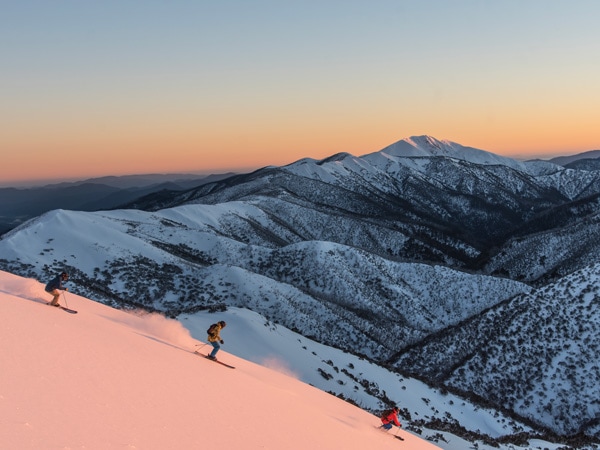
Skiers heading down slopes at Mount Hotham in Victoria
Mount Hotham promises visitors incredible panoramic views.

Who it suits

Experts, granted (this is the mountain to come to on a powder day), but there’s a lot at Mt Hotham to suit even the rawest novice. You can also try snow-shoeing or take a sunset tour by Snowcat.

Skiing kudos

Mt Hotham is a magnet for advanced skiers because of its side and backcountry options. There’s a designated Extreme Zone just beyond the lifts, where a free snowcat vehicle will take you to an area featuring gullies, steep cliffs and tree skiing. As for beginners, they get to learn at the top of the mountain (every other ski area uses the bottom of the slopes).
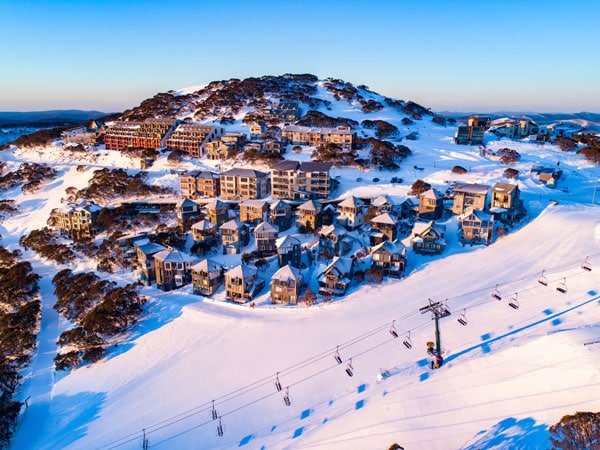
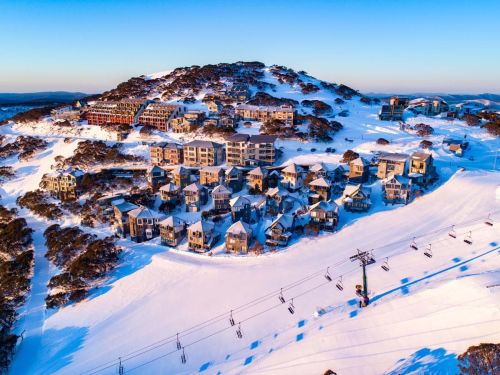
Aerial shot of Craig Parry Village in Mt Hotham
Mt Hotham is a magnet for advanced skiers because of its side and backcountry options. (Image: Victoria High Country)

Apres and off-piste action

Dinner Plain is Mt Hotham’s own specially built alpine village 15 minutes from the slopes. Here you’ll find Stonesthrow Restaurant at Hotel High Plains, with its open fire and windows looking out across the snow; visit after soaking at the Japanese-inspired Onsen Retreat + Spa a few doors up. There’s also fine dining looking across the slopes at Jack Frost Restaurant.
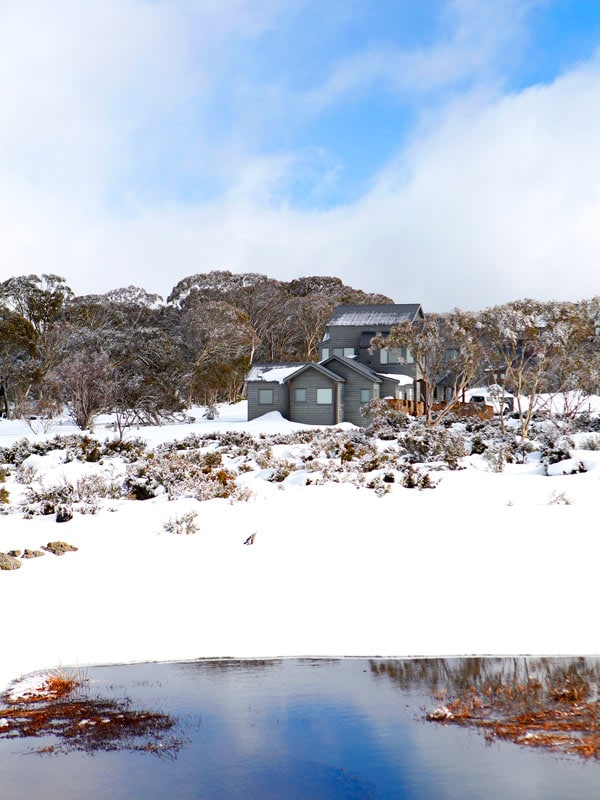
Dinner Plain accommodation in Mt Hotham
Dinner Plain is Mt Hotham’s own specially built alpine village 15 minutes from the slopes. (Image: Julian Kingma)

Stay at

Sleep in a four-storey chalet at Nolyski , with its own sauna, then ski down to fresh snow.

Secret gem

Head to Alpine Nature Experience , Australia’s only igloo village, to camp amid snow gums in a snow dome.
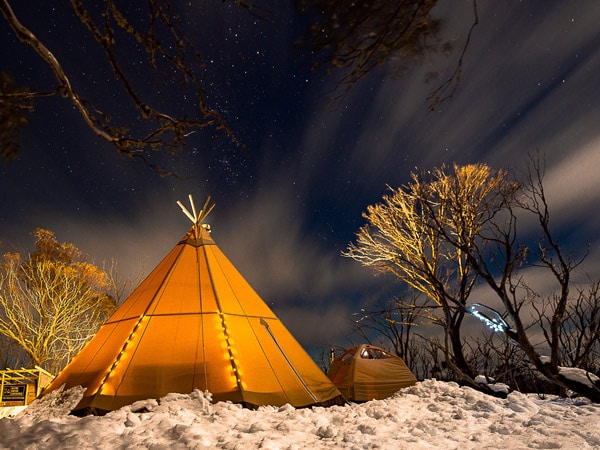
snow dome at alpine nature experiences in mt hotham
Head to Alpine Nature Experience to camp amid snow gums in a snow dome. (Image: Kate Hanton)

4. Mt Buller

Why Mt Buller?

You can be on a chairlift in three hours from Melbourne’s CBD.

Who it suits

Everyone. Some 65 per cent of Mt Buller is designated as a beginner or intermediate terrain, while the remaining 35 per cent includes some of the most challenging terrain in Australasia. With its wide range of activities and après-ski options, it’s also ideal for those who don’t want to ski all day.
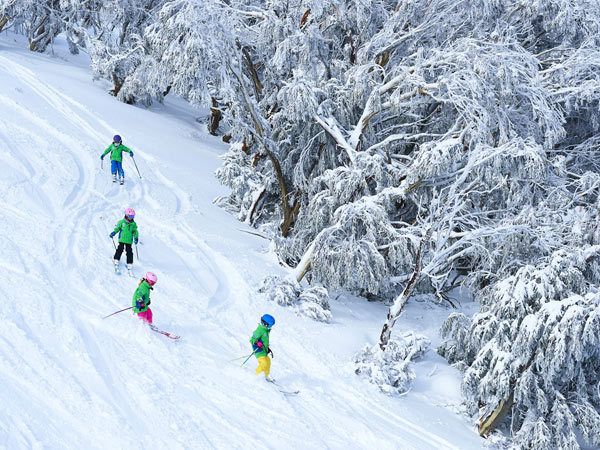
Kids skiing in Mt Buller
65 per cent of Mt Buller is designated as a beginner or intermediate terrain. (Image: Andrew Railton)

Skiing kudos

Beginner area Bourke Street runs alongside some of Mt Buller’s best cafes, restaurants and bars, offering a non-stop action reel of spills and thrills. Experts meanwhile have an endless range of tree runs just beyond the groomed slopes.

Apres and off-piste action

Aside from Thredbo, no ski resort in Australia offers the night-time attractions of Mt Buller, with bars and restaurants for every kind of skier: from ski-in, ski-out après bars like the Arlberg Bar, to the best Austrian drinking establishment outside of Europe, Kaptans Restaurant and Herbies Bar, where you can enjoy schnapps and schnitzels beside a log fire. There are plenty of off-piste activities on hand too, from sled dog and snow-shoeing tours to sculpture park walks.
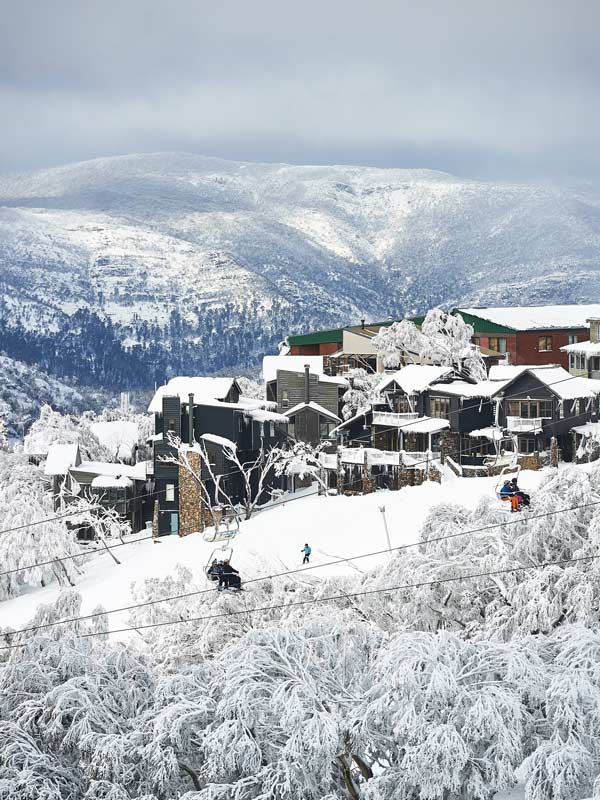
Slopes at Mt Buller
Mt Buller has great night-time attractions. (Image: Andrew Railton)

Stay at

Ski straight to the chairlift from the luxurious Breathtaker Hotel and Spa , which is also home to an award-winning day spa. Chalet 5 is one of Australia’s newest luxury ski-in, ski-out options, part of the new Whitehorse Village.

Secret gem

Mt Buller’s best coffee can be found on a sundeck at Koflers Hutte, right up on the mountain.
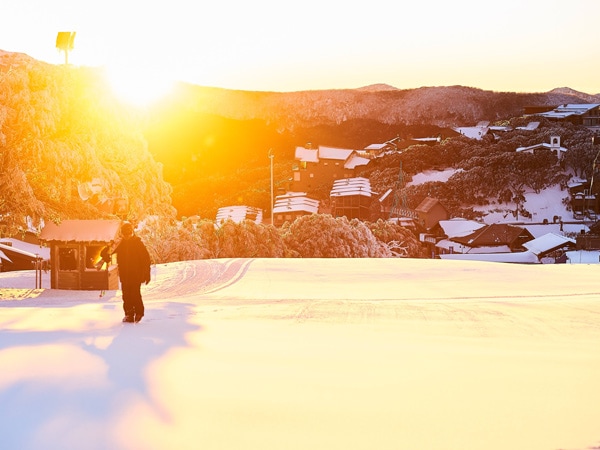
Mt Buller sunset
There are plenty of off-piste activities at Mt Buller as well. (Image: Andrew Railton)

5. Perisher

Why Perisher?

Perisher is Australia’s answer to the super-resorts of North America and Europe, an amalgamation of four ski villages that covers 1245 hectares and is serviced by Australia’s only underground alpine railway. This means you can easily stay in the nearby ski town Jindabyne for a bigger choice of restaurants, bars and activities.

Who it suits

Eighty per cent of the mountain at Perisher is designed for beginners and intermediates making it the ideal place for a family ski holiday. It’s not as steep as any of the other major resorts, but you’ll find the southern hemisphere’s best terrain park for experts.
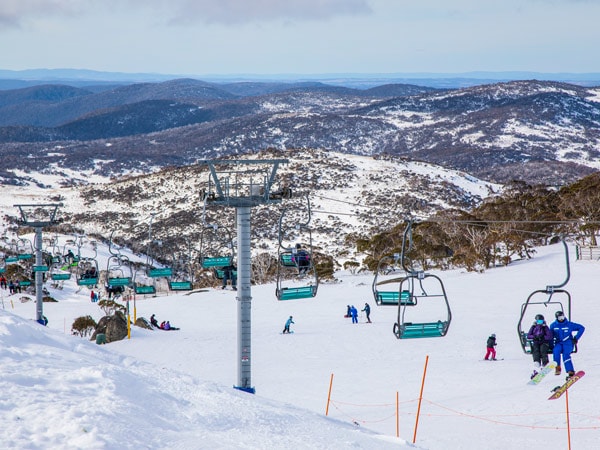
Chair lift at Blue Cow Perisher in New South Wales
Perisher is the largest ski resort in the entire Southern Hemisphere. (Image: Destination NSW)

Skiing kudos

You can ski an entire weekend without doing the same run twice, across four distinct ski areas: Guthega, Blue Cow, Perisher Valley and Smiggin Holes.

Apres and off-piste action

Perisher doesn’t have the same village amenities as its neighbour Thredbo, but what’s here is intimate and cosy. Chill in front of a fire at Marritz Hotel’s Rams Head Bar or Marritz Restaurant or meet locals at the Pub Bar in The Man From Snowy River Hotel. If staying in Jindabyne, stop along the way for a locally distilled schnapps at Wildbrumby Distillery or a craft beer with tapas at Jindabyne Brewing. Brumby Bar & Grill offers the best dinner option in town.

Stay at

Lake Crackenback Resort & Spa offers two on-site restaurants and a day spa, or stay beside the lifts at Barrakee Ski Lodge .

Secret gem

You’ll find 100 kilometres of cross-country skiing at nearby Alpine National Park; try snow-shoeing with Wilderness Sports.

Craig Tansley
Craig Tansley has been a travel writer for over 20 years, winning numerous awards along the way. A long-time sucker for adventure, he loves to write about the experiences to be had on islands, on the sea, in forests or deserts; or anywhere in nature across Australia, and the world.
See all articles
hero media

8 experiences to get the most out of Victoria’s Great Ocean Road

Beyond the winding bitumen and coastal views lies another side to Victoria’s most famous route.

There’s something hypnotic about this stretch of Victoria’s coast. Maybe it’s the way the road hugs the ocean so tightly, or how the cliffs catch the sun in colours you can’t name. Or, for local Victorians who drove this route as kids, maybe it’s the memories of winding through the impossibly tall trees as they seemingly guide you on your journey like wooden guardian angels. Most travellers know it for the 12 Apostles, but there are plenty of alternate experiences on the Great Ocean Road equally as worthy of your time.

So, next time you’re in that neck of the woods, park that car, stretch those legs and try these experiences.

1. Discover living culture at Budj Bim

Budj Bim Cultural Landscape Tourism
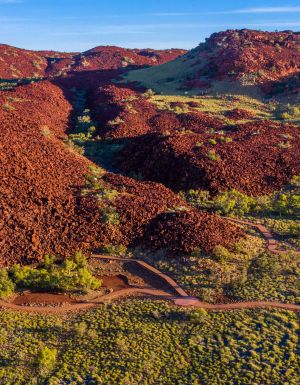
Walk across the world’s oldest known aquaculture system. (Image: Visit Victoria)

Breakaway Creek’s Budj Bim Cultural Landscape is a masterclass in educational storytelling. Join a guided tour with Budj Bim Cultural Landscape Tourism to walk across the world’s oldest known aquaculture system, where the Gunditjmara people built sophisticated eel traps and stone channels more than 6,000 years ago.

Budj Bim’s aquaculture system predates Egypt’s pyramids by roughly 2,000 years, making it one of the oldest examples of human engineering on Earth. If that’s not enough to get your history-loving family members involved in this road trip, we’re out of ideas.

2. Unwind in the hot springs at Warnambool

woman relaxing at Deep Blue Hot Springs
Let mineral-rich water heal you.

If your legs need a break after a long drive, Deep Blue Hot Springs is your remedy. The geothermal pools sit just metres from the coastline, filled with mineral-rich water that bubbles up from deep underground. Move between open-air baths, waterfall pools and quiet zones made for meditation.

The water in Deep Blue’s geothermal pools comes from an ancient aquifer nearly 850 metres below the Earth’s surface, which, in non-scientific terms, means it’s far more likely to have healing properties than the mineral water you’d find at the supermarket.

3. Take to the air at Princetown

12 Apostles Helicopters flight alternate experiences on the Great Ocean Road
See an icon from a different view.

You may have seen the Twelve Apostles from the trusty viewing platform, but a helicopter flight with 12 Apostles Helicopters shows you just how sprawling and rugged this coastline really is.

The trip covers everything from Port Campbell to London Bridge (not to be confused with the UK’s own), giving you a rare chance to watch waves carving the limestone cliffs from above. It’s worth noting that the limestone stacks of the Twelve Apostles are said to erode by roughly two centimetres each year, so the longer you leave it, the less of the Apostles you’ll see.

4. Step into the past at Flagstaff Hill

Flagstaff Hill Maritime Village and Museum
Visit a time of yore.

Continue the tour through Warnambool at Flagstaff Hill Maritime Village and Museum , a recreated 19th-century port town. Hear stories from the days when shipwrecks were as common as seagulls, with an astounding 180 ships believed to have sunk along the Shipwreck Coast in less than five years.

The night show, complete with lights, sound, and sea spray, brings the coastline’s most dramatic stories to life.

If you’re staying the night, Simon’s Waterfront offers relaxed dining with fresh local seafood and oceanfront views. Order the catch of the day and toast to the sailors who never made it ashore.

5. Learn to surf in Torquay, Lorne, or Anglesea

kid having a lesson with Go Ride A Wave
Learn how to hang 10. (Image: Visit Victoria)

Whether you’ve surfed before or can barely stand on a board, Go Ride A Wave will have you upright in no time. Torquay’s calm beaches are ideal for first-timers, while Lorne and Anglesea bring a bit more energy for those unafraid to get dunked.

Bells Beach, just down the road from Torquay, has even hosted the world’s longest-running professional surfing competition since 1962. So, for those eager to have a gander at pros using surfboards like they’re an additional appendage, the competition usually runs sometime in autumn.

6. Tackle the trails in Forrest

Barwon Flow Trails Otways Flow MTB
Hire a bike and explore MTB trails through the Otways.

Forrest is a haven for mountain bikers thanks to an expansive network of trails through stunning natural scenery. The Forrest trail network has almost 100 kilometres of singletrack across 36 trails, so there’s something for every level of rider. That’s including more than 60 kilometres of purpose-built mountain bike trails winding through the Otways’ dense forest. Cycle through ancient myrtle beech trees and towering tree ferns, with smaller ferns and soft mosses forming a carpet at your feet.

Hire a bike from Forrest MTB Hire and take your pick from easy, scenic rides to more challenging singletracks, such as Red Carpet or Rollercoaster.

7. See wildlife up close in Apollo Bay

bush rat on Wildlife Wonders tour
Get help spotting the locals. (Image: Doug Gimsey)

If spotting koalas and kangaroos in the wild feels like winning the lottery, Wildlife Wonders gives you guaranteed sightings without cages or crowds. Every visit to the sanctuary helps fund the Conservation Ecology Centre which supports endangered species across the Otways, so your business is appreciated by humans and animals alike.

The guided walk takes you through protected Otways habitat where you might spot potoroos (or joey lookalikes for those unfamiliar with a potoroo), wallabies, and sleepy koalas lounging in the trees.

8. Visit the Cape Otway Lightstation

Cape Otway Lightstation
Delve into the tales of Cape Otway Lightstation.

Towering over the sea on a cliff above the Southern Ocean, Cape Otway Lightstation has been guiding ships since 1848. Before the lighthouse was built, Cape Otway was one of the most treacherous points on the Victorian coast, with dozens of shipwrecks occurring in its surrounding waters. Pick the right day, and you may bump into a local willing to tell you about the wreck of Eric the Red .

While at the Cape Otway Lightstation, explore the keeper’s quarters, walk the coastal trails, and take in views that only stop short at the horizon.

And no, contrary to popular belief, the Round the Twist lighthouse is actually located in Split Point, just shy of two hours in the direction of Melbourne. Nothing’s stopping you from embarking on a lighthouse crawl, though.

Plan your next no-stone-unturned journey along this iconic Aussie road at visitgreatoceanroad.org.au.