The 9 best winter camping spots around Australia

hero media
Don’t let the cooler weather put you off exploring the great outdoors, here are the best campsites to visit during winter.

Camping is often associated with warm spring or summer days, but Australia is blessed to have a climate whereby locals and visitors alike can still enjoy the great outdoors in winter.

Here, find the crème de la crème of winter campsites around Australia. Now you just need to decide if you’d rather wake up in the desert, next to thermal pools or deep within a national park.

1. Beachcomber Holiday Park, NSW

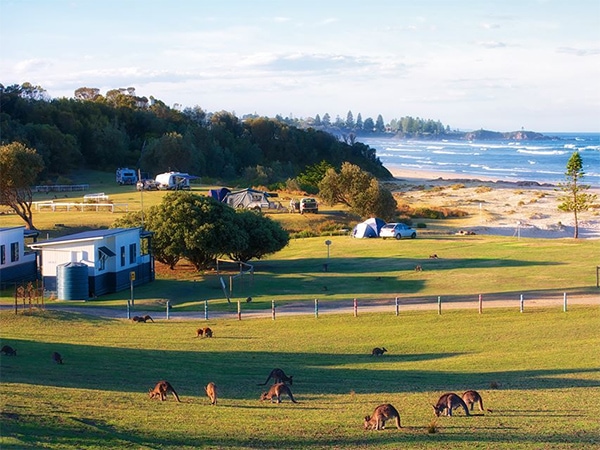
Beachcomber Holiday Park is fringed by the Eurobodalla National Park and puts you right in the heart of all that Potato Point has to offer. This stunning stretch of coastline boasts uncrowded beaches, river estuaries and ancient headlands – all of which are accessible from the holiday park. Most sites accommodate up to six guests in addition to a number of family sites that sleep 10. The majority of sites are unpowered, but there are a limited number of solar-powered sites that are powerful enough to run your lights, TV, radio, battery charger and small fridge.
Beachcomber
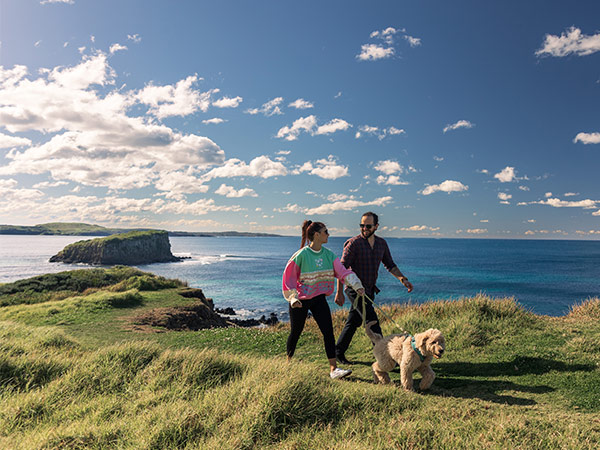
Wake among the roos at Beachcomber Holiday Park.

2. Ruins Campground, Booti Booti National Park, NSW

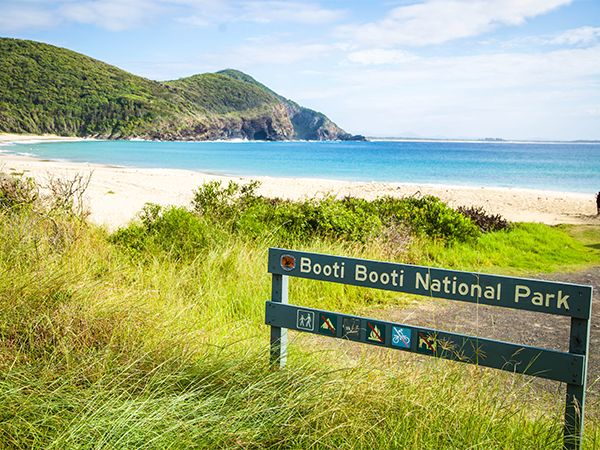
This campsite is framed by Booti Booti National Park – its name is derived from a word that means “plenty of honey" in the local Worimi Aboriginal language – and the kinds of deserted, white-sand beaches Australia is known for. Foster’s Ruins Campground is part of the NSW National Parks offering, with cabbage tree palms and paperbarks setting the scene come winter. Explore scenic headlands, beautiful beaches, refreshing rainforest, and 11 kilometres of estuarine foreshore before retreating back to your campsite. The site offers picnic tables, barbeques, drinking water, showers and toilets.
Booti Booti National Park
Booti Booti National Park takes its name from the local Worimi Aboriginal word meaning “plenty of honey." (Image: Destination NSW)

3. Bullara Station, WA

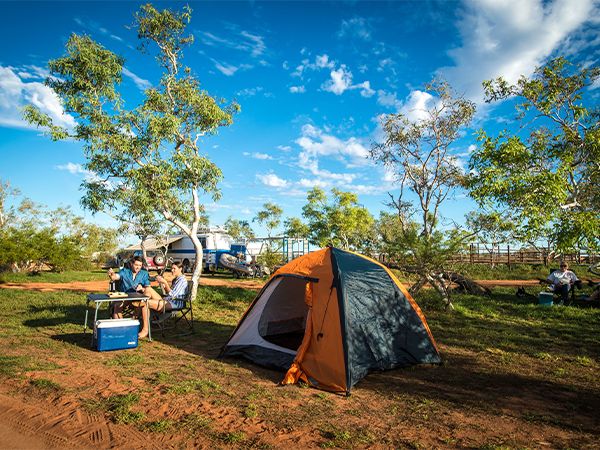
Bullara Station is an expansive outback sheep and cattle station located within driving distance of the turquoise waters of Ningaloo. Come winter you’ll find wildflowers blooming and diverse birdlife to admire. There are also pet lambs, kangaroos and cows to keep the kids amused. Join a 4WD tour to learn about local geography, bush tucker and how to identify animal tracks. This bush camping oasis offers a choice of powered and non-powered sites (no generators). There are communal fire pits, showers, toilets and a camp kitchen available to use.
Bullara Station stay
Camp on an expansive outback sheep and cattle station at Bullara Station. (Image: Tourism Western Australia)

4. Rollingstone Beachfront Resort, Qld

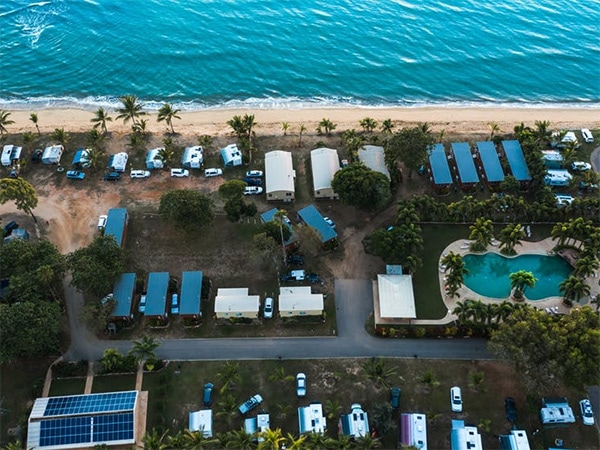
If you like your winter holidays on the warmer side heading up north is a no-brainer. Rollingstone Beachfront Resort is just over 50 minutes drive north of Townsville – and with more than 300 days of sunshine a year it more than ticks the warmer weather box. This 13-hectare tropical playground boasts a beachfront location and everything you need for an upscale camping holiday. First off, it’s every kid’s paradise; there’s a jumping pillow, bike track, activity room, basketball hoop and playground. Secondly, sleeping in a tent places you right next to some of the most beautiful landscapes in the area. There are sites right on the sand or beside the barramundi-filled lake. Drop a line and put your feet up. You’re in Queensland, after all.
Rollingstone Beach Front Resort
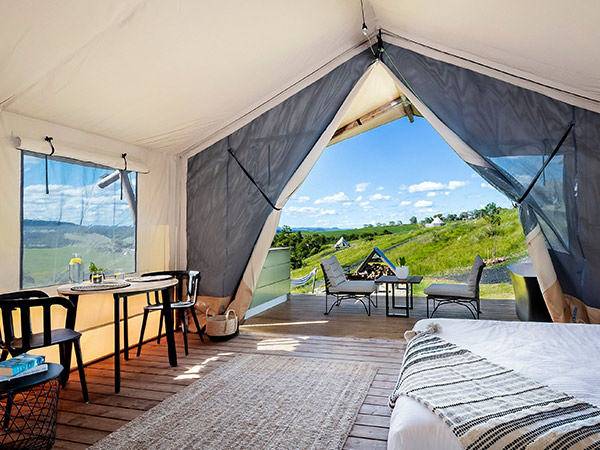
Rollingstone Beachfront Resort provides everything you need from an upscale camping holiday.

4. Litchfield National Park, NT

Litchfield is home to an abundance of stunning waterfalls and swimming holes. The most iconic of these is Wangi Falls and its campground has all the comforts, including free wi-fi. May to September is considered the best time to go, so you won’t miss a moment of the dazzling winter beauty. Be sure to check for campsite closures beforehand. Make your booking through the Northern Territory Parks Booking System .
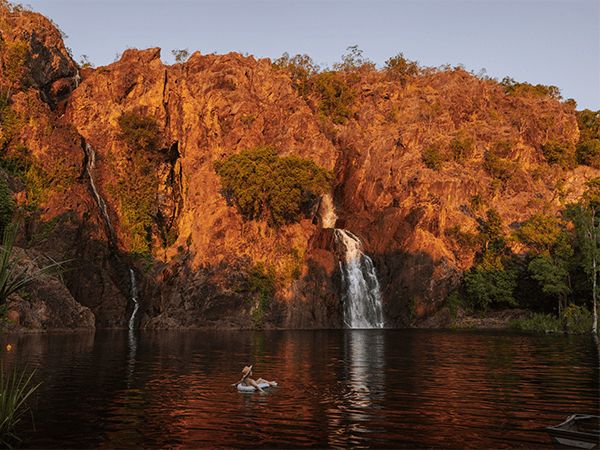
Wangi Falls
Wangi Falls has the most accessible swimming hole in Litchfield. (Image: Tourism NT/@75vibes_)

5. Wunglebung Campground, Qld

If camping along the coast of Queensland doesn’t draw you in, then this remote 1600-acre working cattle farm will. Set on the upper Rocky River near Tenterfield NSW, Wunglebung is bordered by the magnificent Rocky River and Bicentennial National Trail. This is a bush retreat in every sense of the word. There is space dedicated for tents, vans and motorhomes. In the surrounding area, there are tracks to follow and beautiful valley trails to drive and explore. Spend your day bushwalking, swimming, kayaking, mountain biking and lots of big sky stargazing at night. Just note there is no mobile or internet service available, so prepare yourself for an off-the-grid experience.
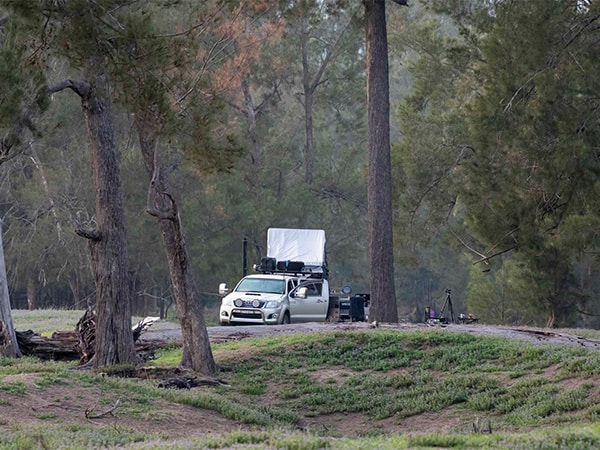
Wunglebung
Wunglebung is bordered by the magnificent Rocky River and connected to the Bicentennial National Trail.

6. Barmah Lakes Campground, Vic

If you enjoy feeling like the only person in the world this secluded campsite on the banks of the Murray River and Barmah Lake is about as off-grid as it gets in these parts. Pitch a tent on one of the two circuit loops with 22 semi-designated and dispersed campsites. There is a boat ramp nearby, making this an ideal spot for canoeing, fishing and the like. There are also several marked hikes around the lake and Indigenous cultural sites.
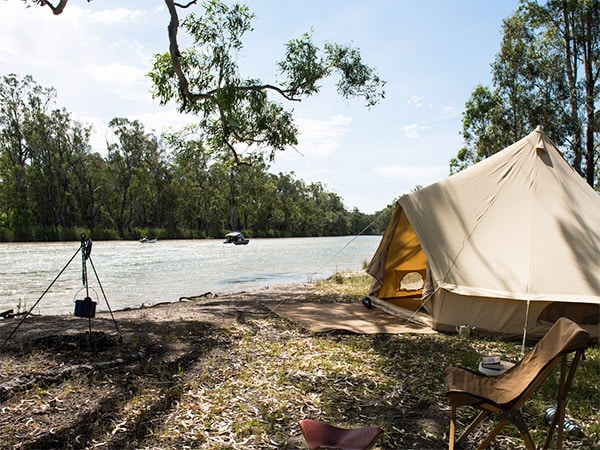
Barmah Lakes Campgrounds is perfect for those who love to be at one with nature.

7. Beechworth Lake Sambell Caravan Park, Vic

Beechworth is by far the best-preserved 19th-century gold mining town in Australia. Taking a visit here is a lesson in charming streetscapes, thanks to the impeccably preserved architecture that was largely constructed in the same style, at roughly the same time, and with the same material – the local honey-coloured granite. Beechworth Lake Sambell Caravan Park is your lakeside base camp for exploring the region. Over 50 powered sites are set among shady trees, with concrete slabs for caravans and motorhomes, and taps providing town water. For an off-grid experience, enjoy unpowered camping on the banks of Spring Creek. There are over 70 available, with campfires permitted in designated areas. Sambell Park provides easy access to the Murray to Mountains Rail Trail and many walking tracks. There are two under-cover barbeque areas, a playground, mini golf, a volleyball court, LPG and a well-stocked kiosk.
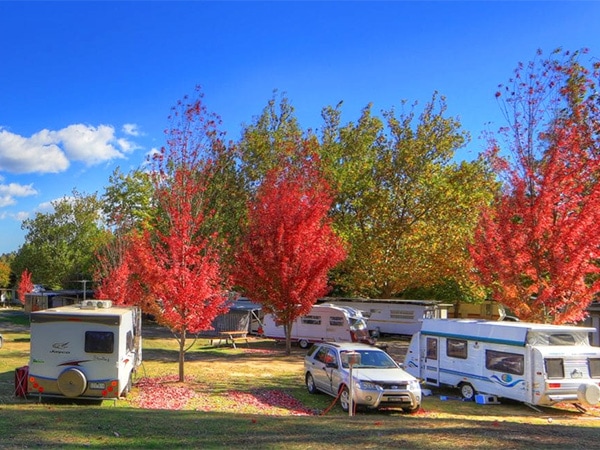
Beechworth Sambell Park
Beechworth Sambell Park is your lakeside base camp for exploring the region.

8. Dhilba Guuranda-Innes National Park, SA

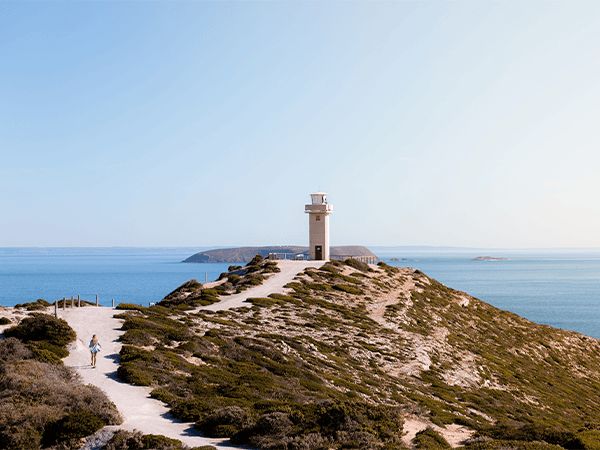
Dhilba Guuranda-Innes National Park is located on the south-western tip of the Yorke Peninsula, approximately 300 kilometres by road from Adelaide via Port Wakefield, Ardrossan, Minlaton and Warooka. The spot is a favourite among campers, fishers, swimmers and bushwalkers. Come winter, it transforms into a fresh green landscape, with wild seas and large surf. Visit one of the surrounding lighthouses, or learn about the tumultuous maritime history of South Australia at the shipwreck of Ethel. Explore historic Inneston – an abandoned township surrounded by bushland. Then retreat to your campsite to catch some of the best coastal views in South Australia. The entire park is accessible by 2WD.
Dhilba Guuranda Innes
Dhilba Guuranda-Innes National Park is located on the south-western tip of the Yorke Peninsula. (Image: Chalkie and The Chippy)

9. Freycinet National Park, Tas

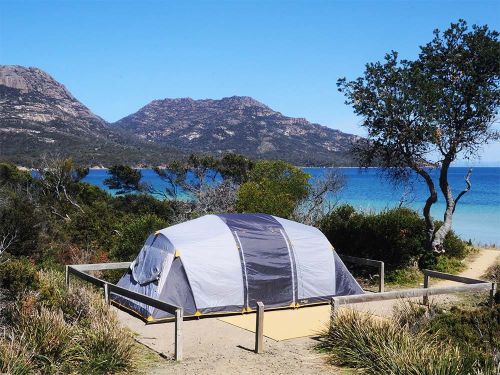
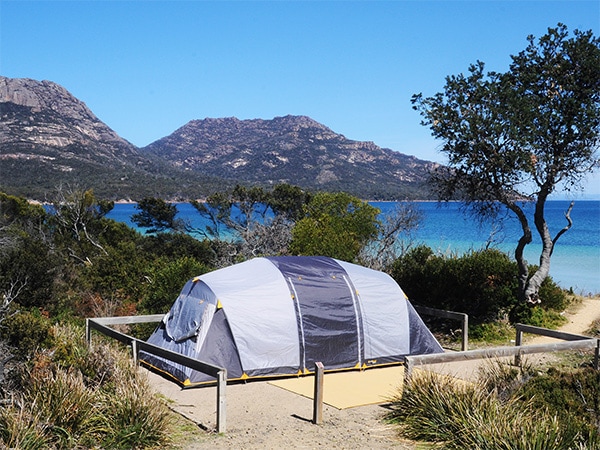
Freycinet National Park is home to some of Tasmania’s most incredible camping spots , which may explain why you need to enter a ballot system to camp during peak times (Easter and Christmas). This makes winter a great time to venture south without the crowds and enjoy the sleepy sand dunes. Wake up to breathtaking views, and explore the beautiful bays by day (Honeymoon Bay, Sleepy Bay and Wineglass Bay) – with panoramic views of wondrous Wineglass Bay the main drawcard for visitors. The campground is a small coastal strip along the dunes of Richardsons Beach and the granite knoll of Honeymoon Bay – and while there are plenty of options, they go fast. Freycinet Camping Information provides everything you need to know to enter the ballot, and for non-peak times, you can book your site through the Freycinet Visitor’s Centre.
Freycinet
Freycinet campsites are in high demand.
hero media

Unforgettable First Peoples tours and experiences in Victoria

From ancient aquaculture systems to sacred rock art shelters, Victoria’s First Peoples cultural experiences offer a powerful connection to one of the world’s oldest living cultures – where every site, story and smoking ceremony invites a deeper understanding of the land beneath your feet. 

Victoria’s sweeping landscapes hold stories far older than any road map can trace – stories etched into stone, sung through generations and woven into every bend of river and rise of hill. From the lava flows of Budj Bim to the ancient middens of Moyjil/Point Ritchie and the volcanic crater of Tower Hill, the state is home to some of the most significant First Peoples cultural sites in Australia. These places, along with other immersive experiences, offer not only a window into a 60,000-year legacy, but a profound way of understanding Country itself. As more travellers seek connection over checklists, guided tours by Traditional Owners offer respectful, unforgettable insights into a living culture that continues to shape the land and the people who walk it. 

Budj Bim cultural landscape  

Budj Bim Cultural Landscape
Budj Bim Cultural Landscape is on Gunditjmara Country. (Image: Visit Victoria)

Venture beyond the surf and sand of the Great Ocean Road to discover a deeper story etched into the volcanic landscape. At Budj Bim , ancient aquaculture channels built by the Gunditjmara people to trap, store and harvest kooyang (short-finned eel) reveal one of the world’s oldest living cultures. While you’re in the area, head over to the state-of-the-art Tae Rak Aquaculture Centre, where you can observe the eels in a special tank, wander the shores of Tae Rak (Lake Condah), and enjoy a bite at the Bush Tucker Cafe. Also nearby is Tower Hill, a dormant volcano reborn as a wildlife reserve, offering trails through bushland teeming with emus and koalas. 

eel tank
The kooyang (eel) tank at Tae Rak. (Image: Visit Victoria)

Dumawul Kooyoora Walking Tour 

Dumawul walkingtour
Guests are guided through Kooyoora State Park on the Dumawul walking tour. (Image: Visit Victoria)

Step into a timeless landscape with Dumawul’s guided tour through Kooyoora State Park, around an hour’s drive west of Bendigo in north-central Victoria. Led by Djaara guides, this immersive half-day journey breathes life into Country, weaving together stories, bush tucker and ancient rock art. Known to the Dja Dja Wurrung people as Guyura – the ‘mountain of light’ – this dramatic granite range is rich with cultural and spiritual significance.  The adventure begins with a meet-up at the Bridgewater Hotel on the banks of the Loddon River, before guests are welcomed onto Country with a traditional Smoking Ceremony – a powerful ritual that honours ancestors and cleanses those who walk the land. From there, it’s a gentle wander through rugged outcrops and open bushland, with sweeping vistas unfolding at every turn. Along the way, guides share their knowledge of how the Dja Dja Wurrung peoples have cared for and adapted with this land for generations, offering a rare and moving window into an ancient way of life that continues to thrive today.  

Kooyoora walking tour
Knowledge of the Dja Dja Wurrung is shared on the trail. (Image: Visit Victoria)

Kingfisher Cruises  

Kingfisher Cruises
Cruising the Murray with Kingfisher Cruises. (Image: Visit Victoria)

Glide quietly through the Barmah-Millewa forest – the nation’s largest river red gum ecosystem – on a scenic journey along the Murray River and into the Barmah Lakes with Kingfisher Cruises . Led by passionate guides who share stories of the cultural significance of this ancient landscape, these cruises reveal the stories, totems and traditional knowledge of the Yorta Yorta people. As you navigate narrow waterways and spot native birds, you’ll gain a richer understanding of how First Peoples have lived in harmony with this floodplain for tens of thousands of years. It’s a gentle, immersive experience that leaves a lasting impression – one where every bend in the river carries echoes of culture, connection and Country.  

wawa biik 

 Taungurung leaders
Exploring Nagambie with Taungurung leaders. (Image: Visit Victoria)

Translating to ‘hello, Country’ in the language of the First Nations People and Custodians of the rivers and mountains of Taungurung Country in Central Victoria, wawa biik guides a range of authentic and deeply immersive experiences. Leaving from either Nagambie or Euroa, the tours are woven with ancient stories of the Taungurung, telling how a sustained connection and responsibility ensures the continued health of biik – benefitting the people, animals and plants that live in and around the Goulburn River. During the wawa Nagambie experience, guests participate in a Welcome Smoking Ceremony, and enjoy lunch and conversation with two Taungurung leaders as they cruise through the wetlands of tabilk-tabilk (place of many waterholes). The 4.5-hour tour begins at Tahbilk Winery, which is set in the wetlands of Nagambie on Taungurung Country and collaborates with Taungurung Elders to share knowledge of biik. 

Bataluk Cultural Trail  

Bataluk Trail
Cape Conran on the Bataluk Trail. (Image: Visit Victoria)

The Bataluk Cultural Trail winds through East Gippsland like a thread stitching past to present, tracing the deep connection between the Gunaikurnai people and their land. Starting at the Knob Reserve in Stratford, visitors walk among scarred trees and ancient stone tools once used for survival and ceremony. At the Den of Nargun near Mitchell River, the earth holds stories of women’s sacred spaces, cloaked in myth and legend. Further along, Legend Rock at Metung tells of greed and consequence, its surface etched with ancient lore. At Cape Conran, shell middens lie scattered like breadcrumbs of history – 10,000 years of gatherings, stories and saltwater songs still echoing in the wind.  

Healesville Sanctuary  

echidna at Healesville Sanctuary
Get up close with a resident echidna at Healesville Sanctuary. (Image: Visit Victoria)

Set on the historic grounds of Coranderrk Aboriginal Station, Healesville Sanctuary honours the Wurundjeri people of the Kulin Nation through immersive storytelling and connection to Country. Along Wurundjeri Walk, visitors are invited to reflect on the land’s rich First Peoples history, with native plants revealing their traditional uses. Wurundjeri Elder and educator Murrundindi shares culture in-person with the Wominjeka Aboriginal Cultural Experience every Sunday, and most days during Victorian school holidays. Murrundindi’s smoking ceremonies, storytelling and bush tucker knowledge reveal the sacred relationship between people, animals and the environment. Bird-lovers can’t miss the incredible Spirits of the Sky show featuring native birds daily at 12pm and 3pm. 

The Grampians 

Rock art at Bunjil Shelter in The Grampians
Rock art at Bunjil Shelter in The Grampians. (Image: Visit Victoria)

Known as Gariwerd to Traditional Owners, the Grampians is a place of immense cultural and spiritual significance. This rugged landscape holds more than 80 per cent of Victoria’s known First Peoples rock art, offering a powerful window into the region’s deep heritage. Visitors can respectfully explore five remarkable rock art sites: Billimina and Ngamadjidj in the Wartook Valley, Manja Shelter near Hamilton, Gulgurn Manja shelter near Laharum, and the Bunjil Shelter near Stawell, where the creator spirit is depicted. Each site tells a unique story of connection to Country, shared through ancient handprints, dancing figures and Dreaming narratives etched into stone.