hero media

3 wild corners of Australia that let you reconnect with nature (in comfort)

The country’s rawest places offer some of its most transformative, restorative experiences.

Australia offers sublime opportunities to disappear into the ancient, untouched wilderness, worlds away from modern stress. Wild Bush Luxury offers a collection of experiences that are a portal into the continent’s wildest, most undiscovered landscapes, from wide floodplains to vast savannas, where the only distractions are birdsong, frog calls, curious wallabies and the daily drama of sunset. With a focus on conservation and Indigenous knowledge, these all-inclusive experiences allow guests to slow down and quiet their minds for intimate encounters with the natural world.

1. Bamurru Plains
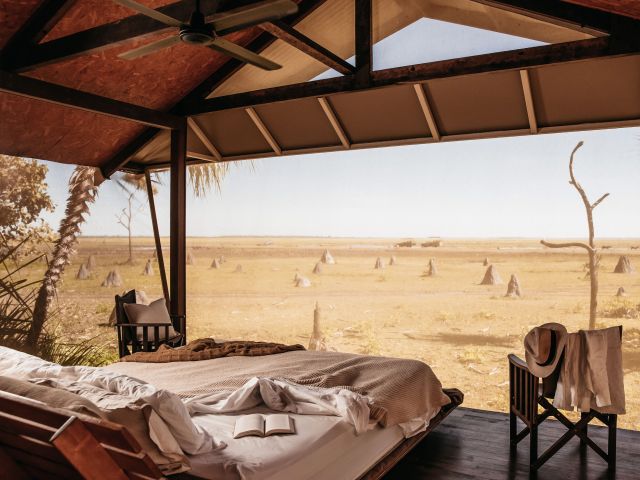
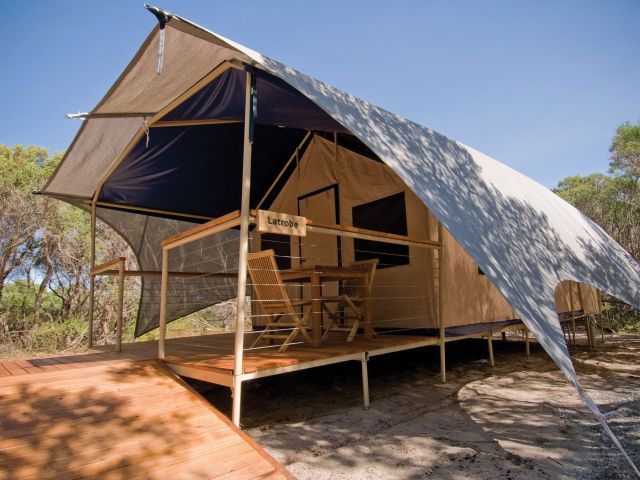
safari tent at Bamurru Plains wild bush luxury
Let nature take front row.

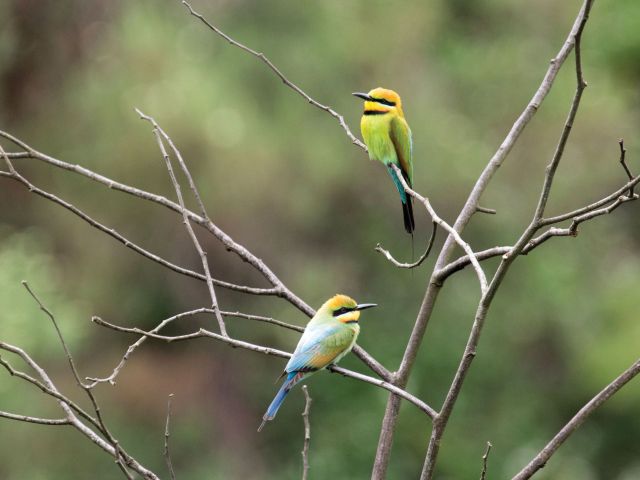
In the remote Top End, just outside Kakadu National Park on the fringes of the spectacular Mary River floodplains, you’ll find Bamurru Plains , a peerless Australian safari camp. After a quick air transfer from Darwin to the camp’s private airstrip, you’ll be whisked away via 4WD to a vivid natural wonderland of shimmering floodplains, red earth, herds of peacefully grazing water buffalo and 236 bird species (Bamurru means magpie goose to the Gagadju people).

Accommodations consist of 10 mesh-walled bungalows and two luxe stilted retreats where guests enjoy panoramic, up-close views that invite them into their rightful place in the landscape (and binoculars to see it even better). Being an off-grid experience designed to help guests disconnect, the only distractions are birdsongs, frog calls, curious wallabies, the occasional crocodile sighting and the daily drama of the spectacular golden sunset.

It’s a place where nature’s vastness rises to the level of the spiritual, and Bamurru’s understated, stylish,  largely solar-powered lodgings are designed to minimise human impact and let nature take front row.  Guests relax in comfort with plush linens, an open bar, communal tables that allow for spontaneous connections and curated dining experiences from the in-house chef using local ingredients and bush-inspired cooking methods.
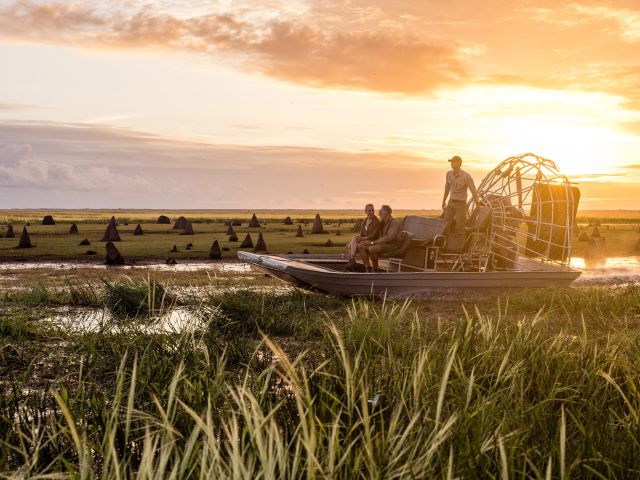
Bamurru Plains airboat tour
Zoom across the floodplains. (Image: Adam Gibson)

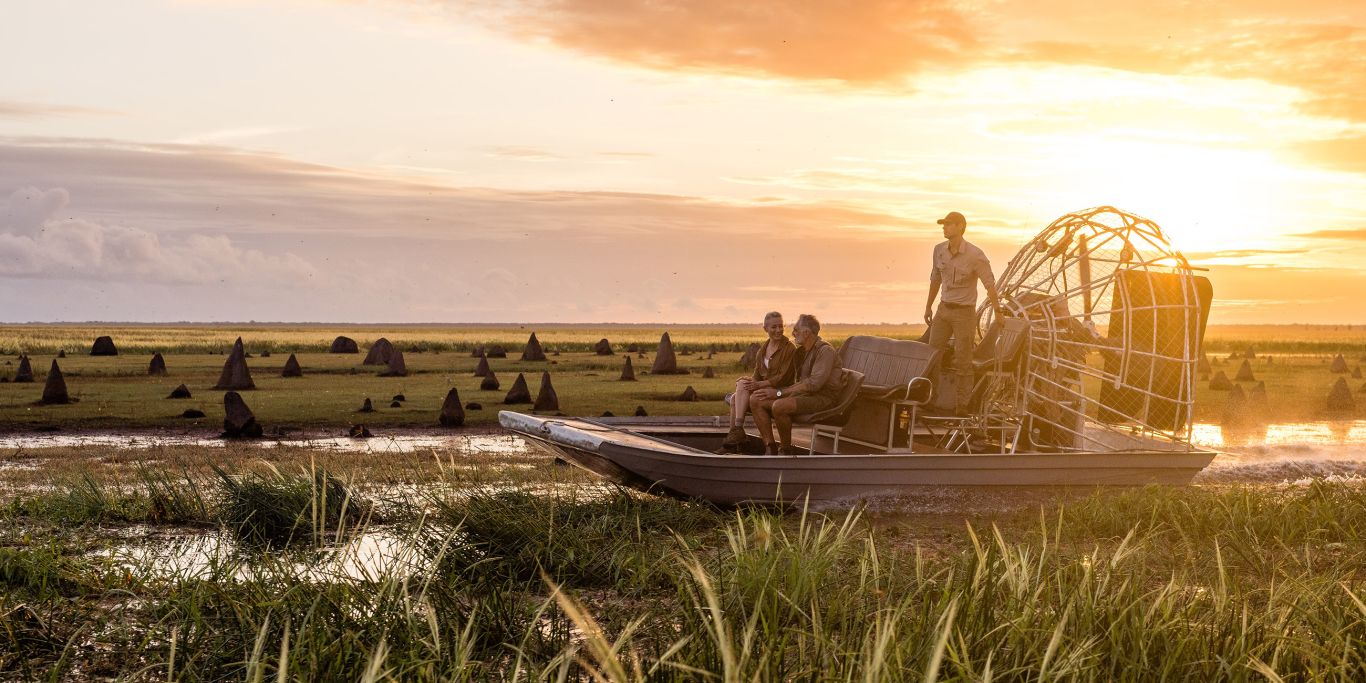
It’s a restorative backdrop for days spent zooming across the mist-covered floodplains in an airboat, birding with expert guides, taking an open-sided safari drive or river cruise through croc country. Spend time at the Hide, a treehouse-like platform that’s perfect for wildlife spotting.

In fact, nature is so powerful here that Bamurru Plains closes entirely during the peak monsoon season (October to April), when the floodplains reclaim the land and life teems unseen beneath the water. Yet Wild Bush Luxury’s ethos continues year-round through its other experiences around Australia – each designed to immerse travellers in a distinct Australian wilderness at its most alive and untouched.

2. Maria Island Walk
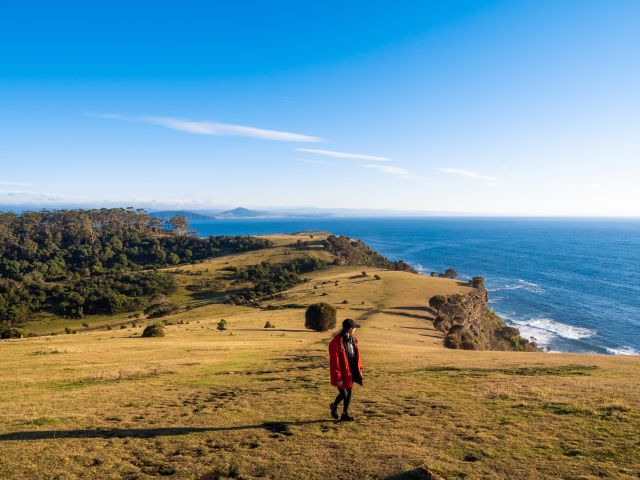
woman on a headland of Maria Island Walk
Maria Island Walk offers sweeping coastal scenes.

Off Tasmania’s rugged east coast, the iconic Maria Island Walk is an intimate four-day journey through one of the country’s most hauntingly beautiful and unpopulated national parks, encompassing pristine beaches, convict-era ruins, and wildlife sightings galore. Accessible only by a small ferry, Maria Island feels like a place reclaimed by nature, which is exactly what it is: a penal settlement later used for farms and industry that finally became a national park in 1972.

These days, the island is known as ‘Tasmania’s Noah’s Ark’ and its only human inhabitants are park rangers. It’s a place where wombats amble through grassy meadows, wallabies graze beside empty beaches, dolphins splash in clear water just offshore and Tasmanian devils – successfully reintroduced in 2012 after near-extinction on the mainland – roam free and healthy.

Each day unfolds in an unhurried rhythm: trails through coastal eucalyptus forests or along white-sand bays, plateaus with sweeping ocean views, quiet coves perfect for swimming. Midway through the journey, you’ll explore Darlington, a remarkably preserved 19th-century convict settlement whose ruins tell stories of human ambition at the edge of the known world.

At night, sleep beneath a canopy of stars in eco-wilderness camps – after relaxing with Tasmanian wine and locally-sourced meals, and swapping stories with your fellow trekkers by candlelight.

3. Arkaba
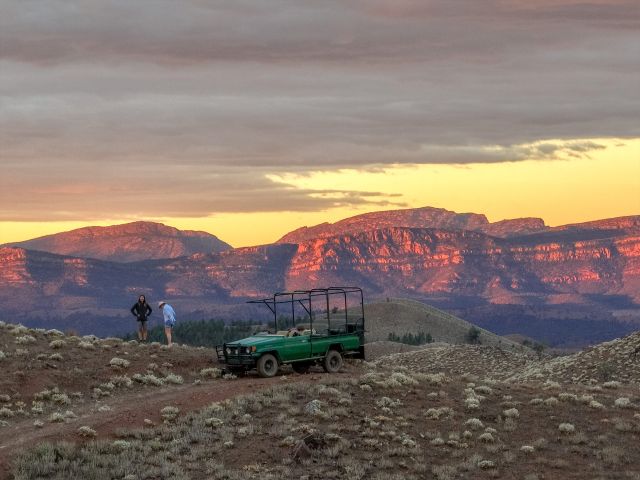
two people standing next to a 4wd in Arkaba
Explore Arkaba on foot or on four wheels.

For a bush immersion with more of an outback flavour, Arkaba offers a completely different type of experience. A former sheep station and historic homestead in South Australia’s striking Flinders Ranges that has been reimagined as a 63,000-acre private wildlife conservancy. It’s now patrolled mainly by kangaroos and emus.

Small-scale tourism (the homestead has just five ensuite guestrooms) helps support rewilding projects, and guests become an essential part of the conservation journey. Days begin with sunrise hikes through ancient sandstone ridges or guided drives into the ranges to spot yellow-footed rock-wallabies. And end with sundowners on a private ridgetop watching the Elder Range glow vibrant shades of gold, crimson and violet as the air cools and time stands still.

Here, you can join conservation activities like tracking native species or learning about Arkaba’s pioneering feral-animal eradication projects, then unwind with chef-prepared dinners served alfresco on the veranda of the homestead, which is both rustic and refined. The highlight? Following Arkaba Walk, a thriving outback wilderness where emus wander and fields of wildflowers grow.

It’s an unforgettable immersion in Australia’s vast inland beauty, a place where the land’s deep and complicated history – and astounding resilience – leave their quiet imprint long after you return home. In a world where genuine awe is rare, Wild Bush Luxury offers a return to what matters most in the untamed beauty of Australia’s wilderness.

Disconnect from the grind and reconnect with nature when you book with at wildbushluxury.com

Kassia Byrnes
Kassia Byrnes is the Native Content Editor for Australian Traveller and International Traveller. She's come a long way since writing in her diary about family trips to Grandma's. After graduating a BA of Communication from University of Technology Sydney, she has been writing about her travels (and more) professionally for over 10 years for titles like AWOL, News.com.au, Pedestrian.TV, Body + Soul and Punkee. She's addicted to travel but has a terrible sense of direction, so you can usually find her getting lost somewhere new around the world. Luckily, she loves to explore and have new adventures – whether that’s exploring the backstreets, bungee jumping off a bridge or hiking for days. You can follow her adventures on Instagram @probably_kassia.
See all articles
hero media

The road trips and trails you need to experience in Victoria now

Wind through fern tunnels, stop for a wine in a tram bar, or chase giant murals across the wheatbelt. These drives and rides prove Victoria’s best stories are found off the straight and narrow. 

There’s something unmistakably Australian about a road trip: car packed, playlist on, landscapes shifting. Travelling down the highway toward Healesville, in Victoria’s Yarra Valley , the mountains rise, flanking me on both sides. I feel its embrace, a silent invitation to explore what lies beyond.  

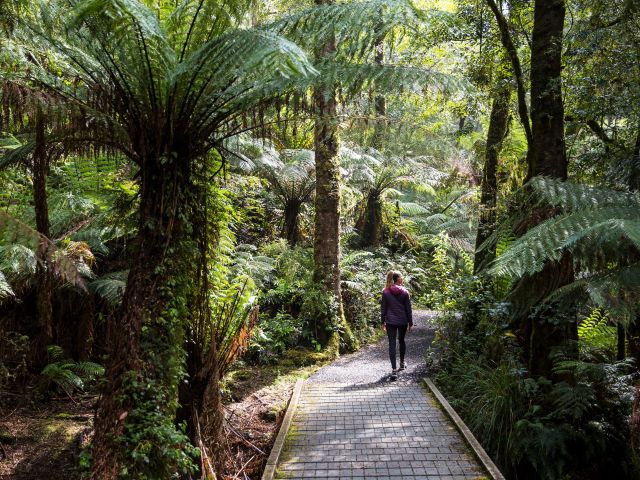
Moss-covered embankments rise on either side, and towering mountain ash trees form a green tunnel overhead. Road signs warn of wombats and cyclists but with giant ferns lining the roadside, the landscape feels prehistoric, as if a dinosaur might suddenly emerge. This, the Black Spur , is one of my favourite road trips. 

The Black Spur 

The Black Spur drive
Through the forested canopy of The Black Spur drive that winds from Healesville to Narbethong. (Image: Neisha Breen)

Location: Yarra Ranges
Duration: 30 kilometres / 30 minutes 

The Black Spur is short compared to other Victorian road trips, just 30 kilometres, stretching from Healesville to Narbethong. But what it lacks in distance, it makes up for in scenery. Just outside Healesville, Maroondah Dam offers bushwalks and scenic views. However, if pressed for time, Selover’s Lookout is an easy roadside stop offering uninterrupted views of the dam.  

In Narbethong, close to the Marysville’s snowfield, is the Black Spur Inn , a charming double-storey brick hotel that’s been welcoming travellers since 1863. Here, diners cosy up by the roaring fire or gaze through the floor-to-ceiling windows, imagining horse-drawn coaches carrying hopeful gold seekers to the eastern goldfields.   

Victoria’s Silo Art Trail 

Silo Art Trail
The Silo Art Trail in the Wimmera Mallee region. (Image: Visit Victoria/Anne Morely)

Location: Various towns across the Wimmera Mallee region
Duration: More than 200 kilometres / 4–5 hours but best over a minimum of three days  

What began as a way to draw travellers back into town bypassed by highways – places such as Nullawil, Sea Lake and Patchewollock – has grown into a celebrated outdoor art movement. The Silo Art Trail now includes 23 silos, each transformed with large-scale mural portraits sharing local stories, celebrating community heroes, Indigenous history, farming life, or regional identity.  

The Nullawil silo, for example, is a portrait of a local farmer in a chequered flannelette shirt alongside his loyal kelpie, painted by artist Sam Bates (AKA Smug). And the silos at Albacutya in the Grampians, painted by artist Kitt Bennett, depict her joyful memories of growing up in the countryside. Many of the murals sit right in the heart of small towns, such as Rochester and St Arnaud , making them perfect spots to pause for a country pub meal or something sweet from a local bakery.   

Metung to Mallacoota  

Gippsland lakes
Gippsland Lakes. (Image: Visit Victoria/Josie Withers)

Location: Gippsland
Duration: Approximately 220 kilometres / 4 hours  

The Gippsland Lakes are a much-loved holiday spot in Victoria, but road-tripping further east reveals much more. Begin in Metung and time your visit with the monthly farmers’ market, or simply linger over lunch on the lawn of the Metung Hotel. Twenty minutes away is Lakes Entrance , where you can watch the fishing boats return with their catch. 

Lakes Entrance
Lakes Entrance. (Image: Visit Victoria/Iluminaire Pictures)

Continue to Marlo, where the Snowy River spills into the sea, and Cape Conran for its many beaches and walks. If needing to stretch your legs, Croajingolong National Park is home to the historic Point Hicks Lighthouse and the Wilderness Coast Walk. Birdwatching and rainforest trails near Bemm River are worth a pit stop before arriving in Mallacoota, where the forest meets the sea. 

Great Ocean Road 

12 Apostles on the Great Ocean Road
The 12 Apostles on the Great Ocean Road. (Image: Tourism Australia/Two Palms/Harry Pope)

Location: South-west Victoria, from Torquay to Allansford
Duration: Approximately 250 kilometres / 4–5 hours but best over a minimum of three days  

Victoria’s most famous road trip delivers it all: world-class surf breaks, rainforest walks, clifftop lookouts and wildlife encounters. The journey begins in Torquay, the state’s surf capital, then hugs the coast past Anglesea and Lorne to Apollo Bay, before curving inland through the lush rainforest of the Otways. Stop at Cape Otway Lightstation or take to the treetops at Otway Fly.  

Between Cape Otway and Port Campbell lies the most photographed stretch – seven of the Twelve Apostles still standing, alongside the golden cliffs of Loch Ard Gorge. Further west, Warrnambool is a winter whale-watching hotspot, before the road winds to Port Fairy, a charming fishing village of whalers’ cottages, walking trails and offshore seal colonies further along the coast. 

Bellarine Taste Trail 

Terindah Estate
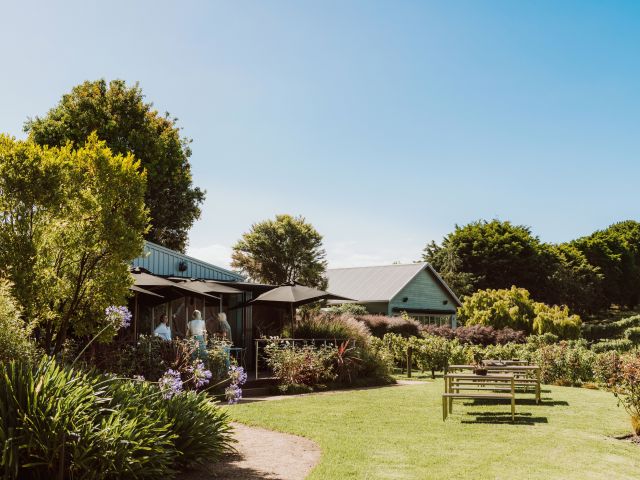
Terindah Estate. (Image: Visit Victoria/Emily Godfrey)

Location: Bellarine Peninsula
Duration: Approximately 80 kilometres / 2–3 hours  

The Bellarine Taste Trail is a feast for the senses, winding through coastal towns, past boutique wineries and artisan producers. It’s a choose-your-own-adventure style trail – simply grab a map and build your own delicious journey.  

You might wander historic, seafront Queenscliff, sip wine in a converted tram bar at Terindah Estate , sample a locally distilled whisky at The Whiskery in Drydale or pick up a jar of honey at Wattle Grove in Wallington. Seafood lovers can head to Portarlington, famous for its mussels. Eat them fresh at local restaurants or head out on the water with Portarlington Mussel Tours. 

O’Keefe Rail Trail – Bendigo to Heathcote 

Pink Cliffs Reserve
Pink Cliffs Reserve in Heathcote can be seen on the O’Keefe Rail Trail. (Image: Visit Victoria/Emily Godfrey)

Location: Central Victoria
Duration: Approximately 50 kilometres / 4 hours cycling 

Travellers first journeyed between Heathcote and Bendigo in 1888, when the railway line was built to link the towns. Trains stopped running in 1956, but today the route has a new life as the O’Keefe Rail Trail . The path is mostly level for easy riding, and along the way you’ll cycle past bushland, waterways and reserves. There are plenty of places to picnic, birdwatch, and if you’re lucky, spot a platypus.  

The trail is well supported with water stations, bike repair points, shelters, and signage. Axedale makes a great halfway stop, with the pretty Campaspe River Reserve for a rest and local cafes for refuelling. Begin in Heathcote, known for its wineries and cafes, or in Bendigo, which is easily reached by train from Melbourne/Naarm. Shorter sections, such as Heathcote to Axedale, are also popular. 

Goldfields Track – Ballarat to Bendigo 

Location: Central Victoria
Duration: Approximately 210 kilometres / 2–3 days cycling  

The Goldfields Track traces a route once so rich in gold it made Melbourne one of the wealthiest cities in the world. Starting at Mt Buninyong, south of Ballarat, the trail leads mountain cyclists and walkers north through Creswick, Daylesford and Castlemaine before finishing in Bendigo. Along the way, you’ll encounter granite outcrops, eucalypt forests, rolling farmland and remnants of the region’s mining past.  

As it passes through the lands of the Dja Dja Wurrung and Wadawurrung people, the track shares gold rush history and Indigenous stories brought to life by interpretive signs. Walk or ride the full trail or choose from one of its three distinct sections. With cosy stays, cafes and pubs, it’s easy to mix wilderness with comfort.