From star-stamped skies to subterranean landscapes sculpted over millions of years, the Dubbo region possesses some of Mother Nature’s most extraordinary handiwork.
My first visit to Dubbo ended in crushing disappointment, a bitterness I only felt as I steered my car north beyond the jagged mountain range of the Warrumbungles and the city lights quickly surrendered to an inky expanse.
For several days, I’d only ever looked forward – at elephants bathing at Taronga Western Plains Zoo, at my hands running over the ridges of Old Dubbo Gaol’s clay 19th-century bricks, at the cockpit of an emergency aircraft at the Royal Flying Doctor Service Visitor Experience – but as an entire universe of silvery fish revealed itself to me on the drive, I realised I’d made a grave mistake. I should have been looking up.
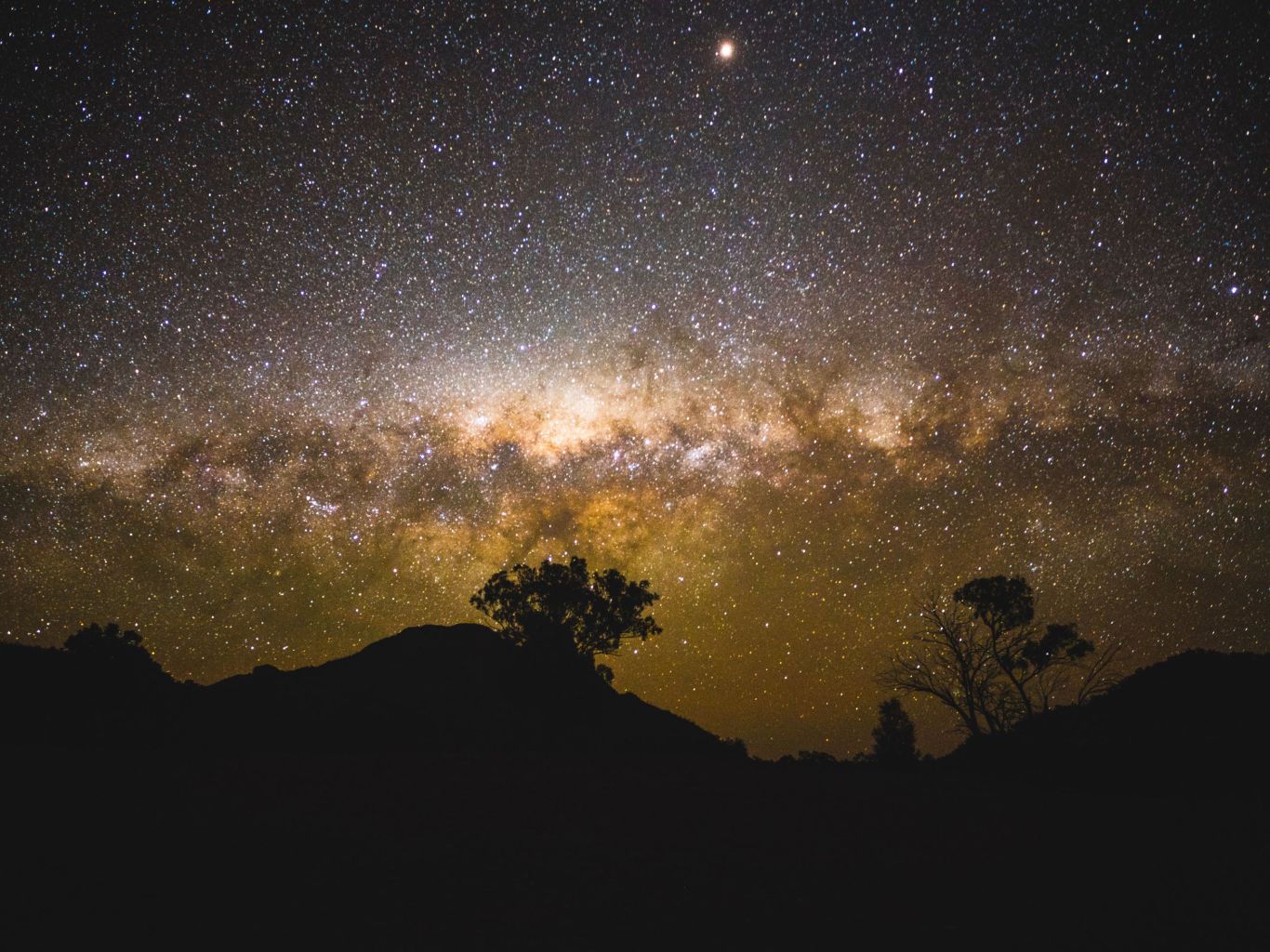
The fact that Warrumbungle National Park was declared Australia’s first Dark Sky Park on account of its clear night skies, low humidity, high altitude and distance from light-polluting cities a short time later, in 2016, only confirmed it.
Returning for Australia’s first Dark Sky Park
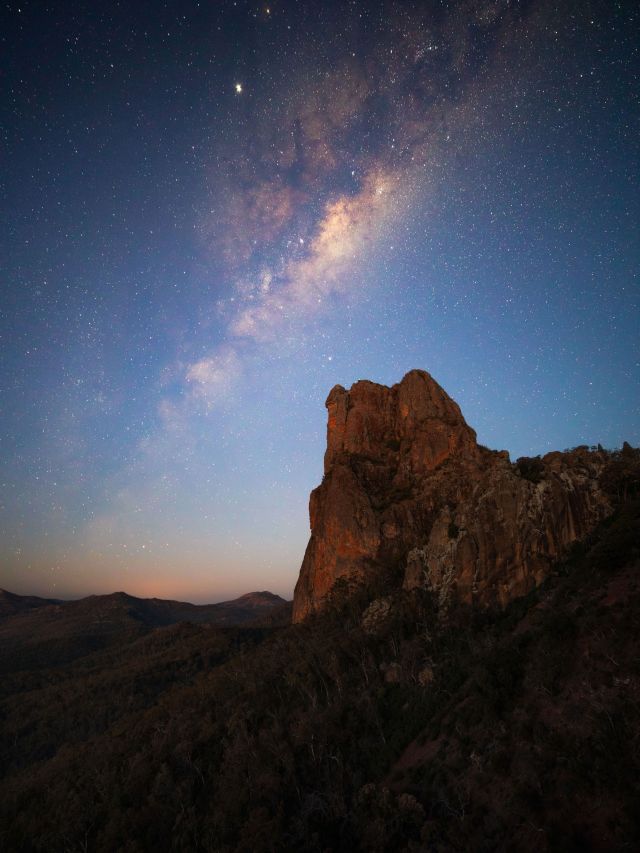
Stars rise over the striking Breadknife rock formation in Warrumbungle National Park. (Credit: Destination NSW)
Since then my children have become teenagers, and now we head back to follow in the footsteps of stargazers and astronomers who’ve sought and found refuge in galaxies, nebulas and star clusters.
Just two hours north of Dubbo is all it takes, and although many arrive early to take advantage of the national park’s hiking trails (with its dramatic volcanic formations, the challenging 14.5-kilometre Breadknife and Grand High Tops walk is considered The Trail) or to do a guided tour of Siding Spring Observatory, we instead make a beeline for Milroy Observatory.
Here, 10 kilometres outside the Coonabarabran township, Donna Burton – better known as ‘Donna the Astronomer’ – doesn’t so much as lead 90-minute tours to showcase other planets and the Milky Way, but invites kids young and middle-aged to dream about what could be ‘out there’ as they drink in the night through outdoor telescopes.
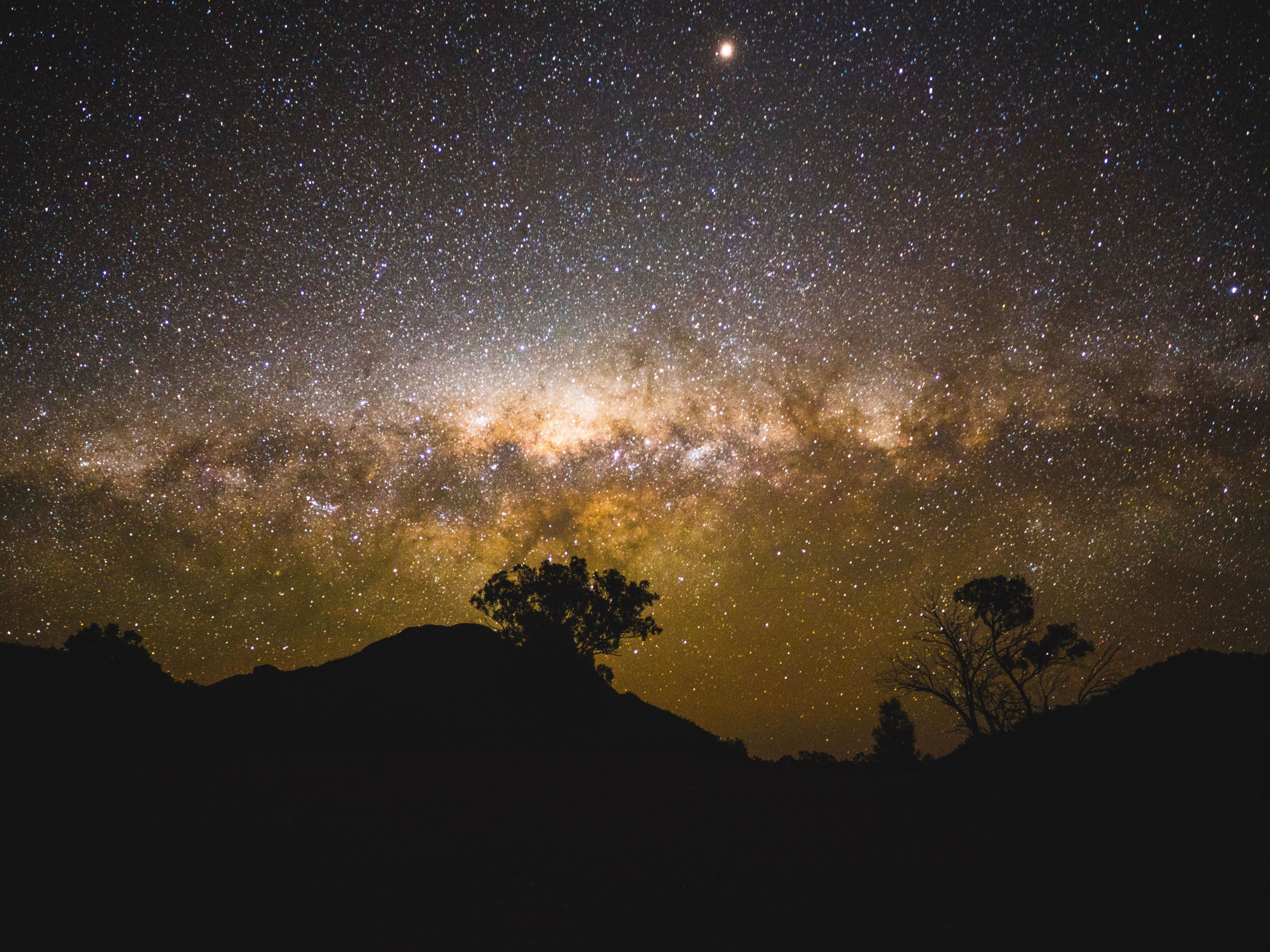
Endless stars are on show at Australia's first Dark Sky Park. (Credit: Destination NSW)
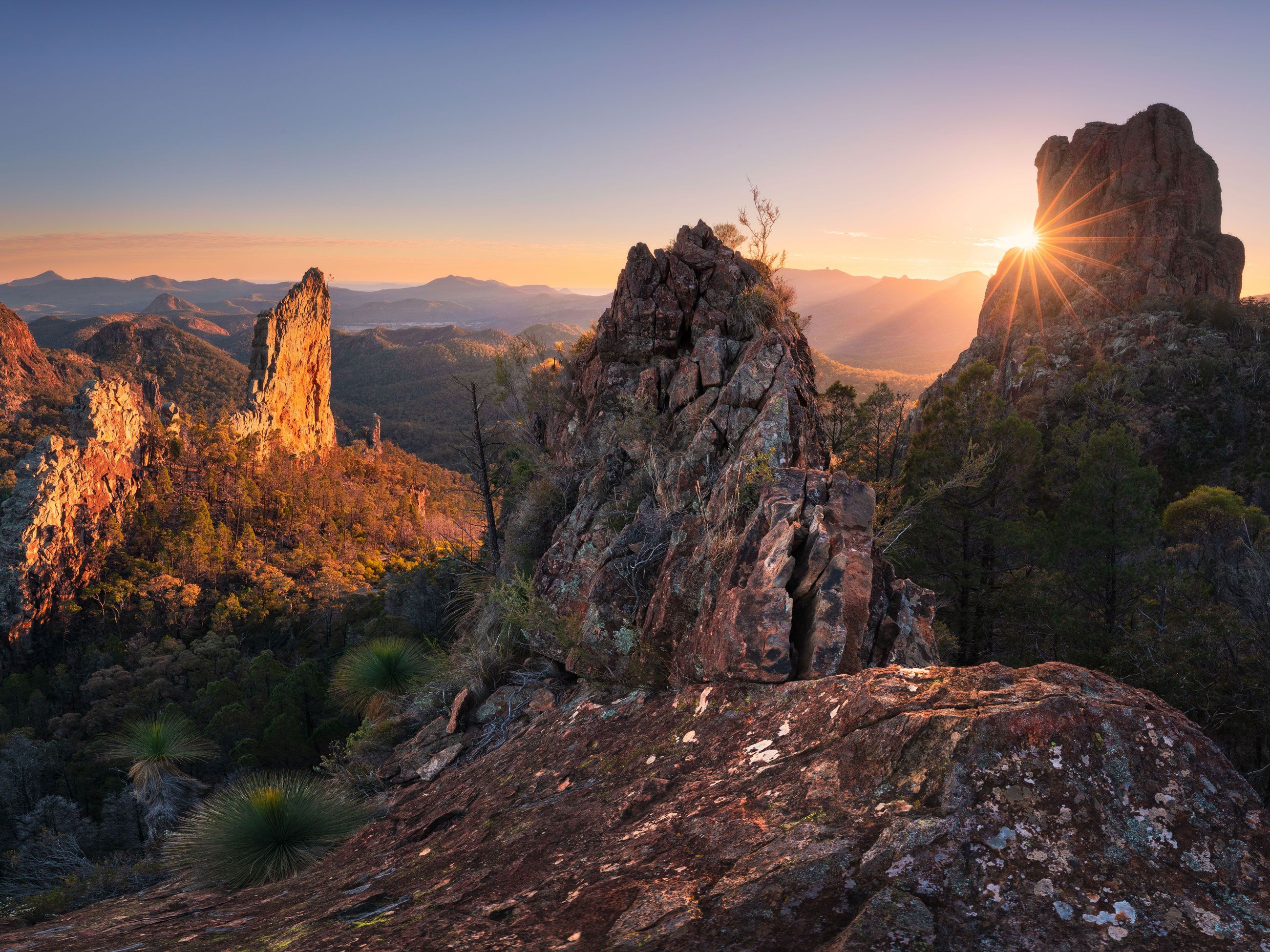
Catch sunrise or sunset at Breadknife in the Warrumbungles. (Credit: Destination NSW)
“I think I can see the Death Star!" I hear a little boy squeal as his father weaves an elaborate Star Wars Warrumbungles-edition story George Lucas himself would approve of. My own girls, I notice, have gone worryingly quiet – until my eldest pulls away, eyes as wide as saucers, and whispers, “It reminds me of that famous Champagne quote you’re always going on about." “Come quickly, I am tasting the stars?" (It was said to be uttered by Dom Pierre Pérignon when he took his first sip of Champagne). “Yes, that! There are so many stars you feel like you could poke out your tongue and taste them." Blame the power of suggestion, but by the time we drive away I’m convinced my own tongue feels a little fizzy.
Time travelling in Dubbo and beyond
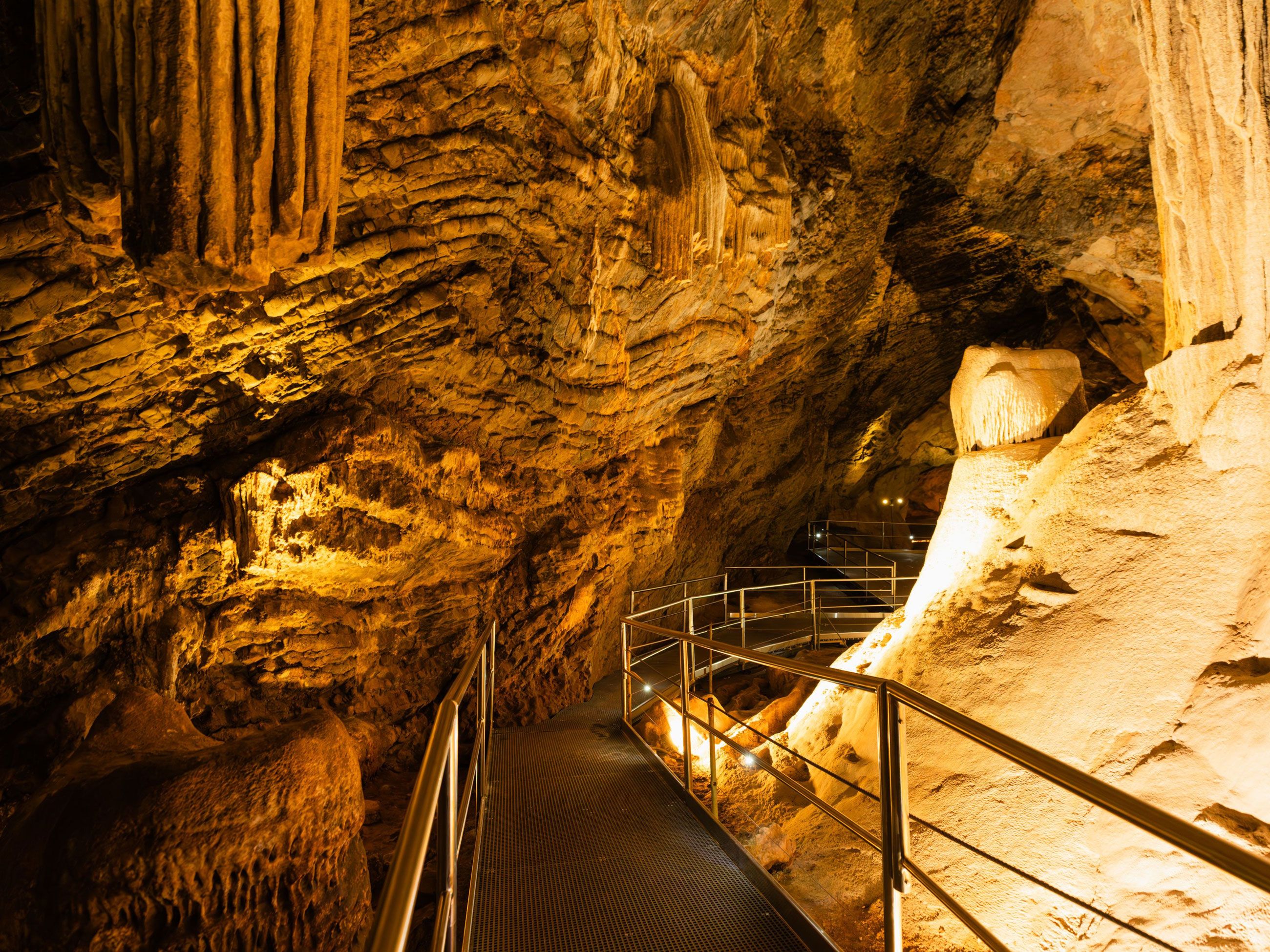
Explore the tunnels of Wellington Caves. (Credit: Destination NSW)
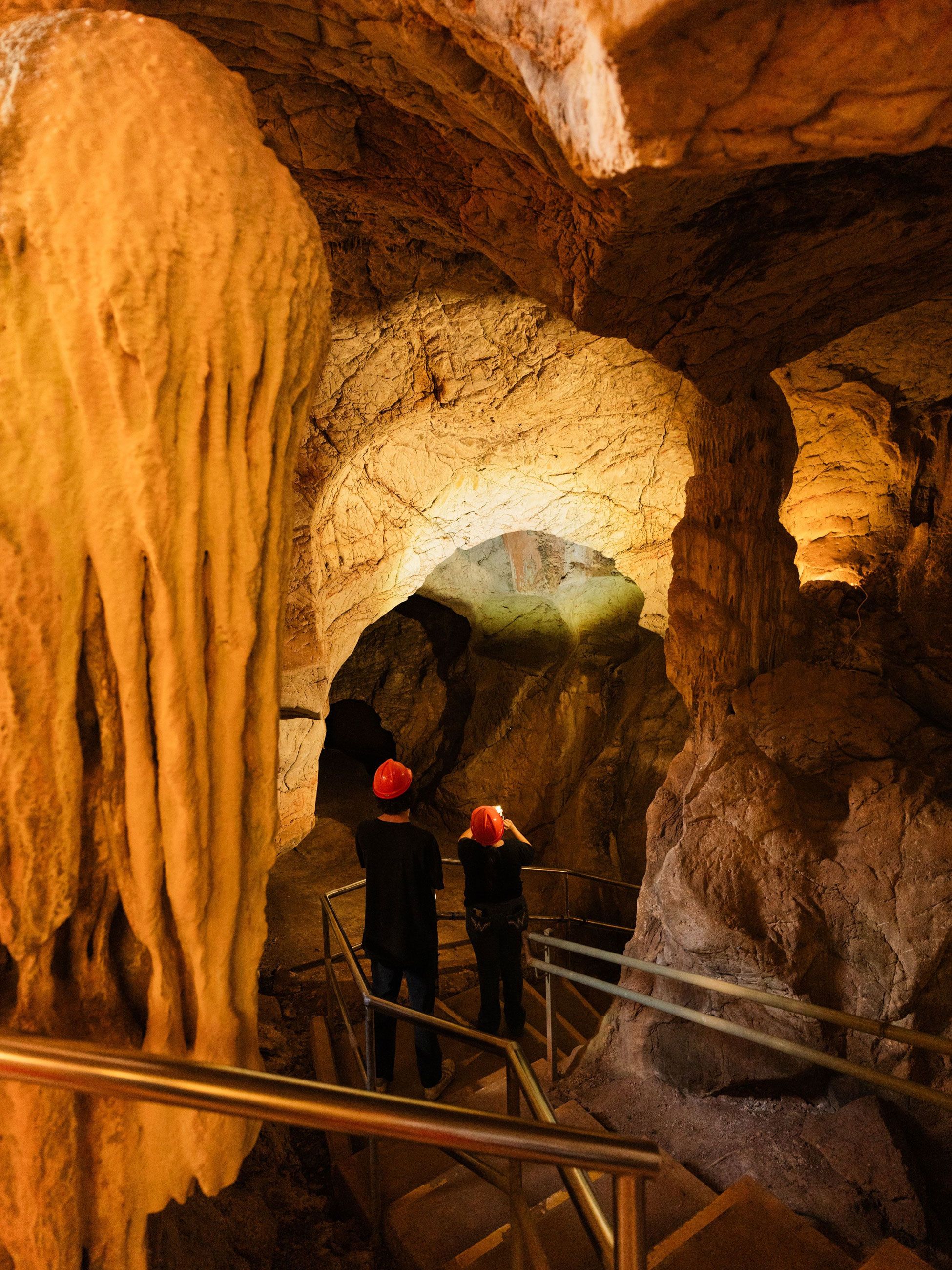
Some descend 40 metres. (Credit: Destination NSW)
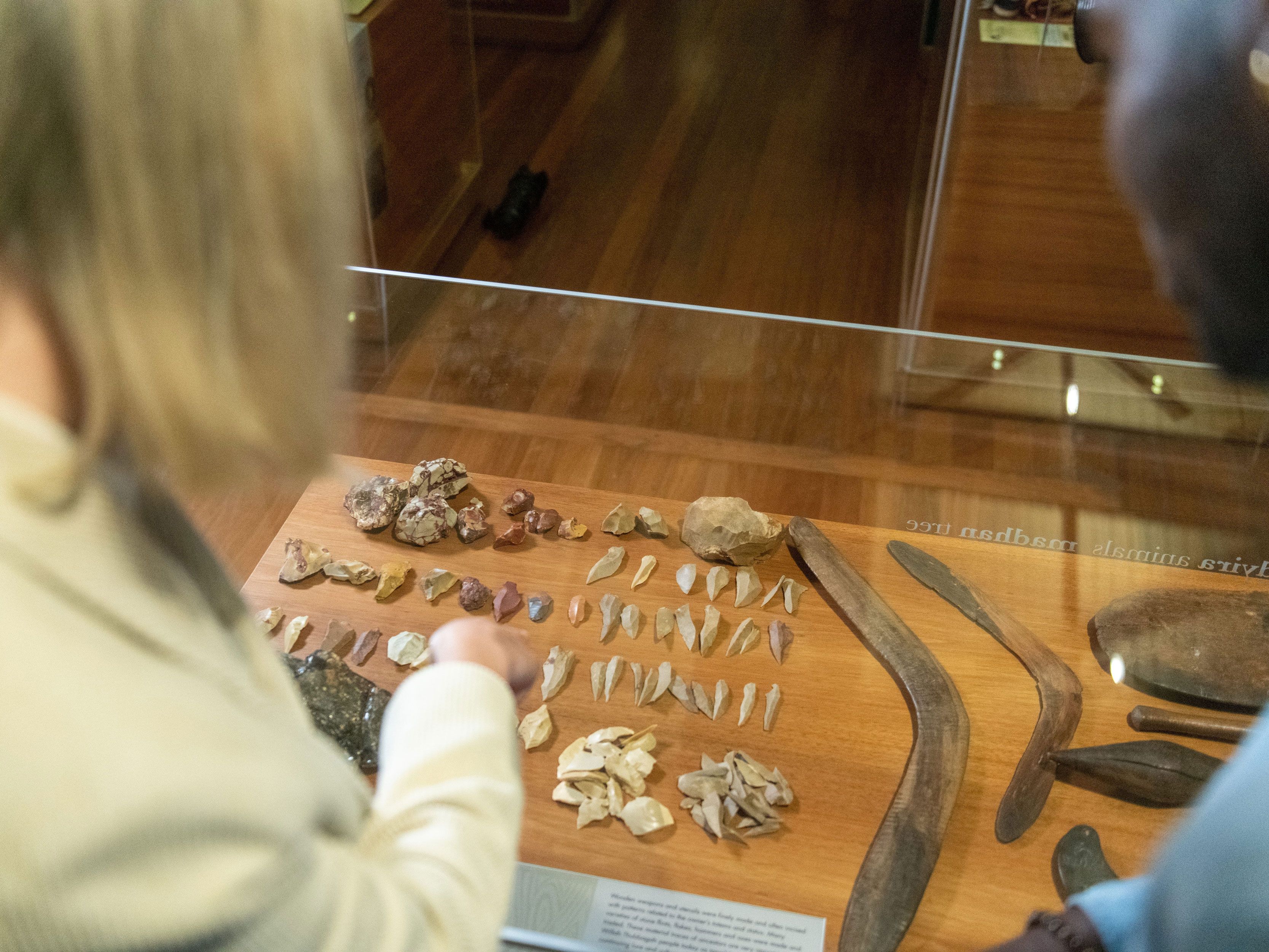
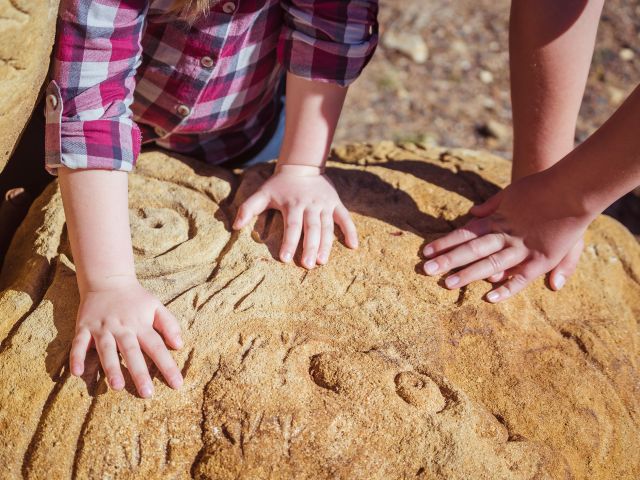
See Wiradjuri artefacts at Western Plains Cultural Centre. (Credit: Destination NSW)
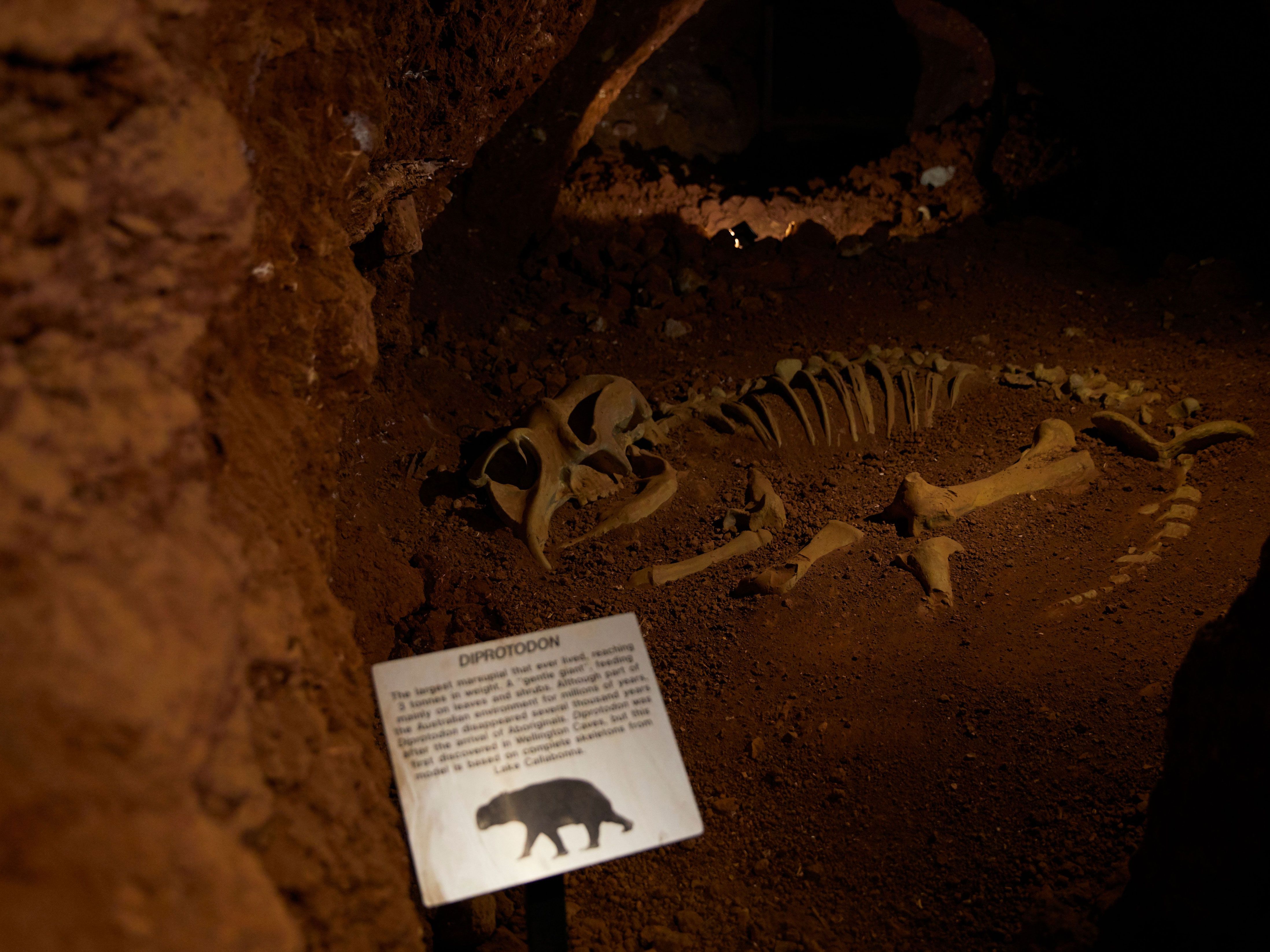
Megafauna once roamed the region. (Credit: Destination NSW)
They say time travel is not yet possible but I’m not so sure, because back in Dubbo, where my husband is desperate to tackle modern-day terrain on the Central West Cycle Trail, I discover Indigenous Wiradjuri experiences at the Western Plains Cultural Centre that can transport me back at least 40,000 years. And when we drive a little further south to Wellington Caves – a vast limestone underworld teeming with fossils of Diprotodon (an extinct marsupial bearing a ‘possessed beaver’ aesthetic) and Thylacoleo carnifex – we can go back 400 million years yet still enjoy a flat white at the onsite cafe.
If this were anywhere else, condensing millions of years of geology and curious animal history in one accessible place could be seen as a challenge; at Wellington Caves, all it requires is a hard hat and a check that you can handle the step-heavy physicality of either its guided Cathedral or Gaden Cave Tour. We opt for the former, and its 15-metre-tall crystal formation provides the ultimate wow factor. The opportunity also presents to play paleontologist at the onsite Fossil Discovery Lab, or to wind our way around the Fossil Trail, but with the kids exploring the cave’s coral petrifactions, I take a moment to pause and marvel at how elastic time can be.
Need tips, more detail or itinerary ideas tailored to you? Ask AT.
AI Prompt
Nearby treasure towns
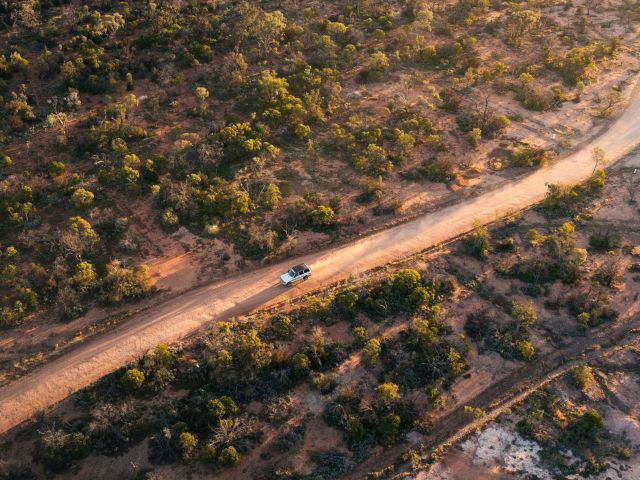
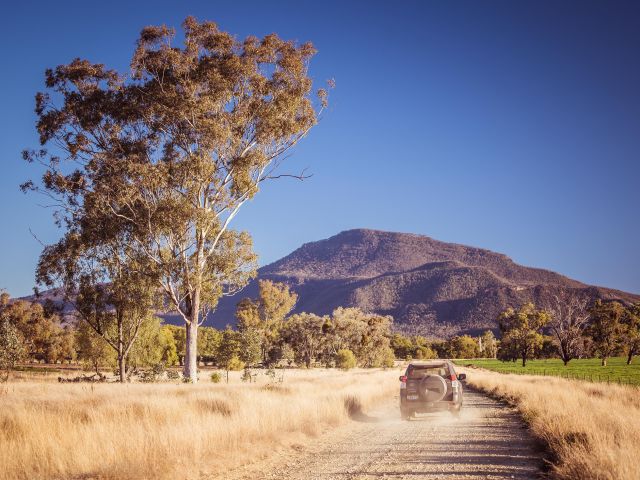
Inject some adventure into your road trip to Lightning Ridge, 349km from Dubbo. (Credit: Destination NSW)
The Dubbo region may present an opportunity to travel millennia in one day, but it’s far from the only town where nature performs endless magic. Tack on the following destinations to complete your ultimate NSW holiday.
Narrabri
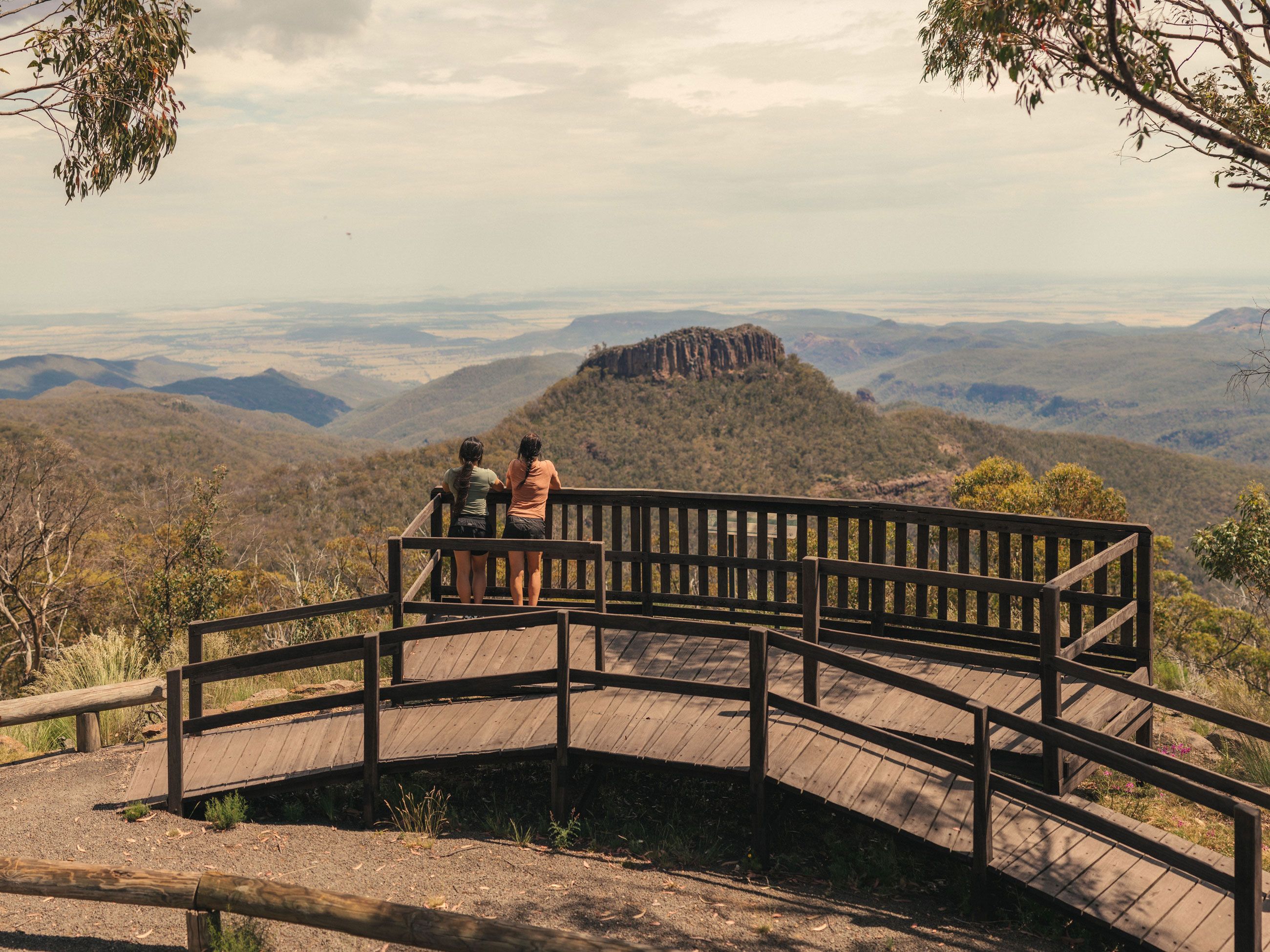
Take in impressive views across Mount Kaputar National Park. (Credit: Narrabri Shire Council)
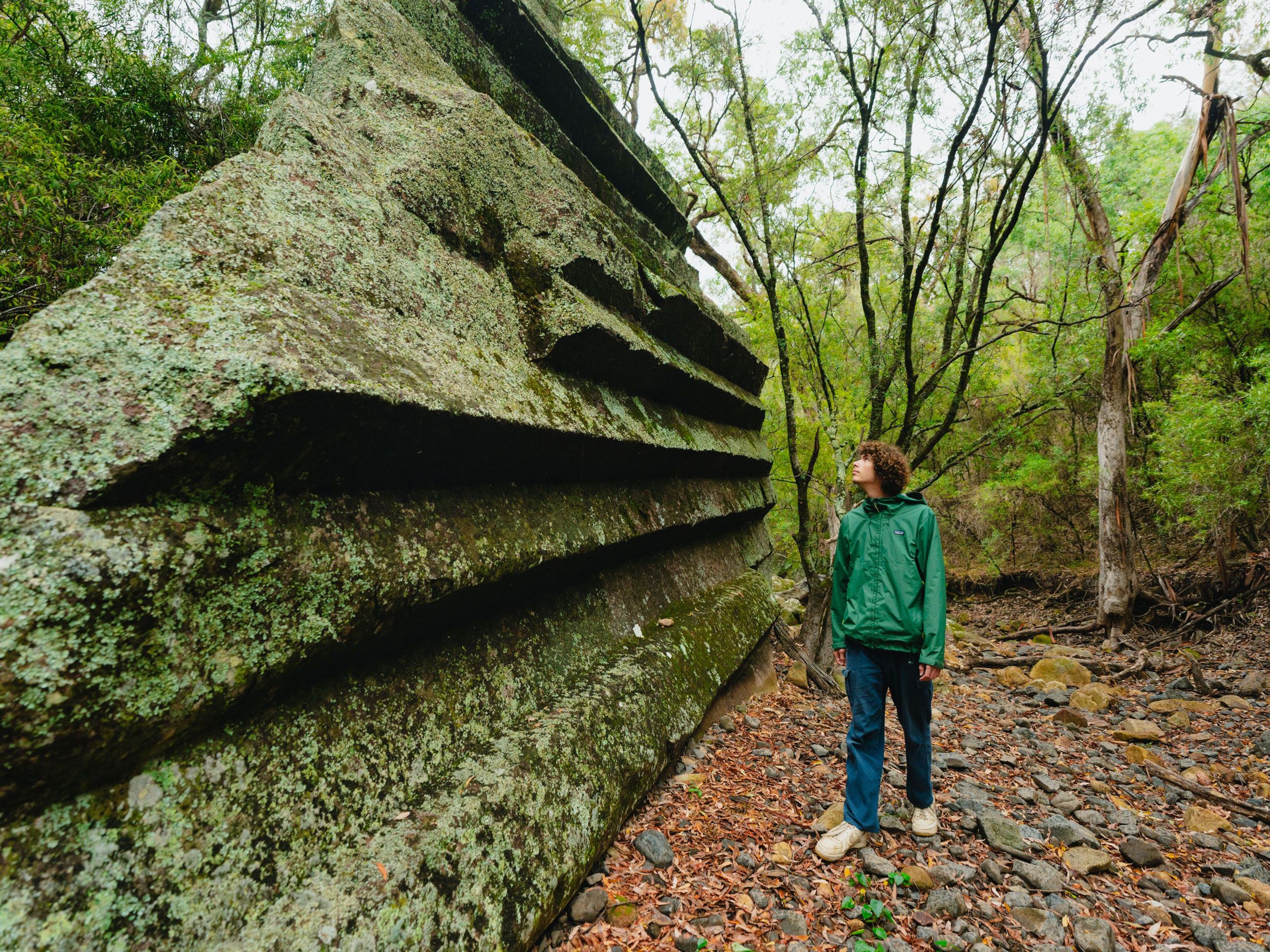
The unique natural formations of the Sawn Rocks walking track at Narrabi.
Head near the volcanic wilderness of Mount Kaputar National Park, some 260 kilometres north of Dubbo, and you’ll find a destination that offers both relaxed country town ambience and all the thrilling nature activities you can handle.
Famous for the organ pipe ‘design’ of its 750-metre Sawn Rocks walking track, Narrabri’s hiking, canoeing, cycling and horseback riding are also popular options for active travellers.
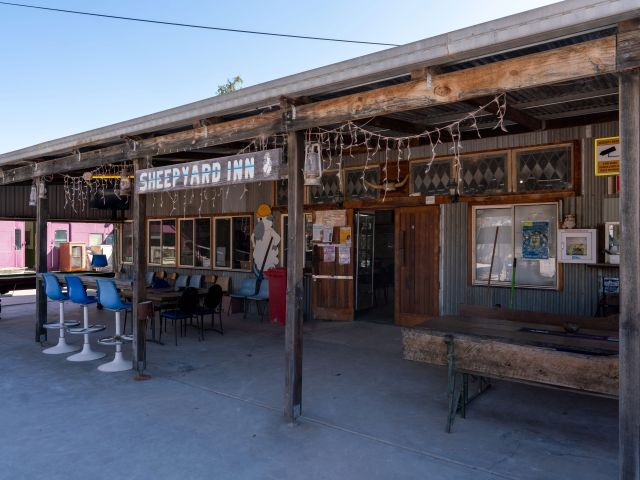
Check out the hotspots that make up the quirky town of Lightning Ridge. (Credit: Destination NSW)
Alice in Wonderland has nothing on the curiosities of the quirky outback town of Lightning Ridge, 349 kilometres north of Dubbo, which is as celebrated for its rare black opals as it is for its unusual art offerings.
Before you get down to the serious business of finding gems at one of the designated public fossicking areas, it’s best to do a self-drive tour; marked by painted car doors, you can follow the trail to check out top sights, such as Amigo’s Castle and the underground sculptures of Chambers of the Black Hand.
Another trip highlight? Visiting the Lightning Ridge Artesian Bore Baths by night, where you can lie back and relax in bubbling 40°C water as you gaze up at a canopy of stars.
Weekly travel news, experiences insider tips, offers, and more.
Moree
Chill out in Moree’s famous artesian waters.
Welcome to Moree, Australia’s artesian spa capital. This tranquil world – set on the banks of the Mehi river, 362 kilometres northeast of Dubbo – is where Art Deco architecture, paddock-to-plate dining and, yes, multiple hot springs come together to create the ultimate getaway.
At the junction of the Newell, Mitchell and Golden Highways, Dubbo is 395 kilometres from Sydney along the Mitchell Highway. It’s serviced by both Dubbo Regional Airport and NSW TrainLink, with services connecting Dubbo with Sydney and regional NSW.
Where to stay
Stargazing is made that much sweeter with a stay in the luxurious two- or three-bedroom lodges at Dark Sky Eco Retreat in the foothills of the Warrumbungles. The retreat features fireplaces and plunge spas, while a range of tours – from stargazing to emu safaris – are available onsite.
What to do
The one-hour Cathedral Cave Tour descends through spectacular limestone chambers via 300 stairs through the Wellington Caves system. A medium level of fitness and mobility is required.
Where to eat
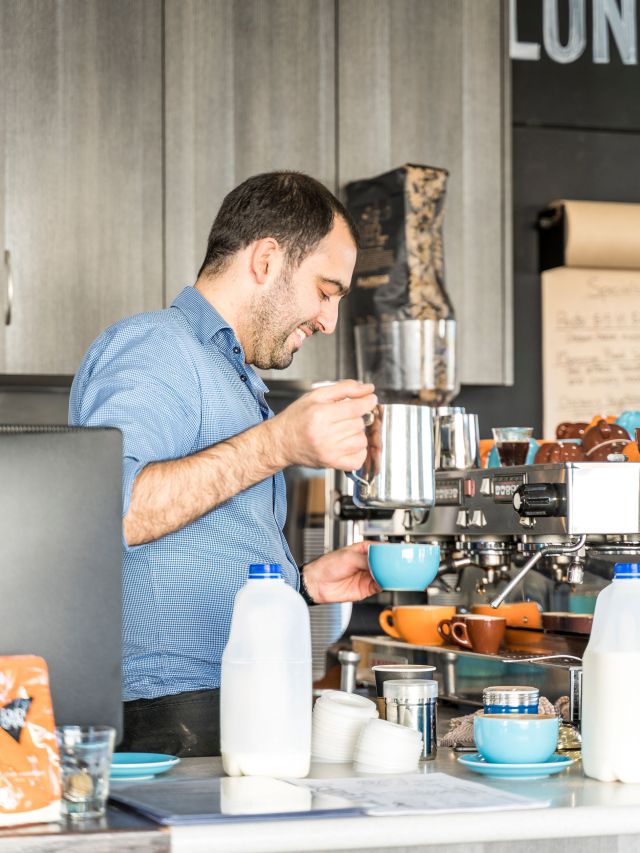
Mornings are best kicked off with a visit to Press, a progressive cafe and coffee roaster serving seasonal fare in Dubbo’s CBD.
Want to see more stories from Australian Traveller in your Google search results?
Tick the box next to "Australian Traveller". That's it.
Dilvin Yasa is a freelance journalist, author and TV presenter whose travels have taken her from the iceberg graveyards of Antarctica to the roaring rapids of Uganda. Always on the lookout for that next unforgettable meal, wildlife moment or 80s-themed nightclub, she is inexplicably drawn to polar destinations despite detesting the cold.
Discover what makes this country town the perfect place to slow down, switch off and recharge.
At first glance, the country town of Moree may look like just another charming highway town, with heritage buildings, a leafy town centre and classic pubs the locals love. However, this regional New South Wales town is Australia’s Artesian Spa Capital, a wellness hub with a rich Indigenous cultural history and a growing reputation as a destination for slow travel.
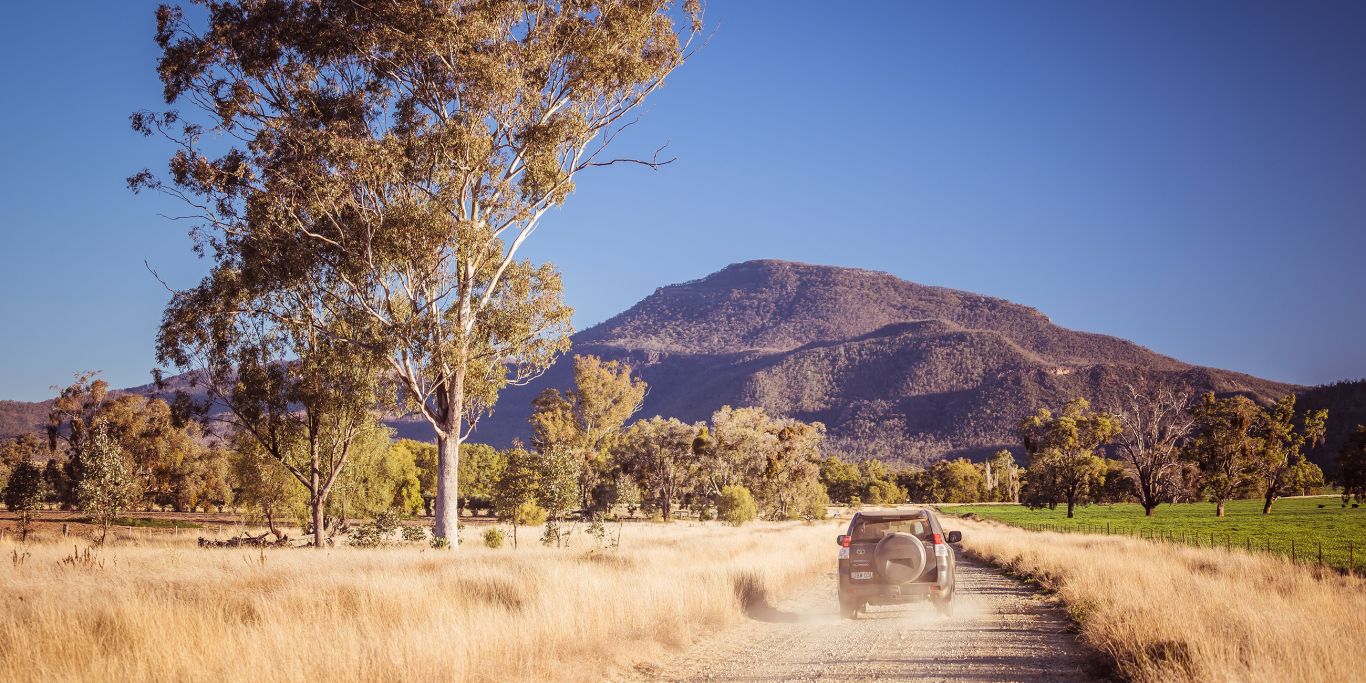
Moree is ideally located at the crossroads of the Gwydir and Newell highways (and is also easily reached by train and air), making it a refreshing destination, or stop, on any road trip. And these eight experiences show why.
1. Taste Moree on a Plate
Taste the best of regional produce and culinary talent. (Credit: Destination NSW)
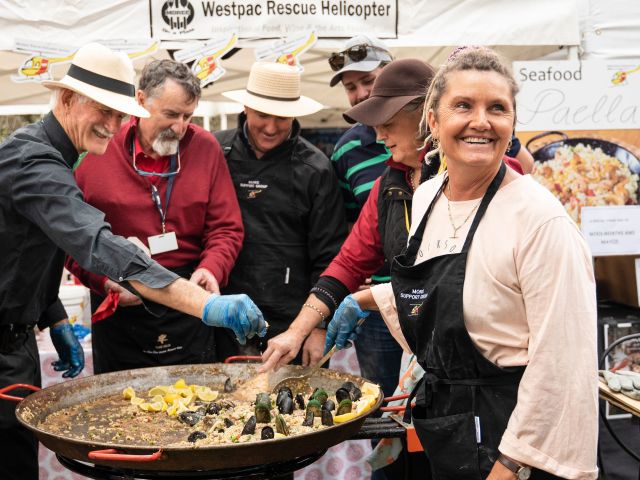
Time your trip for Mother’s Day weekend in May, and you’ll find yourself in the middle of the popular annual food and wine festival, Moree on a Plate, celebrating regional produce and culinary talent from the region’s fertile plains.
Browse the stalls and sample olives, pecans, citrus fruits, honey, boutique wines and handmade condiments. You can also enjoy live cooking demonstrations by celebrity chefs, a local barbecue competition, plein-air art, live music and a dedicated children’s activity area.
2. Experience artesian waters
Chill out in Moree’s famous artesian waters.
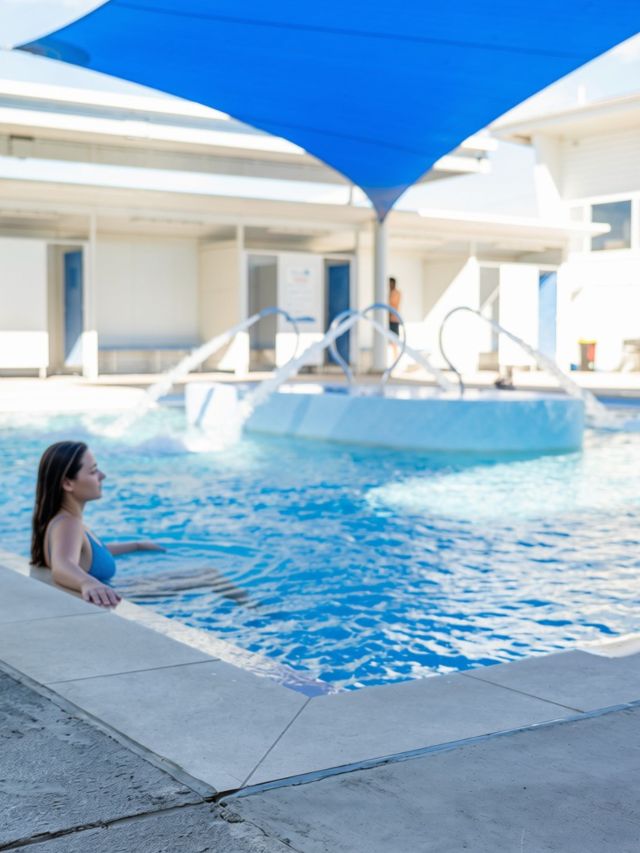
Moree’s famous artesian waters have attracted visitors for over 130 years. First discovered by accident in 1895, this mineral-rich, naturally heated water is drawn from deep within the Great Artesian Basin. Soak and slow down in the recently renovated pools at the Moree Artesian Aquatic Centre, where you can choose between the active pool with massaging water jets or the passive pool for a more relaxing experience.
For a longer soak, stay at one of the many motels within walking distance of the aquatic centre. Or book a stay with its own artesian pools.
Gwydir Thermal Pools Motel & Caravan Park has five on-site thermal pools and a broad range of accommodation, while the Phoenix Resort offers both indoor spas and outdoor thermal pools as well as recently upgraded self-contained apartments and motel rooms. Meanwhile, the Artesian Spa Motel is set on five acres of landscaped gardens and features swimming and thermal pools, including an indoor artesian spa and an on-site restaurant.
3. Enjoy an arty experience
Step inside the gorgeous Bank Art Museum Moree. (Credit: Destination NSW)
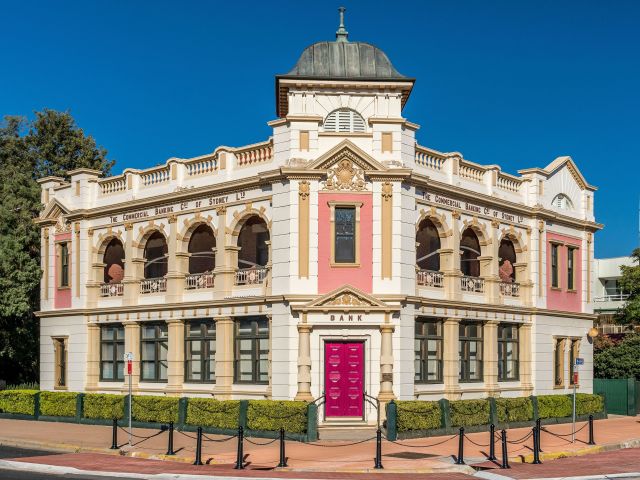
To connect with Moree’s artistic side, head to Bank Art Museum Moree (BAMM), an independent contemporary art gallery housed in a beautifully preserved, Federation-era bank dating back to 1910. Inside, a nationally significant collection celebrates the art and culture of the Gamilaroi/Kamilaroi people and other First Nations artists alongside regional Australian art, while changing exhibitions offer something new.
Follow the Moree Art Mural Trail through the CBD, and you’ll pass large-scale murals and small galleries reflecting stories of the town’s people, history and culture. While you’re exploring this open-air gallery, look out for the eclectic mix of Art Deco and early 20th-century architecture, including the Moree Courthouse and the striking Capitol Theatre facade.
4. Discover cotton country
Learn more about Moree’s cotton industry. (Credit: Destination NSW)
Surrounded by the black-soil plains of the Gwydir Valley, Moree is at the centre of one of Australia’s major cotton-growing areas. Visit between March and May, and you’ll see fields covered in the distinctive fluffy white cotton bolls being harvested by huge machinery.
Trace the cotton from paddock to fabric on the Cotton Farm and Gin tour, running from April to September. You’ll visit a cotton farm and a working cotton gin up close, where you’ll see the cotton fibres separated from the seeds. Tours run weekly and include transfers.
5. Explore the Moree Plains
Head out of town to explore the plains.
Outside of the city centre, Moree is surrounded by charming rural villages dotted around the plains. The quiet village of Boomi, around 90 kilometres north-west of Moree, offers historic early 20th-century architecture, its own artesian thermal waters at the Boomi Artesian Baths and vast outback skies.
Further west, the pioneer border town of Mungindi straddles the Barwon River between New South Wales and Queensland. Follow the 2.5-kilometre sculpture trail to take in the outdoor public art, and you’ll cross the state border twice.
6. Relax by the water
Spot the locals at Gwydir Wetlands.
Just a short drive away, the peaceful Tareelaroi Weir Recreation Area makes the most of the meandering Gwydir River. Set up camp along the riverside and enjoy picnicking, fishing and swimming.
A little further afield, the Gwydir Wetlands are home to 75 recorded waterbird species, including brolgas, magpie geese, egrets, spoonbills, ibis and black-necked storks, also known as jabirus. Watchers can settle into the hide at Waterbird Lagoon, or follow a short walking trail through the wetlands, keeping an eye out for rare species.
7. Immerse in local Indigenous culture
Learn about the history of the Gamilaroi People.
Moree lies on the traditional lands of the Gamilaroi People, whose connection to the land stretches back thousands of years. Today, visitors can learn about this history at Terry Hie Hie Aboriginal Area, which includes the 3.5 kilometre Yana-y Warruwi Walking Track.
Back in town, the Open Space Aboriginal Art Trail allows you to enjoy the Mehi River with a free, self-guided public art trail of work from local Indigenous artists and their personal connection to Country. Finish with a visit to the remarkable Dhiiyaan Aboriginal Centre, where more than 110,000 family genealogies are recorded. Browse artefacts, art and over 15,000 photographs. There are also changing exhibitions of historical photographs and local art.
8. Local cafe culture
Get amongst’s Moree’s vibrant cafe scene. (Credit: Destination NSW)
From relaxed country cafes to stylish modern eateries, Moree’s CBD has a surprisingly vibrant foodie scene. There are plenty of spots to choose from for a freshly brewed coffee, long lunch or tasty dinner, featuring menus showcasing local produce and loads of country charm.
If you’d rather dine in the great outdoors, grab a takeaway coffee or a picnic and head to leafy Jellicoe Park, a riverside oasis just a short walk from the centre of town. Pick a spot under the trees, enjoy the park’s art installations and keep watch for waterbirds along the river.